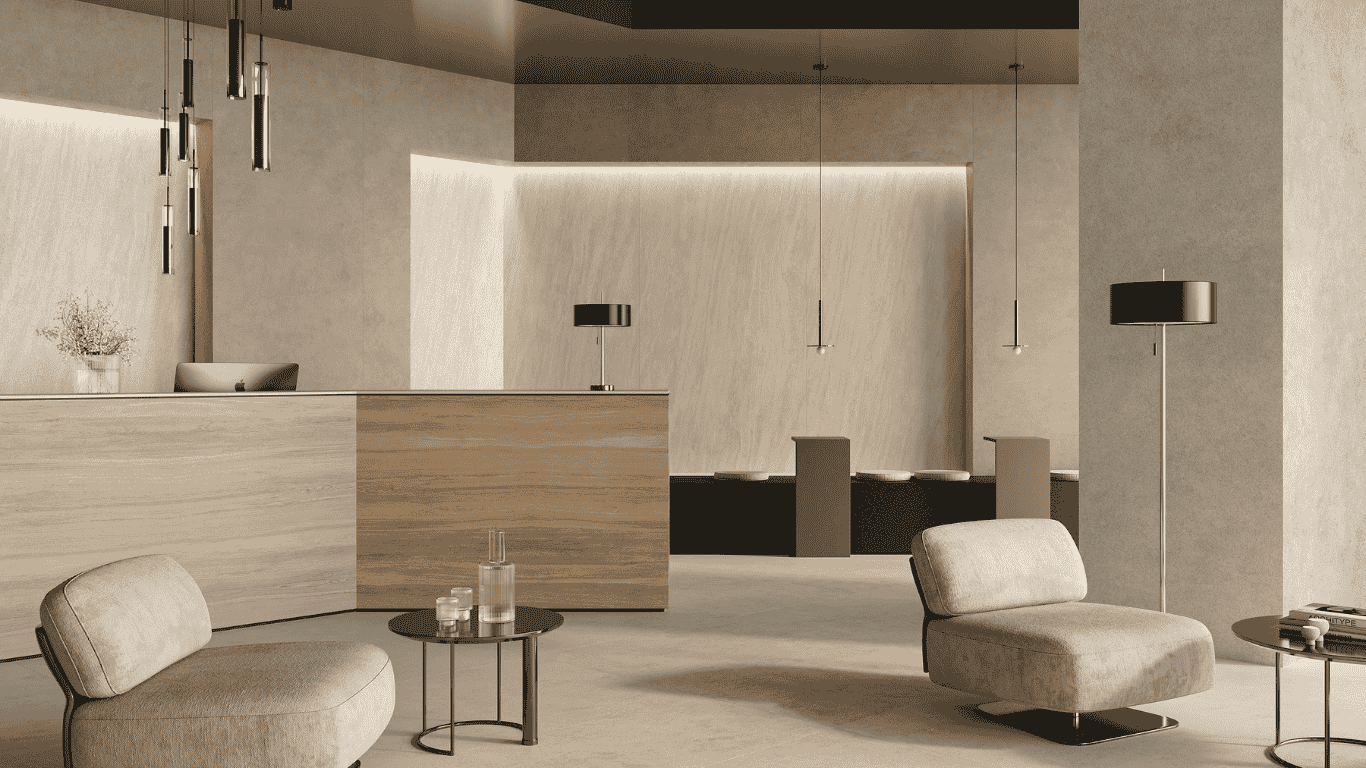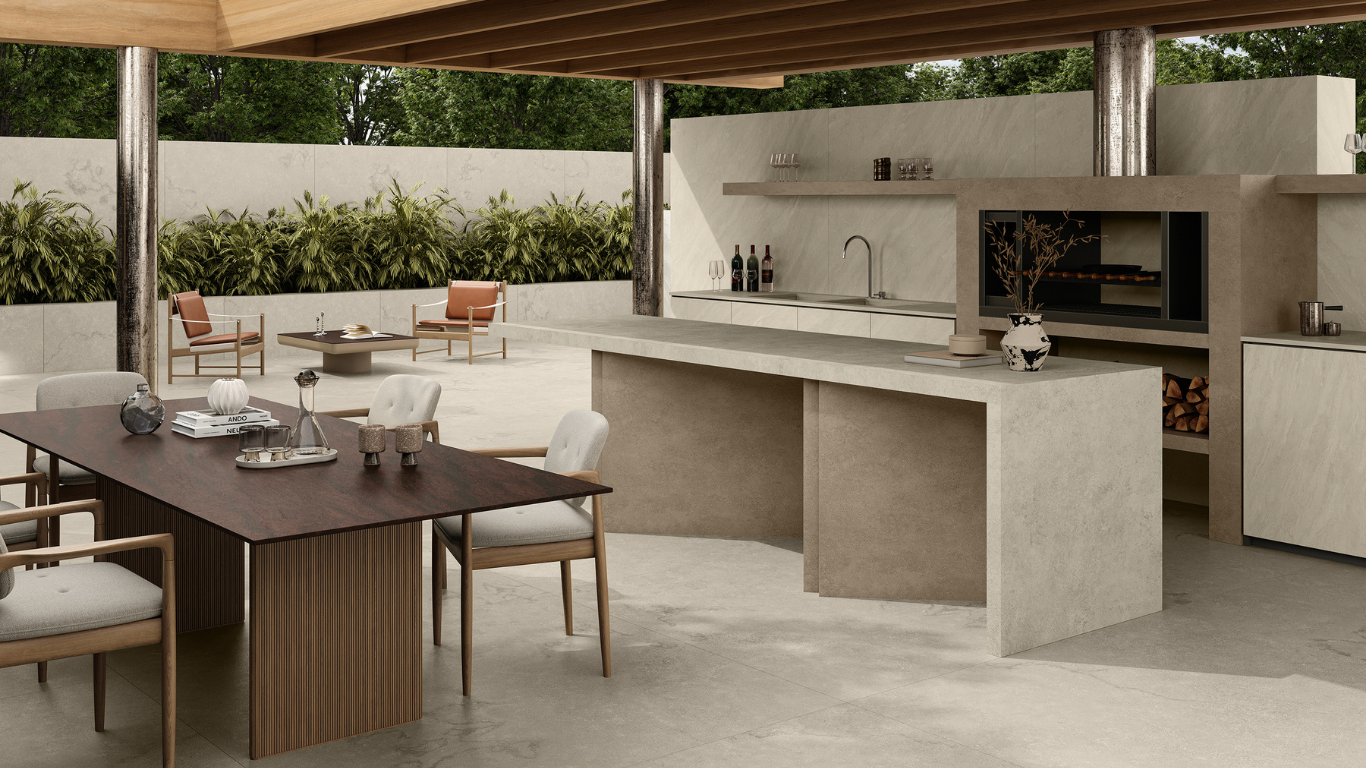

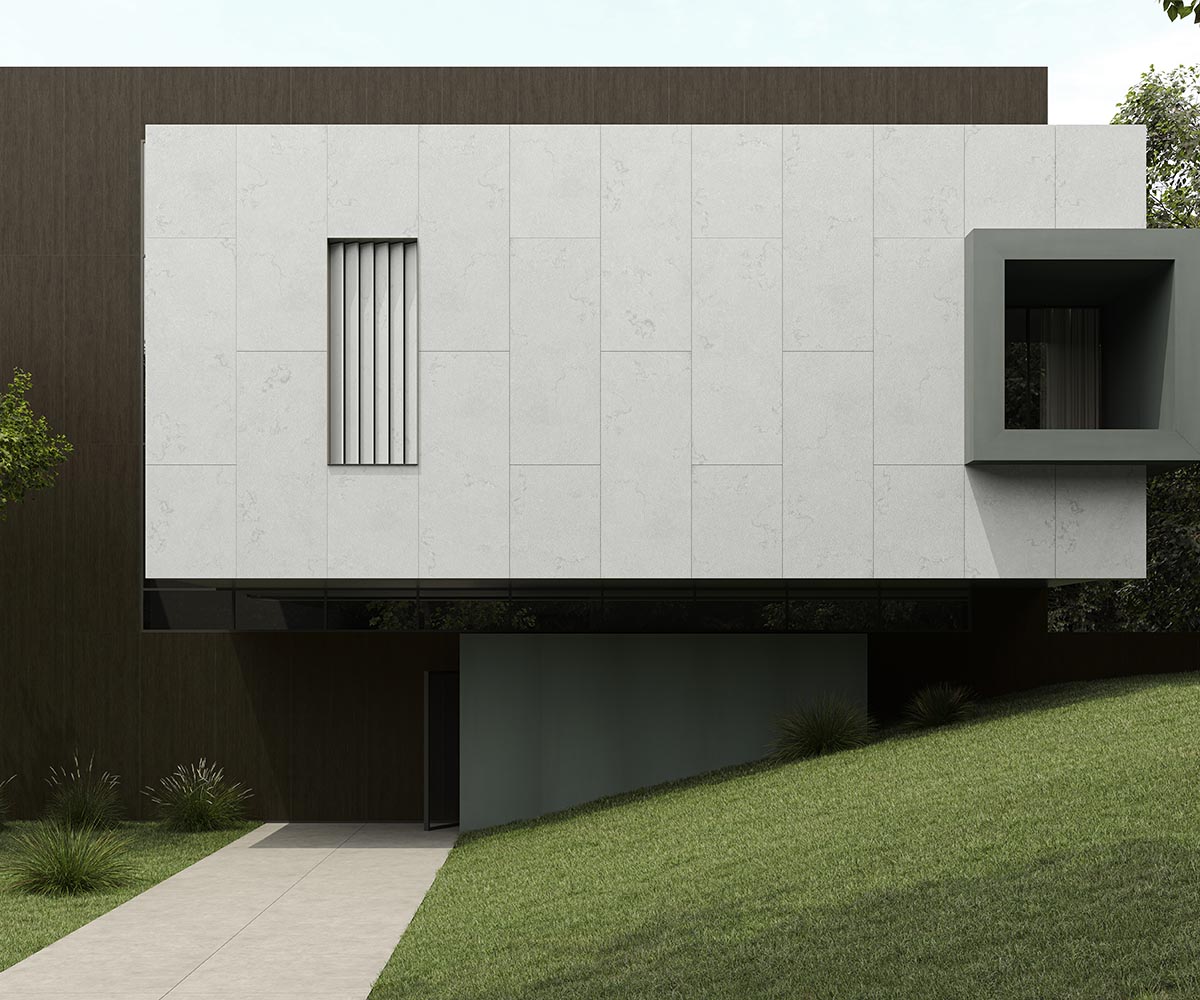
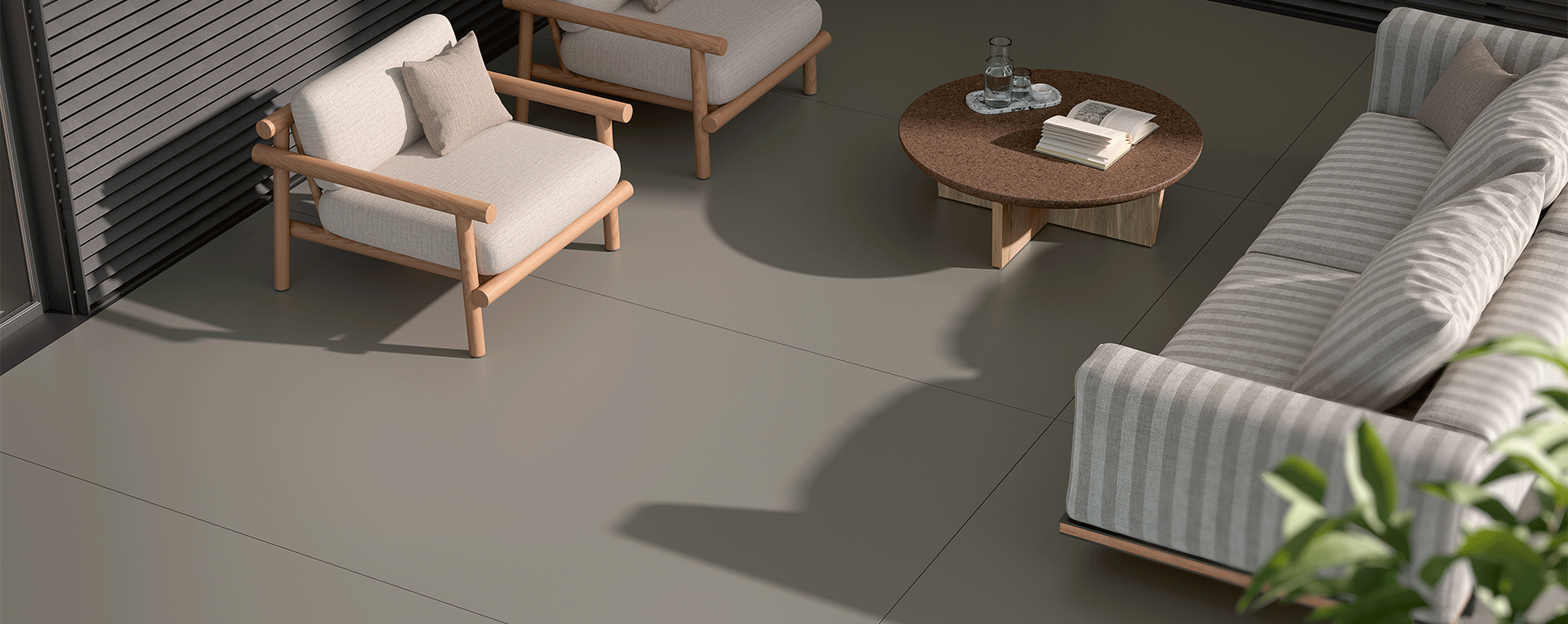

Understanding the Two Materials
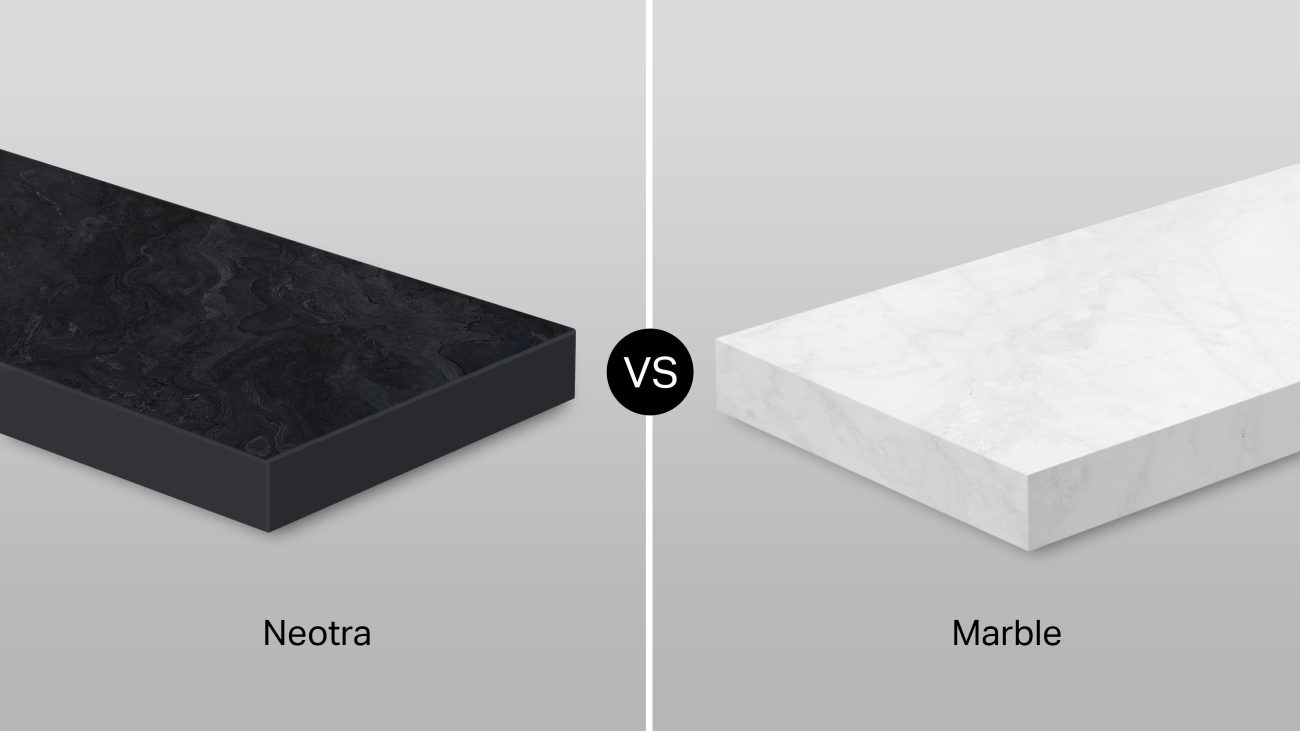
Introduces what marble is (natural stone) and what Neotra is (advanced engineered surface), including how they’re made and where they’re typically used.
Marble is formed from limestone under intense heat and pressure. The composition is primarily calcite, which creates unique patterns from mineral impurities, making each slab unique. Comes with natural limitations such as softness and porosity.
Neotra surfaces, on the other hand, represent cutting-edge innovations. These are premium engineered materials solely made from natural minerals, mimicking natural stone with precision. Crafted through an advanced sintering process, Neotra yields large-format slabs in various thicknesses that mimic marble, wood, stone, or concrete.
Neotra collections ensure seamless uniformity across batches. The Mohs hardness of marble is 3-4, prone to etching by acids, while Neotra has 8+ hardness and resists scratches and stains. Marble requires sealing every 6-12 months to prevent stains and demands a robust installation. Neotra is UV-stable and is ideal for both indoor and outdoor spaces. Neotra captures marble’s drama without the fragility, making it a practical powerhouse for contemporary lifestyles.
Style Comparison: Marble vs Neotra
Neotra and marble both command attention in stylish interiors, but their aesthetics differ in captivating ways.
Aesthetics & Design Versatility
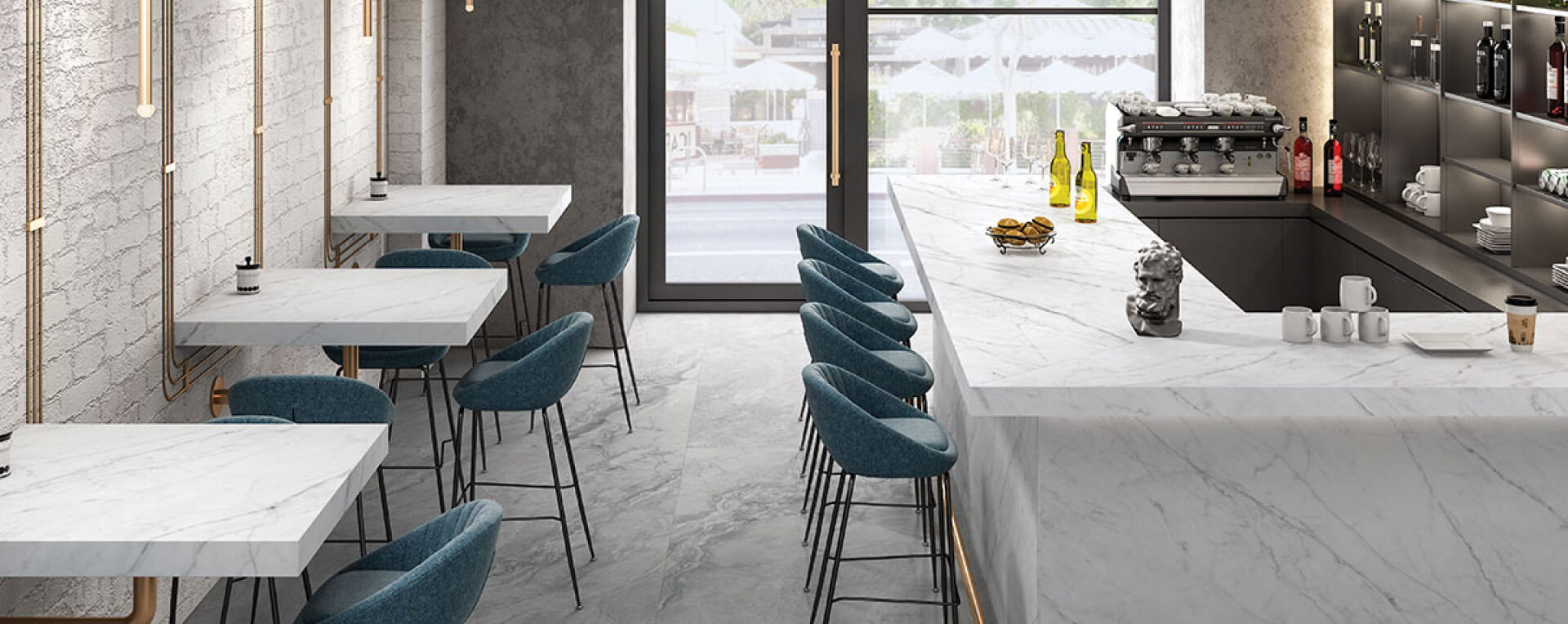
Marble’s beauty comes from unpredictable veining that creates statement pieces. But the variability means slabs rarely match, limiting bold designs. Neotra flips the script with engineered precision, offering infinite choices in colours and scales. Designers achieve custom looks, from subtle linear veins to dramatic granular surfaces, all suitable for backsplashes, countertops, or feature walls.
Surface Finish & Texture
Marble arrives polished for a high-gloss sheen that reflects light, amplifying spaciousness, or honed for matt subtlety. Soft texture feels luxurious underfoot but scratches easily. Neotra masters in surface, as the surface is resistant to stains and scratches. Advanced digital printing replicates marble’s tactile depth without the upkeep, offering an anti-slip surface for floors.
Visual Continuity in Design
Marble slabs often show gaps, disrupting the flow, they captivate with organic elegance but lack predictability. Neotra offers large-format slabs with minimal seams, perfect for single-piece vanities or infinite kitchens. A bookmatched slab creates symmetrical drama across surfaces. Neotra elevates style, blending marble’s elegance with engineered precision for spaces that wow without worry.
Also Read: Neotra vs Quartz: Which Surface Is Best for Modern Kitchens
Practicality Comparison: Maintenance, Safety & Durability
Practicality determines longevity in busy spaces, and here’s why Neotra outshines marble in terms of durability, maintenance, impact resistance, and safety in wet areas.
Maintenance
Marble requires annual sealing, polishing, pH-neutral cleaners, and preventing acids that stain and set rapidly in pores. Daily wiping risks dullness. For Neotra, wipe with soap and water, no sealing is required. Neotra repels liquid and is resistant to spills and chemicals due to its non-porous surfaces. Neotra slabs are hygienic and anti-bacterial.
Durability & Impact Resistance
Marble falls low on the Mohs scale, chipping from dropped pots or etching from juices, which are common in kitchens. The crystalline structure absorbs impacts poorly, leading to cracks over time. Neotra, with mineral-based material, has an 8+ Mohs, brushing off utensils and heavy cleaners. Marble fades outdoors, while Neotra slabs are UV and fade-resistant with higher strength that prevents cracking in large spans.
Safety in Wet Areas
Showers and bathrooms amplify risks. The polish of marble wears off, and unsealed pores generate mould. Neotra’s rectified edges with sculptured surfaces provide superior slip resistance. Heat-resistant for steam rooms and is safer for families. In the real world, Neotra slashes replacement costs over marble, our surfaces thrive in high-use zones. Marble suits low-traffic areas while Neotra powers everyday luxury.
Where Does Each Material Works Best?
Marble thrives in low-demand areas where organic imperfections add character. A formal powder room vanity with a soft marble slab glows when paired with brass fixtures for understated elegance. Ideal for feature walls in living rooms, where foot traffic is minimal, and sealing fits maintenance routines. However, avoid it outdoors or in kitchens, the fragility shows up quickly.
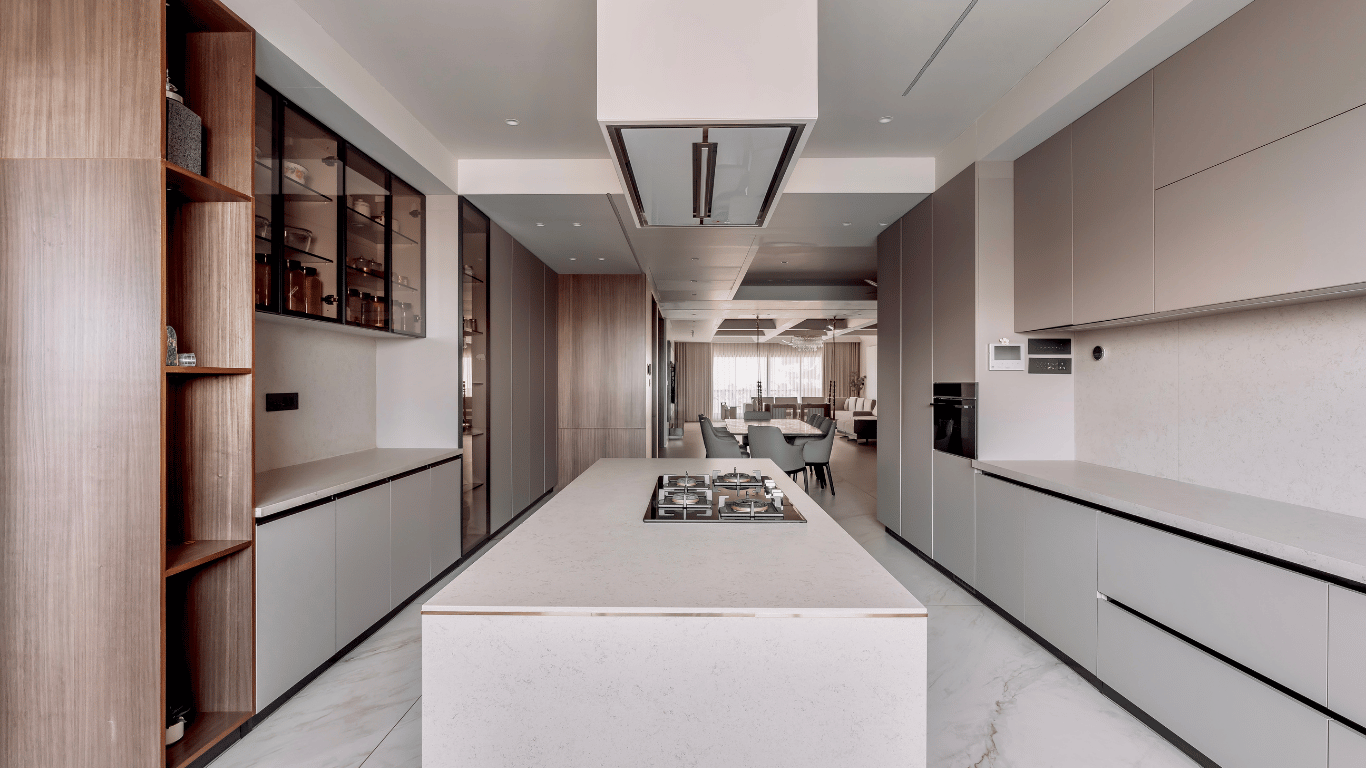
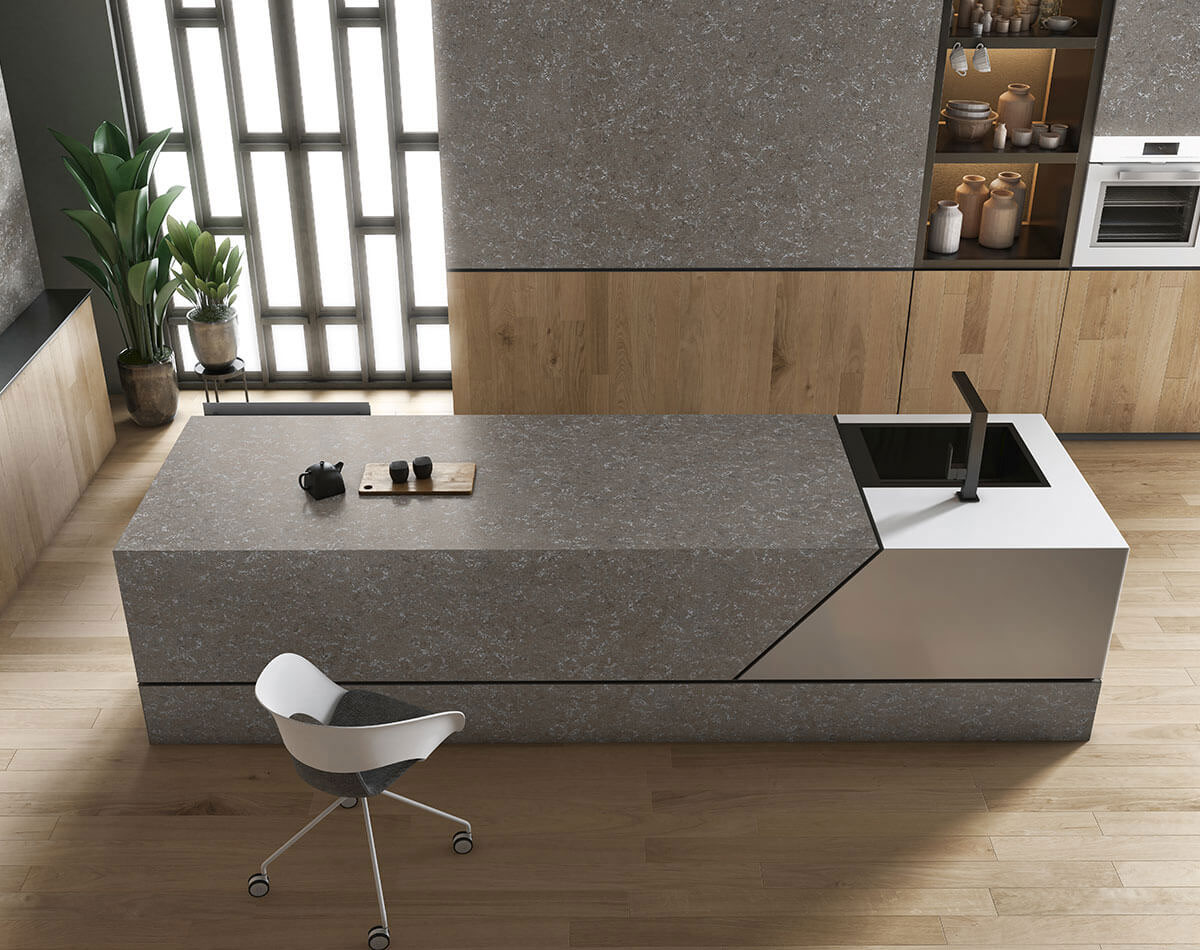
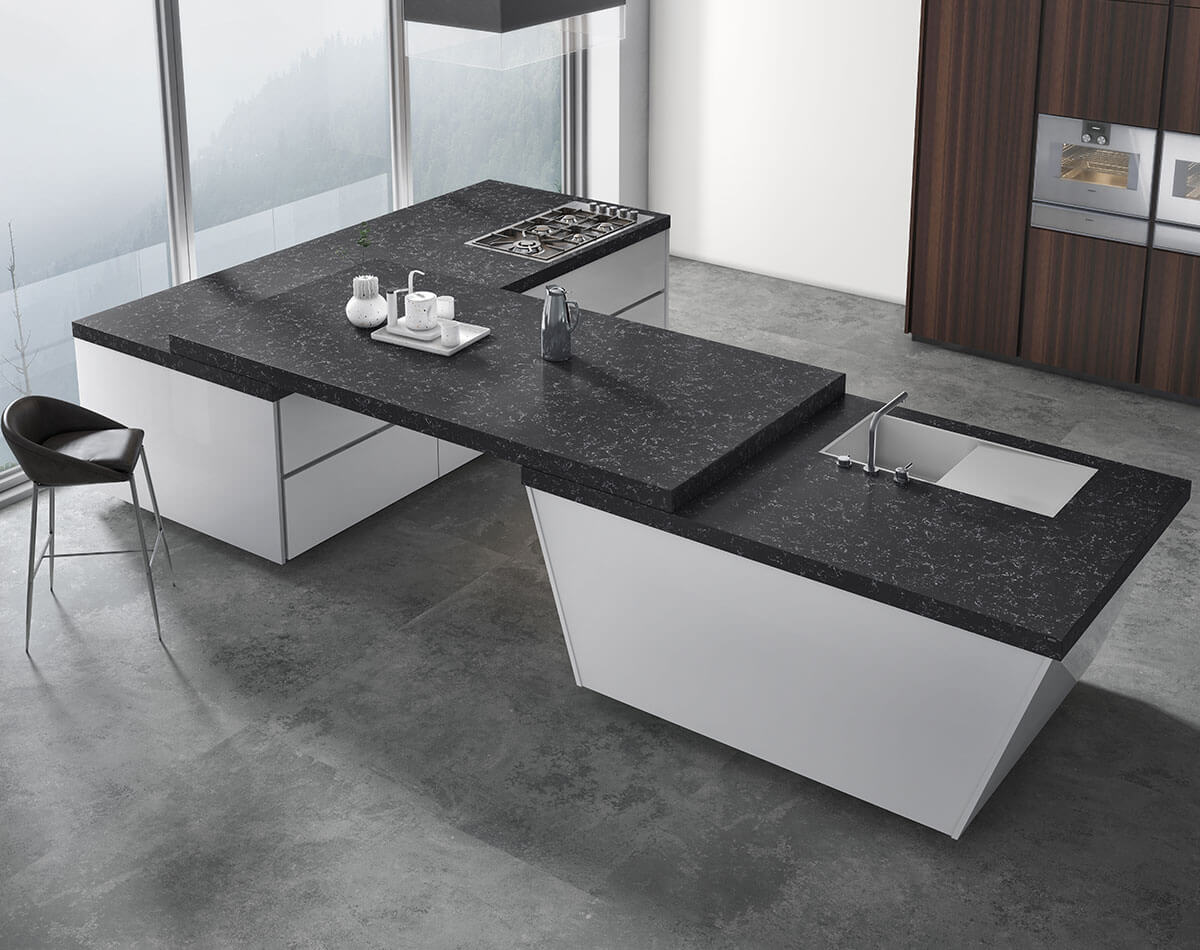
Neotra excels universally, especially in high-impact zones. Kitchen islands demand resilience, chopping veggies directly and enduring spills. Bookmatched slabs create a seamless surface from counter to backsplash. Vanities resist humidity, and floors grip safely. For open-plan homes, large-format Neotra flooring unifies spaces without grout lines, creating infinite expanses.
Neotra vs Marble: Quick Comparison Table
Here’s a side-by-side comparison of Neotra vs. Marble
| Feature | Neotra Advanced Surfaces | Marble |
| Maintenance | Wipe with simple soap and water, which is microbial-resistant. No polishing is required | Frequent polishing, grout cleaning, and sealing are required, and it turns yellow in humid conditions. |
| Durability | 8+ Moh hardness, heatproof, scratch-resistant, UV- and impact-resistant, no cracking under pans or drops. | Moh’s hardness is around 3-4, etches and cracks from heat, scratches easily. |
| Stain Resistance | Non-porous, repels liquid, and, hence, wipes and cleans instantly | Porous material, etched from food, requires sealing every 6-12 months and stains permanently without immediate action. |
| Design consistency | Uniform veins and colours across slabs | Natural variations in slabs, veins and colour mismatches are common |
| Upkeep cost | Lower (minimal upkeep) | Higher (requires frequent repairing and sealing) |
| Hygiene and Safety | NSF-certified, antibacterial surface, food-safe, and no grout lines, meaning no mould. | Porous gaps harbour bacteria and mould and require harsh cleaners, and etching releases calcium dust. |
Also Read: Quartz vs Granite: Which Countertop Material Is Better?
Explore the Stylish Alternatives in Neotra
Neotra Advanced Surfaces offers a stylish alternative to marble, each collection reimagining luxury with unmatched practicality. Dive into the collections, perfect for elevating interiors.
Pastelli Collection
Refined and playful, the Pastelli collection revives soft pastels with delicate veining. Amplify light in compact areas such as kitchens or powder rooms. Non-porous hygiene suits kids’ spaces too, while thin 5.5 mm profiles ease renovations.
SPA Collection
The Spa collection offers a granular surface without porosity. Ideal for bathroom vanities or spa-like bathrooms, large-format slabs create a seamless retreat. Durability shines with the ability to be heat-proof slabs for steam showers and stain-resistant to toiletries. Pair with matt black fixtures for serene minimalism.
Inmensa Collection
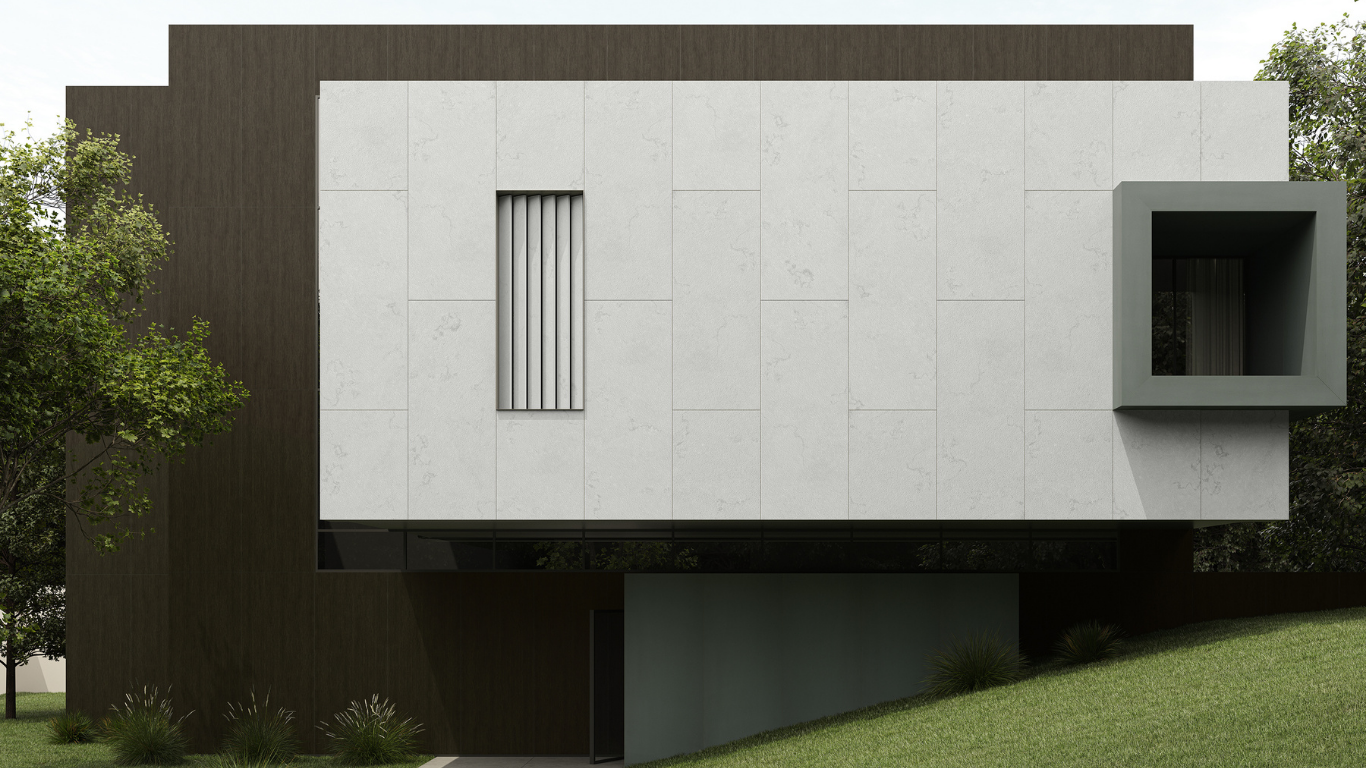
Bold and expansive slabs, Inmensa boasts dramatic oversized veins in rich golds and beiges, creating an infinite marble appearance. Impact-resistant for family delight and UV-stable for light-filled spaces. The 20mm-thick slab supports the building’s facade and double-height walls.
Accordi Collection
Accordi features various look-and-feel surfaces, including wood, concrete, stone, and marble in various tones. Unalterable by stains, salts, acids, and chemicals, extremely safe also for floorings with a high slip resistance index. From kitchen countertops to tables and other furnishings, to wall cladding and floors, to building facades.