

Top 8 Kitchen Countertop Materials Popular in India
India’s countertops come in various materials. Here are the top kitchen countertop slab materials popular in India:
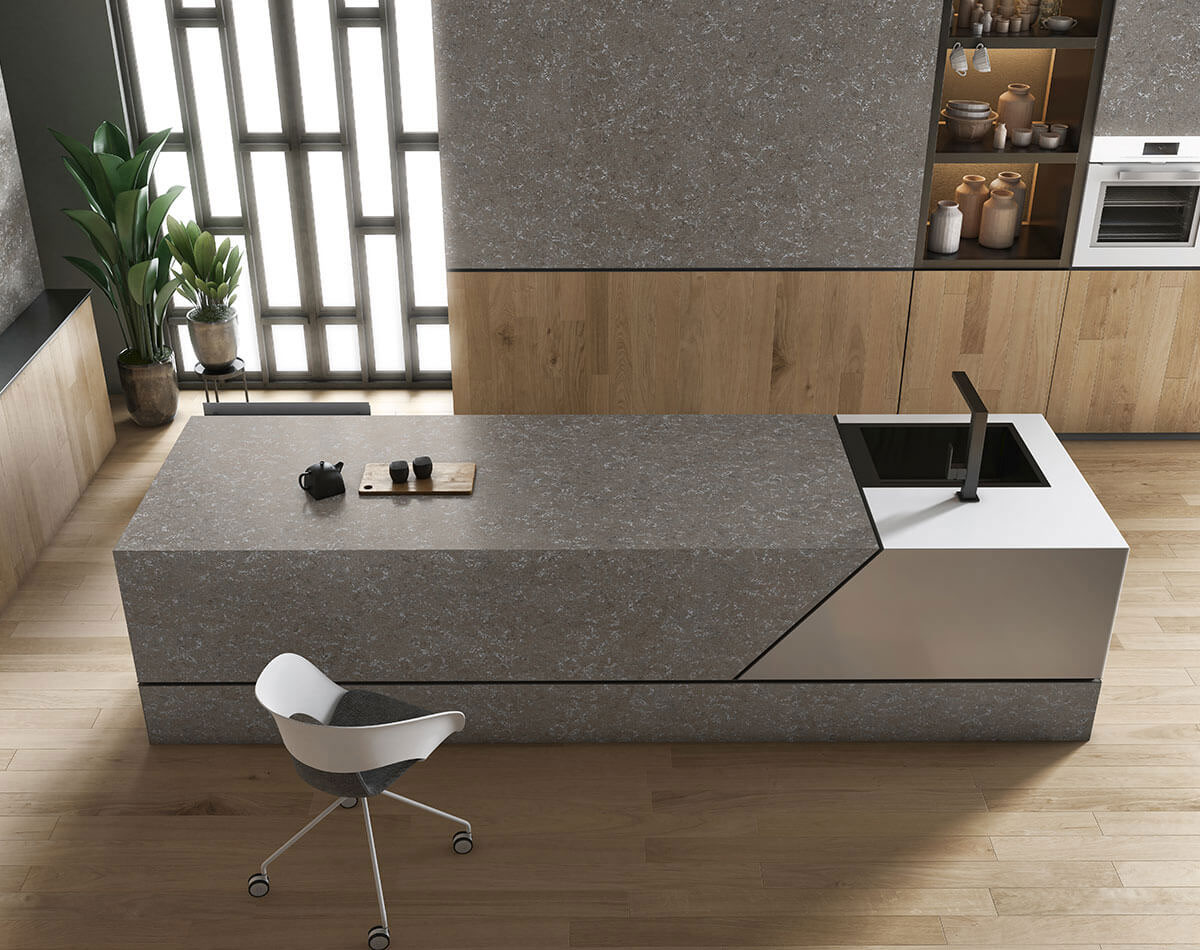
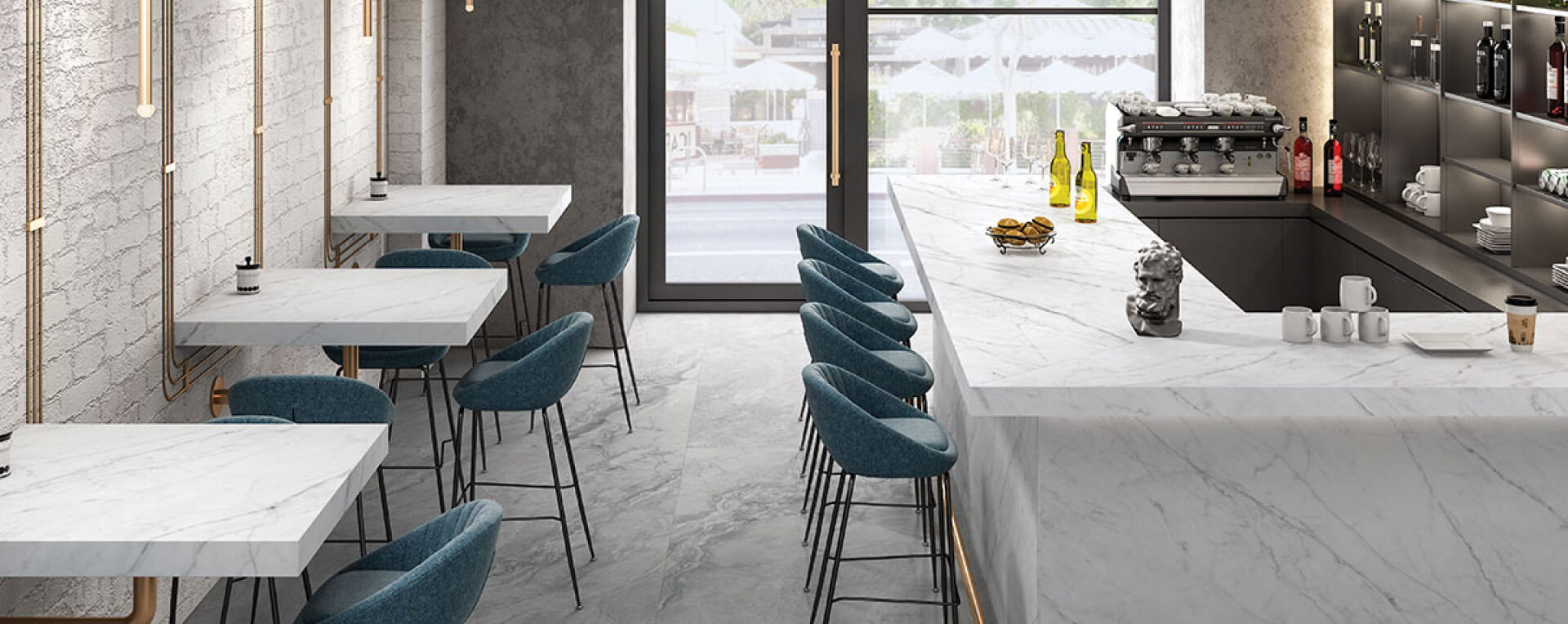
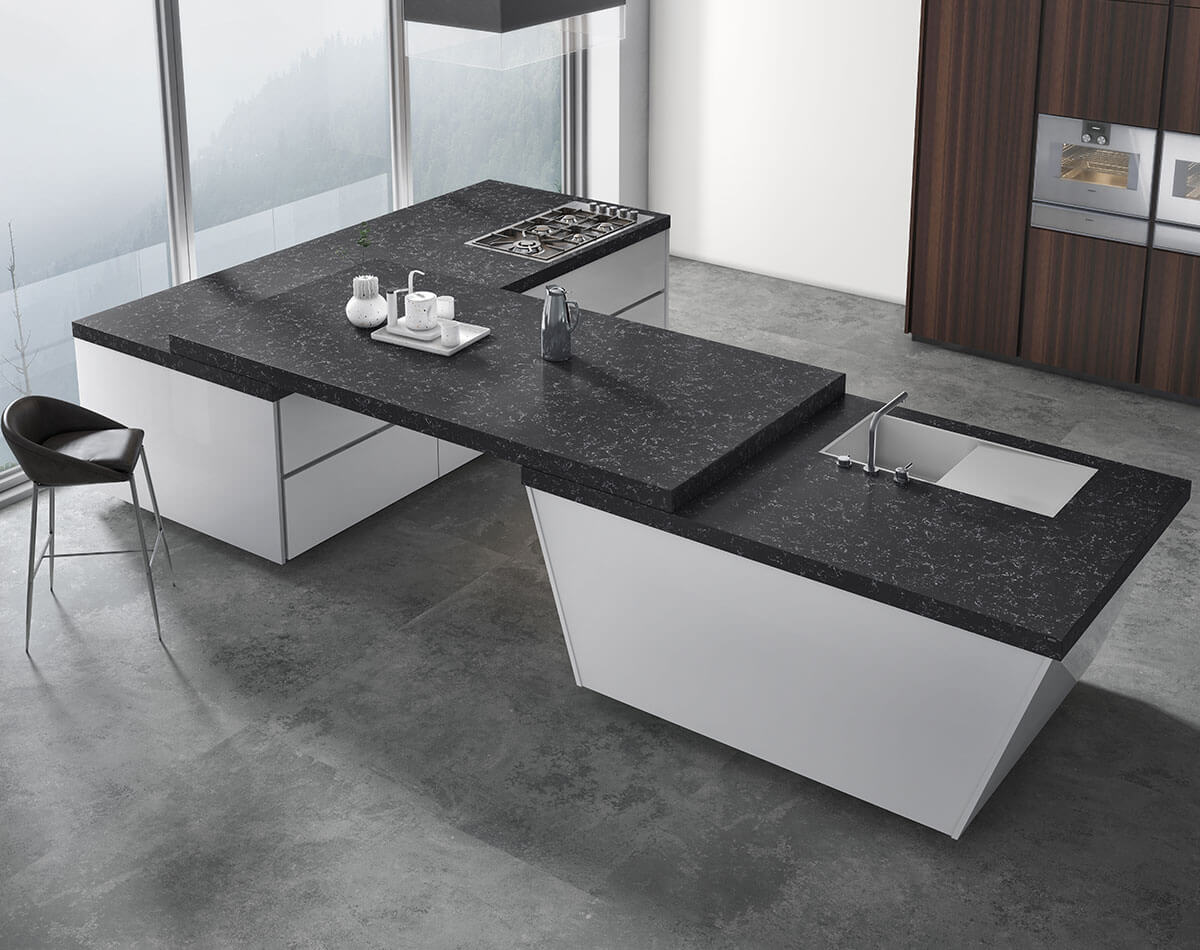
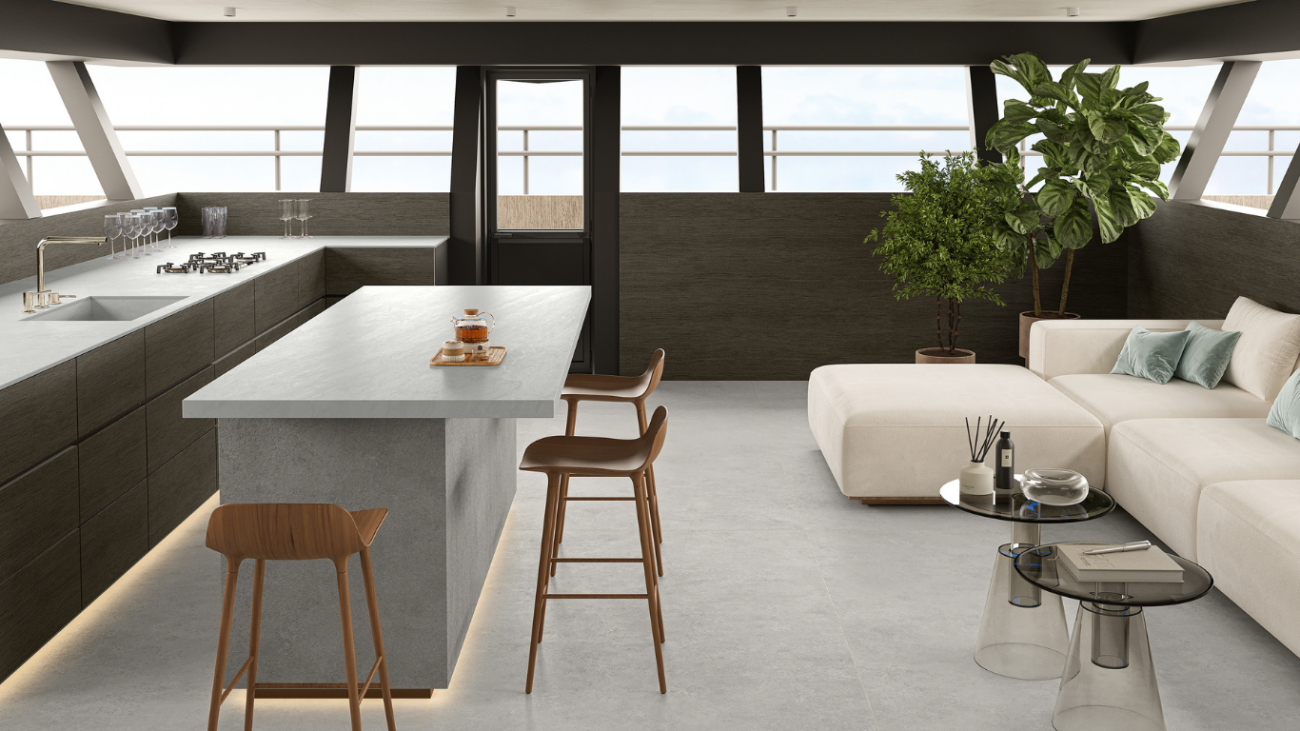
1. Neotra Countertops
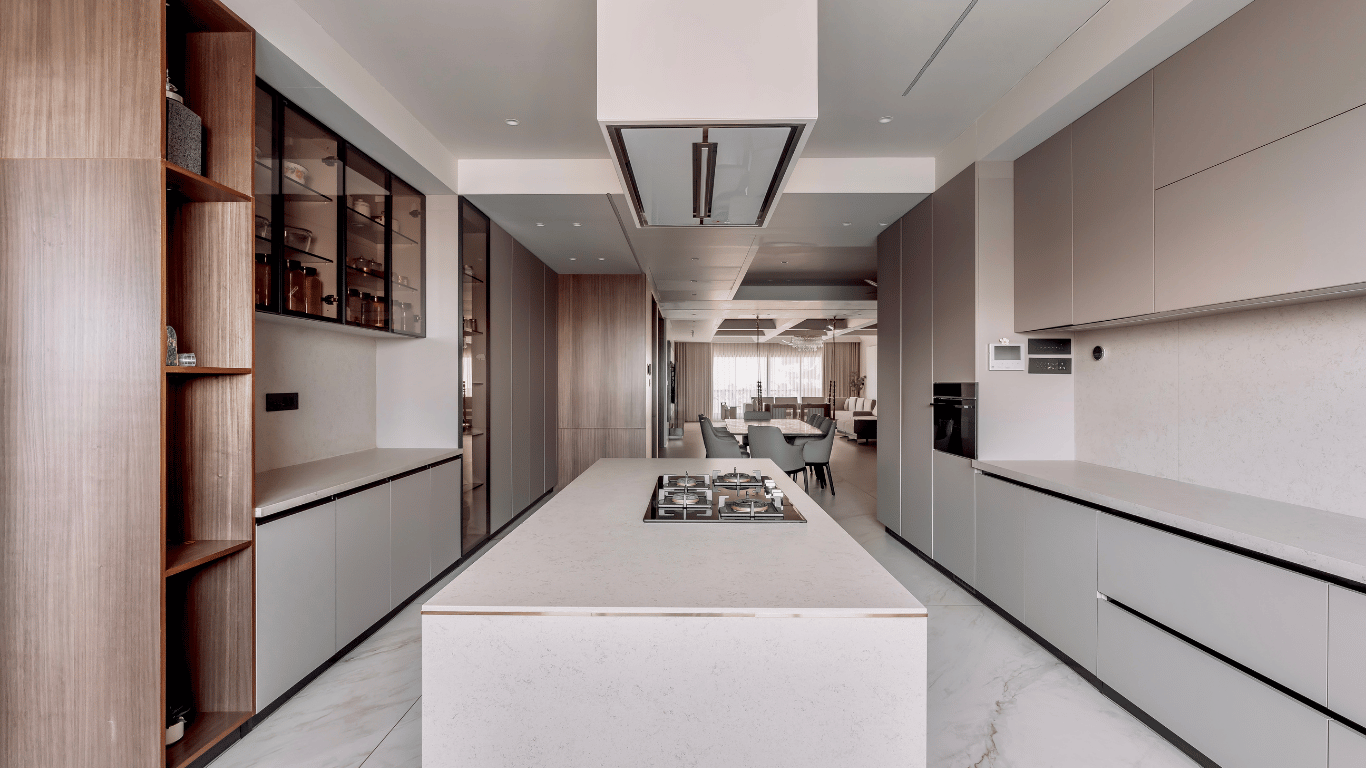
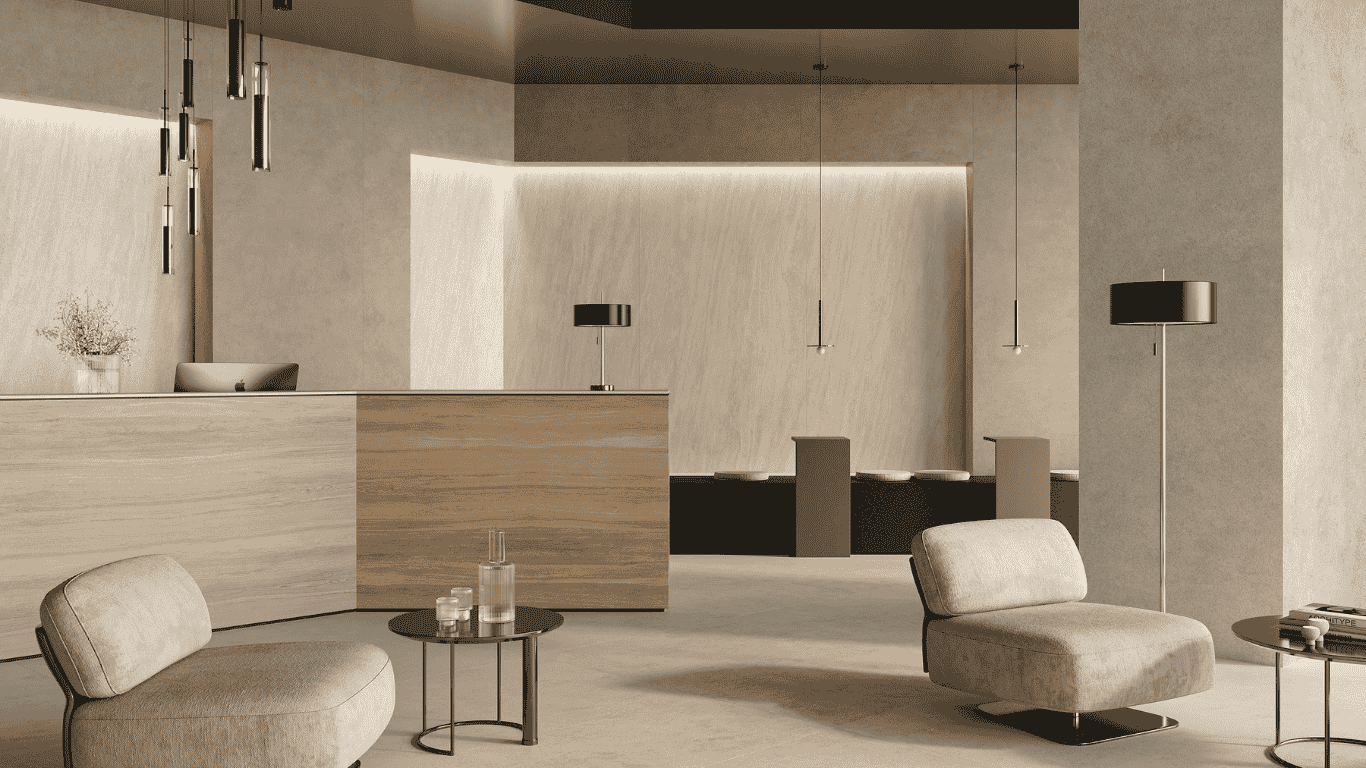
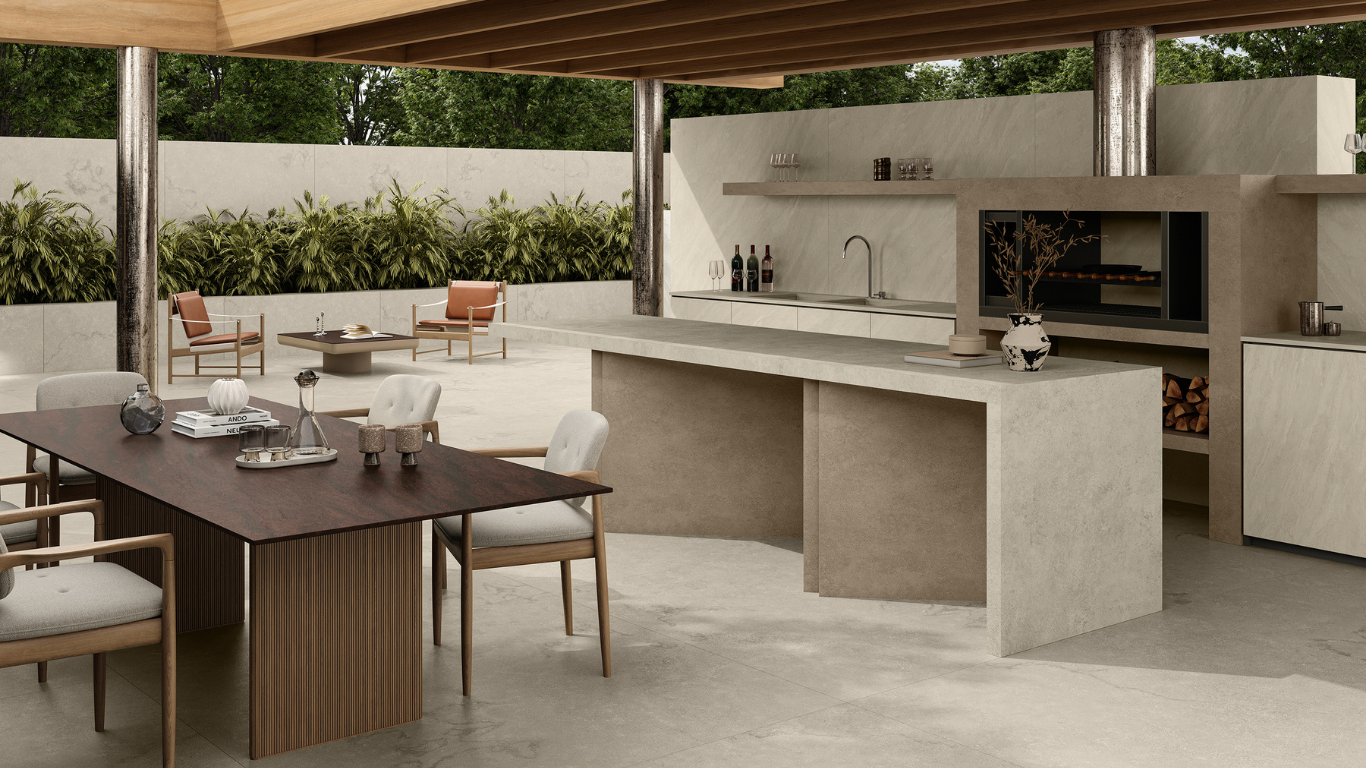
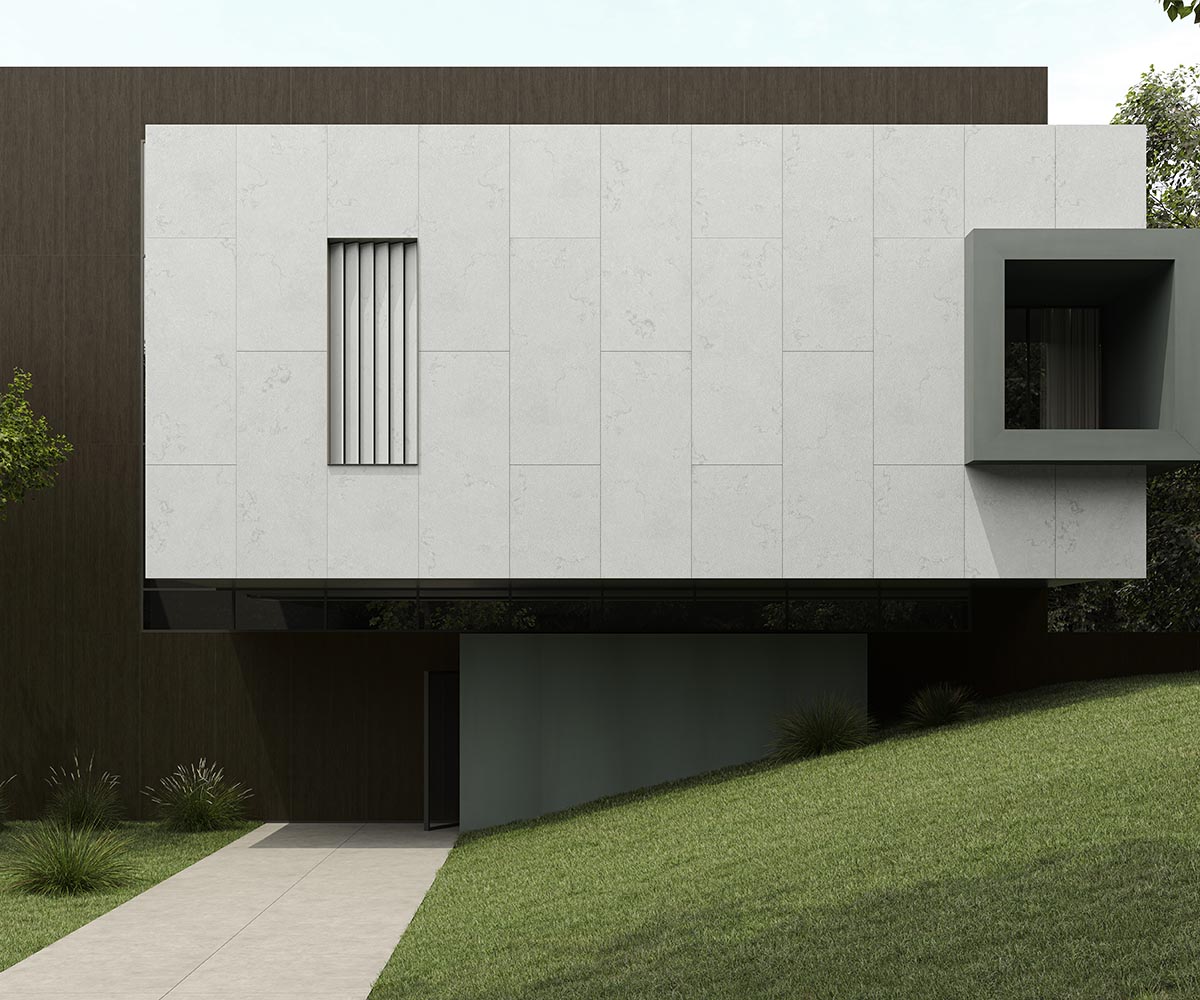
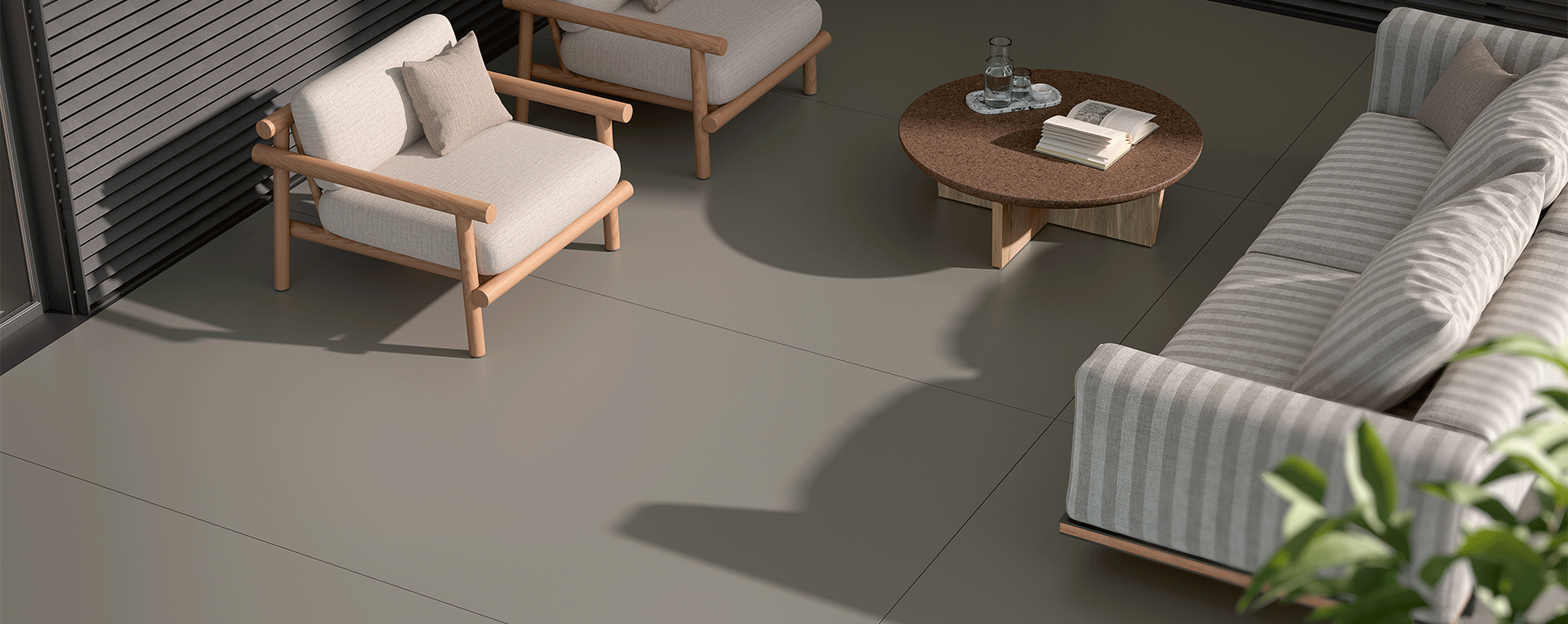
Premium engineered surfaces that blend durability with exceptionally compact, non-absorbent, antimicrobial technology, heat resistance, and zero porosity. Engineered solely from natural minerals without resins or chemical binders, it does not emit silica particles and is hence hygienic. UV-stable and frost-resistant, elevating modern kitchens without granite’s upkeep.
2. Granite Countertops
It offers rugged charm, quarried from various states, offering black or green veins. Heat-resistant and scratch-resistant, granite can handle heat. If sealed properly, they are resistant to oil splatter, but their porous nature demands annual resealing. Ideal for traditional homes, its natural patterns add earthy elegance.
3. Quartz Countertops
Popular for modular kitchens. Made from quartz and resins, they come in white or grey colours. They are non-porous, resist bacteria, are ultra-durable, and degrade from acid, but no sealing is required. A glossy finish reflects light, which is perfect for compact spaces.
4. Marble Countertops
Marble countertops offer luxury and keep the surface cool, but marble is soft, which leads to scratches quickly. These surfaces are also etched by acids. Best for baking surfaces in dry climates, as they require sealing frequently.
5. Solid Surface Countertops
Non-porous and thermoformable surfaces integrate sinks seamlessly for a clean, modern look. They resist stains, allow easy repairs, and maintain hygiene, making them ideal for kitchens, though they come at a higher cost than ceramic countertops.
6. Concrete Countertops
Perfect for an industrial look, it takes custom colours but stains easily without sealing. However, it demands careful upkeep due to Indian cooking, spices like turmeric, and oils can penetrate the surface unless it is professionally reinforced.
7. Ceramic or Porcelain Countertops
Mimicks stone easily, the large-format tiles are available in matt or polished finishes. Ceramic and porcelain tiles are heat, stain- and UV-resistant, in addition to being lightweight. They are monsoon-friendly and suitable for indoor and outdoor kitchens.
8. Wooden or Butcher Block Countertops
Brings warmth to various designs. Teak or acacia, when treated with oils, handles heat well but needs oiling to combat humidity-induced warping. Wooden or butcher block countertops are suitable for cutting boards but not for heavy spills.
Also Read: 10 Modern Kitchen Slab Design Ideas for Your Kitchen
Why the Right Kitchen Countertop Material Matters?
Choosing the ideal kitchen countertop is about performance in India’s demanding landscape.
- Maintenance: High-heat cooking, humid monsoons, and frequent spice spills test materials daily. The wrong surface leads to stains, etching, or cracks, turning your kitchen into a maintenance nightmare.
- Durability: Quartz, granite, and Neotra slabs remove scratches, unlike other marbles. Sudden temperature change from boiling water to cold rinses without warping.
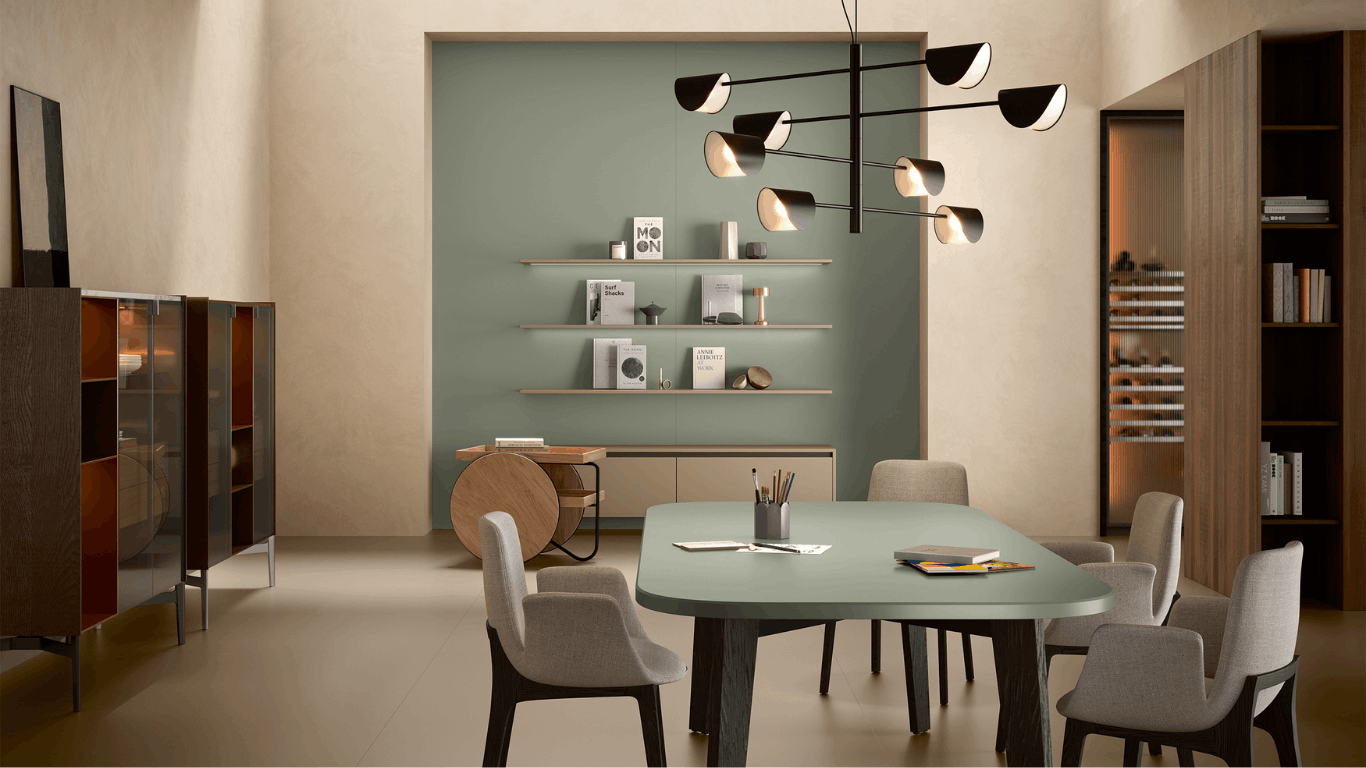
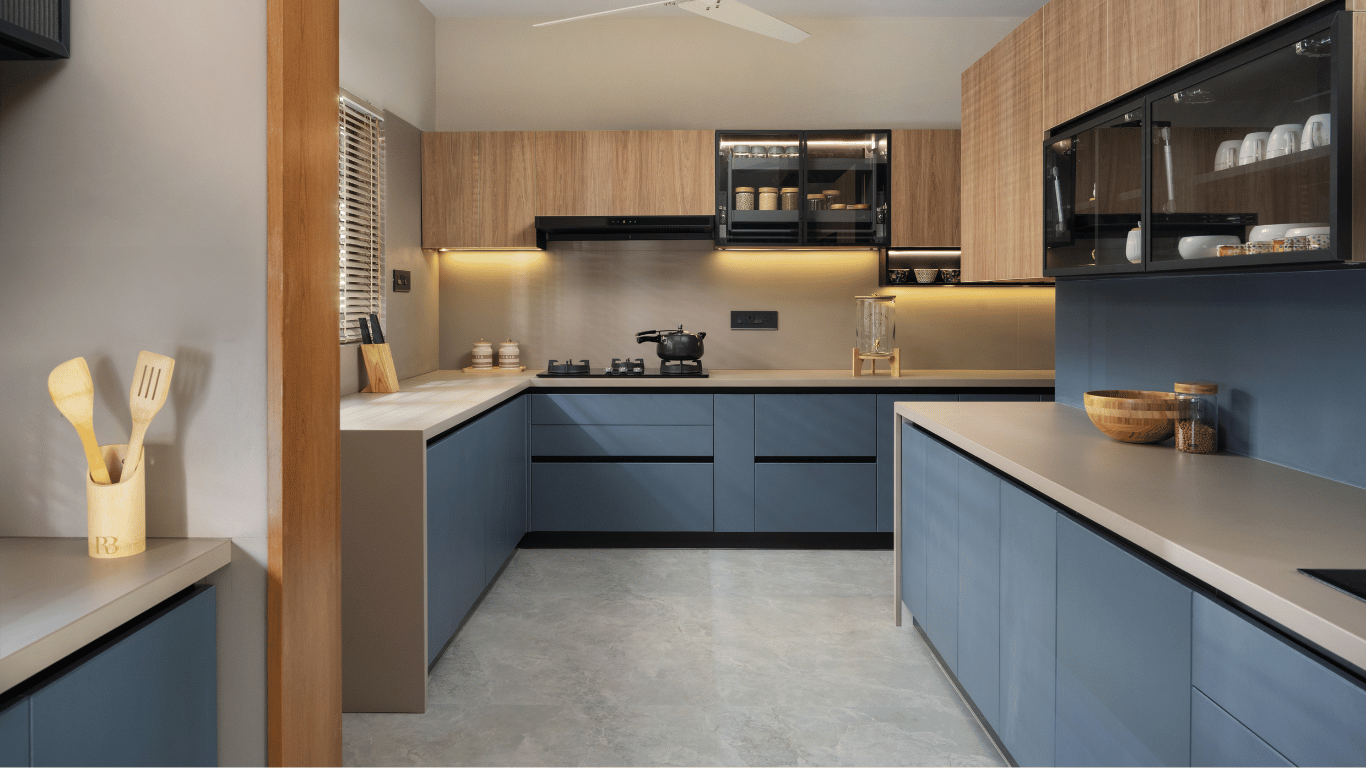
- Aesthetics: Countertops anchor the kitchen’s design theme, quartz or Neotra Advanced Surfaces influence lighting, making spaces feel cosier or larger, and pair seamlessly with Indian cabinets.
- Hygiene: Porous stones for kitchen countertops with untreated marble harbour bacteria and are risky in monsoon areas. Non-porous options such as Neotra slabs offer seamless antimicrobial protection, ideal for spaces with people of all ages.
Ultimately, the right material harmonises function and lifestyle, withstanding festival delights and spills, ensuring your kitchen remains joyful for years.
Also Read: Top 5 Durable Stones for Kitchen Slabs in Indian Homes
Choosing the Right Material for Your Kitchen Countertop in India
Choosing the right material for the countertop is important in India, starting with cooking habits.
- Warm woods and veined granite for ethnic kitchens, quartz or Neotra for a modern look. Consider edge profiles. Neotra slabs come in various edge profiles that can be used anywhere. Lighting also matters, glossy surfaces brighten north-facing kitchens.
- Prioritise humidity tolerance and heat resistance. Neotra is fire-, frost-, and UV-resistant and has great hardness.
- Neotra slabs are NSF-certified and hence best suited for countertops. Hygiene is our absolute priority. The surfaces are non-porous, meaning they do not harbour bacteria and dirt.
- Opt for sustainable slabs. Our Neotra slab plants are close to destination sites, with minimal processing waste and efficient production cycles that are inalterable and wear-and-tear resistant, and they are IGBC-certified.
Request samples and check them under lighting, check warranties, and blend slabs with your spaces to know if they suit your space.
Maintenance Tips for Different Kitchen Countertop Materials
Keeping countertops fresh and clean extends the life of India’s cooking environment. Tailor routines to each material for effortless upkeep.
- Granite: Wipe spills instantly with soapy water and avoid acids. Seal yearly and test with water beading. Use cutting boards and hot pads for vessels. Polish the month with granite cleaner for lasting shine.
- Quartz: No sealing is required. Use a microfibre cloth and mild soap or bleach safe for stains. Do not use abrasives or heat directly. Repels resins effortlessly.
- Wood: Oil monthly with food-grade mineral oil to prevent cracking or drying. Clean with water or vinegar and refinish yearly. Avoid submersion and use trivets for hot pots.
- Marble: Gets stains immediately and hence needs resealing quarterly. A paste of baking soda is good to tackle oils. Stone soap preserves ageing, use it.
- Ceramic or porcelain: Grout lines need sealing biannually. Steam clean for grease, resists chips.
- Concrete: Use neutral pH cleaners only, seal pre-use and every 6 months. Cleaning of oil spills requires baking soda overnight, but avoid it in standing water.
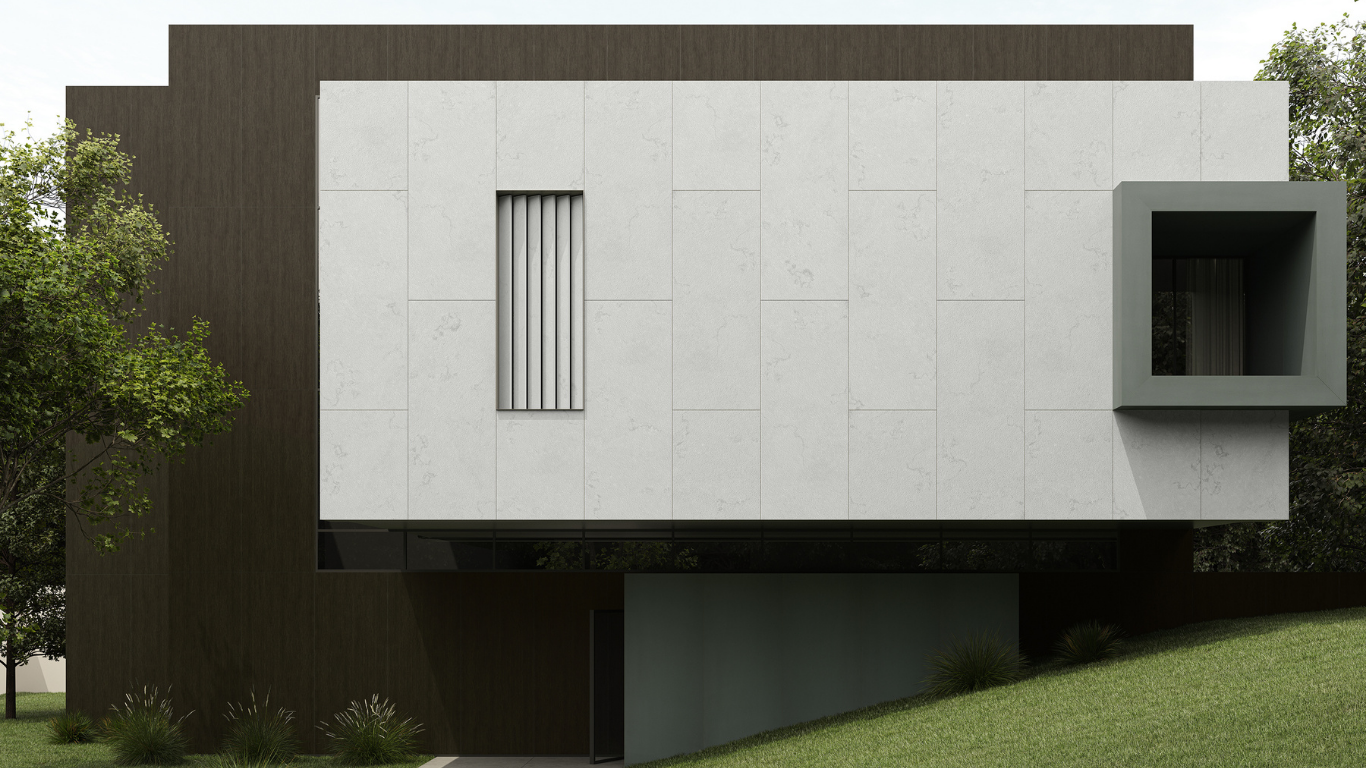
- Neotra countertops: Low-maintenance, non-porous, antimicrobial coating that fights bacteria, no sealing is needed. Fire-resistant and UV-stable for outside countertops.
Conclusion
Selecting kitchen countertops in India means choosing durability with designs suited to a sun-soaked, spicy lifestyle. From toughness to aesthetics, Neotra’s innovative edge options abound to transform your kitchen into a beautiful and resilient space. They are fireproof, hygienic, anti-microbial, and resistant to detergents and cleaning agents, making them suitable for kitchen countertops.
Neotra Advanced Surfaces are composed solely of natural minerals without resins or chemical binders. They are exceptionally compact, durable, and non-absorbent
Prioritise needs, budget, aesthetics, and maintenance, and consult experts for installs. Invest wisely for a space that withstands years of feasts while turning heads.