
What Are High-Performance Facade Materials?
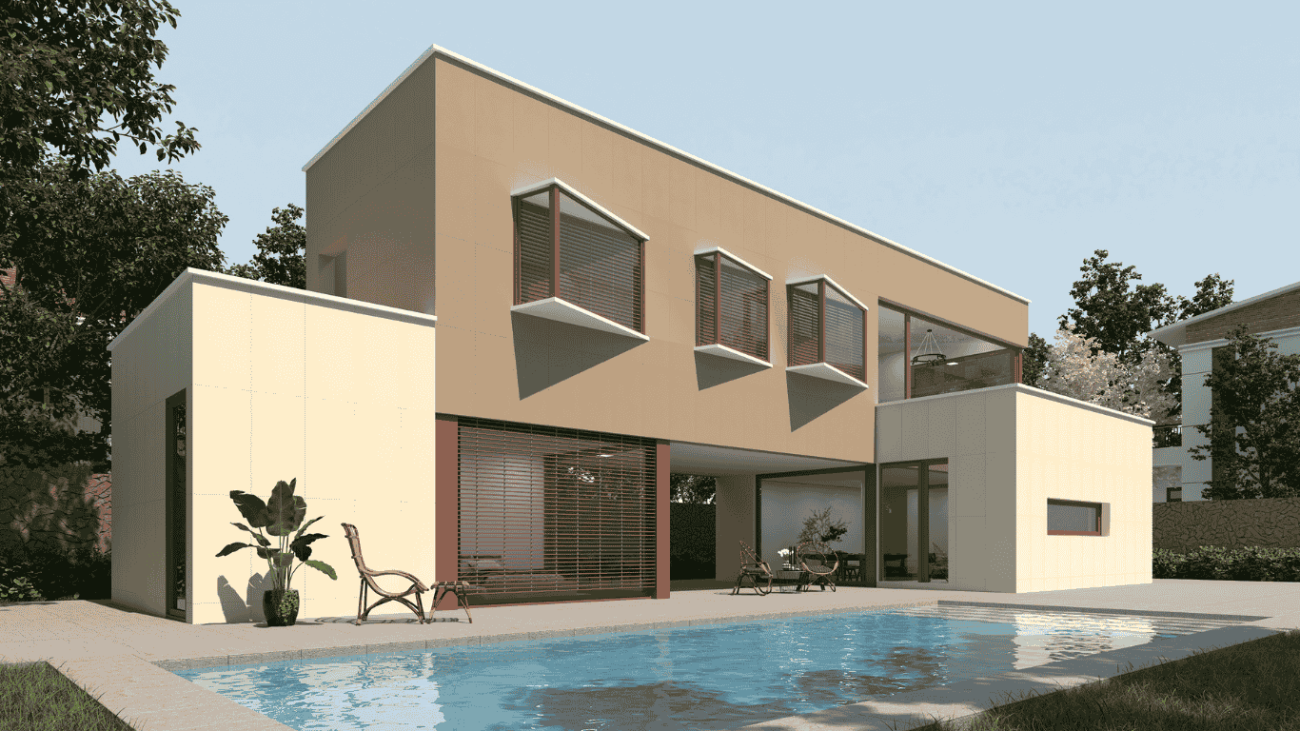
High-performance facade materials represent the pinnacle of modern exterior cladding, engineered to outperform traditional options. Unlike conventional materials that degrade when exposed to rain, sun, and wind, these advanced surfaces are crafted from cutting-edge materials such as laminates, natural minerals, or other composites. They integrate superior strength, temperature regulation, and UV resistance into surfaces that mimic luxury wood, stone, or metal without cost.
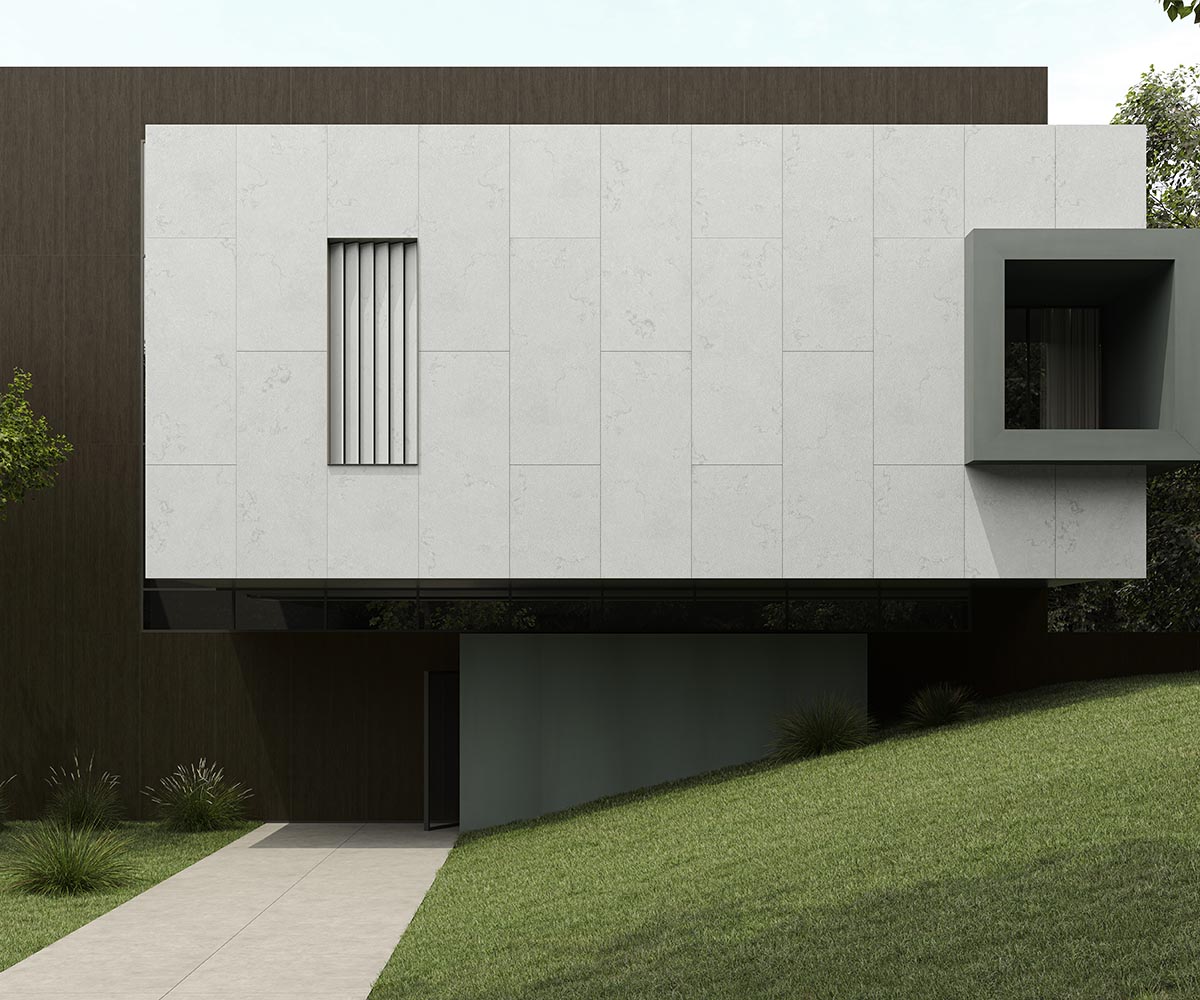
These facades are not just functional; they are versatile for India’s diverse climates, from hot summers to monsoon floods. They enable bold facade designs, curved walls, mixed facades, and expansive panels while meeting green building standards. Neotra offers long-form slabs, making large-scale application seamless.
In the end, high-performance facade materials future-proof exteriors by combining lab-tested durability with aesthetic flexibility. They minimise repairs and maximise value. As climate volatility rises, these innovations ensure your home’s facade endures, impresses, and adapts for generations.
Why Choosing the Right Facade Materials Matters?
Selecting the optimal facade material isn’t an aesthetic choice but a strategic decision that safeguards a home’s performance, legacy, and value.
- Weather resistance: Engineered for extremes, they boast water absorption rates below 0.5%. HPL, fibre cement, and Neotra ward off monsoons, winds, and UV rays, preventing efflorescence or corrosion that plagues wood or metal.
- Energy efficiency: These materials act as thermal barriers, reflecting up to 90% of solar radiation while insulating against heat loss. Advanced composites reduce air-conditioning needs by 20-30%, slashing energy bills in tropical climates. Neotra slabs maintain indoor comfort without excessive energy dependency.
- Long-term durability: These facades resist fading, impacts, and abrasion. Unlike natural stone, which is prone to cracking, other alternatives, such as Neotra, maintain integrity without polishing or sealing.
- Aesthetic enhancement: Beyond protection, they elevate design. Digital printing replicates marble veins, metallic sheens, and wood grains with precision, enabling seamless integration with interiors. Pair with bold colours or subtle textures for a modern and luxurious vibe that attracts attention.
Top High-Performance Facade Materials
Modern homes demand facades that balance style, innovation, and resilience. Here is a selection of top-high-performance materials.
1. Fibre Cement Panels
Blending cement with silica and cellulose fibres creates lightweight boards offering fire resistance and impact strength. They are autoclaved to ensure density and resist moisture and warping. Ideal for rainscreen systems, provide textured variants mimicking stone or wood.
2. HPL (High-Pressure Laminate) Panels
This is the economical way to achieve different finishes on a building. Available in different wood finishes, colours and patterns, it does not resist strong sun, and colours can fade. These laminates are easy to install and have lower costs compared to metals. But they are not impact-resistant and have a low lifespan.
3. Metal Facades (Aluminium, Steel)
Metal facades are sleek and appear modern, with the ability to bend across large areas. The clean lines of metals and reflective surfaces create a bold look. Metals such as aluminium, zinc and copper develop natural finishes over time that add character to the facade, but aluminium can show impact marks when used for a longer time. Maintenance of metal cladding is difficult due to the increased chances of corrosion over time.
4. Glass Facade Systems
The glass facades are ideal for modern offices and high-rise buildings that maximise daylight and reflective quality. Glass requires frequent cleaning and may lead to heat gain; for better thermal performance, consider using a double-glazed unit.
5. Composite Facade Materials
Aluminium composite panels with polyethylene between metal sheets are combined for flexibility and flatness. Weatherproof exterior material that suits high-rise buildings, with UV-coated finishes that resist chalking.
6. Stone & Stone-Look Facade Surfaces
Stone is the oldest and most admired cladding material for buildings, known for its timeless appeal, which symbolises luxury. These are durable, weather-resistant, and low-maintenance, adding a sense of permanence to the space. But they are heavy, require a higher installation cost and have limited flexibility in modern designs. Works best for villas, buildings and heritage-inspired structures; however, when project demands sleek and large-format designs, our slabs are the ones.
7. Neotra Surfaces
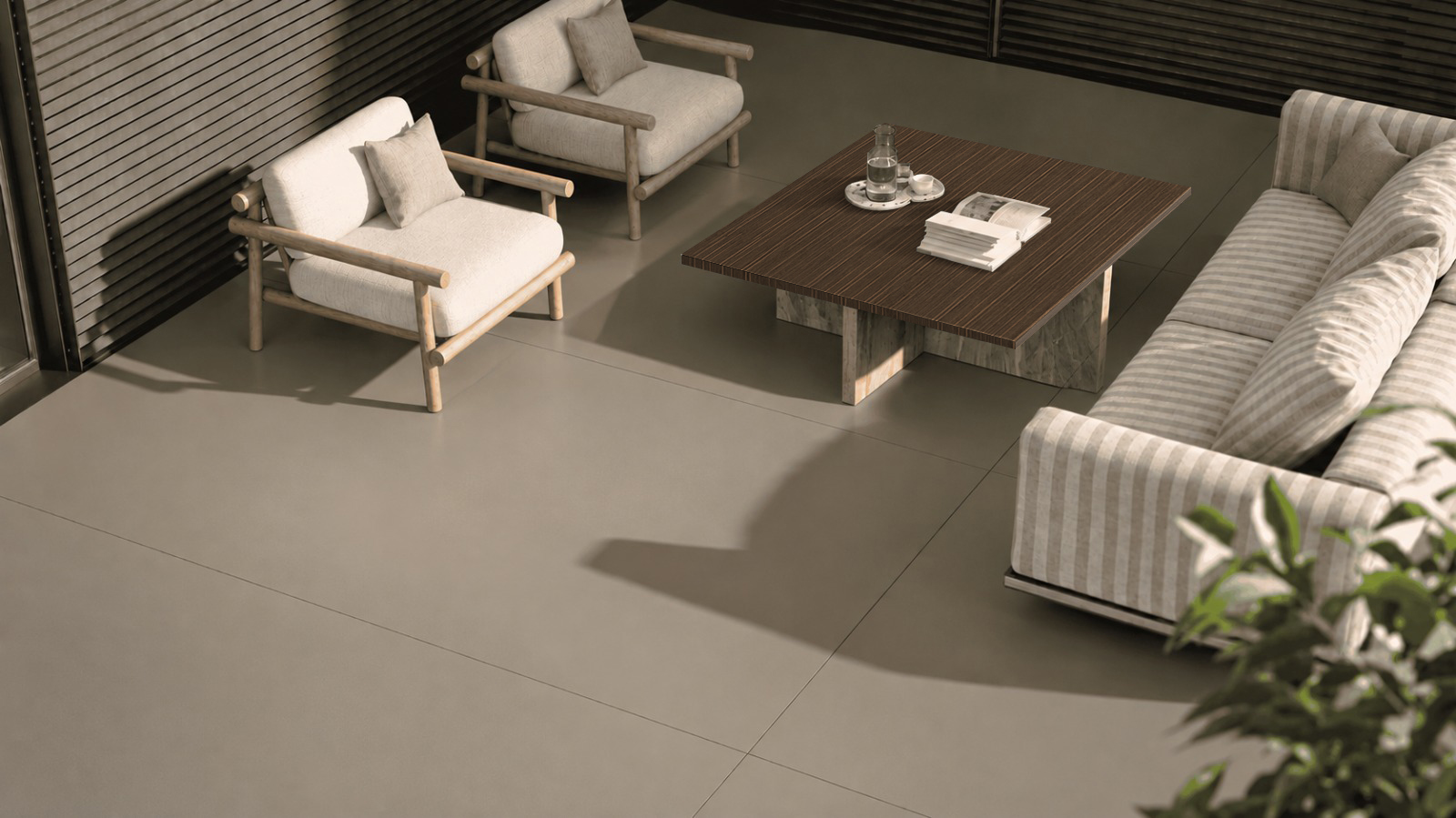
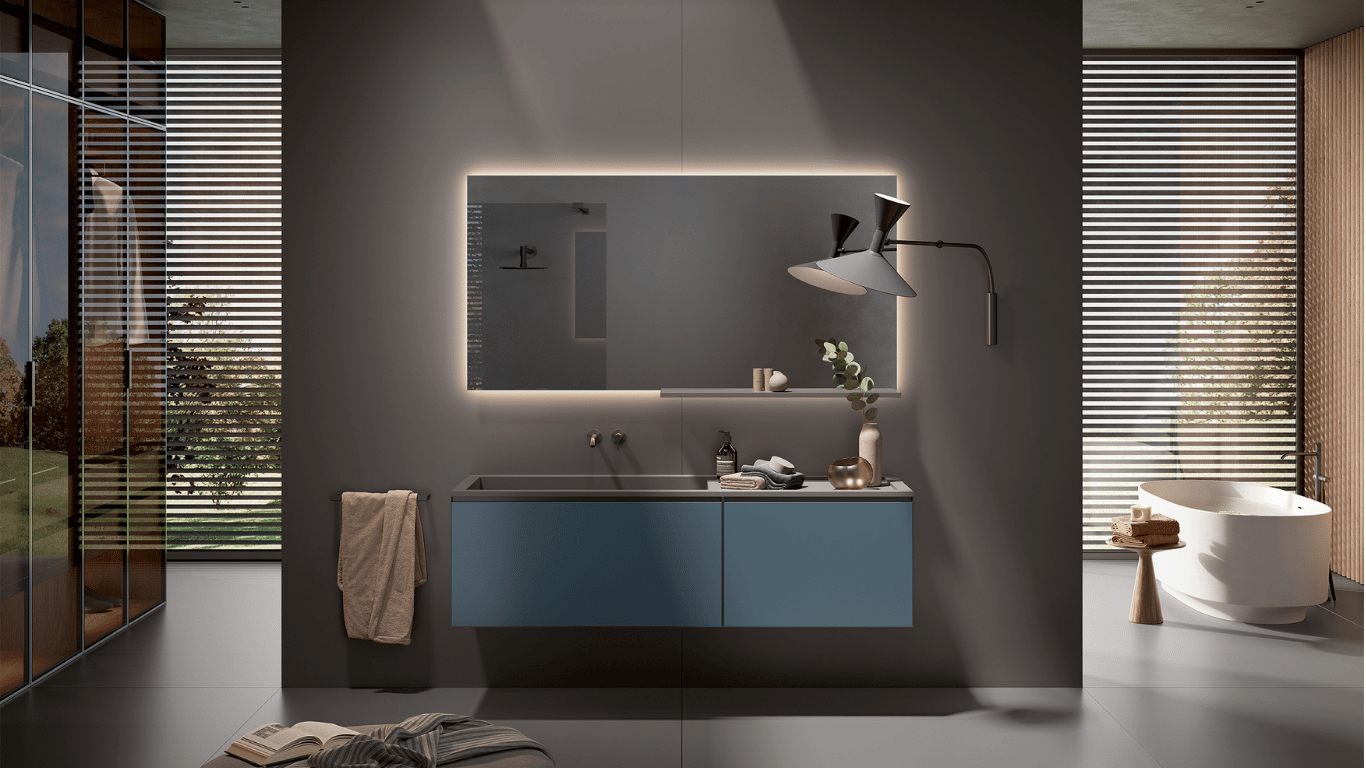
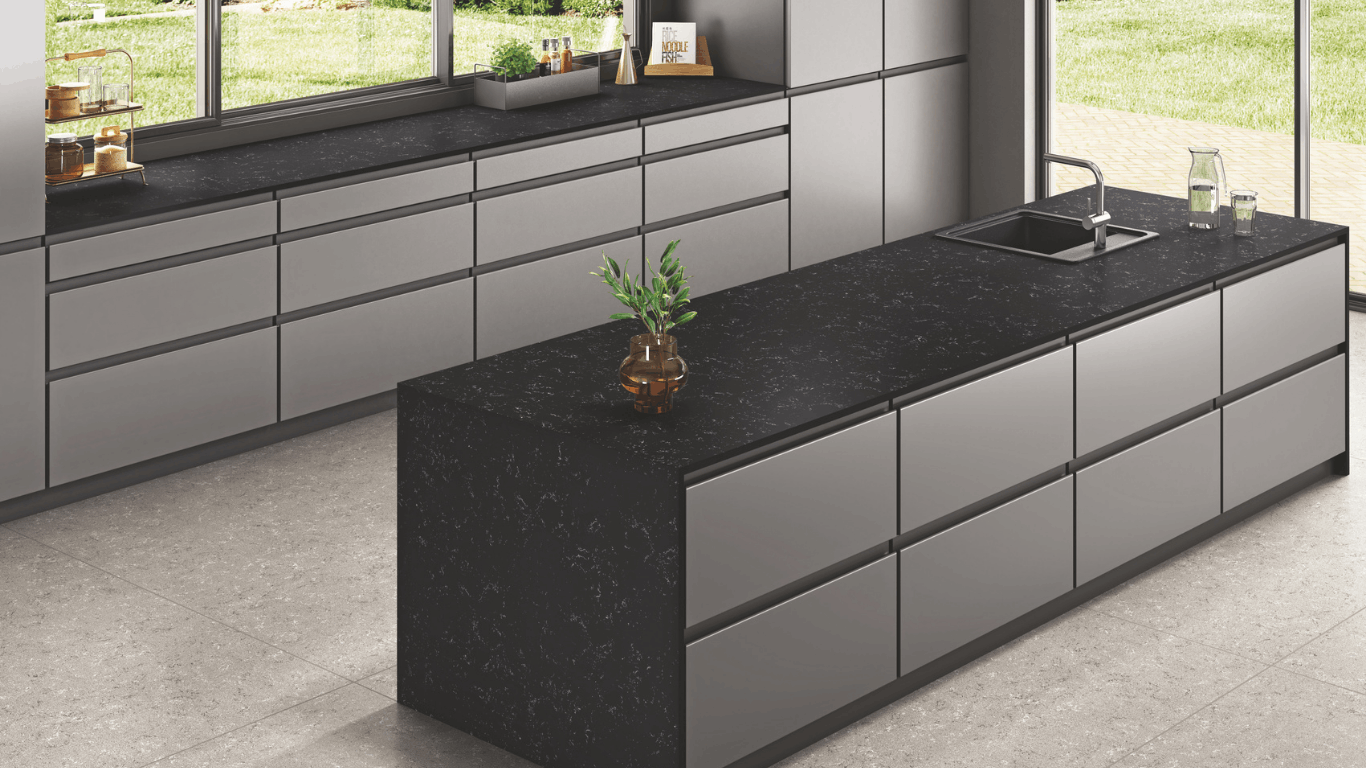
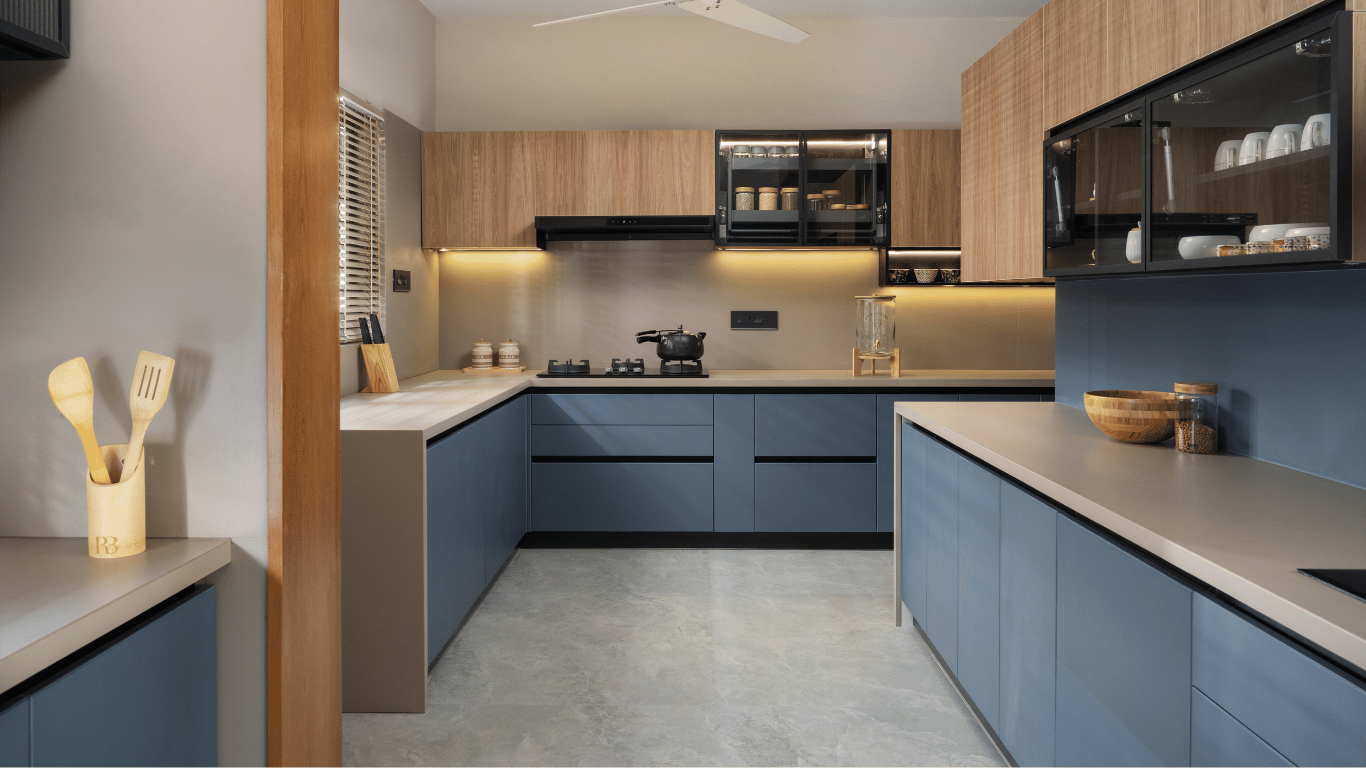
Neotra surfaces represent the next generation of wall cladding, crafted with advanced technology combining the durability of natural stone and the flexibility of design. Large-format slabs create a seamless look, resistant to UV, stains and scratches. Low-maintenance compared to wood or other natural stones, sustainable and long-lasting.
7. Wooden & Wood-Look Facade Panels
Bring natural warmth and beauty to modern exteriors with wood cladding, widely used for residential facades. Wood cladding provides a warm, natural appearance with varied finishes that go with concrete and glass.
Also Read: Facade for Building: Meaning, Materials & Popular Design Styles
Facade Materials Texture & Finish Options for Modern Homes
Textures and finishes breathe life into facades, turning functional panels into artistic expressions. For modern homes, high-performance materials from Neotra offer diverse options that enhance light play and grip, optimising performance.
- Matt finishes: Subtle and sophisticated, matt surfaces diffuse light to hide fingerprints and reduce glare, which is ideal for humid climates where gloss attracts dust.
- Polished and glossy finishes: High-shine options reflect sunlight, cooling surfaces by 5-10°C. Perfect for contemporary villas seeking urban sheen and a glassy finish. Nano-coatings repel water while maintaining shine.
- Texture finish: Wood and grain surfaces add depth. Fibre cement with bark-like embossing provides tactile appeal, and shadow play boosts curb appeal. HPL variants offer brushed metal or terrazzo textures for mixed-use facades.
- Metallic finish: Powder-coated metals shift hues under lighting, creating dynamic facades. These are self-cleaning via rainwater, with corrosion resistance up to a few hours of salt spray.
How to Select the Right Facade Material for Your Climate & Location
Selecting the right facade material is important as it impacts longevity and performance. Here’s a guide on how to choose the right material.
- Consider the climate: In coastal and humid regions, PVC and cement boards perform well. In hot areas, terracotta works effectively due to its reflective properties and thermal stability. Neotra surfaces are engineered surfaces resistant to fading and UV-stable, making them suitable for use in varied regions and climates.
- Soil and wind considerations: Seismic zones need flexible compositions, not rigid stone. Coastal salinity demands marine-grade aluminium or sintered surfaces resisting chloride corrosion.
- Maintenance requirements: If you prefer low-maintenance facades, opt for PVC or ceramic cladding, premium materials such as stone or wood offer elegance but require occasional maintenance. Neotra surfaces minimise the upkeep with our engineered surface, ensuring it stays damage-resistant and vibrant even in harsh environments.
- Based on budget and longevity: A higher investment leads to reduced maintenance and a longer lifespan. Metal panels offer a price-to-performance ratio, while concrete and stone cladding cost more but deliver weather resistance and durability. Neotra offers premium surfaces curated for long-term value.
Also Read: Exterior Cladding Materials: A Comprehensive Guide
Cost Considerations When Choosing Exterior Facade Materials
Budgeting for facades requires balancing upfront costs with lifetime savings. High-performance materials deliver a 3.5x ROI over the years via durability and efficiency. Fibre cement facades are affordable and produce low waste; HPL panels have values for large areas. Metal facades have a premium shine; stone-look and glass or wood looks offer luxury, while Neotra offers high-end impact. Factors influencing price include size and complexity; the large slabs reduce seams and joints, textures, and warranties. Invest wisely; cheap materials cost more long-term, while premium facades protect equity while enhancing prestige for decades.