
What Is a Sintered Surface, and How Is It Manufactured?
Sintered surfaces are made from minerals ground into a fine powder and pressed into a large format slab with high force. Afterwards, the slab is heated to very high temperatures to fuse the minerals into one dense, solid material.
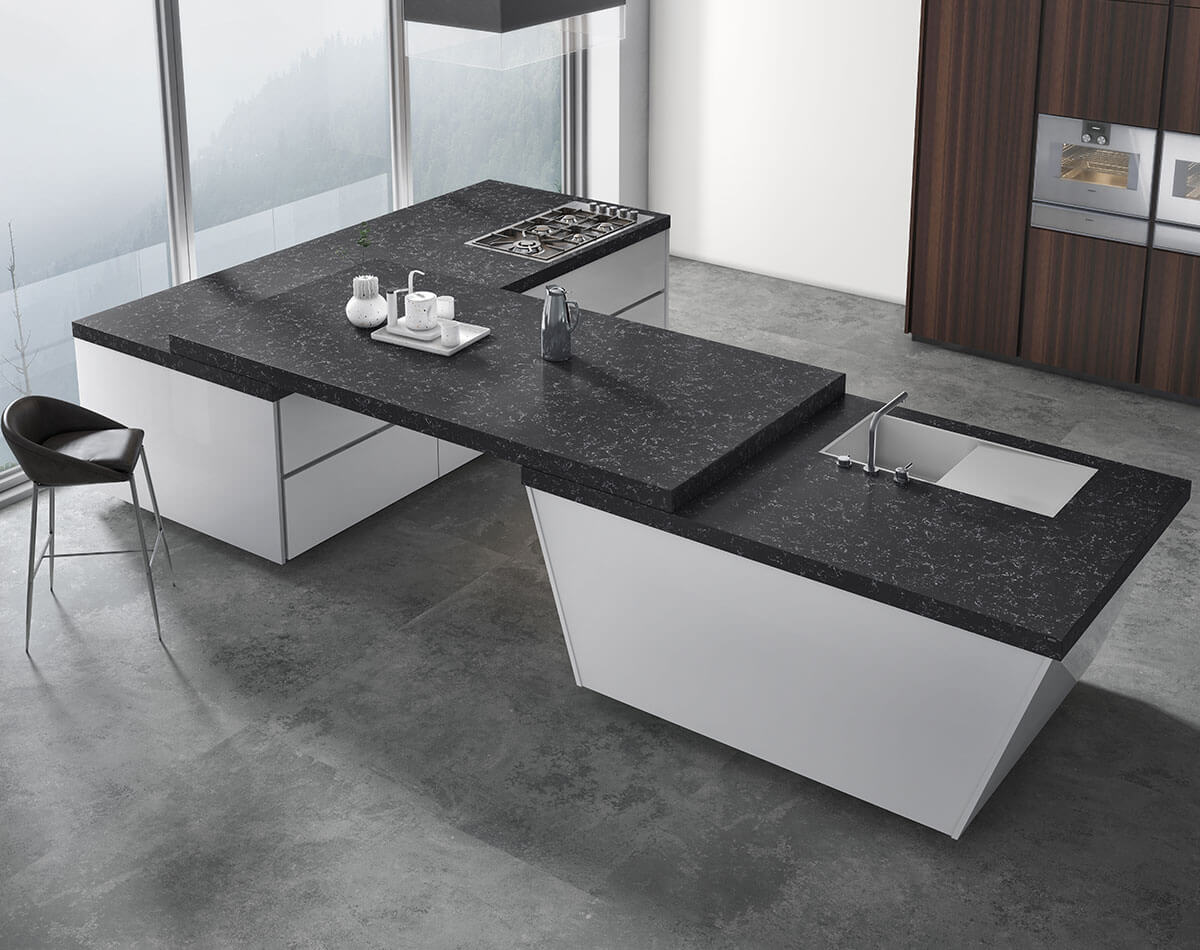
- Neotra Advanced Surfaces are sintered surfaces made solely from natural minerals without resins or chemical binders. They do not emit silica particles.
- Neotra surfaces are ground, pressed under high pressure, and fired at extreme heat around 1200°C, generating a new sintered material.
- Creating an ultra-dense, indestructible, exceptionally compact, durable, non-absorbent, fireproof, acid- and detergent-resistant material with superior resistance to abrasion.
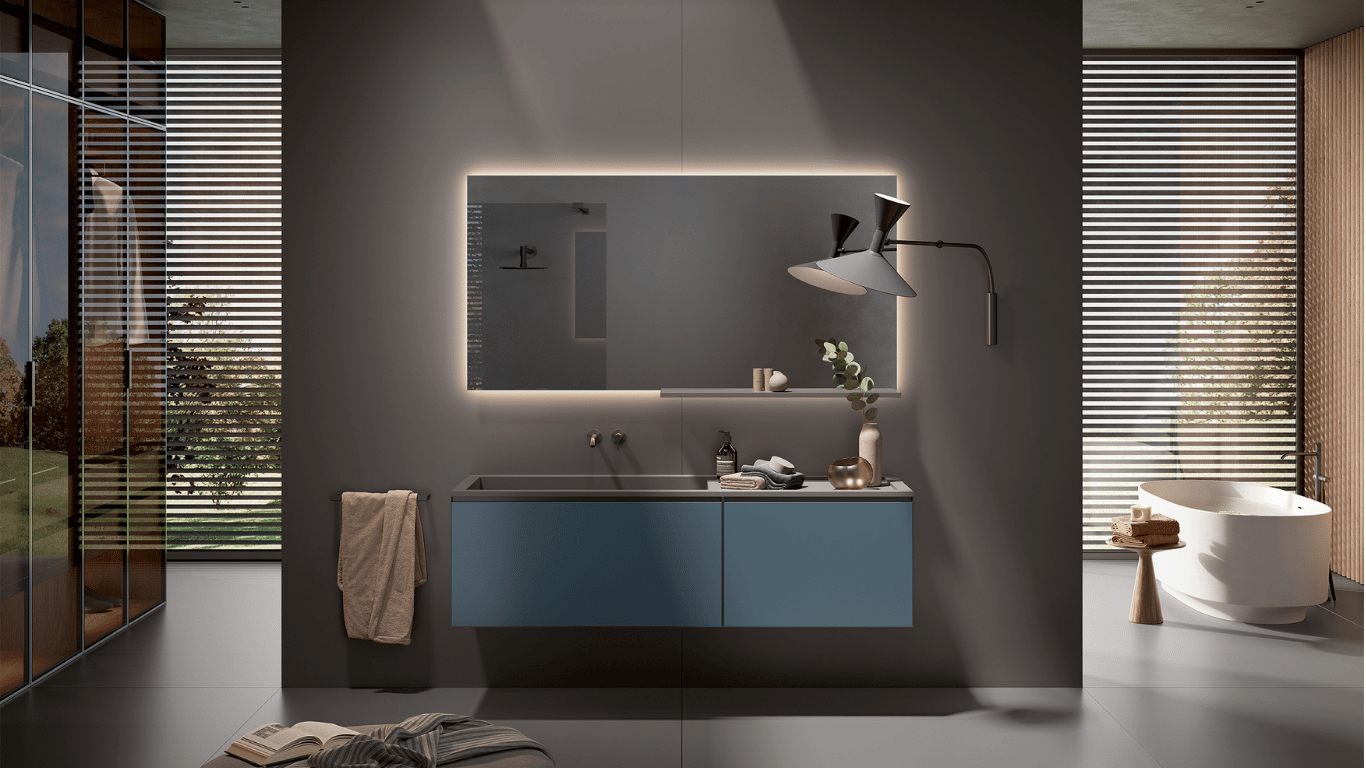
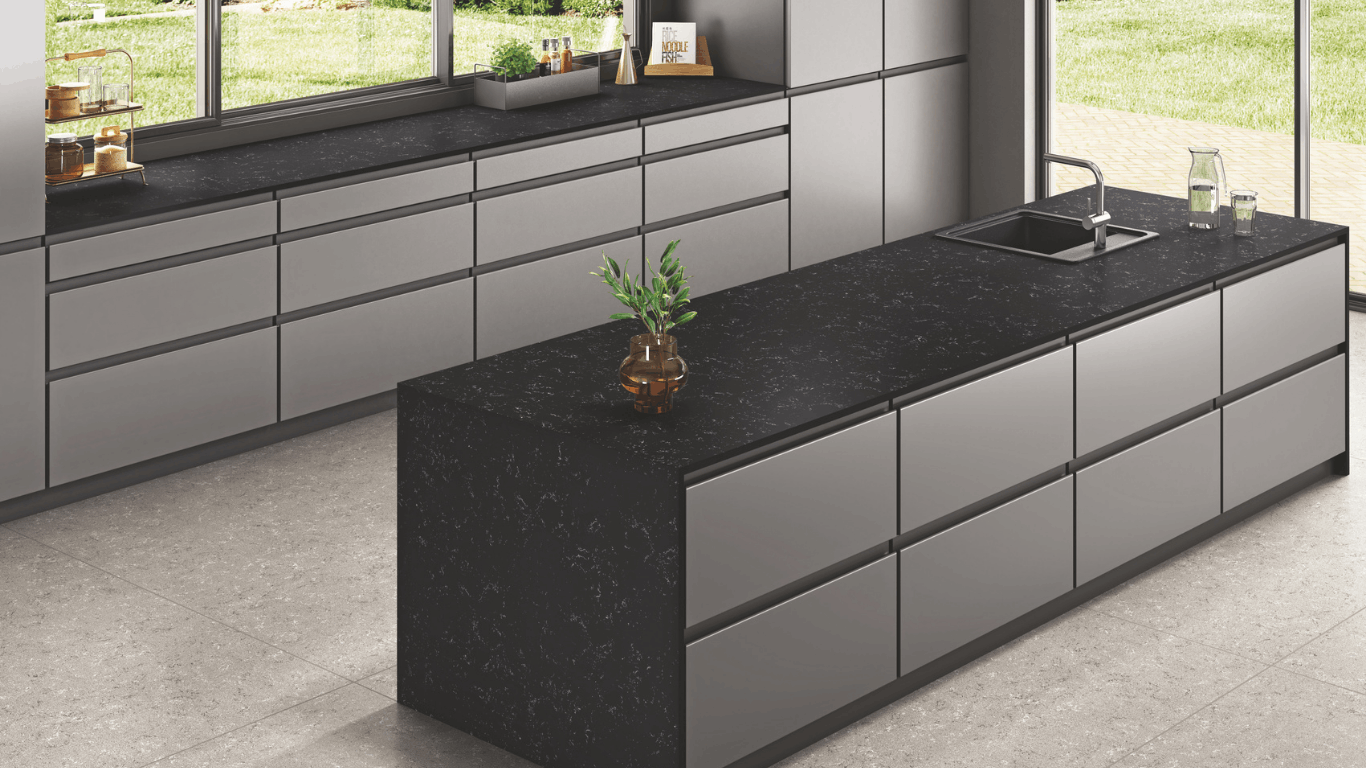
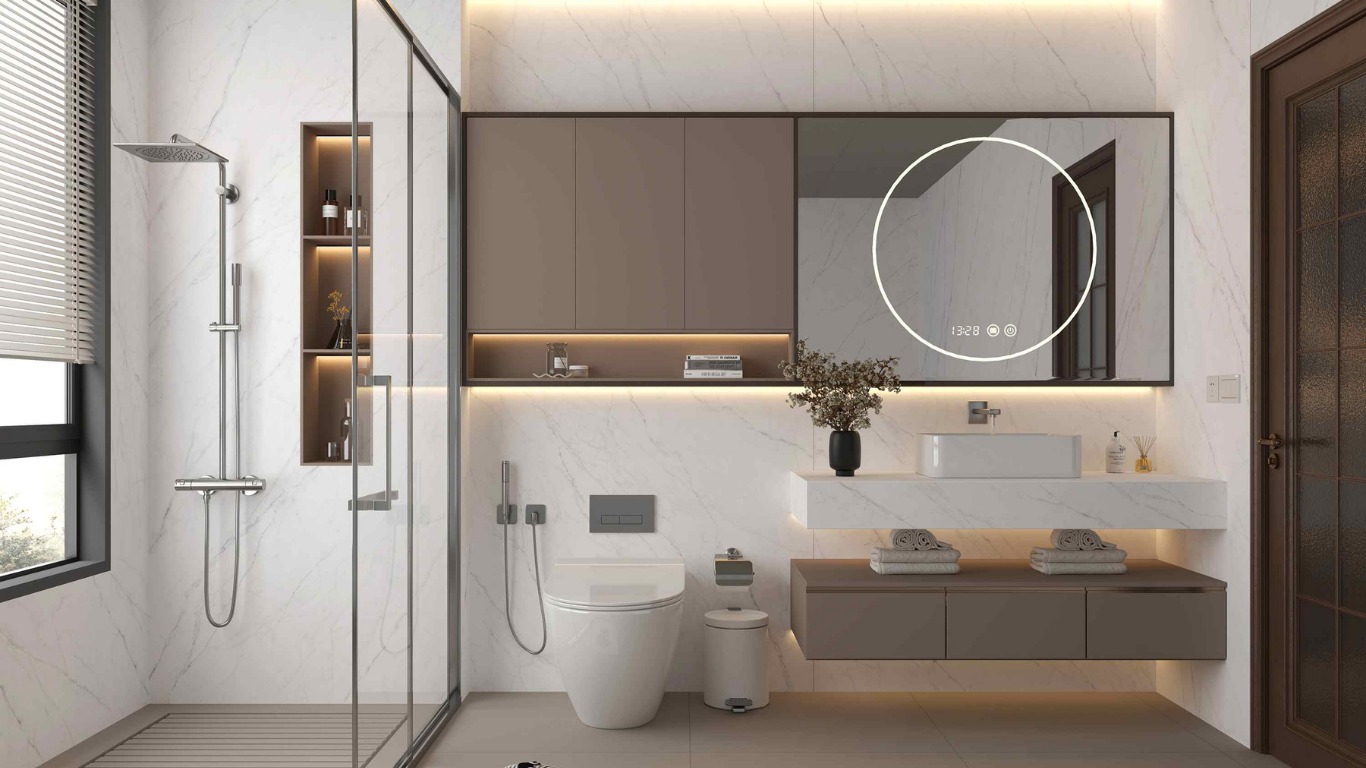
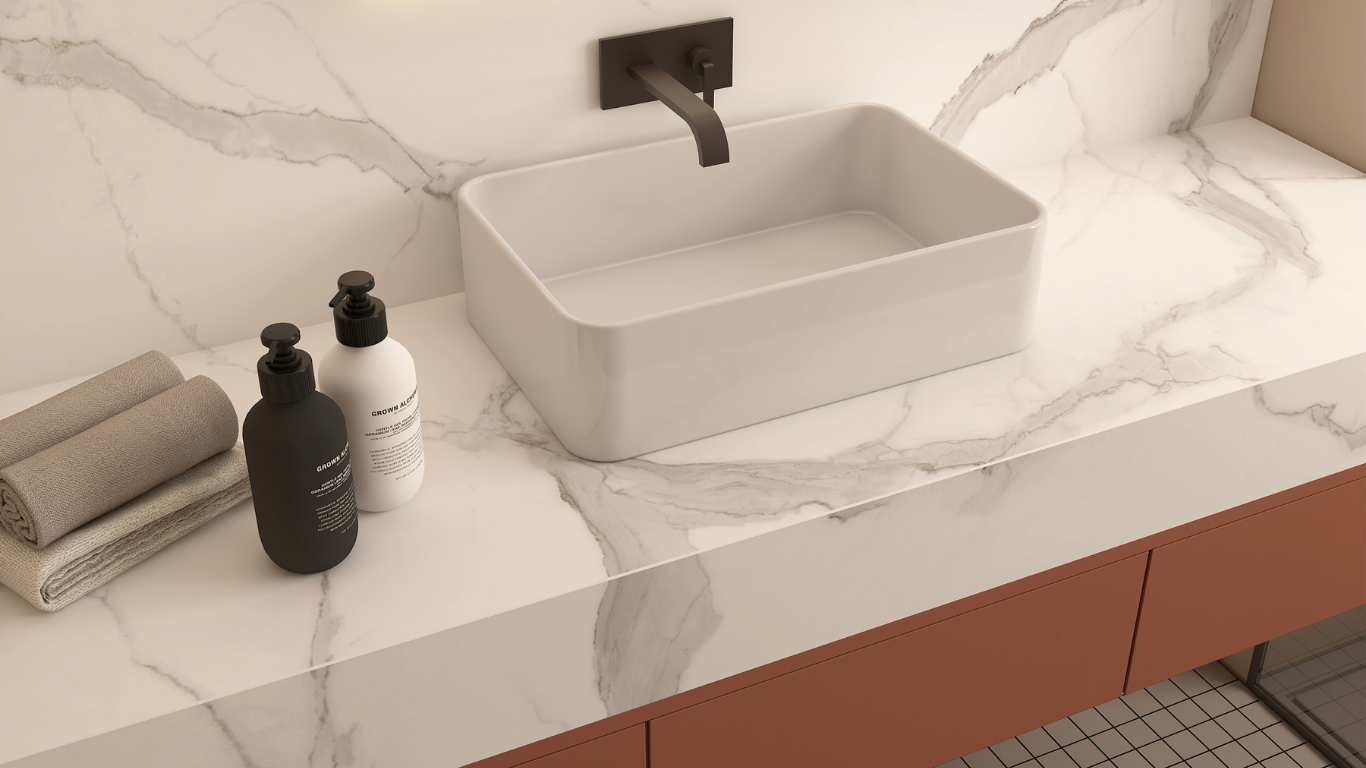
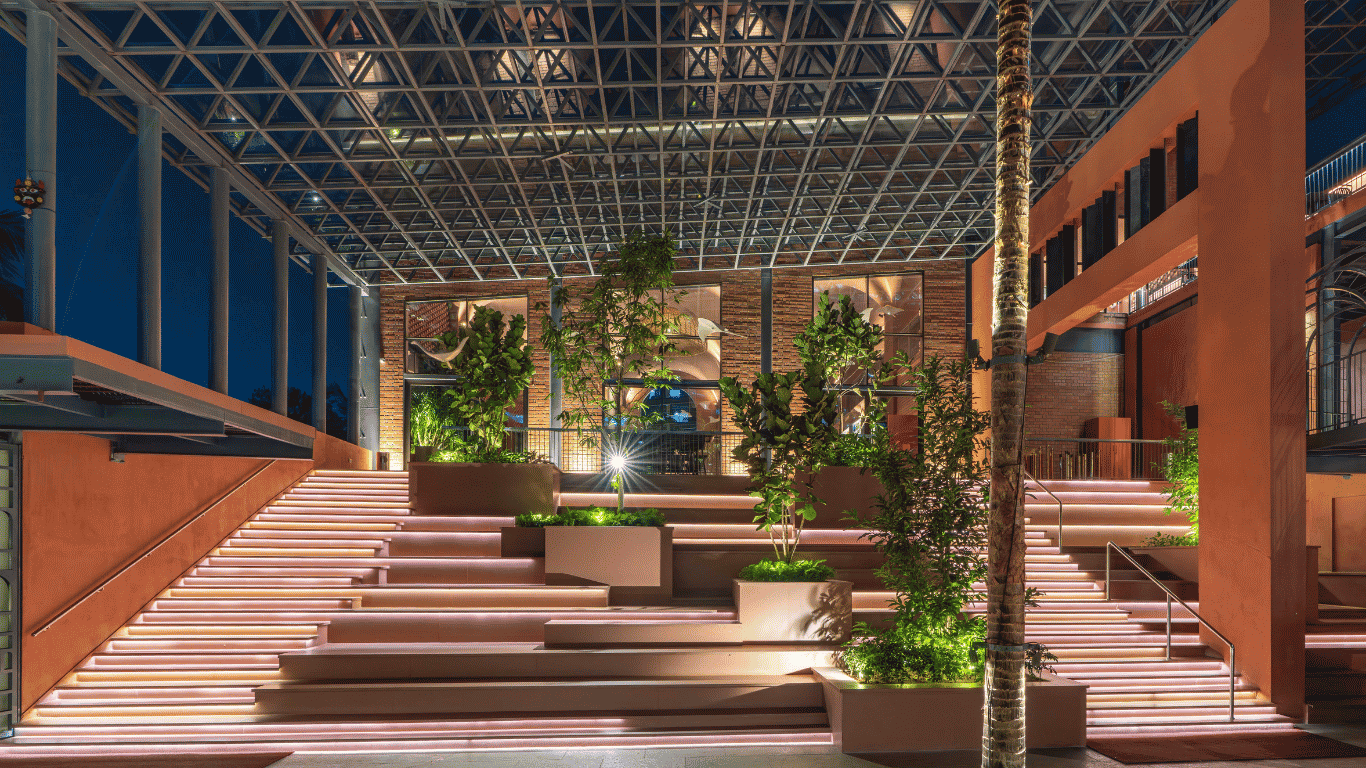
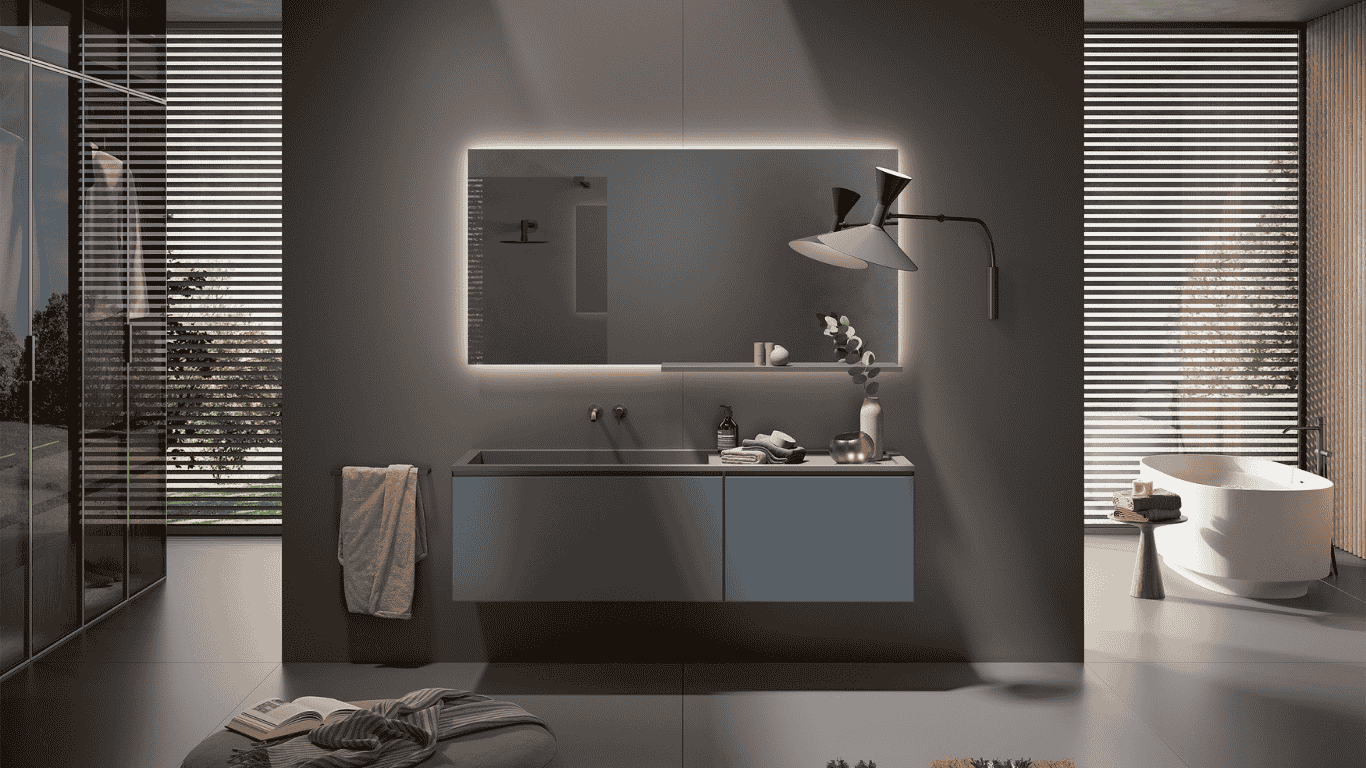
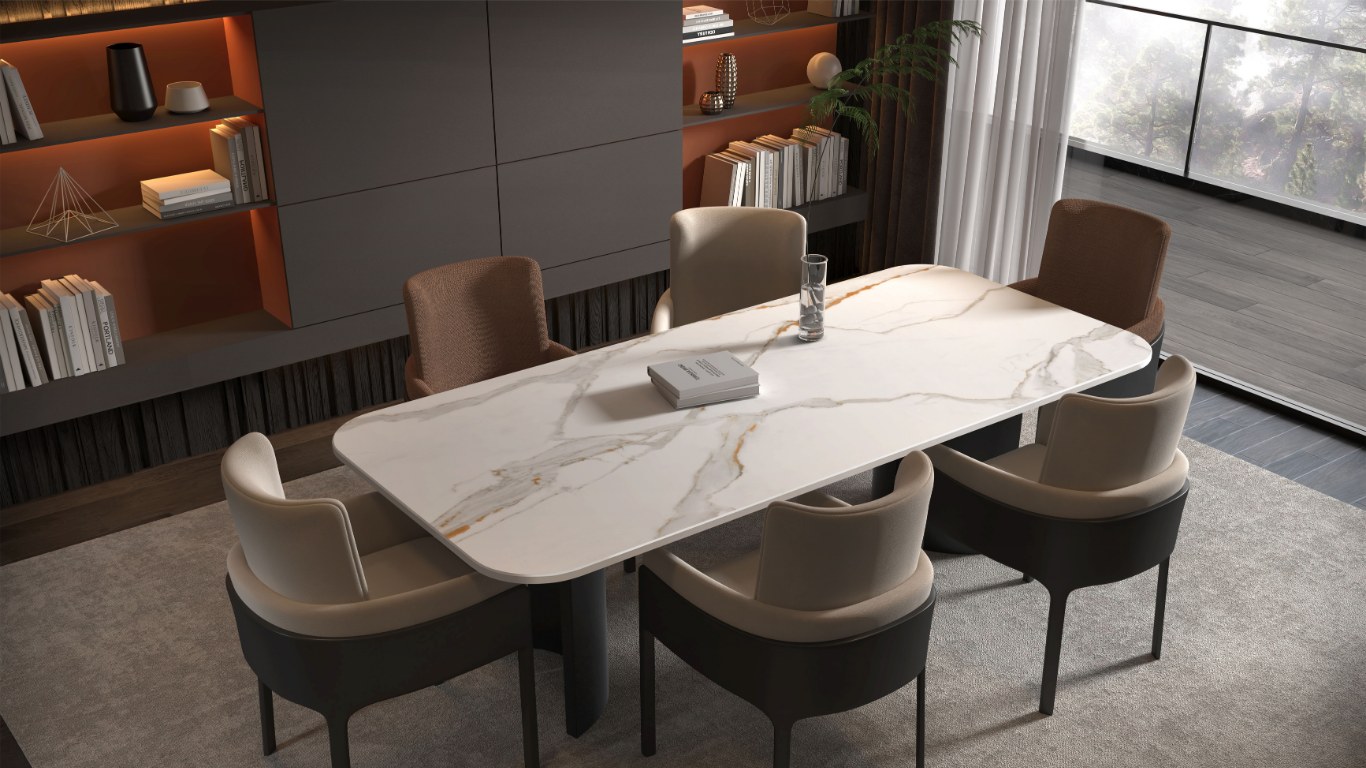
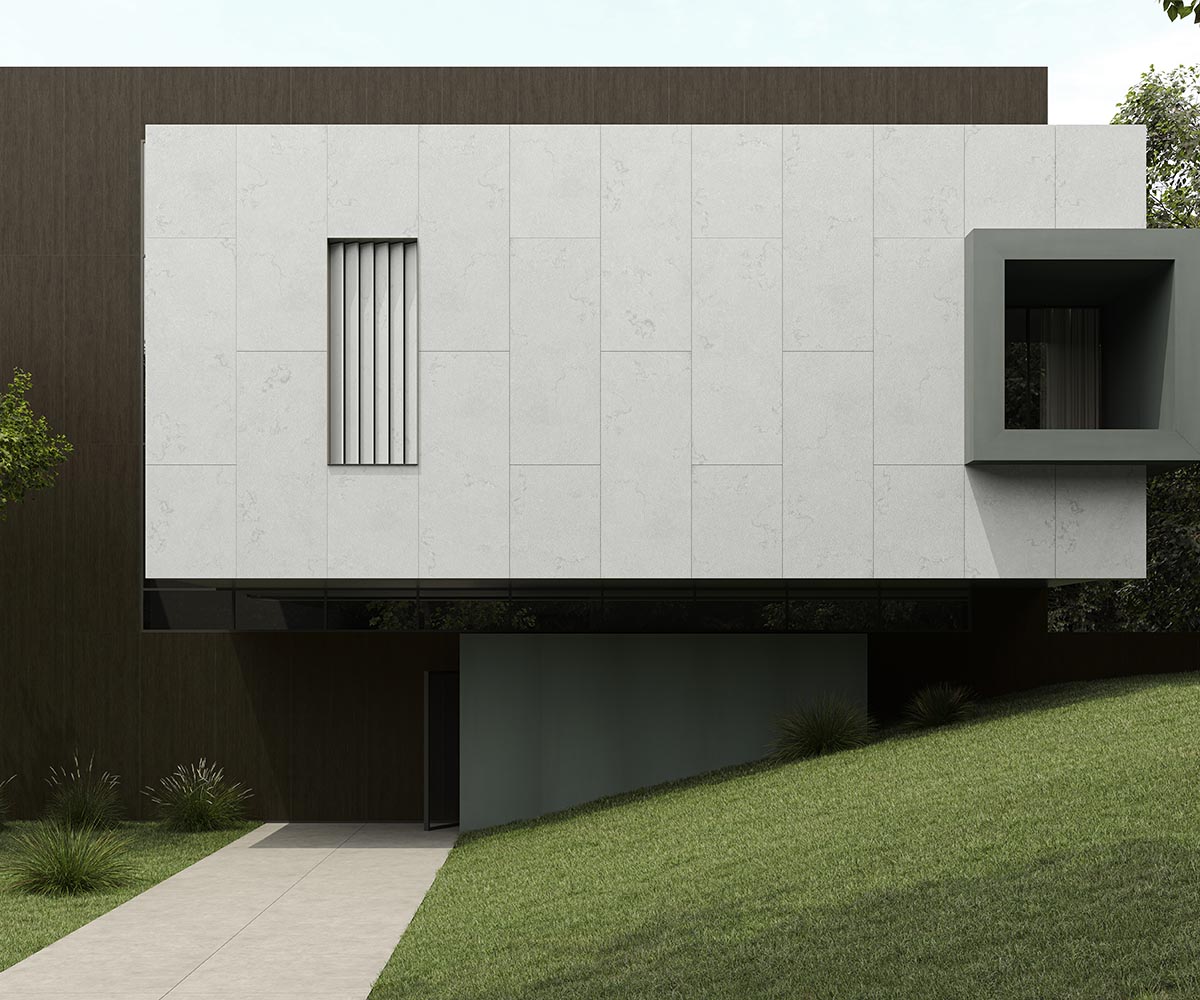
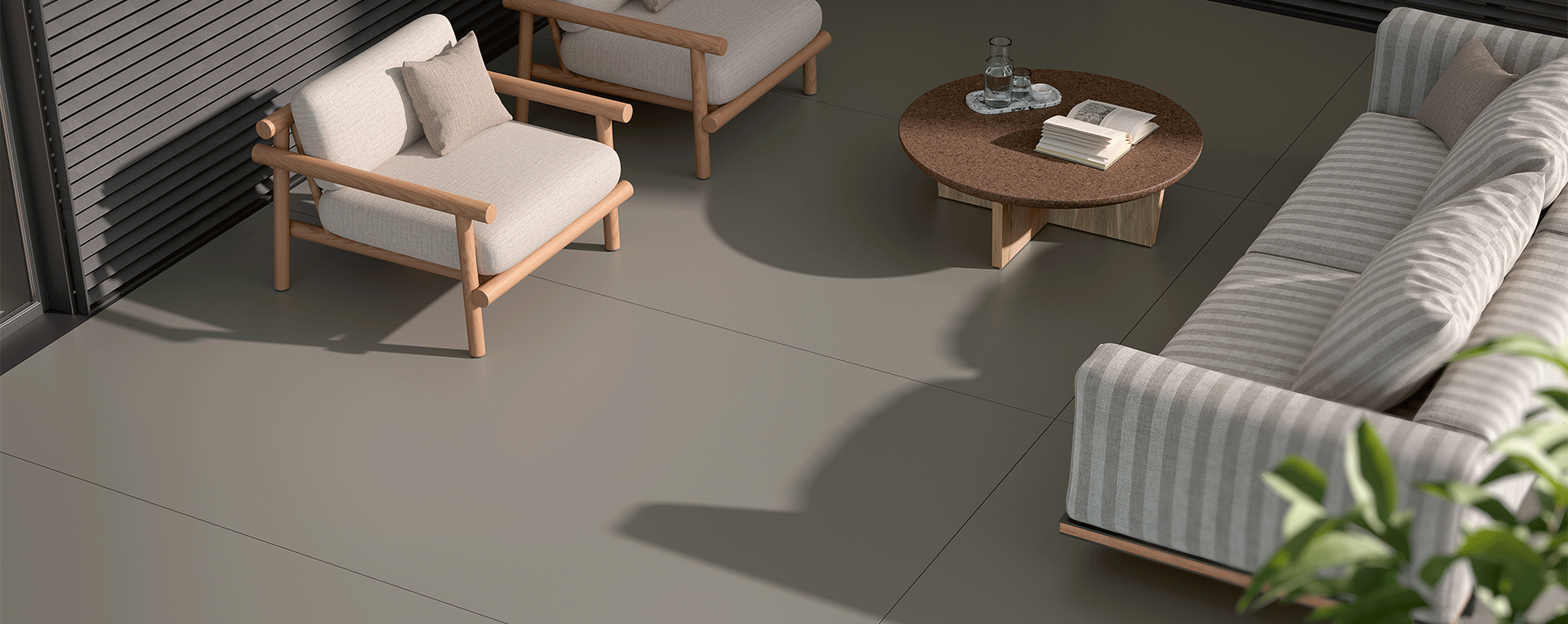
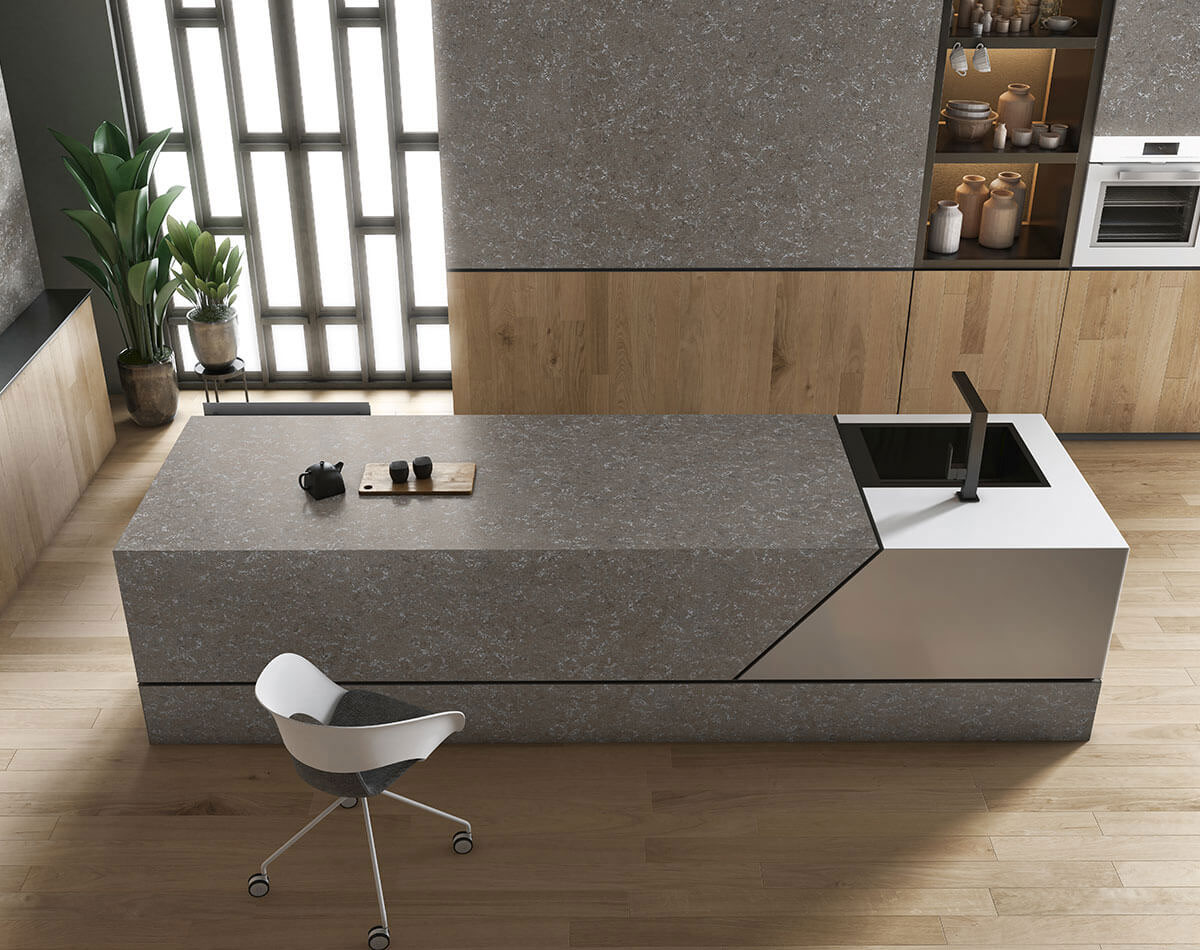
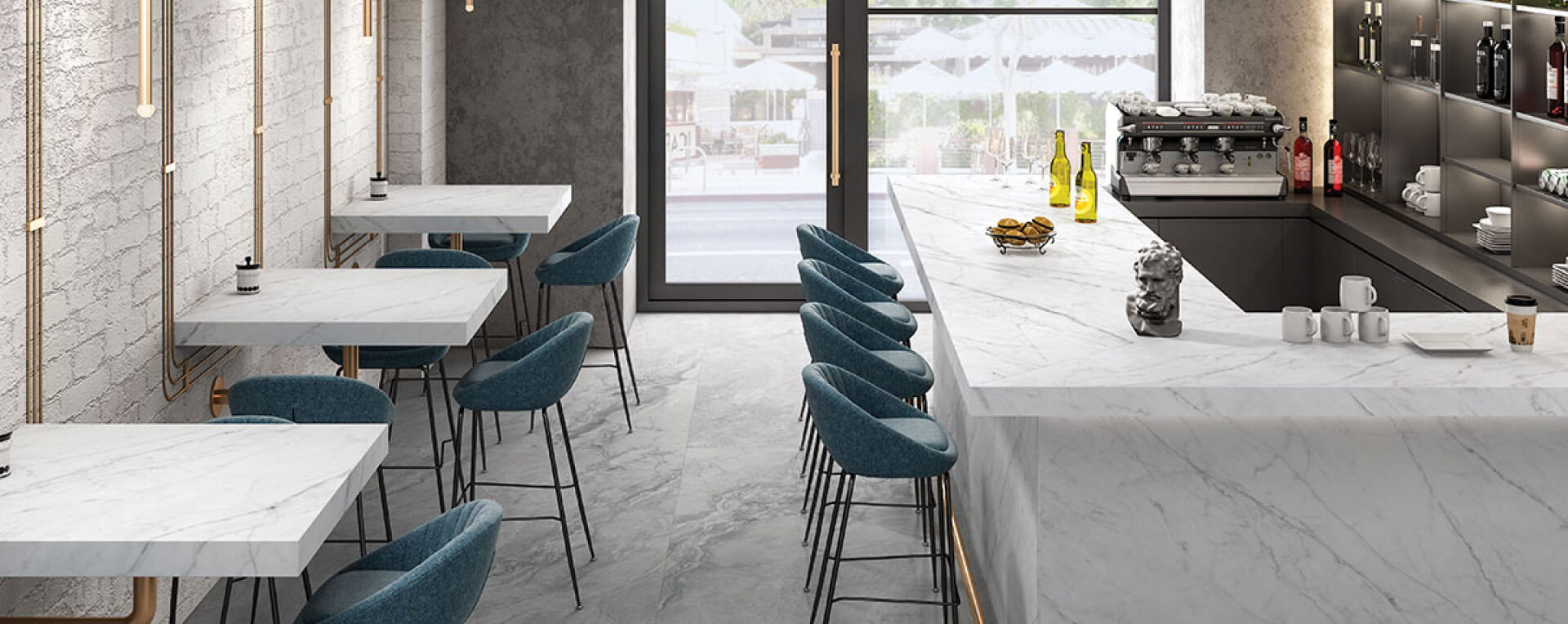
- Used widely in kitchen countertops, floors, wall cladding, vanities, facades, furniture tops, and outdoor kitchens.
What is a laminate?
A surface that has been around for decades and is popular in homes. Layers of paper are soaked in resin, and a printed design layer goes on top.
- This could be a marble pattern, a wood grain, or a solid colour. A clear protective layer is added over it, and it is pressed together under heat and pressure.
- The thin sheet is then glued onto a baseboard, usually MDF or particleboard.
- They are lightweight, budget-friendly, easy to cut, and installation is quick.
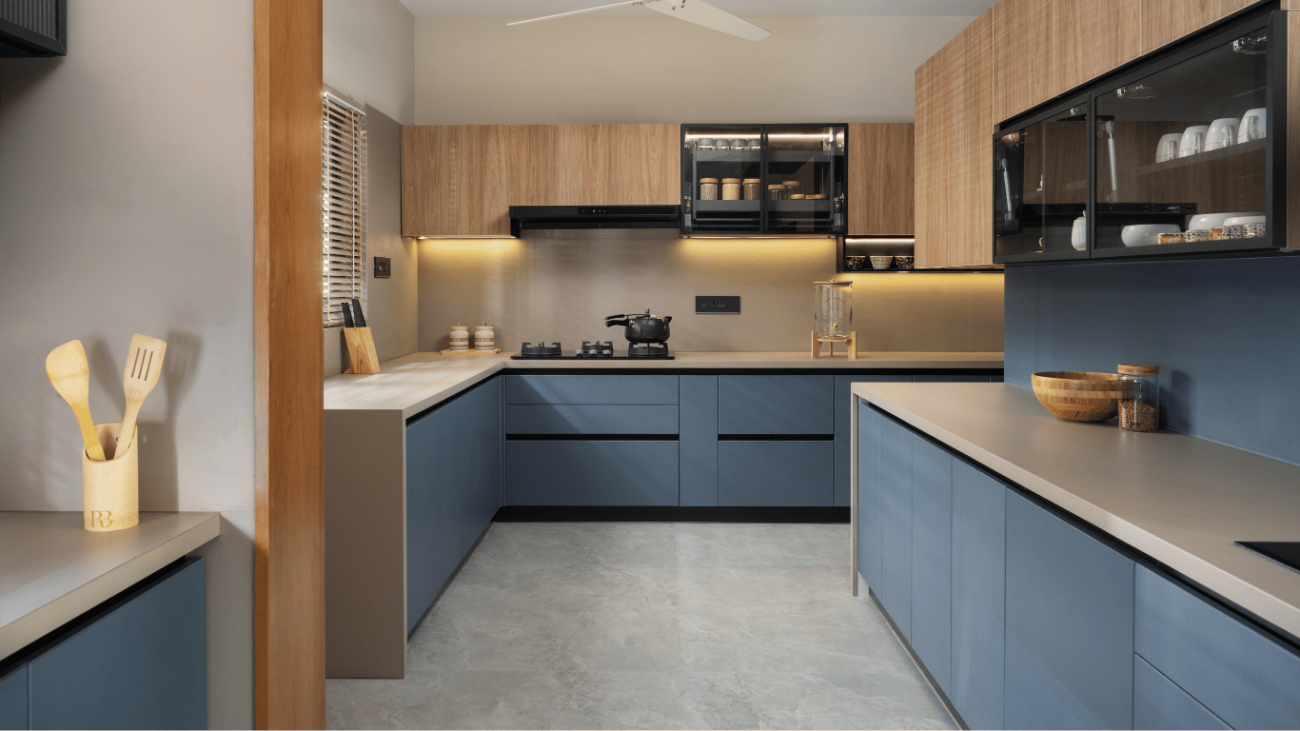
- Used in cabinets, wardrobes, furniture, and wall panels.
Head-to-Head Comparison: Sintered Stone vs High-Pressure Laminate
Here’s a head-to-head sintered stone and laminate surface comparison on the features that matter the most:
| Feature | Laminate | Sintered Stone |
| Material and build | Resin-soaked paper on a wood base | Natural minerals, made under high heat and pressure |
| Heat Resistance | Low | Very high |
| Scratch Resistance | Low | Very high |
| Resistance | Only the surface is resistant; the core can swell | Good water resistance |
| Stain Resistance | Resists stains when new; if scratched down or worn, stains can settle | Dense and non-porous, excellent stain resistance |
| Outdoor Use | Not suitable | Suitable |
| Maintenance | Needs care | Very low |
| Lifespan | Around 10-15 years | Decades |
| Upfront Cost | Low | High |
Also Read: Neotra vs Quartz: Which Surface Is Best for Modern Kitchens
What Are the Key Differences Between Laminate and Sintered Stone
Laminate and sintered stone are different materials with distinct advantages and disadvantages. Here is a detailed breakdown of these materials:
-
1: Thermal Performance and Burn Resistance
Laminate fades when it stays in strong sunlight; hence, it is not made for outdoor use. While sintered surfaces are heat-resistant, they perform better in ambient conditions inside the building during the hot months. The Solar Reflectance Index of Neotra is 90+, making it an excellent choice for facade cladding.
-
2: Scratching, Cutting, and Impact Durability
Laminate scratches easily; using a knife without a board or moving a heavy bowl can leave lines. Once the print layer is damaged, it cannot be repaired well. Neotra surfaces are resistant to abrasion, as demonstrated by ISO testing, which was 10 times the required value.
-
3: Water Seepage, Swelling, and Edge Delamination
Water is the biggest enemy of laminate. The top layer can handle spills if you wipe them up fast, but if water seeps in through the edges or joints, the wooden base soaks it up. The board swells, the edges lift, and the damage cannot be reversed. And hence, it is a risky choice near sinks, in bathrooms, or in humid places. Sintered surfaces are non-porous and stain-resistant, with water absorption near to zero.
-
4: Long-Term ROI and Property Value Impact
Laminate needs gentle care. Avoid harsh cleaners, standing water, and abrasive pads, and keep hot items away. Laminate usually lasts around 10 to 15 years with good care. In busy kitchens or wet areas, it may need replacing sooner. Laminate costs less upfront; if you are on a tight budget or doing a short-term fix, laminate is a practical option. Sintered stone needs very little care. Wipe it with a soft cloth and mild soap; no sealing is needed. It can last decades; it does not warp, peel, or fade. Many people see it as a one-time investment. Sintered stone costs more at the start, but you will not need to replace it, repair it, or worry about damage. Over the years, the cost per year of use can work out well.
Also Read: Neotra vs Marble: Which Is More Stylish and Practical?
When to Choose Sintered Stone Over Laminate for Your Project
Sintered stone is a better choice when:
- You want a kitchen countertop that can handle knives, spills, and heat.
- If you are designing a bathroom or any wet area, laminate would swell.
- When you need a surface for outdoor use. The laminate fades in sunlight, the base soaks water, and it scratches easily. Neotra surfaces have a 90+ SRI index, suitable for high heat or high moisture.
- If you want a premium look with very little upkeep. Neotra surfaces are non-porous and do not harbour dirt and bacteria. Non-absorbent and resistant to detergents and cleaning agents, they are easy to clean with minimal effort.
- When you want to invest once and not think about it again.