
What Makes a House Exterior Design Stand Out
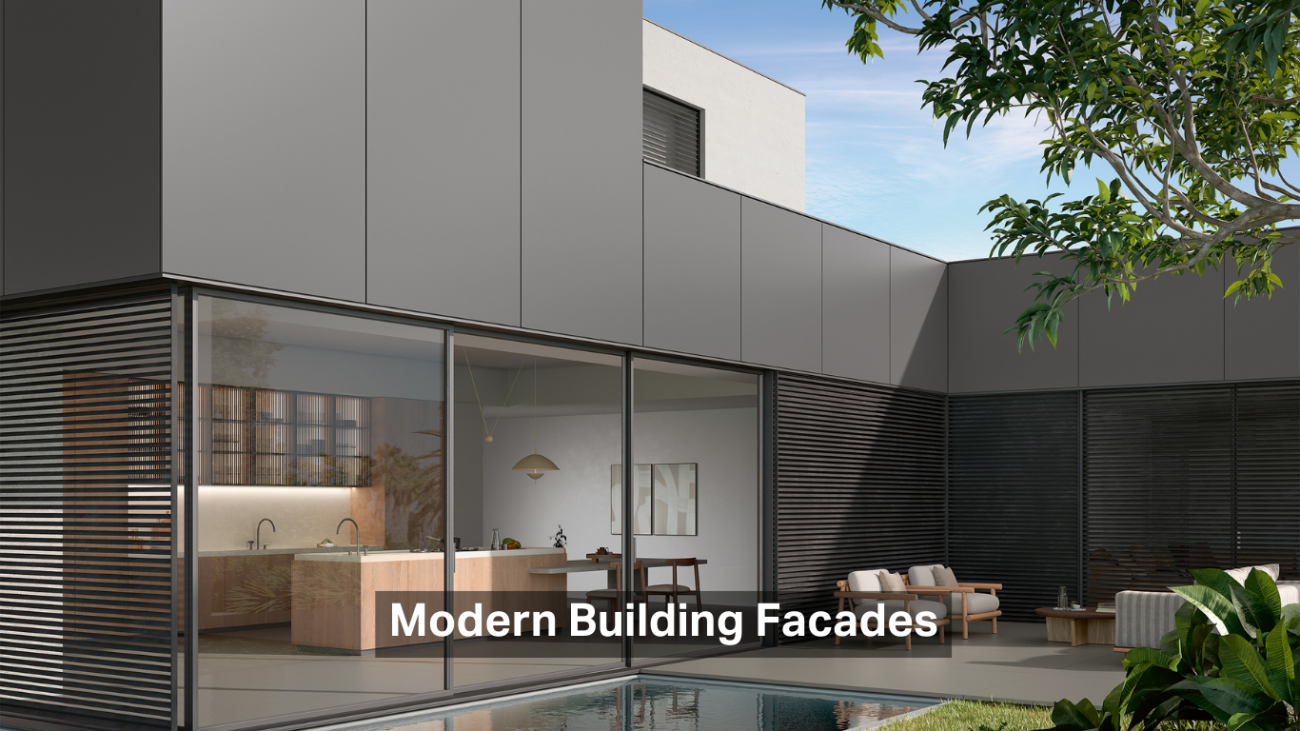
A standout exterior home design balances proportion and restraint. It isn’t about layering every trend at once but about choosing a few strong elements and executing them well. Texture contrast, clean architectural lines, and considered colour palettes create visual rhythm without clutter. Lighting, entryway design, and landscaping further shape how a home is experienced, both up close and from a distance. Ultimately, a memorable facade reflects the architecture’s intent clearly, uses materials suited to context and climate, and ages with dignity rather than needing constant upkeep. Good exterior home design feels inevitable, not accidental.
20 House Exterior Design Ideas
Each of these ideas can be used on its own or layered thoughtfully with others to build a facade that feels distinctly yours.
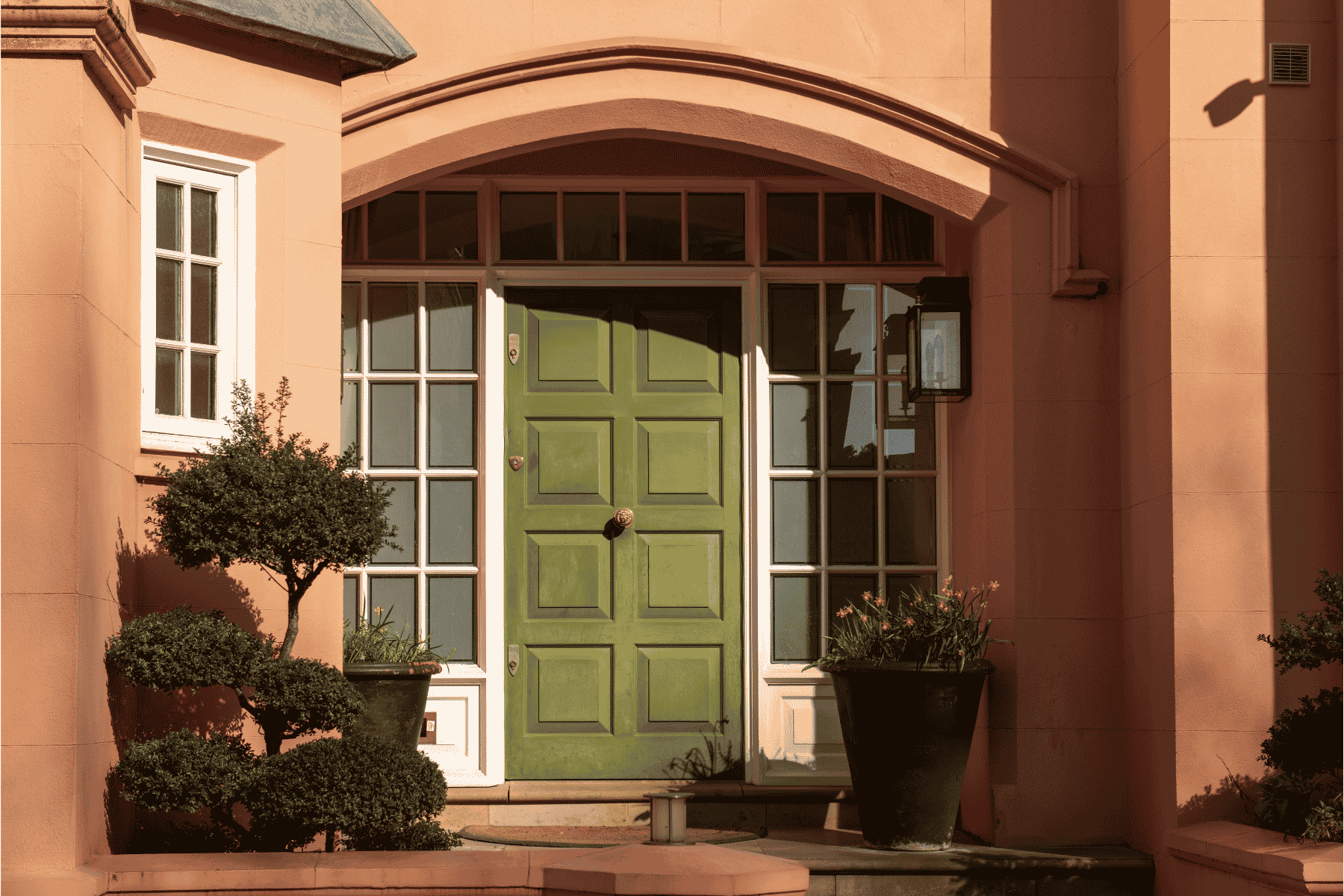
1. Bold Front Door Colour Statement
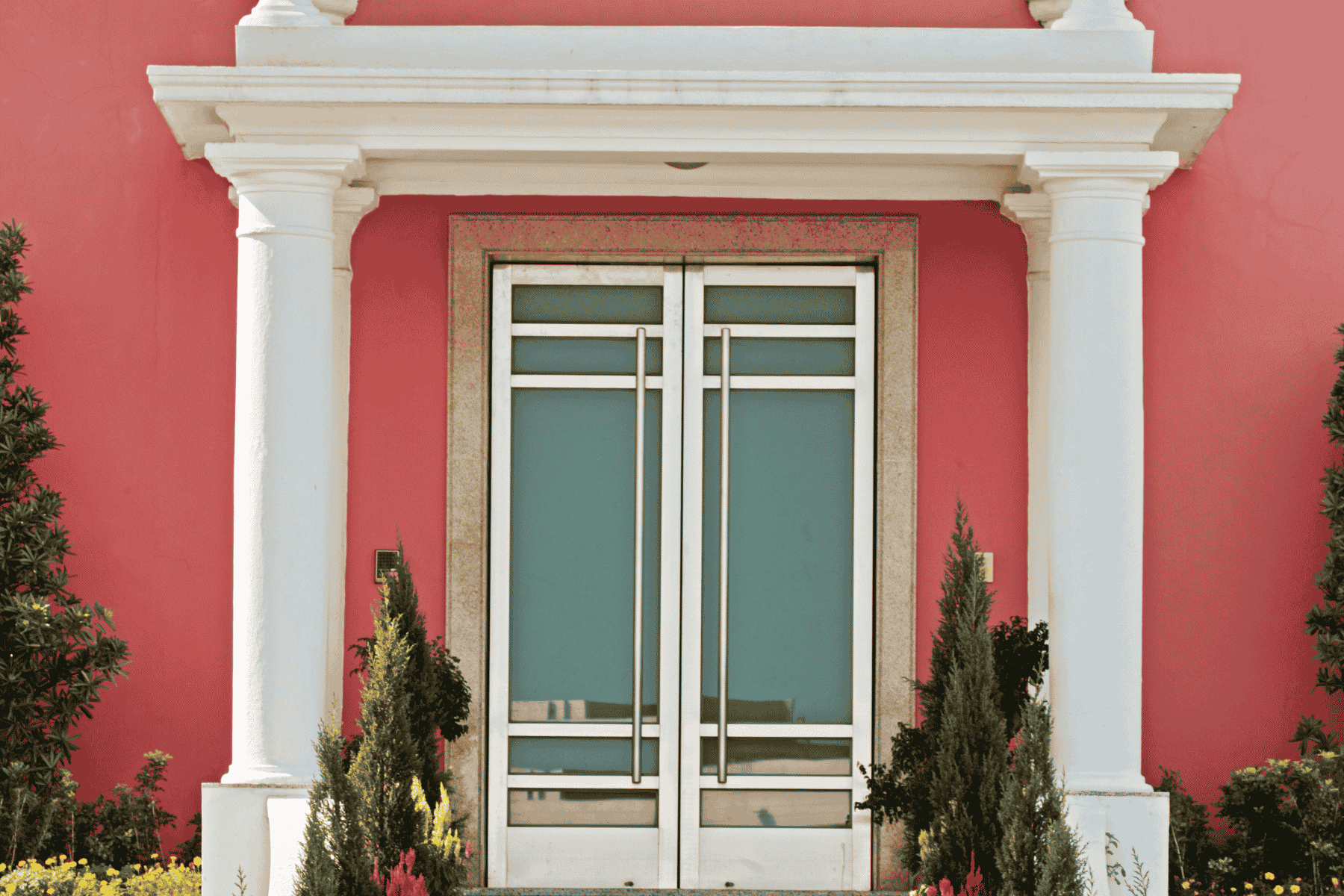
A vividly coloured front door instantly draws the eye and adds personality to an otherwise neutral facade. Deep greens, matt black, or rich blues work particularly well, framed against lighter exterior walls for contrast.
Also Read: 15 Best Exterior Wall Texture Design Ideas for Modern Homes
2. Natural Stone Cladding Accent Wall
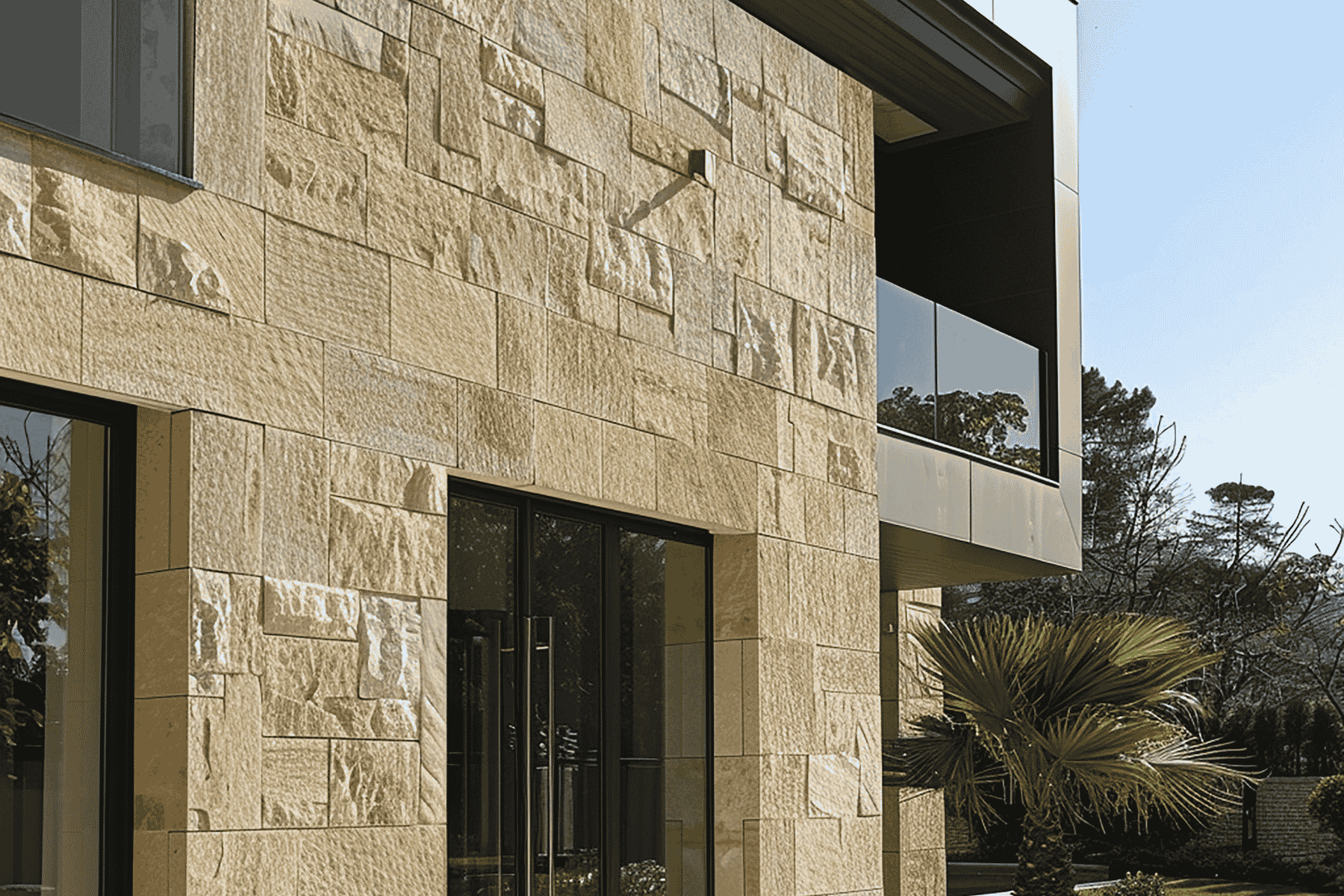
An accent wall in natural stone introduces depth and texture to a facade or entrance section. It grounds the design visually, pairing well with clean render or plaster finishes on surrounding walls.
3. Symmetrical Window Placement
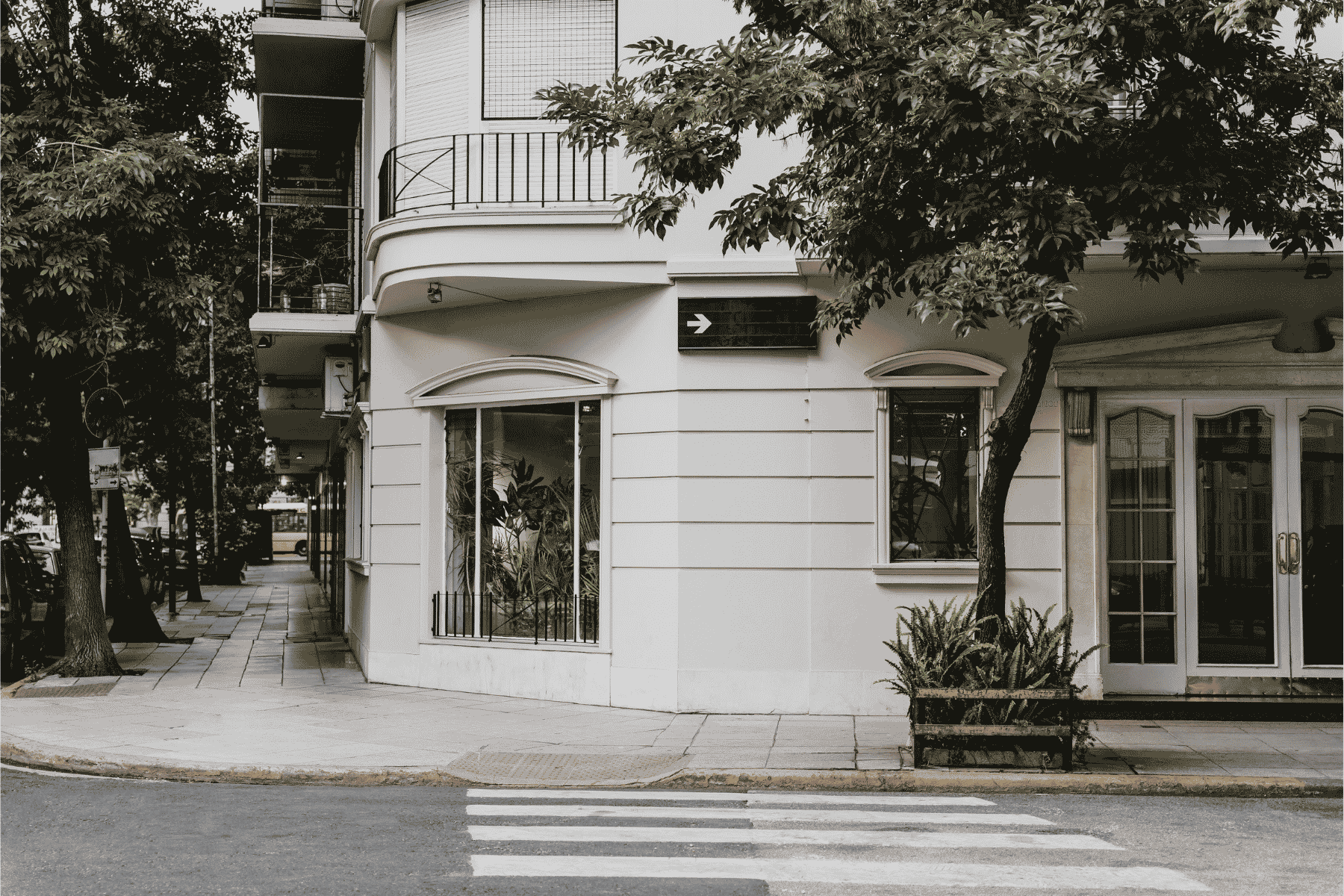
Evenly spaced, mirrored windows lend a facade of order. This classical approach suits both modern and traditional homes, creating a balanced rhythm across the front elevation that feels intentional and composed.
4. Double-Height Entrance Porch
A tall, open porch creates drama at the entrance, framing the doorway with scale and shadow. It signals arrival, offers shelter, and often becomes the architectural focal point of the entire facade.
Also Read: Top 10 Outdoor Wall Surface Designs to Enhance Your Exteriors
5. Mixed Texture Facade Panels
Combining smooth render with fluted, ribbed, or stone-textured panels adds visual interest without relying on colour. This layering technique gives depth to flat facades and highlights specific architectural volumes.
6. Warm Wood and Stone Combination
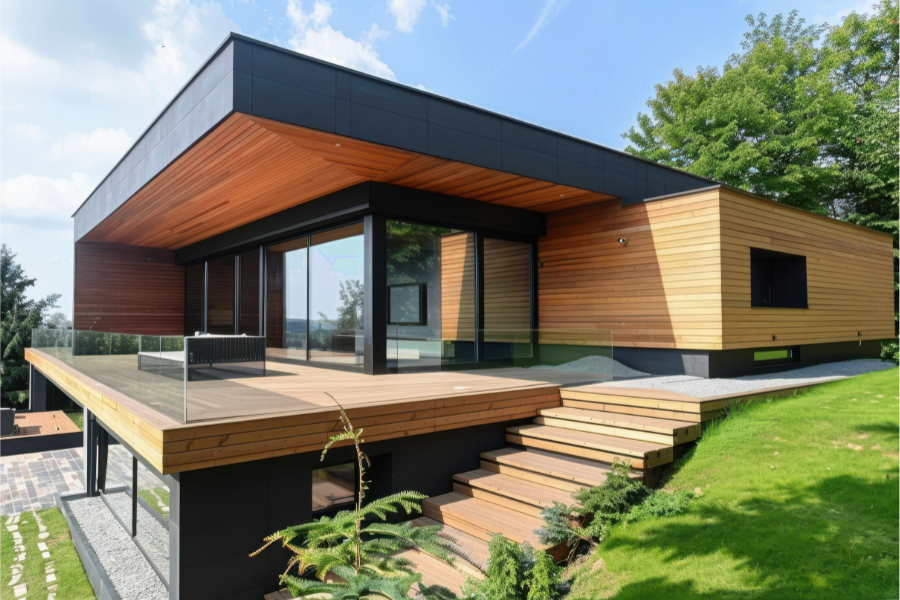
Pairing timber accents with stone cladding brings warmth and organic contrast to an exterior. This combination works especially well on balconies, porches, and boundary walls, softening otherwise minimal architecture.
7. Minimalist White Facade with Black Trim
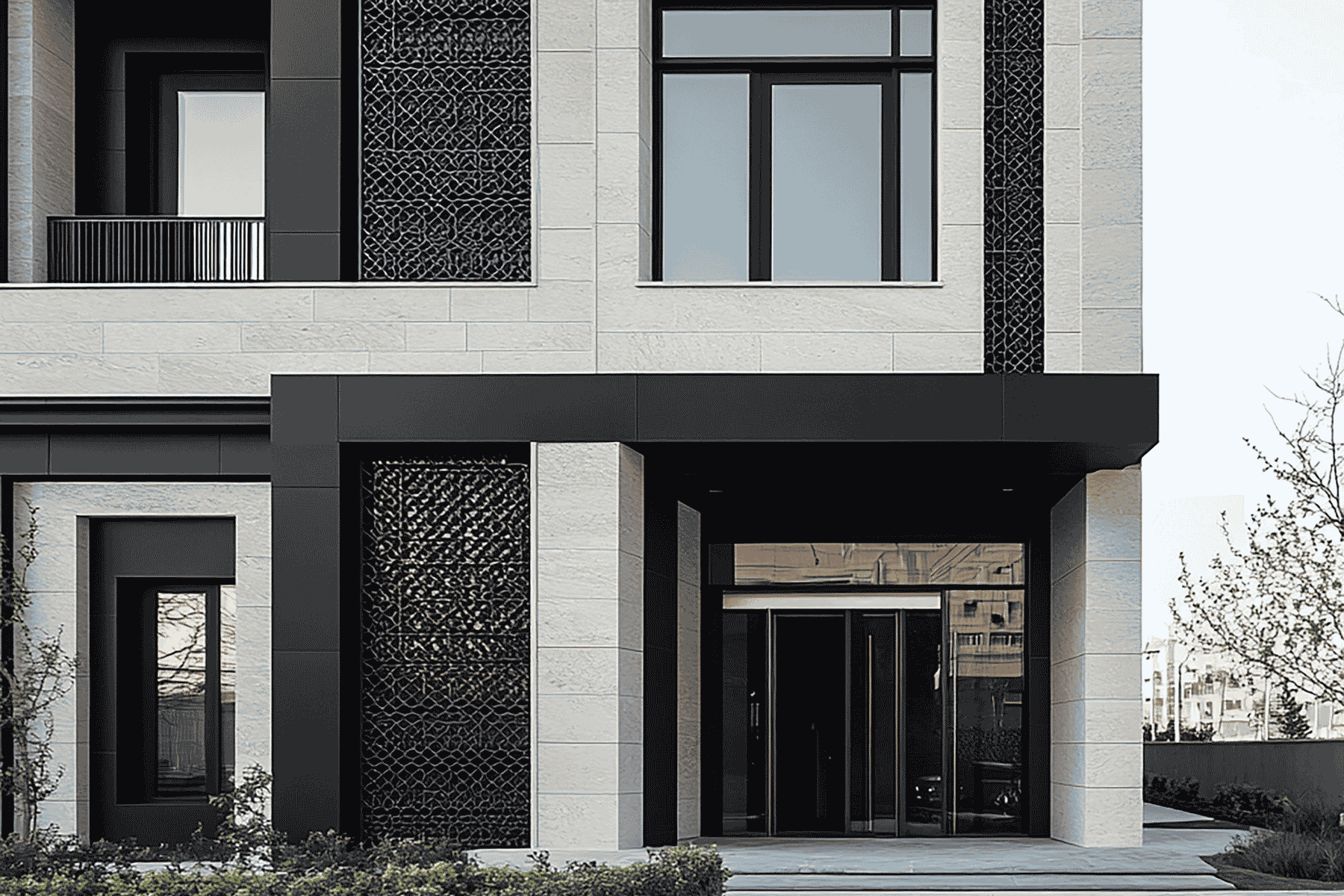
A crisp white base with black window frames and trim delivers a striking, modern look. The high-contrast palette emphasises architectural lines while keeping the overall facade feeling uncluttered and clean.
8. Covered Car Porch Design
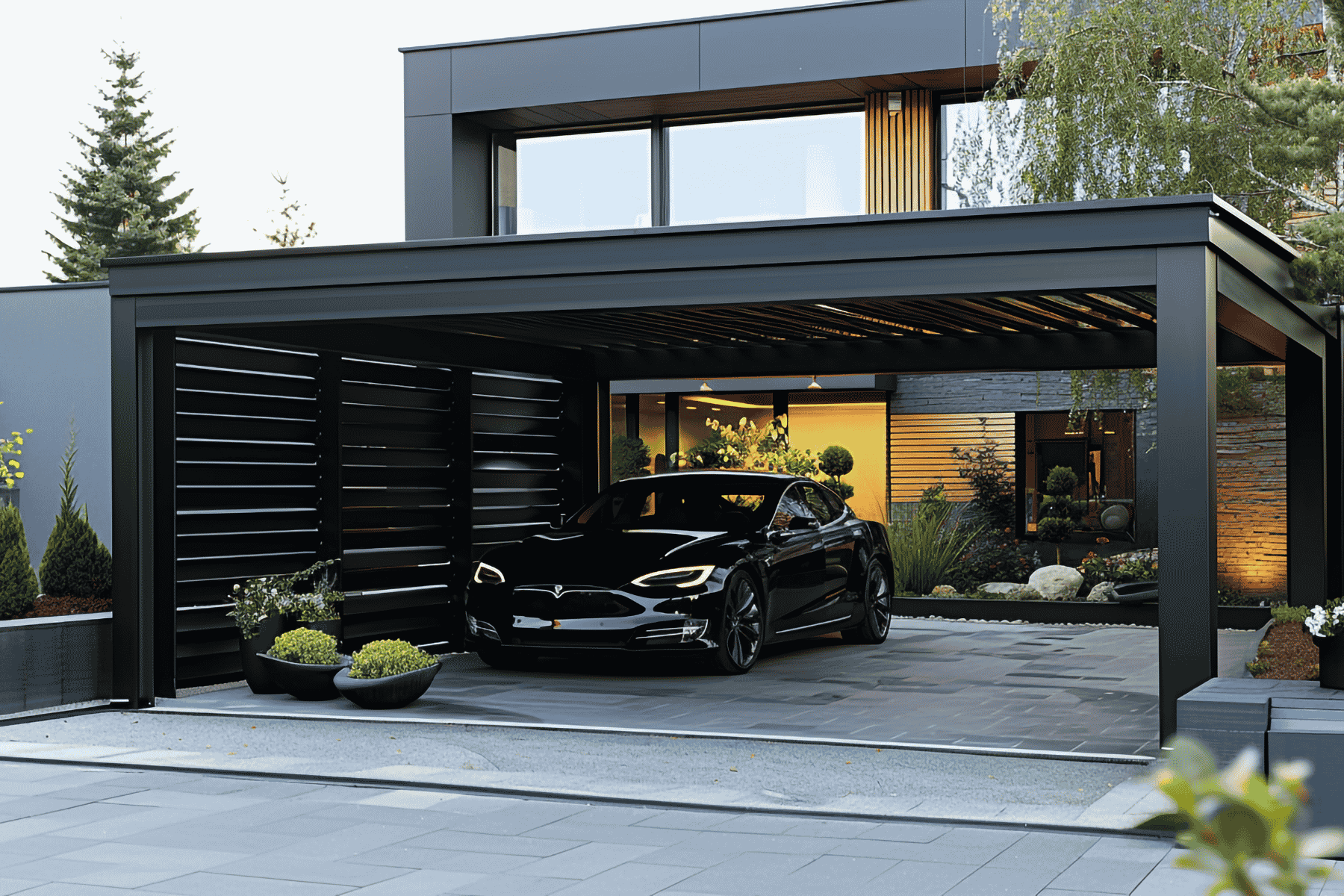
A well-designed car porch extends the home’s architectural language while offering practical shelter. Cantilevered slabs, slatted roofs, or stone-clad columns can turn this functional space into a design feature.
9. Landscaped Front Garden Pathway
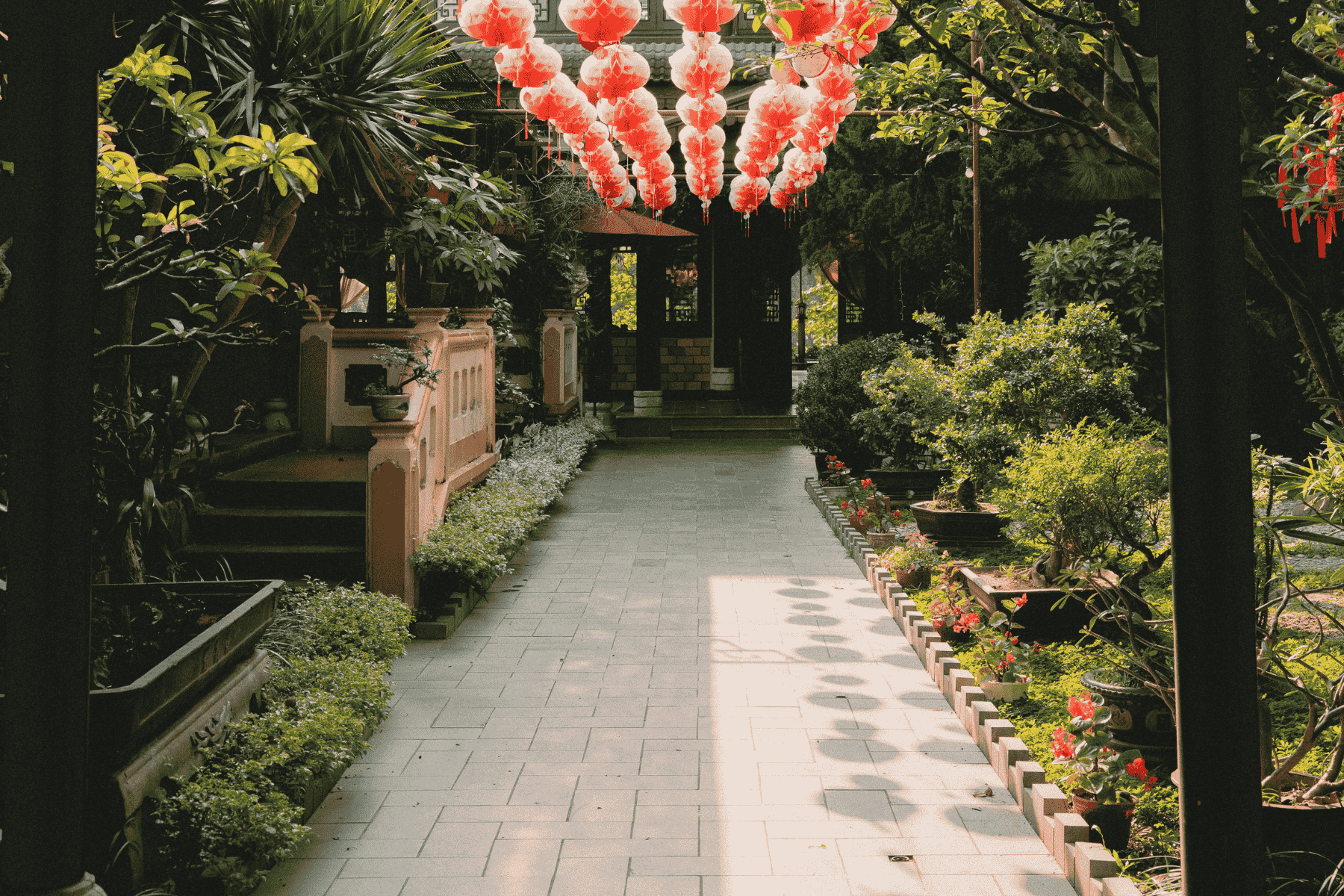
A curated pathway lined with greenery softens the transition from street to entrance. Paver or natural stone walkways paired with low hedges or plants add warmth ahead of the front door.
Also Read: 15 Front Facade Design Ideas for Modern Houses
10. Balcony Grille Design Accents
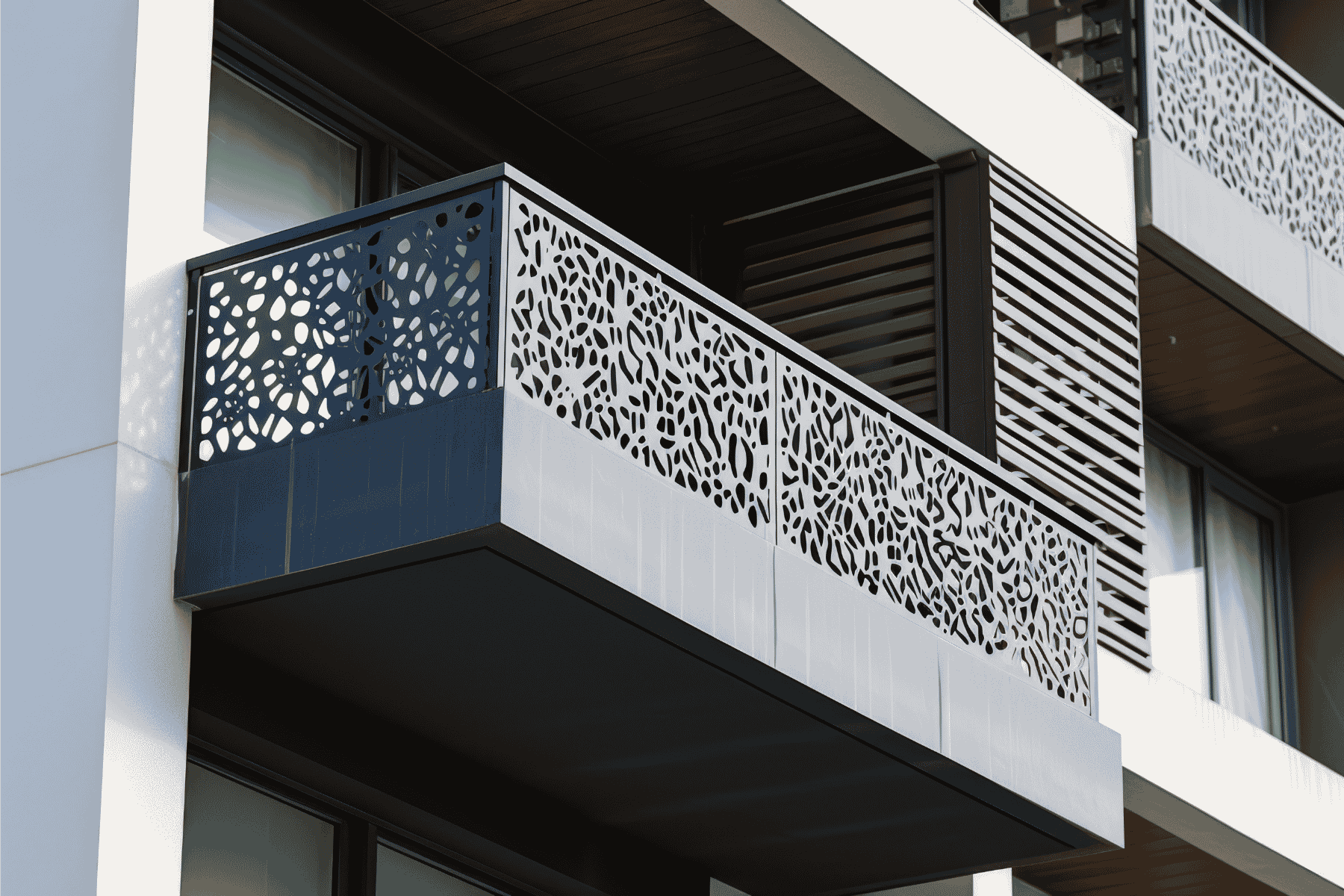
Decorative metal or timber grills on balconies add texture and rhythm to the upper facade levels. Geometric or linear patterns work well for a modern look while filtering light and providing privacy.
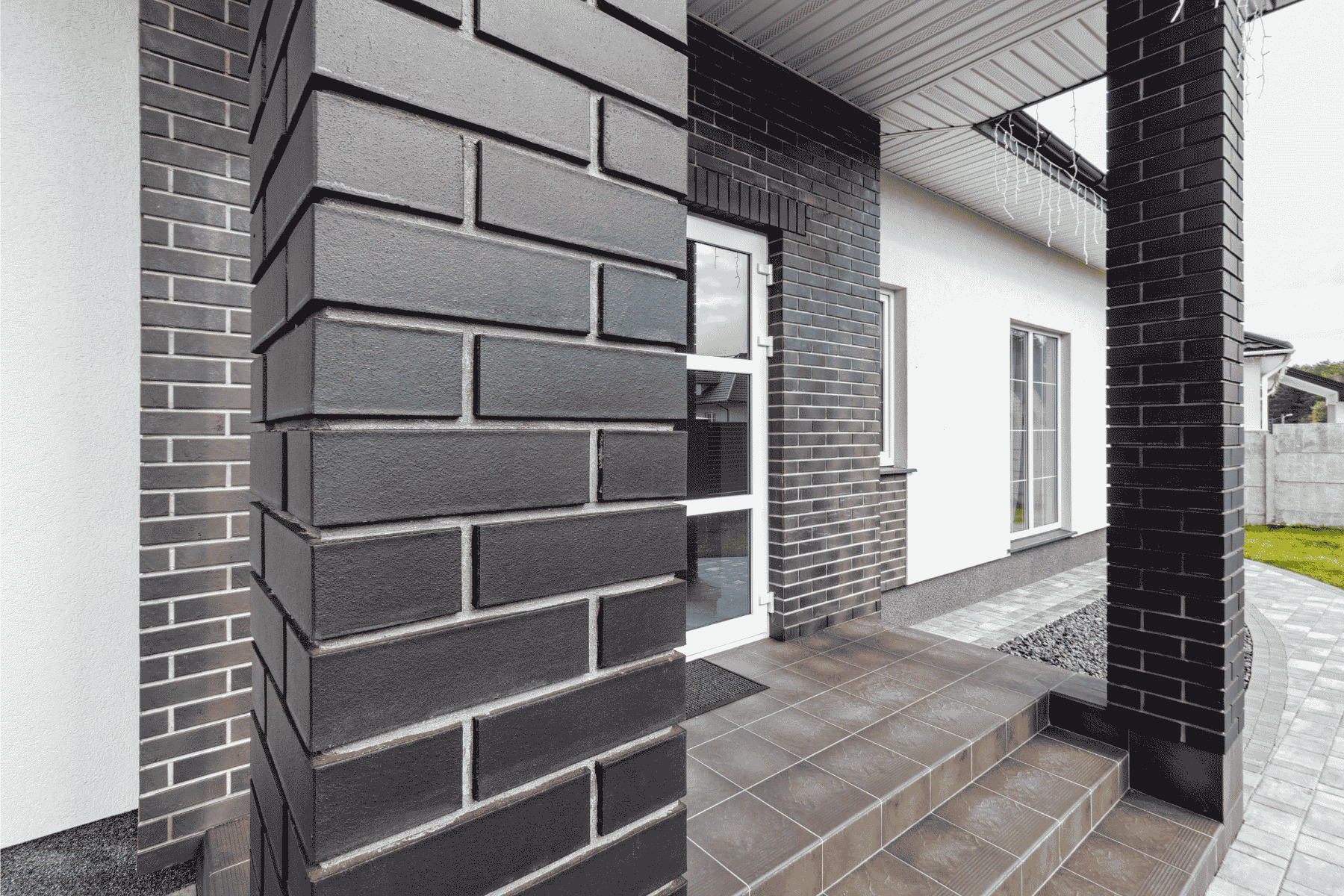
11. Exposed Brick Exterior Wall
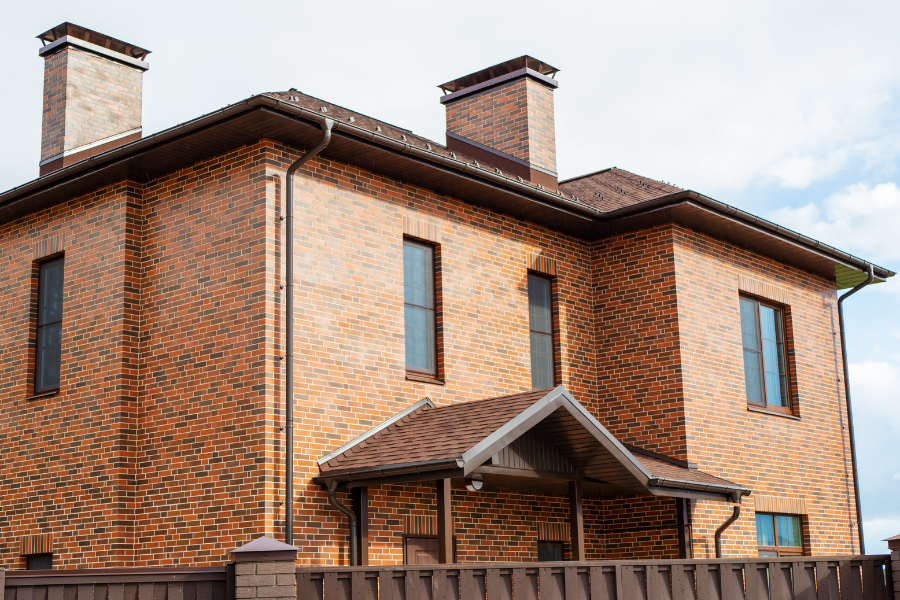
Exposed brick sections bring rustic texture and warmth, especially when contrasted against smooth plastered walls. It’s an increasingly popular choice for feature walls near entrances or seating areas outdoors.
12. Contemporary Flat Roof Design
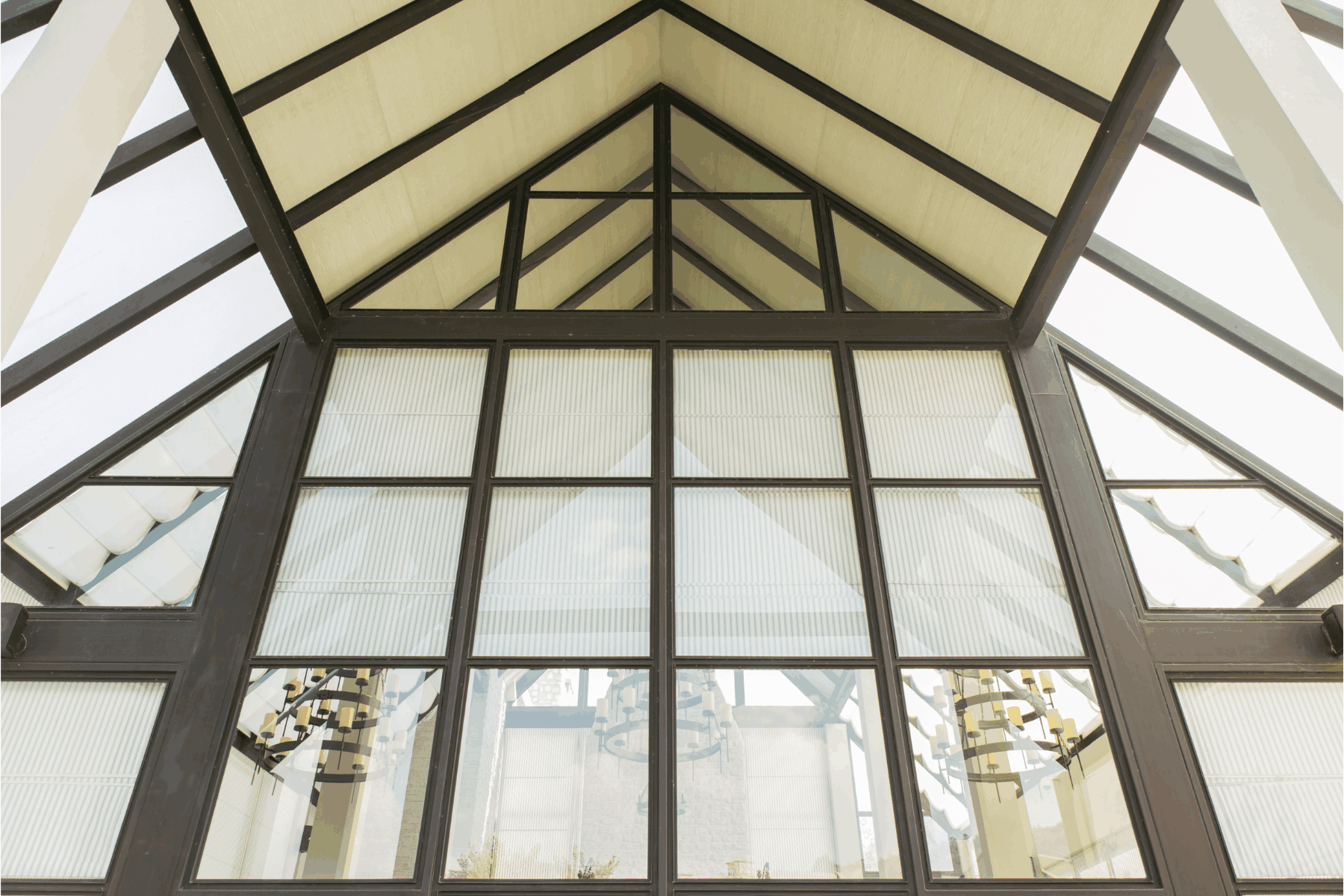
Flat roofs lend homes a distinctly modern silhouette and allow for clean, uninterrupted facade lines. They also open possibilities for gardens, rooftop terraces, or additional usable outdoor living space above.
13. Vertical Louvers for Sun Shading
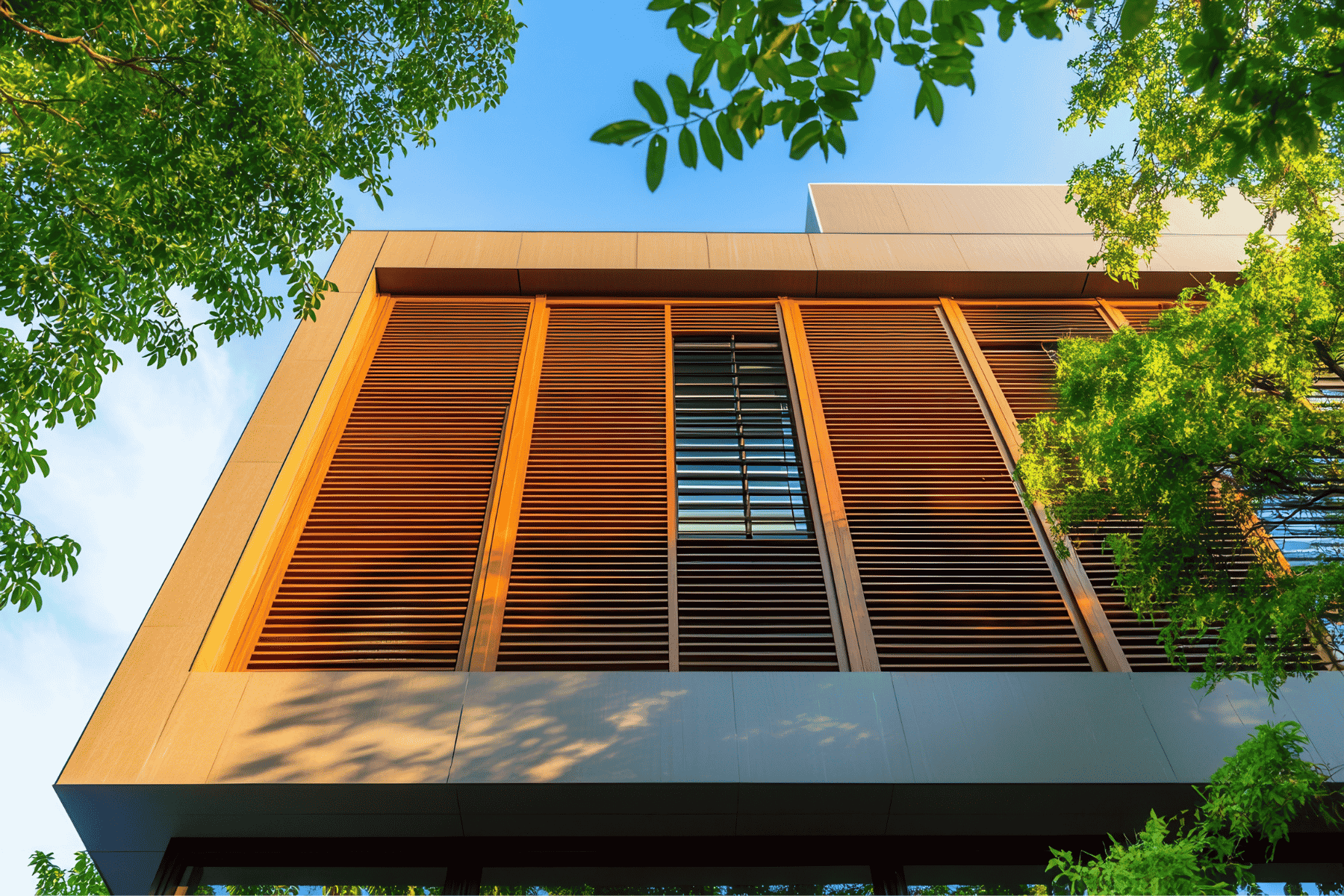
Vertical louvers add rhythmic texture and control sunlight. Beyond shading interiors from harsh light, they introduce a layered, architectural quality that changes appearance through the day.
14. Engineered Stone Surface Boundary Wall
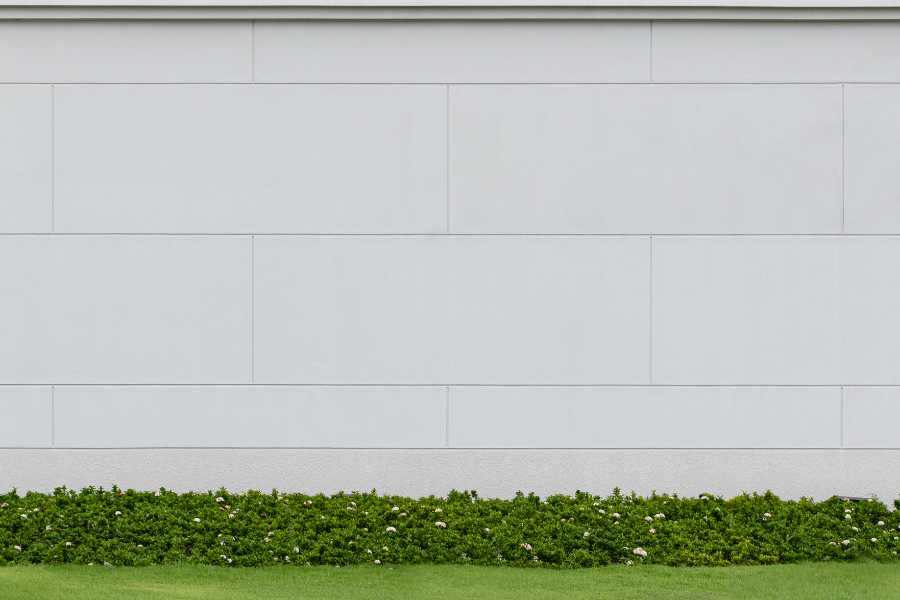
Boundary walls clad in engineered surfaces offer a refined, consistent finish that complements the main facade. They extend the home’s design language to the property’s edge, framing the approach elegantly.
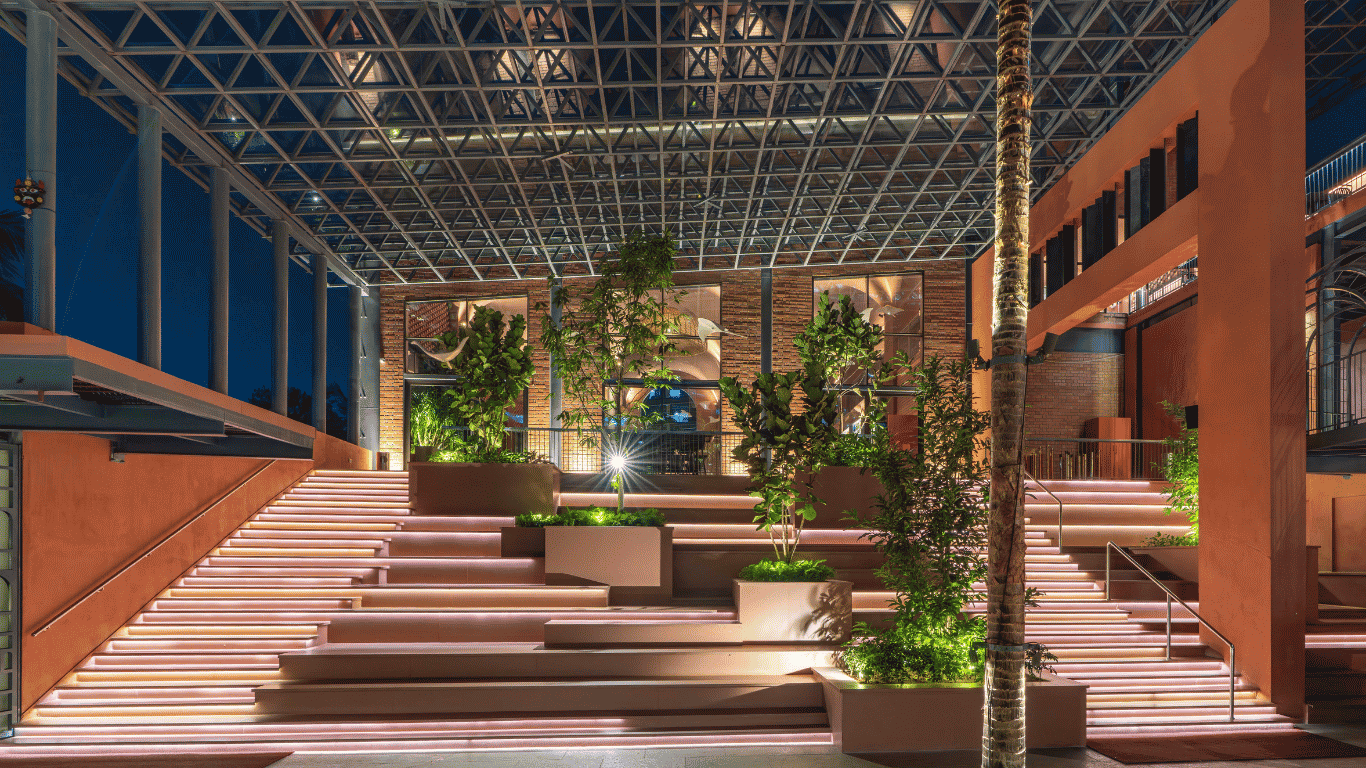
15. Illuminated Facade Lighting Design
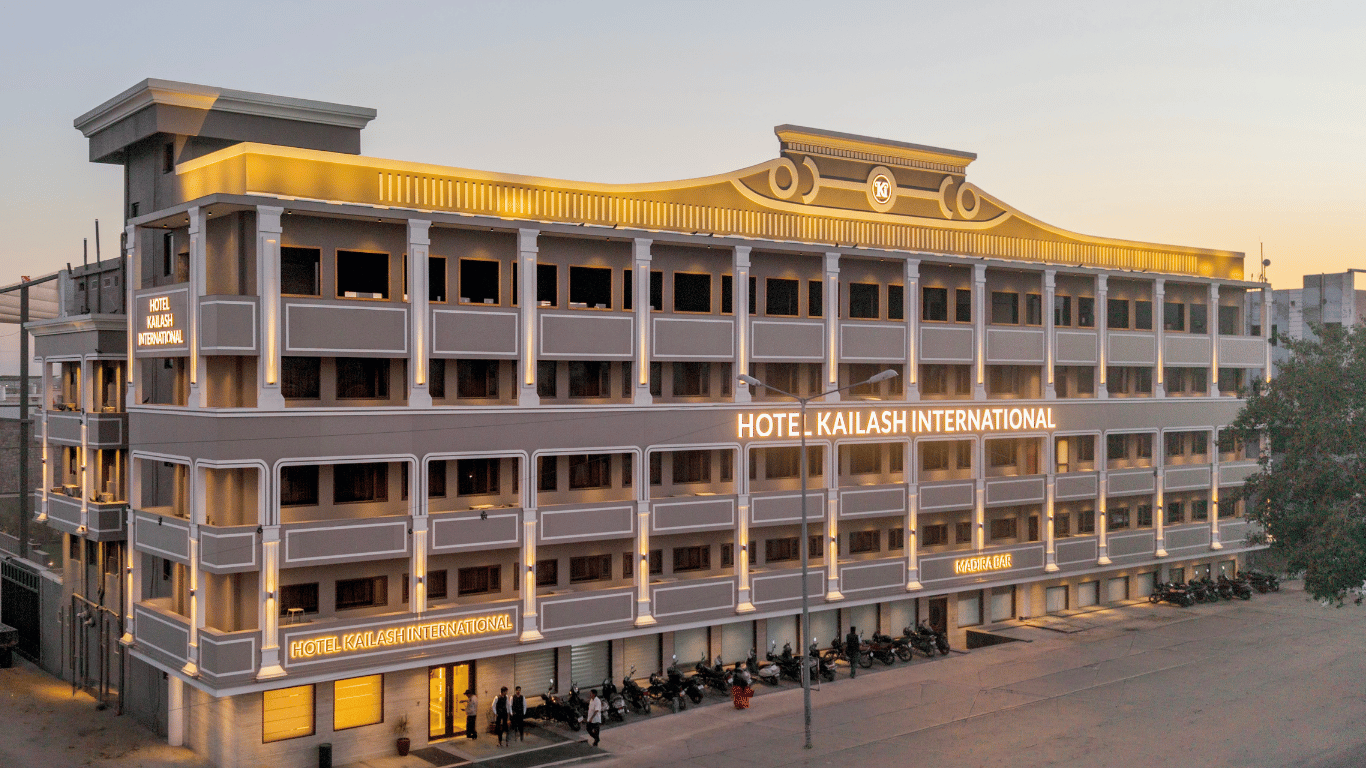
Cove lighting and strategic uplighting highlight architectural features after dark, adding depth and drama. Well-placed fixtures along columns, walls, or landscaping elevate the home’s presence well into the evening.
Also Read: Top 5 Durable Exterior Wall Cladding Ideas
16. Corner Window Design for Modern Homes
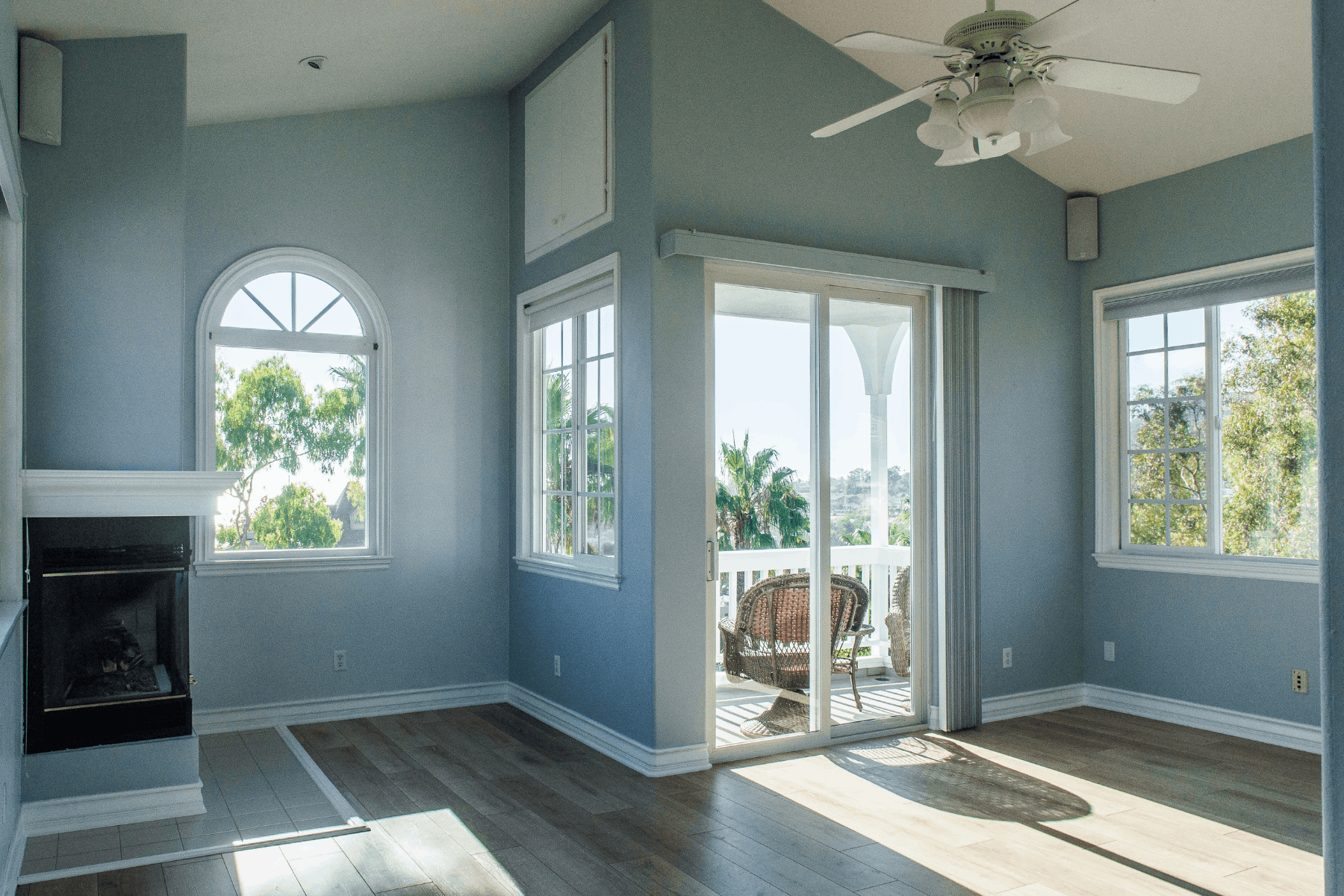
Corner windows break traditional facade rules, wrapping glazing around a building’s edge for a striking, open feel. They flood interiors with light while giving the exterior a distinctly modern silhouette.
17. Textured Plaster Exterior Finish
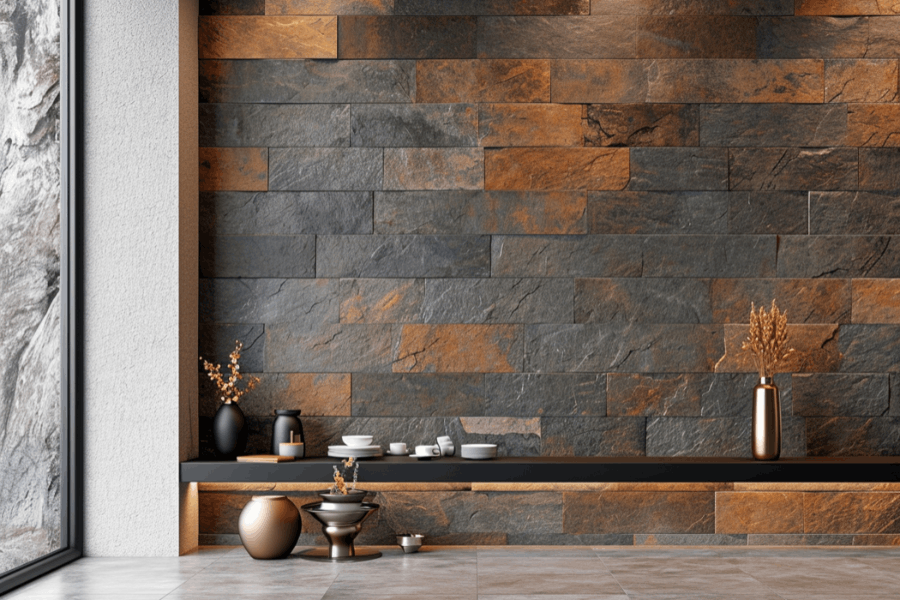
Textured plaster finishes add tactile depth to facades without the weight or cost of cladding. Stippled, combed, or brushed textures catch light differently through the day, giving walls quiet character.
18. Glass Balustrade Balcony Design
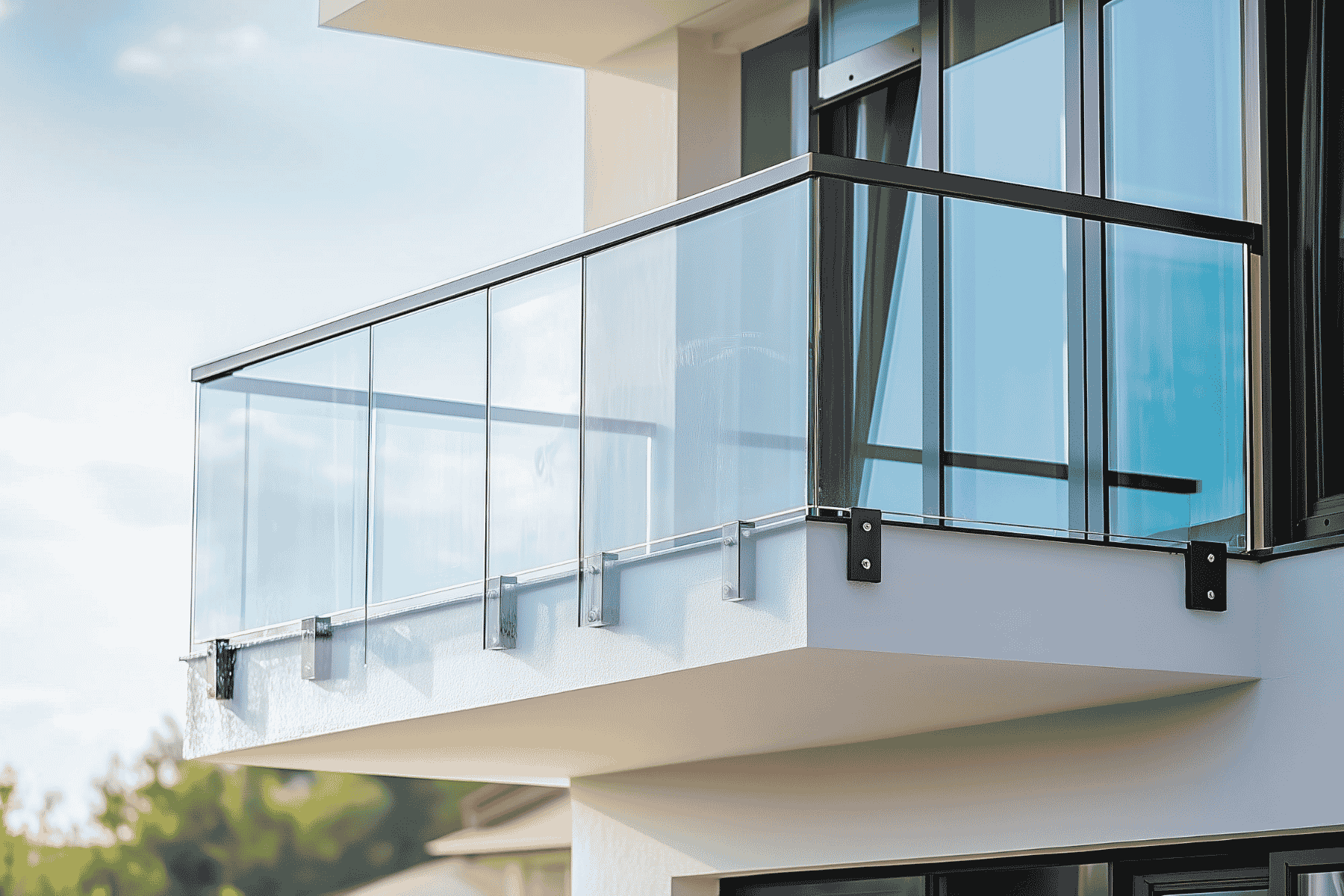
Glass balustrades keep balconies visually light and unobstructed, preserving sightlines and letting the architecture breathe. They pair especially well with minimalist, modern facades that favour openness over ornamentation.
19. Two-Tone Exterior Colour Blocking
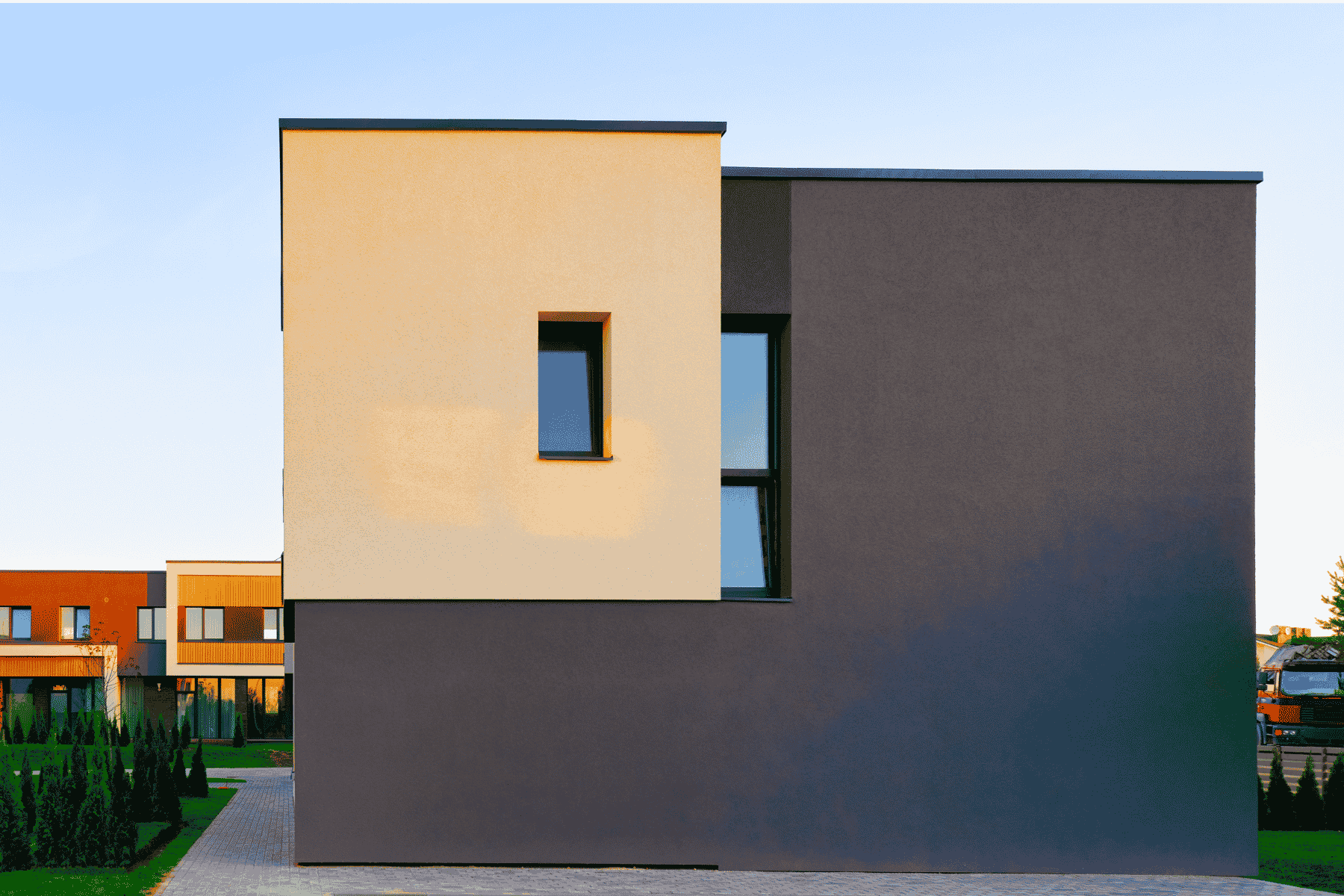
Dividing the facade into two complementary tones, horizontally or by volume, adds structure and visual interest. This approach works well to distinguish base and upper floors or highlight specific forms.
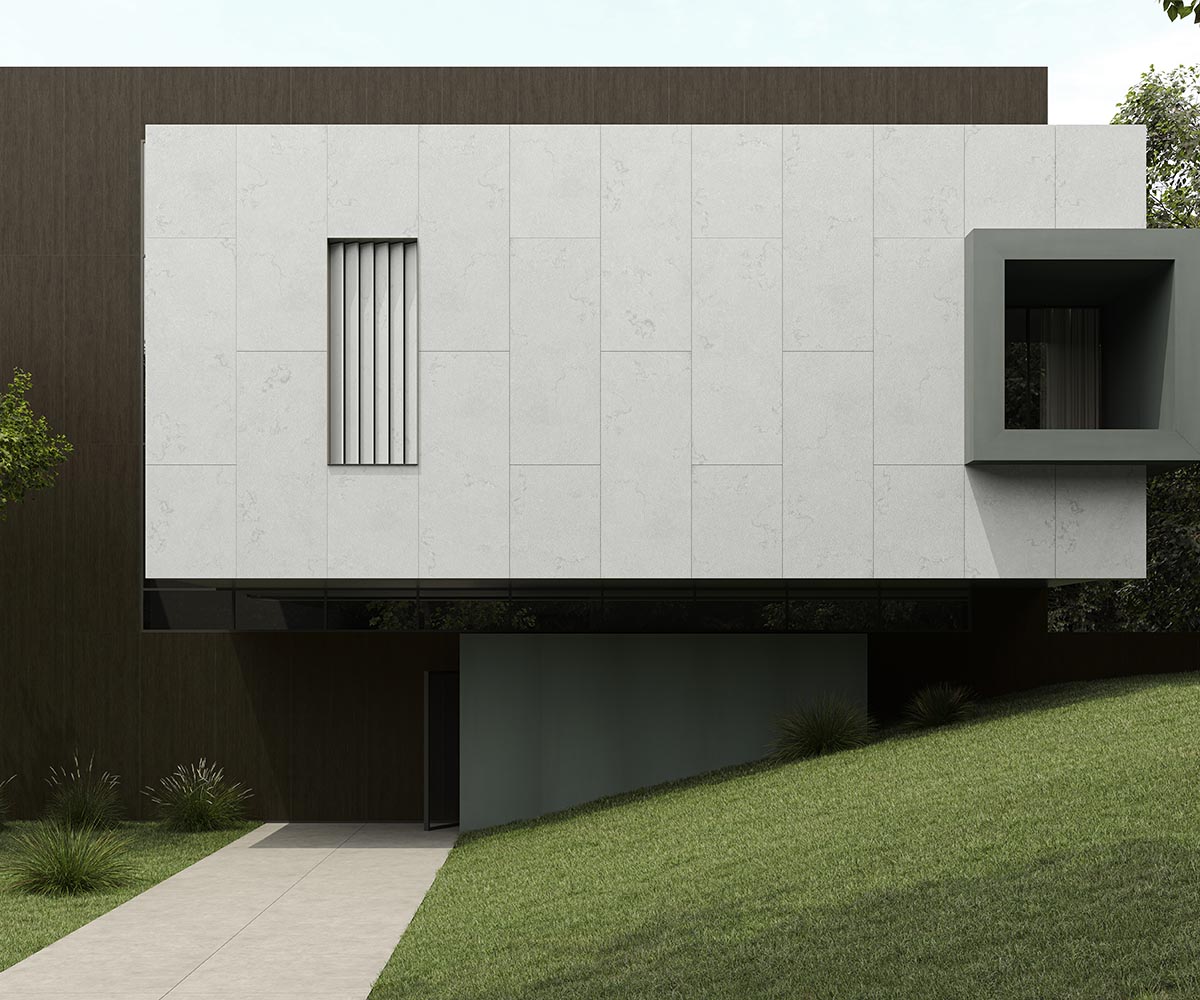
20. Exterior Facade Upgrade with Neotra Engineered Surfaces
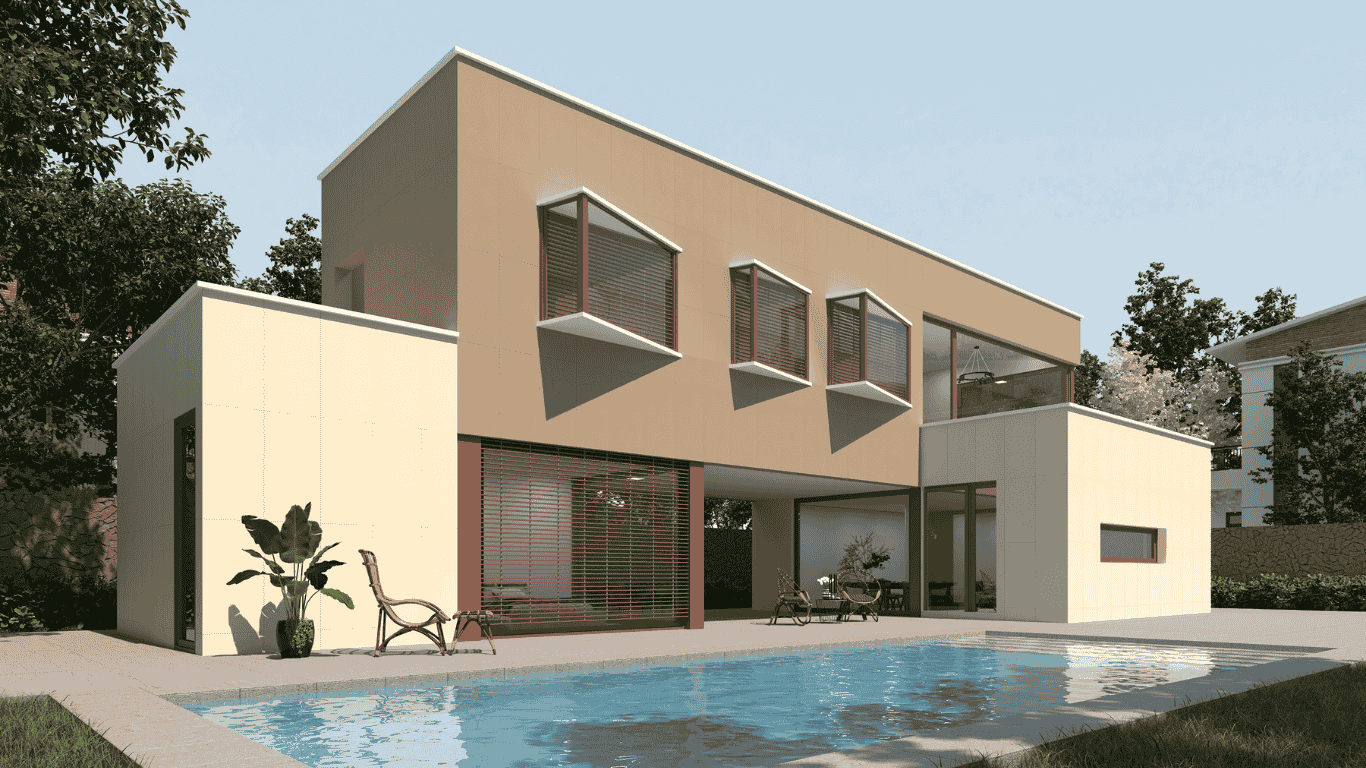
Our engineered surfaces bring consistent texture, colour, and finish to exterior cladding, accent panels, and boundary walls. They offer designers a refined, low-maintenance material for elevating any facade design.
Natural Stone Cladding vs Engineered Surfaces for Exteriors
Natural stone cladding offers organic variation; no two pieces are identical, which appeals to homeowners seeking a one-of-a-kind, earthy character. However, its weight, porosity, and natural veining can mean more careful installation and upkeep over time. Engineered surfaces, such as Neotra, are manufactured for consistency, offering uniform colour, finish, and pattern across every slab. This predictability makes design planning easier, particularly for large facades areas or repeated modules. Engineered surfaces also come in a wide range of stone, wood, marble, and concrete-look slabs, giving architects the aesthetics of natural material with more design flexibility.