

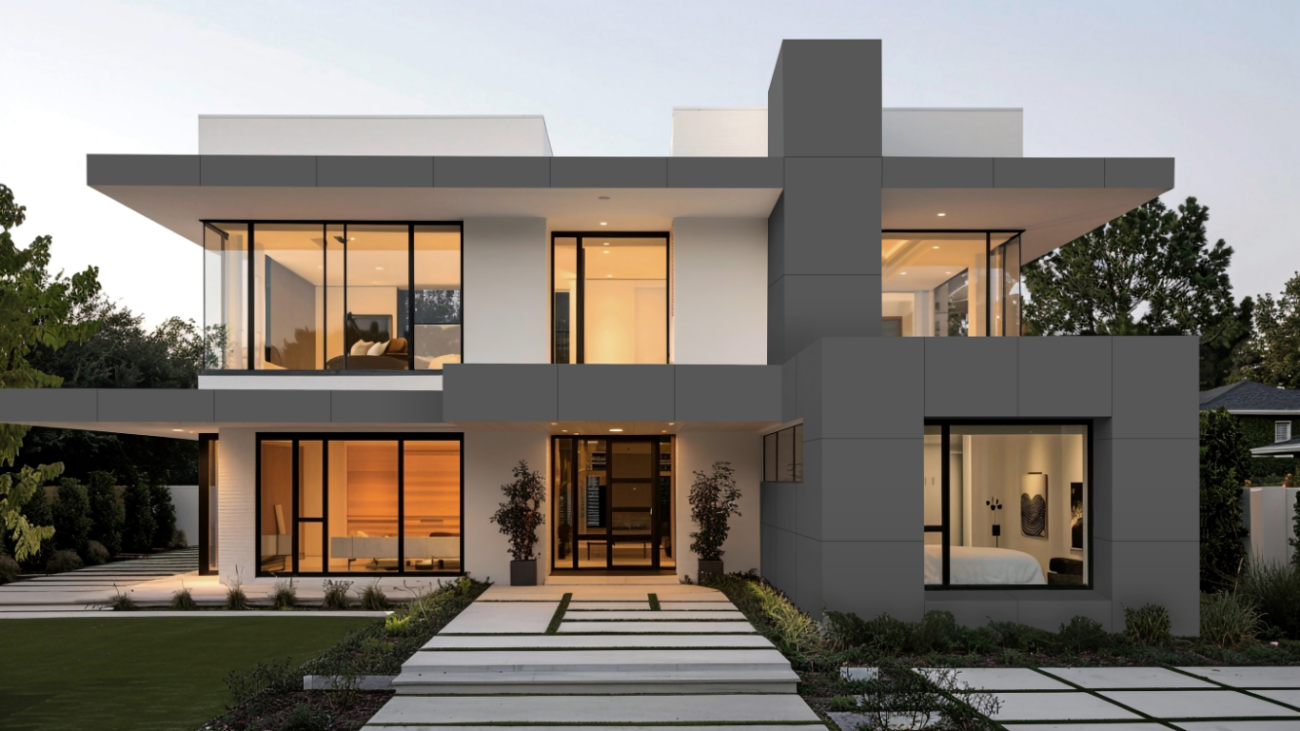
What is Composite Cladding and Why Choose It?
‘Composite cladding’ refers to engineered boards or panels made by combining multiple materials, such as metals with plastics, wood fibres with polymers, or cement with fibres to create superior performance. Wood rots, stone and metal corrode and weigh heavily, whereas composites mitigate these by integrating resins and additives.
Why choose it? – Composite cladding offers unmatched durability, withstanding extreme weather from scorching heat to freezing cold without fading or cracking. Low maintenance, no staining or sealing required, only occasional cleaning keeps them looking new. Design flexibility, options range from rustic wood to sleek metallic finishes, suiting every space.
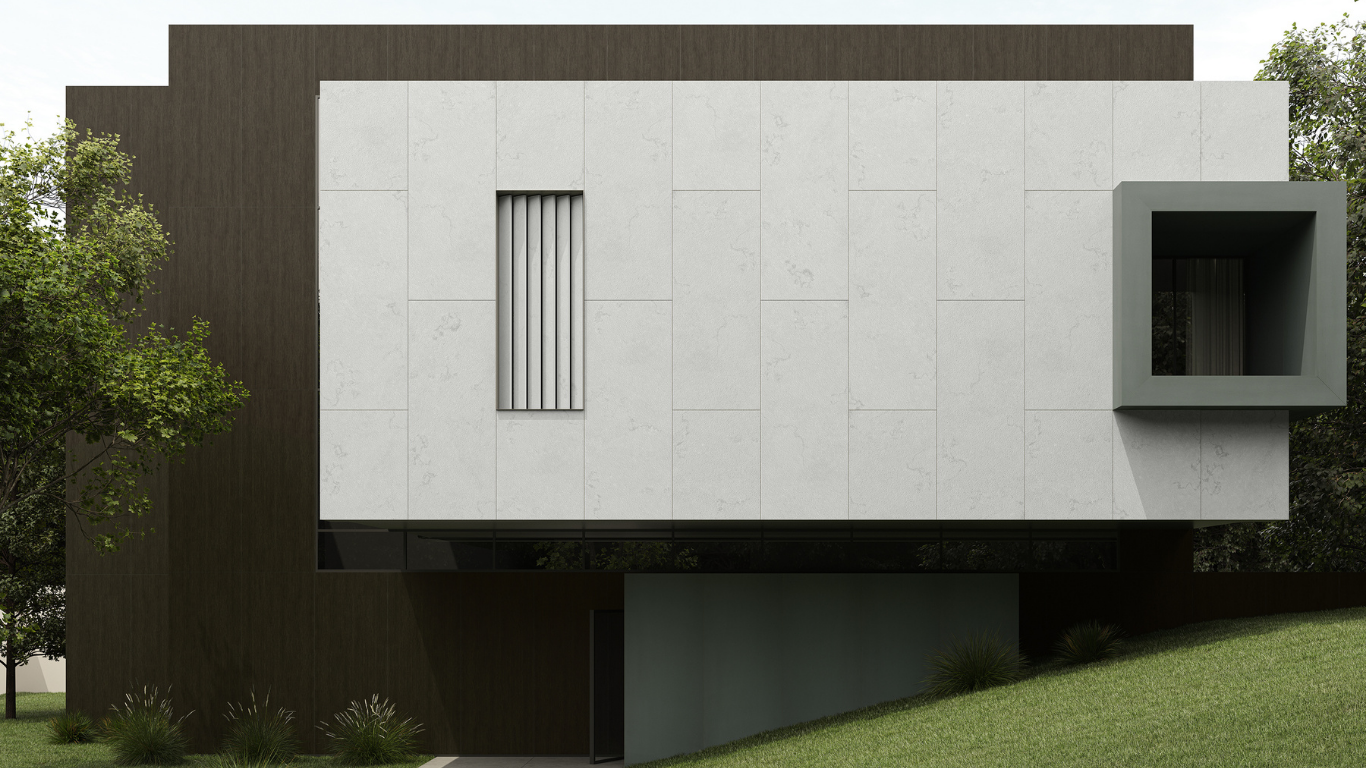
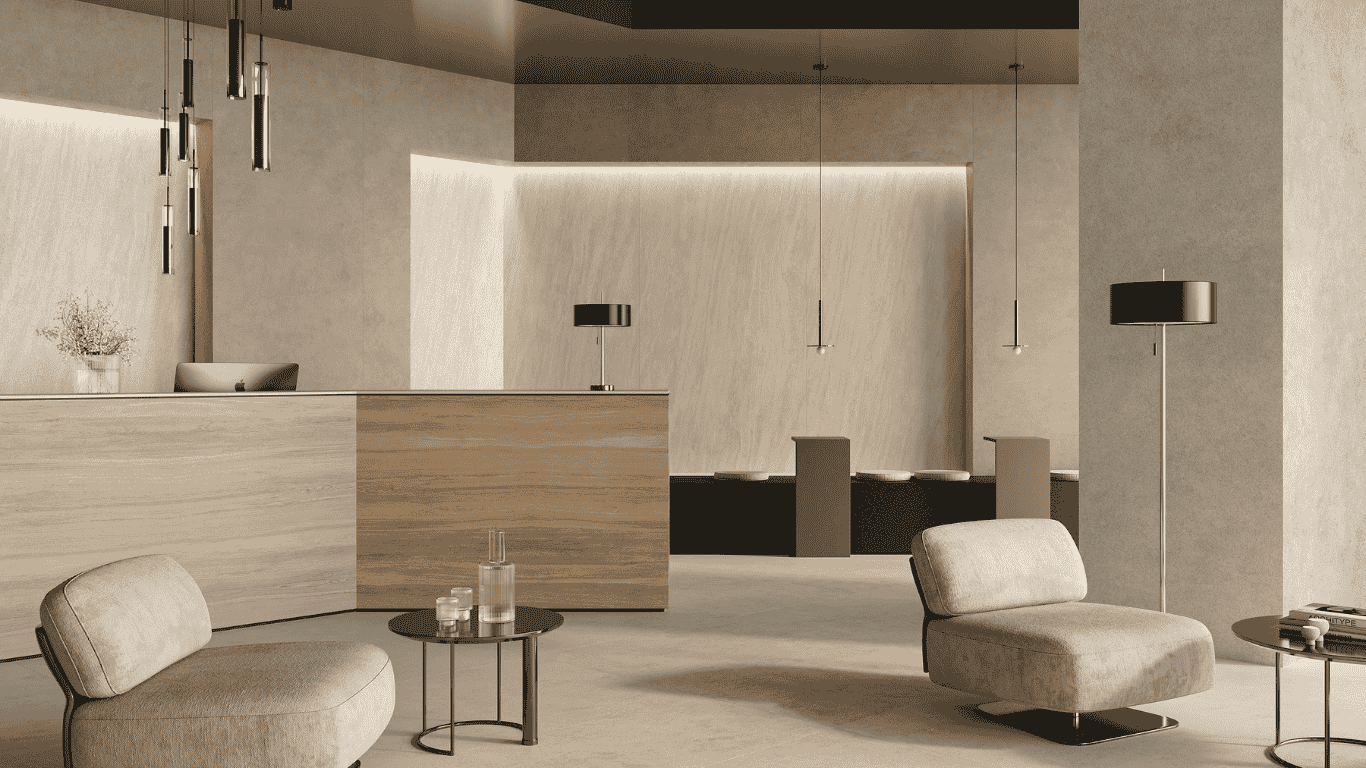
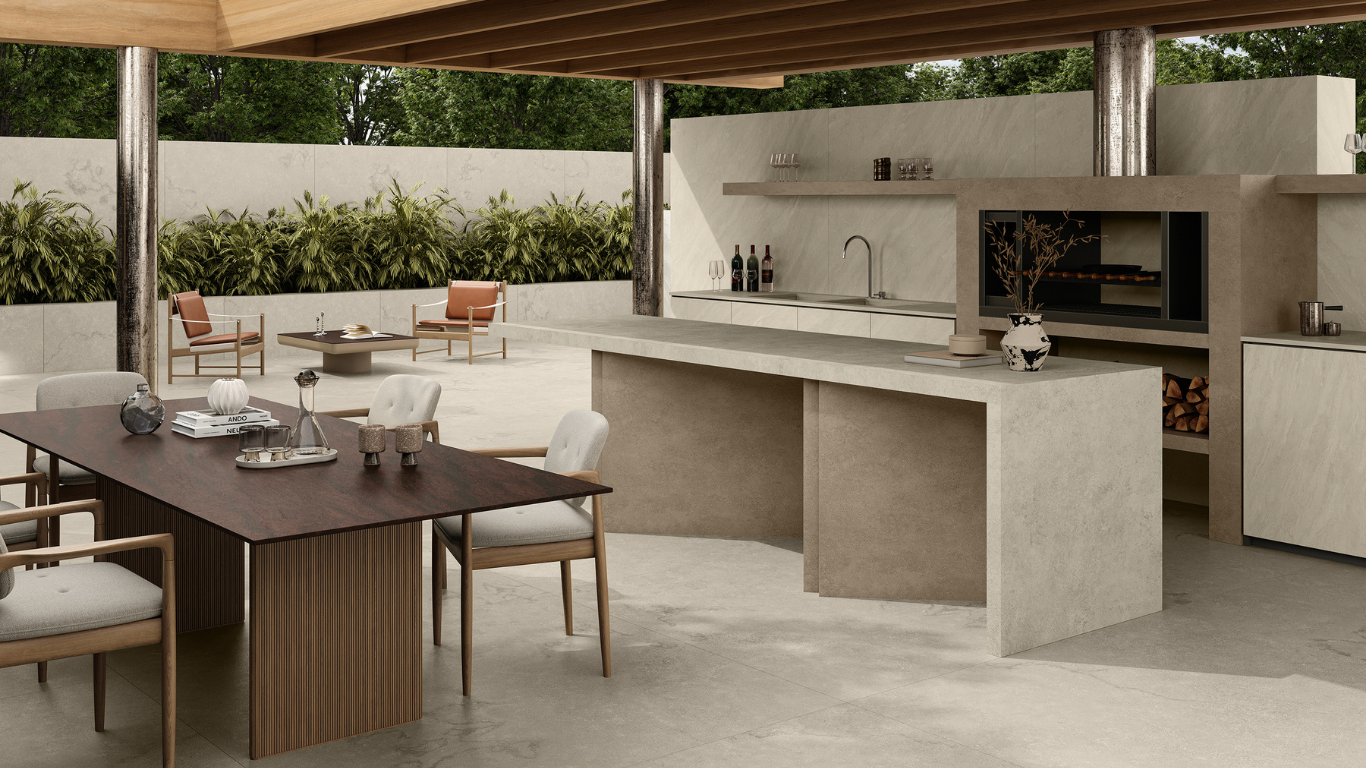
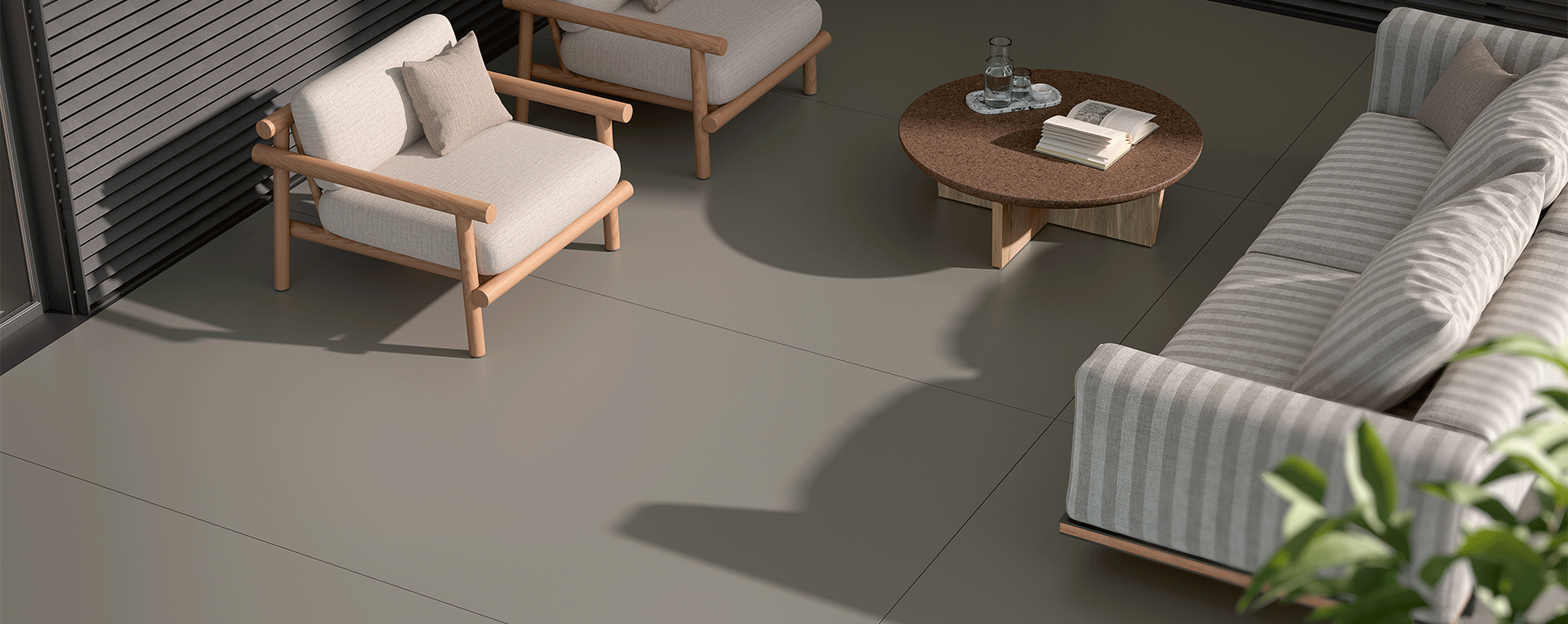
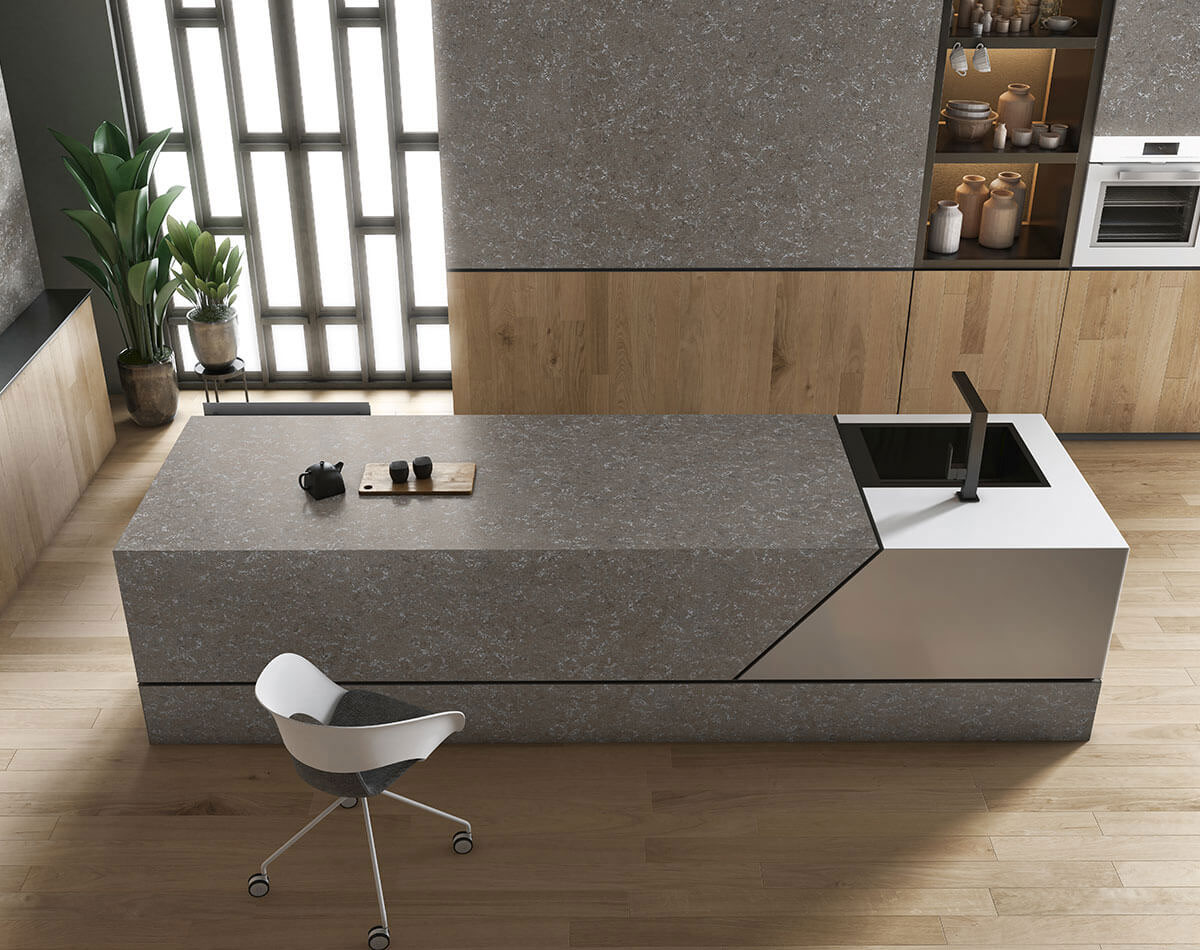
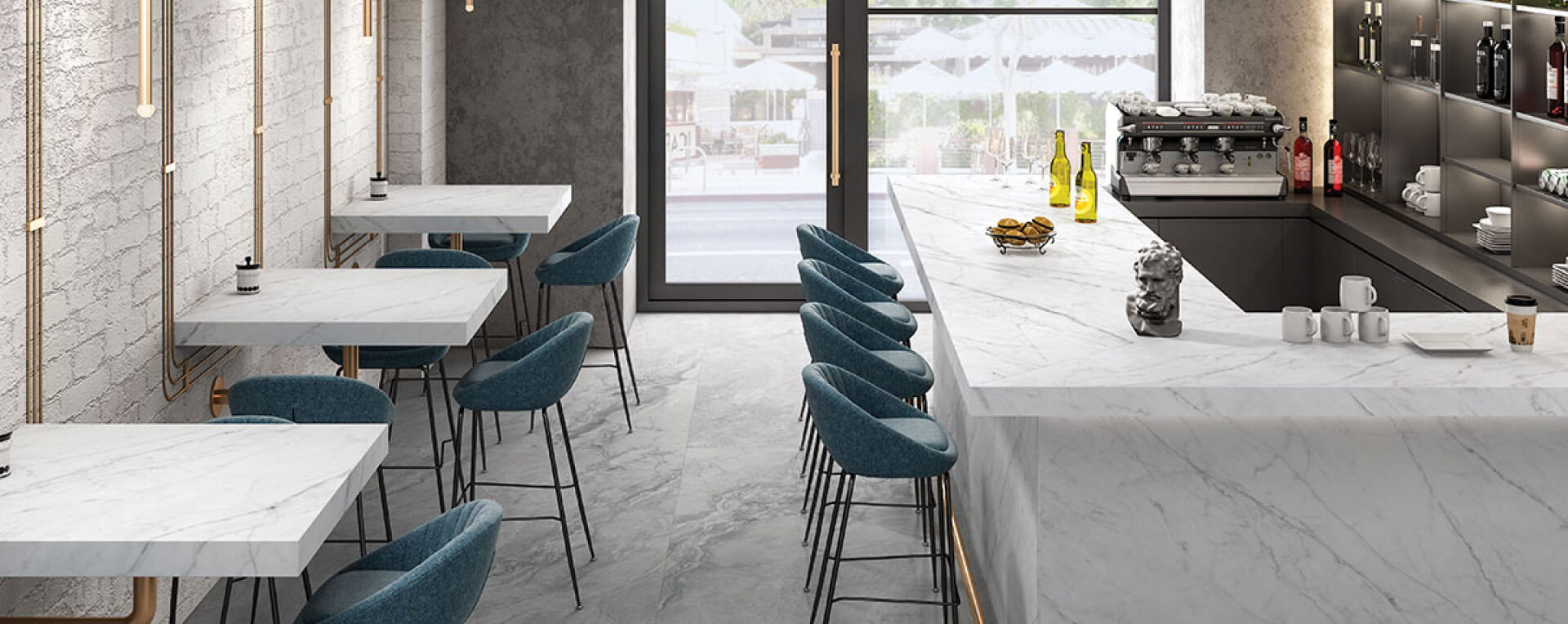
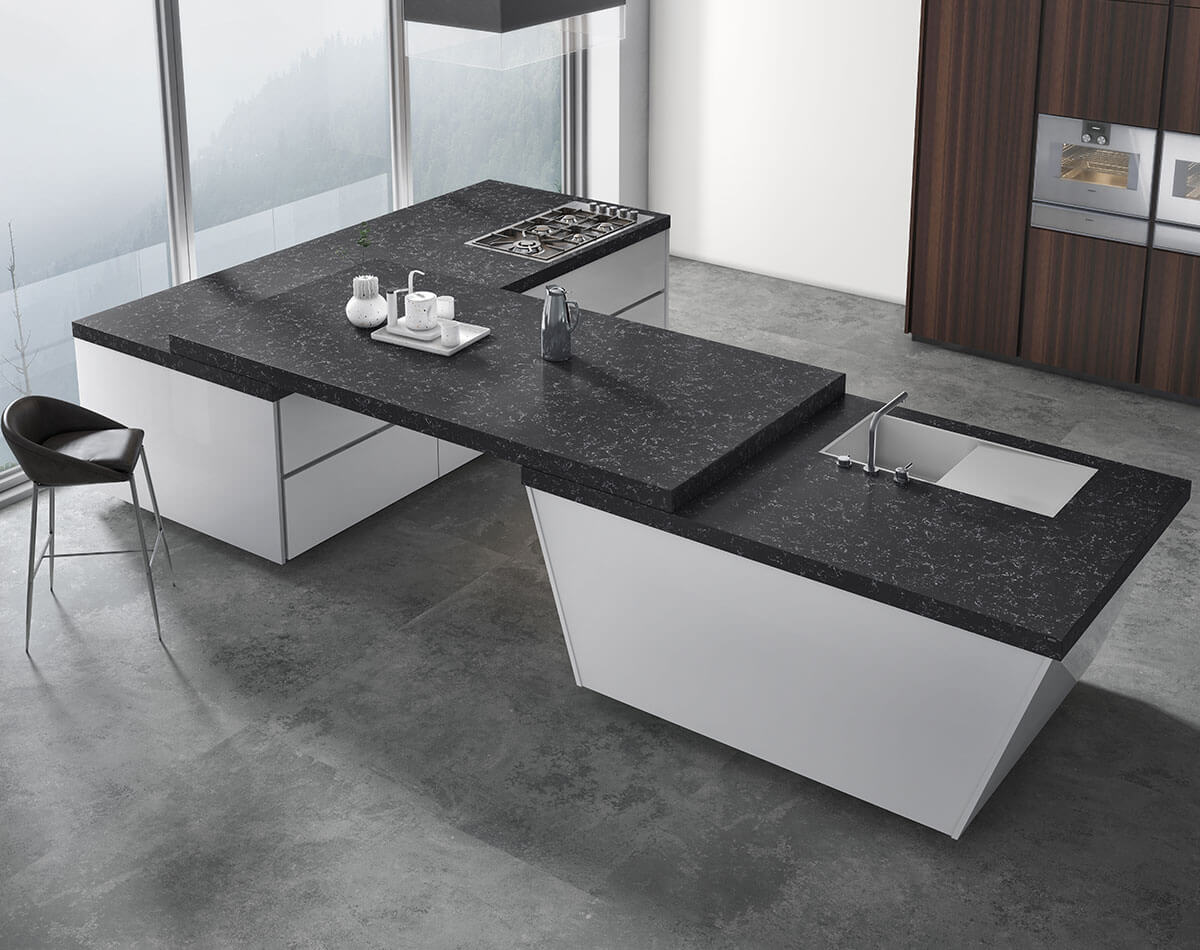
In residential places, composite cladding transforms ordinary places into architectural statements. Neotra, with its ultra-thin engineered surface composition, excels in dry wall cladding applications within composite systems, offering marble-like elegance with composite-level resilience. Ultimately, choosing any facade slab means investing in a future-proof exterior that demands less effort and delivers more beauty.
Key Benefits of Composite Cladding Solutions
Let’s break down the advantages of composite cladding materials.
- Durability: Resistant to rot, termites, and environmental stress, along with being superior weather-resistant. High impact resistance guards against debris, while a non-porous surface repels allergens. Enhances indoor comfort in urban settings while still remaining extremely durable.
- Low Maintenance: Inherently resistant to UV degradation and moisture, it’s a biological threat to termites or moulds. A simple wash restores their shine, lowering the upkeep cost. No need for frequent painting or sealing.
- Aesthetic Variety: Mimic woods, stones, wood, or metals that won’t fade. Customisable profiles, finishes, and sizes allow seamless integration into any design.
- Eco-friendly: Lightweight designs lower emissions and transportation costs, which ultimately boost sustainability. Often made from recycled materials.
- Weather-Resistant: Shrug off rain, wind, snow, and temperature fluctuations. Advanced formulation prevents contraction, expansion, or discolouration, ensuring year-round performance in harsh conditions.
- Cost-effective: While initial costs are high, they deliver massive savings later. Energy-efficient insulation reduces cooling and heating bills while quick installation cuts labour costs. Long-term savings on repairs and maintenance
Also Read: Top 5 Durable Exterior Wall Cladding Ideas
10 Composite Cladding Solutions for Modern Homes & Commercial Buildings
Composite cladding offers diverse options, and here are the 10 standout solutions that blend innovation and practicality.
1. Wood-Polymer Composite Cladding
Blending natural wood fibres with high-density polymers, this cladding delivers the warmth of timber without warping or rot. UV inhibitors ensure colours that stay vibrant for decades. Ideal for commercial entrances or residential patios. Lightweight yet strong, which is perfect for humid climates.
2. Fibre Cement Composite Cladding
Reinforced with cellulose fibres in a cement matrix, these panels boast impact toughness and superior fire resistance. Mimicking wood or being textured for stone, they are mould-proof and non-combustible. Commercial high-rises favour them for bold vertical accents, while homes use them for accents that endure debris.
3. Aluminum Composite Cladding
Creates ultra-lightweight, rigid panels with a sleek metallic finish. Corrosion-resistant and recyclable, as they bend for curved facades. Retail fronts and modern offices shine with a reflective sheen, while homes add a contemporary edge to the threat.
4. Recycled Plastic Composite Cladding
Crafted from plastics and HDPE, this offers recyclability and zero-maintenance waterproofing. Smooth profiles suit sustainable homes or green commercial builds and resist fading, promoting design without environmental guilt.
5. Metal Composite Cladding
The Metal facades are gaining popularity as they offer a clean industrial finish. Metal cladding has a longer lifespan, is recyclable, and has a lightweight, modern appeal but absorbs heat in tropical climates. Best for high-rise apartments, towers, and villas.
Also Read: Exterior Cladding Materials: A Comprehensive Guide
6. PVC Composite Cladding
The PVC is a cost-effective option and popular for its lightweight and durable properties. PVC and uPVC are water-resistant, easy to install, and termite-proof, yet are less impact-resistant than stone or metal. Ideal for balconies and facades.
7. Composite Timber Cladding
Engineered timber infused with resins mimics exotic hardwoods’ density without shrinkage. Insect-repellent and thermally stable, a go-to for hospitality facades or luxury villas seeking organic elegance with longevity.
8. Stone-Look Composite Cladding
Neotra slabs for dry or wall cladding replicate granite or marble luxury in lightweight or ultra-thin slabs. Non-porous and scratch-resistant, they elevate high-end residences or hotels with opulent textures that install effortlessly over frames.
9. High-Density Composite Cladding
Compressed bamboo, wood, or mineral fibres with resins from ultra-tough boards for load-bearing uses. Exceptional stiffness suits rugged home extensions or multi-storey commercials, withstanding seismic stresses and heavy impacts.
10. Perforated Composite Cladding
Laser-perforated panels made from polymer bases or aluminium add ventilation and privacy. Custom patterns such as geometric material enhance airflow in homes or create dramatic atriums, blending function with sculptural flair.
How to Choose the Right Composite Cladding for Your Project
Selecting the ideal composite cladding requires balancing performance and aesthetics.
- Aesthetics: Match texture to your vision: rustic for cosy homes and sleek metals for an industrial finish. Premium stone-look variants, such as Neotra, for dry cladding that adds luxury.
- Durability: Look for Moh’s hardness, fire-resistance, and impact resistance. Test samples for fading and tactile appeal.
- Budget: Important role in ownership costs, including installation. Lightweight aluminium composites cut labour, while high-density options offer premiums for longevity.
- Common pitfalls: Ignoring mismatched substrates or expansion joints. Opt for certified products from reputable suppliers.
Also Read: Top 7 Cladding Materials for Modern Building Exteriors
By aligning cladding with climate, budget, function, and style, you’ll secure a transformative upgrade.
Composite Cladding vs. Traditional Cladding: A Comparison
Composite cladding revolutionises exteriors, and here’s the head-to-head breakdown.
| Feature | Natural Stone/Timber | Neotra (Engineered Slabs) |
| Water Absorption | High, prone to moisture-related damage | Extremely low and prevents mould |
| Thermal Stability | Prone to cracking under temperature swings | Resistant to thermal expansion and contraction |
| Maintenance Needs | High and requires regular staining or sealing | Minimal, easy wipe-clean surface |
| Aesthetic Consistency | Natural variations can lead to ageing | Uniform quality with a luxury finish |
| Sustainability | High carbon footprint | IGBC-certified, efficient production cycle |
Cost & Maintenance of Composite Cladding Solutions
Composite cladding shines in value, balancing affordable upfront costs with minimal long-term expenses. For a low budget, opt for plastic, and for premium stone-look slabs, opt for Neotra slabs for dry cladding. Installation adds different costs, often less than full wood or brick systems, due to durability.
Maintenance is effortless. Annual care with a gentle pressure wash with mild soap and pollen or dirt removal. No paint, sealant, or scrub is needed. Address stains promptly. Use a hose or soft brush to clean efficiently and effortlessly. Ensure proper ventilation during installation to avoid trapped moisture. In coastal zones, rinse salt buildup quarterly. Investing in composites such as perforated panels or high-density panels yields durable, stylish results.