

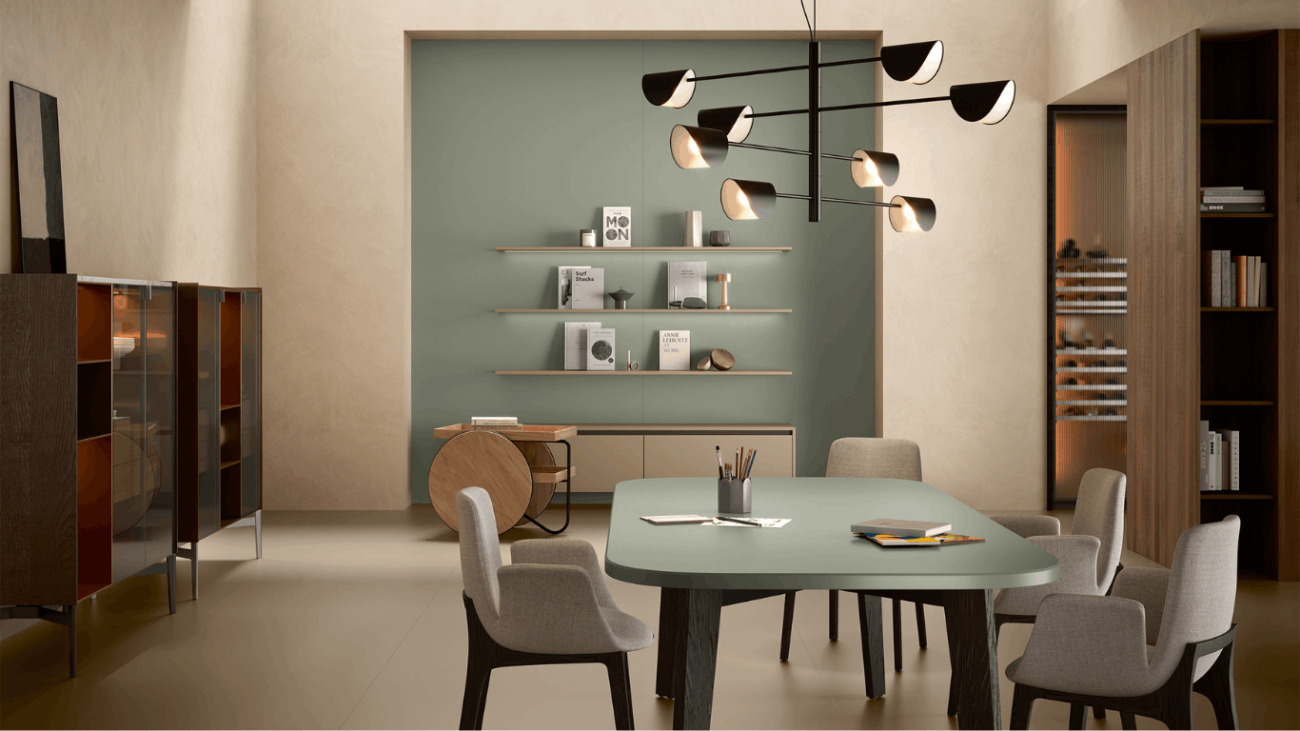
Key Factors to Evaluate Before Selecting a Study Desk Material
Choosing the right study desk material helps ensure lasting durability of tabletop counters, practical performance, easy maintenance, and a premium look for everyday use.
- Durability: A study table carries a monitor, books, and constant contact from elbows, so resistance to dents and scratches matters.
- Moisture Resistance: This is especially important in humid climates or near windows, where boards can warp or swell over time.
- Load-Bearing Capacity: This affects how well the surface holds weight without sagging.
- Ease of Maintenance: Easy cleaning and maintenance determine how well the desk looks years later.
- Finish Options and Edge Detailing: Consider these elements since they influence how premium the final piece feels in the room.
Comparison Matrix: Natural Wood vs Engineered Board vs Engineered Surface Tops
Here’s a table that provides an overview of each category to help you understand the product. This will help you choose the best material for a study table.
| Material Option | Structural Strength | Scratch & Ink Resistance | Moisture Resistance | Maintenance Need |
| Solid Wood | High | Low to Moderate | Low (Prone to warping) | High (Polishing required) |
| Marine Plywood | High | Moderate (needs laminate) | Moderate to High | Low |
| MDF / HDMR | Moderate | Moderate (needs laminate) | Moderate | Low |
| Engineered Surface Slab Top | Exceptional | High (scratch proof) | 100% Waterproof | Minimal (Stain-proof) |
Also Read: Why Advanced Surfaces Are the Ideal Choice for Office Table Top Surfaces
Detailed Breakdown of Study Table Material Options
With the key factors in mind, it is now easier to see how different desk-top materials stack up against each other. There is a breakdown of each category, covering strength, moisture handling, and where each study table material fits best.
-
1: Solid Wood (Teak, Sheesham, Oak & Pine)
A classic desktop choice for its long-standing appeal and natural grain. Sheesham and teak offer good strength and moisture tolerance, making them suitable for humid climates, while pine and oak are valued for their lighter tone and workability. Solid wood costs more than engineered boards and needs periodic polishing to maintain its finish. But this reacts to humidity changes over time, so seasoning and quality matter. Solid wood is the best material for a study table for those who prioritise a natural, time-worn character over low upkeep; solid wood still holds strong appeal.
-
2: Marine Plywood with High-Pressure Laminate
Built with waterproof adhesive, making it more moisture-resistant than standard plywood, which is important for desks placed near damp regions or windows. When paired with a High-Pressure Laminate (HPL) top, it gains added stain and scratch resistance along with a smoother, more consistent finish. This is popular where moisture handling and durability matter more than natural wood grain. A perfect mid-range, practical option that balances resistance to daily wear, strength, and a clean, modern appearance without the higher cost of solid wood.
-
3: HDMR (High-Density Moisture-Resistant) Board
Engineered specifically to resist moisture better than standard fibreboard, making it a dependable choice for spaces with fluctuating temperatures or humid environments. Its high density gives it better screw-holding strength and resistance to chipping at the edges compared to regular MDF. HDMR takes veneer and laminate finishes well, allowing for a range of looks from matt to high-gloss. Often chosen for desks to study that withstand daily use without the higher price tag of solid wood.
Also Read: Dining Table Top Materials: How to Choose Right
-
4: Medium-Density Fibreboard (MDF) & Particle Board
MDF and particle board are budget-friendly desktop materials, made by compressing particles with resin or wood fibres. This also offers a smoother, more uniform surface that takes laminate and paint finishes well, while particle board is coarser and generally less moisture-resistant. Both are easier to work with and lighter than solid wood, but they’re more prone to swelling if exposed to water for long periods. They suit budget-conscious study setups where the desk won’t face heavy loads or moisture.
-
5: Engineered Surface Slabs
An engineered slab brings a different approach, combining a hard, scratch-resistant surface with structural support underneath. This construction retains stains, daily wear, and heat better than most wood-based boards, while offering a smoother, more consistent finish across the surface.
Why Engineered Surface Slab Tops Are Revolutionising Modern Desks
Engineered surface slab tops are changing how the desks are designed, moving beyond the limitations of traditional wood-based boards. Instead of relying on lamination for protection, the surface is built to resist daily wear from the start.
- Consistent finish across the slab, without the irregularities of visible grain
- Higher resistance to stains, scratches, and heat from daily study use
- Suitable for study or office desk surfaces that double as workspaces with lamps, monitors, and books
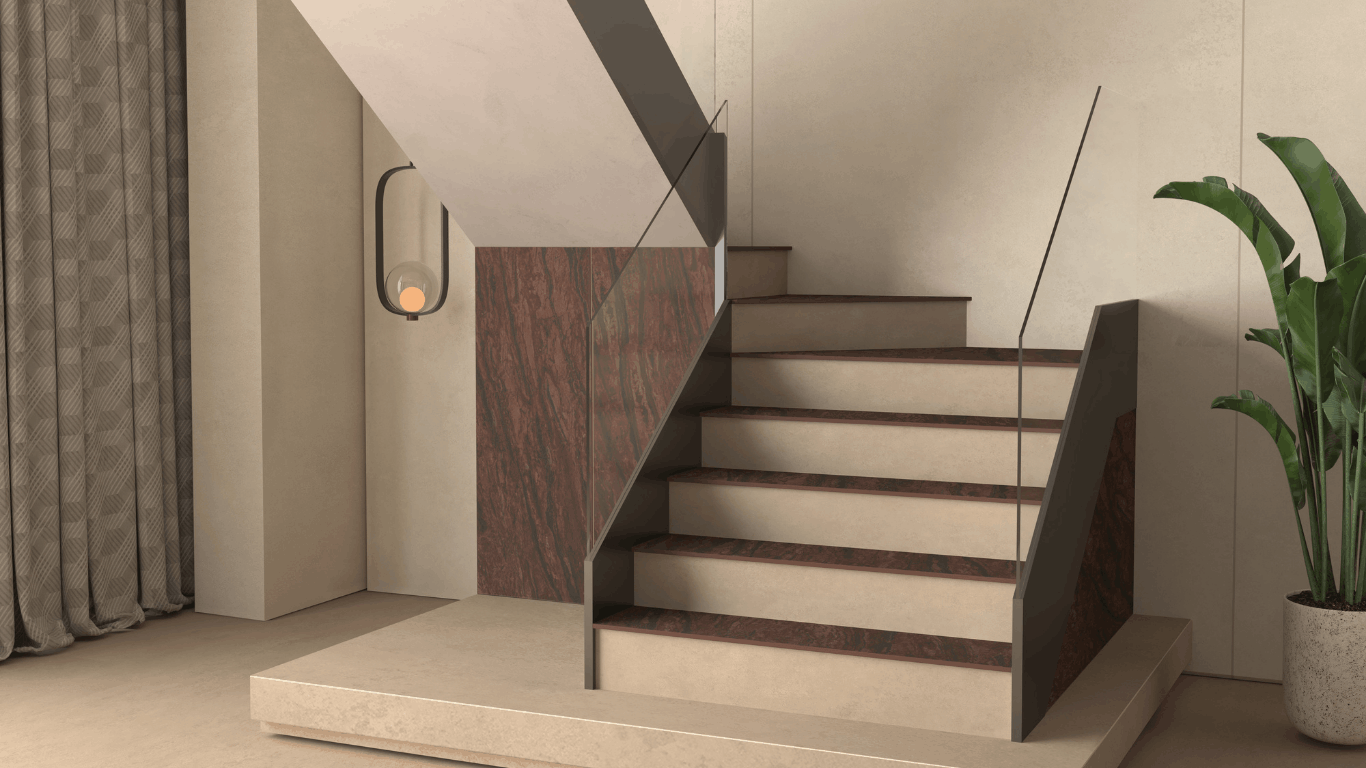
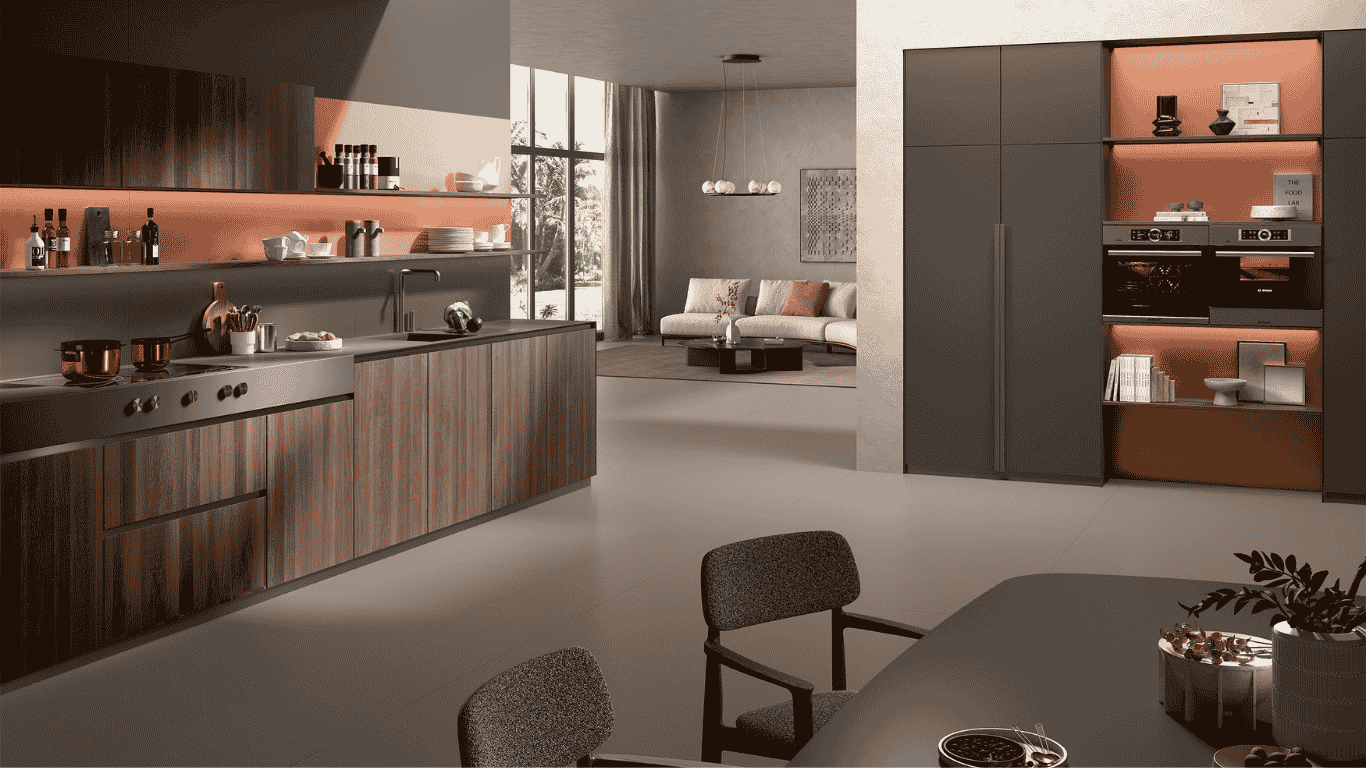
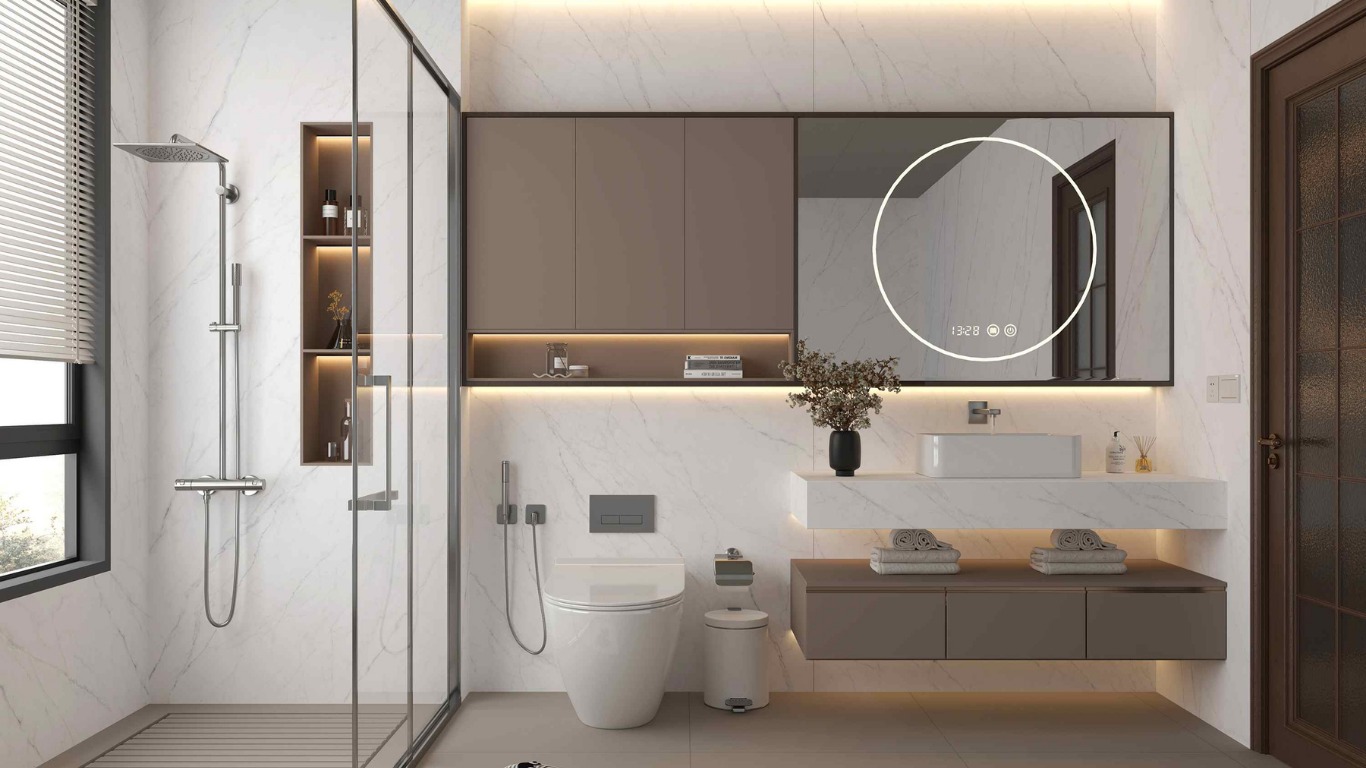
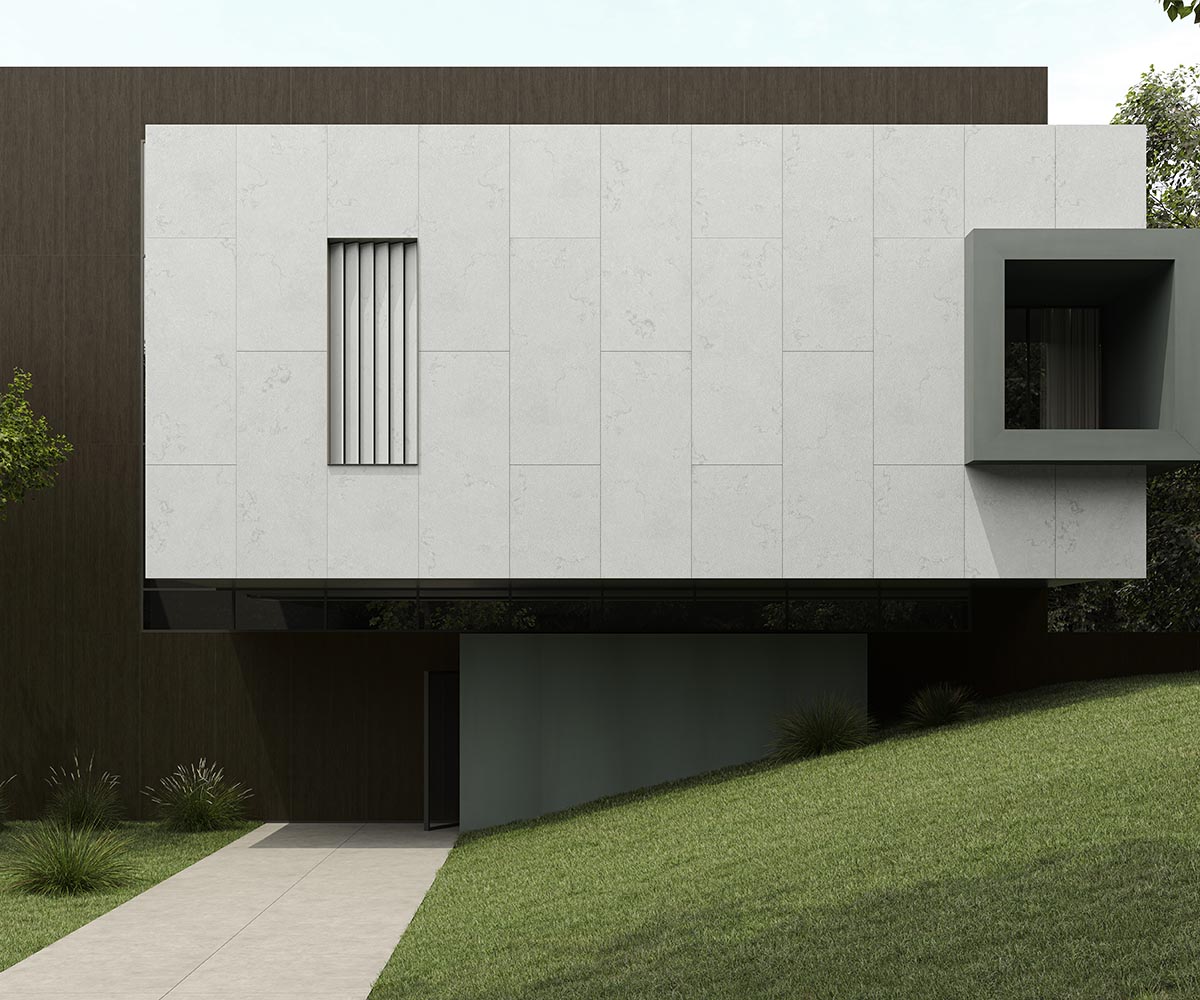
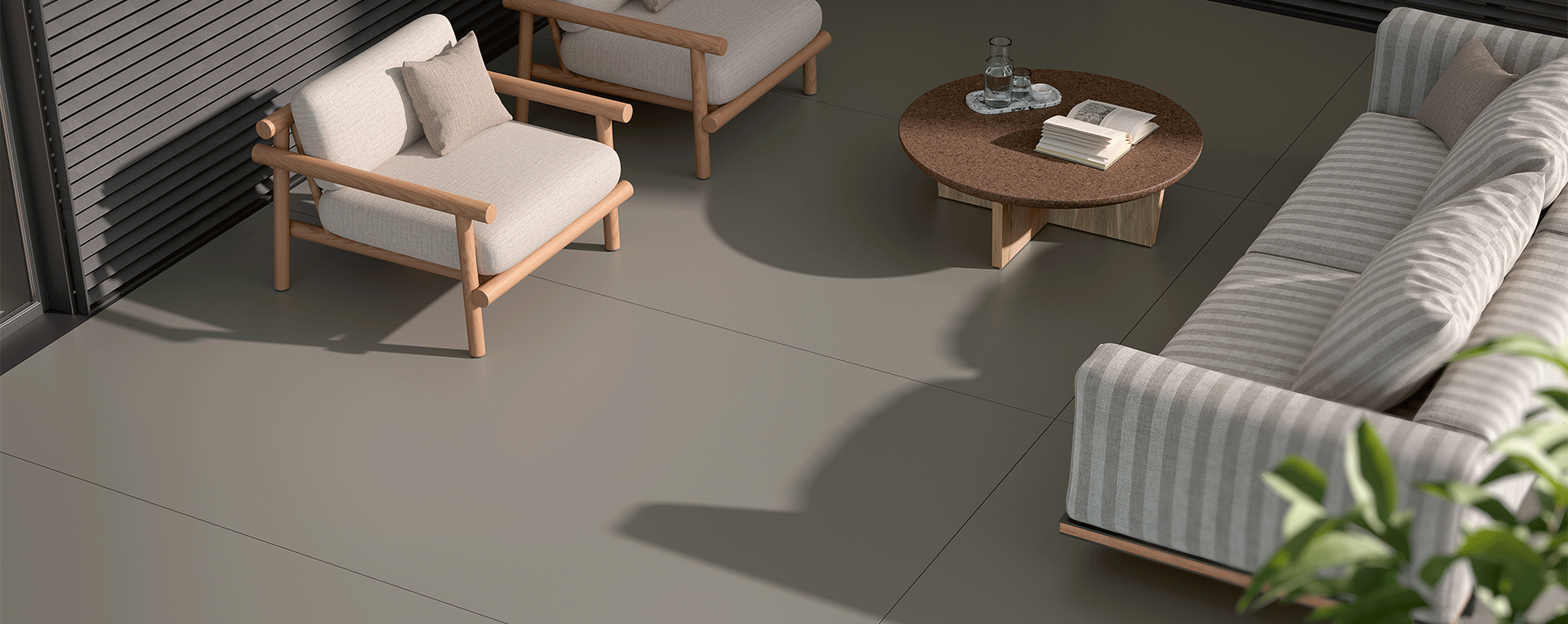
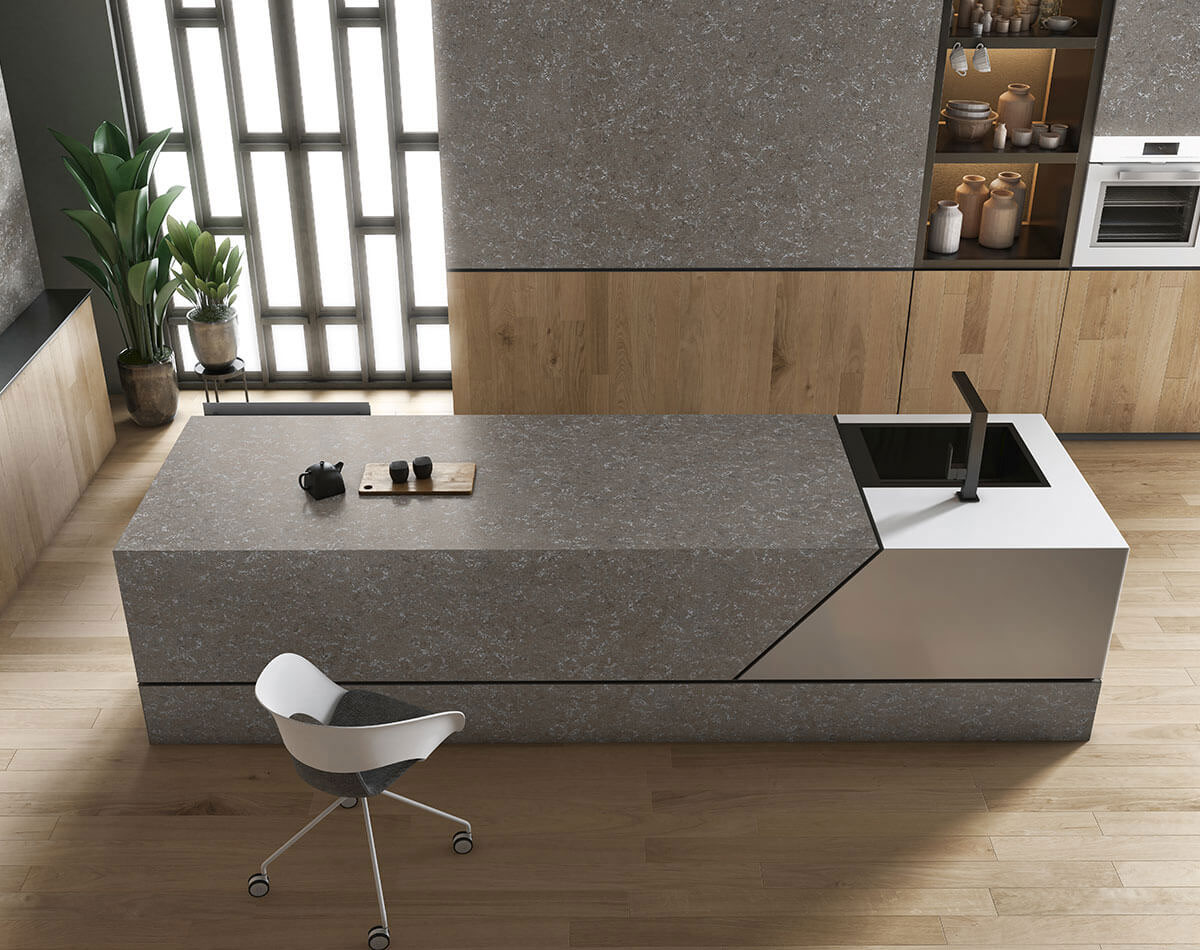
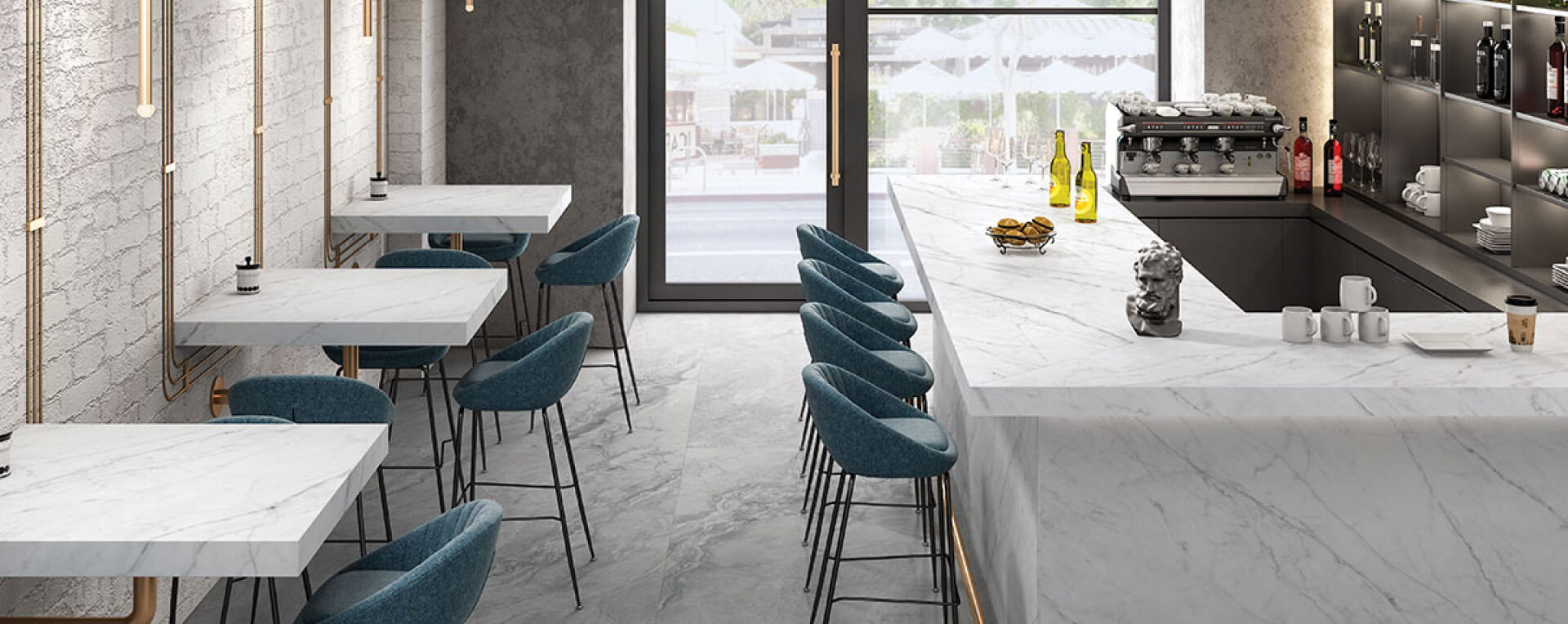
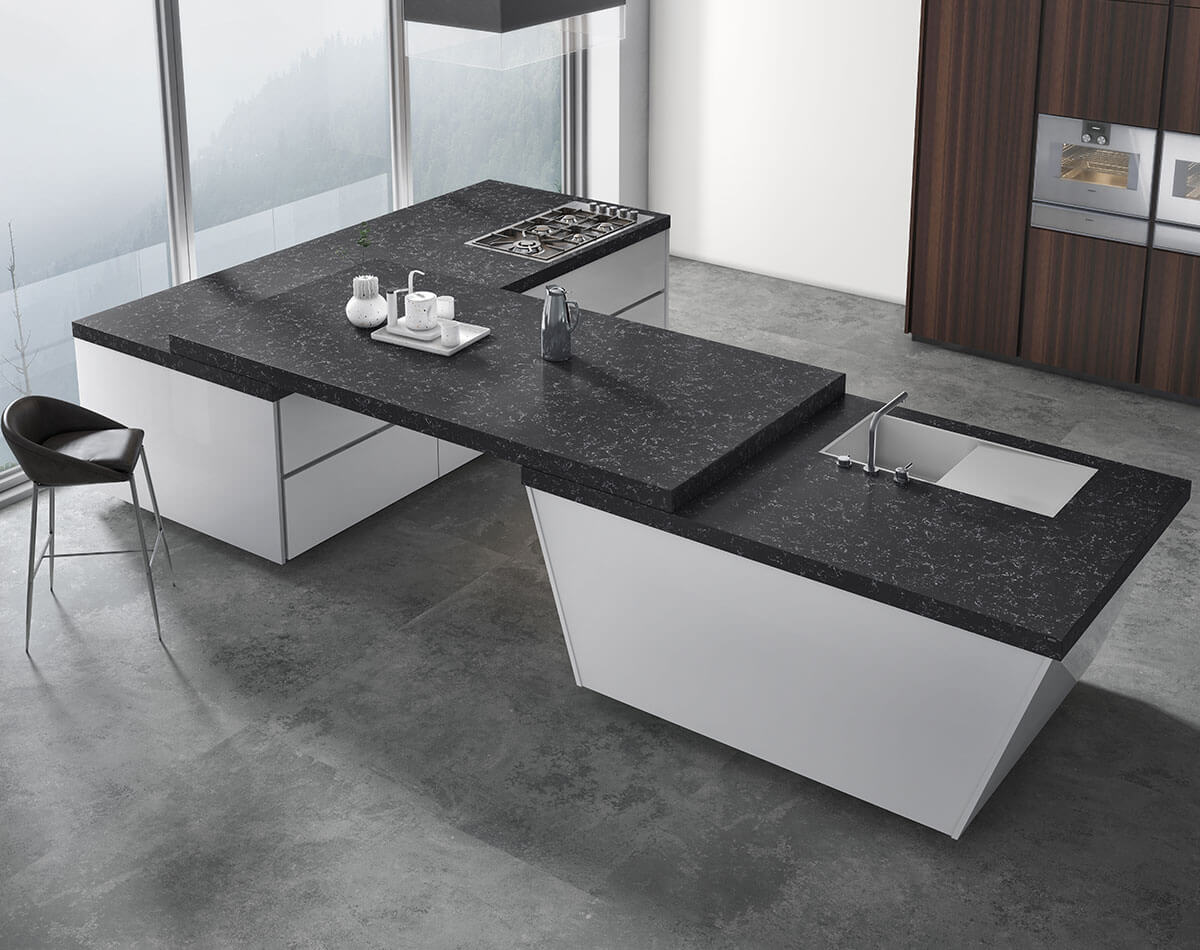
- A wide range of marble-look, stone-look, concrete-look, and wood-look finishes for different interior styles