

Essential Criteria for Long-Lasting Children’s Workstations
A children’s workstation should serve your child for many years. Choosing well at the start saves effort and cost later. Here are the criteria to help you judge quality.
- Study construction: Look for a stable frame with strong joints; the table should not wobble when your child learns on it or writes.
- Adjustability: A high-adjustable table and chair grow with your child. This is the most practical way to extend the life of the setup.
- Durability: Select scratch-resistant, stain-proof surfaces such as sintered stone. Sealed edges protect against moisture.
- Safe finishes: Choose low-emission, child-safe coatings and paints. Rounded edges add protection for younger children.
- Smart storage: Shelves, drawers, and cubbies keep the surface clear and the habits tidy.
- Easy maintenance: A surface that wipes clean saves time and keeps the table looking new.
12 Creative Kids Study Table Design Concepts
Here are the 12 design ideas for a creative kids’ study table that can enhance your space.
-
1: Height-Adjustable Ergonomic Grow-With-Child Study Desk
Children grow quickly; a table that fits today may feel too low or too high within a year. The ideal height lets your child sit with feet flat on the floor. Elbows should rest at a relaxed angle to reduce strain on the back, neck, and shoulders. An adjustable table also lasts for many years, which makes it a wise and lasting investment.
-
2: Dual-Seating Sibling Study Table Design with Shared Storage
A long table design for home with two separate zones allows siblings to study side by side. Each child has their own storage and shelf. A small divider adds privacy, saves space, and helps build a calm study routine.
-
3: Compact Wall-Mounted Foldable Desk for Small Bedrooms
This kids study table design folds flat against the wall when not in use. Perfect for small rooms, as they give your child a dedicated study spot without taking up space. When folded, the room opens up for play.
Also Read: Office Table Design: 10 Space-Saving Ideas for Small Offices
-
4: Soft Pastel Finish Desk with Integrated Magnetic Pinboard
A soft pastel look with playful details can make study time exciting. Integrate a magnetic pinboard for a subtle, well-made, easy-to-study table for a refined look. Helps young children feel excited to sit down and learn.
-
5: Corner Space L-Shaped Study Table with Bookshelf Canopy
Pair a corner shape with an L-shaped study table and an attached bookshelf beside or above it. Books, decor, and models stay within easy reach, saving floor space and keeping the room tidy. Suits children who love reading and need a place for their growing collection.
-
6: Minimalist Floating Study Ledge with Rounded Edge Safety
Younger children are full of energy; sharp corners can cause bruises and bumps. A floating study table with rounded edges adds an important layer of safety. Rounded corners also look soft and friendly, while floating ledges save space. Suit modern interiors and give the table a polished finish. Best for families with small children.
-
7: Wardrobe-Integrated Bedside Study Nook Setup
Place a wardrobe right next to a compact study nook. Saves floor space and keeps the room clutter-free, building a smooth daily routine as your child can dress, pack, and sit down to study in one spot.
-
8: Creative Art & Study Station with Washable Stain-Proof Surface
Suitable for young artists, it is best for both hobbies and homework. Neotra slabs resist stains from ink, glue, paint, or markers. A quick wipe keeps it looking new.
-
9: Scandinavian Light Wood & Neutral Tone Study Unit
Use pale wood with soft neutral shades where the simple lines keep the room bright and airy. The quiet palette also helps children focus and is a preferred choice for homes that value understated elegance.
Also Read: 10 Stylish Floating Shelves Ideas for Modern Homes
-
10: Cubby Storage-Focused Study Table with Colour-Coded Drawers
Built around open drawers and cubbies in different colours. Each colour can stand for a subject or a type of supply. Children find things faster and learn to stay organised, which turns tidying up into a simple and enjoyable habit.
-
11: Modern Loft Bed with Under-Bed Integrated Study Desk
Raises the sleeping area and frees the space below. A smooth desk surface fits neatly underneath, with shelves and a small light. Smart answer for compact rooms that gives your child a private study corner and keeps the floor open for play.
-
12: Smart Tech Study Desk with Cable Management & LED Task Light
Built for modern learning, this keeps chargers and screens in order; hidden channels guide the cables out of sight. Built-in LED light provides even, glare-free brightness, and some designs include a charging point with a laptop stand. Suits children who study on devices and need a neat and safe setup.
Also Read: 15 Modern Study Table Design Ideas for a Productive Workspace
Selecting Stain-Proof and Scratch-Resistant Surface Materials
A kids’ study table design faces daily wear. The right surface material keeps the table looking new for years.
- High-pressure laminate is a dependable choice, as it resists stains, scratches, and moisture. Comes in many solid and wood finishes.
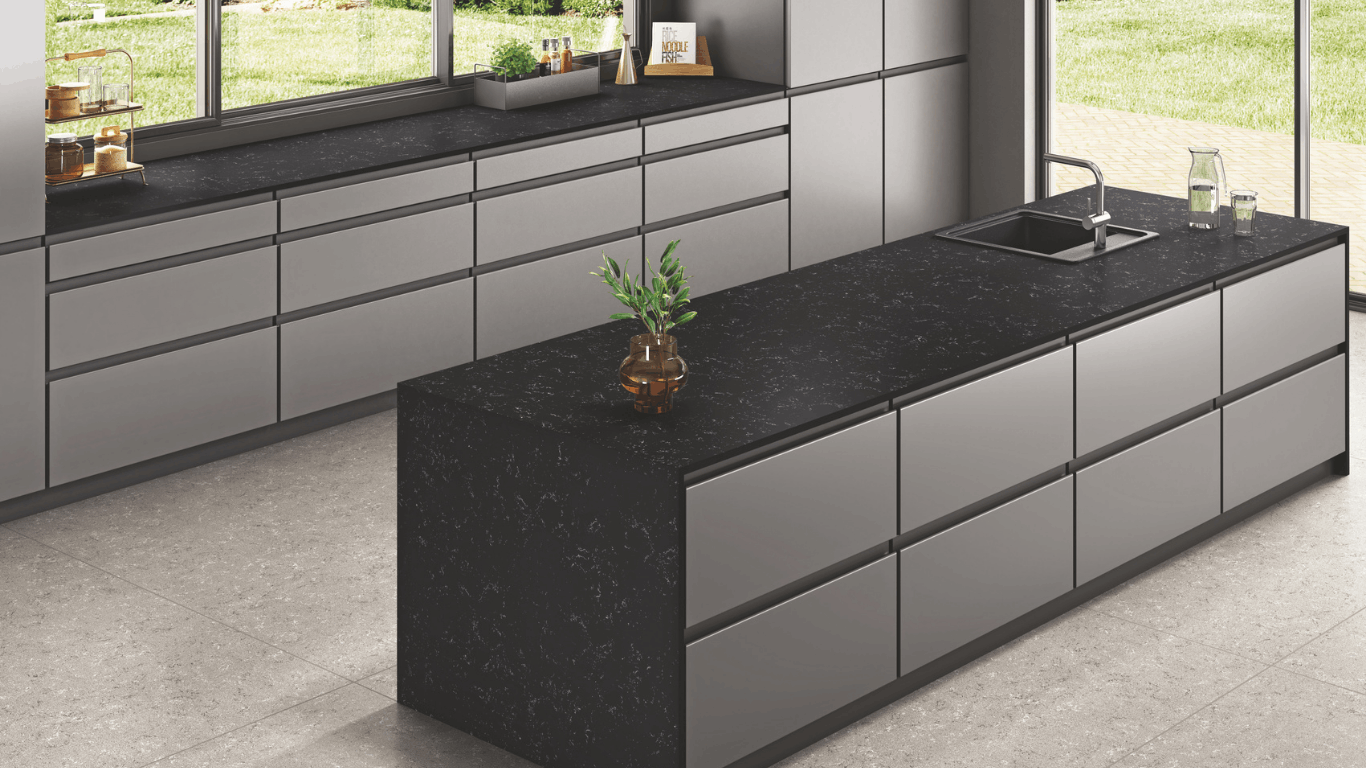
- For a more premium look, sintered stone and engineered stone surfaces offer excellent strength and scratch resistance and are easy to clean.
- Solid wood with a child-safe lacquer coat adds warmth, but minor marks happen.
- Opt for a matt finish, as it reduces glare and hides fingerprints.
- Check if the edges are well sealed, since edges are where moisture enters.
- Look for low-emission, child-safe finishes, because your child will work close to the surface for long hours.
A surface that wipes easy saves effort and protects your investment. Durable material is what keeps a beautiful table safe.
Also Read: Top 5 Durable Surfaces for Kitchen Slabs in Modern Homes
Ergonomics and Lighting Setup for Growing Children
Children sit for hours, so the setup must support healthy posture. Here are the few guidelines for an appropriate setup for growing children –
- Start with the table and chair; when your child sits, elbows should rest at about 90° on the desk, and feet should be flat on the floor.
- Height-adjustable chairs have made this easy over the years.
- Add a footrest if the feet dangle.
- Keep screens at arm’s length, with the top or just below eye level.
- Place the desk so daylight falls from the side, and add a desk lamp with an adjustable arm on the opposite side of the writing hand to avoid shadows.
- Choose flicker-free LED bulbs.
- Neutral white light around 4000K suits study, while warmer light suits the evening.
Review the setup every few months as your child grows.