

Why Choosing the Right Shelf Type Matters
The shelf you choose affects far more than storage capacity; it influences the visual language of the entire room.
- Space efficiency – the right shelf type maximises storage without crowding a room, especially in compact layouts.
- Aesthetic continuity – shelving should echo the design language of surrounding surfaces, finishes, and cabinetry.
- Long-term value – a well-chosen shelf remains relevant through changing decor trends, avoiding frequent replacement.
- Functionality – different rooms demand different load capacities, from lightweight decor to heavy books or kitchenware.
- Installation practicality – some designs suit renovations better, while others are easier to incorporate into new builds.
- Durability – heat, daily handling, or moisture call for materials suited to that specific environment.
8 Types of Shelves for Every Room
Each of these 8 shelf types brings a distinct structural approach and visual character, suited to different rooms and design sensibilities.
1. Floating Wall Shelves
Floating shelves appear to hang without visible support due to concealed brackets or cleats fixed into the wall. Their minimal, uncluttered look makes them a favourite for bedrooms and living rooms, where they display books, decor, or photographs without dominating the shelf design on the wall. Available in varying thicknesses and lengths, they suit both single statement placements and layered gallery-style arrangements, offering a clean, modern presence in almost any interior style.
2. Ladder Shelves
They lean against a wall, structured as a series of graduated tiers that mimic a ladder’s silhouette. They also require no drilling and are freestanding, which makes them ideal for rooms or rental spaces where wall-mounting isn’t preferred. Commonly used in home offices and living rooms, ladder shelves suit both display and storage, holding everything from books to planters. Their angled form adds visual interest while keeping a light, open footprint.
3. Corner Shelves
Designed to fit into otherwise unused wall corners, making them especially valuable in smaller rooms or awkward layouts. Corner Shelves can be bracketed, floating, or stacked in tiers, offering flexible storage without consuming floor or wall space elsewhere. Kitchens, study nooks, and bathrooms benefit most from this shelf type, turning a typically wasted corner into functional space for essentials, reading material, or decor.
4. Modular Cube Shelves
Consists of individual box-like units that can be expanded, arranged, or stacked to suit a room’s layout. Their configurability makes them popular in children’s and living rooms, where storage needs shift over time. Cubes can be used horizontally, vertically, or in asymmetric patterns, in baskets, as decorative objects, or to hold books. This adaptability, paired with a structured grid-like appearance, makes them a versatile long-term storage option.
5. Built-In Recessed Shelves
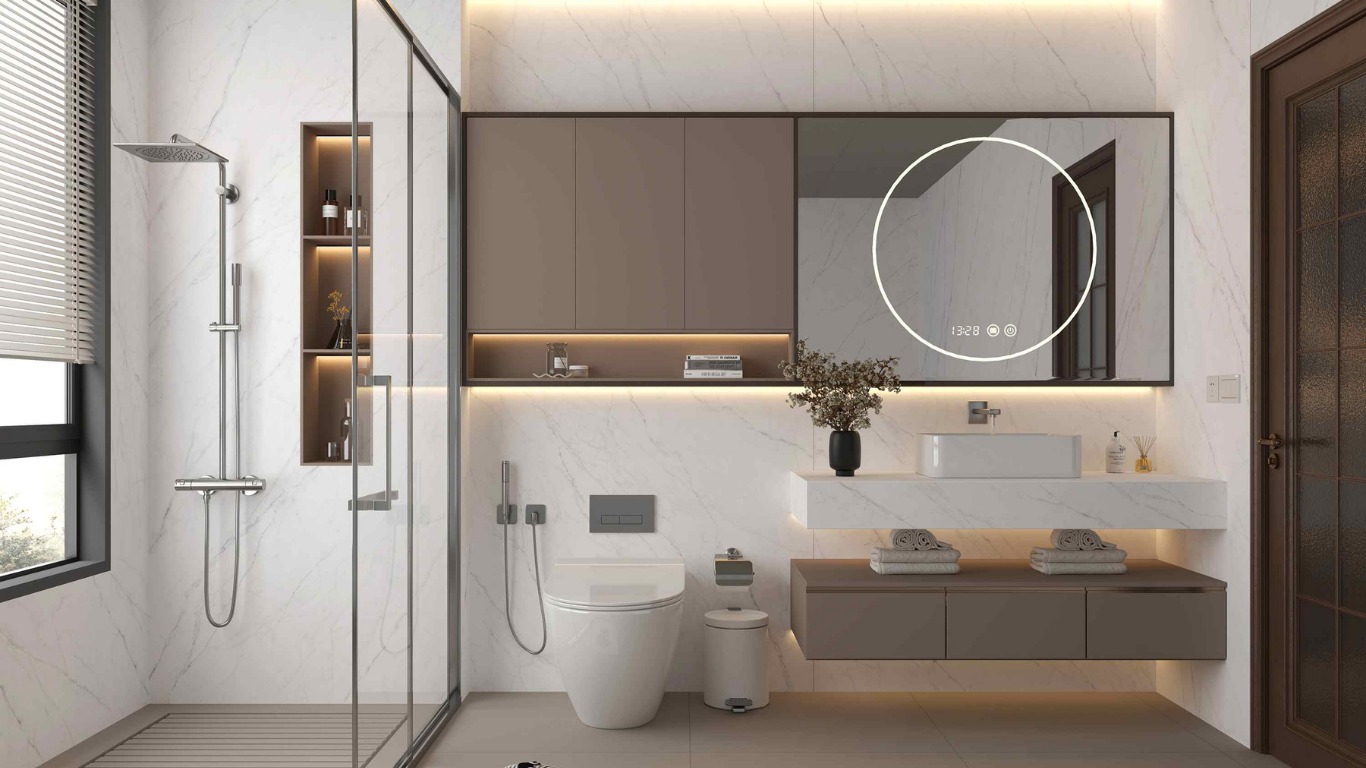
Constructed directly into a wall cavity, sitting flush rather than protruding into the room. This creates a streamlined, architectural look often used in hallways, living rooms, and home libraries. Because they’re integrated into the wall structure, recessed shelves require planning. During renovation or construction, but the payoff is a seamless, space-saving storage solution that doesn’t interrupt the room’s visual flow.
Also Read: 12 Modern Wall Shelf Design Ideas for Every Room
6. Adjustable Bracket Shelves
Adjustable bracket shelves use a track and bracket system that allows shelf height to be reconfigured as storage needs change. This flexibility makes them practical for garages, home offices, pantries, and wardrobes, where item sizes vary. The visible bracket hardware can range from utilitarian to sleek, depending on the finish chosen, allowing this shelf type to adapt to both design-forward and functional spaces.
7. Engineered Surface Shelf Panels
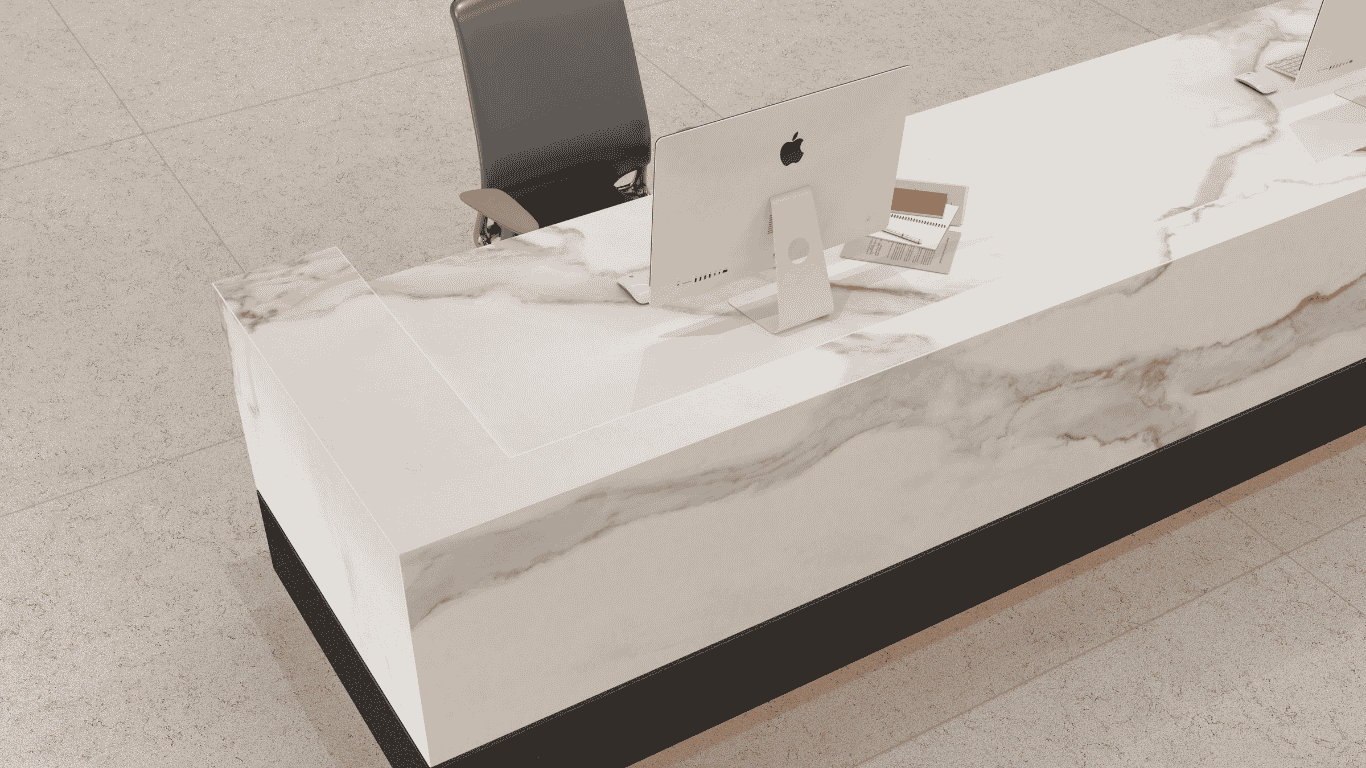
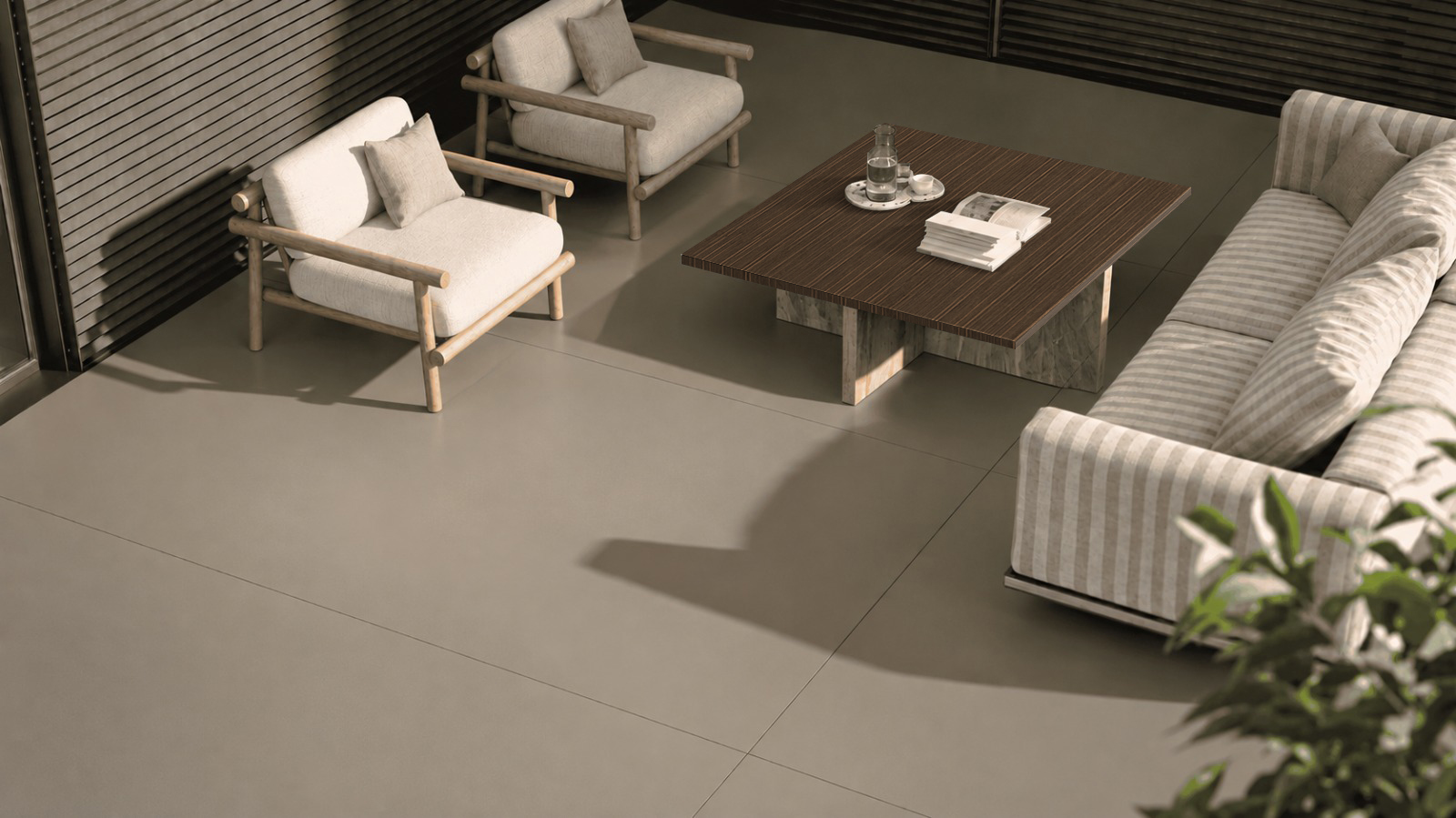
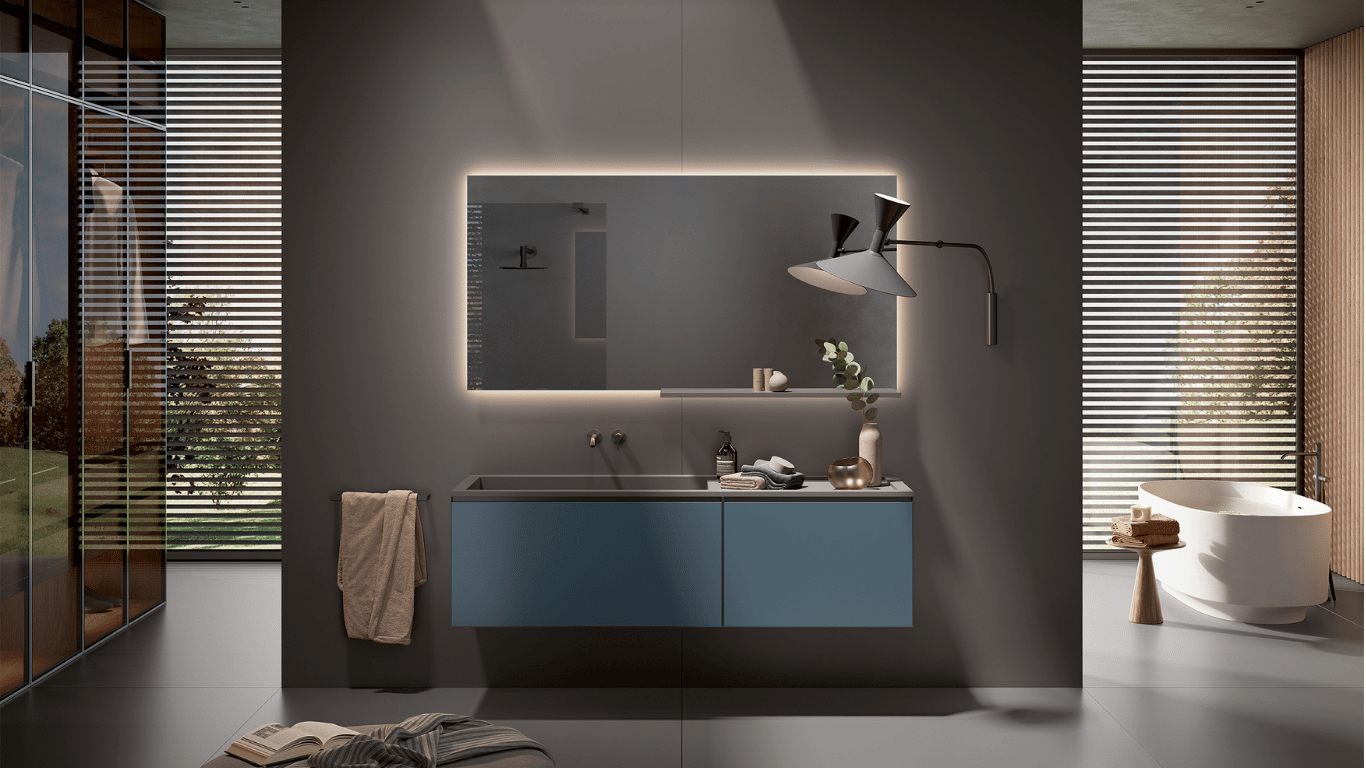
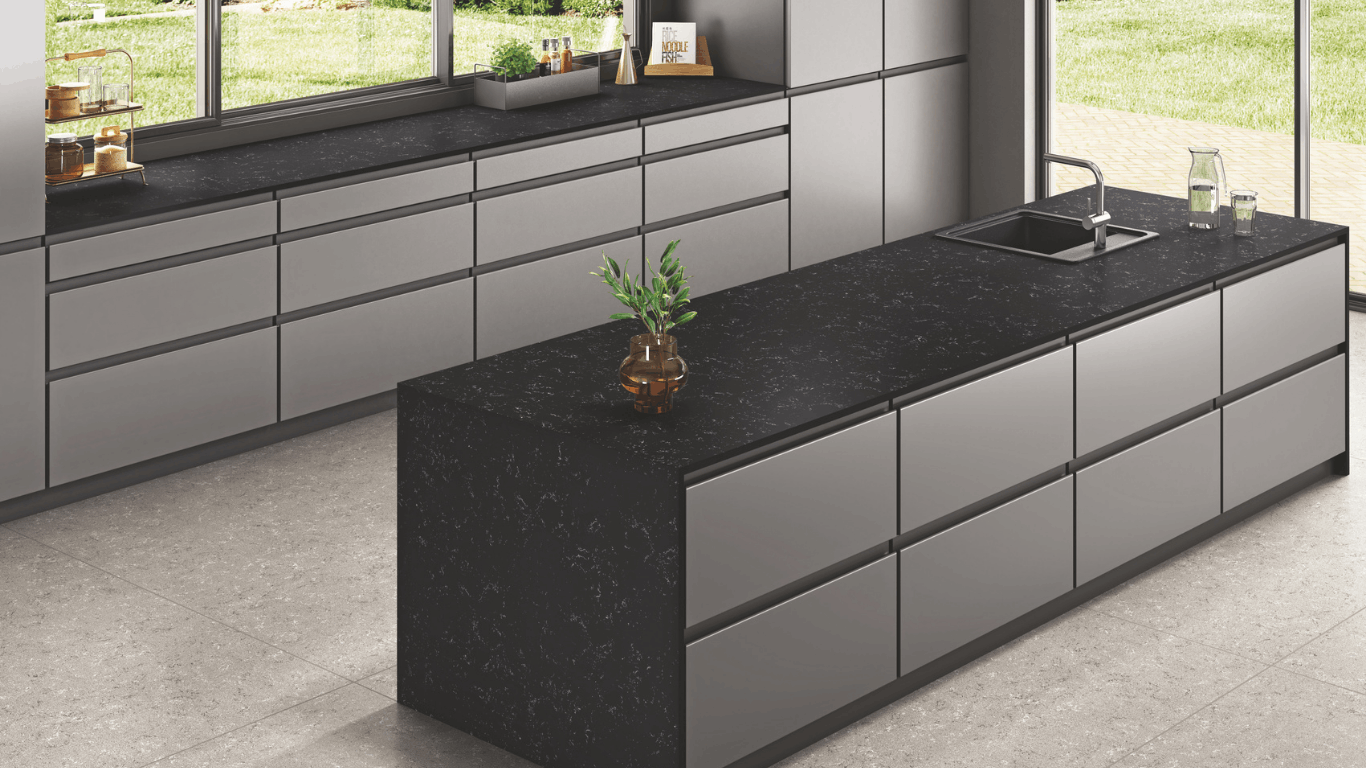
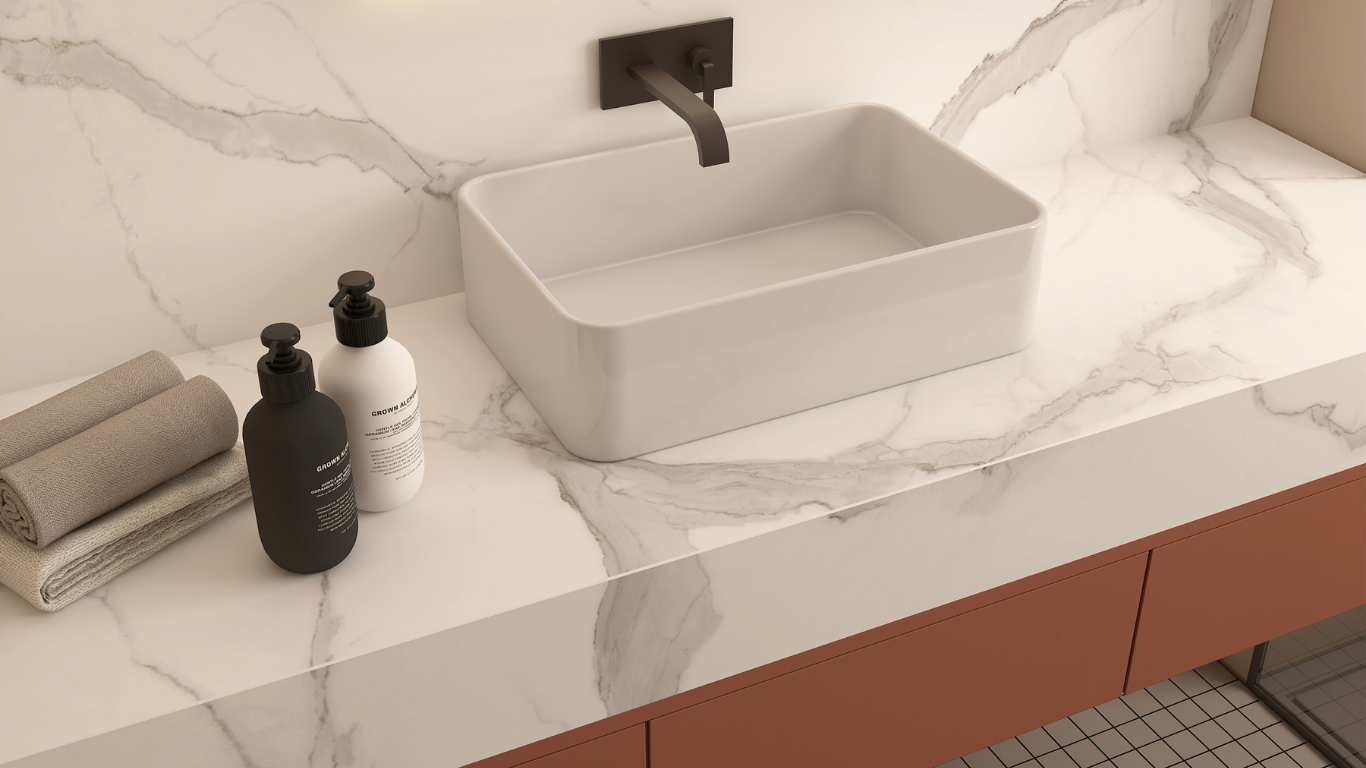
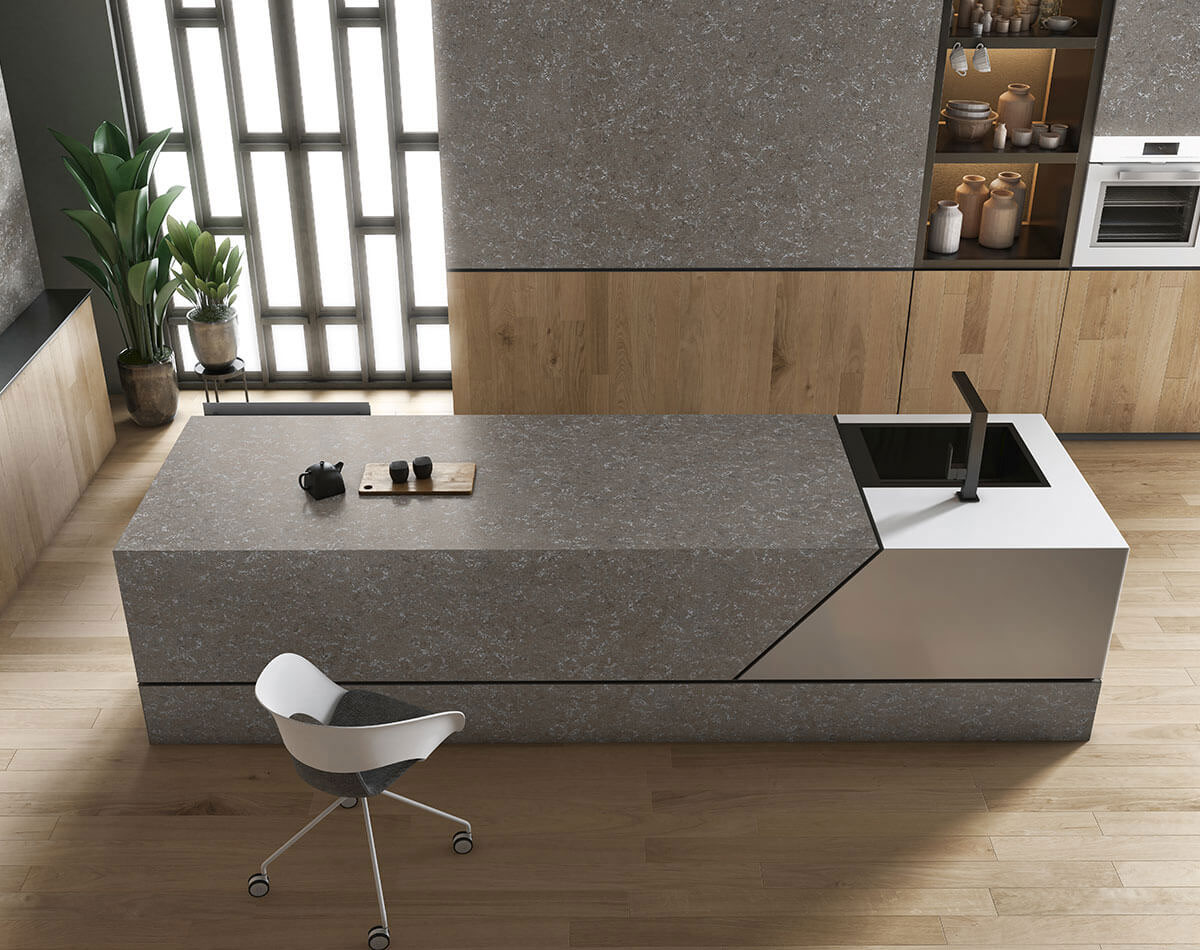
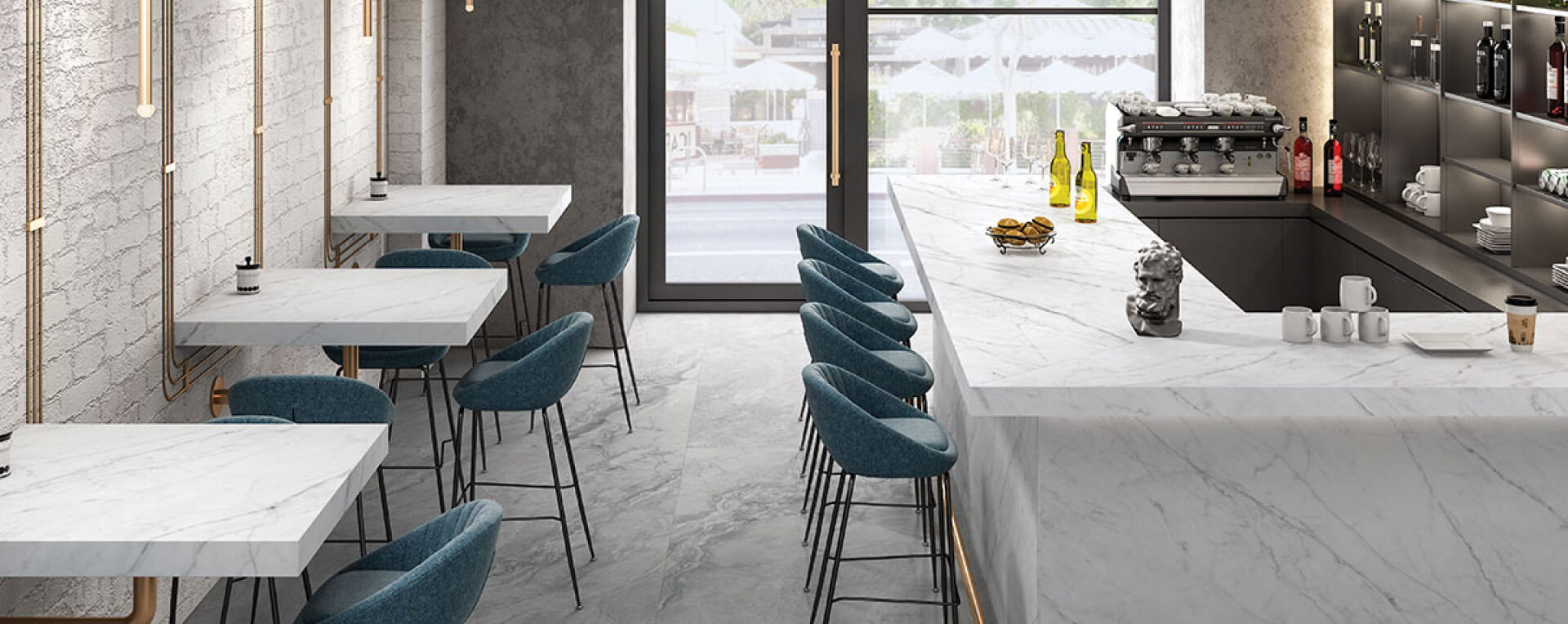
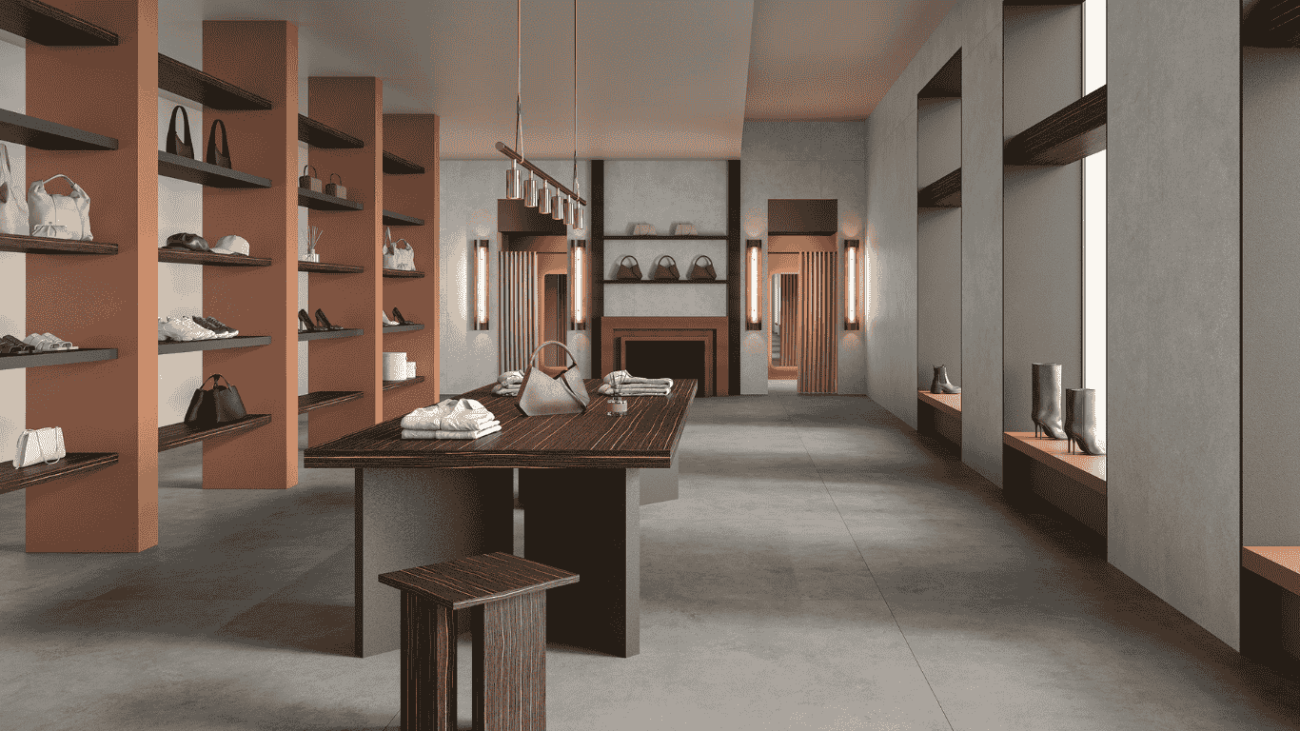
Brings a refined, large-format finish to shelves, suited to spaces where visual continuity with wall cladding or countertops matters. Available in marble-look, wood-look, stone-look, and concrete-look finishes, these panels allow shelving to echo the material language used elsewhere in the home. Their slim profile and consistent surface quality make them well-suited to living rooms, kitchens, and feature walls looking for a considered, uniform design.
8. Open Kitchen Shelves
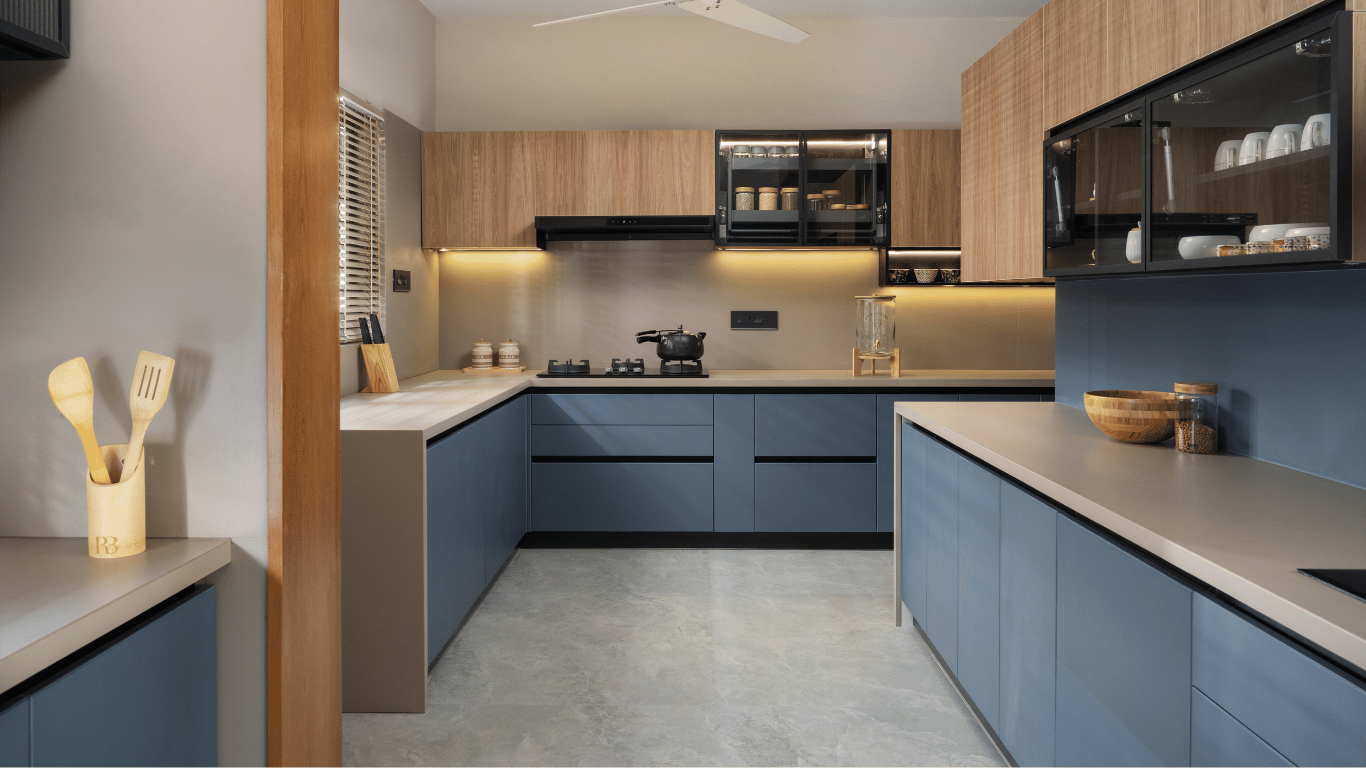
Open kitchen shelves replace upper cabinetry with exposed shelving, creating an airy, accessible storage style. They’re used to display everyday glassware or curated kitchenware, keeping frequently used items within easy reach. This shelf type works particularly well in kitchens designed around a lighter, more open aesthetic, though it does require regular upkeep to keep displayed items looking dust-free and tidy.
Wood and Laminate Shelves vs Engineered Surface Shelves
Laminate and wood shelves offer warmth and familiarity, but they respond differently to daily wear than engineered surfaces. Laminate can peel or chip at edges over time, while solid wood remains sensitive to temperature shifts and moisture. Engineered surface shelves, by contrast, offer a consistent, large-format finish with a more uniform surface quality, making them a considered choice for spaces where design continuity with countertops or cladding is a priority.
| Aspect | Wood/Laminate Shelves | Engineered Surface Shelves |
| Surface consistency | Can vary with wear or grain | Uniform and large-format finish |
| Design continuity | Limited match with marble or stone surfaces | Available in marble look, stone-look, concrete-look, and wood-look finishes |
| Moisture response | Sensitive to moisture and humidity | Better suited to varied conditions |
| Visual character | Textured and traditional | Refined and modern |