
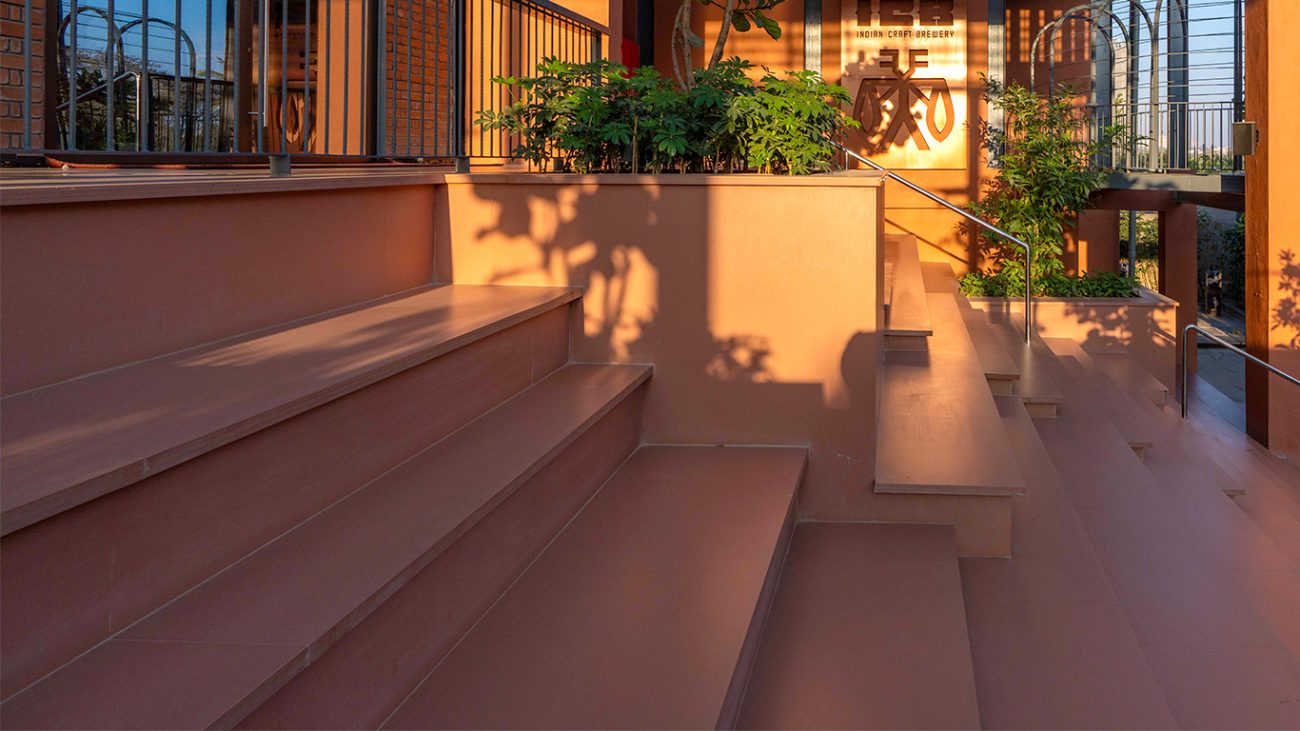
Why Staircase Surface Choice Matters
The right staircase surface improves safety, durability, and design continuity, making it an essential element of modern home interiors.
- Staircases experience constant daily foot traffic, so surfaces must provide reliable slip resistance and long-lasting durability.
- High-traffic households, especially those with children or elderly residents, require surfaces that remain safe underfoot.
- Staircases are prominent design features, and the surface should maintain visual continuity with adjoining flooring.
- Surface finishes should complement the home’s design style, whether warm, minimalist, or luxurious.
- Balancing aesthetics with safety creates a staircase that not only performs well but also enhances the home’s interior architecture.
Popular Types of Stairs and Their Design Requirements
Stairs can be made in various styles depending on your interior design. Find the popular types of stairs and what their requirements are for design:
Straight Stairs
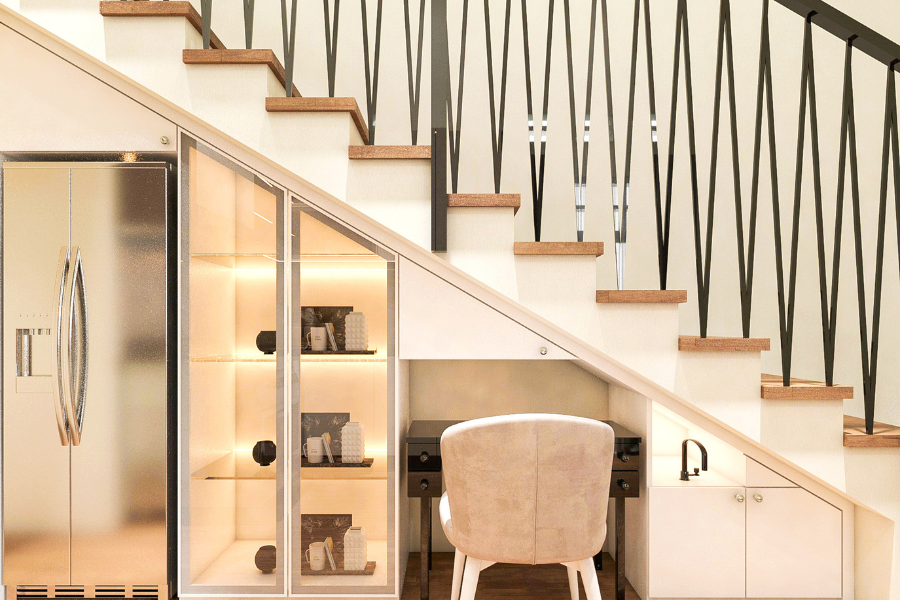
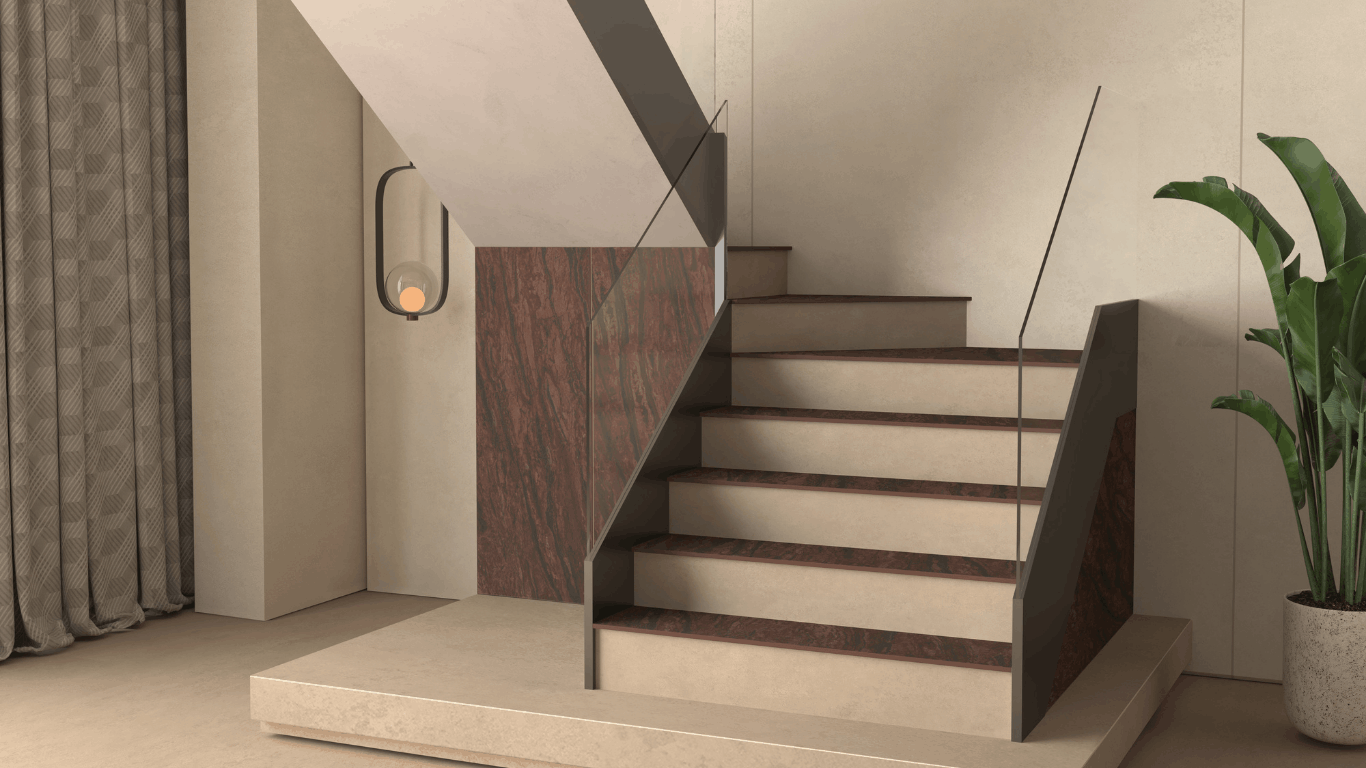
The most common staircase form, straight stairs, runs directly from one floor to another without turns or landings. This simplicity allows for a continuous surface material from top to bottom, creating a strong visual rhythm. Neotra slabs applied across treads and risers deliver a seamless run, making them an ideal choice for staircase cladding, with consistent veining and tone, eliminating visible joints or colour breaks along the flight
Floating (Cantilevered) Stairs
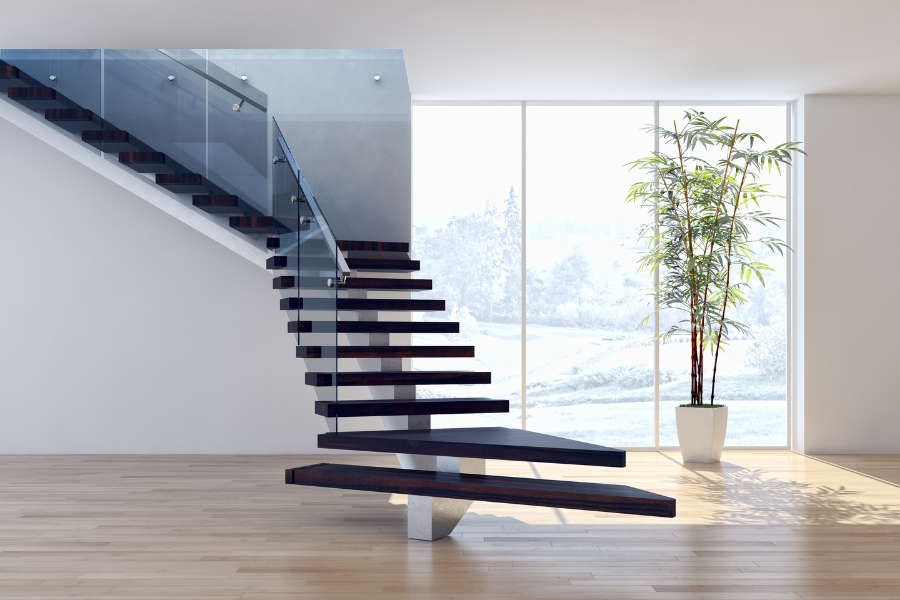
Floating stairs are architecturally dramatic, with treads appearing to hover in mid-air, unsupported by a visible stringer. This look demands surfaces that are both structurally capable and visually refined on all exposed edges. Neotra’s structural surface slabs are well-suited to cantilevered tread applications, offering the strength and finish this striking design requires.
Spiral Stairs
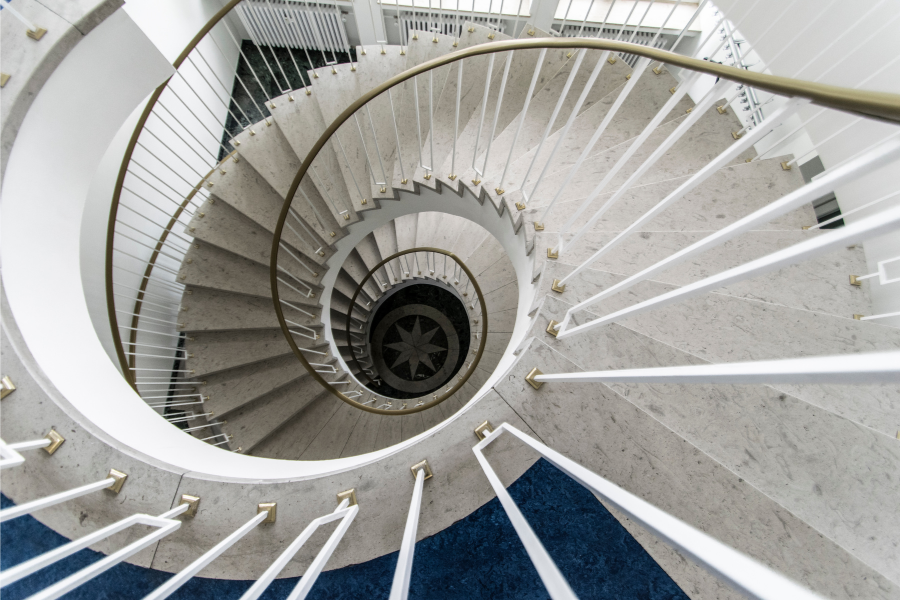
Compact and sculptural, spiral stairs make efficient use of space while creating a striking focal point. Their curved treads require surfaces that can be precision-cut or shaped along curved edges without compromising strength or finish. Opt for engineered surfaces that can be fabricated for custom spiral tread applications, maintaining full design integrity even on the narrowest steps, ensuring the staircase remains visually and structurally cohesive throughout its curve.
L-Shaped and U-Shaped Stairs
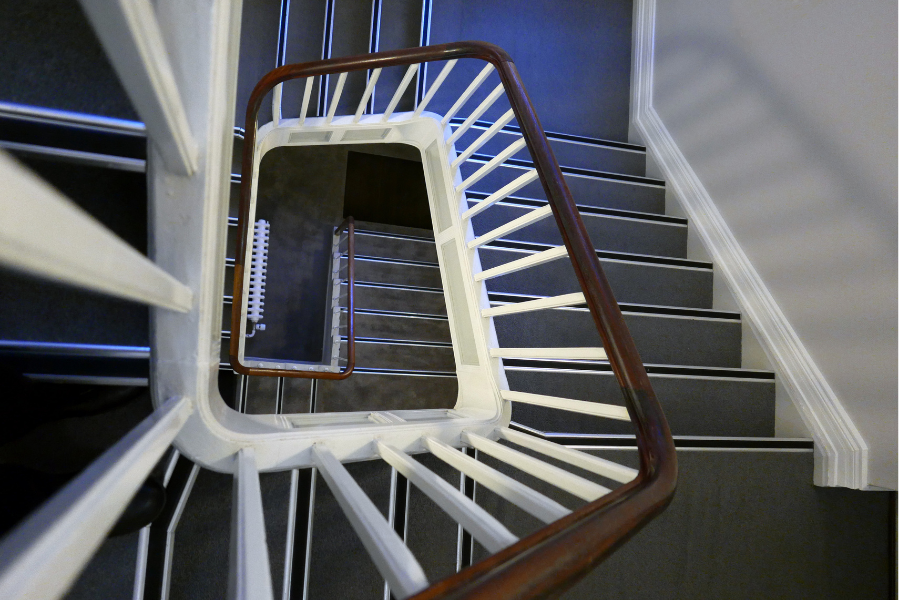
These transitional staircases incorporate one or more landing platforms, changing direction partway through the flight. Achieving visual continuity across treads and landings is the key. Neotra surface slabs can be used consistently across both treads and landing floors, ensuring the material reads as one continuous surface rather than a patchwork of finishes, tying the entire staircase together as a unified design element.
Curved Stairs
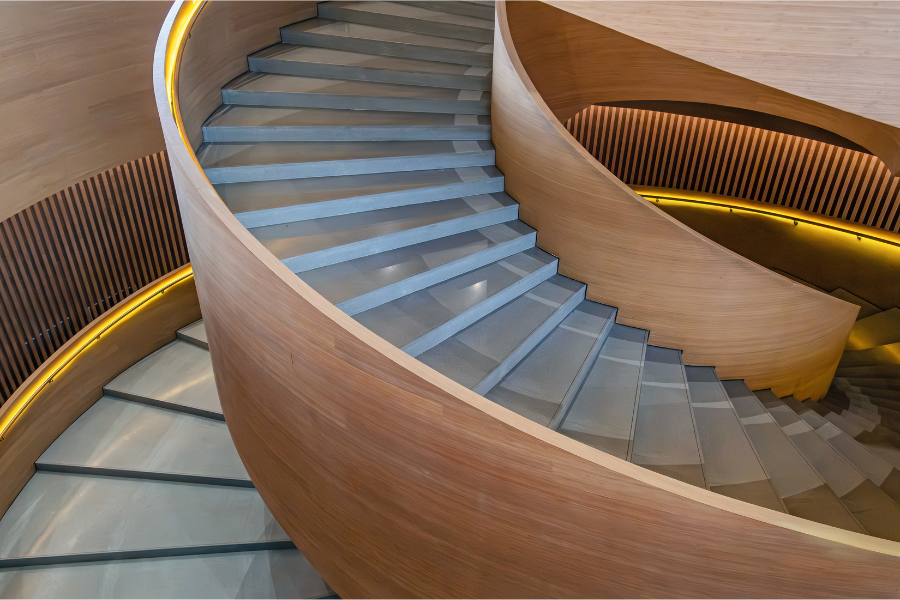
Grand and sweeping, curved staircases are a statement of luxury, often anchoring the entryway of high-end homes with dramatic architectural presence. Every tread follows a unique arc, demanding precision fabrication. Neotra’s precision-cut surface slabs allow treads to be finished without compromise, delivering the uninterrupted material flow that curved stairs are chosen for in the first place.
Also Read: 12 Staircase Wall Design Ideas
Matching Neotra Staircase Surfaces to Your Decor
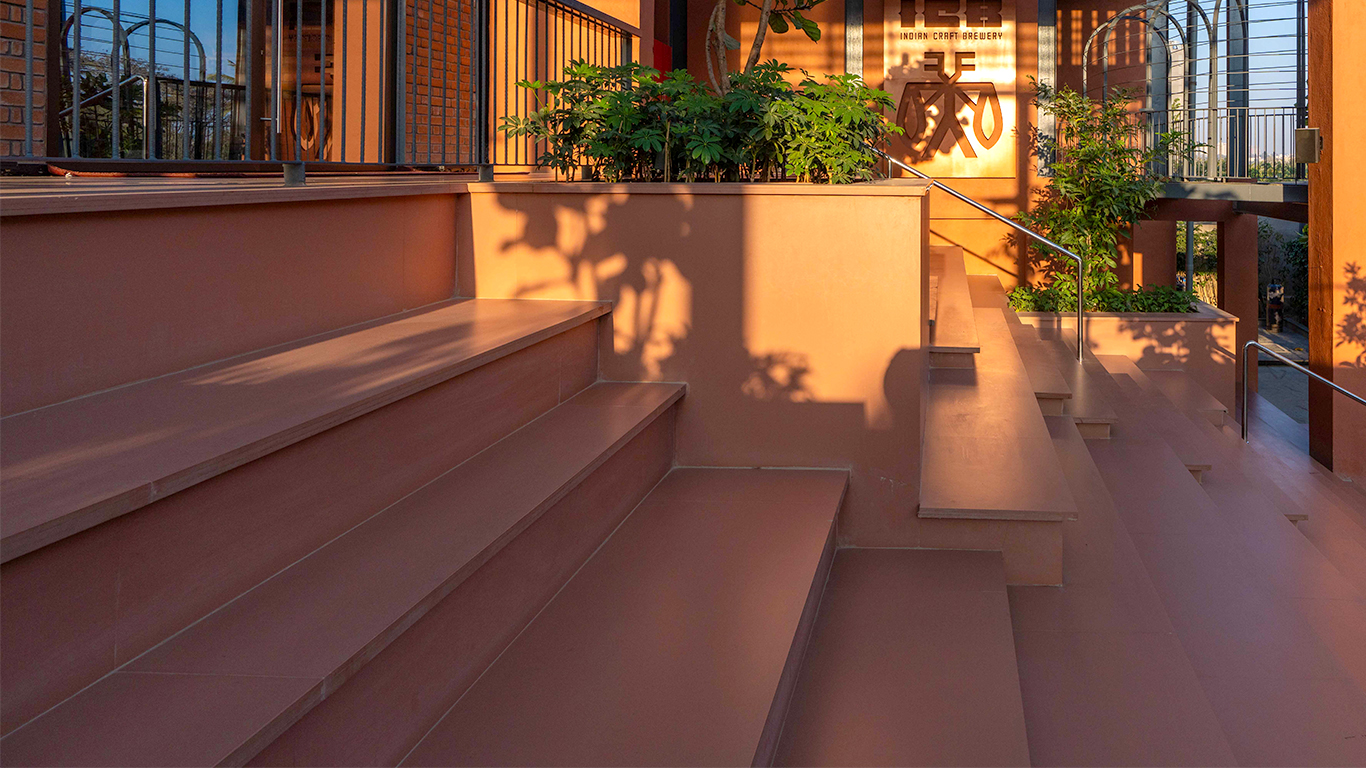
Neotra surfaces come in large-format slabs; if used on the floors along with staircase surfaces, they seem unified. Here are a few ways of matching Neotra surfaces on a staircase to your decor:
Modern Minimalist Homes
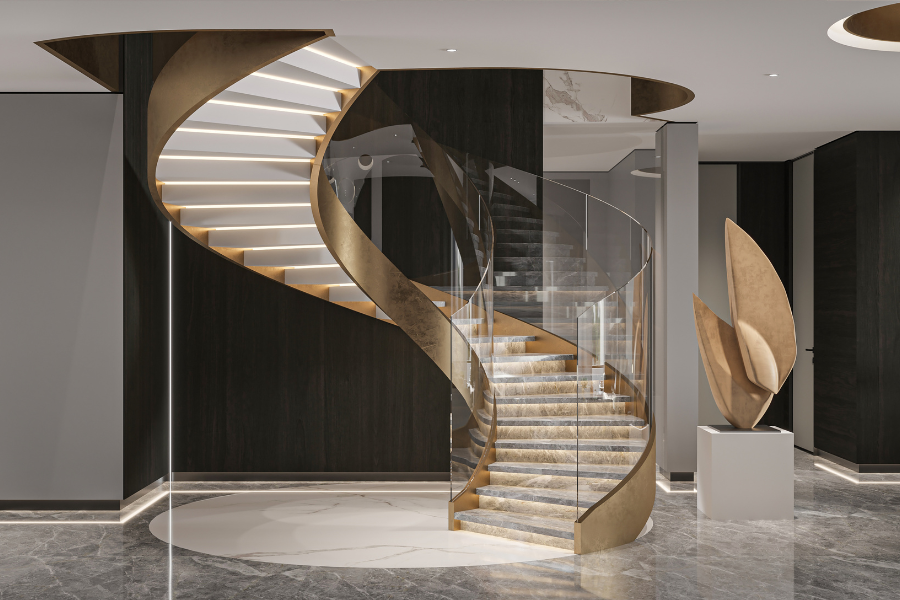
For minimalist interiors, concrete-look or all-white Neotra surfaces on floating stairs create a clean, architectural statement. The pared-back tone keeps the staircase visually light, reinforcing the restrained palette that defines minimal design throughout the home. Free from heavy veining or pattern, these surfaces read as quiet, clean, and intentional, echoing the same disciplined palette found across the rest of a minimalist home’s flooring and walls.
Warm Contemporary Interiors
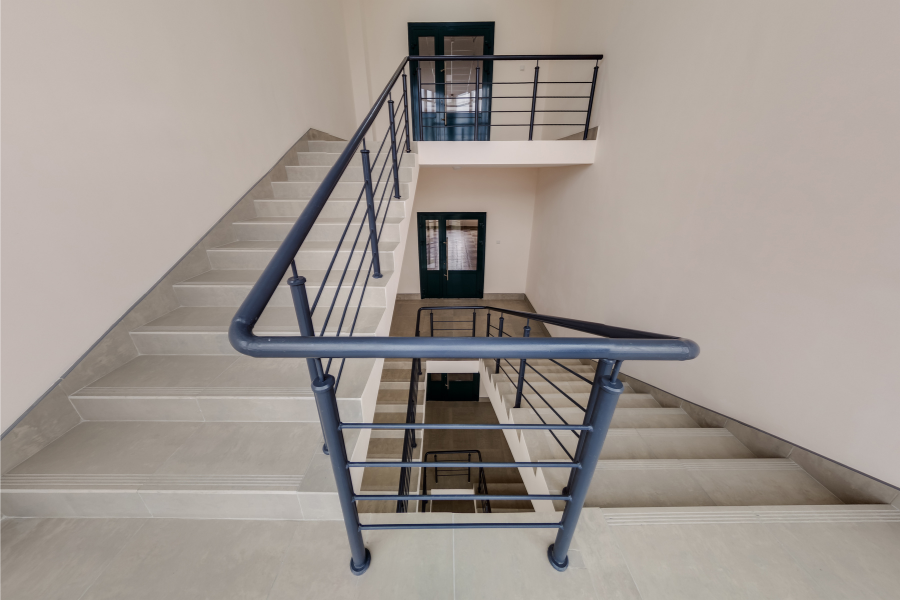
Contemporary family houses often lead to warmth and texture. Wood-look or stone-look Neotra slabs complement warm-toned floor and walls cladding, softening the staircase’s presence while keeping it durable enough for everyday family use. The result is a staircase that feels inviting and lived-in, rather than cold or overly formal, blending naturally into the home’s overall design flow.
Also Read: 10 Wooden Staircase Designs for Homes
Luxury and High-End Residential
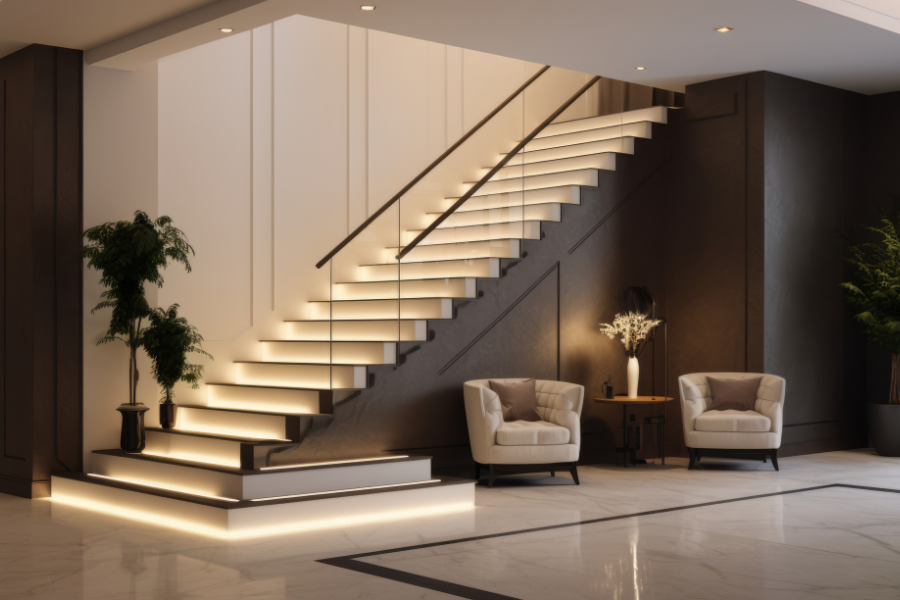
In premium residences, marble-effect Neotra surface treads with polished edges bring a refined material language to the staircase. This finish echoes the marble-look surfaces often used elsewhere in luxury interiors, ensuring the staircase feels integral to the home rather than an afterthought. Rather than standing apart, the staircase becomes a natural extension of the interior’s high-end material story, grand and unmistakably premium underfoot.
Why Neotra Is the Ideal Surface for Staircase Design
Neotra engineered surfaces combine safety, durability, and seamless aesthetics, making them a reliable choice for modern staircase design for homes.
- Slip-Resistant Performance: Slip-resistant finish options improve safety without compromising the staircase’s visual appeal.
- Durability: Engineered to withstand constant daily foot traffic, ensuring long-lasting performance in high-use areas.
- Seamless Design: Large-format slabs minimise joints across treads, risers, and landings for a clean, continuous appearance.
- Design Versatility: Available in wood, concrete, and marble-inspired finishes to complement both minimalist and statement interiors.
- Low Maintenance: Easy-to-maintain surfaces retain their appearance and performance season after season, even in high-visibility spaces.