


Why Corner Shelves Maximise Small Room Spaces
Corner shelves do more than fill empty space; they work with a room’s architecture to open it up both functionally and visually.
- Utilise dead space – Corners are rarely used efficiently; shelves convert them into practical storage without consuming floor area.
- Improves visual flow – Corner installations soften sharp angles, letting furniture and walkways breathe more freely.
- Add vertical storage – Stacking shelves upward keeps clutter off surfaces and draws the eye up, making rooms feel taller.
- Enhance perceived space – Open, floating designs keep sightlines clear, making compact rooms feel airier and larger.
- Create display opportunities – Corners become natural spots for plants, decor, or books, adding personality without overwhelming the room.
12 Corner Wall Shelf Design Ideas
Here are the 12 ways to design corner wall shelves that balance style, space efficiency, and function –
1. Triangular Floating Corner Shelf
A triangular floating corner shelf fits neatly into tight spaces, appearing to hover with no visible brackets. Its clean geometric lines suit modern, minimal homes, offering enough surface for books, a small plant, or framed photos. Corner shelf design works especially well in narrow bedrooms, reading nooks, or hallways.
Also Read: 10 Floating Shelves Ideas for Modern Home Walls
2. Ladder-Style Corner Shelf Unit
A ladder-style corner shelf leans diagonally against the wall, creating multiple tiers without heavy installation. This design suits casual, eclectic interiors and offers ample space for books, plants, and decor at varying heights. A flexible option that can be moved or repositioned as the room’s layout evolves over time.
3. Curved Corner Shelf Design
Curved corner shelves soften the hard angle of a room, creating a gentler, more organic silhouette. The rounded edges make the unit feel less structural and more sculptural, which works well in entryways and living rooms. This shape also improves safety in tight walkways by removing sharp corners.
4. Corner Shelf with Hidden Lighting
Integrating concealed LED strips above or beneath each tier turns a corner shelf into a soft ambient light source. This design highlights displayed objects like plants and books while adding warmth to the corner after dark. It works particularly well in living rooms, reading corners, or bedrooms.
5. Multi-Tier Corner Bookshelf
A multi-tier corner bookshelf stacks several shelves vertically, making it ideal for book lovers with limited floor space. Each tier can hold a mix of decorative objects and books, creating a layered, curated look. This design suits studies and reading corners or living rooms that need generous storage without bulk.
6. Bedroom Corner Shelf for Decor Display
A corner shelf design for a bedroom offers a dedicated spot for candles, small plants, or framed photos, without competing with the wardrobe or bed for space. Positioned above a nightstand or beside a window, it adds a personal, curated touch to the room while keeping surfaces below clear and uncluttered.
7. Engineered Surface Corner Shelf Panels
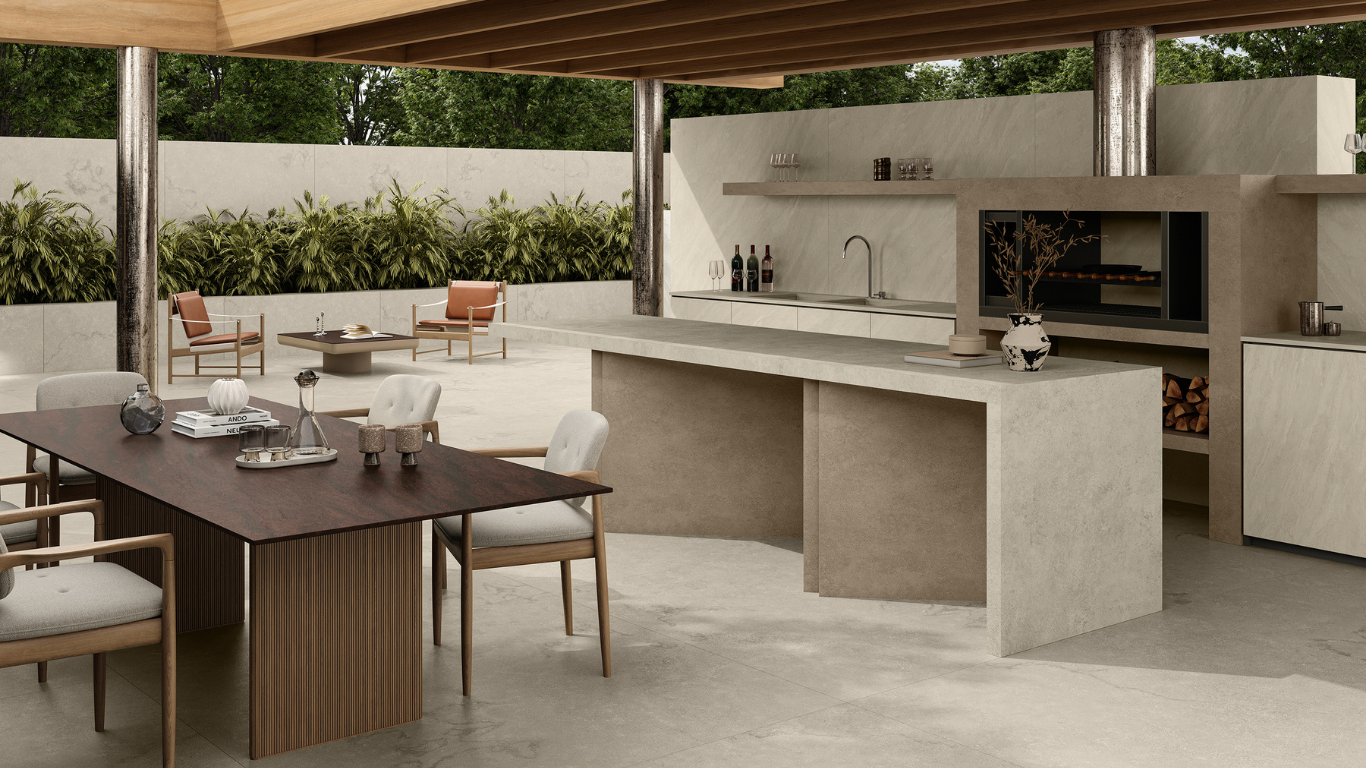
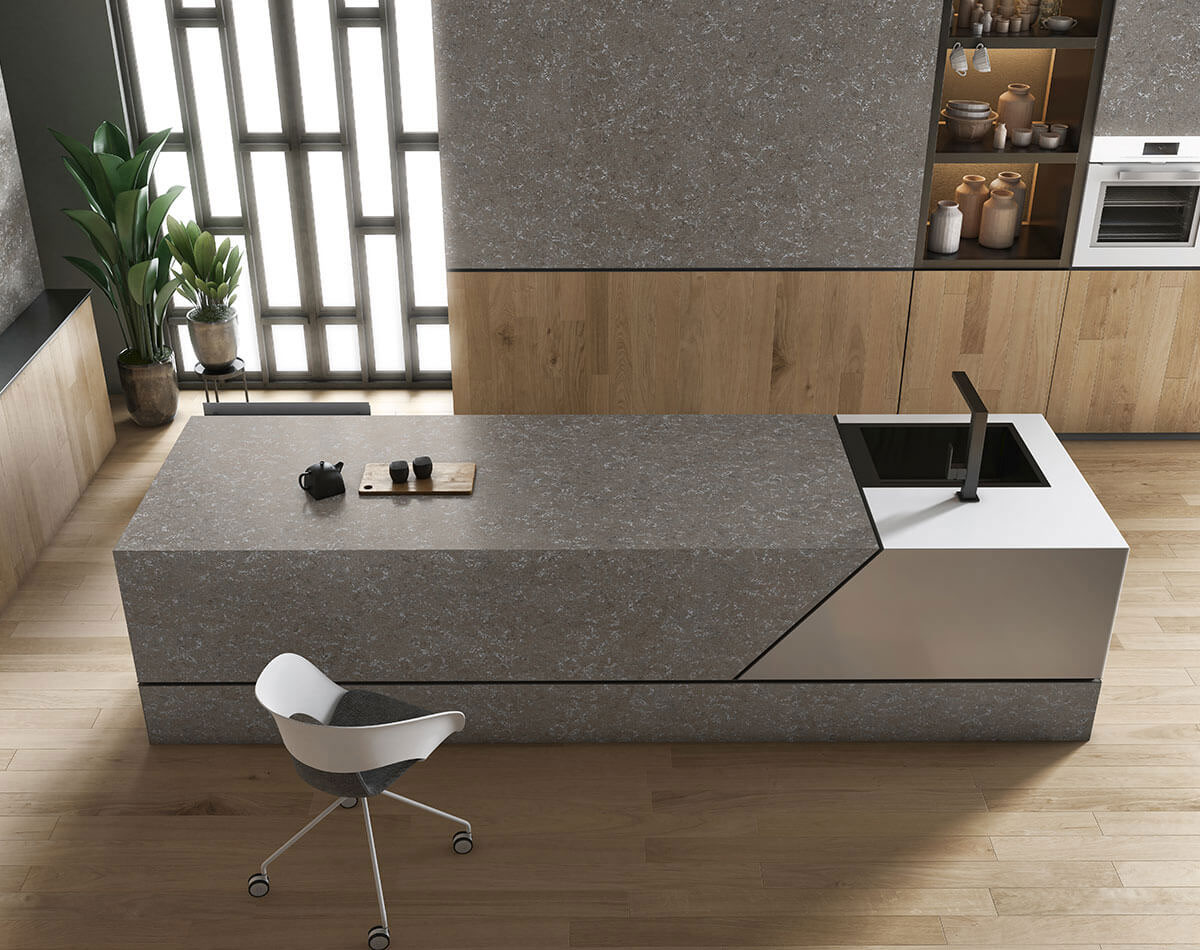
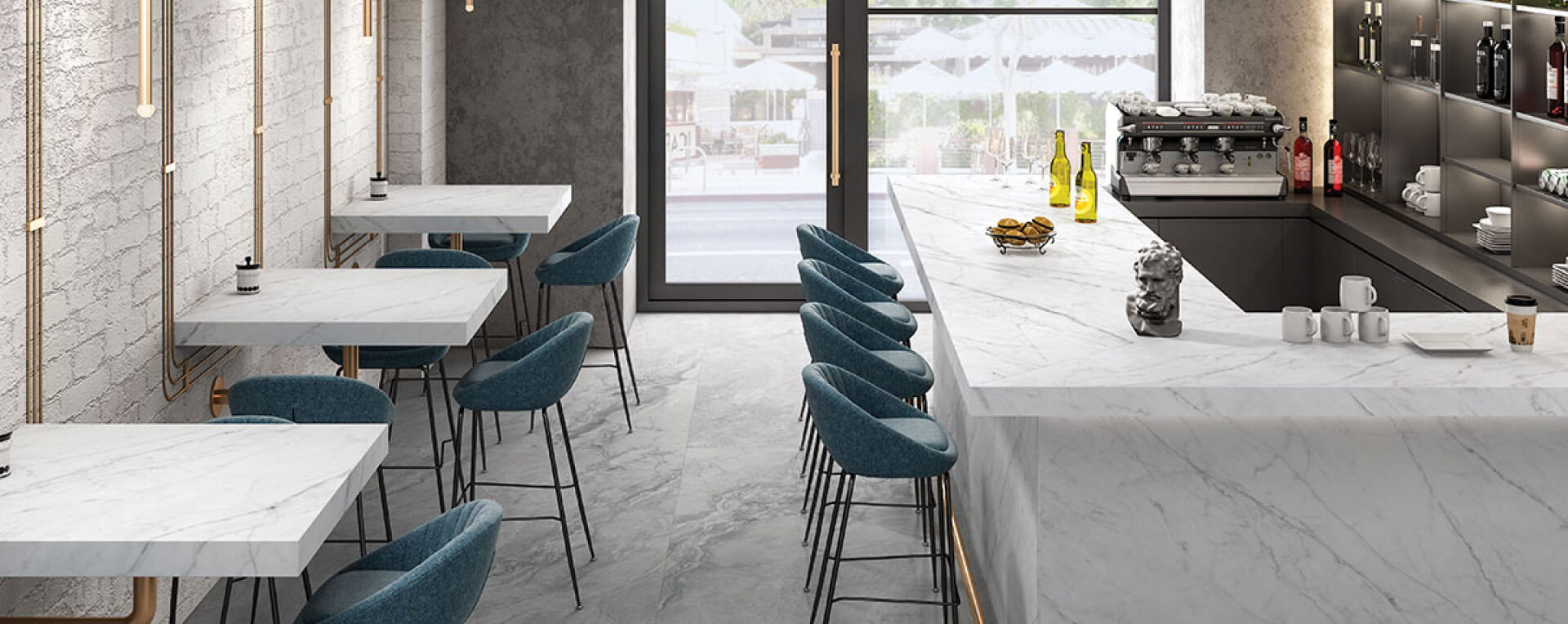
Corner shelves crafted from engineered surfaces bring a refined, seamless look with a consistent finish across every tier. Available in marble, wood, stone, and concrete-look finishes, these surfaces resist daily wear better than typical shelving materials. This makes them a practical choice for high-visibility corners in dining and living spaces.
8. Minimalist Single-Tier Corner Shelf
A single-tier corner shelf keeps things simple, offering just one clean surface for a lamp, plant, or a small decor piece. This understated design suits pared-back interiors where visual clutter is kept to a minimum. It is an easy, low-commitment way to activate an empty corner without dominating the room.
9. Corner Shelf Combined with Study Nook
Pairing a corner shelf with a compact desk creates a functional study nook in even the smallest rooms. Shelves above the desk hold stationery and books, keeping the desktop clear for work. This layout makes efficient use of an awkward corner while carving out a dedicated productivity zone.
10. Wall-Mounted Corner Shelf for Plants
A wall-mounted corner shelf designed for plants brings greenery into a room without using valuable windowsill or floor space. Staggered tiers allow different plant sizes to be displayed together, creating a layered, natural composition. This idea works well in kitchens, living rooms, or sunlit corridors and balconies.
11. Corner Shelf Unit for Kids’ Rooms
A corner shelf unit in a kids’ room provides accessible storage for toys, books, and keepsakes at a child-friendly height. Low placement and rounded edges improve safety, while colourful styling keeps the design playful. This layout also frees up the floor space for play, keeping the room open and organised.
12. Corner Wall Shelf Using Neotra Engineered Surfaces
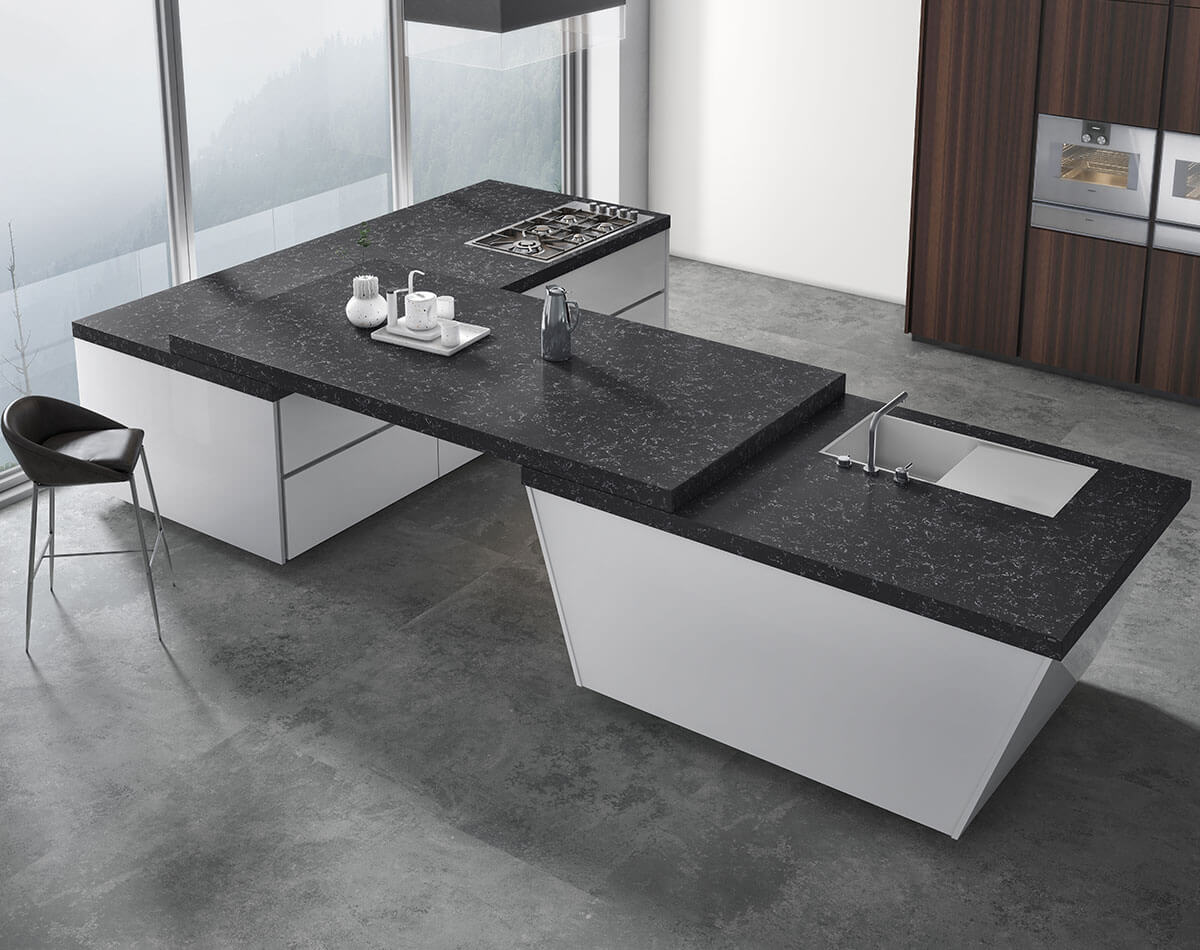
A corner wall shelf finished with Neotra engineered surfaces combines premium aesthetics with everyday durability. Offered in marble, stone, wood, and concrete-look finishes, it withstands stains, scratches, and daily handling far better than conventional materials. This makes it a lasting choice for corners that see frequent use and display.
Also Read: 20 Stunning Stone Wall Design Ideas for a Beautiful Home
Wood and Laminate vs Engineered Surfaces for Corner Shelves
Material choice affects how a corner shelf looks and performs over time, so it’s worth weighing the options before deciding.
When choosing material for corner shelves, homeowners often weigh traditional wood and laminate against modern engineered surfaces. Wood offers natural warmth but is prone to moisture damage and wear in humid climates. Laminate is budget-friendly but can chip or peel over time. Engineered surfaces, available in marble, stone, concrete, or wood-look finishes, bring a premium appearance with stronger resistance to scratches, daily wear, and stains.
| Feature | Wood | Laminate | Engineered Surfaces |
| Appearance | Warm, natural | Printed finish | Consistent, premium |
| Durability | Moderate | Low to moderate | High |
| Moisture Resistance | Low | Moderate | High |
| Maintenance | Regular upkeep | Easy | Minimal |
| Best For | Classic interiors | Budget projects | Premium, high-use spaces |