

Quick Comparison Matrix: Structural Steel vs Engineered Surfaces
Before choosing the material for a staircase, a comparison between structural steel and engineered surfaces helps you determine which is good enough. Steel handles the frame and load-bearing work, while engineered surfaces shape the look and feel underfoot. Here is the quick comparison across the factors that matter most –
| Feature / Criteria | Steel Staircase | Engineered Surfaces |
| Primary role | Load-bearing frame | Riser and tread finish |
| Wear Resistance | High | High |
| Weight & Load Distribution | Lightweight yet high tensile strength | Moderate to heavy (depending on stone/slab substrate) |
| Scratch & Stain Resistance | High (powder-coated / stainless) | Exceptional (non-porous) |
| Acoustic Dampening | Requires rubber/tread padding | High (engineered wood absorbs footsteps) |
| Lighting Integration | Direct channel routing on steel spine | Recessed tread strips & under-nosing grooves |
| Best Suited for | Structural support | Surface durability and look |
Also Read: 20 Duplex Staircase Design Ideas for Elegant Homes
In-Depth Breakdown: Steel vs Engineered Surface Staircase Performance
Engineered surfaces and steel play different roles in a staircase, and each affects performance in its own way. Here’s a closer look at how they compare across the factors that matter most to homeowners.
1: Structural Versatility & Architectural Flexibility
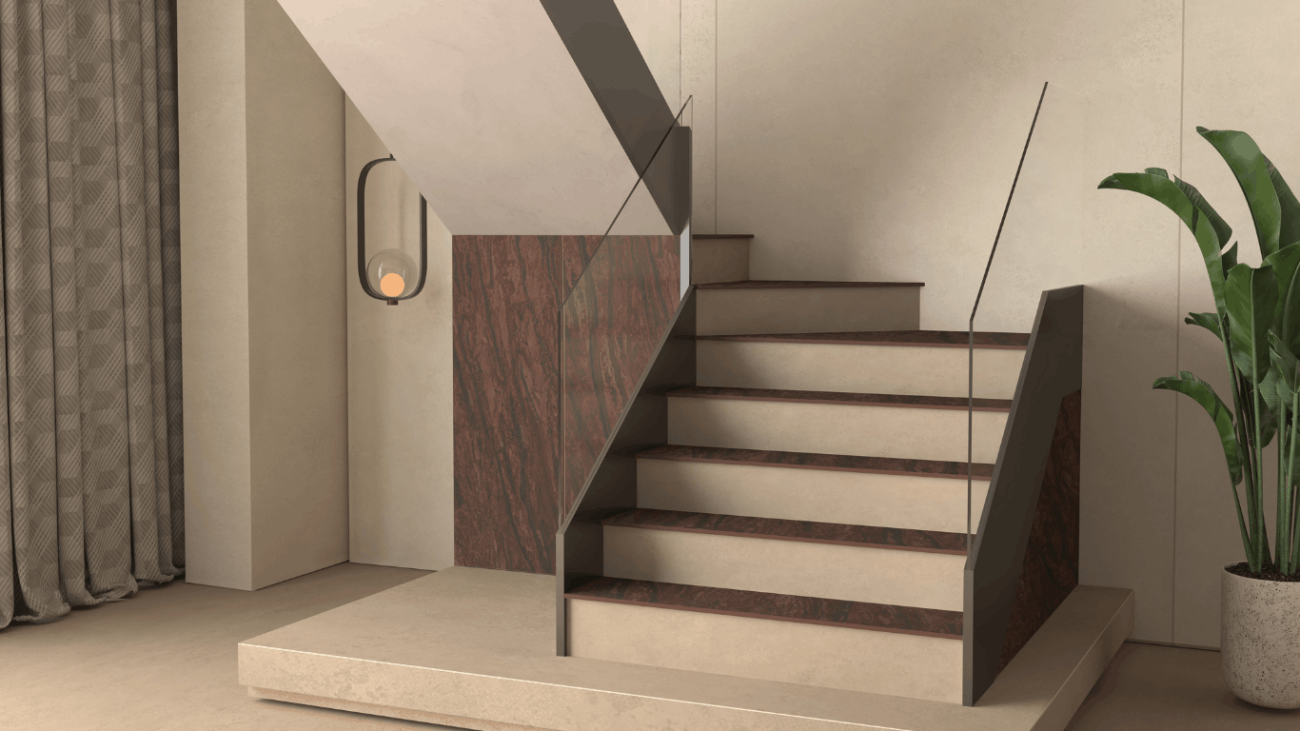
Steel is the material of choice when it comes to structural flexibility. Steel staircase strength allows for cantilevered designs, floating steps, and slim spiral layouts that would be hard to achieve with other materials. Engineered surfaces sit on top of the frame, whether the frame is steel, concrete, or wood. This means the surface material does not limit the shape of the staircase. Steel frames can support a staircase with minimal visible structure, which is why architects use them for bold, open steel staircase designs. The steel decides the form, and the engineered surfaces decide the finish.
2: Surface Durability, Scratching, and Wear Resistance
Engineered surfaces stand out here. Treads see daily foot traffic, and that means scratches, scuffs, and general wear over time. Engineered surfaces are built to resist this kind of damage better than untreated steel or paint. Bare steel treads can show dents and scratches with regular use, especially in high-traffic homes. Adding an engineered surface layer on top of the steel structure protects the treads from wear while keeping the overall look consistent and clean for longer.
3: Maintenance Requirements and Cleaning Effort
Steel frames need occasional checks for rust, especially in humid climates or outdoor settings. A protective coating helps reduce this upkeep. Engineered surfaces are simple to clean, usually needing just a wipe-down with mild cleaning solutions. They do not need polishing or sealing the way wood or natural stone does. Together, a steel frame with an engineered surface staircase keeps overall maintenance low across the entire staircase.
4: Footstep Acoustics and Underfoot Comfort
Bare steel steps can feel hard underfoot and may create a hollow, echoing sound with each step, especially in open staircases. Adding engineered surface treads changes this. The surface layer softens the sound and gives a more solid, comfortable feel when walking, making a real difference in daily use. Perfect in homes with young children or multiple floors connected by the same staircase.
5: Lighting and Safety Feature Integration
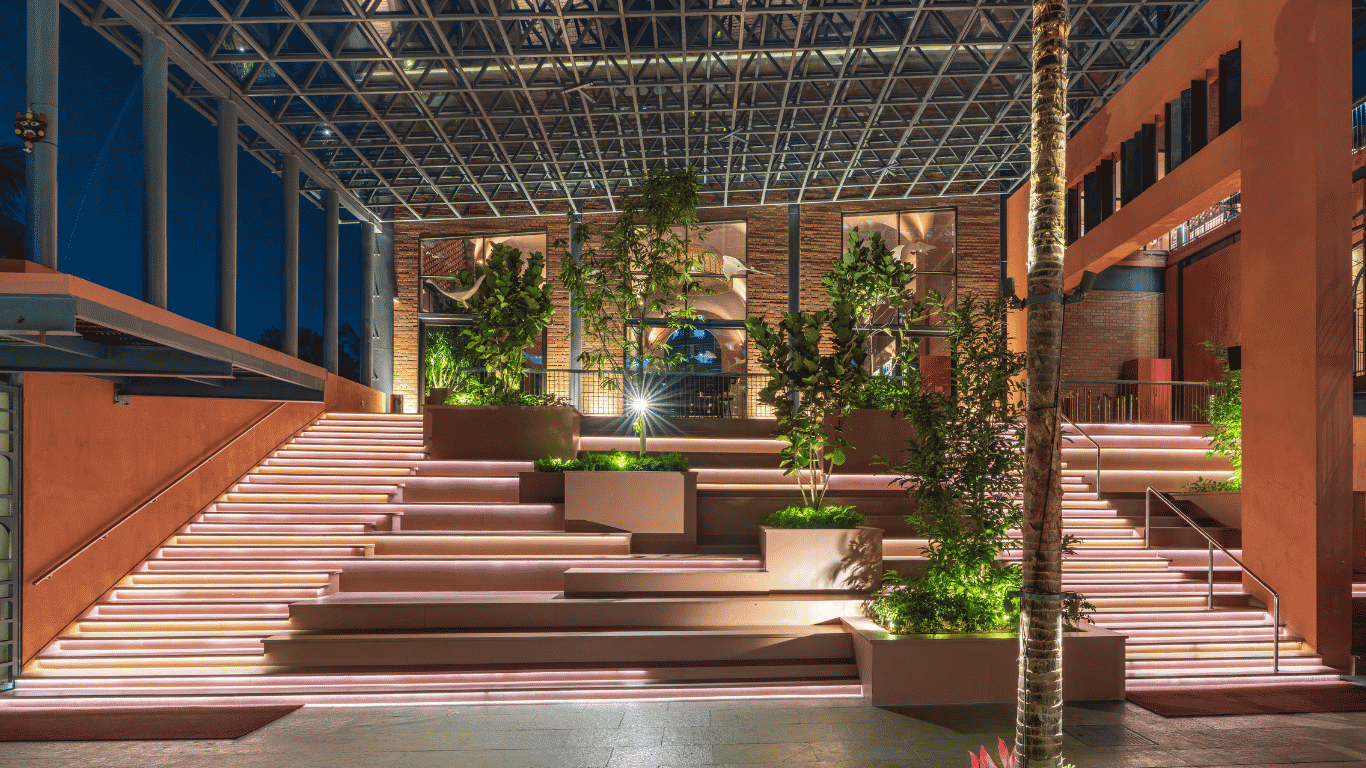
Steel staircases work well with integrated lighting. The metal frame provides an easy base for fixtures and wiring. Engineered surface treads complement this by offering a smooth, even surface that lighting can highlight clearly, improving both the look and the visibility of each step at night.
Also Read: Types of Stairs: Matching Staircase Surfaces to your Decor
The Hybrid Solution: Steel Framework with Engineered Surface Treads
Combining a steel framework with an engineered surface staircase brings together the strengths of both modern staircase materials –
- Durable, low-maintenance treads from engineered surfaces that resist wear and scratches.
- Strong structure from steel, allowing floating, spiral, or cantilevered designs.
- Consistent finish in marble, stone, concrete, or wood-look options.
- Easier lighting integration with a smooth surface that highlights LED features well.
- Better underfoot comfort, since the surface layer softens the feel and sound.
- Long-term value, since both materials are built to last with minimal upkeep.
Also Read: 12 Staircase Wall Design Ideas to Elevate Your Interiors
Cost Analysis: Material, Installation & Long-Term Value
Understanding cost means looking beyond the upfront price.
- Steel structure cost depends on design complexity; spiral and floating designs cost more than straight flights.
- Engineered surface treads add a moderate cost but reduce future repair and replacement expenses.
- Maintenance savings add up over time, since both materials need minimal upkeep.
- Installation is often quicker with prefabricated steel parts, which can lower labour costs.
- Long-term value comes from durability, as the staircase avoids frequent repairs or finish replacement compared to natural stone or wood options.