
What Is Brick Cladding?
Brick cladding is a non-structural layer of thin brick slips or veneers applied to a wall’s surface for aesthetic and protective purposes, without the bulk of masonry construction. It’s installed course by course using adhesive or mortar, giving facades a warm, handcrafted, earthy character often associated with heritage- or traditional-style homes. Being porous, brick can absorb moisture over time, making it prone to efflorescence, staining in humid or rainy climates, and algae growth, and it typically requires periodic cleaning and sealing. While loved for its natural texture and rustic charm, brick cladding demands more maintenance and skilled installation compared to newer engineered alternatives.
What Is Sintered Stone Cladding?
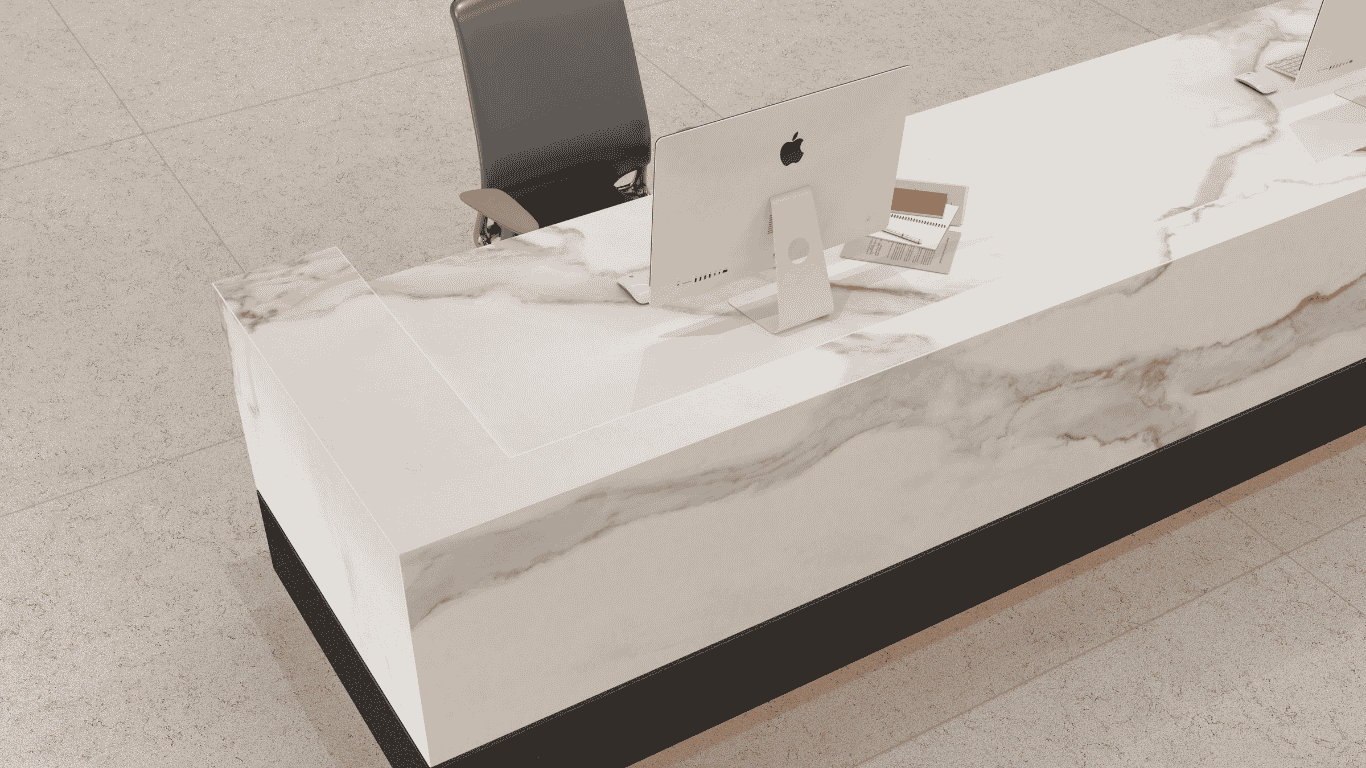
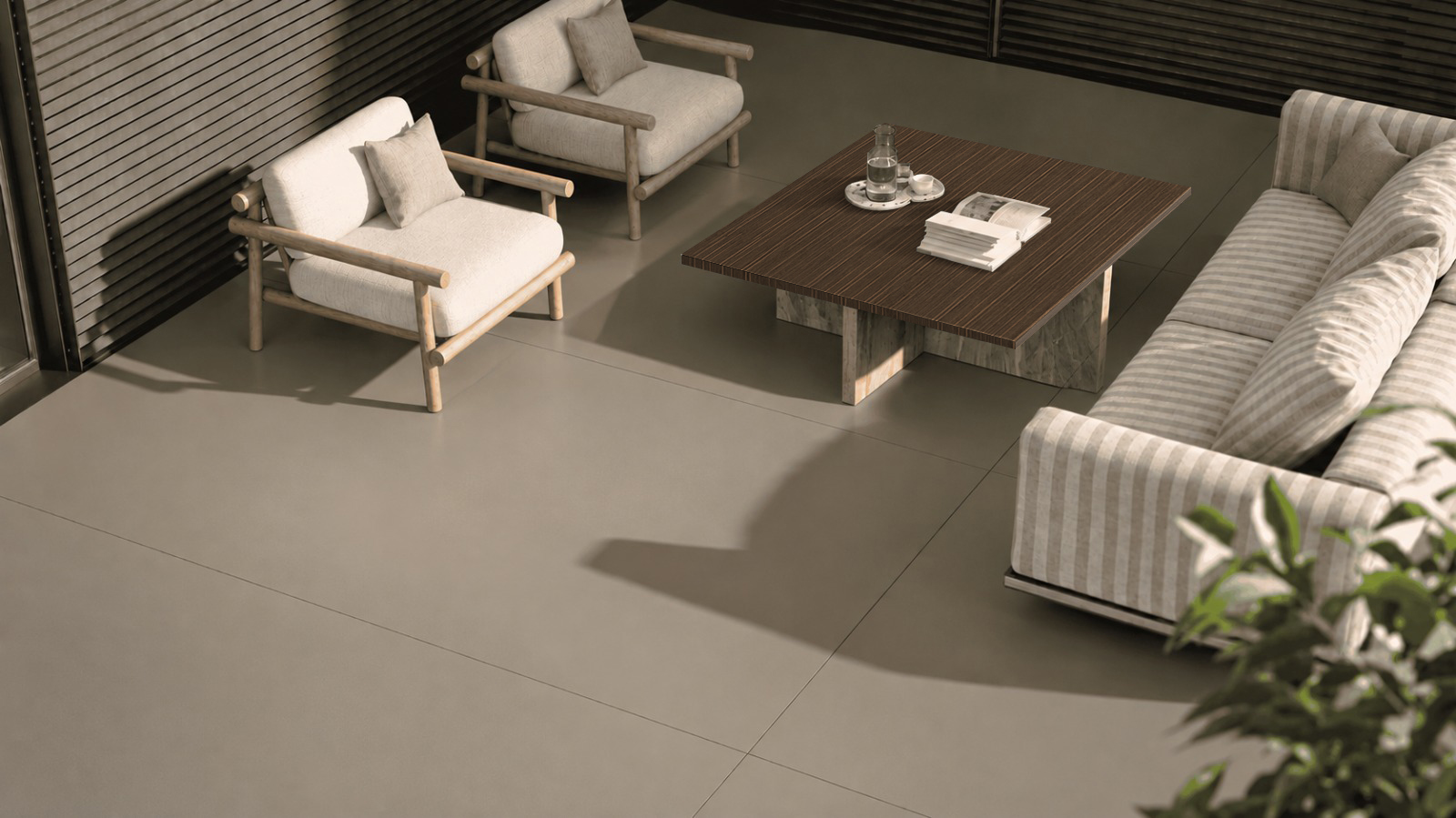
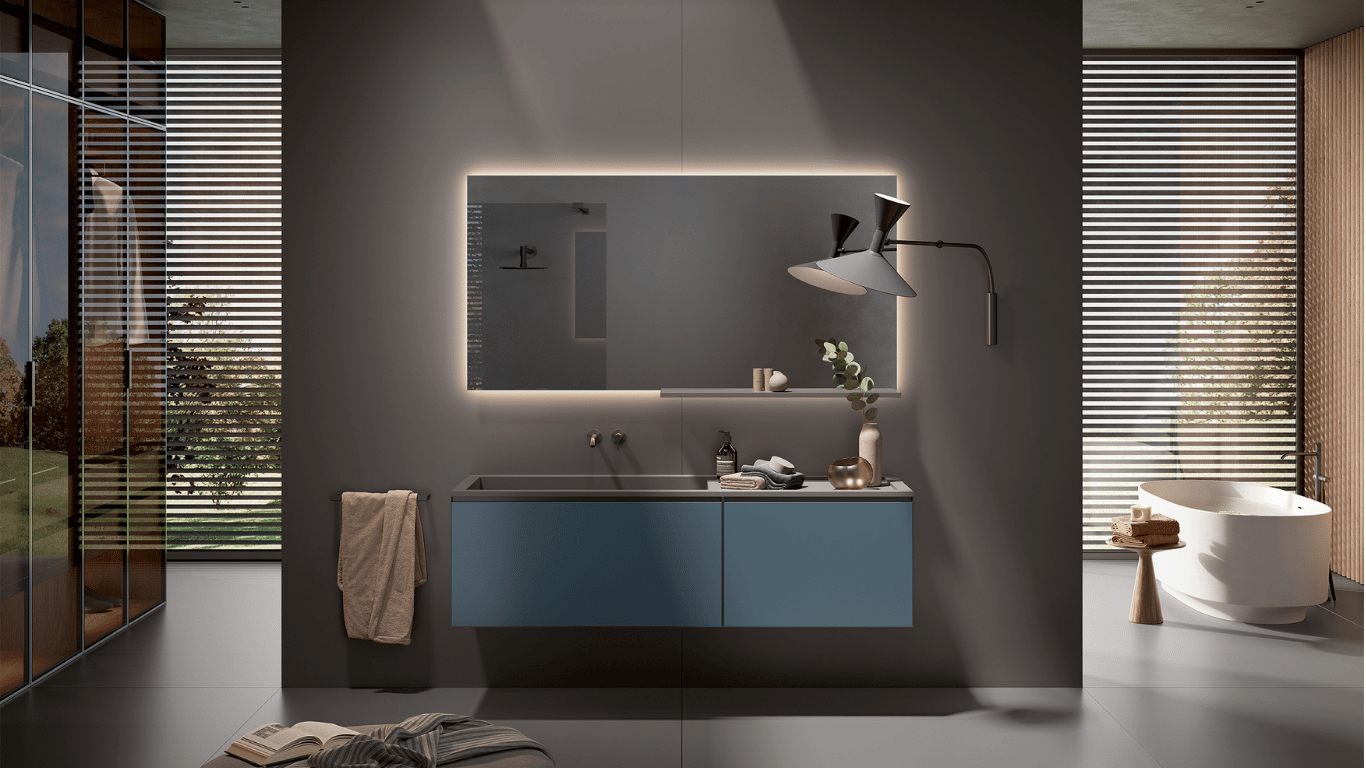
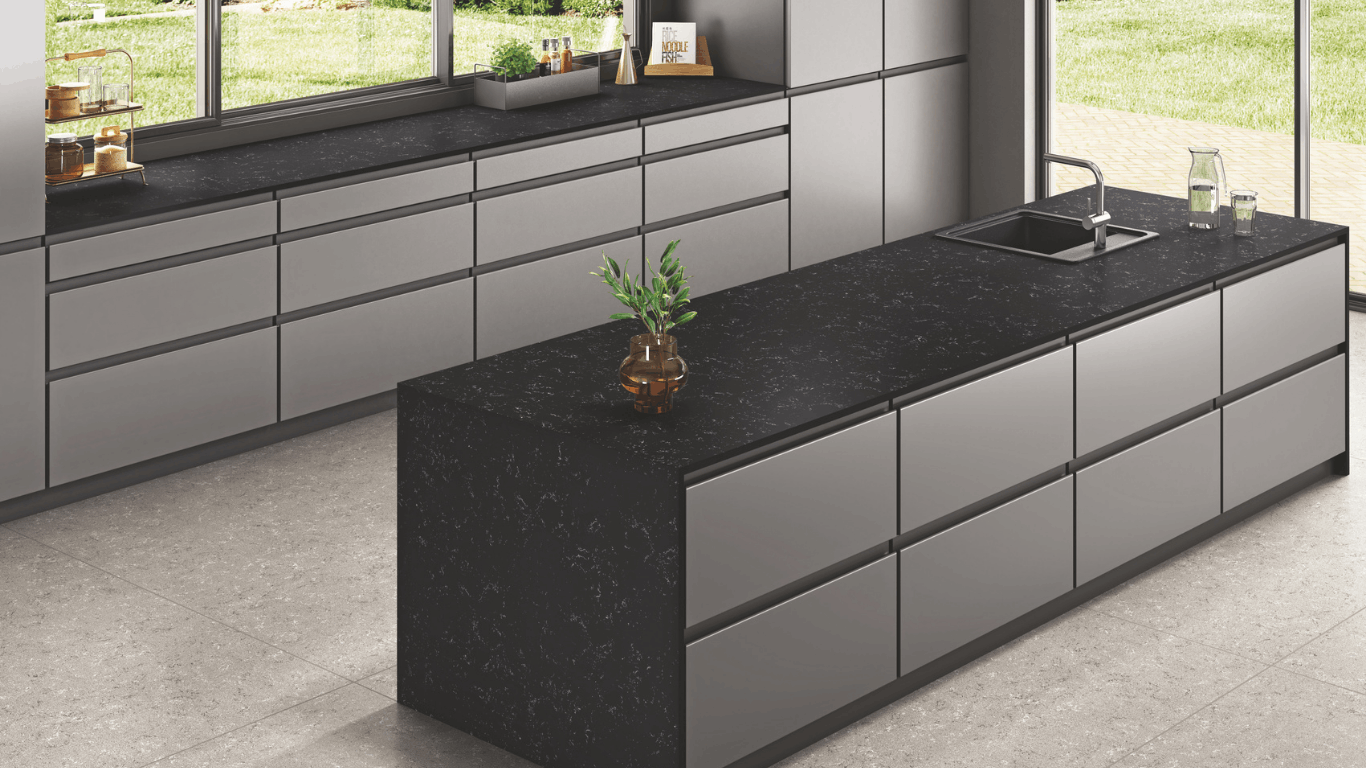
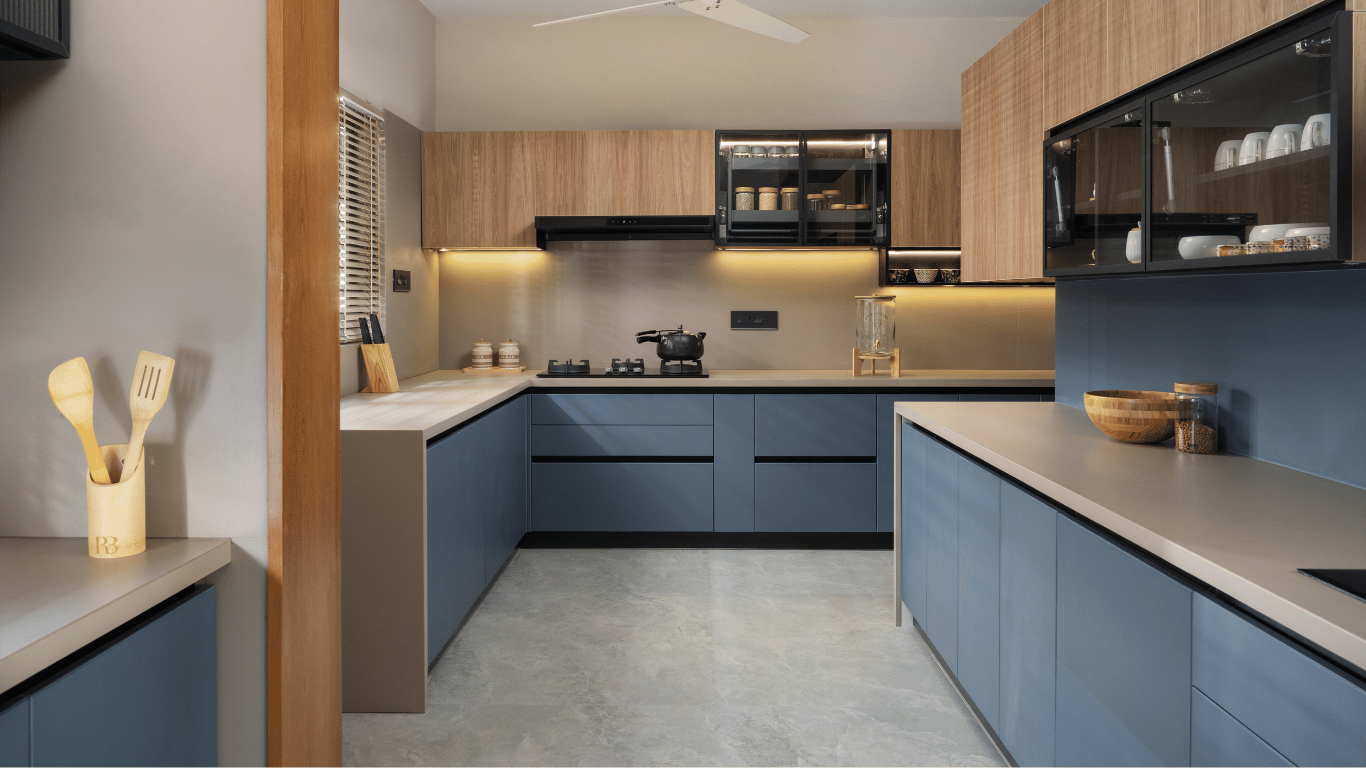
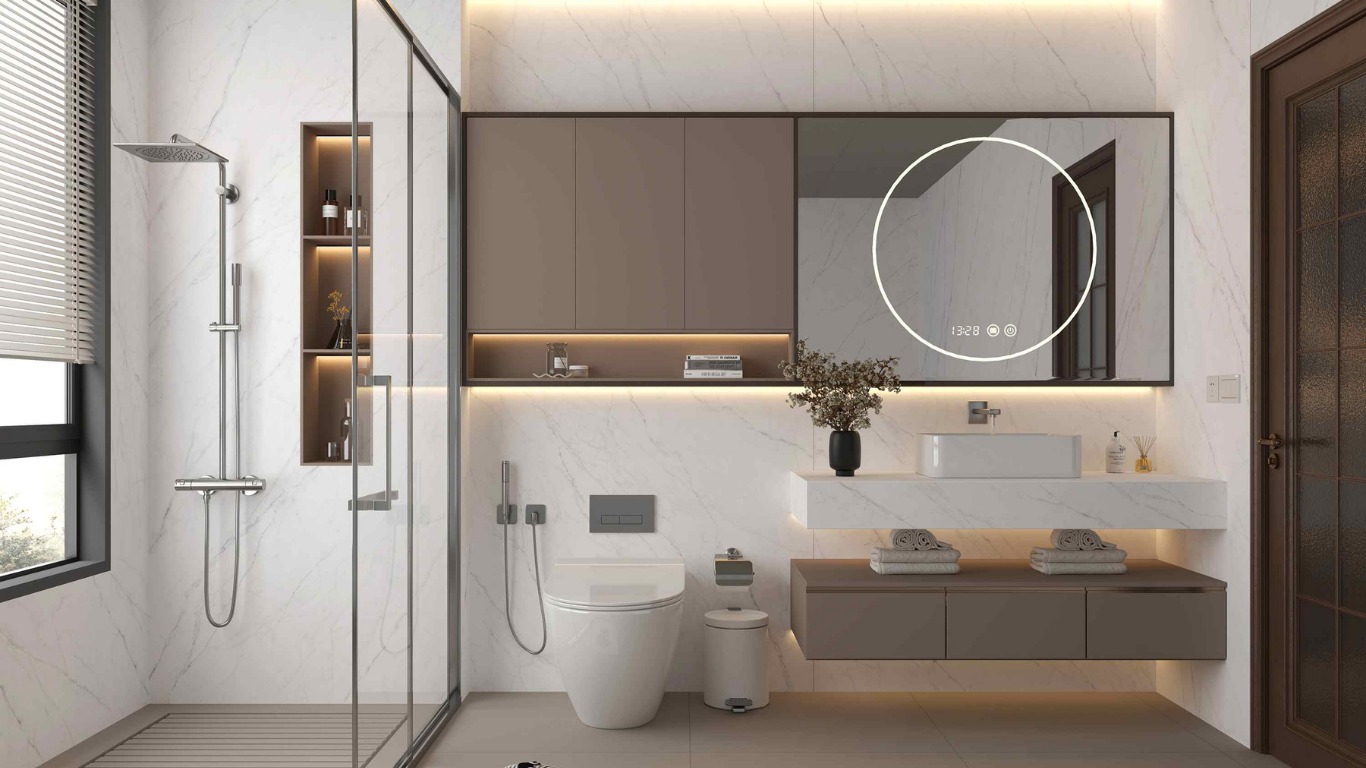
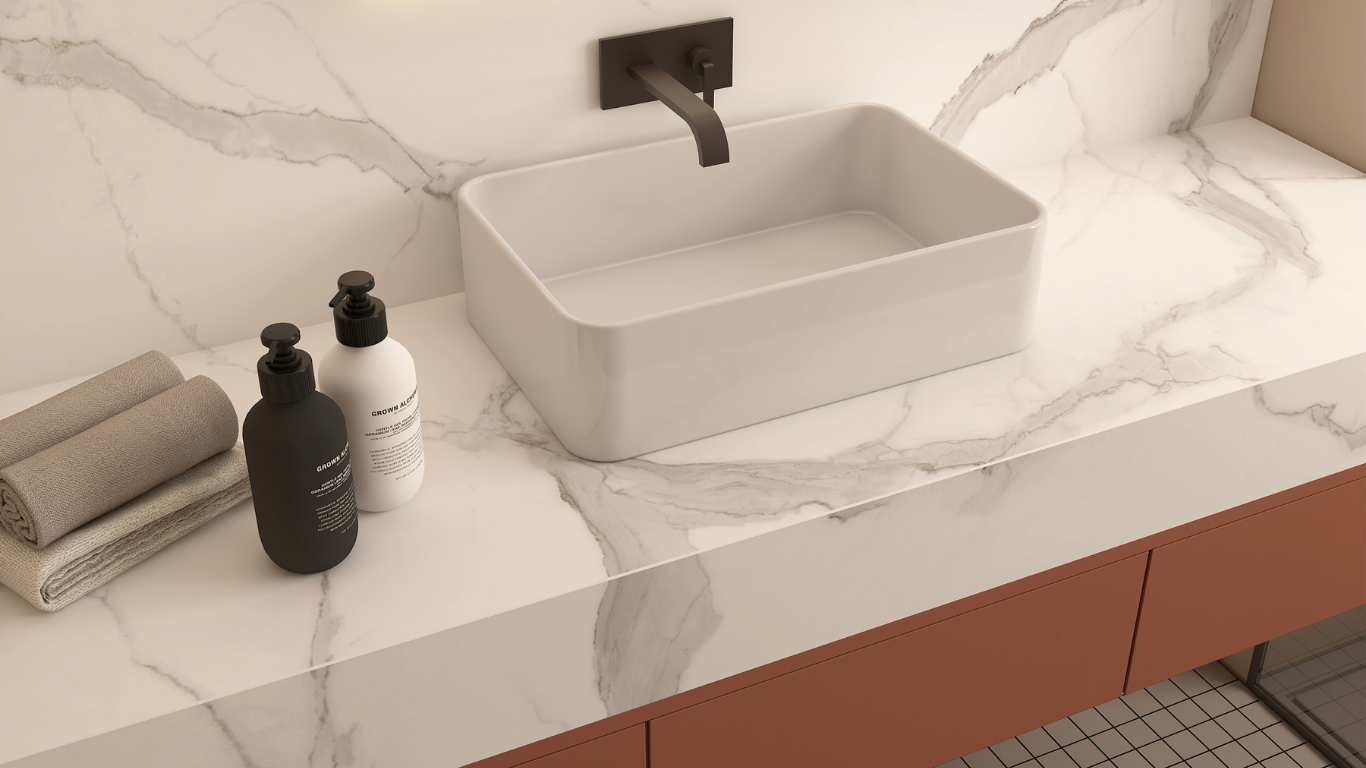
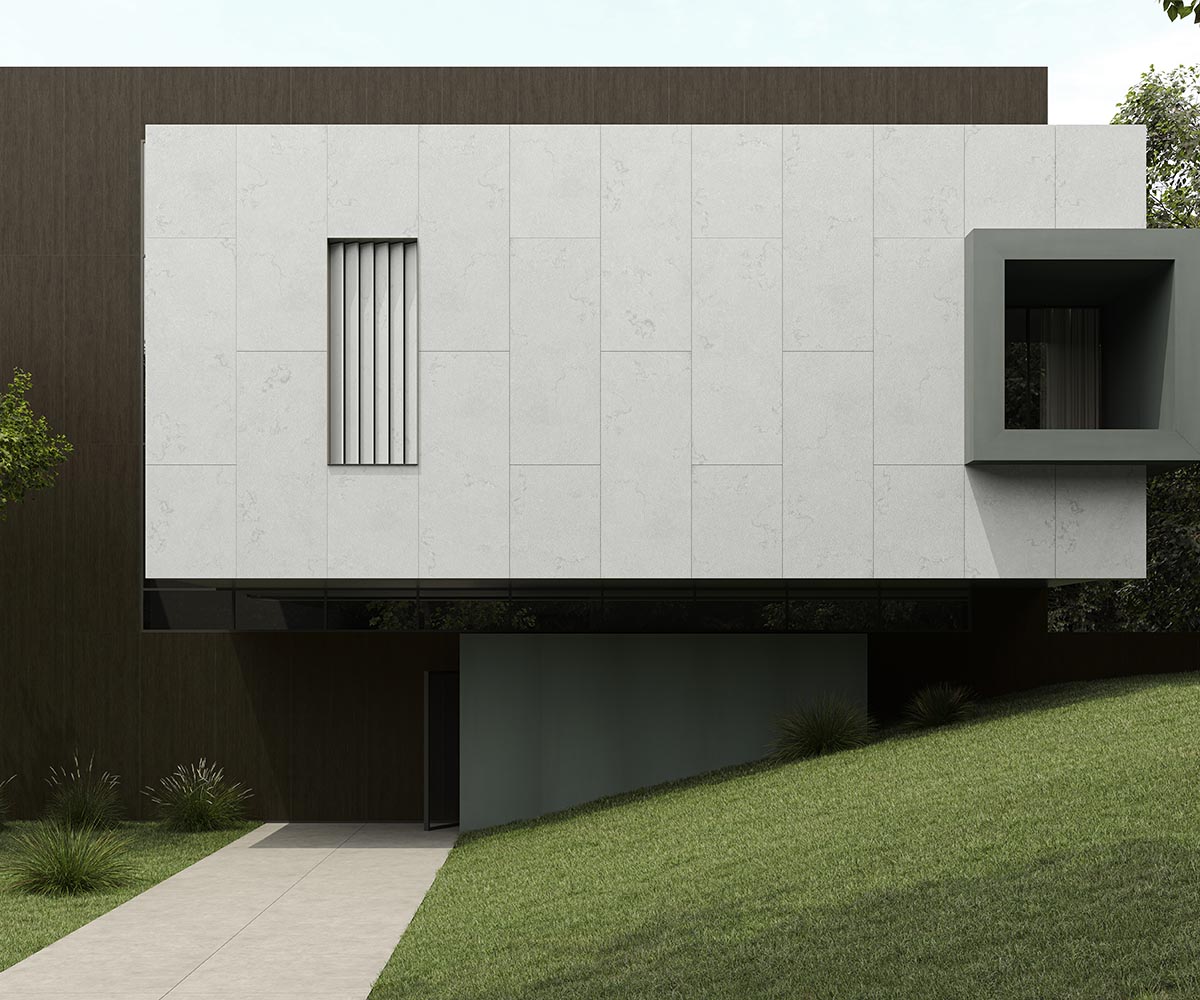
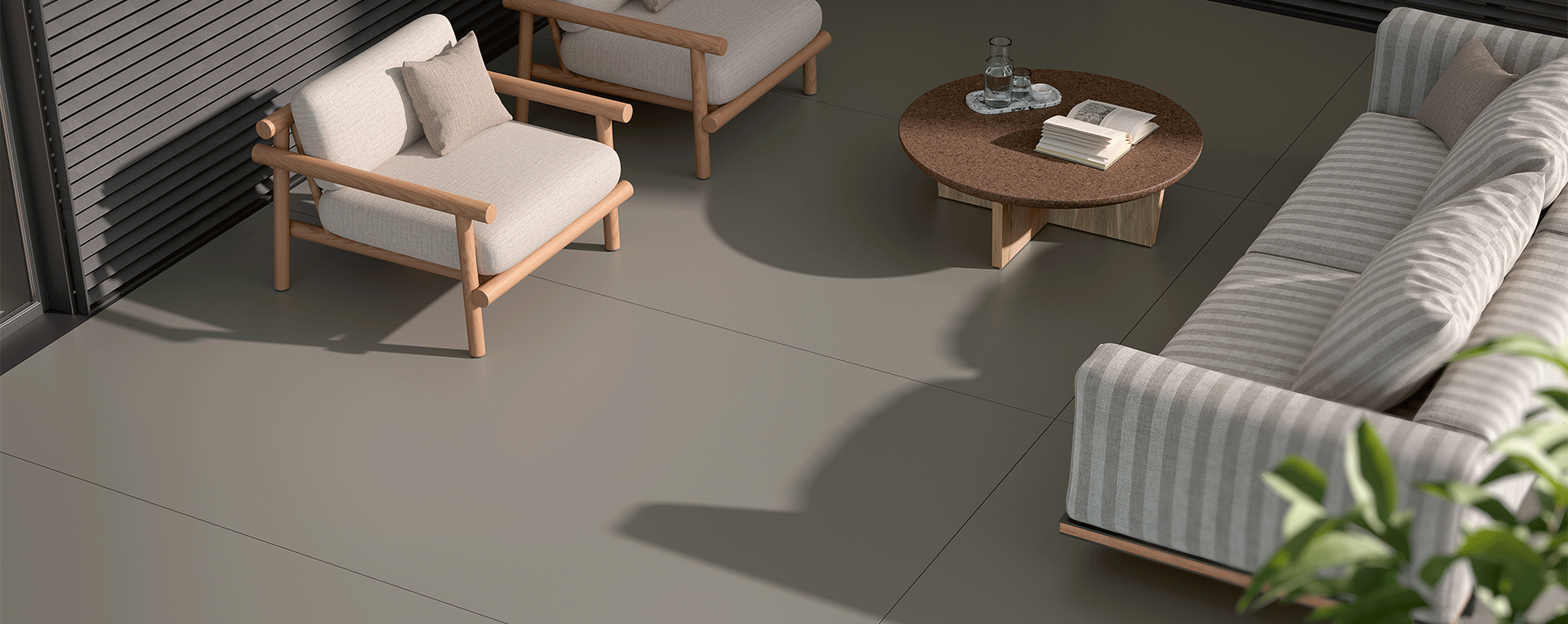
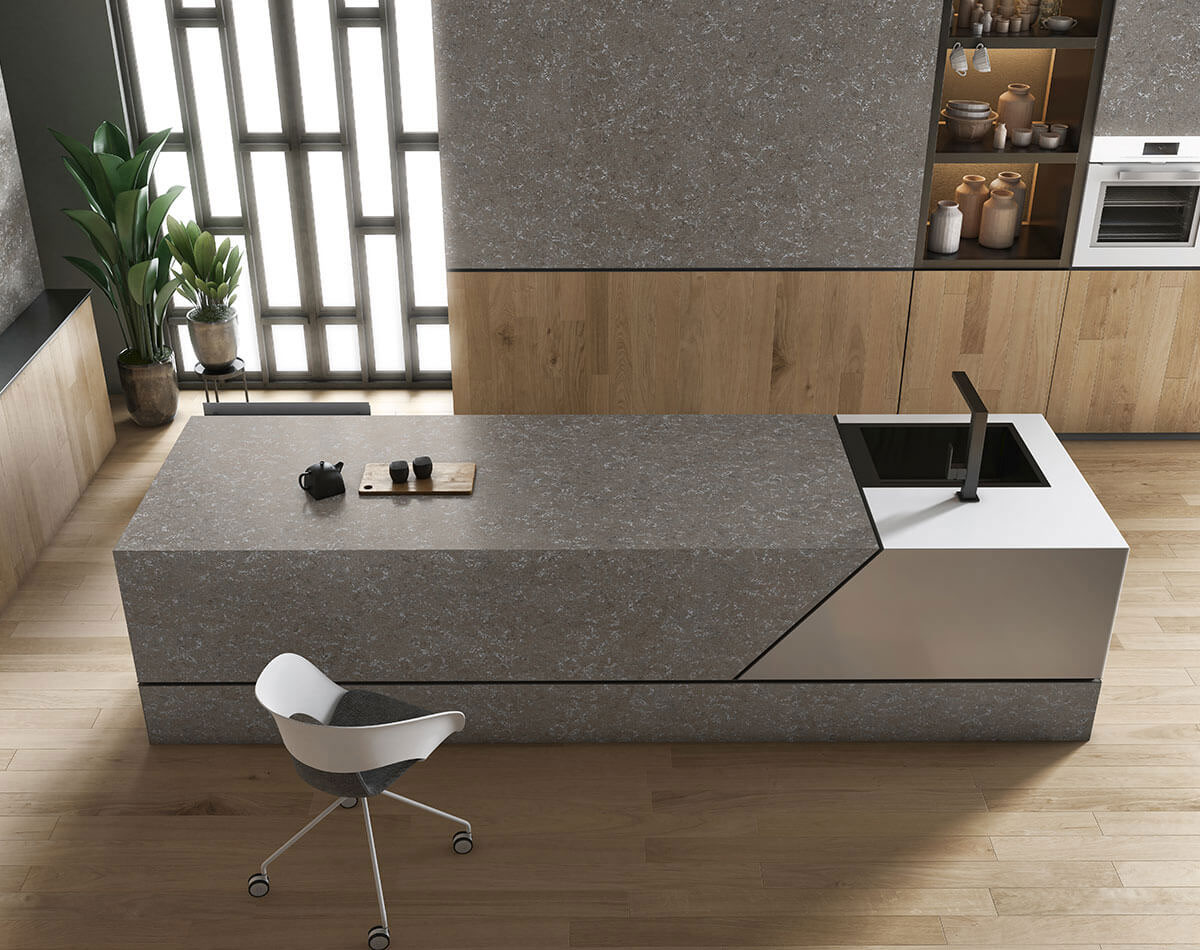
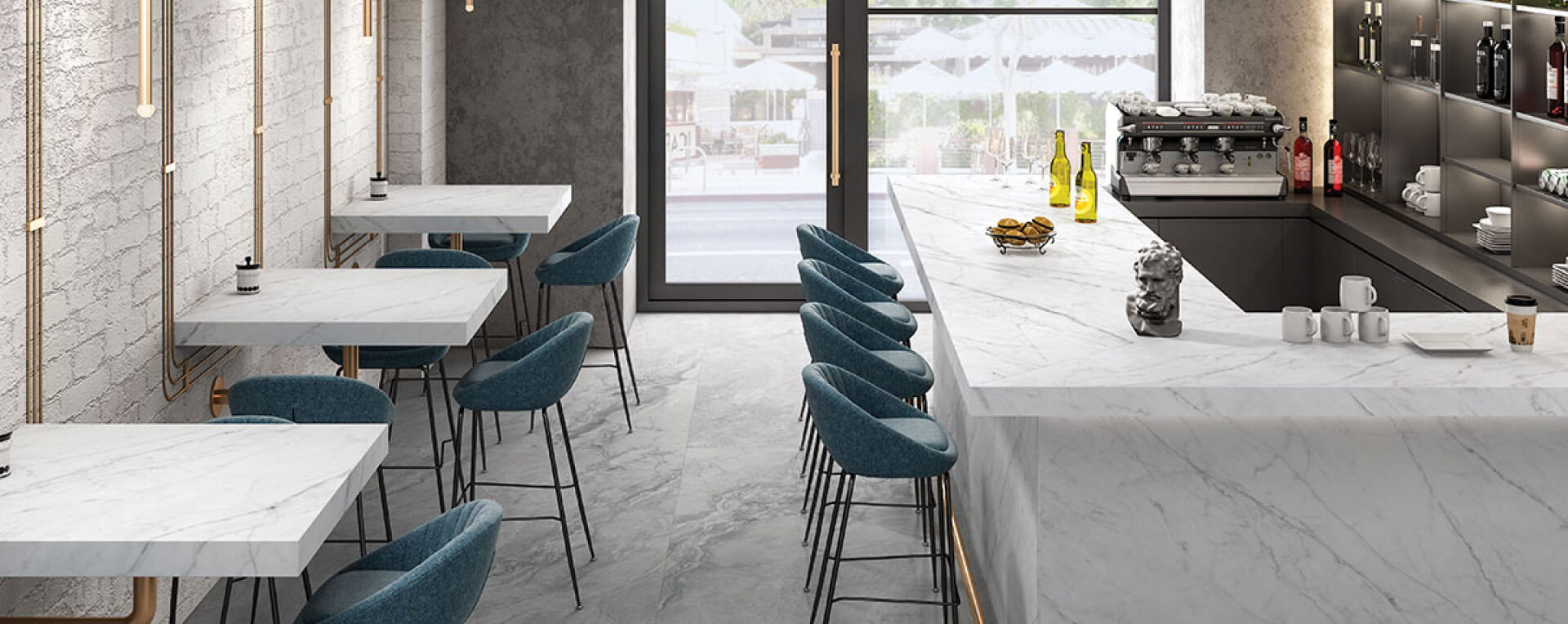
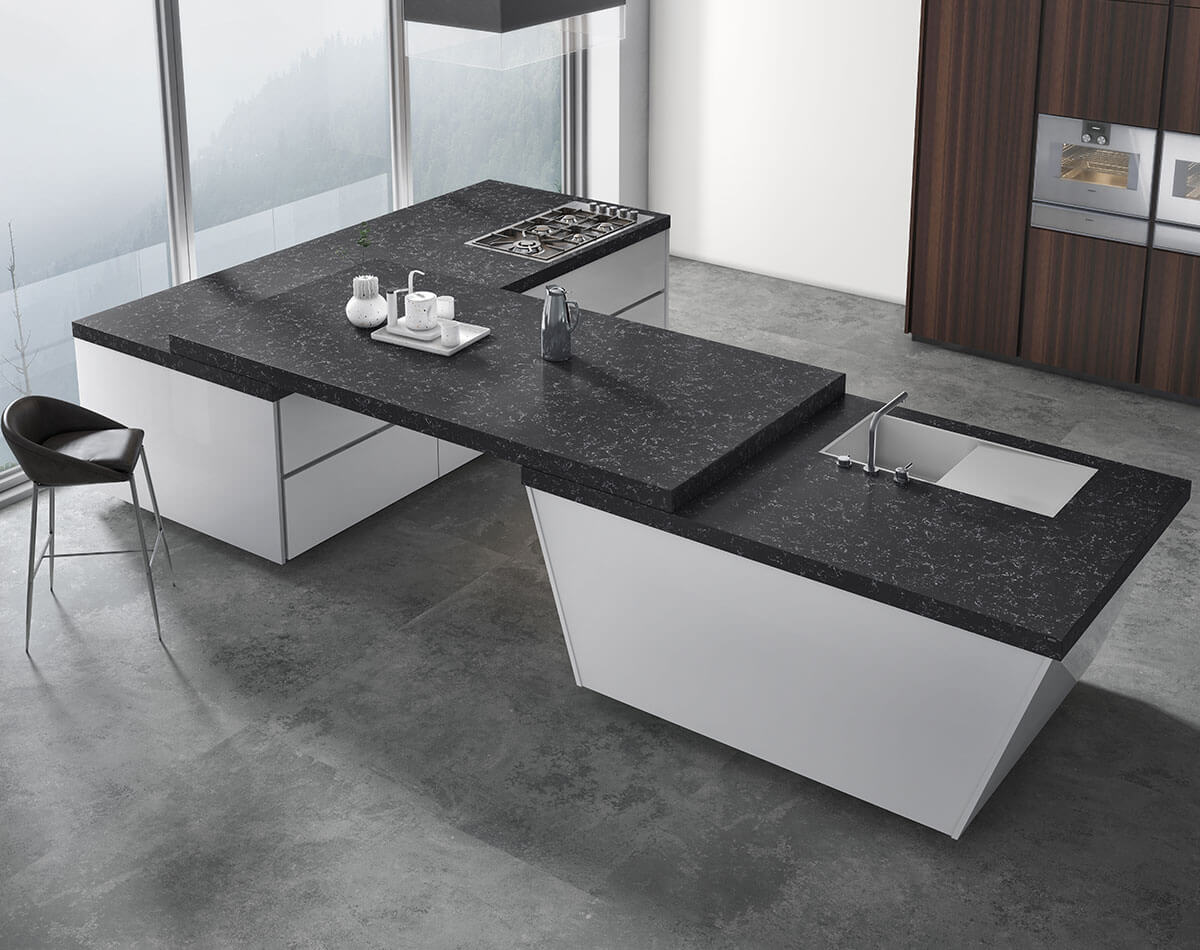
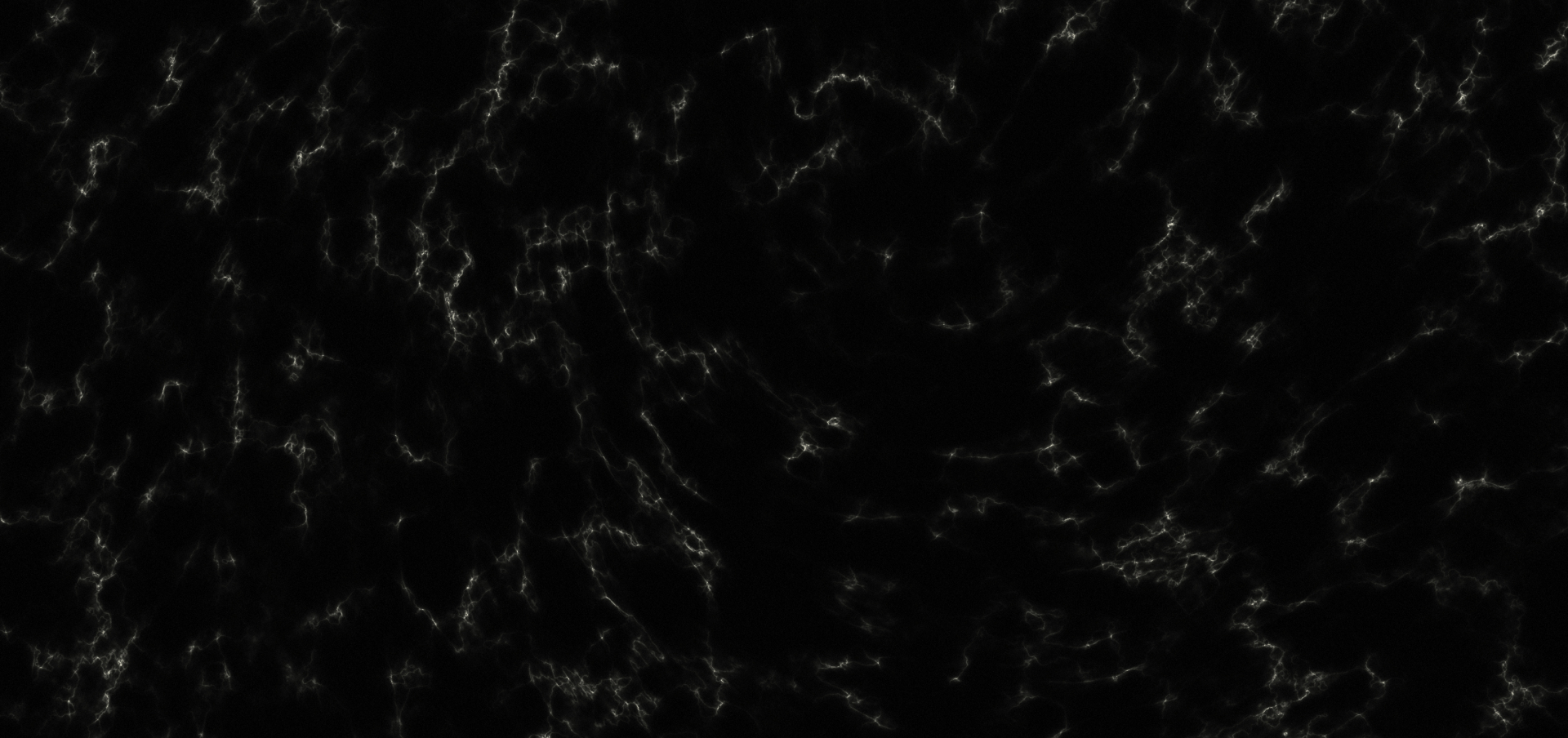
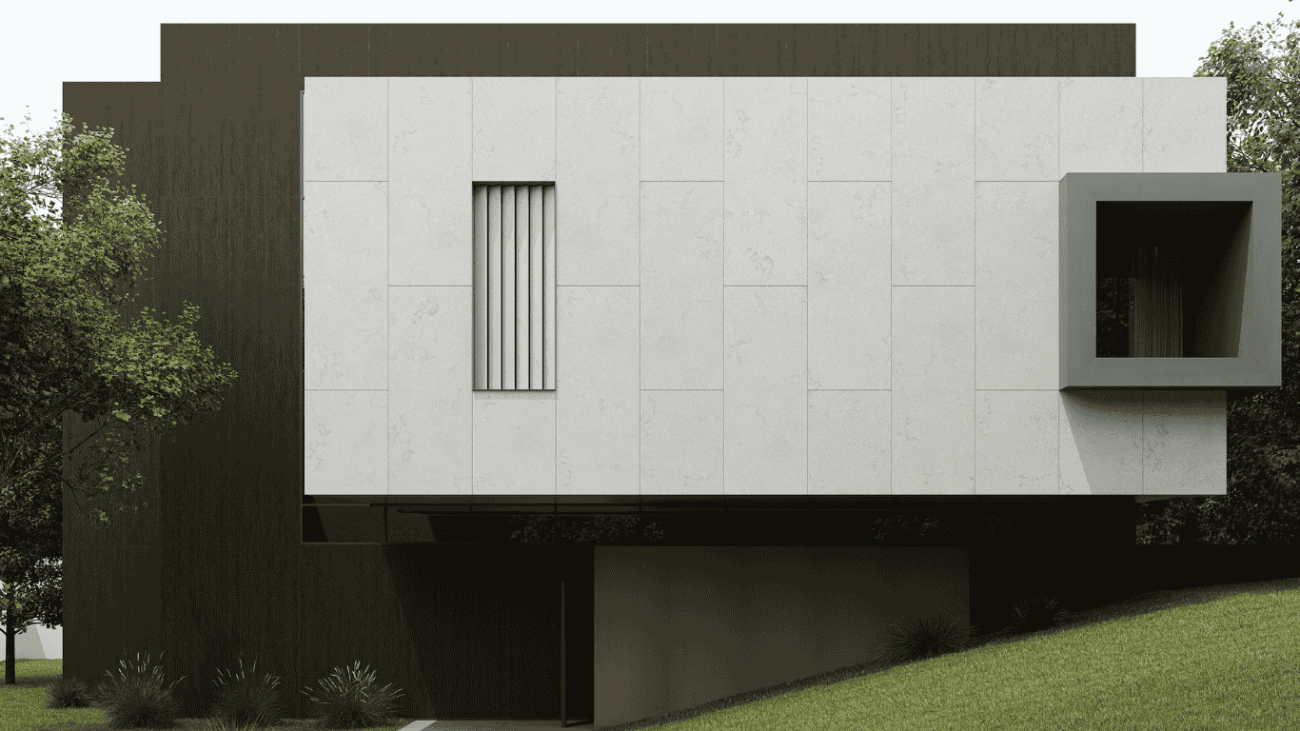
Sintered stone cladding is a modern engineered surface crafted by compressing natural minerals under intense heat and pressure, resulting in a dense, non-porous slab available in large formats. It replicates the look of natural stone, wood, and marble with far greater consistency across every slab. Our range reflects this versatility, offering stone, wood, concrete, and marble-look slabs suited to feature walls and facades. Installation is faster than brickwork since large slabs cover more area per fixing cycle, and the compact structure naturally resists staining, scratching, and everyday wear, making it a refined, low-maintenance choice for modern architecture.
Brick Cladding vs Sintered Stone: Feature-by-Feature Comparison
Beyond appearances, the real differences between facade cladding materials—for sintered stone and brick cladding—emerge when you compare them across the factors that matter most for residential facade material.
- Durability and strength – Brick is a time-tested material, but its porous structure makes it more susceptible to surface wear, efflorescence, and moisture absorption over the years. Sintered stone’s dense, compact composition makes it naturally resistant to stains, scratches, and everyday surface wear, holding its finish with far less visible aging.
- Installation process – Brick cladding is applied piece by piece, requiring skilled masonry work and longer installation timelines. Sintered stone comes in large-format slabs, allowing faster coverage with fewer joints, which means a cleaner, more seamless facade appearance.
- Maintenance – Brick’s porous structure requires periodic sealing and cleaning to manage algae, staining, and moisture. Sintered stone’s non-porous surface is easier to clean and doesn’t require the same ongoing sealing routines.
- Design Flexibility – Brick offers a fixed, earthy visual language. Sintered stone, including our stone, wood, concrete, and marble-look slabs, opens up a wide design vocabulary.
- Natural variation is part of brick’s charm but can create unevenness across large facades. Sintered stone’s manufactured process ensures a uniform pattern and colour across every slab.
Also Read: 15 Brick Wall Design Ideas for Interior and Exterior Spaces
Performance in Different Climates
Climate resilience is a key consideration for any cladding material. Brick, being porous, can absorb moisture during humid or monsoon seasons, which over time may lead to algae growth, efflorescence, or gradual surface degradation, particularly in high-rainfall or coastal regions. It also tends to retain heat, which can influence indoor comfort in hot climates.
Sintered stone’s non-porous, dense structures make it inherently more resistant to moisture absorption, making it a dependable choice across varying weather conditions, from dry, sun-sensitive regions to humid coastal belts. Its surface stability also means it’s less prone to the gradual discolouration or staining that porous materials can develop when repeatedly exposed to pollution, rain, or temperature fluctuations, helping facades retain their finish for longer.
Design & Aesthetic Appeal
Brick cladding carries an unmistakable warmth, its earthy tones and handcrafted texture suit traditional, rustic, or heritage-inspired homes beautifully. However, its aesthetic range is relatively fixed.
Sintered stone opens up a considerably wider design canvas. With our stone, wood, marble, and concrete-look slabs, architects can move fluidly between raw, elemental textures and warm, grain-rich wood finishes, all in large, consistent formats. This versatility makes it easier to achieve a modern, elevated look across exterior walls for cladding, facades, and elevations, whether the design language leans industrial or minimal.
Cost, Maintenance & Long-Term Value
Brick cladding often involves higher labour costs due to intensive, skilled installation, along with recurring maintenance for cleaning and sealing. Sintered stone, while a considered upfront investment, offers faster installation and easier upkeep due to its stain-resistant, non-porous surface. Over the long term, this leads to fewer maintenance interventions and a facade that retains its finish with comparatively less effort, an important factor for homeowners prioritising long-term value.
Which Cladding Material Should You Choose?
The right choice ultimately depends on the character you want your home to express. If one wants a traditional, textured, old-world aesthetic with the upkeep, brick cladding remains a timeless option. However, if your priority is a refined, modern finish with faster installation, greater design versatility, and easier maintenance, including the options to explore stone, wood, marble, and concrete-look sintered stone or engineered slabs is the future-ready choice. For most modern homes seeking a clean, elevated facade with long-term ease, sintered stone offers a compelling advantage.
Also Read: 20 Stunning Stone Wall Design Ideas for a Beautiful Home
Why Choose Neotra Stones for Cladding Solutions?
Neotra brings precision-engineered surfaces to modern cladding design, available in versatile marble, wood, stone, and concrete looks suited to elevations, facades, and feature walls. Manufactured in multiple thicknesses, our surfaces offer consistent colour across large-format applications, giving homeowners and architects the flexibility to design cohesive, modern exteriors. Whether the vision calls for the raw elegance of stone or the natural warmth of wood, our engineered surfaces deliver a refined, dependable material choice, built for the demands of modern architecture and designed to elevate every facade it’s part of.