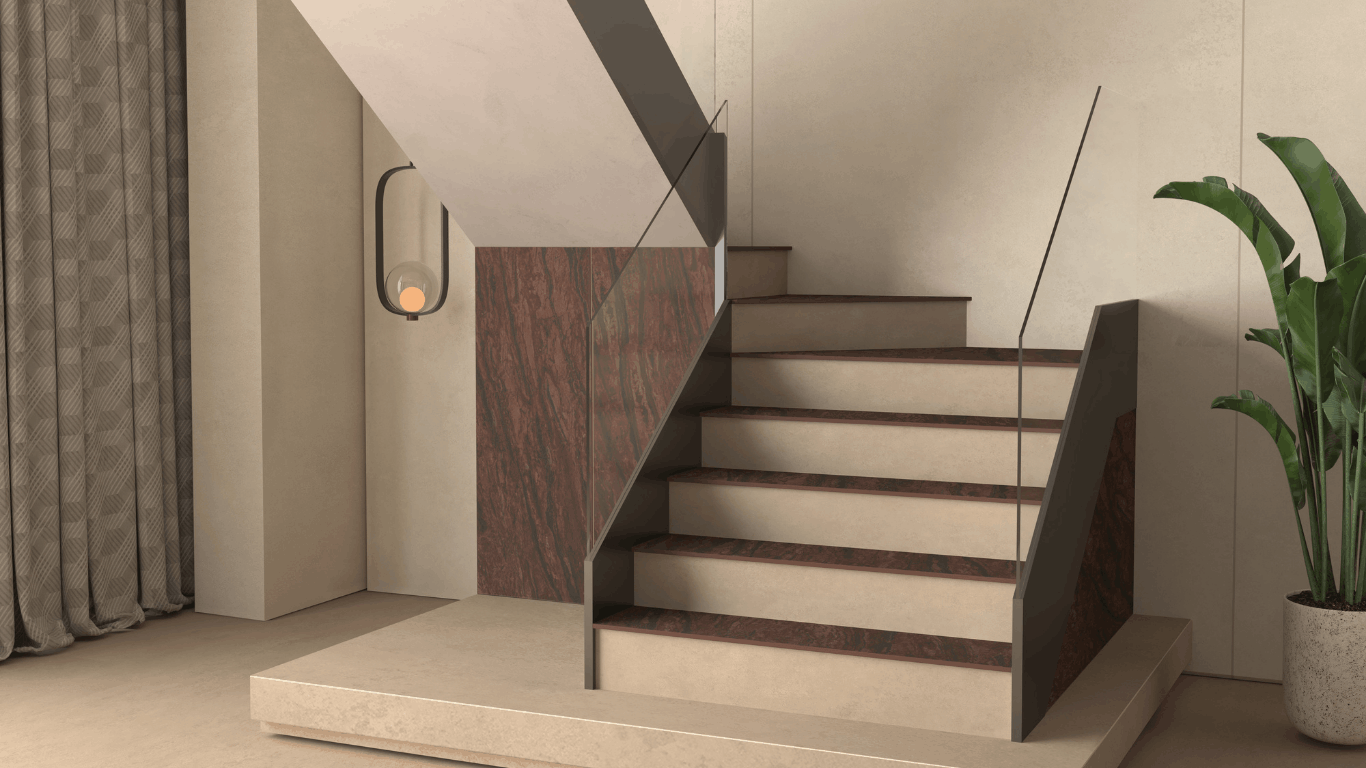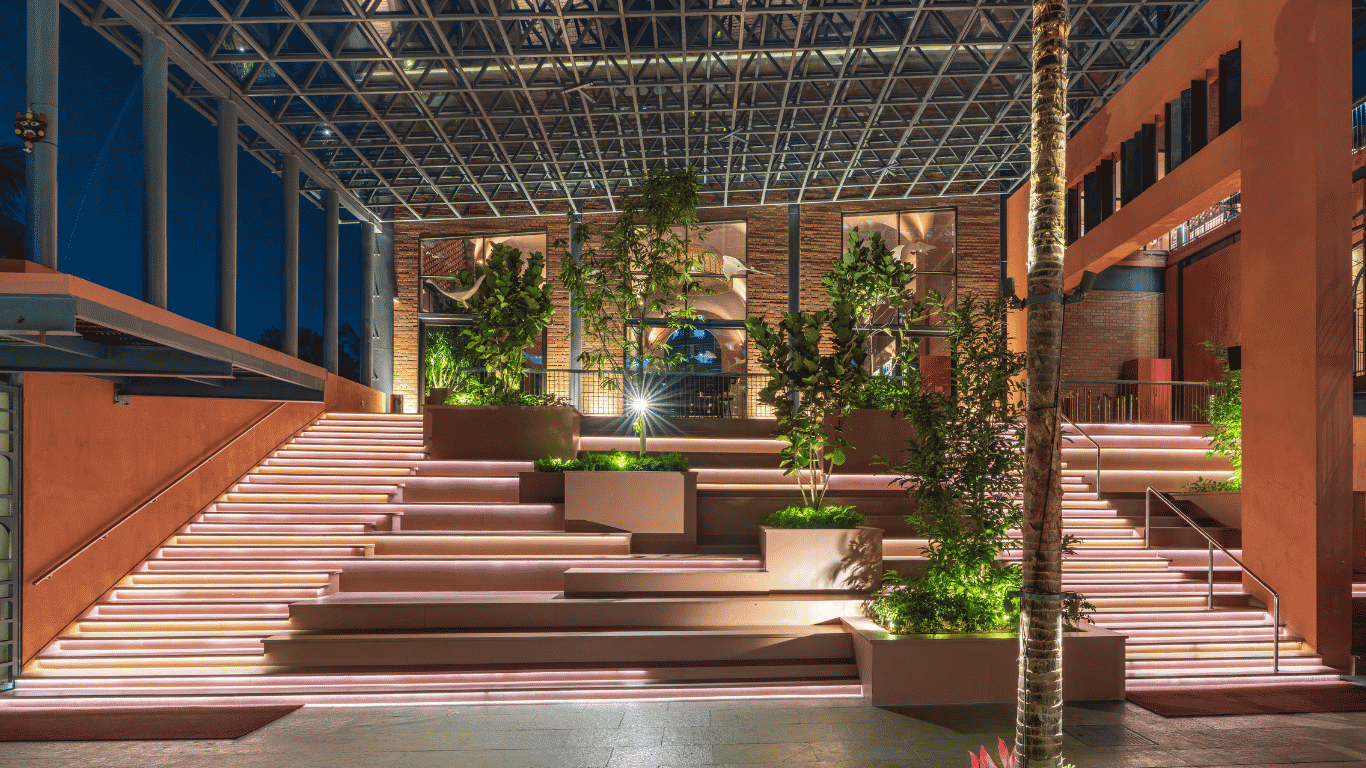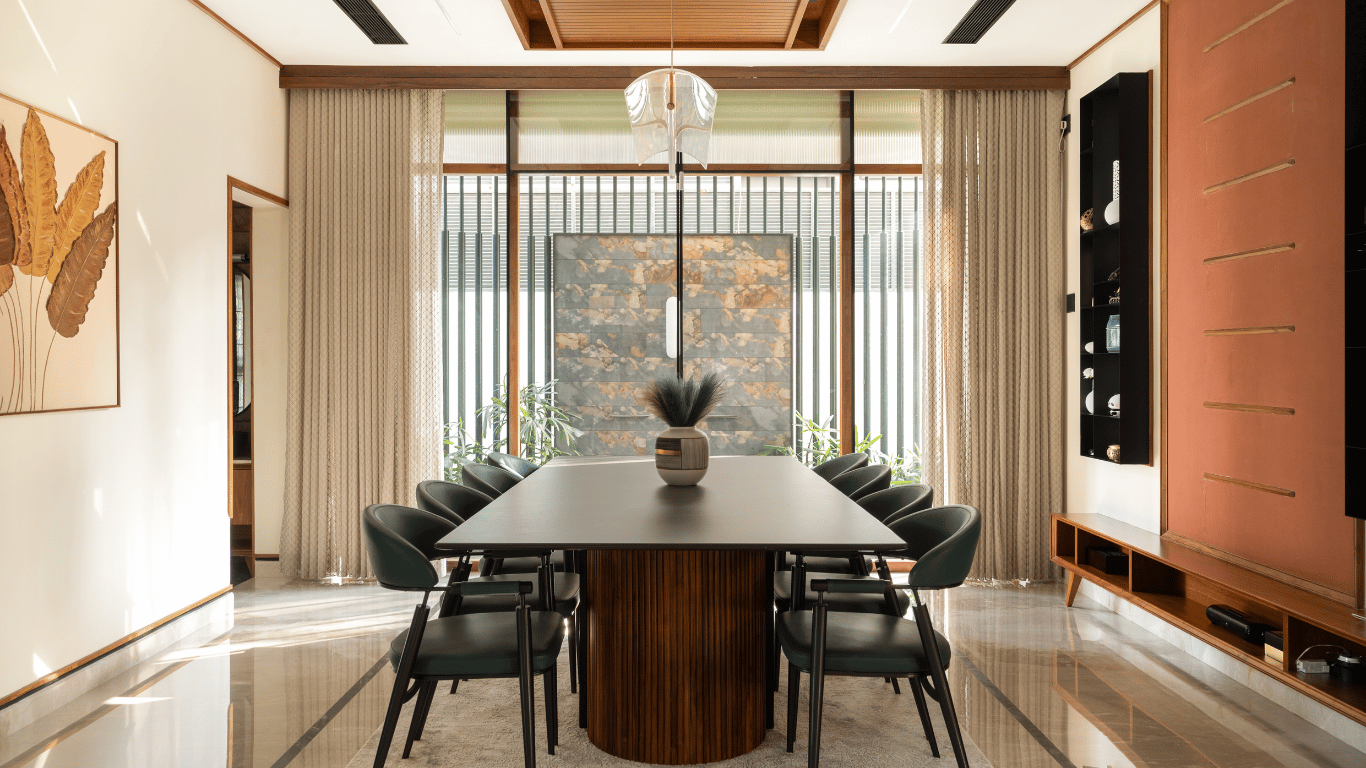

What Is Sintered Stone?
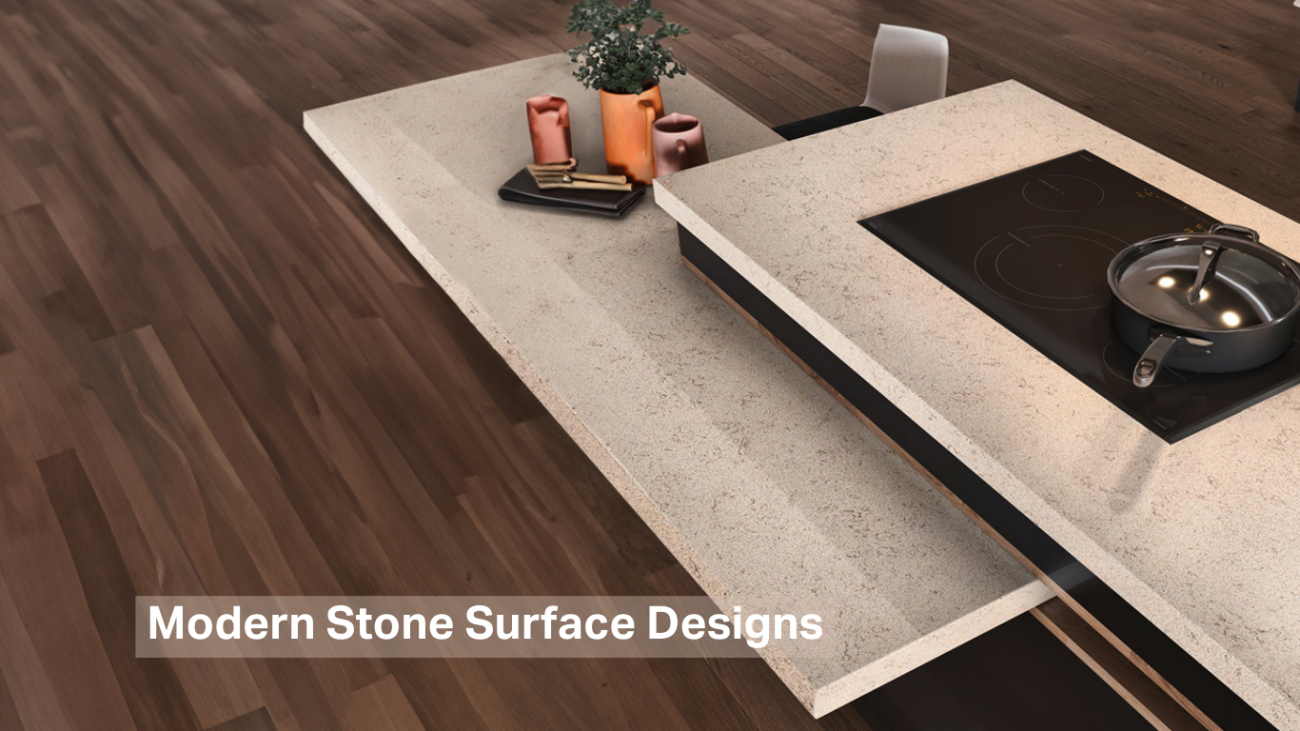
Sintered stone is an engineered surface created by compressing natural minerals under intense heat at 1200℃ and extreme pressure. This process is called sintering, which mimics the natural formation of stone but compresses millions of years of geological compression into a matter of hours. The result is a dense, non-porous slab with exceptional strength, long-term durability, colour consistency, engineered for bathrooms, flooring, furniture applications, kitchens, and facades across residential and commercial spaces, without the inconsistencies found in naturally quarried stone.
How Is Sintered Stone Different from Quartz and Natural Stone?
- Sintered Stone vs Natural Stone
Natural stone varies in veining, strength from slab to slab, and porosity, requiring sealing and careful maintenance to prevent staining. Sintered stone eliminates this unpredictability. Each slab offers a consistent pattern and colour, with virtually zero porosity. It resists heat, stains, and scratches far better than granite or marble, making it a dependable choice where natural stone would demand constant upkeep and cautious handling.
- Sintered Stone vs Quartz
Quartz surfaces are engineered using resin binders, which make them vulnerable to UV exposure, heat, and discolouration over time. Sintered stone contains no resin, formed purely through pressure and heat, giving it superior UV stability, heat resistance, and structural integrity. This makes sintered stone suitable for both indoor and outdoor applications, whereas quartz is generally restricted to indoor use only.
Also Read: Quartz vs Granite: Which Countertop Material Is Better?
- Sintered Stone vs Porcelain
Sintered stone and porcelain slabs share a similar manufacturing philosophy, but sintered stone typically uses a richer mineral composition and higher pressure while manufacturing, resulting in greater mechanical strength and density. Sintered stone slabs are also available in large formats and varied thicknesses, offering more flexibility for cladding, furniture, and countertops while maintaining the same non-porous, hygienic surface porcelain is known for.
Also Read: Neotra vs Marble: Which Is More Stylish and Practical?
Key Benefits of Sintered Stone Slabs
Extreme Heat Resistance
Sintered stone withstands direct contact with hot cookware without scorching, discolouring, or cracking. This makes it ideal for kitchens exposed to constant heat. Unlike quartz, it maintains its visual and structural integrity reliably over time.
UV Stability for Indoor and Outdoor Use
With no resin content, sintered stone does not yellow, degrade or fade under prolonged sunlight. This UV stability suits outdoor kitchens, patios, facades, and poolside surfaces, letting colours stay true across outdoor and indoor spaces.
Scratch and Impact Resistance
With hardness comparable to natural granite, sintered stone resists scratches from keys, daily wear, and knives far better than laminate or marble. Its dense composition also resists impact, reducing chipping in high-traffic areas like flooring and islands.
Non-Porous and Hygienic
Near-zero water absorption keeps mould, stains, and bacteria from penetrating sintered stone, making it ideal for bathroom vanity tops, kitchens, and hospitality spaces. Spills from oil, wine, or acidic substances wipe away easily, and unlike natural stone, the surface needs less sealing.
Large-Format Availability
Sintered stone slabs come in large formats, often exceeding standard sizes seen in quartz or natural stone. This lets designers create expansive exterior facade panels, floors, and islands with minimal joints for a cleaner finish with fewer grout lines.
Thin and Lightweight Profile
Available in profiles as slim as 5.5mm, sintered stone is considerably lighter than traditional stone without losing strength. This lightweight and thin build simplifies transport and installation while enabling applications like furniture tops, door panels, and wall cladding.
Where Is Sintered Stone Used?
Sintered stone can be use in multiple places, including –
- Kitchen Countertops and Islands
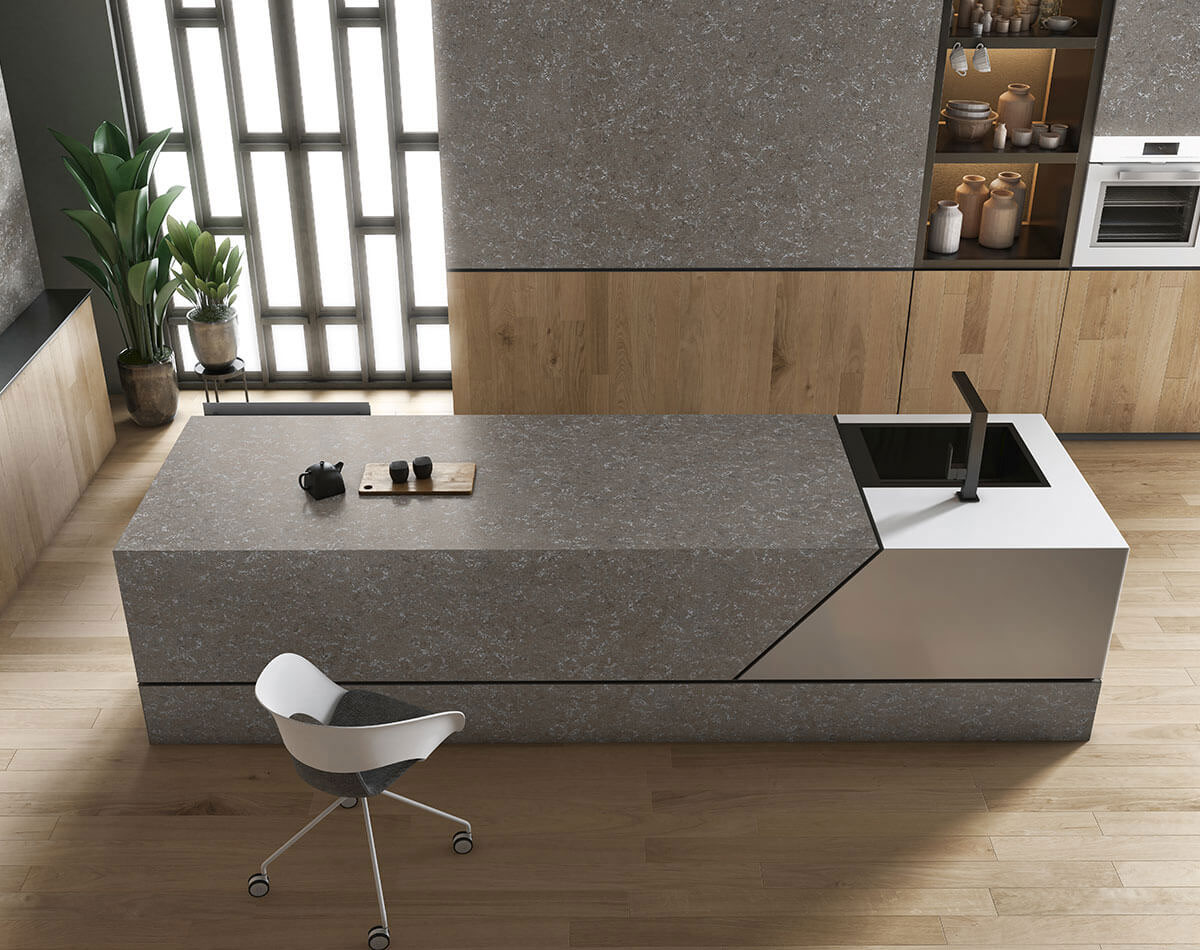
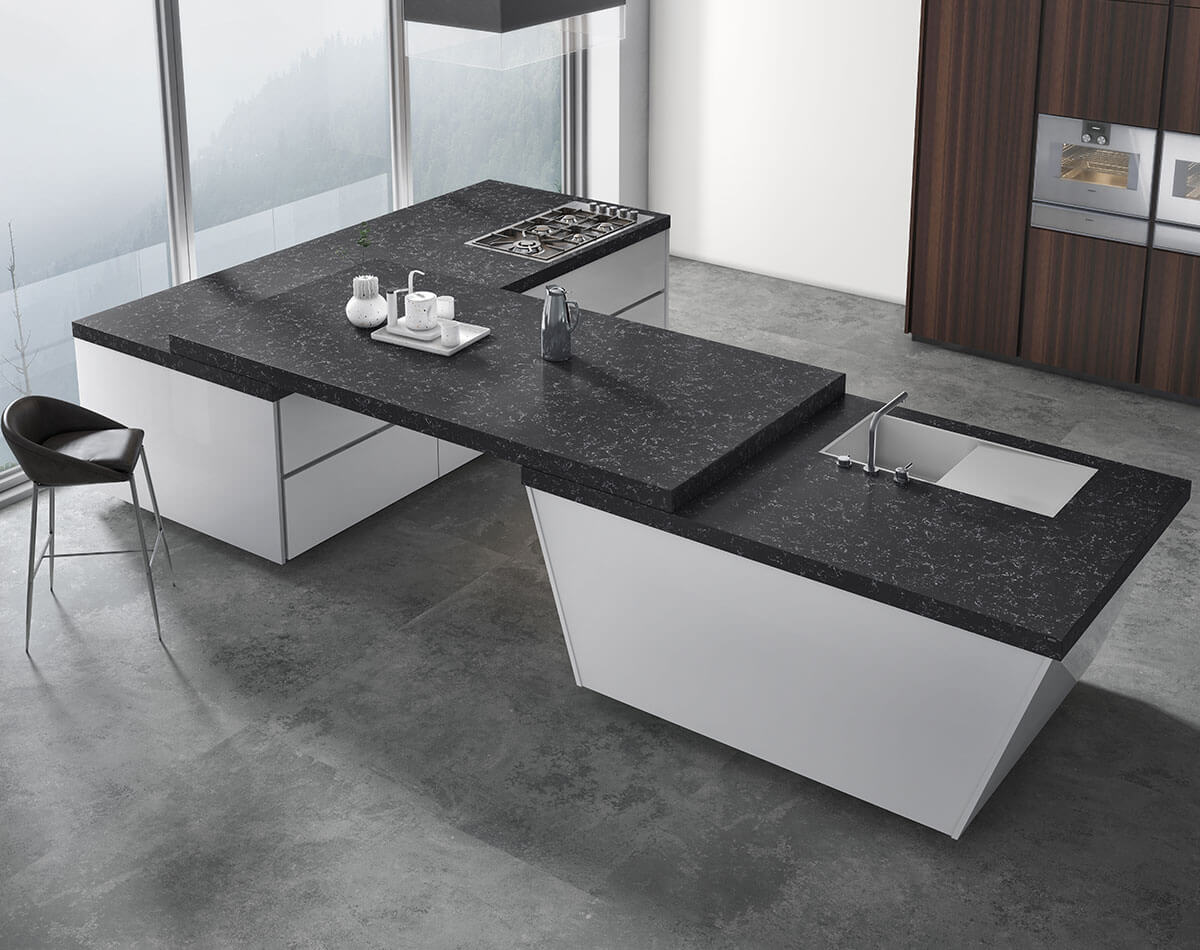
Islands and kitchen countertops bring stain and heat resistance with a seamless finish to kitchens. Large-format slabs allow expansive islands with minimal joints, creating a clean, functional centrepiece suited to both compact and spacious kitchen layouts.
- Bathroom Vanity Tops and Shower Walls
Offers water resistance and easy upkeep, standing up well to daily moisture. The non-porous surface prevents mould buildup, while its refined finish elevates backsplashes, vanities, and shower enclosures across hospitality and residential bathrooms.
- Exterior Facade Cladding
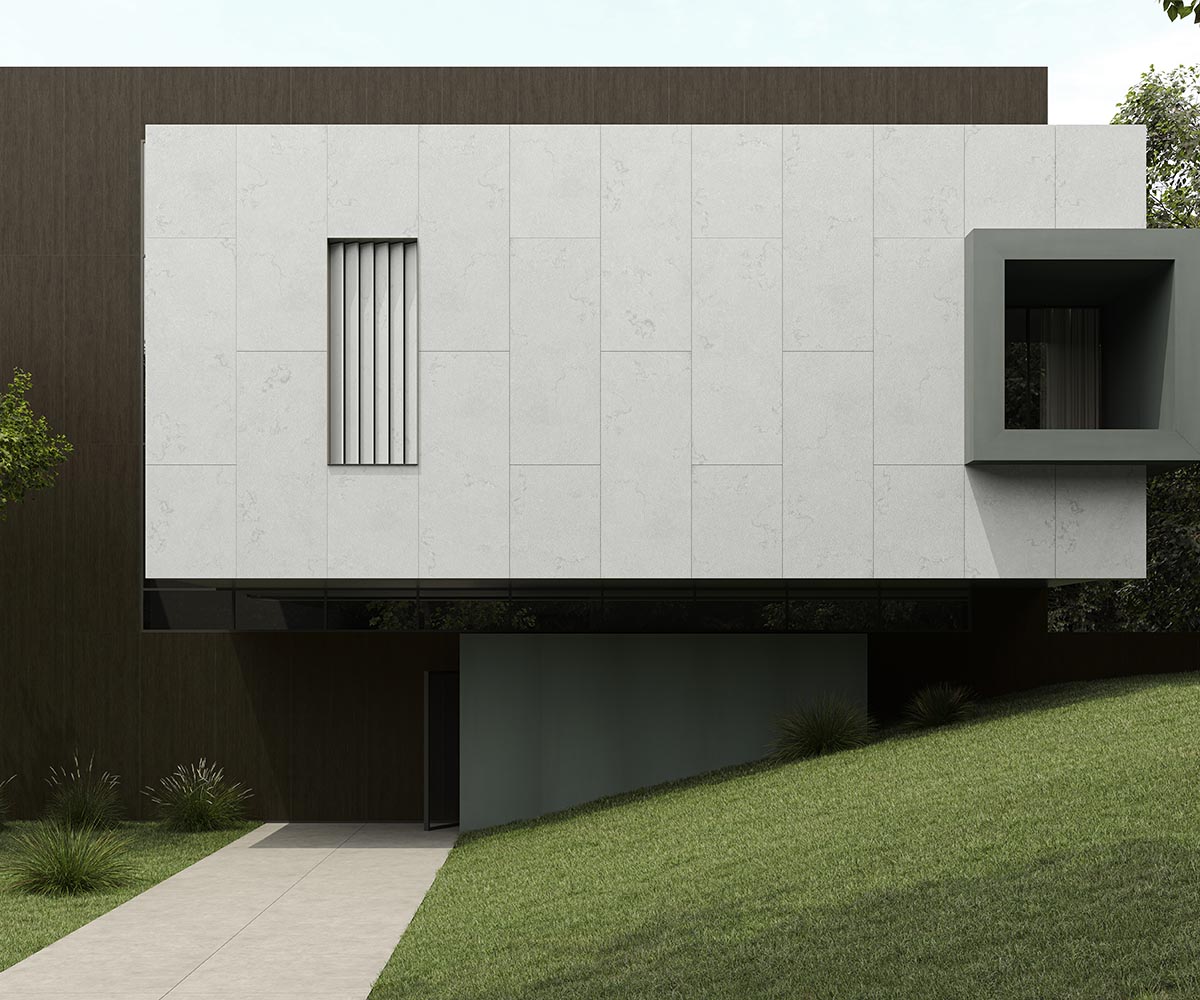
Benefits from sintered stone’s UV stability and weather resistance, keeping colours consistent through sun and rain. The lightweight profile reduces structural load, while large-format slabs minimise visible joints, giving architects freedom to design low-maintenance building walls.
Also Read: Top 5 Durable Exterior Wall Cladding Ideas
- Flooring – Indoor and Outdoor
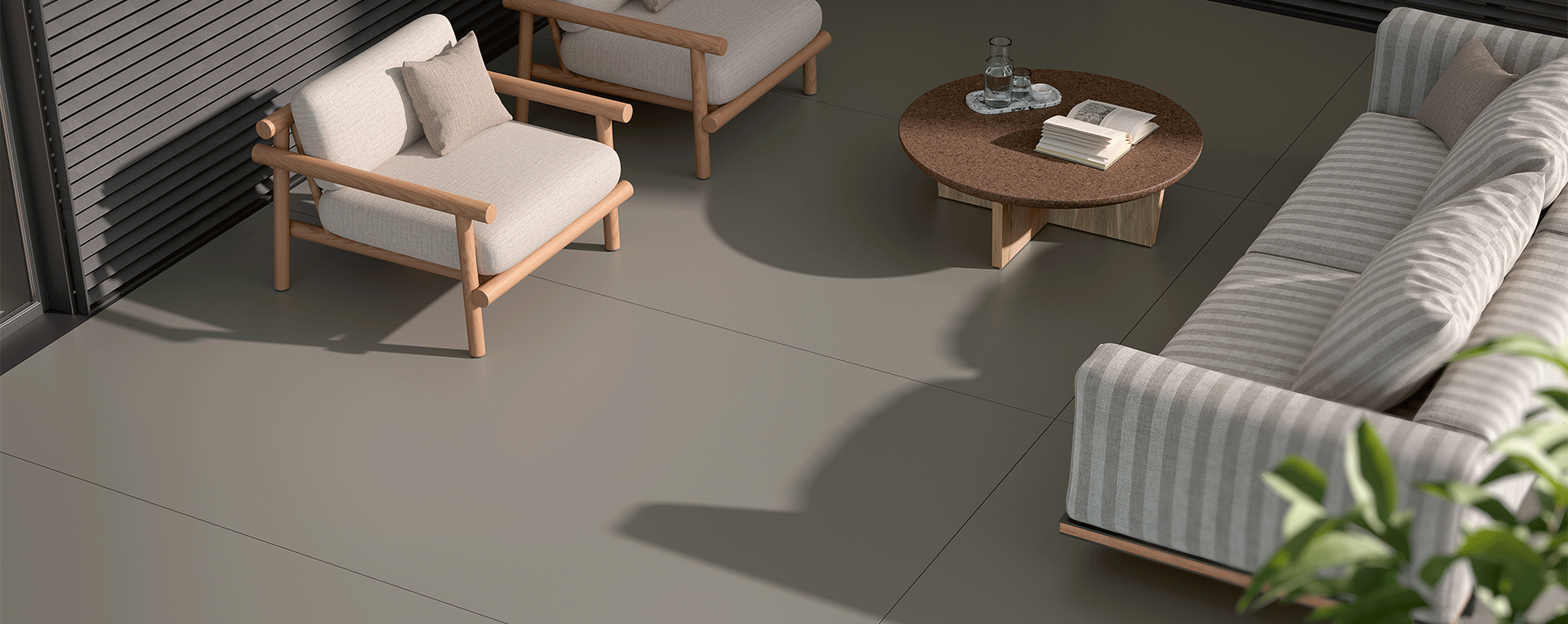
Sintered stone flooring suits indoor and outdoor spaces, offering impact and scratch resistance for high-traffic zones. Slip-resistant textured finishes work well for poolside areas and outdoor patios, while polished variants suit indoors.
- Furniture and Table Tops
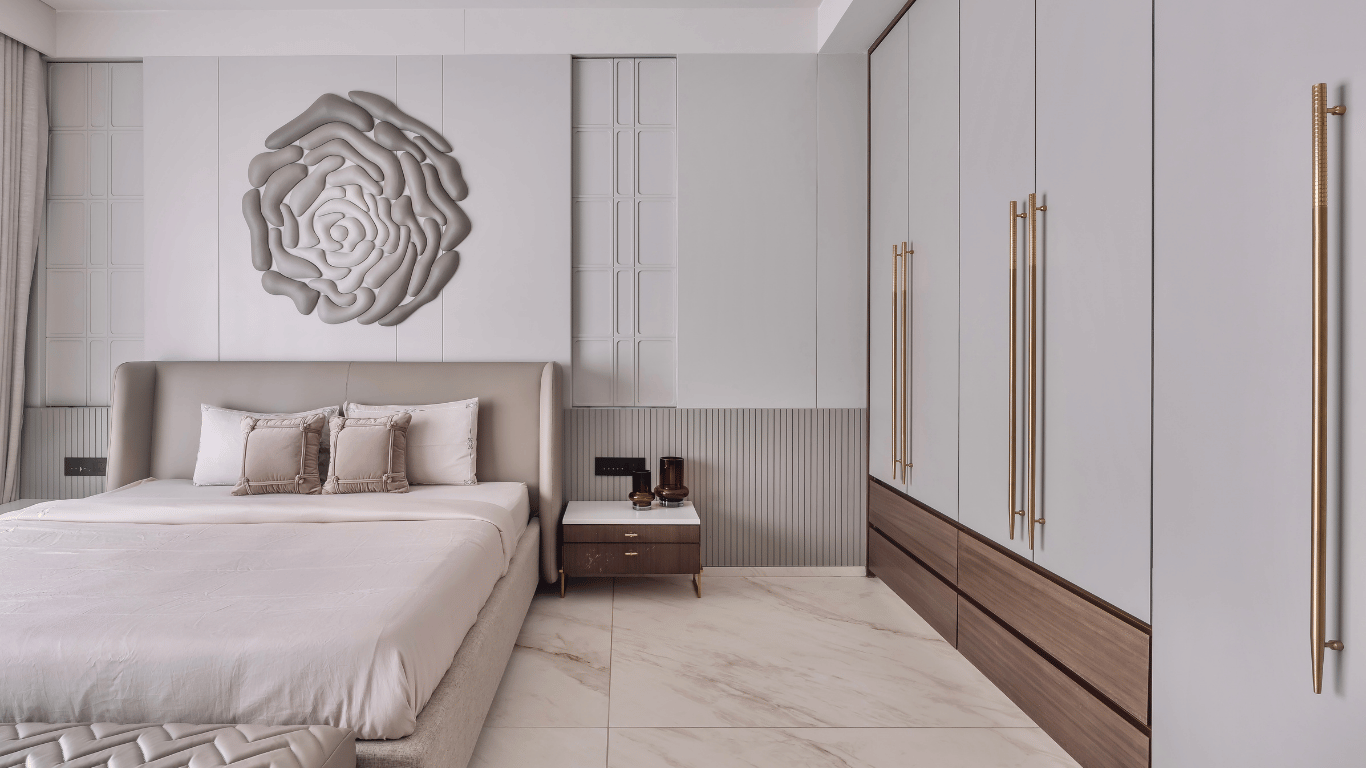
Sintered stone furniture combines durability with design versatility. Thin, lightweight slabs make coffee tables and dining easier to fabricate and install, while stain and heat resistance keep these functional and visually consistent for years.
- Commercial and Hospitality Surfaces
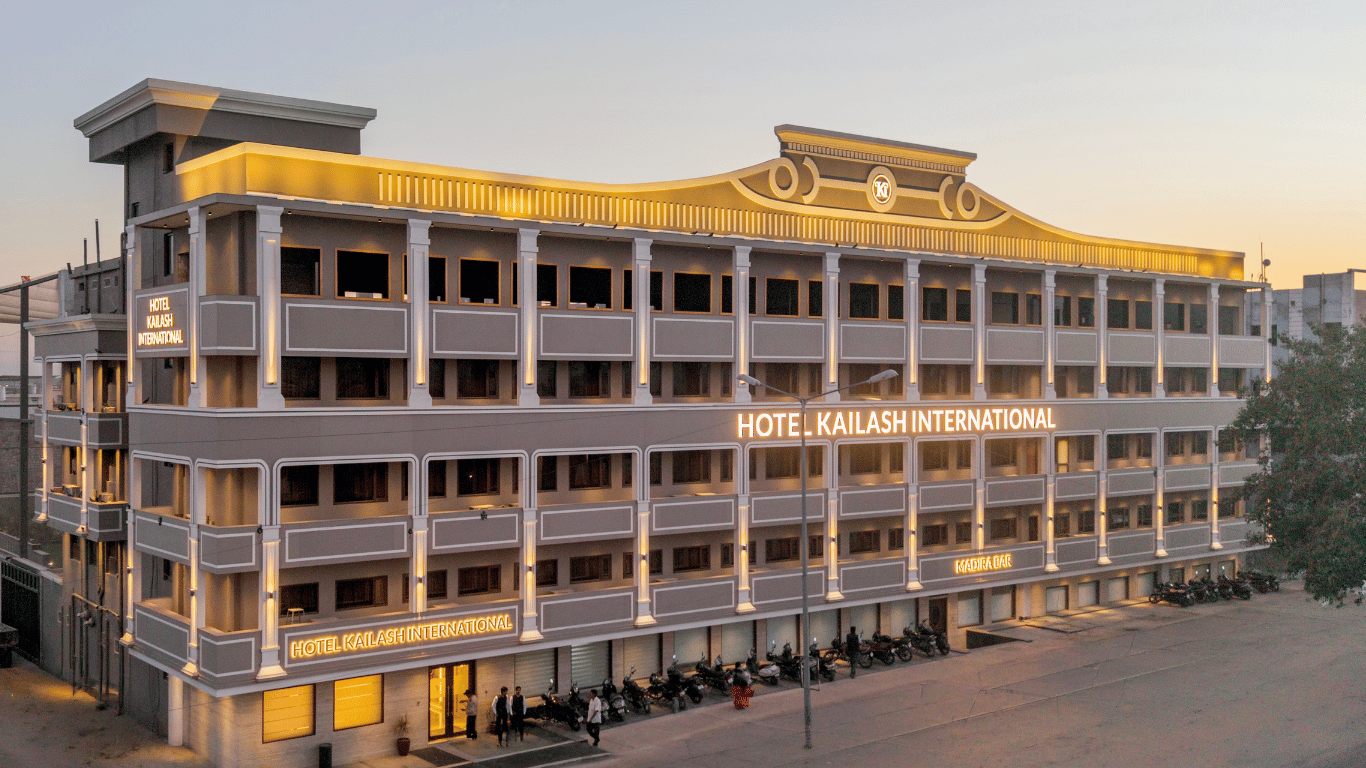
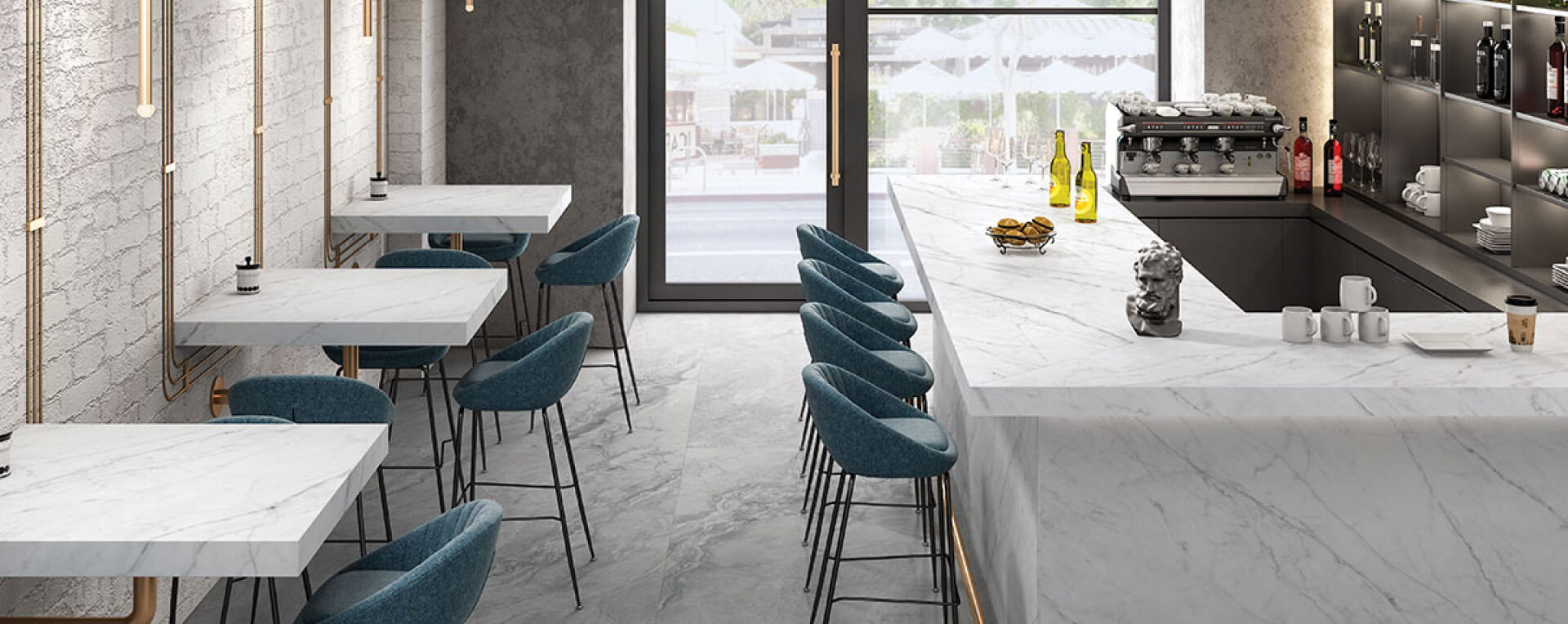
Hotel lobbies, retail counters, and restaurants rely on sintered stone for its durability under heavy footfall. Its non-porous, hygienic surface suits food service counters, while its refined finish supports the premium look.
Sintered Stone Design Ideas Using Neotra Slabs
Calacatta Marble-Look Sintered Stone Kitchen
A marble-look sintered stone kitchen pairs veining with everyday durability. Neotra slabs replicate the depth of marble across countertops and waterfall islands, delivering a refined aesthetic that resists heat, scratching, and staining without marble’s upkeep.
Outdoor Patio in Sintered Stone
An outdoor patio in sintered stone brings UV-stable colour and weather resistance to outdoor living spaces. Neotra slabs are used for counters, flooring, or seating and withstand sun and moisture without fading or warping, extending outdoor surface design language into poolside areas and gardens.
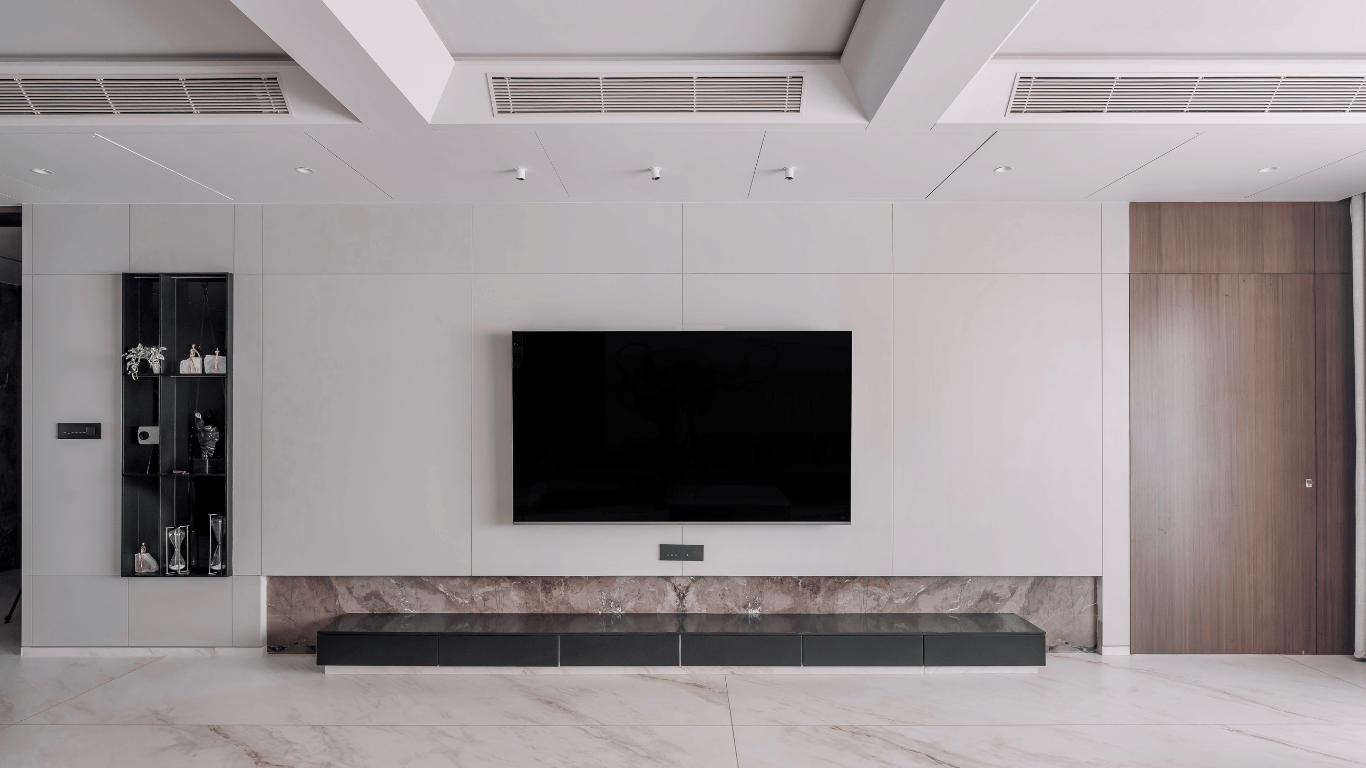
Sintered Stone Feature Wall in the Living Room
A sintered stone feature wall adds depth and texture to a living room without overwhelming it. Our large-format slabs create a seamless look in concrete or marble-inspired designs, forming a striking focal point behind a media unit.
Thin Sintered Stone Furniture Top
Thin sintered stone furniture tops bring a refined, contemporary edge to various tables and cabinetry. Our 5.5mm slabs keep furniture visually light while offering the same scratch, stain, and heat resistance found in thicker applications.
Also Read: Top 7 Cladding Materials for Modern Building Exteriors
Comparative Table: Sintered Stone vs Other Surface Materials
| Property | Sintered Stone | Quartz | Natural stone (Marble/Granite) | Porcelain |
| UV Stability | Excellent, indoor and outdoor | Poor, prone to yellowing outdoors | Good, but colour can fade over time | Excellent |
| Heat Resistance | Excellent | Moderate (resin scorch) | Good, but it can stain around the heat | Excellent |
| Scratch Resistance | Excellent | Good | Moderate, especially marble | Excellent |
| Porosity | Near-zero | Low, due to resin binder | High requires sealing | Near-zero |
| Outdoor suitability | Well suited | Not recommended | Suitable for maintenance | Well suited |
| Thickness and size availability options | Large formats, thin to thick profiles | Standard to large formats and a thickness range | Typically thicker slabs | Large formats, thin to thick profiles |
Sintered stone brings together the elegance of natural stone, the consistency of engineered surfaces, and the durability modern spaces demand, making it one of the most versatile materials for facades, furniture, and kitchens alike. With Neotra, that performance wrapped in design that feels as premium as it looks.