

Why Brick Wall Design Is Timeless
Brick wall design remains timeless because it combines natural texture, lasting durability, and versatility, complementing both traditional and contemporary interiors.
- Brick offers an unpolished yet refined appearance that feels ancient yet effortlessly current.
- Its natural texture, tactile depth, and subtle tonal variations add character that smooth surfaces cannot replicate.
- A brick wall creates a sense of permanence, making spaces feel thoughtfully designed and built to last.
- Brick adapts seamlessly to rustic, minimalist, modern, and industrial interiors without losing its identity.
- It anchors a room without overwhelming the space and pairs beautifully with complementary surfaces such as concrete.
15 Brick Wall Designs for Living Room
To enhance your interior and exterior spaces with bricks, here are the top 15 brick wall design ideas.
1. Exposed Brick Living Room Feature Wall
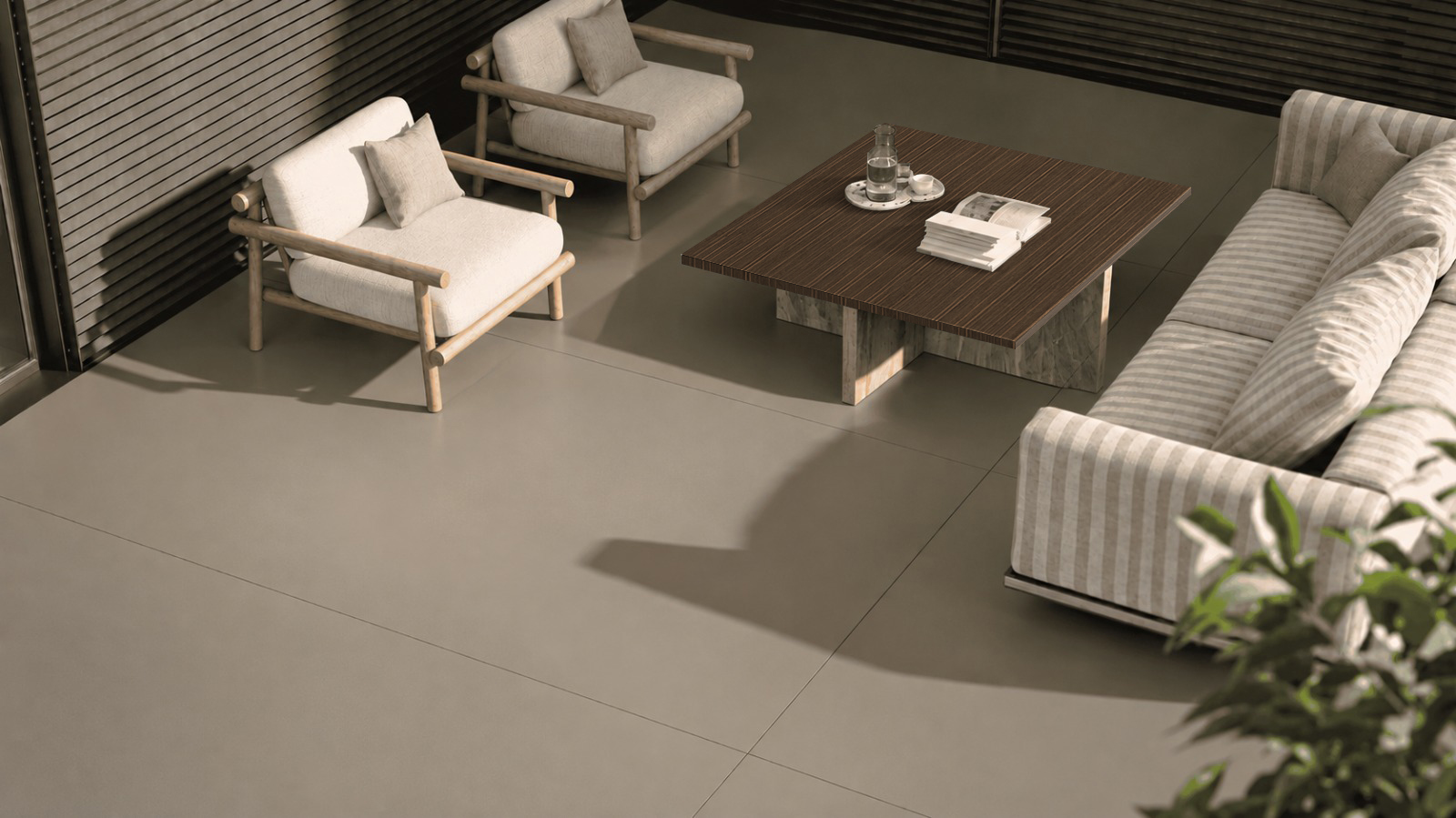
A single exposed brick wall in the living room establishes instant character without demanding the entire room commit to one aesthetic. Position it behind a sofa or media unit to anchor the space. Neotra’s wood-look surfaces on adjacent flooring alongside exposed brick create a layered, deeply residential quality that feels curated rather than composed.
2. Whitewashed Brick Interior Wall
This softens the rawness of brick without erasing it. The result is a surface that feels airy and textured at once, which is ideal for Scandinavian, relaxed, or coastal modern interiors. Paint applied thinly allows the grain and variation of the brick beneath to remain visible, preserving character while lifting the overall tone of the room.
3. Brick and Timber Combination
Few material pairings feel as instinctively right as brick and timber. The roughness of exposed brick alongside the warmth of natural wood creates a layered, deeply residential quality. Use timber on ceiling beams, joinery, or flooring against a brick wall; the contrast is visually richer without ever feeling forced or overdone.
Also Read: 10 Front Wall Surface Designs
4. Faux Brick Surface Panels
Offers the aesthetic of exposed brick without the structural requirements of genuine brickwork. They are particularly useful in retrofit and fit-out scenarios in rented spaces, commercial interiors, or apartments where installation flexibility matters. Modern panels have improved considerably in texture and depth, making them a credible option for feature wall applications.
5. Brick Exterior Facade with Contrasting Window Frames
A brick facade cladding gains immediate visual definition when paired with contrasting window frames. Charcoal or black frames against warm red brick create a crisp, modern edge; white frames against darker brick deliver a classic, heritage-inflected look. The contrast draws the eye to the architecture’s proportions and gives the exterior a finished, considered quality.
6. Painted Brick Feature Wall
Painting a brick wall in deep navy, charcoal, forest green, or even soft white transforms it from a raw architectural element into a deliberate design statement. The texture of the brick remains fully present beneath the paint, giving the wall depth that a flat painted surface simply cannot replicate.
7. Herringbone Brick Pattern Wall
The herringbone pattern brings a sense of craft and movement to a brick wall that standard horizontal bonding cannot match. Diagonal in direction and rhythmic in repetition, it draws the eye across the surface rather than along it. Particularly effective in entryways, bars, behind fireplaces, or kitchen backsplashes where detail rewards close attention.
Also Read: Top 10 Marble Wall Design Ideas
8. Brick and Glass Partition Walls
A partition combining brick and glass divides space without fully closing it; the brick provides solidity and privacy while the glass retains lightness and visual connection between zones. Effective in open-plan homes, hospitality spaces, and offices, this combination creates boundaries that feel architectural rather than merely functional, adding structure without sacrificing openness.
9. Brick Garden and Boundary Walls
A garden boundary wall in brick finishes defines outdoor space with quiet authority. Whether enclosing a courtyard, separating zones, or framing a lawn in a larger garden, brick creates a backdrop against which planting and landscaping can flourish. Keep the surrounding paving in a natural stone look to maintain the earthy, grounded quality that makes garden spaces feel genuinely connected to the landscape.
10. Brick Fireplace Surround
The fireplace has always been the natural home of brick, heat-resistant, visually appropriate, and deeply familiar. A brick surround grounds the living room with a focal point that feels unhurried and rooted. Whether left in its natural tone, painted, or whitewashed, the brick fireplace surround remains one of the most enduring design choices a room can contain.
11. Textured Brick-Effect Interior Wall
Brick-effect wall finishes, achieved through textured plaster, engineered surface panels, or render. Deliver the visual depth of brick in spaces where genuine brickwork isn’t possible. The texture catches light differently across the day, giving the wall a presence that flat surfaces lack. An effective solution for bedrooms, commercial interiors, and living rooms seeking warmth without structural intervention.
Also Read: Top 10 Outdoor Wall Surface Designs
12. Reclaimed Brick Feature Wall
Reclaimed brick carries something new brick cannot manufacture: history. Each unit varies in texture, tone, and wear; the cumulative effect is a wall that feels genuinely aged and irreplaceable. Used as a feature wall in restaurants, living rooms, or studios, reclaimed brick brings a depth of character that immediately distinguishes a space from anything assembled from new materials.
13. Slim Brick Slip Cladding
Brick slips, thin sections of brick applied to a wall slab, deliver the full aesthetic of an exposed brick wall without the depth or weight of solid brickwork. They are particularly well-suited to internal feature walls, commercial fit-outs and kitchen backsplashes, where a lightweight, flexible solution is needed without any compromise on visual authenticity.
14. Brick Arch Feature
A brick arch, whether framing a doorway, kitchen pass-through, or a recessed alcove, adds an architectural gesture that flat walls cannot offer. The curve introduces softness to what is otherwise a rectilinear space, and the texture of the brick makes the arch feel structural rather than decorative. A single arch can redefine the character of an entire room.
15. Brick and Neotra Surface Combination
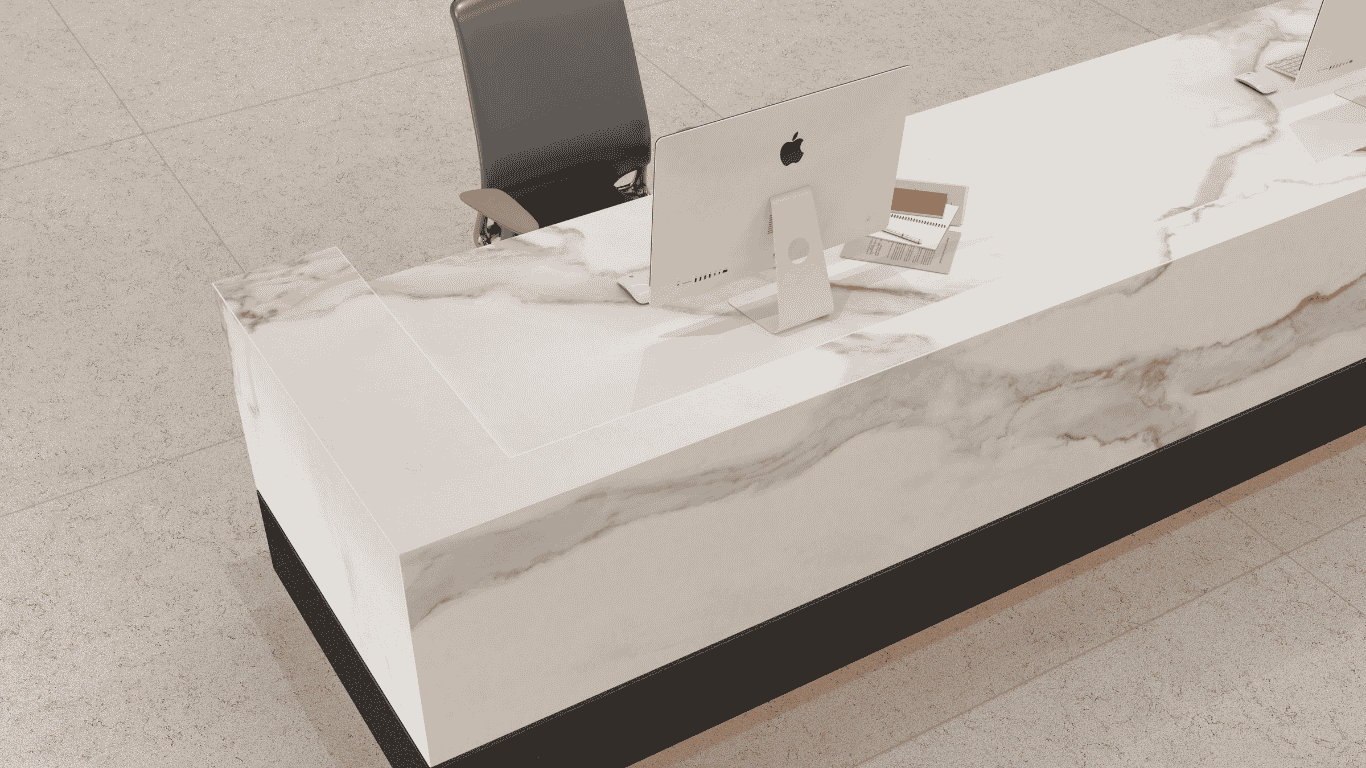
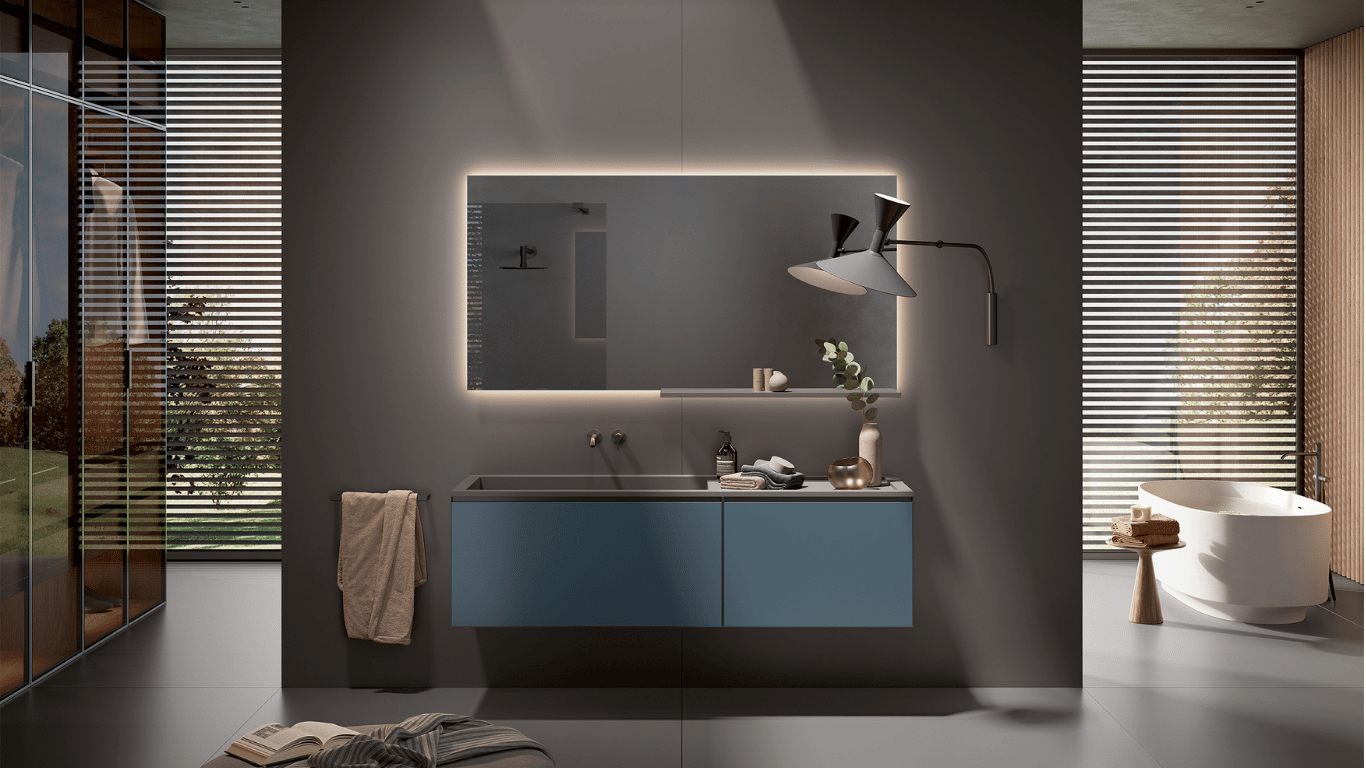
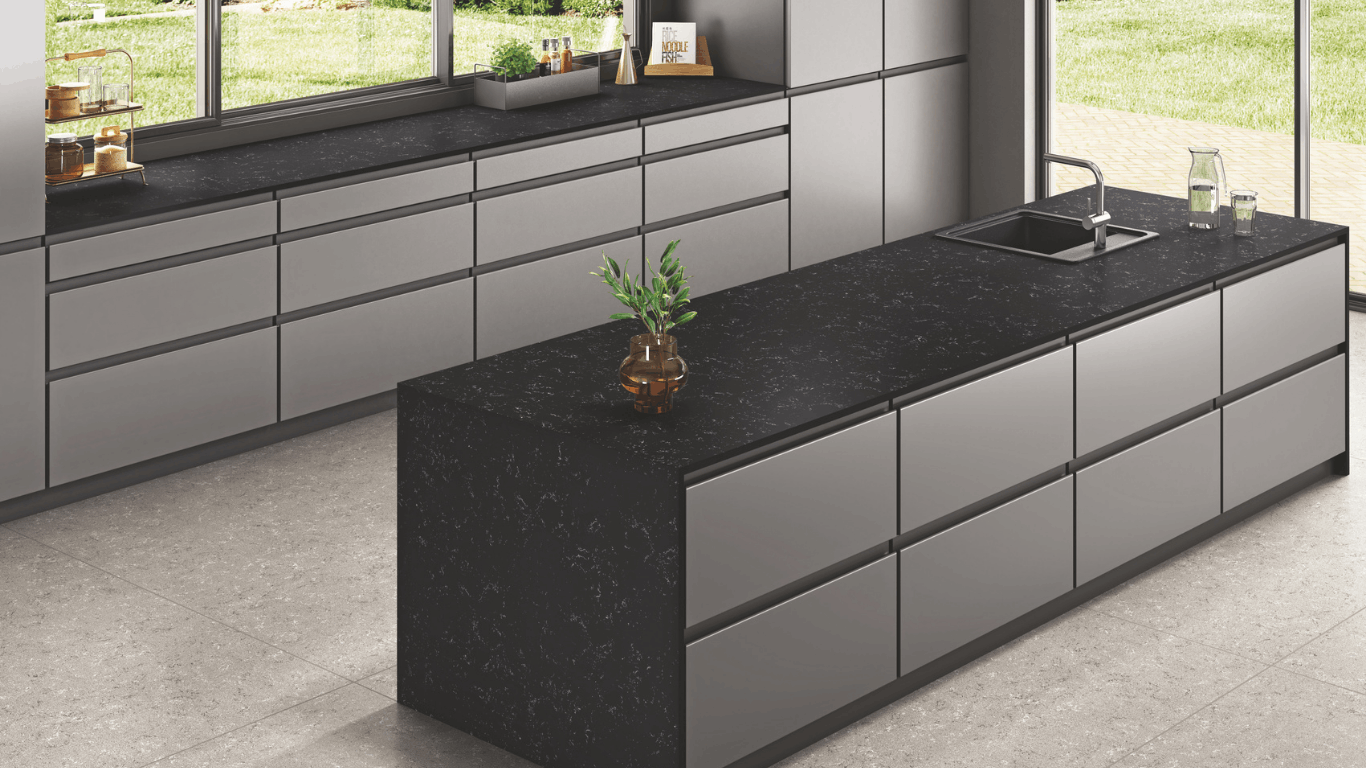
Brick’s textural, raw character finds its most refined counterpart in Neotra’s sintered slabs. A brick feature wall paired with our stone-look flooring, concrete-finish countertop, or wood-look slabs creates material conversation, which is intentional and layered. The combination balances the honesty of brick with the precision of an engineered surface grounded in natural character, built for the long term.