

Why Window Frame Design Matters
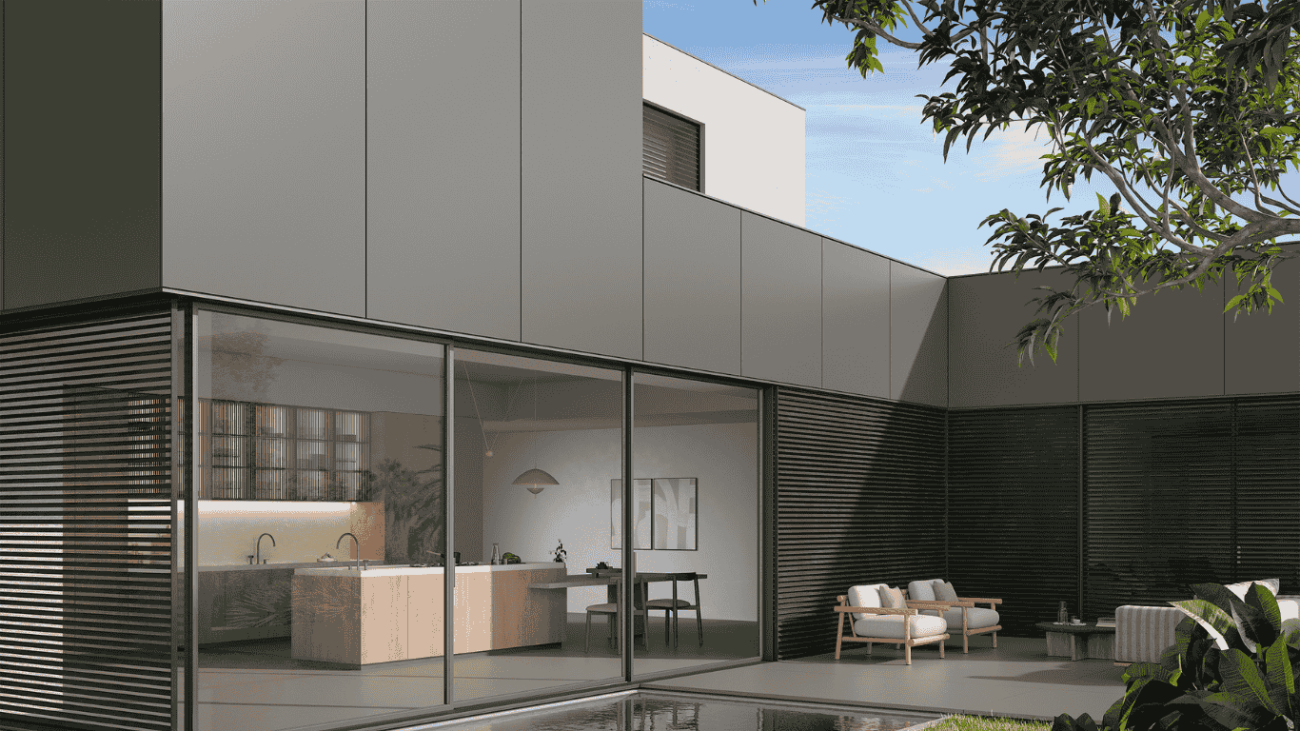
Window frame design influences both the appearance and performance of a home. The right frame enhances natural light, complements surrounding materials, and contributes to long-term comfort and durability.
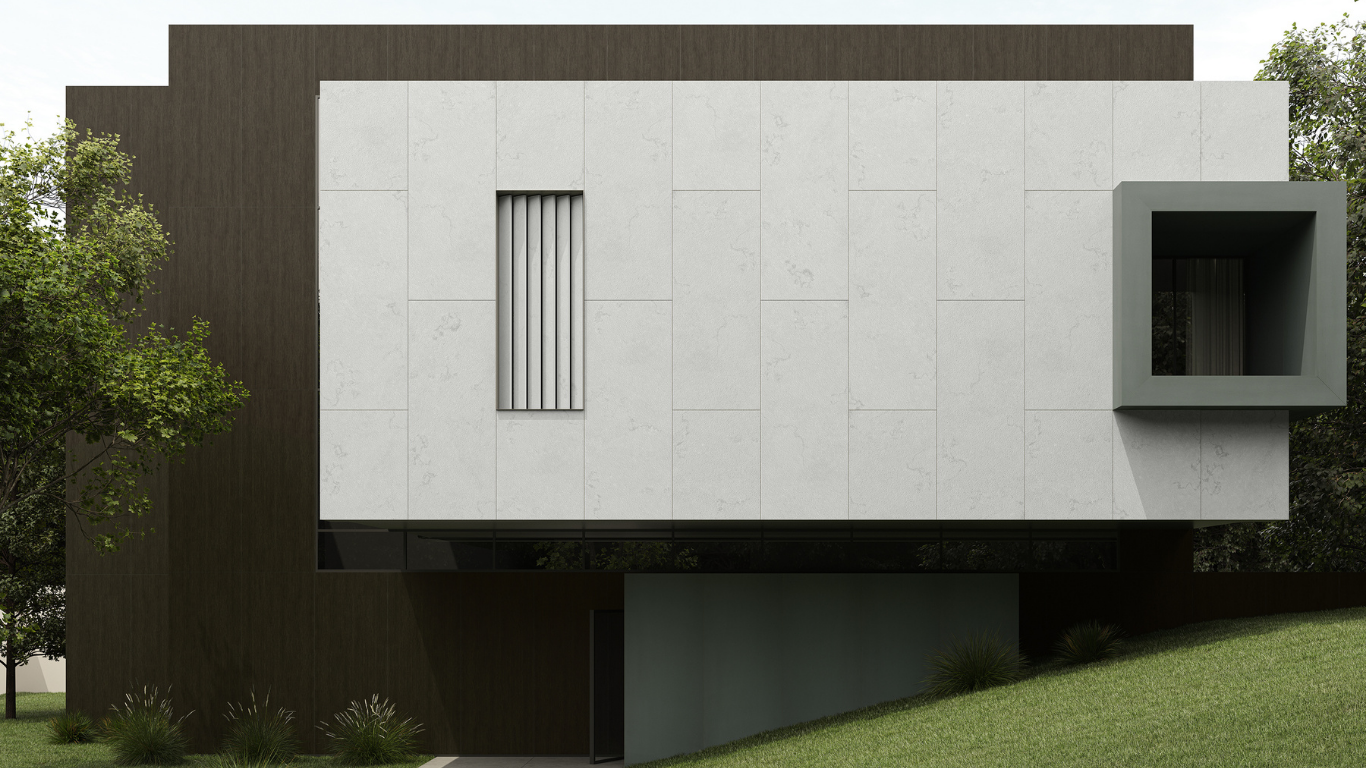
- Defines the visual character of interiors and exterior facade panels
- Influences how natural light interacts with walls and surrounding surfaces
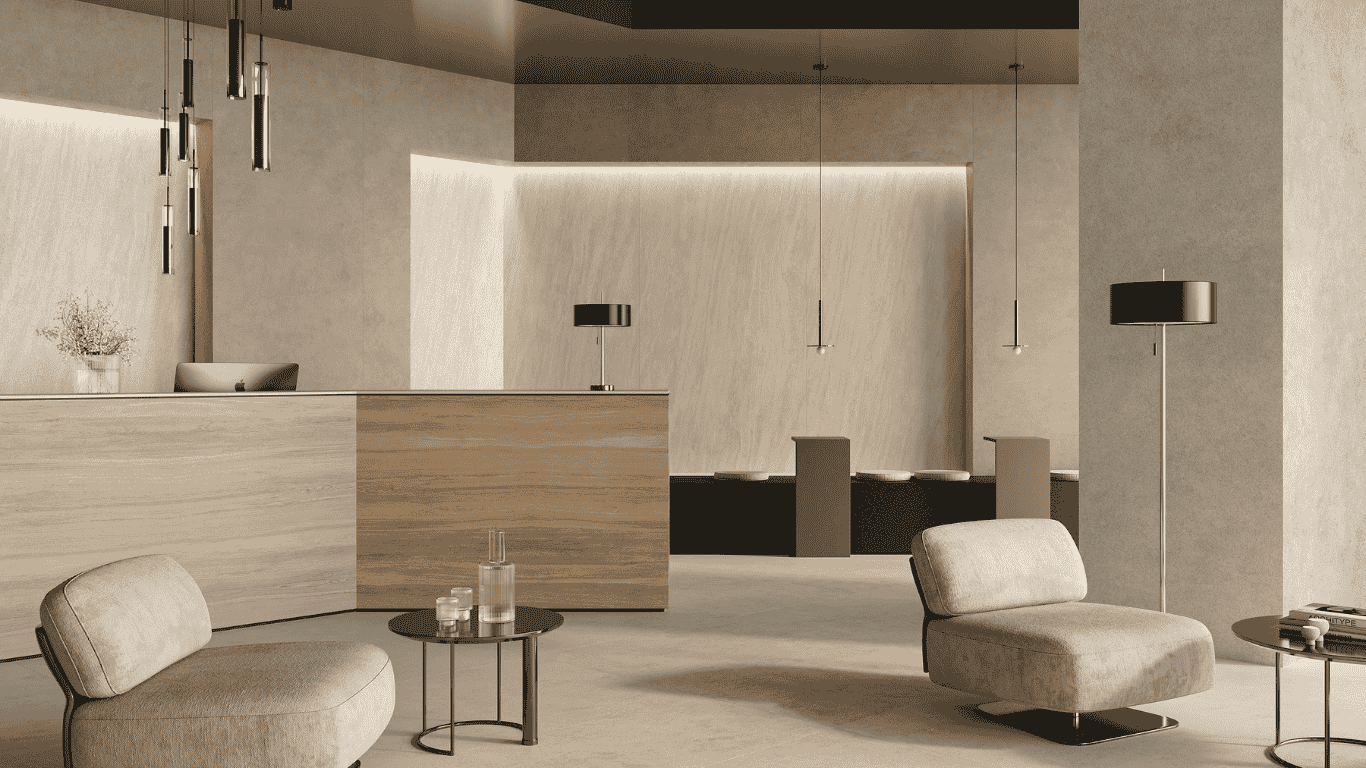
- Creates a cohesive connection between windows, walls, and interior finishes
- Improves the overall appearance of modern architectural spaces
- Supports better acoustic insulation and thermal performance
- Contributes to the long-term durability of window systems
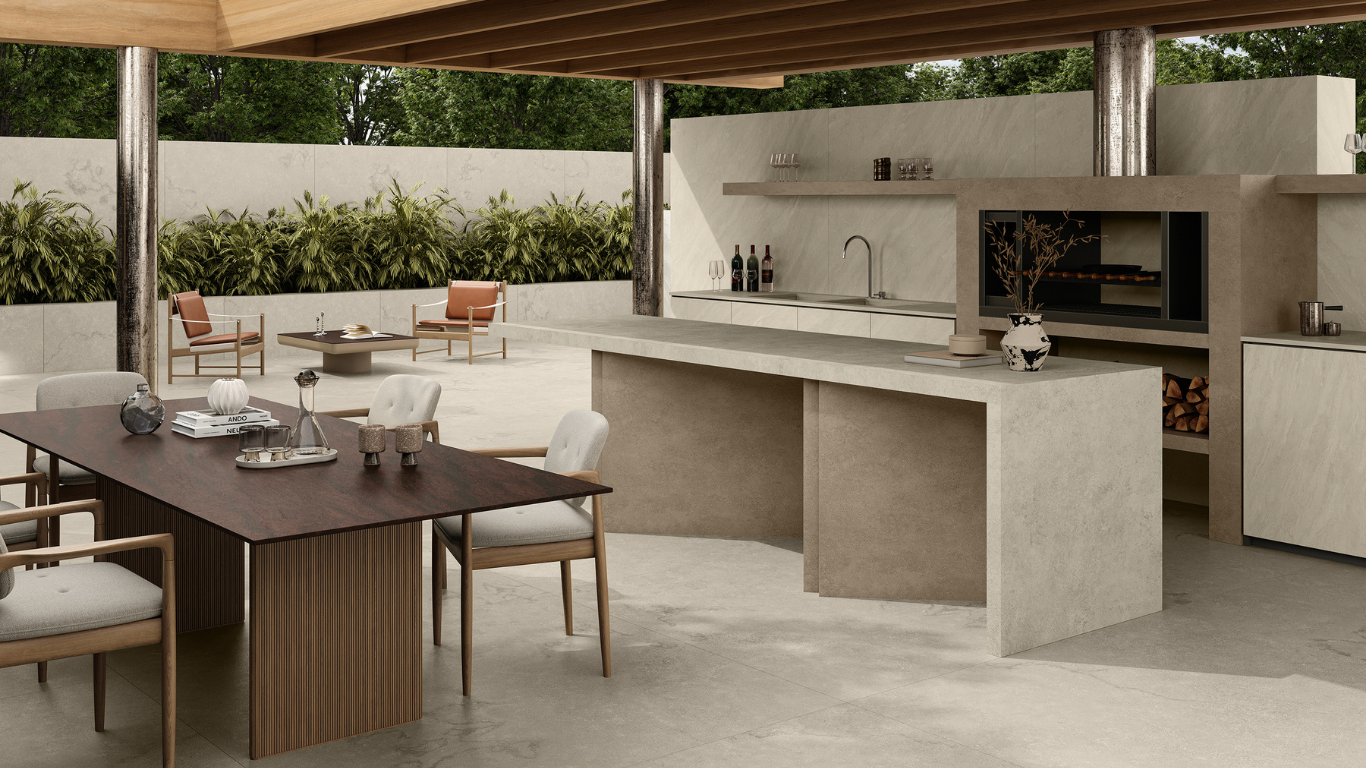
- Complements premium surfaces and finishes throughout the home
- Plays an important role in both design aesthetics and everyday functionality
12 Window Frame Design Ideas
Here are 12 window frame ideas worth considering for your space—
1. Black Steel-Look Frames
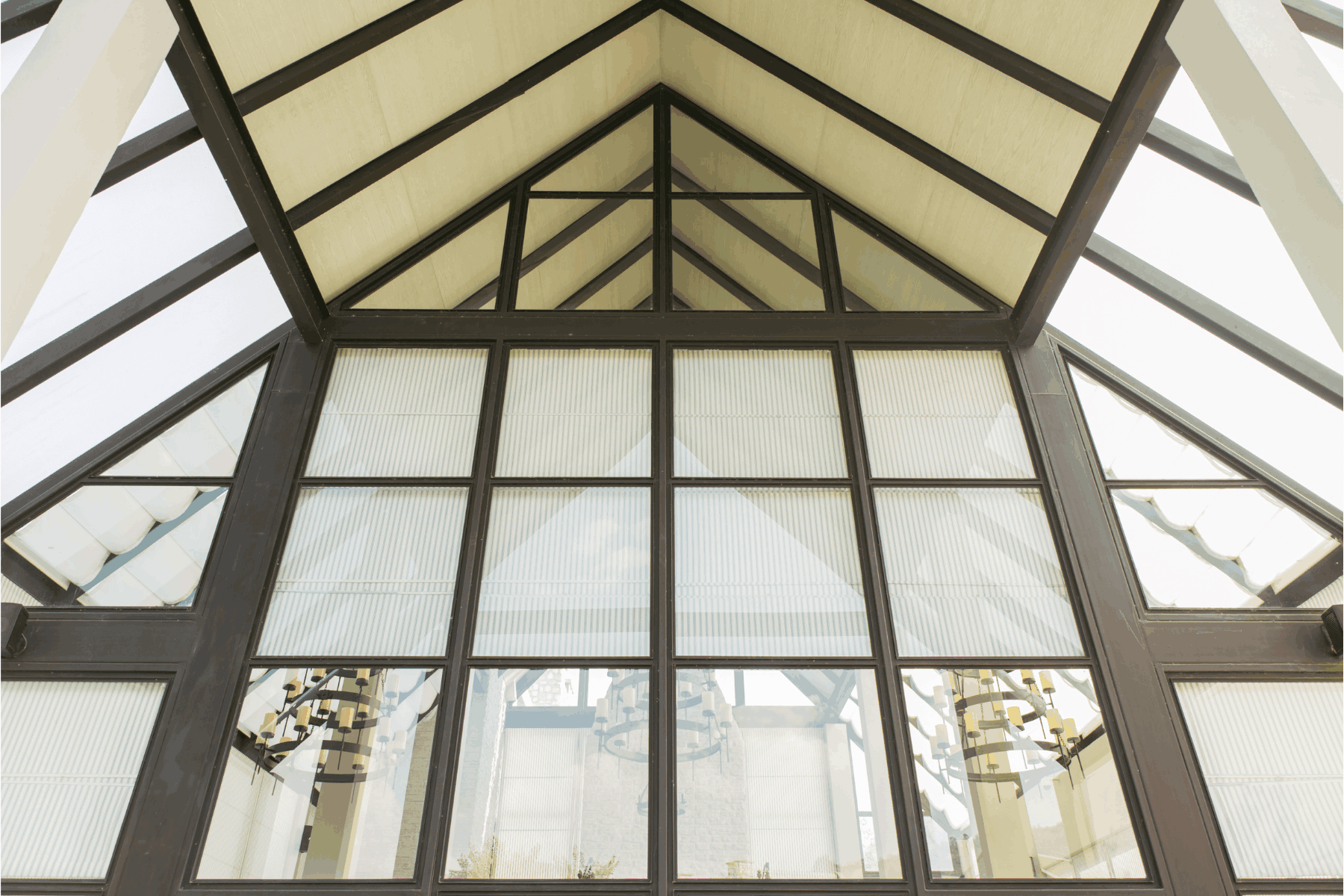
Few frame choices make as strong a statement as black steel or steel-look aluminium. Originally associated with industrial loft architecture. The dark outline of the frame works like a drawing, defining the view and adding structure that pairs beautifully with light stone floors and white walls.
2. White uPVC Frames
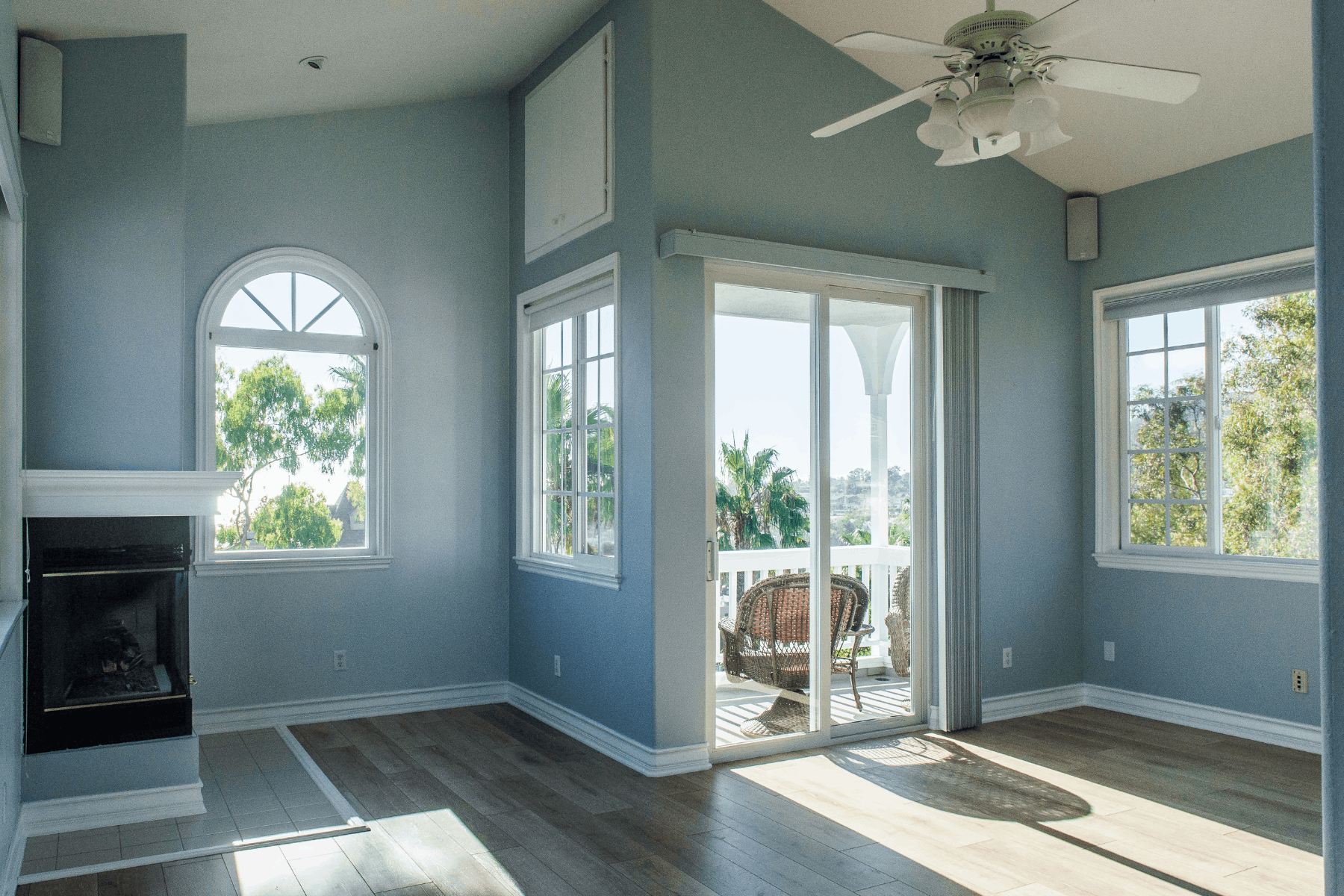
Weather-resistant, practical, and versatile, white uPVC frames remain one of the most widely used choices across home styles. In traditional homes, they replicate the look of painted timber without the upkeep. In modern homes, their clean finish reads as understated rather than generic, especially when the surrounding surfaces are considered.
3. Warm Timber Frames for Heritage Homes
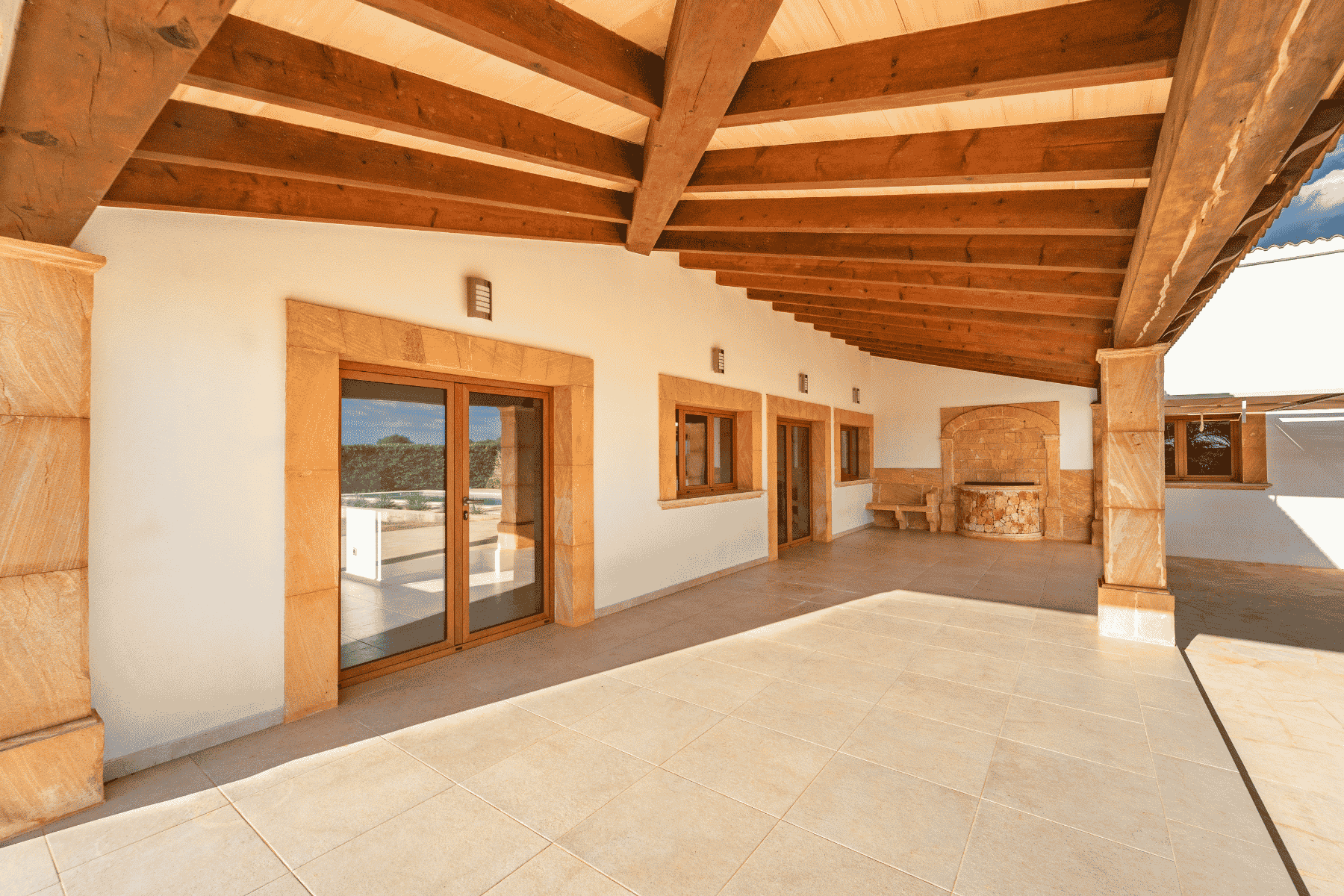
Timber wood frames bring warmth and a sense of craft. In classic homes, timber frames feel inevitable rather than decorative. They age gracefully, respond well to both stained and painted finishes, and develop character over time. In modern spaces, the Spa collection maintains all the parameters of surface strength, heat resistance, and water absorption, creating the kind of material contrast that interior designers return to.
4. Anthracite Grey Aluminium Frames
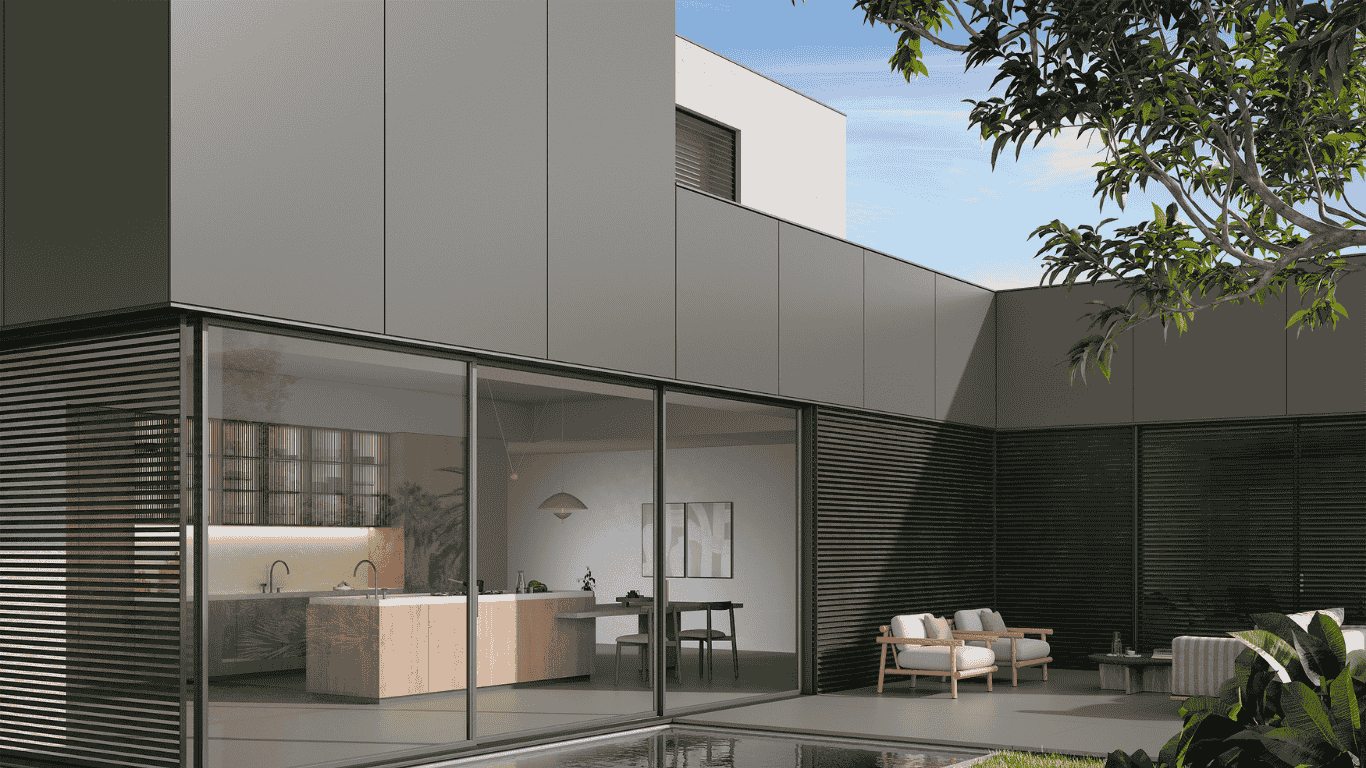
In aluminium frames, the finish holds exceptionally well outdoors, resisting fading and surface wear over years of exposure. Inside, anthracite frames pair naturally with warm stone tones, concrete-look surfaces, and the kind of large-format slabs from Neotra, where the frame’s cool grey anchors the surface’s warmth without competing with it.
5. Bronze-toned Frames
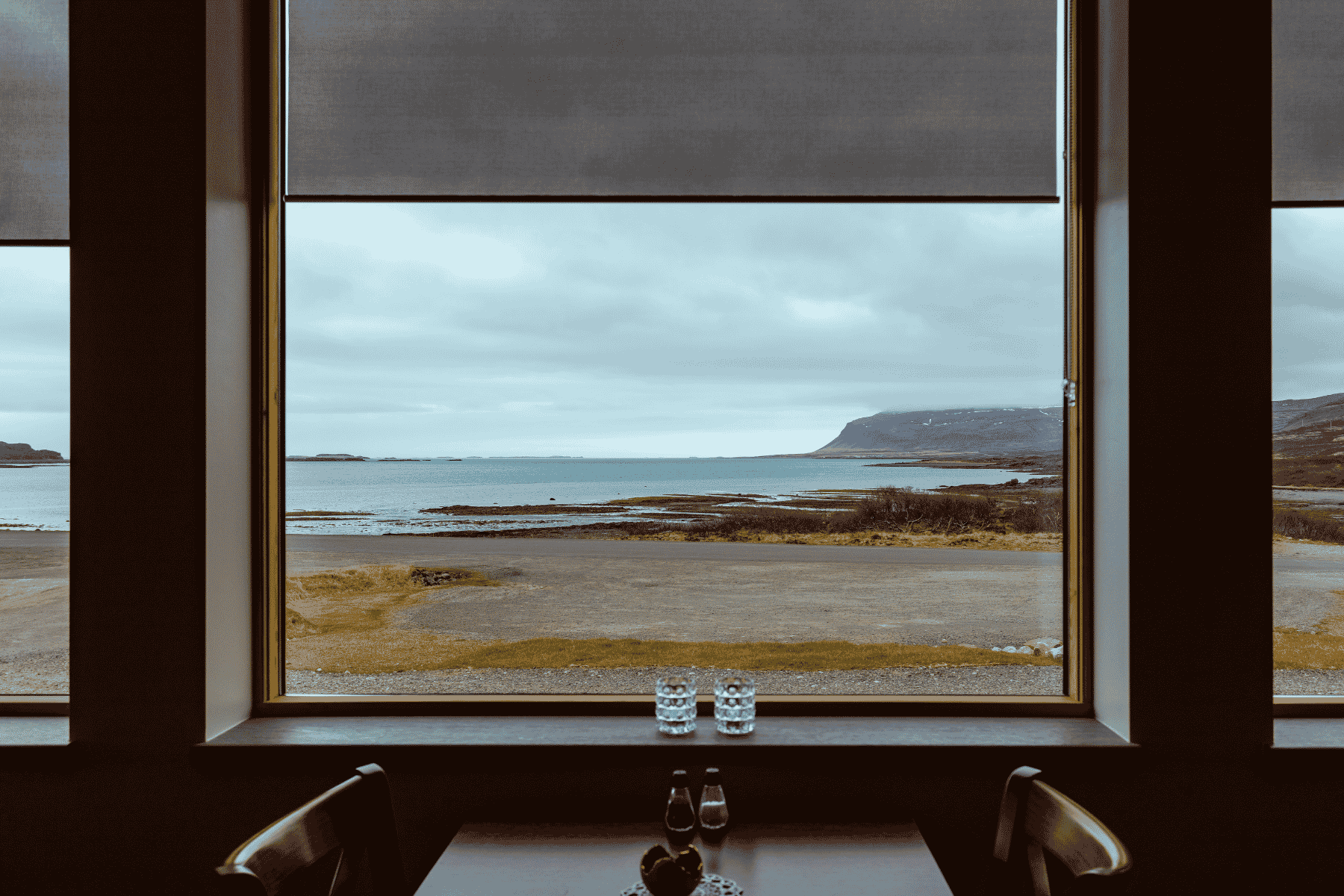
Brass, bronze, and copper finishes carry a warmth that neither black nor silver can replicate; they read as rich without being pretentious, and they age into deeper, more complex tones over time. In homes where the interior palette includes terracotta tones, warm neutrals, or the earthy veining, bronze frames feel like a natural extension of the material story rather than a separate design decision.
6. Frameless or Minimal-Frame Windows
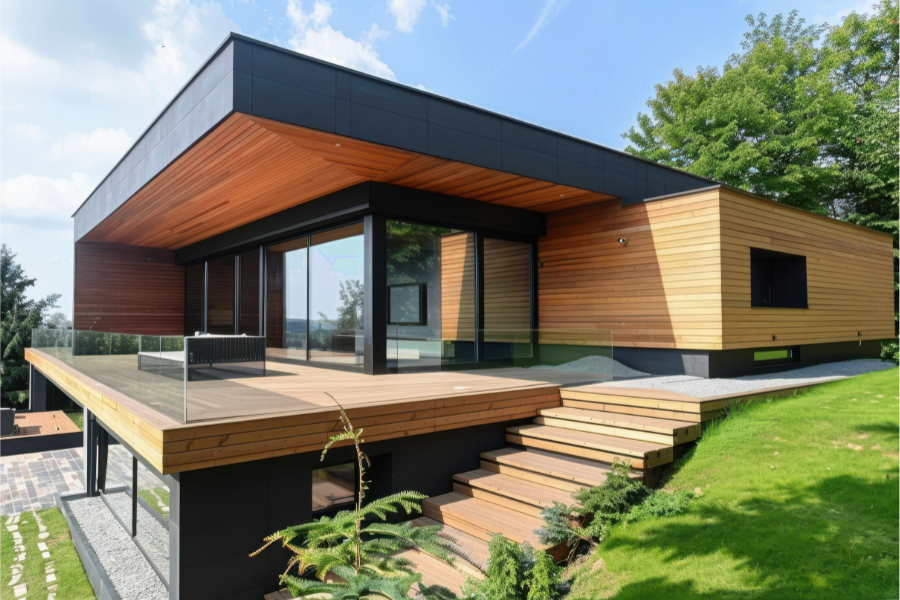
Structural glass fins or concealed fixings hold the glazing with almost no visible frame at all. The result is a wall that appears to dissolve, offering an unmediated connection to the landscape beyond. This approach demands precision at every level; the glazing must be flawless. In spaces with Neotra slabs, frameless glazing defines surface quality and an absence of unnecessary detail.
7. Arch-Top Window Frames
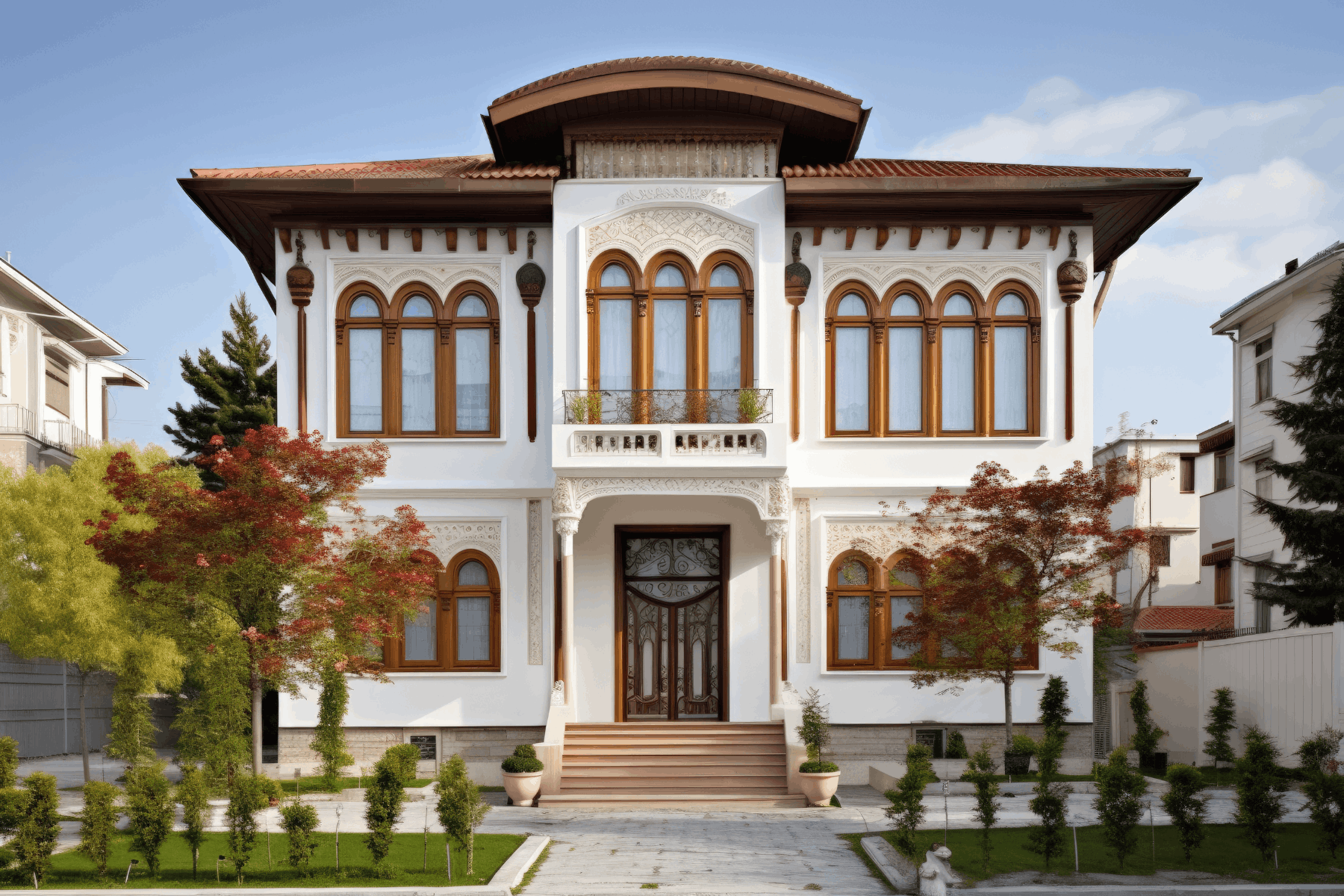
Introduce a classical elegance that rectangular openings cannot. The curve softens a facade, adds vertical emphasis, and brings a sense of occasion to what might otherwise be a standard opening. Inside, arched frames create a natural focal point, particularly effective in entryways, double-height living areas, or stairwells where the full arc can be admired.
Also Read: 12 Window Glass Design Ideas to Enhance Natural Light
8. Colonial-Style Divided-Light Frames
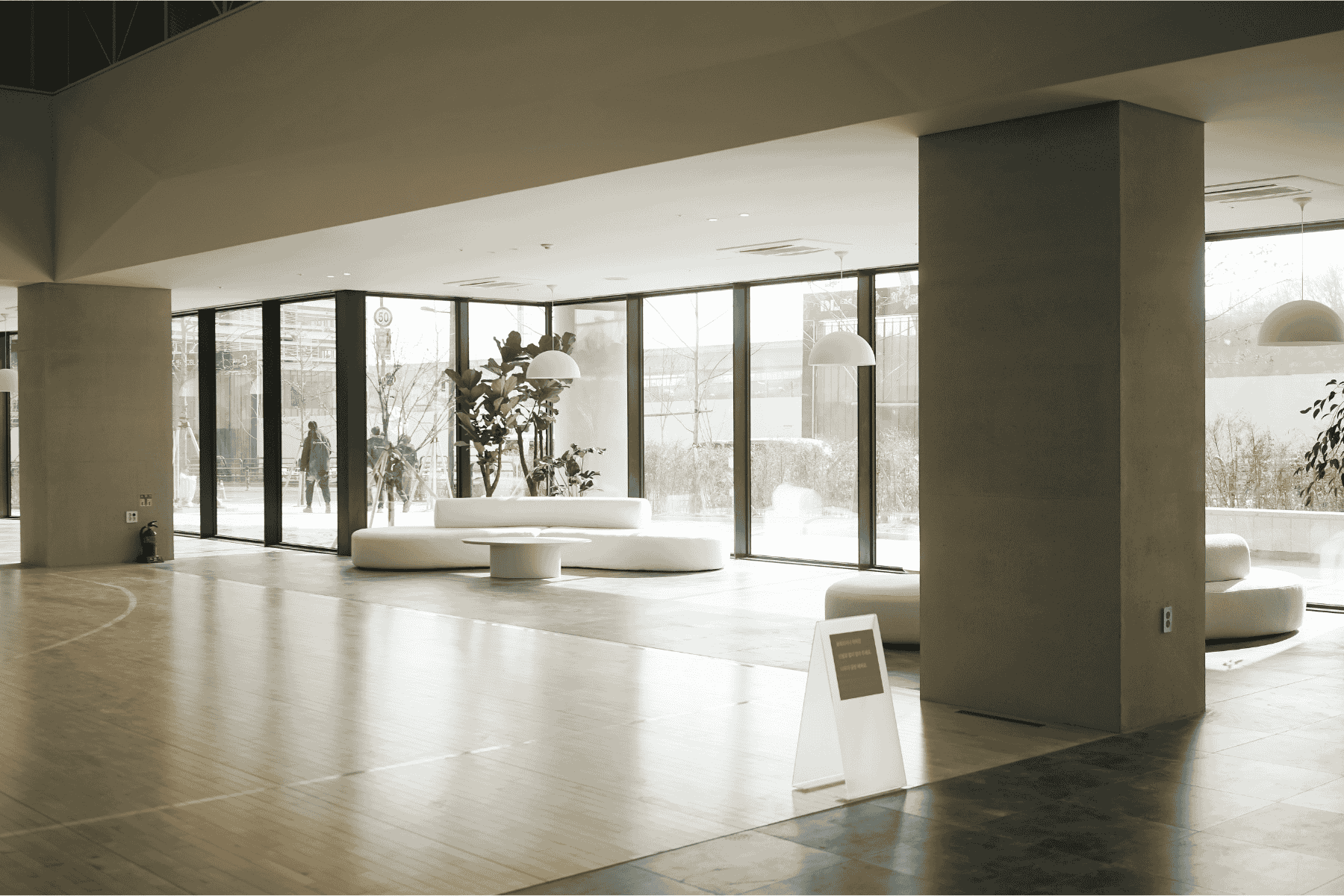
Multi-pane frames with thin dividing bars, reinterpreting colonial Indian window aesthetics in modern uPVC or aluminium materials. Modern interpretations simplify the grid, reducing the number of divisions for a cleaner look while retaining the visual reference to traditional craftsmanship. These frames work best where the architecture already has some historical lineage, especially alongside timeless facade designs, forcing them into a purely modern space.
9. Two-Tone Window Frames
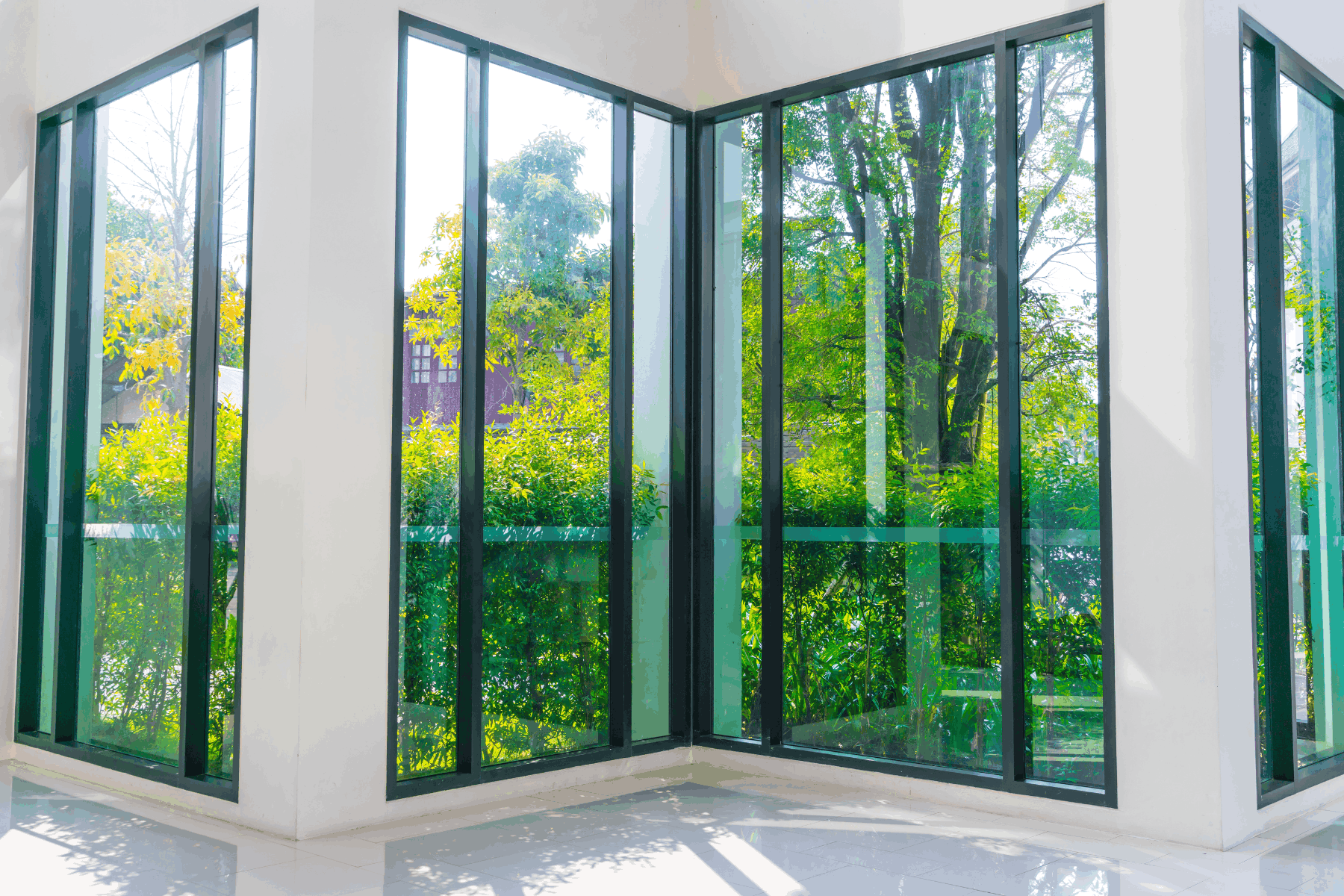
A two-tone frame presents one colour or material on the interior face and another on the exterior, resolving a tension that single-finish frames cannot. Outside, a weather-resistant dark finish may be preferable for its facade coherence and durability. Inside, the same frame is a lighter tone, or a warm timber lining feels more sympathetic. Composite aluminium timber frames often deliver this naturally, but powder-coated aluminium with contrasting interior finishes achieves the same result with greater precision. The outcome is a frame that reads correctly in both contexts without compromise on either side.
10. Wide-Profile Classic Timber Frames
The broader section draws attention to the frame itself, to the grain, the stain or painted finish, and the joinery, and in doing so, it becomes an architectural feature in its own right. Classic homes benefit most from this, a wide painted timber frame in a traditional sash that brings a sense of permanence that no other material quite replicates. Even in transitional interiors that blend old and new, a well-proportioned timber frame anchors the composition and gives the space a material generosity that feels considered.
Also Read: 10 Sliding Window Design Ideas
11. Powder-Coated Aluminium in Bold Colours
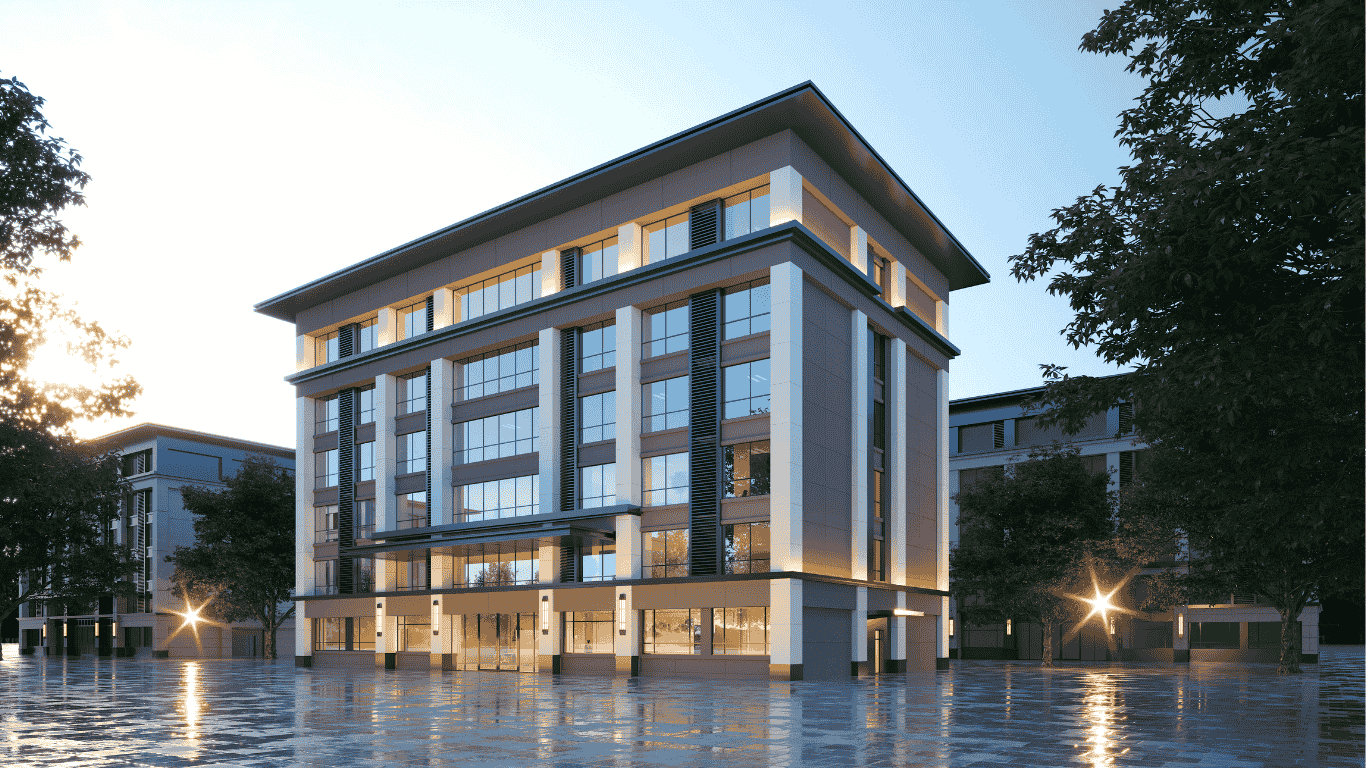
Powder coating has expanded the design possibilities of aluminium frames considerably. Bold coloured frames work best when they echo a tone already present in the interior or exterior palette, a green frame that picks up the garden beyond the glass, or a terracotta finish that resonates with the warm stone of a surrounding wall. The colour becomes part of the composition rather than an imposition on it.
12. Window Frame with Neotra Sill Integration
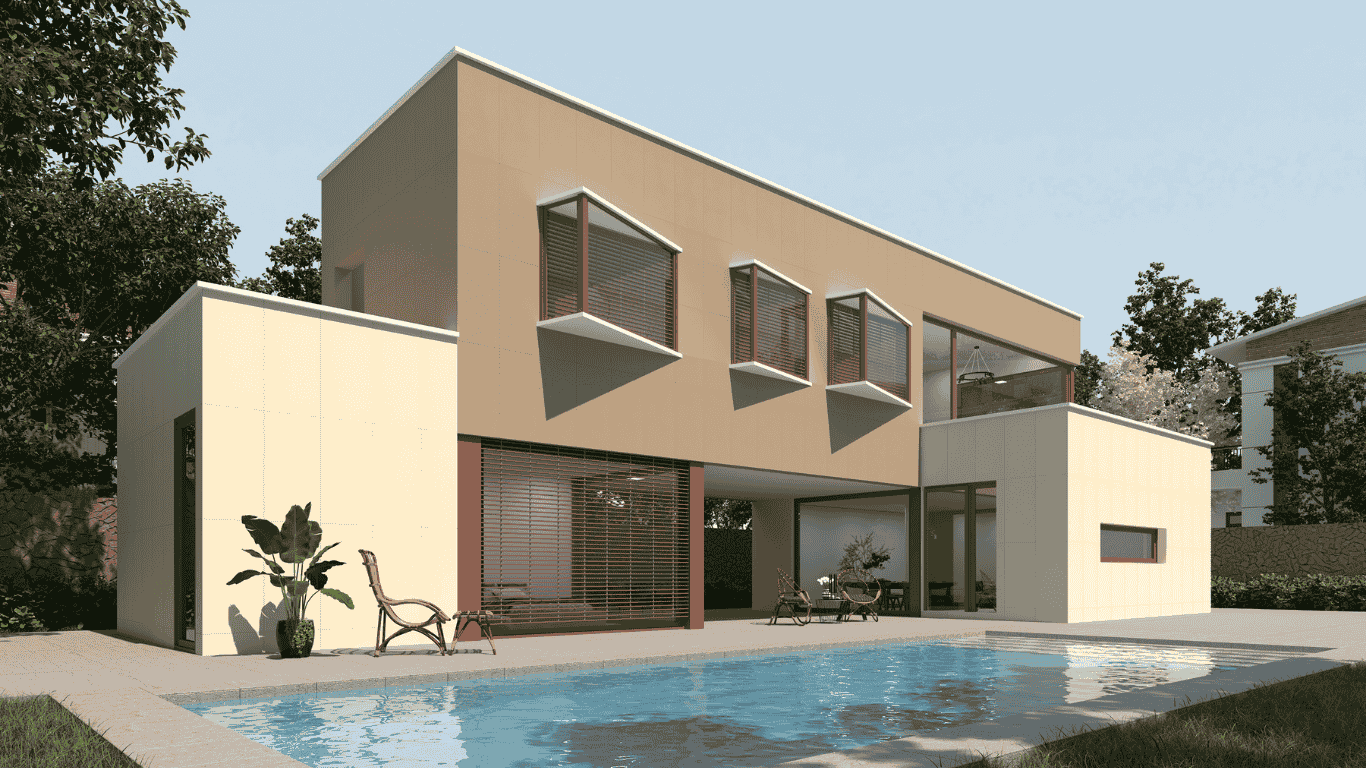
A sill in low-grade material undermines a premium frame; an ill-fitted sill interrupts what should be a resolved transition. When Neotra is specified for the sill, the junction becomes a design feature in its own right. The material’s precision-cut edges, tonal range, and stain-resistance allow it to be matched or deliberately contrasted with the frame above. Moisture-resistant and easy to maintain, Neotra window sills hold their appearance indefinitely, making them a functional as well as aesthetic upgrade to any window installation.
Also Read: 12 Kitchen Window Design Ideas
Window Frame Material Types
Window frames come in various material types. Here are the widely used types—
-
Aluminium Frames
For modern interiors that prioritise openness and light, slim aluminium frames deliver maximum glass surface with minimal visual interruption. The narrow profile keeps sightlines clean, making it a natural fit for open-plan living areas and floor-to-ceiling installations. Paired with Neotra’s engineered surface in a textured surface, the contrast between the frame’s precision and the surface’s texture creates a quiet, luxurious effect.
-
uPVC Frames
Low-maintenance, cost-effective, and weather-resistant, uPVC frames are among the most widely used in residential construction. Available in a range of finishes and colours, they are also a popular choice for Exterior Cladding Materials because they resist moisture, warping, and corrosion without requiring periodic sealing or painting. A practical choice for homeowners prioritising durability and thermal efficiency over material warmth.
-
Timber Frames
Timber frames bring natural warmth, texture, and a sense of craft that no manufactured material fully replicates. Suitable for both stained and painted finishes, they suit classic and transitional homes particularly well. Timber requires periodic maintenance to preserve its integrity, but in return, it ages with character and improves over time.
-
Steel Frames
Steel frames offer unmatched structural strength in a slim profile, allowing larger glass spans with minimal visual interruption. Associated with contemporary and industrial architecture, they carry a precision and solidity that aluminium alternatives approximate but rarely match. Durability is exceptional, and they are difficult to replicate.