
What Is a Glass Facade?
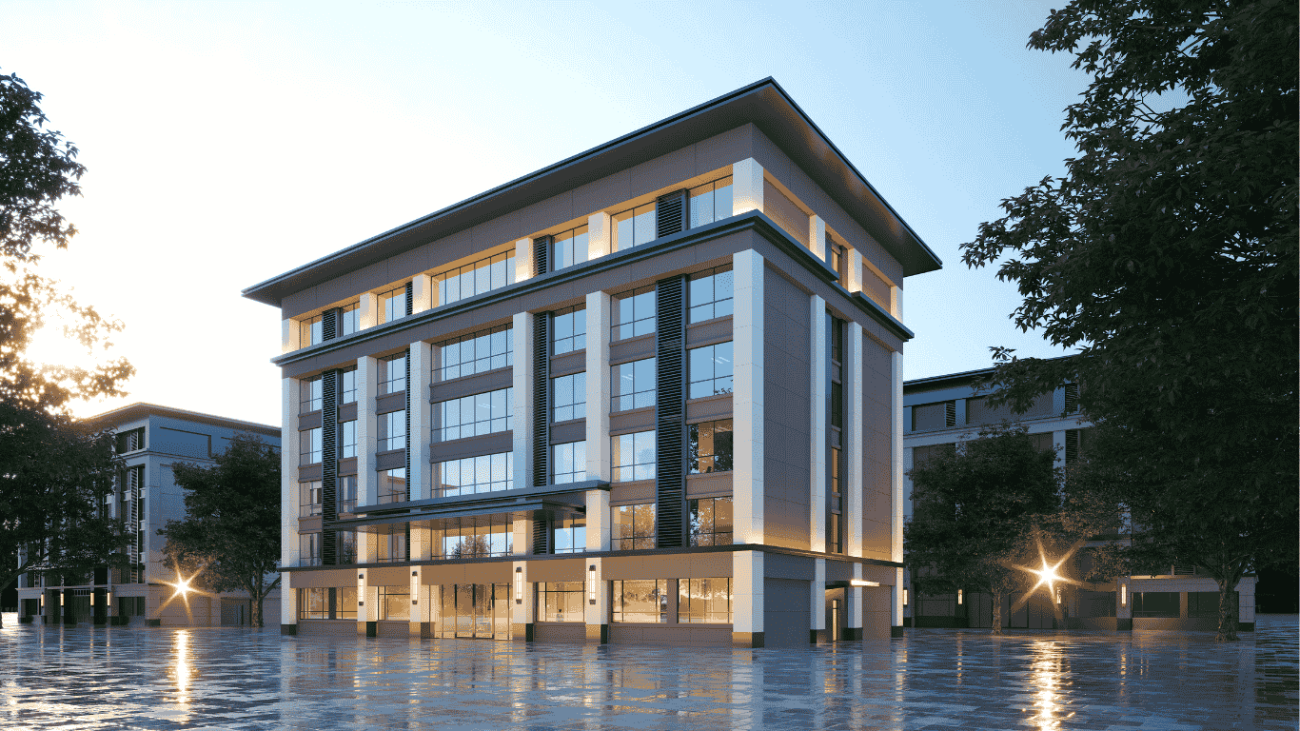
A glass facade is the external skin of a building constructed primarily from glass panels, typically supported by a metal or composite framing system rather than traditional load-bearing walls. Unlike windows punched into a solid wall, a facade system is engineered as a continuous building envelope that manages structural load, water drainage, and weather, all while delivering the visual transparency of design.
Modern glass facades have a few categories that include curtain wall systems, where glass is hung from the building’s structural frame; structural glazing, where panels are bonded with minimal visible framing; and double-skin facades, which use two layers of glazing with a ventilated cavity between them. Each approach changes how a building performs thermally and aesthetically, which is why the choice of facade system is as much an engineering decision as an aesthetic one.
Glass Facade Design Trends for 2026
Out of the many approaches, here are the widely used glass facade design trends for 2026:
1. Fritted and Frosted Glass Facades
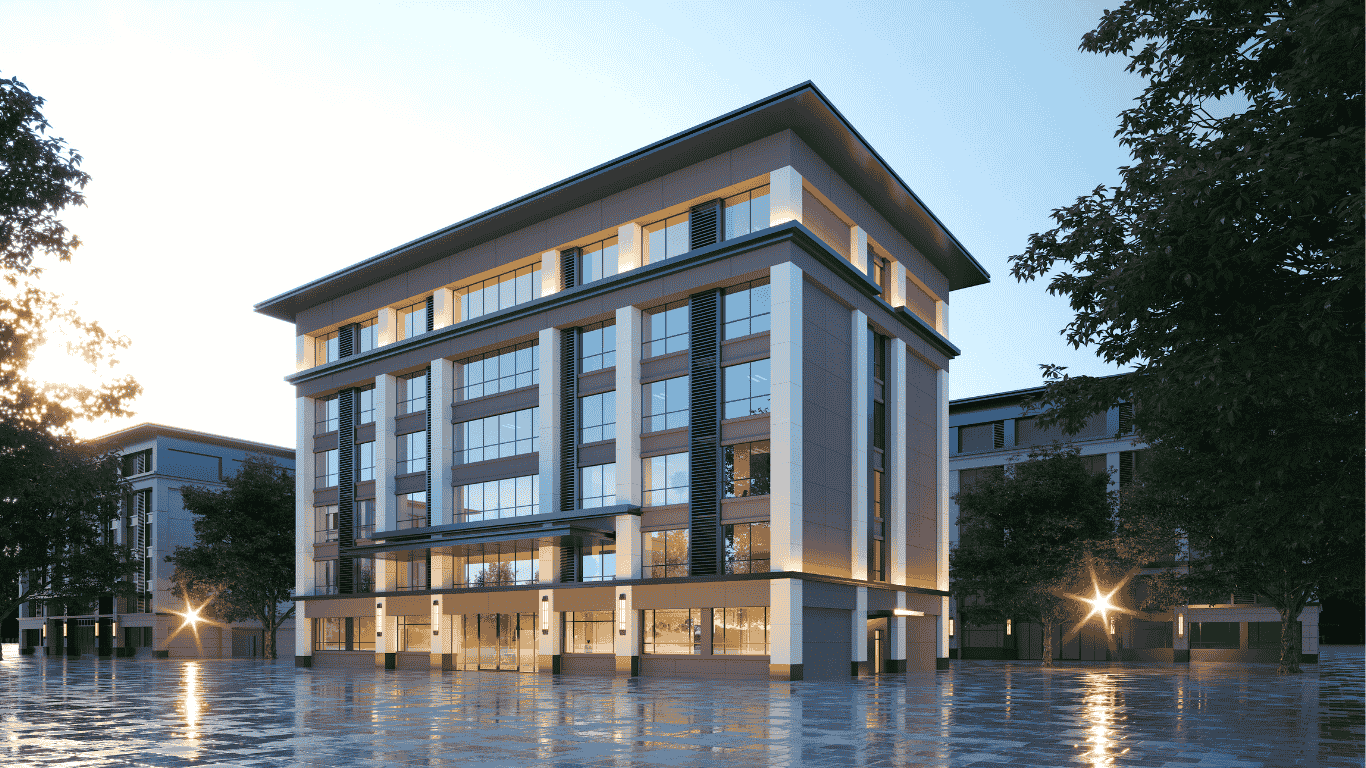
Not every facade aims for full transparency. Ceramic frit patterns and frosted finishes are being used to control solar glare, introduce subtle patterns and textures, and add privacy where needed to otherwise flat glass panes. This trend reflects a broader move towards building facade cladding that filters and shapes light rather than simply transmitting it.
2. Mixed Glass and Stone-Look Surface Facades
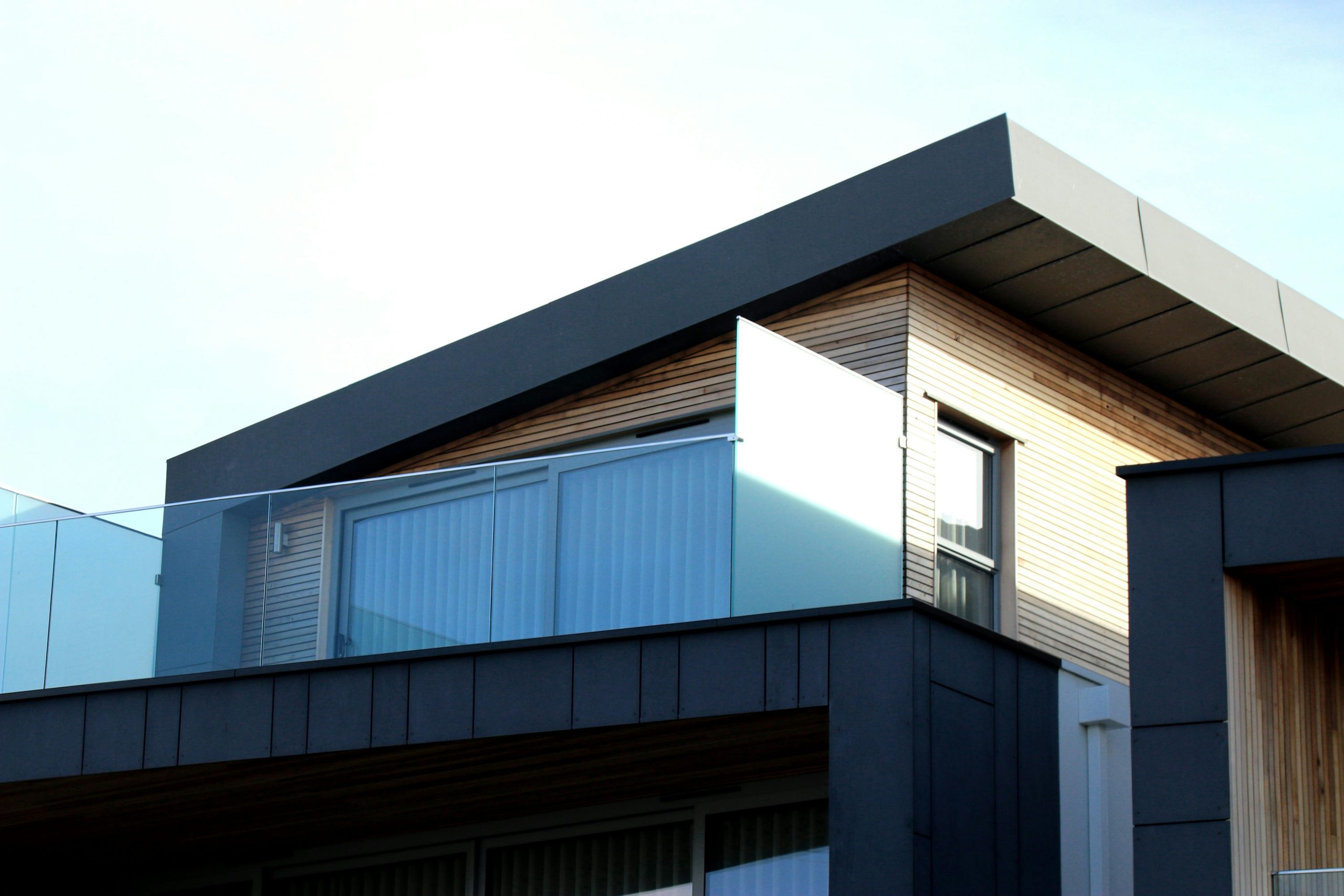
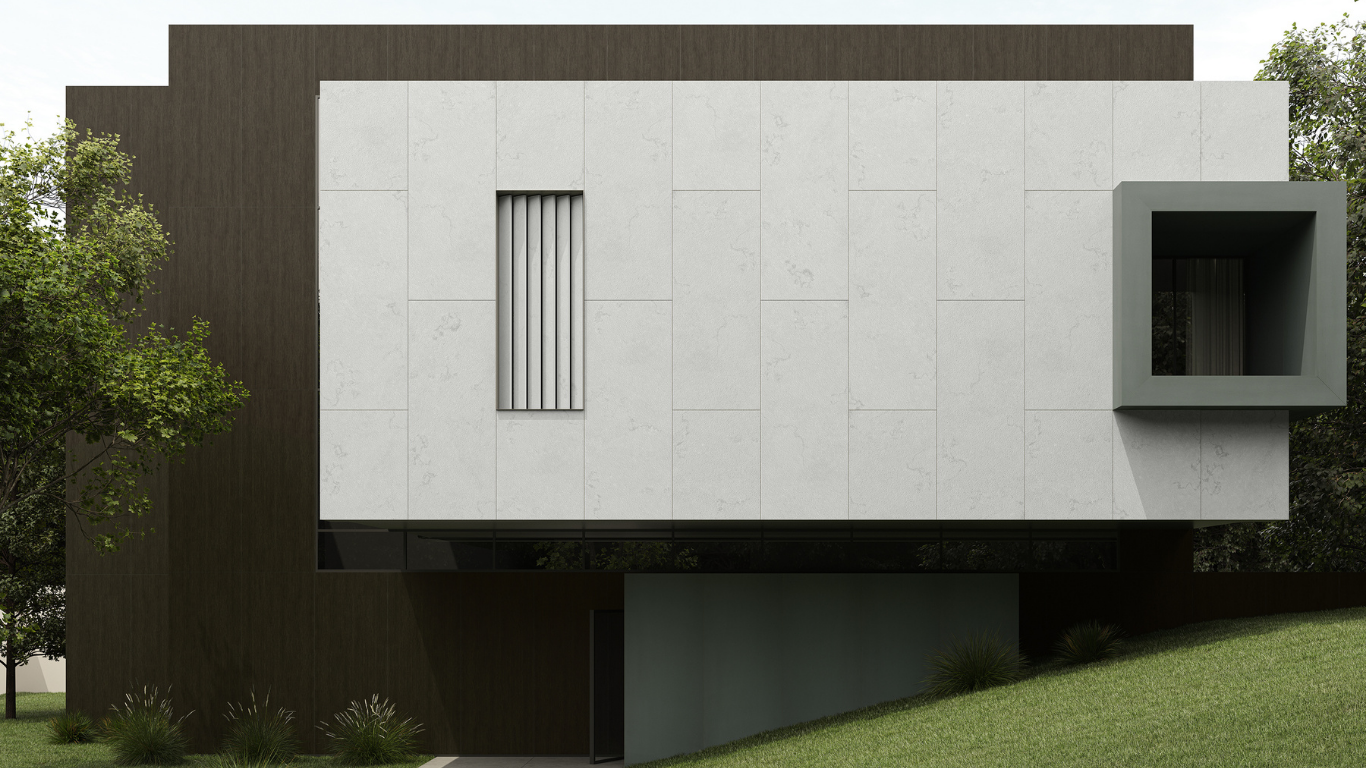
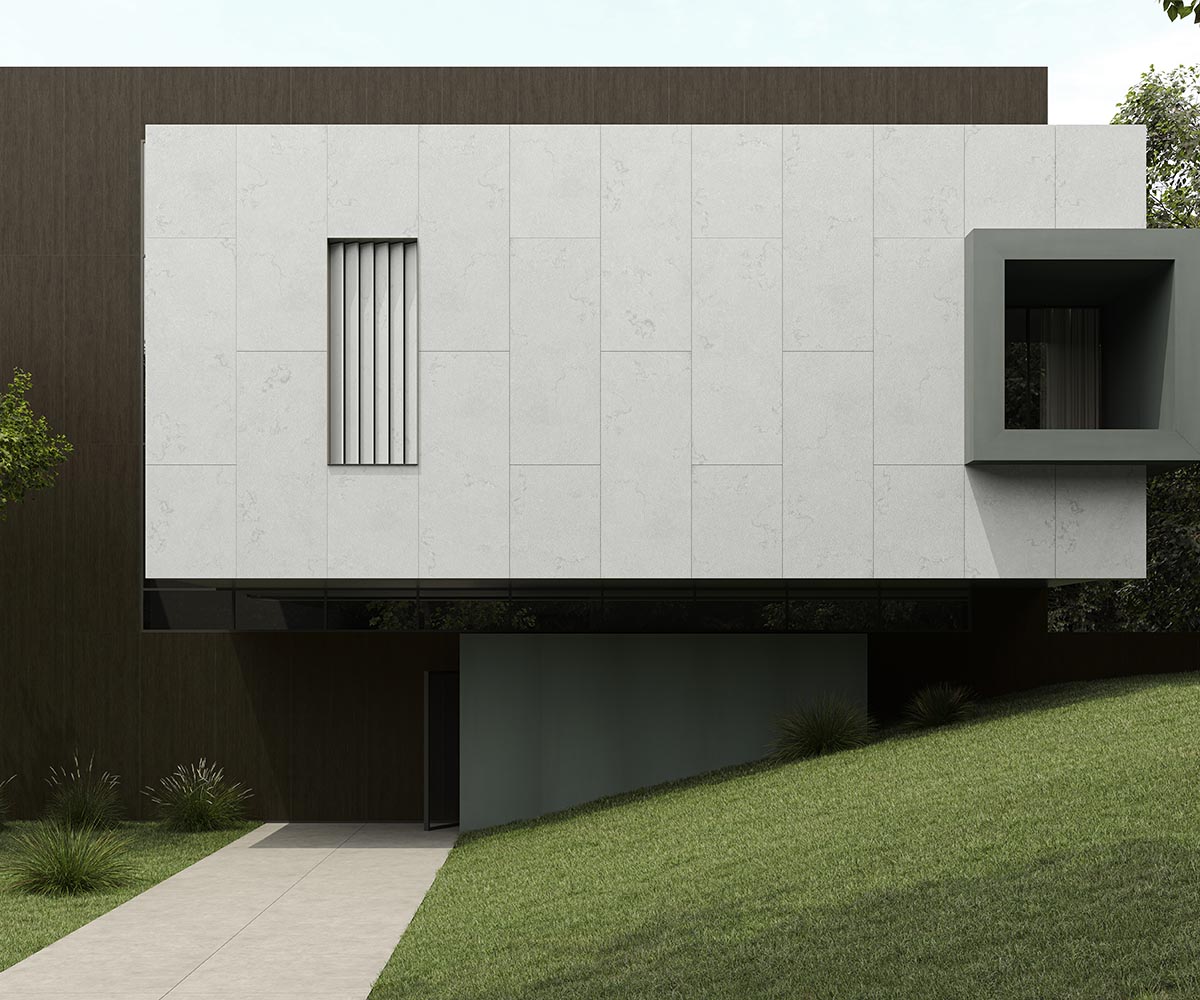
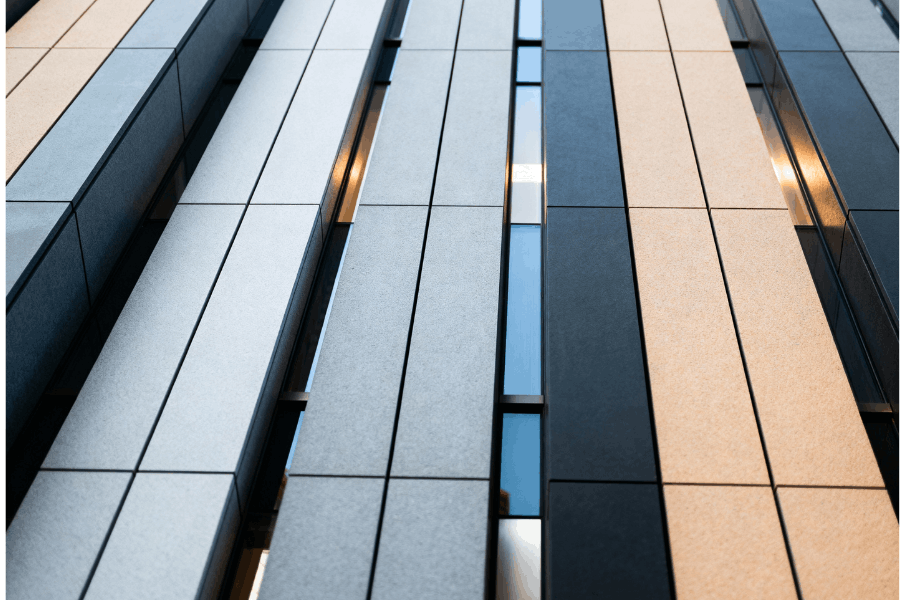
The most significant shift is that it deliberately combines glass with solid-surface materials, engineered-stone-look surfaces, natural stone, or stone-look cladding at the base, between floors, or as ascent bands across the glass facade elevation. This approach softens the coolness of an all-glass exterior, improves a building’s thermal mass, and gives architects a way to ground a transparent structure with material weight and texture.
Also Read: Top 10 Front Elevation Designs
3. Coloured and Tinted Glass Facades
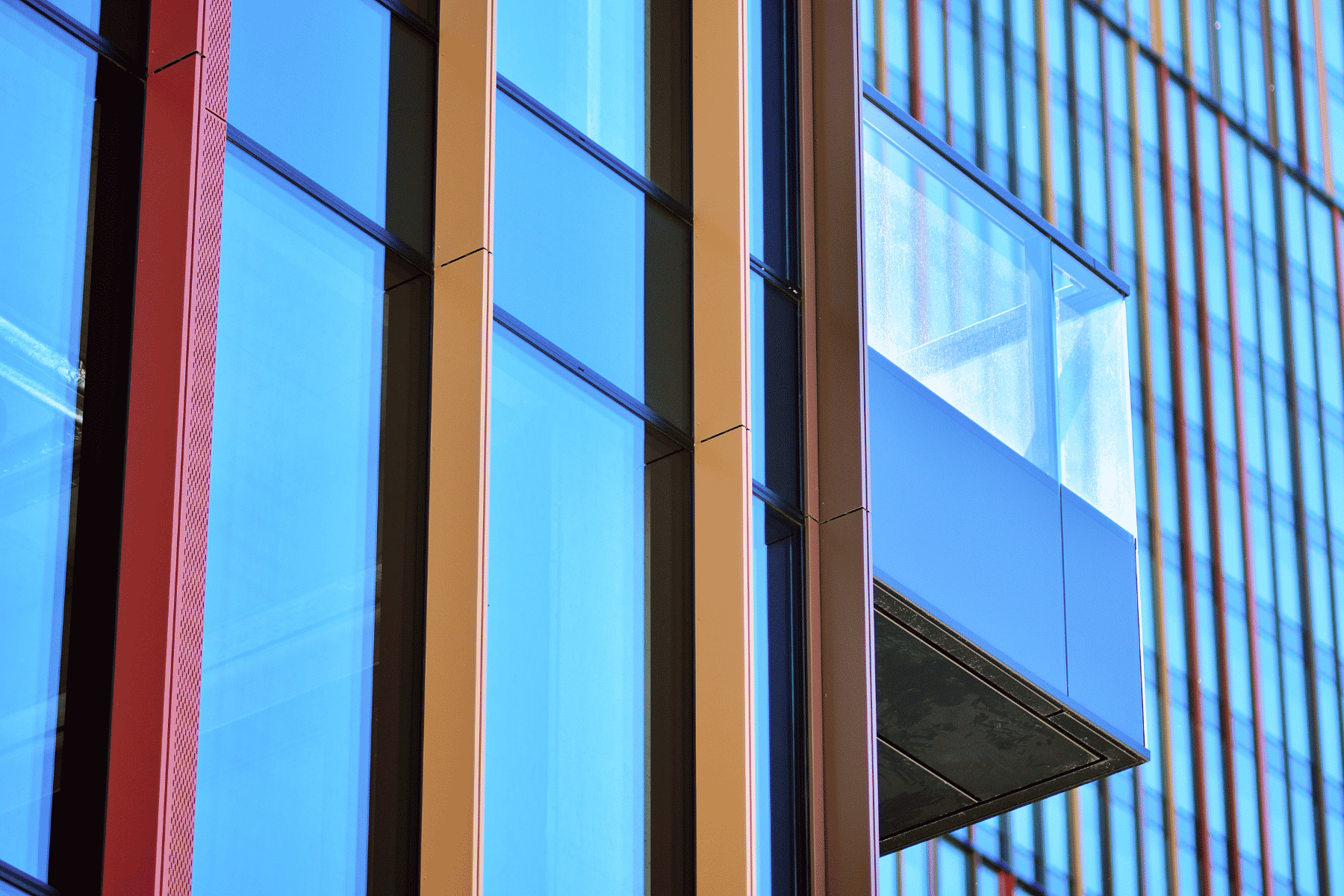
Tinted glass in bronze, green, grey, and blue tones is an increasing trend, not just for solar control but as a deliberate choice. Coloured glazing shifts a building’s character dramatically depending on the light and time of day. It’s being used in mixed-use towers and cultural buildings where architects want a facade that conveys visual identity without relying on additional decorative elements.
4. Electrochromic Smart Glass Facades
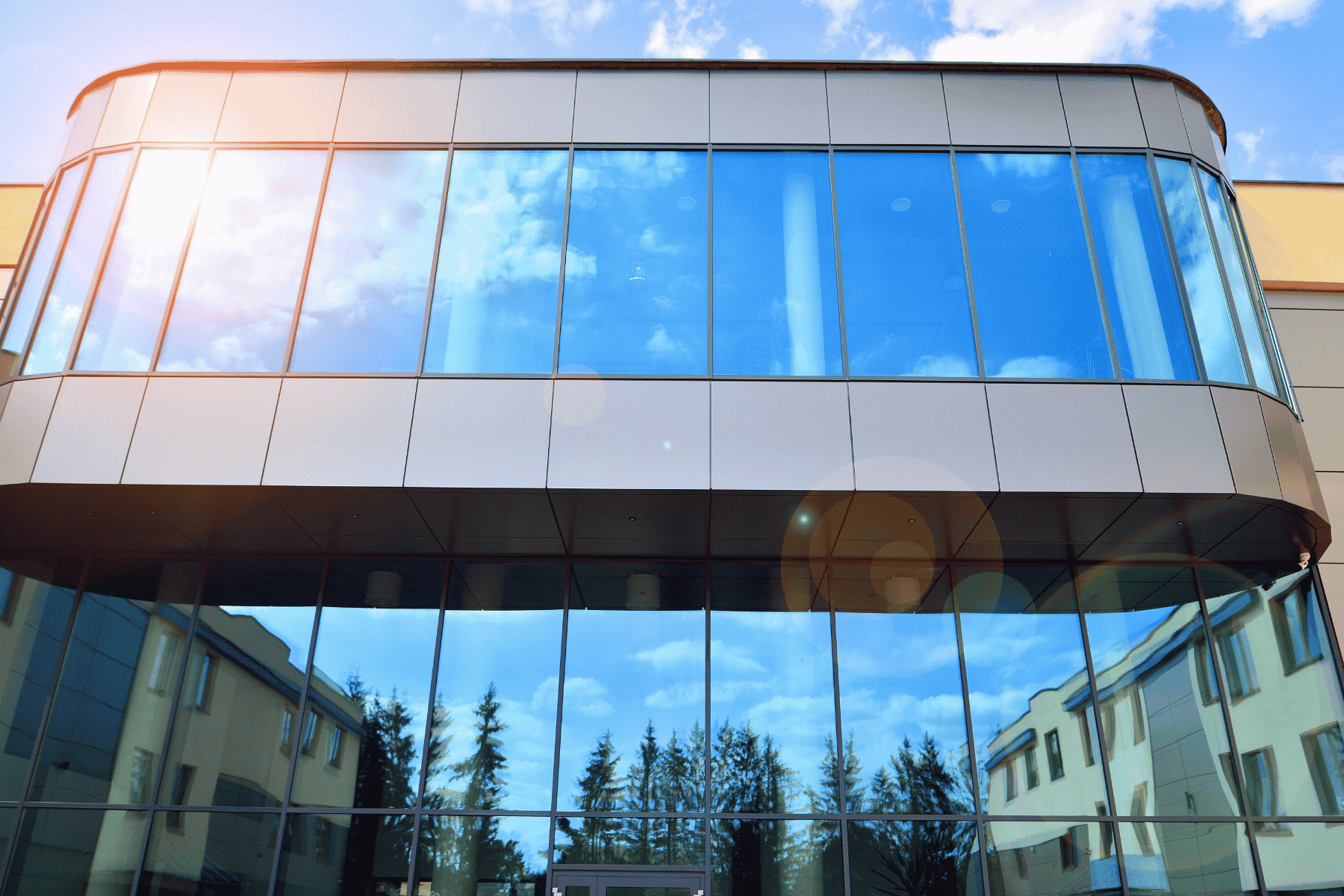
Changes its tint electronically in response to sunlight or user control, moving from clear to darkened without blinds or coatings. As building energy regulations tighten globally, smart glass is moving from high-end novelty to practical specifications. It reduces cooling loads, eliminates glare, and keeps interiors comfortable, all while maintaining the transparency that defines modern facade design for buildings.
5. Double-skin glass facades
This layers an outer and inner glass skin with a ventilated air cavity in between. The cavity acts as a thermal buffer, reducing heat gain in summer and heat loss in winter, while also cutting down on exterior noise. They are increasingly popular in commercial towers located in climates with strong seasonal temperature swings, where energy performance is under as much scrutiny as appearance.
Material Options for Modern Glass Facade Buildings
Modern glass facade buildings can be built with many material options; here are the widely used ones—
Structural Glazing Systems
Silicone-bonded glazing that eliminates visible external framing entirely, creating a flush, uninterrupted glass surface. Commonly used in flagship retail, corporate headquarters, and airport terminals, where the facade needs to feel as minimal as possible.
Unitised Curtain Wall Panels
Factory-assembled units that arrive on site complete with framing, glass, and seals significantly reduce installation time and improve quality consistency across large facades. Preferred for high-rise commercial projects where precision and speed are equally critical.
Neotra Engineered Panels as Glass Facade Complements
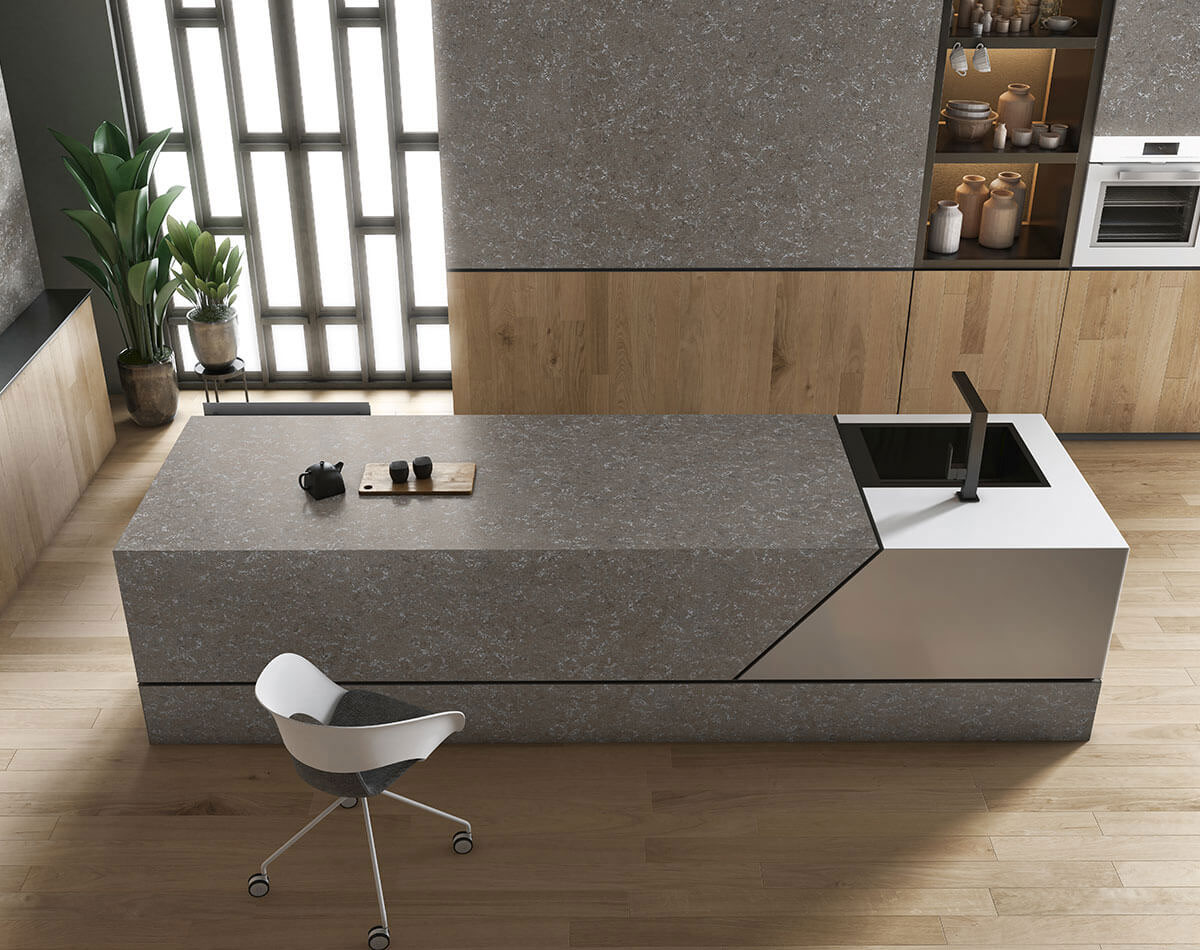
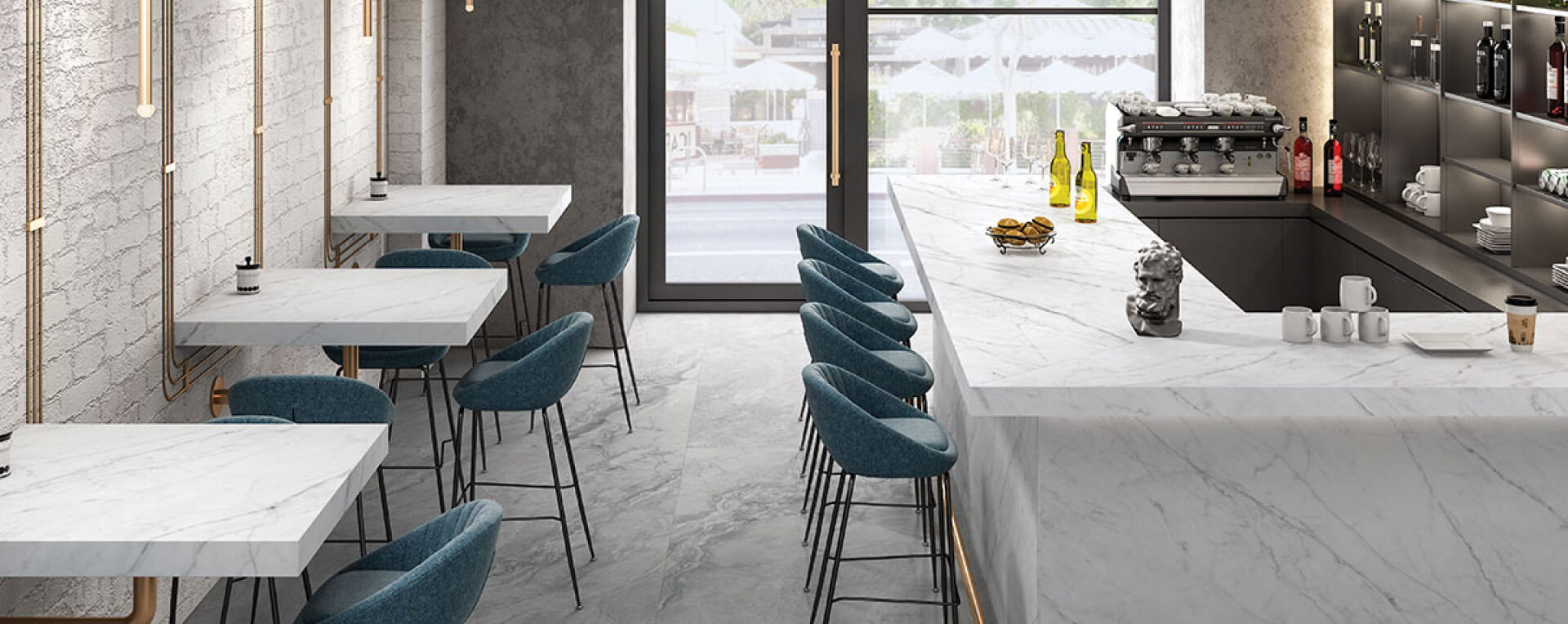
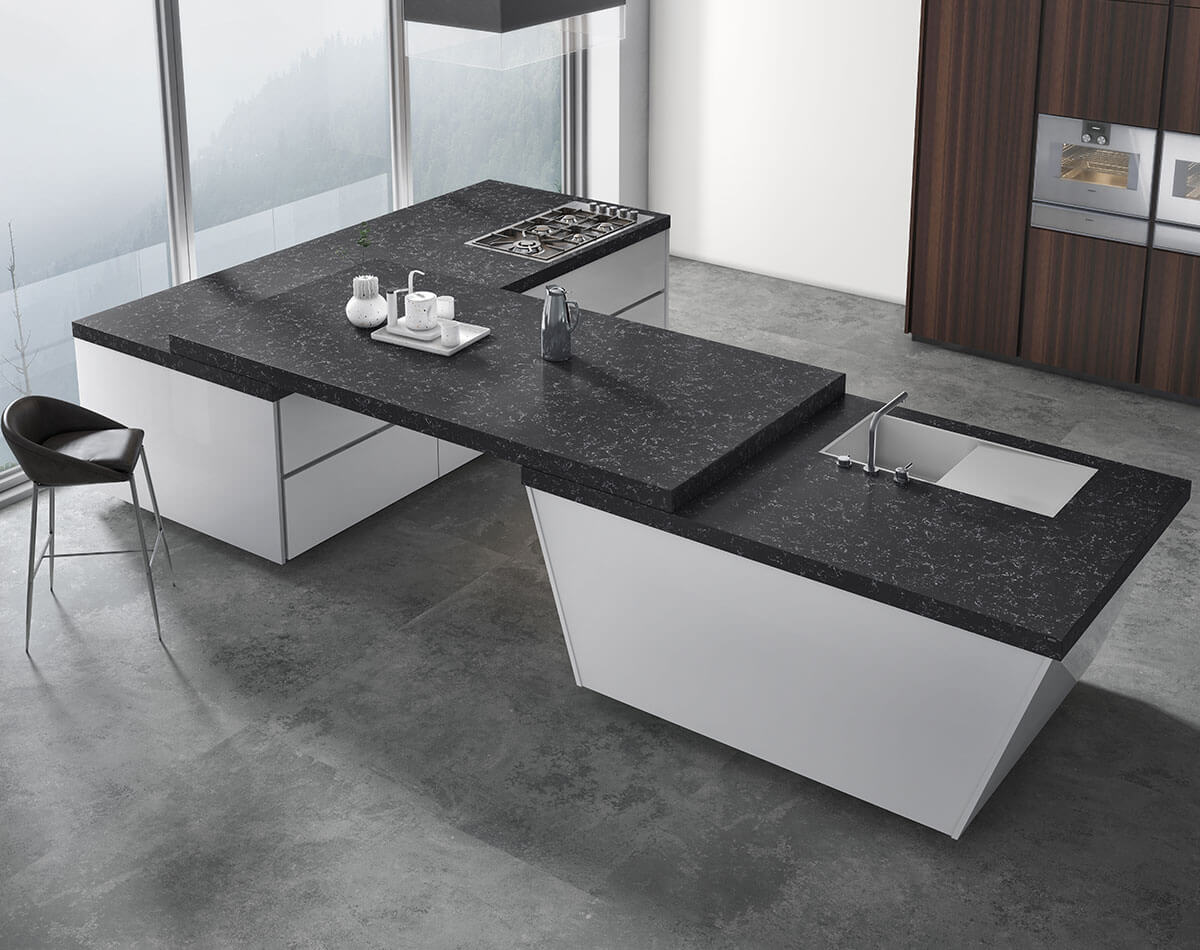
Large-format engineered slabs were specified alongside curtain wall and structural glazing systems for podium cladding, balcony soffits, and interstitial bands. Weather-resistant, UV-stable, and available in marble, concrete, stone, and wood-look finishes, our slabs introduce depth and texture at the points where glass alone would leave a facade feeling flat.
Also Read: Top 5 Durable Exterior Wall Cladding Ideas
Why the Best Facades Combine Glass and Neotra Surfaces
Glass creates visually striking facades, but lasting architectural impact comes from balancing transparency with durable materials that add depth and character.
Why all-glass facades have limitations
- Visually compelling, but they rarely tell the whole story.
- Over time, all-glass facades can feel thermally insufficient.
- They can also become visually monotonous, lacking the material depth that gives a building lasting architectural presence.
- The strongest facades treat glass as one layer in a considered material palette, pairing it with surfaces that add weight, texture, and long-term durability.
How Neotra complements glass
- Engineered for applications including podium cladding, balcony soffits, and interstitial bands.
- Integrates cleanly into curtain wall and structural glazing without disrupting a facade’s clean lines.
- Weather-resistant and UV-stable for lasting exterior performance.
- Available in finishes inspired by marble, concrete, stone, and wood.
- Maintains its integrity across decades of exterior exposure.