

Choosing the Right Materials for Modern Bookshelf Design
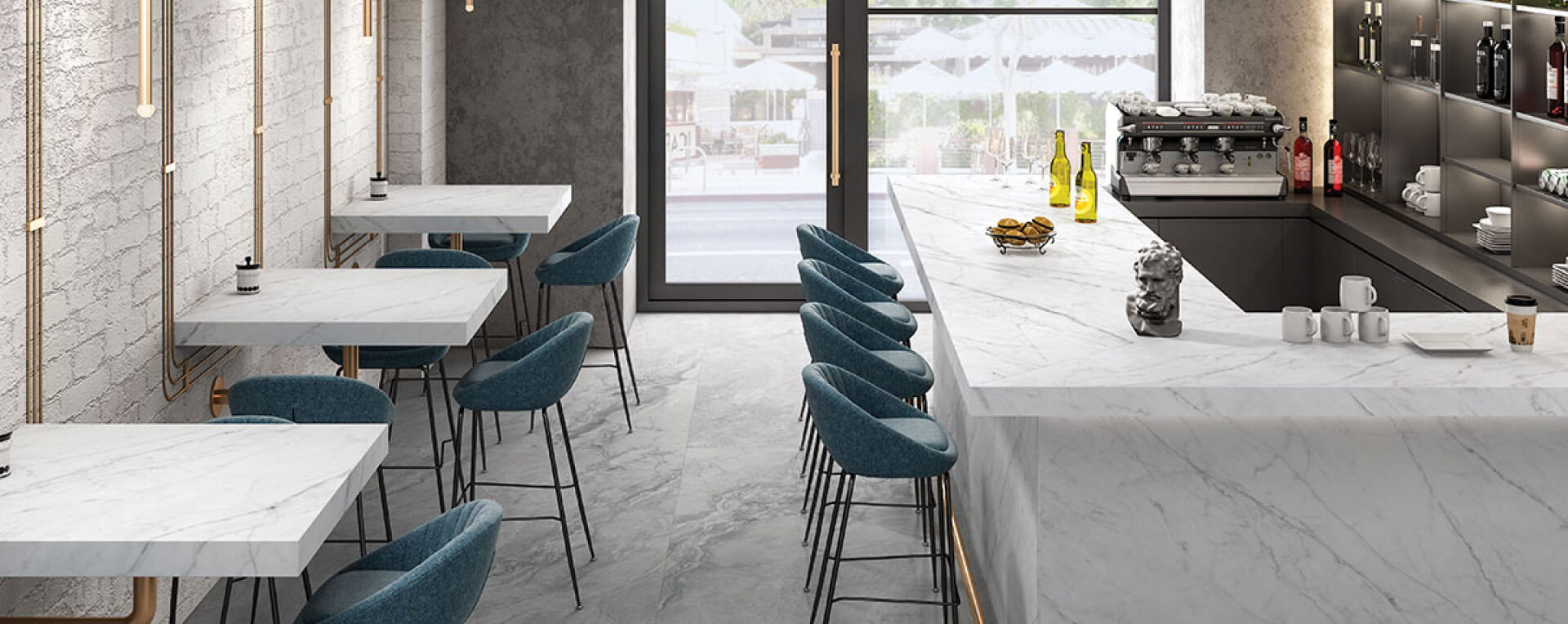
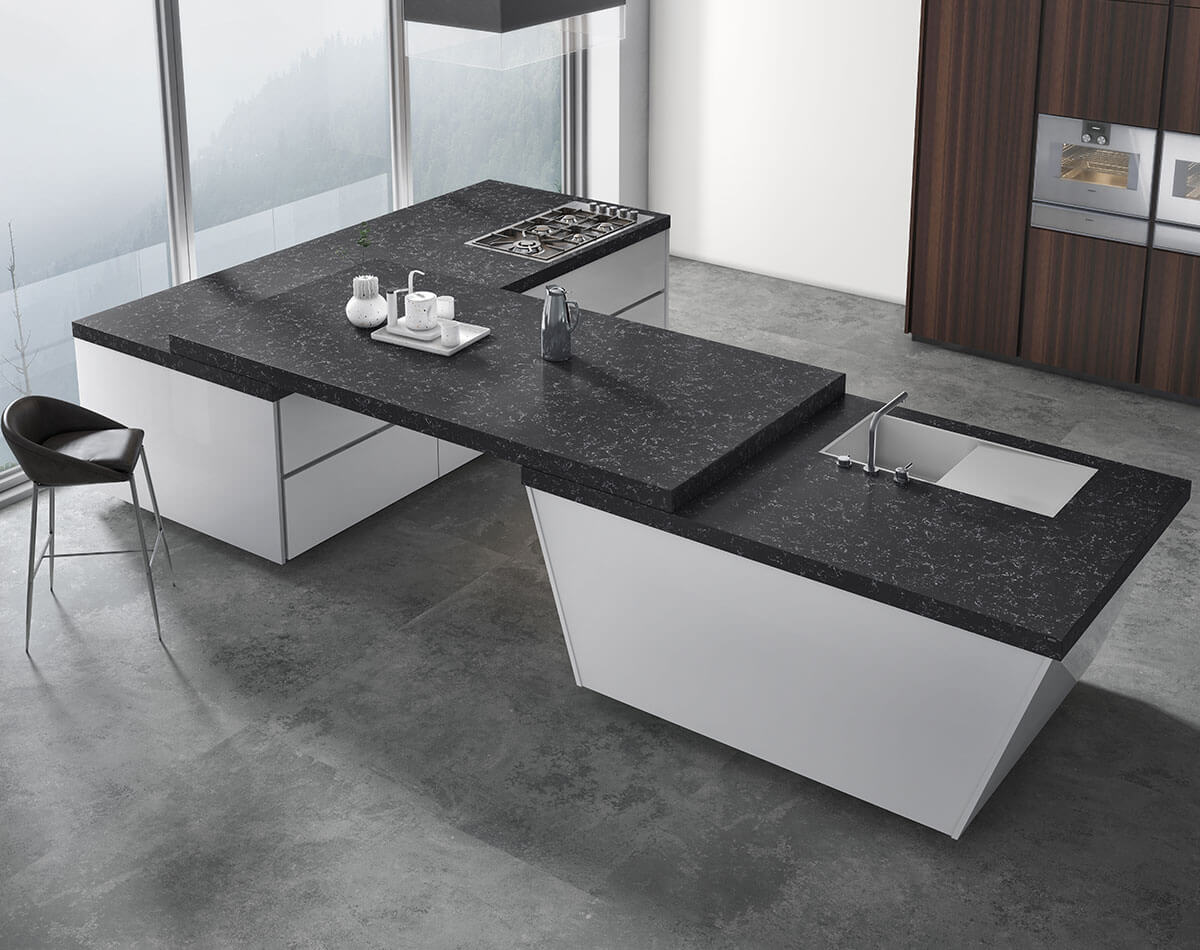
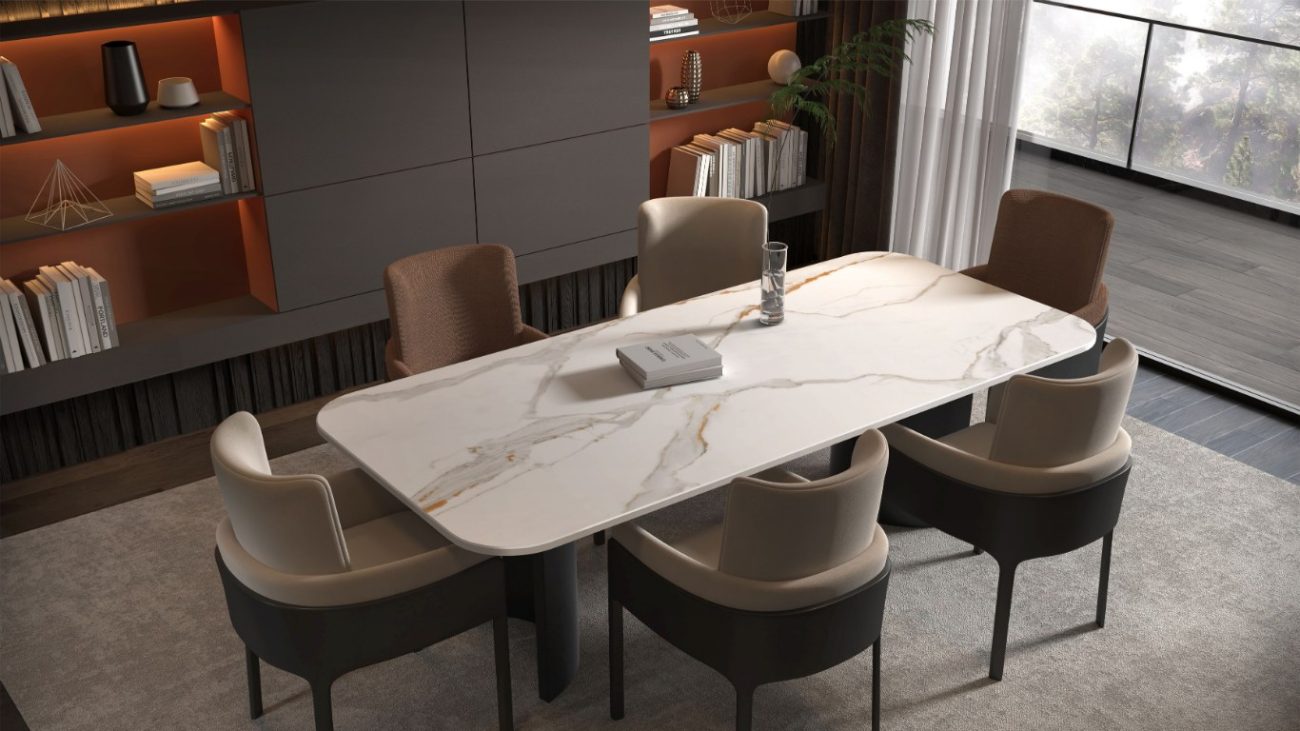
The material sets the tone for the whole bookshelf. It decides how the shelf looks, feels, and ages. Choose with care, because every surface plays a different part. For a premium result, balance beauty with strength; engineered surfaces offer both. Pair them with metal or glass for contrast.
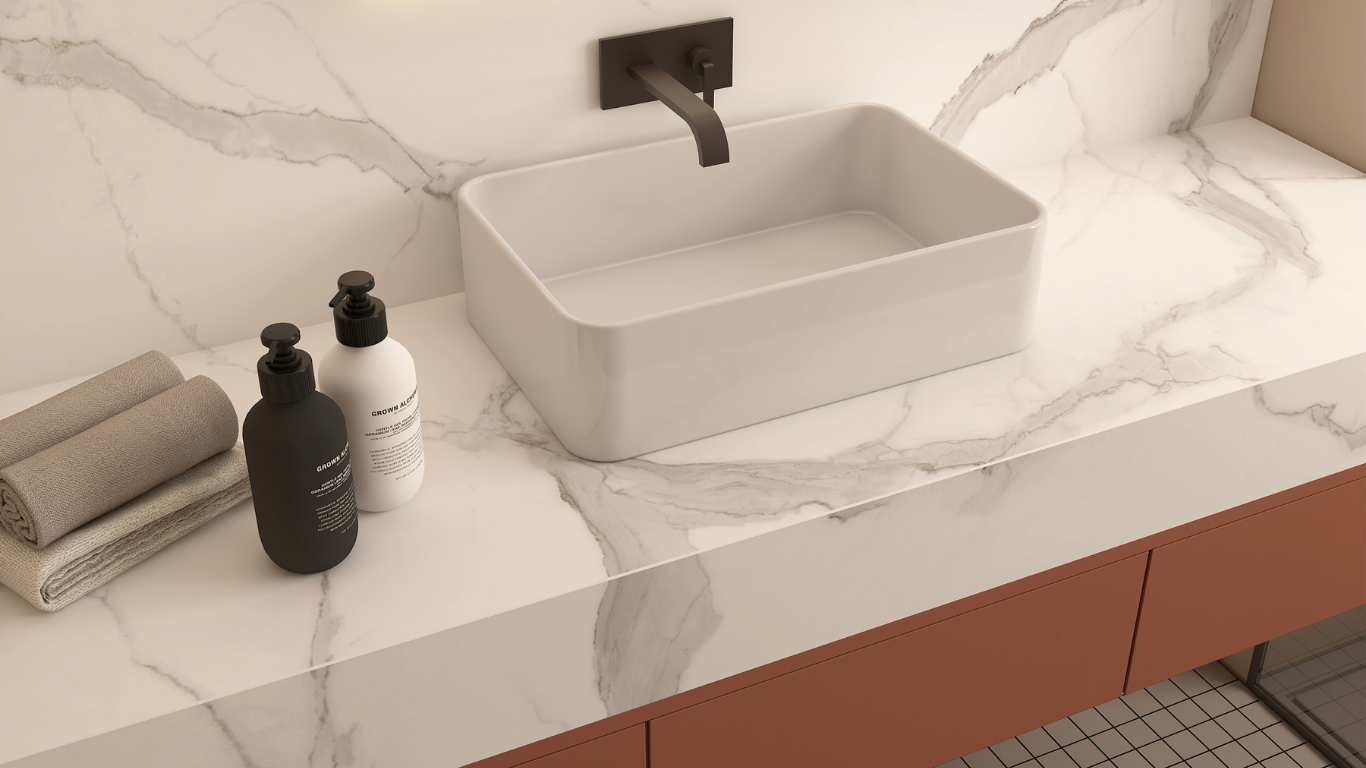
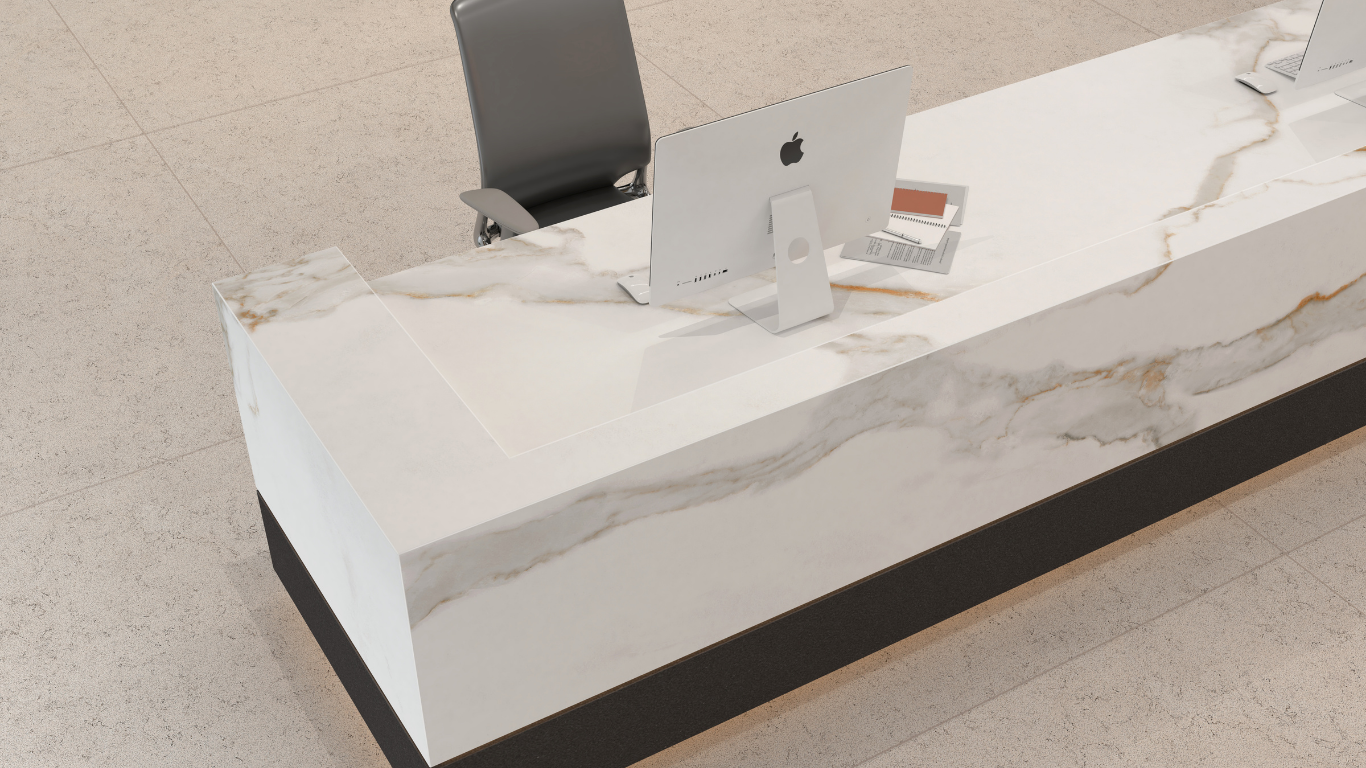
- Engineered surfaces: Are heat-resistant, scratch-resistant, and easy to clean, which is ideal for accents and backing panels.
- Metal: Slim frames give a clean, light look.
- Glass: Lets you display objects while keeping dust out.
- Wood and veneer: Adds natural grain and warmth.
- Matt laminate: Offers soft colour and a calm finish
10 Bookshelf Design Ideas for Living Rooms & Studies
Every bookshelf style suits a different space. Here are the 10 modern bookshelf design ideas to inspire your next living or study room.
-
1: Floor-to-Ceiling Wall Unit with Fluted Backdrop Panels
Run shelves from floor to ceiling for a grand, gallery-like effect. Fluted backdrop panels add rhythm and soft shadow behind your books. The tall vertical lines make the ceiling look higher. This design suits large living rooms and works beautifully with warm, neutral colour palettes.
-
2: Integrated Study Room Shelf Design with Built-In Desk
Combine storage and workspace in one seamless unit. A built-in desk sits within the shelving, keeping everything close at hand. Use a hard-wearing engineered surface for the main desktop. It resists stains, scratches, and daily wear, so your study stays elegant, calm, and well organised.
-
3: Minimalist Modular Metal and Wood Frame Shelving
Modular frames let you build a shelf that grows with your needs. Slim metal uprights and wood shelves create a light, airy, open look. Add or move sections as your collection changes. It is a smart and flexible choice for rented homes and compact studies.
-
4: Recessed Niche Bookshelves with Warm LED Strip Lighting
Carve shelves into the wall for a sleek, built-in finish. Warm LED strips glow softly along each niche, making objects and books stand out. Line the back with a marble-look engineered surface for added visual depth, creating a calm, hotel-style mood in the evening.
Also Read: 12 Modern Wall Shelf Design Ideas for Every Room
-
5: Asymmetrical Geometric Wall-Mounted Bookshelf
Break the grid with shelves in varied angles and sizes. An asymmetrical layout turns the wall into an art piece, even when half-empty. Mount it with strong fixings and keep the colour simple. Works well as a bold focal point above a desk or a sofa.
-
6: Dual-Tone Matte Laminate Room-Divider Bookshelf
Divide an open space without closing it off. A double-sided shelf in two matt tones adds colour while keeping light flowing through. Each side can have its own look, one for the living area and the other for the study. Matt finishes also resist smudges and fingerprints.
-
7: Glass-Fronted Display Cabinet with Anodised Aluminium Edging
Show off collectables while keeping dust away. Glass doors with slim anodised aluminium edging give a crisp, modern outline. Add soft internal lighting to bring out fine detail. This design suits elegant, formal living rooms where every treasured object deserves a spotlight.
-
8: Floating Corner Shelf Unit for Compact Layouts
Make use of the corner that often goes empty. Floating shelves wrap around the angle, adding storage without taking floor space. The open base makes the room feel larger and easier to clean, which is a stylish fit for small apartments and reading nooks.
Also Read: 12 Corner Wall Shelf Design Ideas to Maximise Small Spaces
-
9: Dark Wood Veneer Bookshelf with Marble-Look Accent Backing
Rich dark veneer brings depth and a sense of heritage. Set against a marble-look backing, it gains a luxurious contrast. Neotra advanced surface captures the beauty of natural marble with far greater strength and easier care. Together, they make a statement piece for any study.
-
10: Concealed Doorway Bookshelf with Flush Secret Hardware
Turn a doorway into a hidden surprise. A bookshelf door swings open on concealed hinges, with flush handles that disappear into the design. This adds charm and privacy to a study or home library. Choose strong hinges to carry the full weight of your books.
Structural & Loading Considerations for Custom Bookshelves
A bookshelf must be as strong as it is beautiful. Books add weight fast. Plan the structure before you choose the finish. Good planning protects the surface finish; share your needs with your carpenter early so the design stays safe and graceful.
- Thickness: Use thicker boards for heavy art books
- Shelf span: Keep spans short, ideally around 80 cm, to prevent sagging
- Wall fixing: Anchor tall units to the wall to stop tipping
- Supports: Add vertical dividers or hidden brackets for extra support
- Heavy surfaces: Engineered surfaces are dense, so check wall and frame strength first
- Load planning: Place heavier books on lower shelves
Also Read: Types of Shelves for Every Room in Your Home
Styling Tips: Balancing Storage and Decor on Open Shelves
Open shelves should feel curated but not crowded. The goal is a calm balance between books and decor. Let each object have room to breathe. A few thoughtful choices will keep the shelf stylish and useful.
- Vary the heights: Stack some books flat and stand others upright
- Follow the 60/40 rule: Fill about 60% with books and 40% with decor
- Leave empty space: Gaps give the eye a place to rest
- Add texture: Mix ceramics, plants, and framed art for depth
- Keep a palette: Stick to two or three colours for a refined look