

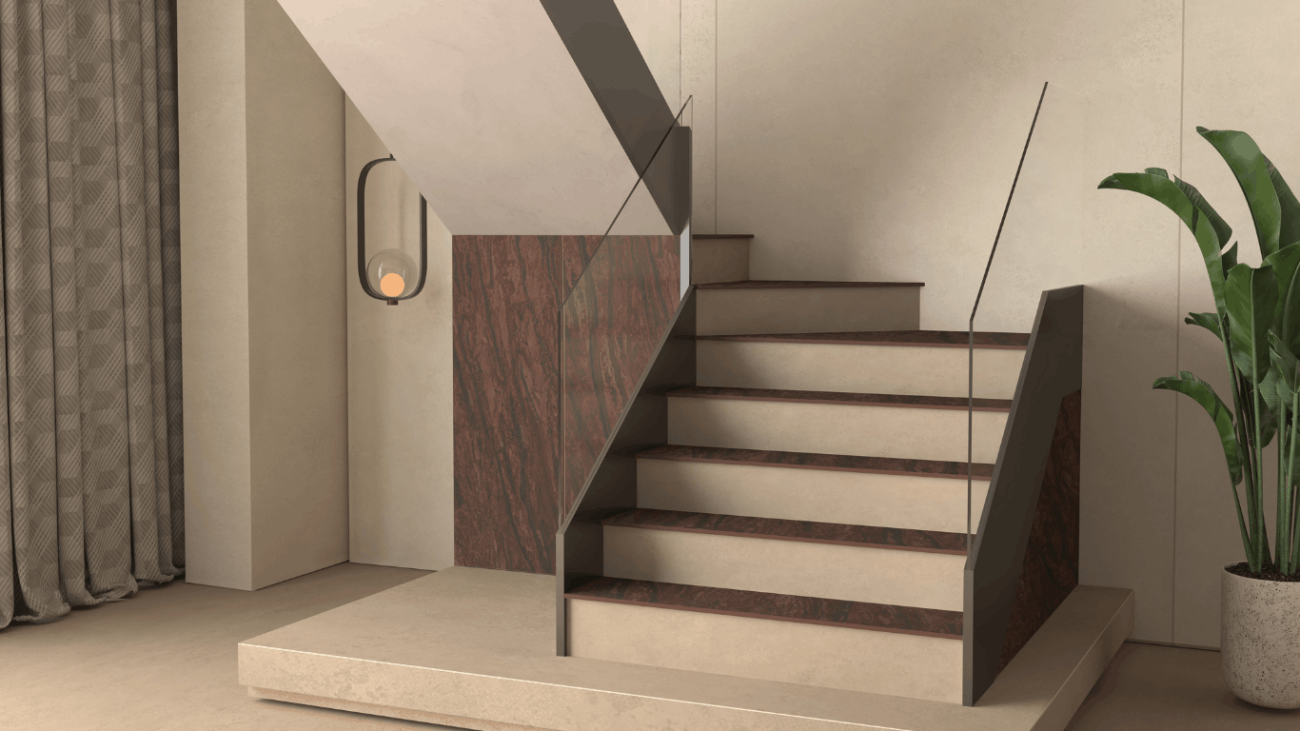
Why Staircase Wall Design Matters for Interiors
A staircase wall is more than just a surface between floors. As one of the most visible architectural elements in a home, it offers an opportunity to add character, visual interest, and design continuity.
- Often overlooked, staircase walls are among the most frequently seen surfaces in a home
- Typically taller than other interior walls, making them visually prominent
- Connect different levels of the home and create a continuous design thread
- Experienced multiple times a day by everyone in the household
- Transitional spaces allow for bolder and more personal design expressions
- Can accommodate a variety of treatments, from staircase cladding and panelling to artwork and lighting
- Help enhance the overall visual flow between living spaces
- When designed intentionally, a staircase wall becomes a defining interior feature rather than a background element
12 Staircase Wall Design Ideas
Here are 12 staircase wall designs for living room and other spaces that range from the quietly refined to the boldly expressive, each offering a different way to make the journey through your home feel international.
1. Full-Height Neotra Surface Cladding
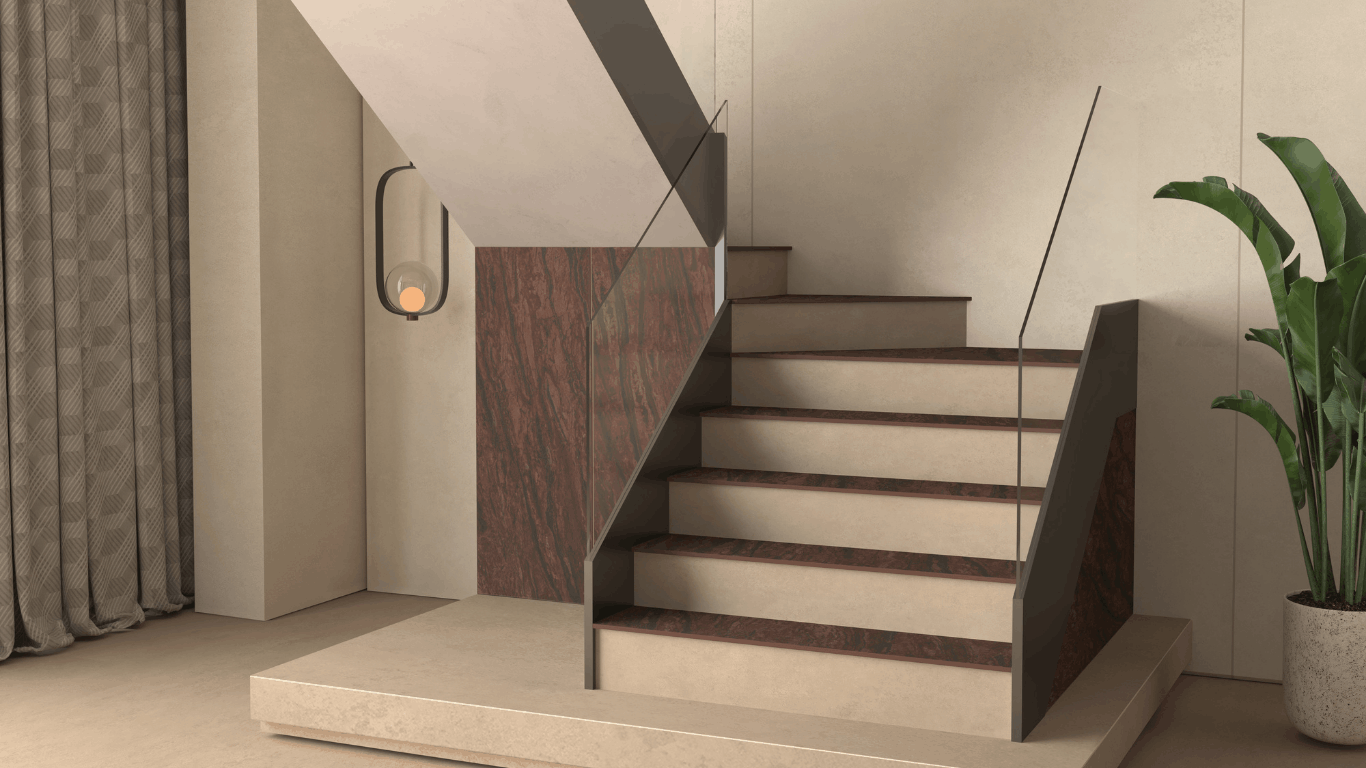
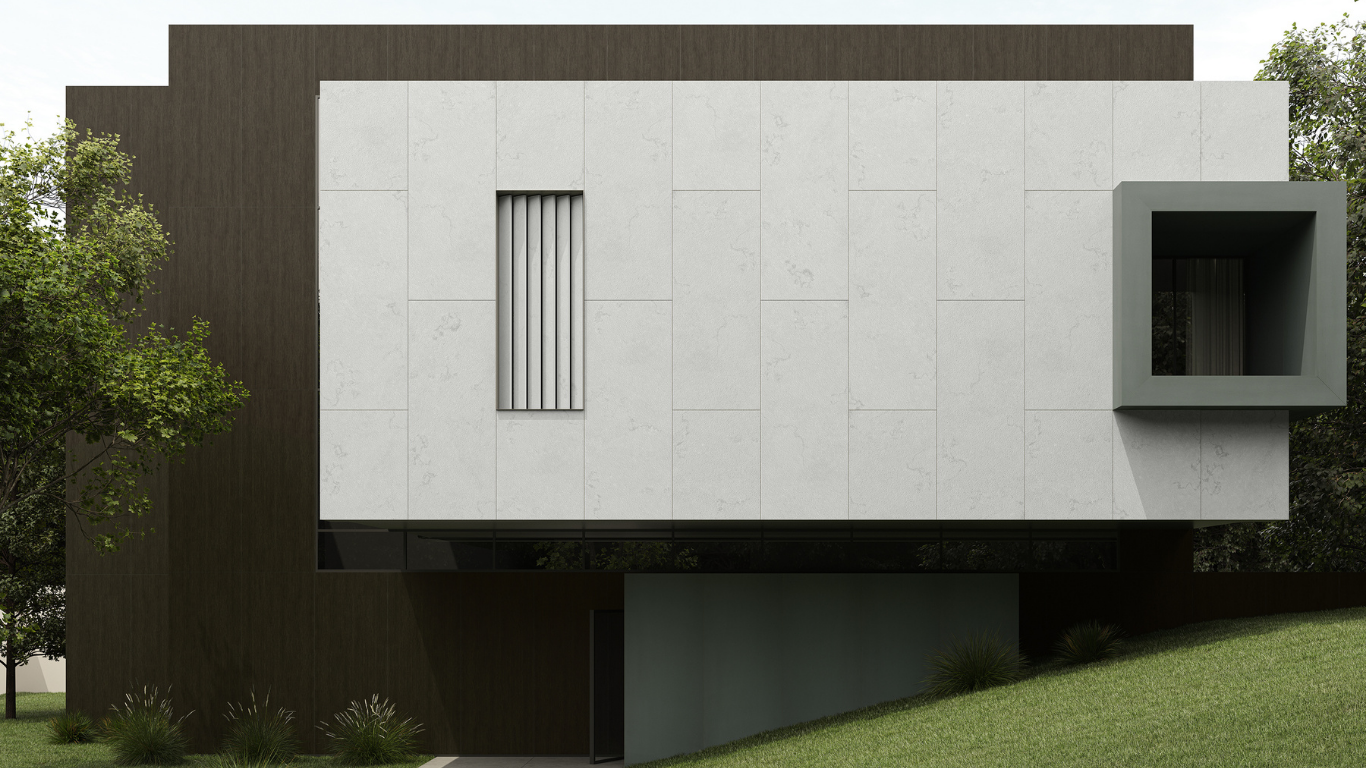
Floor-to-ceiling surface cladding is an impactful choice for a staircase wall. Our sintered surfaces are available in large-format sizes that minimise visible joints, bringing the visual richness of marble or stone across the entire height of the wall without the fragility or maintenance burden that natural marble or stone demands.
2. Gallery Wall with Framed Artwork
A gallery wall along the staircase is a timeless choice, but the difference between one that looks curated and one that looks cluttered lies entirely in the edit. Rather than filling every inch of wall space, allow generous breathing room between frames. Various sizes while keeping the palette consistent: black frames on a warm white wall or timber frames against a muted sage. A curated gallery of framed art or family photographs is arranged diagonally along the staircase rise to the classic residential statement wall.
3. Exposed Brick Staircase Wall
Exposed brick on a staircase wall introduces warmth and texture with the sense of history that few other materials can replicate. For a contemporary home, exposed brick works best when the rest of the staircase is kept clean and minimal, with a steel handrail, painted ceilings, and a simple timber tread. The brick provides all the character the space needs.
4. Wood Panel Staircase Wall
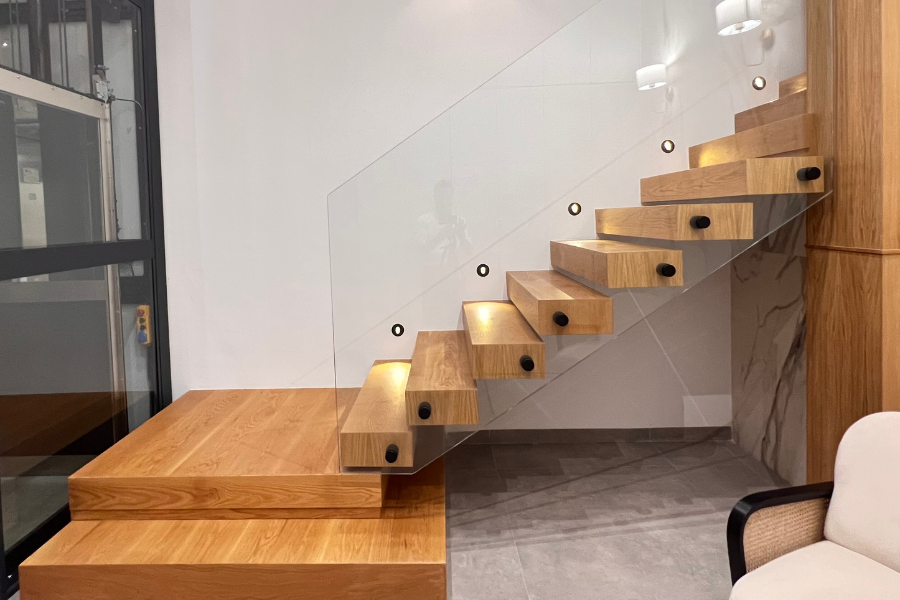
Wood-look surfaces, whether in the full-height, traditional raised, or more slatted screen, introduce a material quality that softens the hard geometry of risers and stairs, a feature often seen in wooden staircase designs. For high-traffic applications, opt for surfaces that have high strength and stain resistance. A light wood-look slab works well, offering depth without the visual weight of natural grain.
5. Wallpaper Feature on Staircase Wall
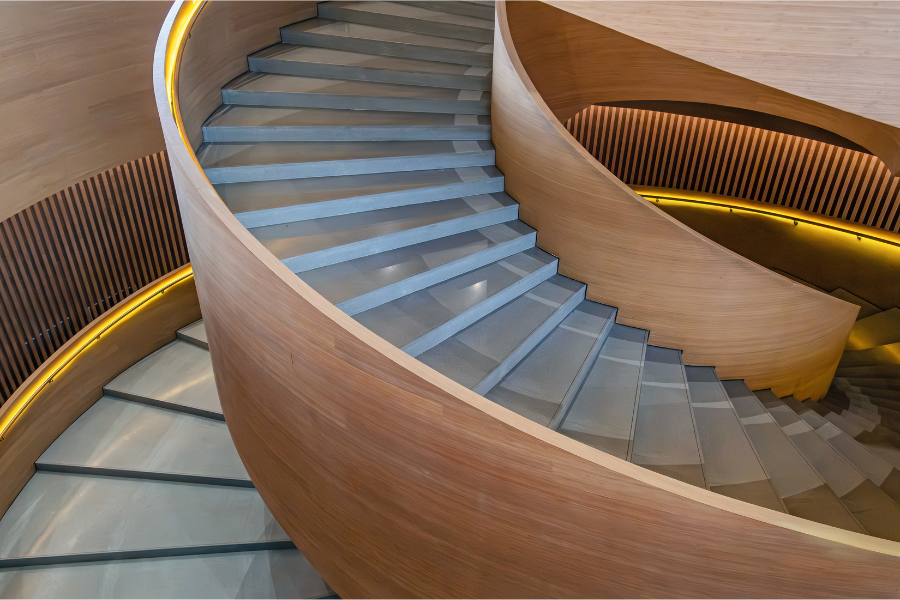
A statement wallpaper on the staircase wall is one of the most effective ways to introduce personality, patterns, and colours into a space without committing to a full-room installation. Large-scale botanical patterns, hand-drawn illustrative patterns, and abstract geometrics work well in this context. The key consideration is that oversized repeat patterns tend to read better on staircase walls than small, dense designs, which can feel busy when seen from a distance.
Also Read: 12 Creative Under-Staircase Design Ideas for Storage & Decor
6. Mirror Wall on Staircase
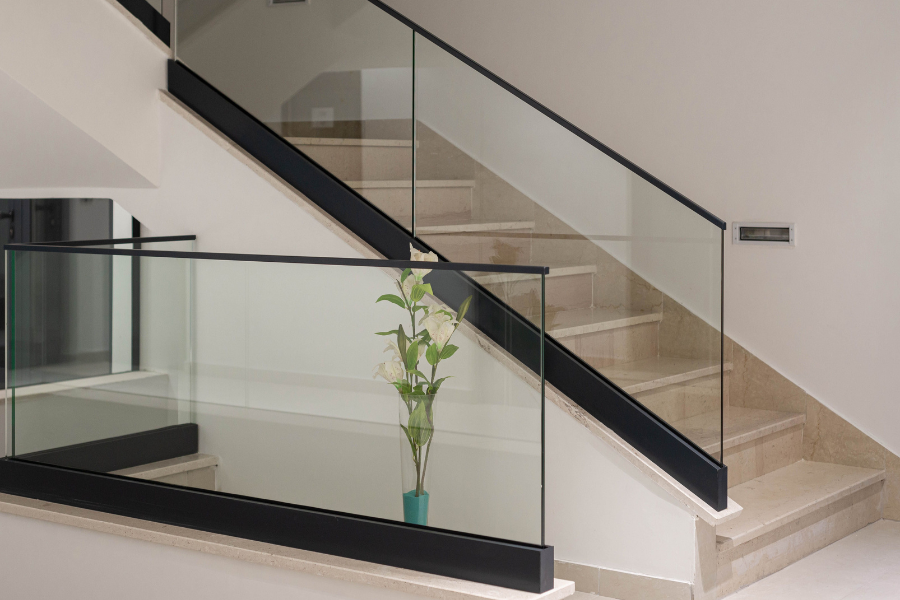
Mirrors on a staircase wall visually double the width of a narrow passage and draw in light from adjacent windows, making the entire staircase feel more open and considered. A single large-format mirror, a composition of framed panels, or a full-length mirror set into a recessed alcove all work well. In compact homes, it is one of the most generous choices.
7. Concrete-Look Surface Staircase Wall
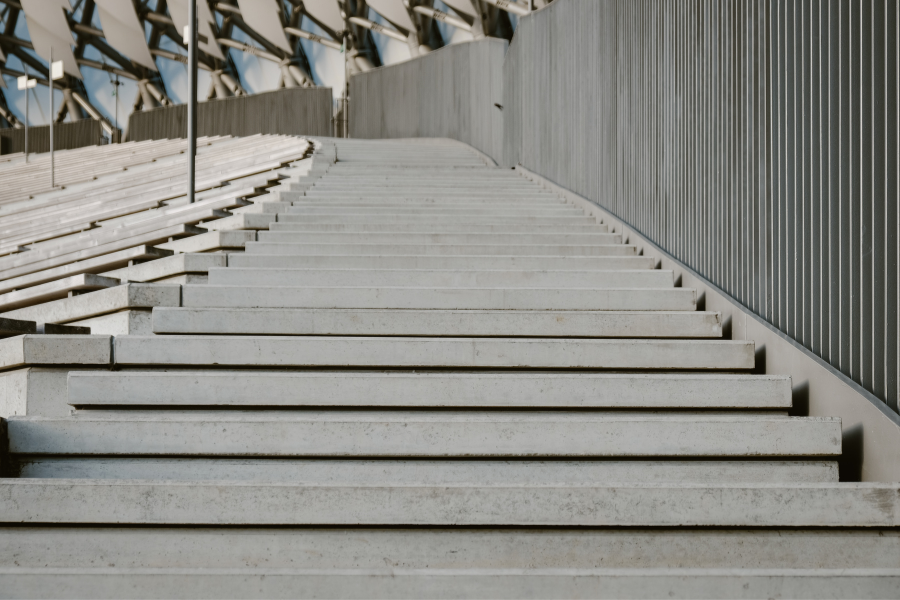
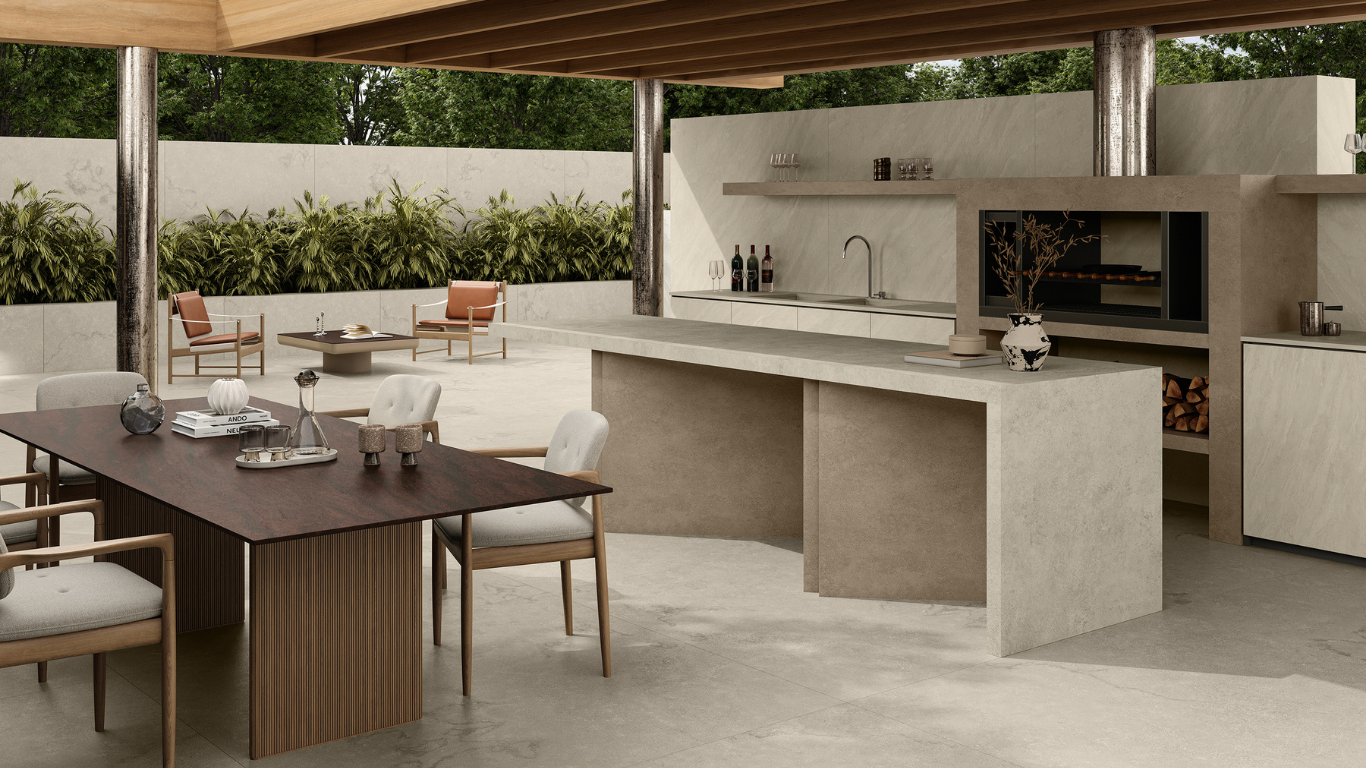
A concrete-look surface on a staircase wall creates a sense of industrial restraint that pairs beautifully with both warm timber and cooler steel. Our concrete-look slabs deliver the aesthetic with precision and consistency that poured or applied concrete cannot match. The surface is uniform, controlled, and free from cracking or staining of real concrete while maintaining the visual character.
8. Floating Shelves on Staircase Wall
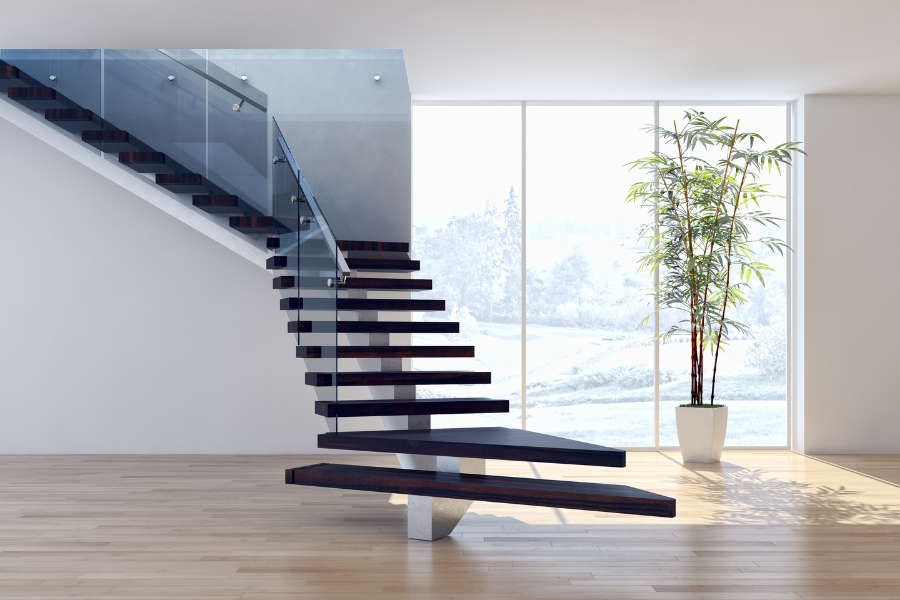
Built-in or floating shelves along the staircase wall offer storage and display space while creating a visual rhythm that draws the eye upward, similar to the layered approach used in wall panel designs. Stagger placement to floor the incline of the staircase, and keep the objects you display, including a ceramic piece, a trailing plant, and books. The shelves themselves become part of the design, not just the things on them.
9. Niche and Recess Feature Wall
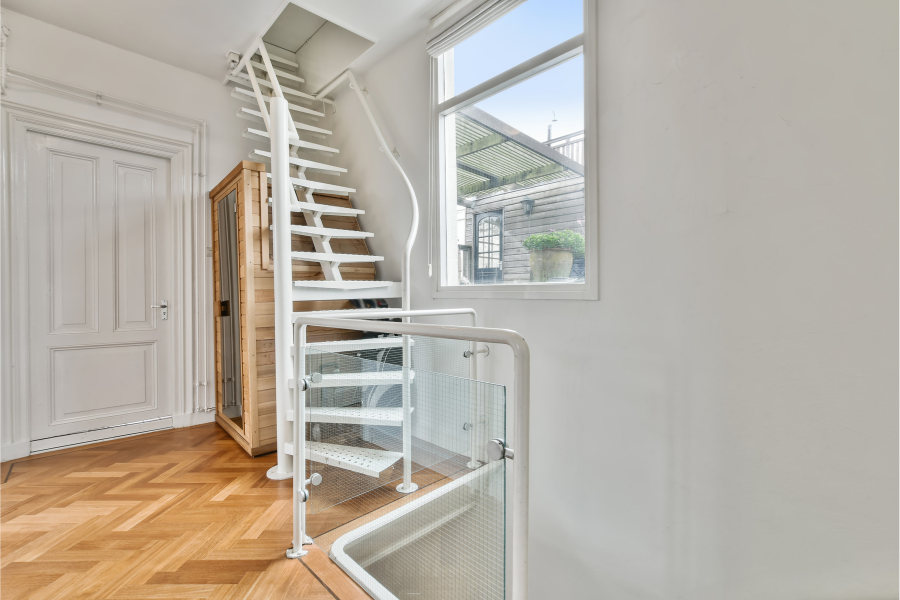
Deeper niches can accommodate books, framed art, or small artworks without the need for wall fixings. When the staircase wall is thick enough, a series of evenly spaced niches running the height of the wall creates a rhythm that is both architectural and decorative, giving the staircase a quality that feels designed rather than simply built.
Also Read: Top 10 Marble Wall Design Ideas for Luxurious Interiors
10. Painted Mural or Geometric Accent
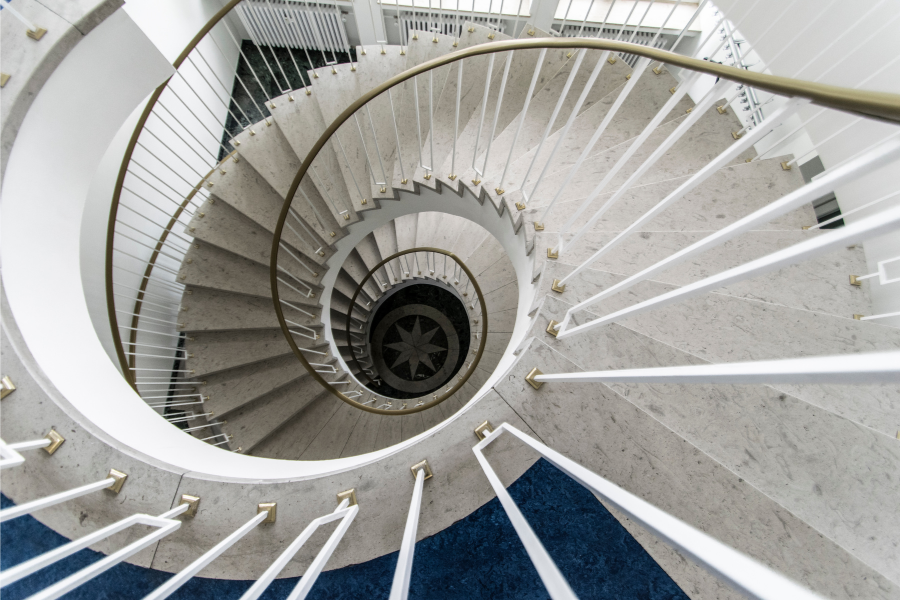
A painted mural, whether hand-applied by an artist or rendered in a geometric pattern using painter’s tape, transforms the staircase into something that functions almost like an installation. Geometric accent painting in bold arches, colour-blocked sections, or graphic stripe work achieves a similar visual impact with less complexity.
11. Vertical Garden Wall on Staircase
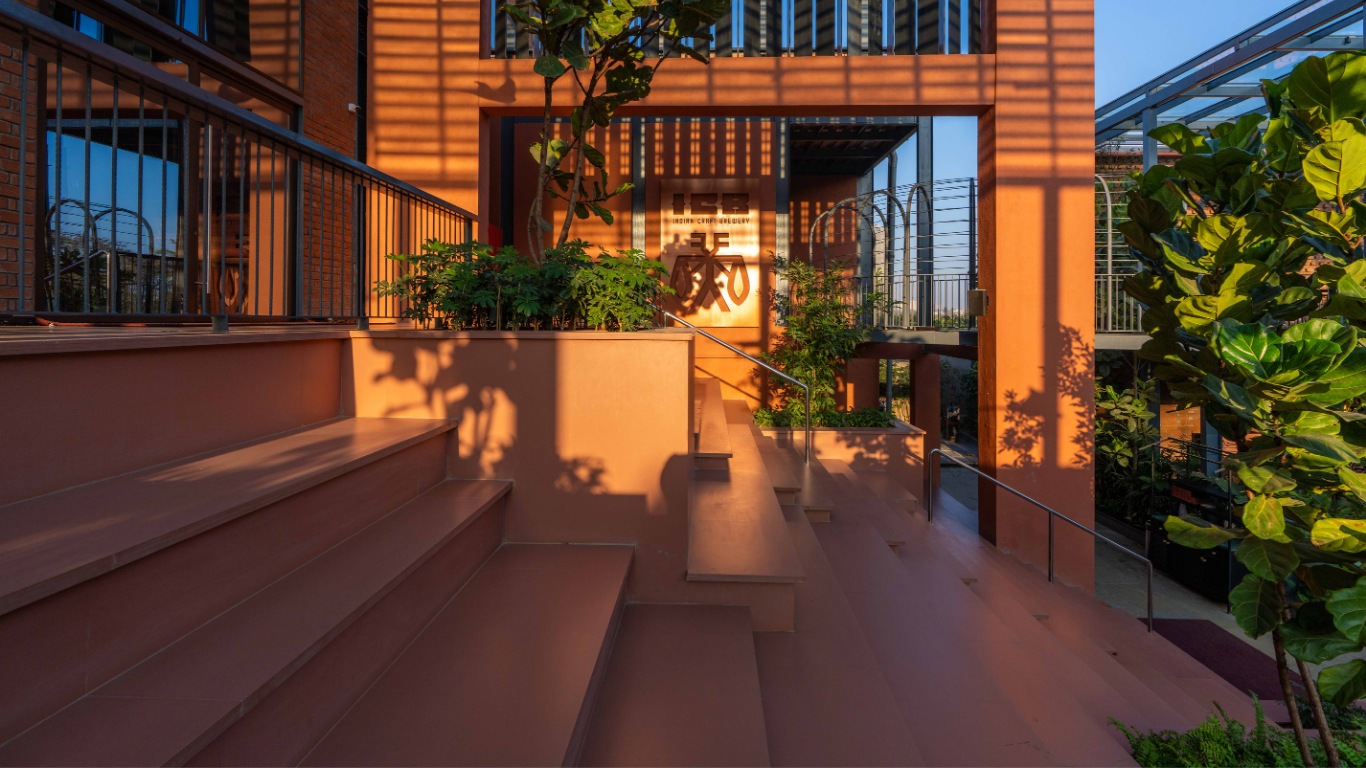
Panelling brings a sense of classical architecture to contemporary homes. In open-plan homes, vertical panelling on the staircase wall helps anchor the transition from one level to another, adding structure without heaviness. A living green wall along the staircase brings biophilic energy, oxygen, and a striking visual feature to a high-traffic interior zone.
12. Backlit Neotra Panel Staircase Wall
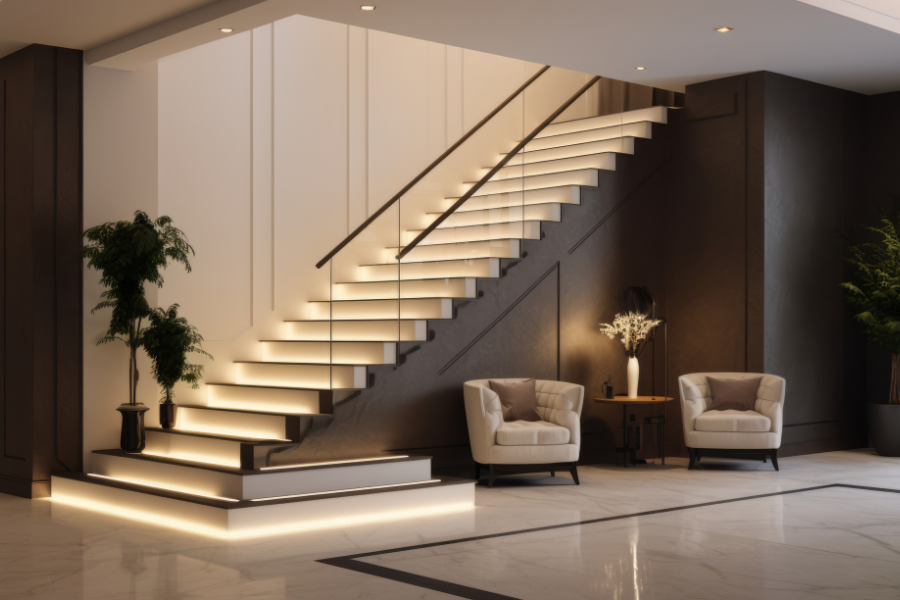
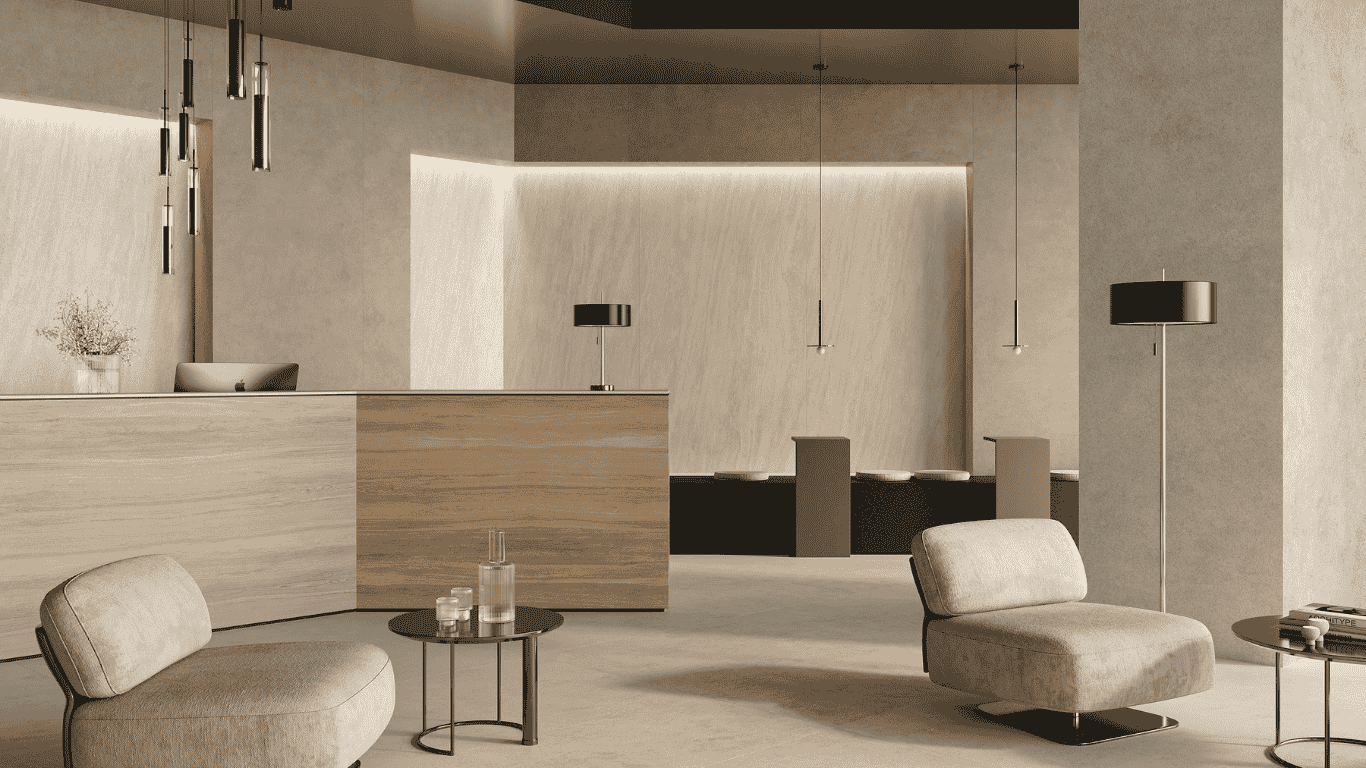
Neotra surfaces in a lighter marble look are particularly well-suited to backlit installations. When positioned against a continuous LED source, the veining and natural patterns within the surface become a living graphic, shifting with the quality of light. For a staircase design that needs to work both as a practical passage and as a statement feature within the home, a backlit Neotra wall slab is among the most considered options.
Choosing the Right Neotra Surface for Your Staircase Wall
The right Neotra surface depends on the design mood you want to create. Different surface finishes can help achieve luxurious, contemporary, or warm interior aesthetics while delivering long-term performance.
- Marble-look surfaces in whites and warm beiges add elegance without overwhelming the space
- Concrete-look surfaces in grey create a clean, contemporary, and architectural appearance
- The Inemnsa collection is ideal for backlit installations, where deep veining becomes more prominent under lighting
- The Accordi collection offers wood-look surfaces that bring warmth and a more organic feel to interiors
- Large-format surfaces minimise visible joints for a seamless staircase wall design
- Scratch- and moisture-resistant surfaces help maintain their appearance over time
- Low-maintenance finishes reduce the need for special upkeep while supporting long-term durability
- Suitable for staircase walls that require both premium aesthetics and everyday performance