
The Case for Stone Cladding
-
Aesthetic Appeal of Natural Stone
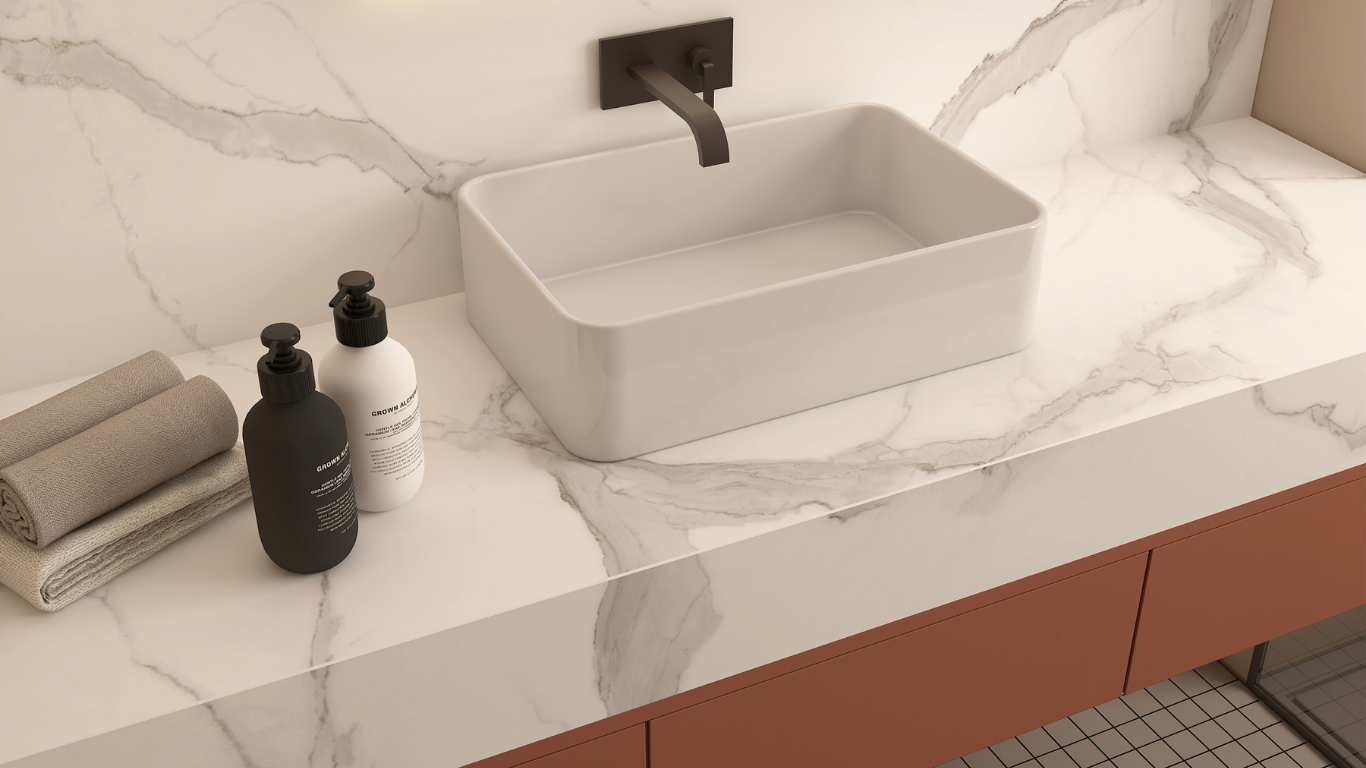
Natural stone carries an aesthetic no manufactured surface fully replicates; each slab holds its own veining, tonal shifts, and mineral flecks, shaped patiently over millennia. Granite, limestone, and sandstone bring quiet, monumental beauty to facades, entryways, and feature walls, ageing with a patina many homeowners consider a virtue rather than a flaw. It reads as substantial, unmistakably premium, and grounded.
-
Durability and Longevity
Stone has clad buildings for centuries, and its record speaks for itself. It resists fire, holds structural integrity, and withstands harsh weather for decades with minimal intervention. Unlike organic materials, it does not rot, succumb to pests, or warp. For homeowners who see exterior wall cladding as a decades-long investment rather than a seasonal update, stone offers a rare kind of permanence.
-
Limitations of Stone Cladding
Stone’s strengths come with real costs. It is heavy and demands reinforced substructures and skilled labour for installation, which drives up budgets and timelines. Natural porosity in certain varieties means periodic sealing is needed to guard against moisture and staining. Sourcing is finite and quarry-dependent, so matching slabs across a large facade can be difficult, and lead times often stretch on.
The Case for Wooden Cladding Panels
-
Warmth and Natural Character of Timber
Timber brings an immediate appeal that no other material matches: the grain, the subtle colour variation, and the knots all speak of something living rather than manufactured. Wooden panels soften a facade’s edges and invite touch, lending interiors and exteriors a tactile, human warmth. Where stone feels monumental, wood feels personal, making it a natural favourite for homes built around connection and comfort.
Also Read: 10 Stone Cladding Designs for Interior & Exterior Walls
-
Design Versatility
Wooden panels adapt readily to different design languages, from horizontal slatted screens to vertical batten walls to herringbone patterns. They can be charred, stained, whitewashed, or left natural, shifting tone entirely with the finish. This range makes timber equally at home on a minimalist facade, a contemporary interior wall, or a rustic cabin, giving designers flexibility that few exterior facade materials can rival.
-
Limitations of Wooden Cladding
Real wood’s beauty is inseparable from its vulnerability. Exposed to rain, sun, and humidity, timber fades, cracks, warps, and can rot or attract termites without diligent, ongoing seasonal maintenance. Exterior installations typically need re-staining or re-sealing every few years to preserve both performance and appearance. Fire resistance is limited, and costs can climb quickly with premium, weather-rated species over time. Composite cladding can be used, but there are limitations.
Neotra Engineered Surface Cladding: The Best of Both
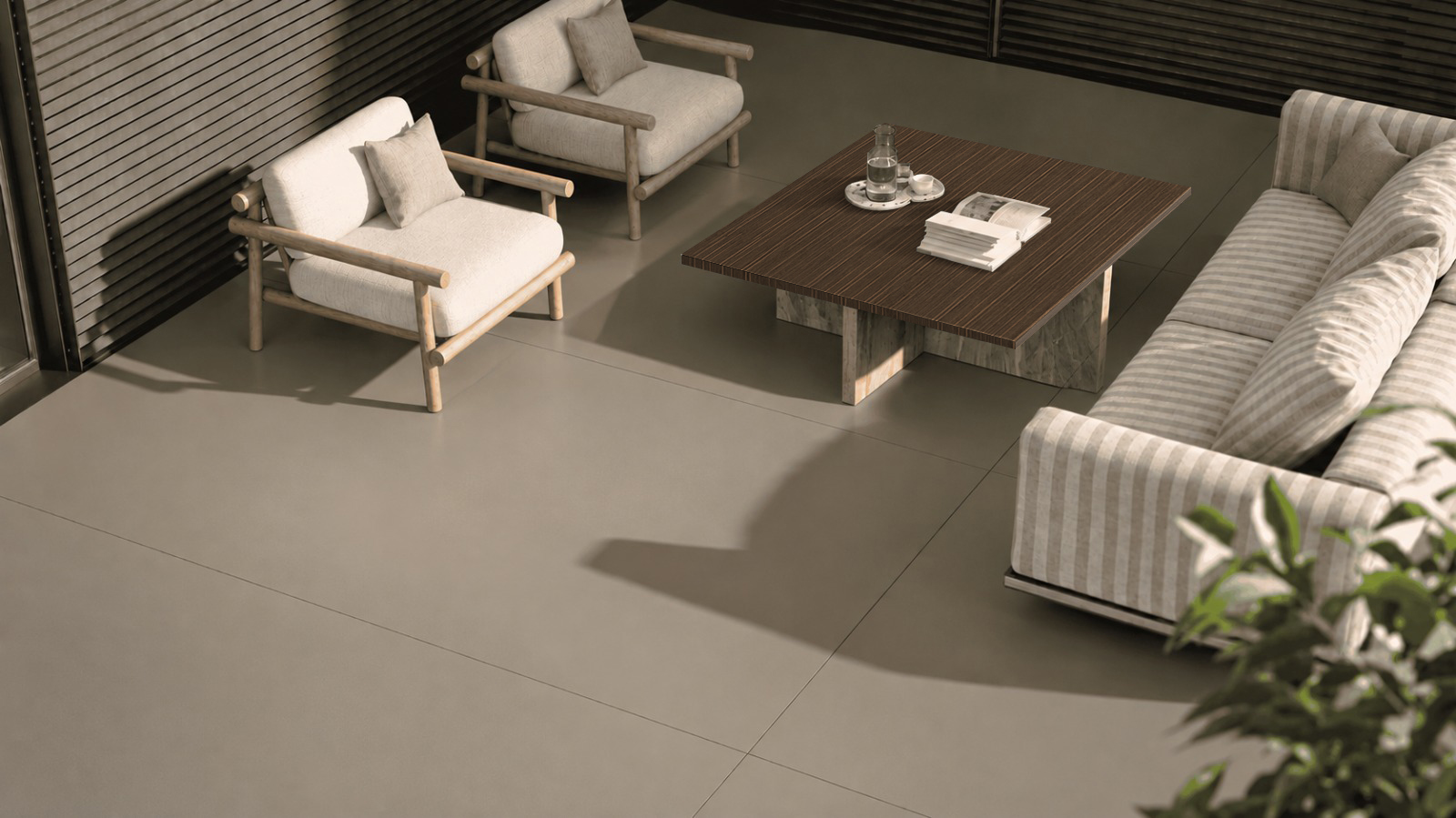
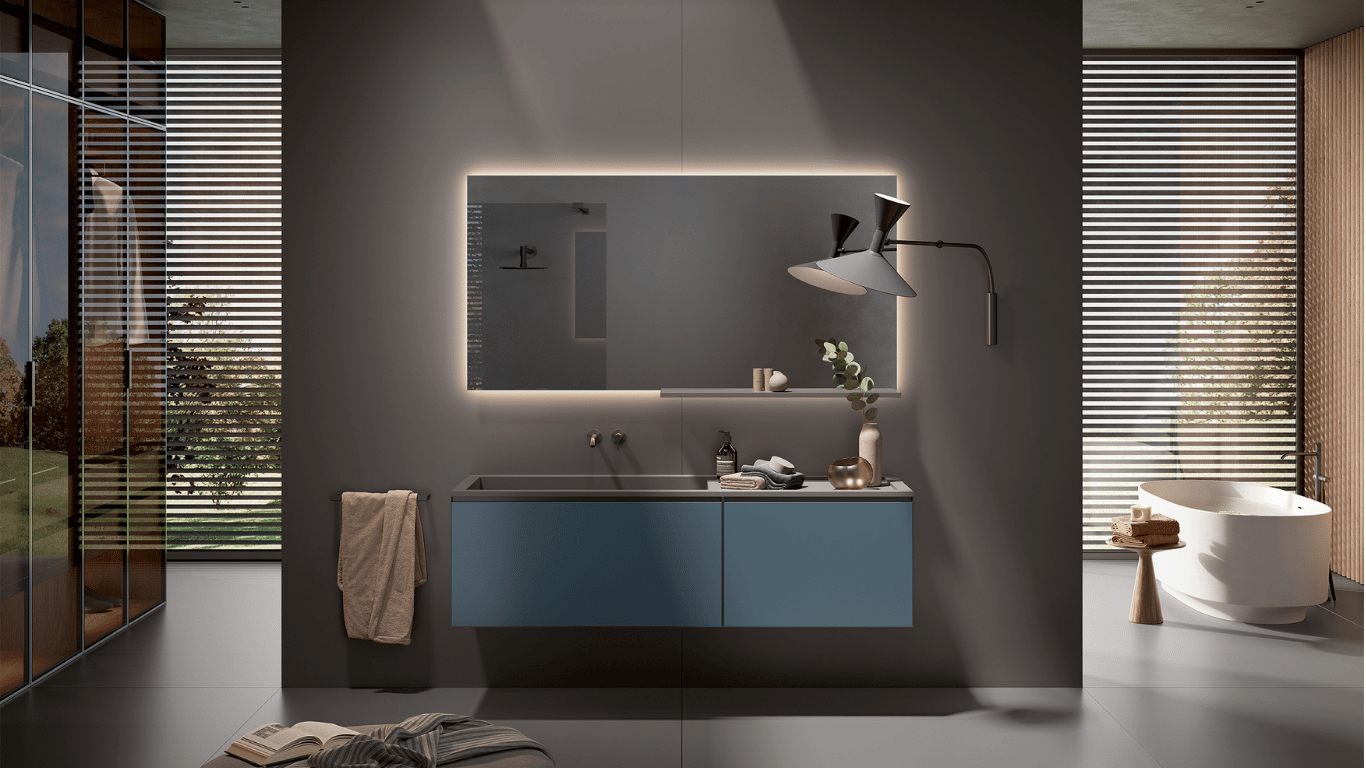
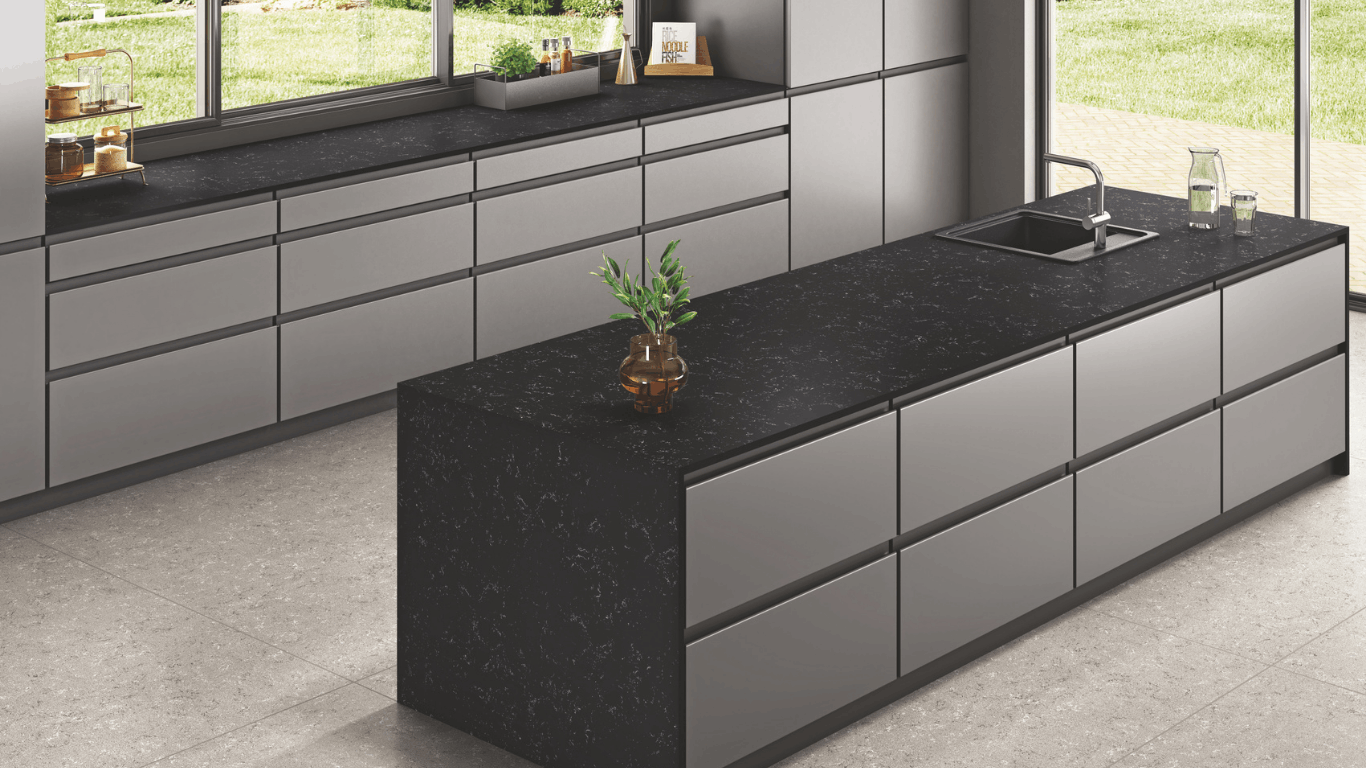
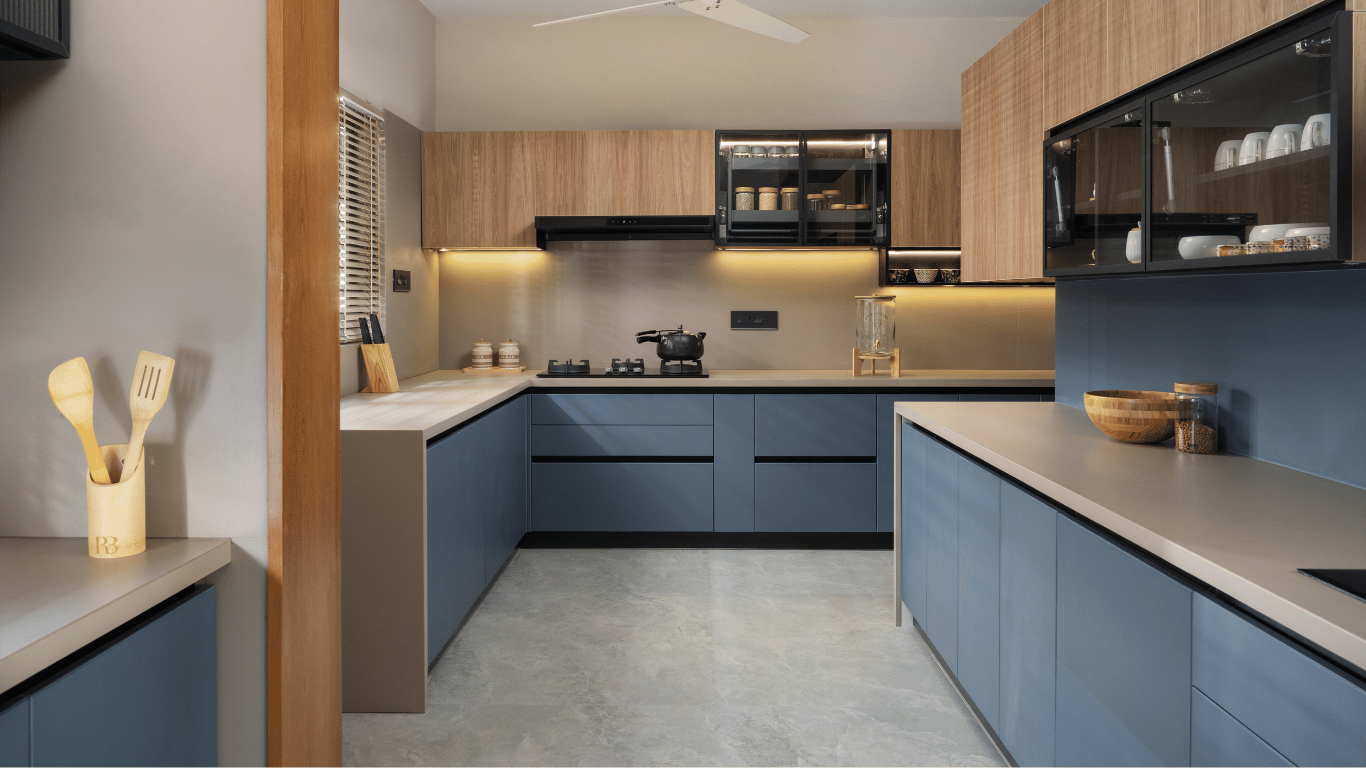
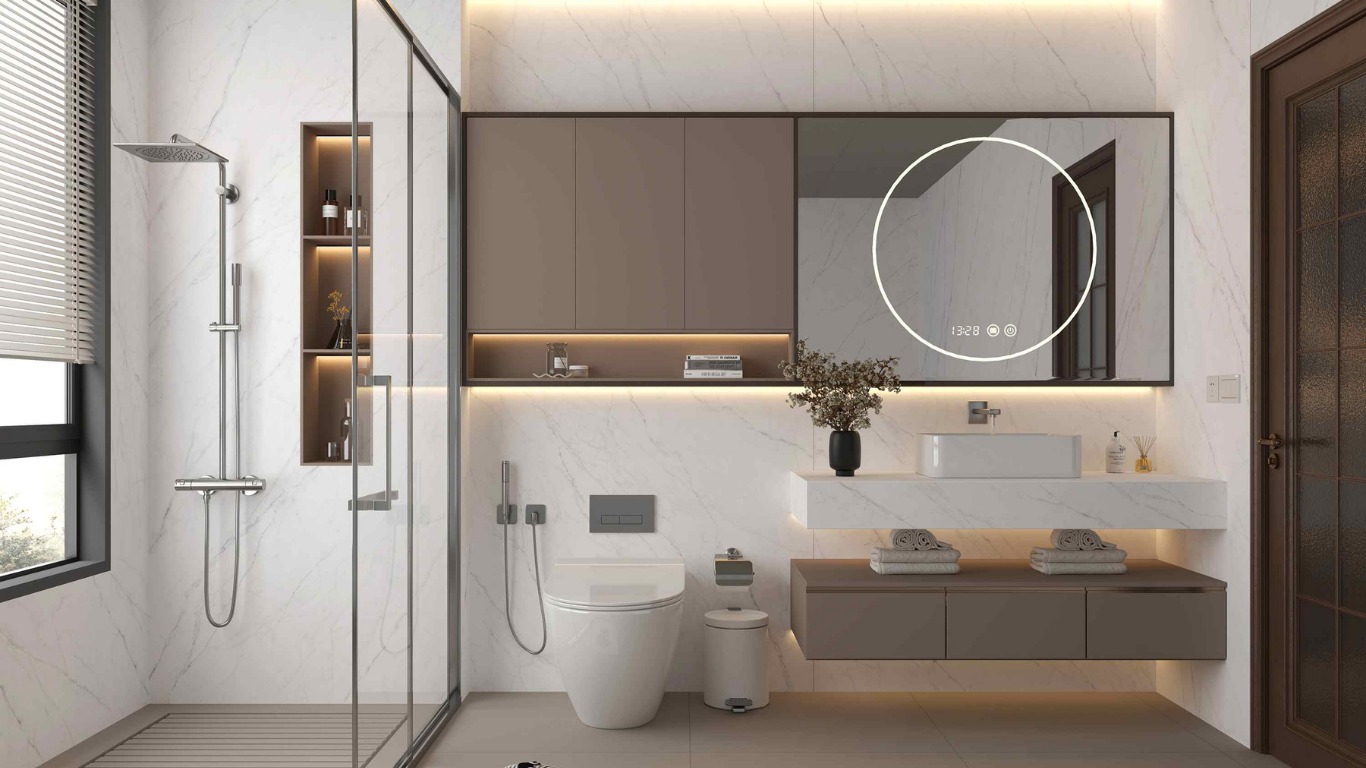
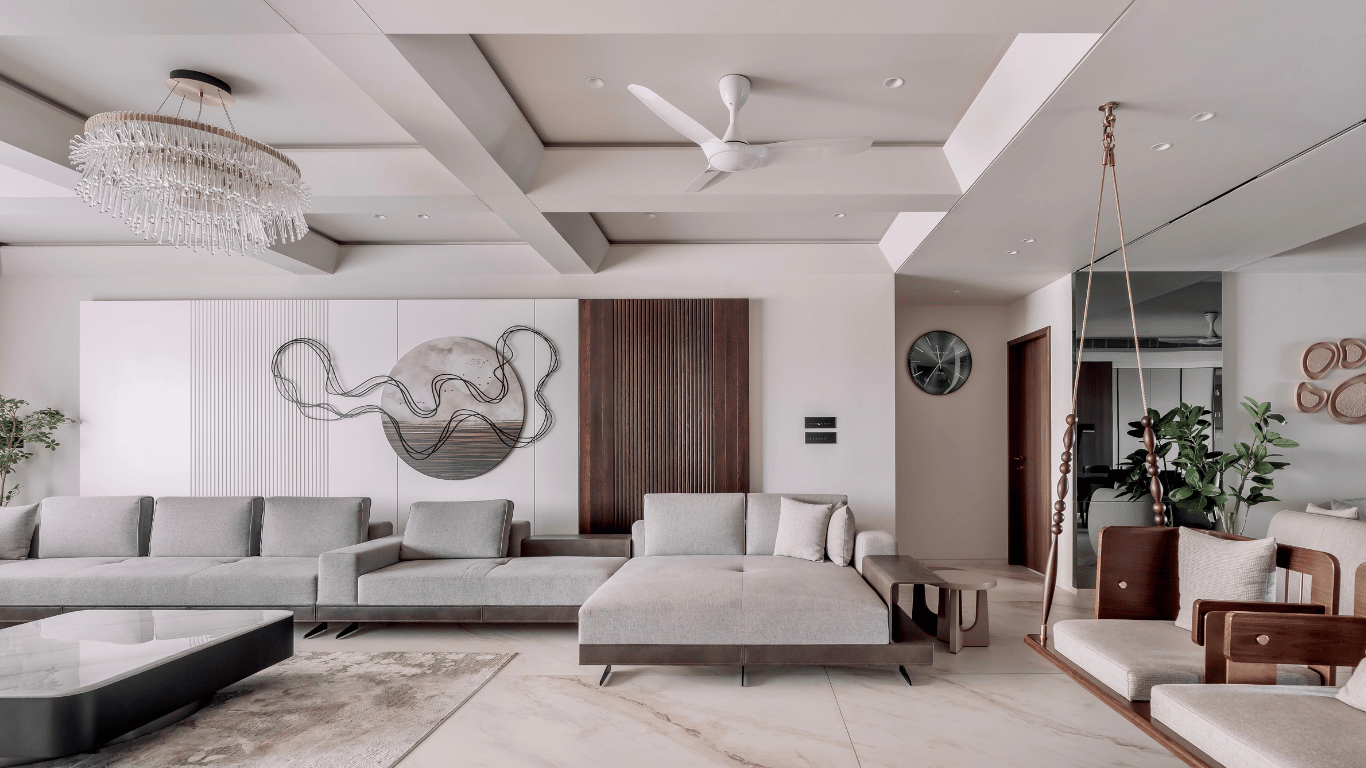
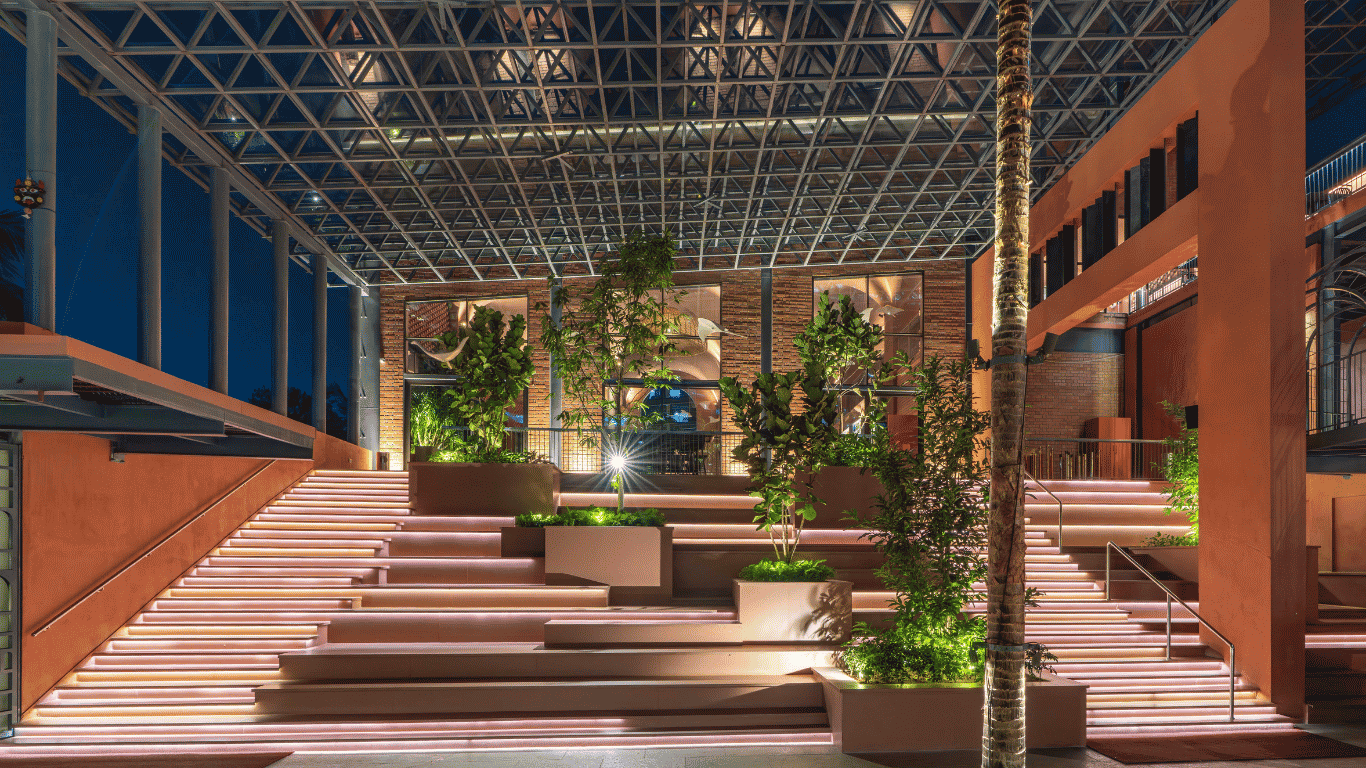
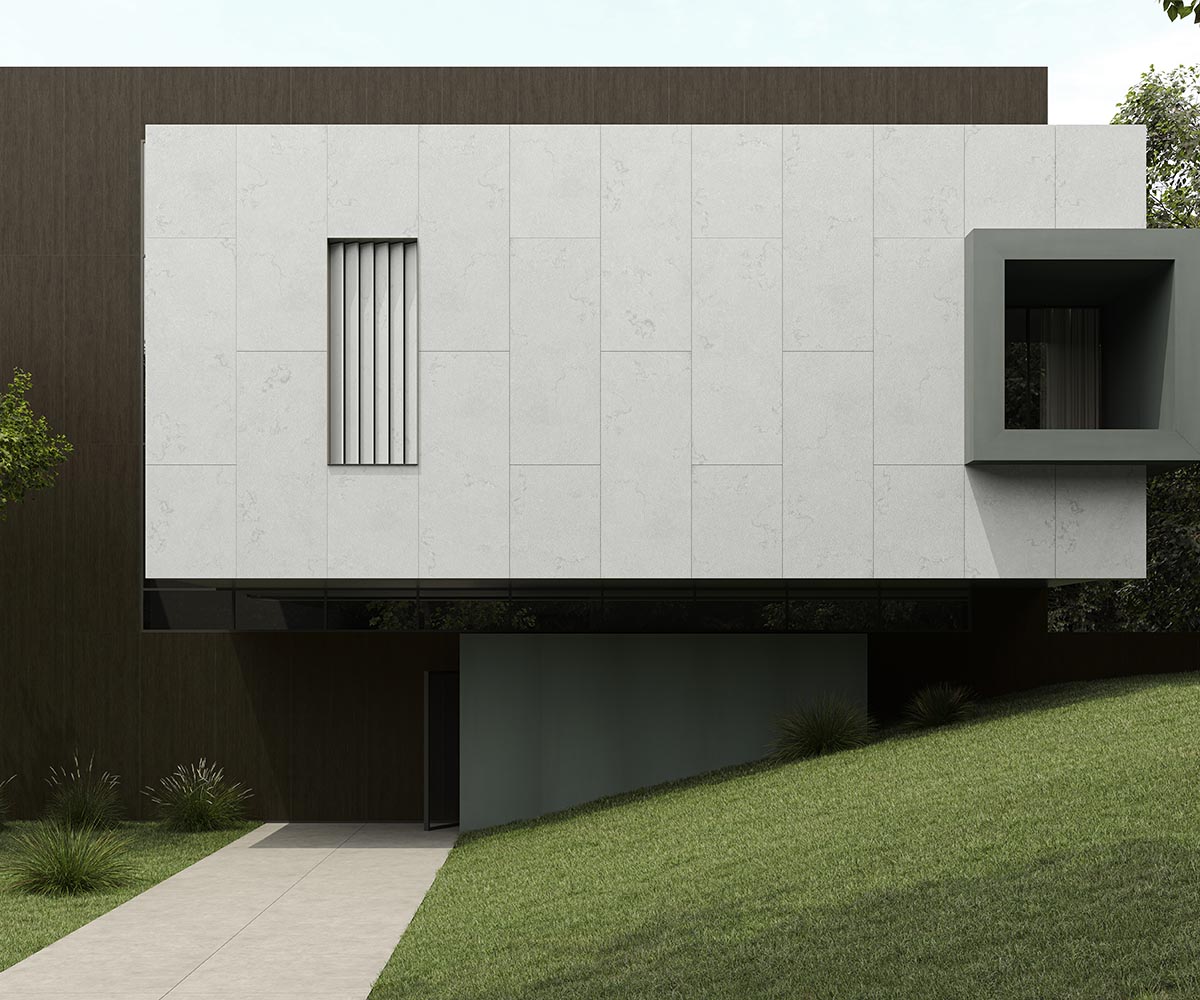
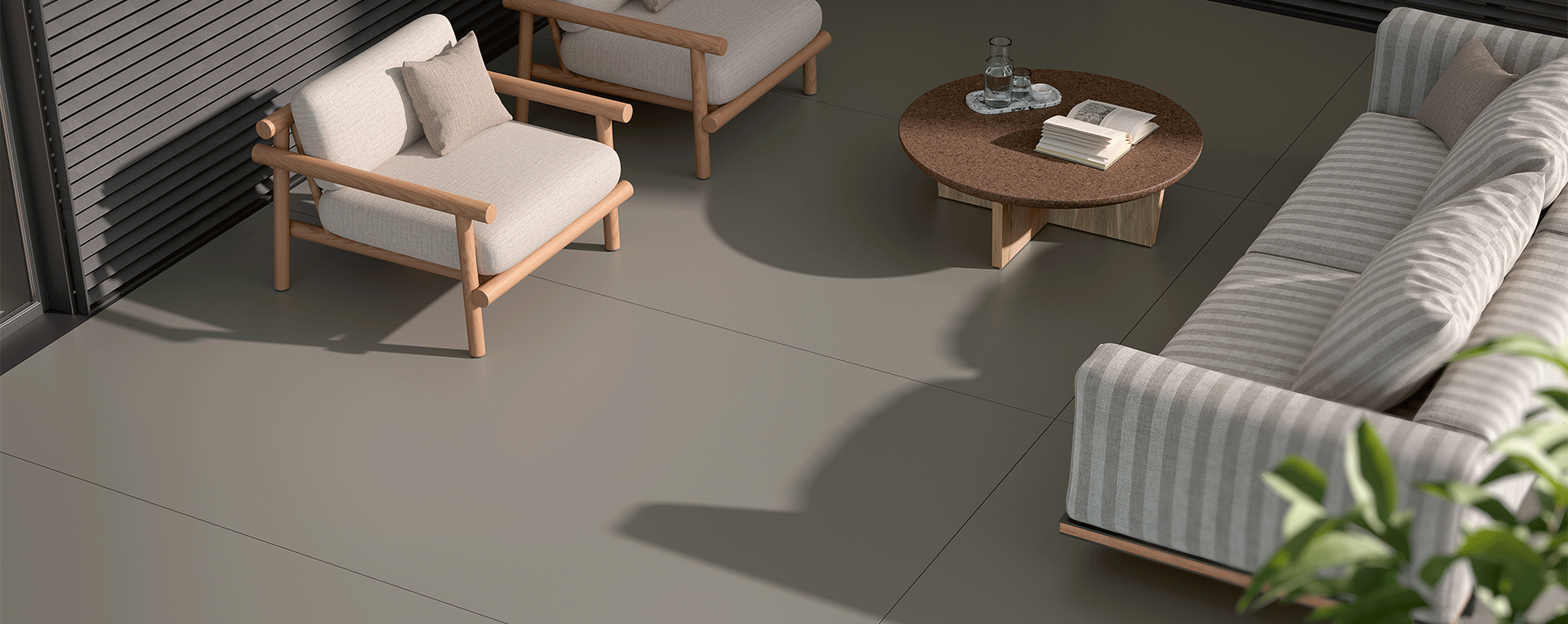
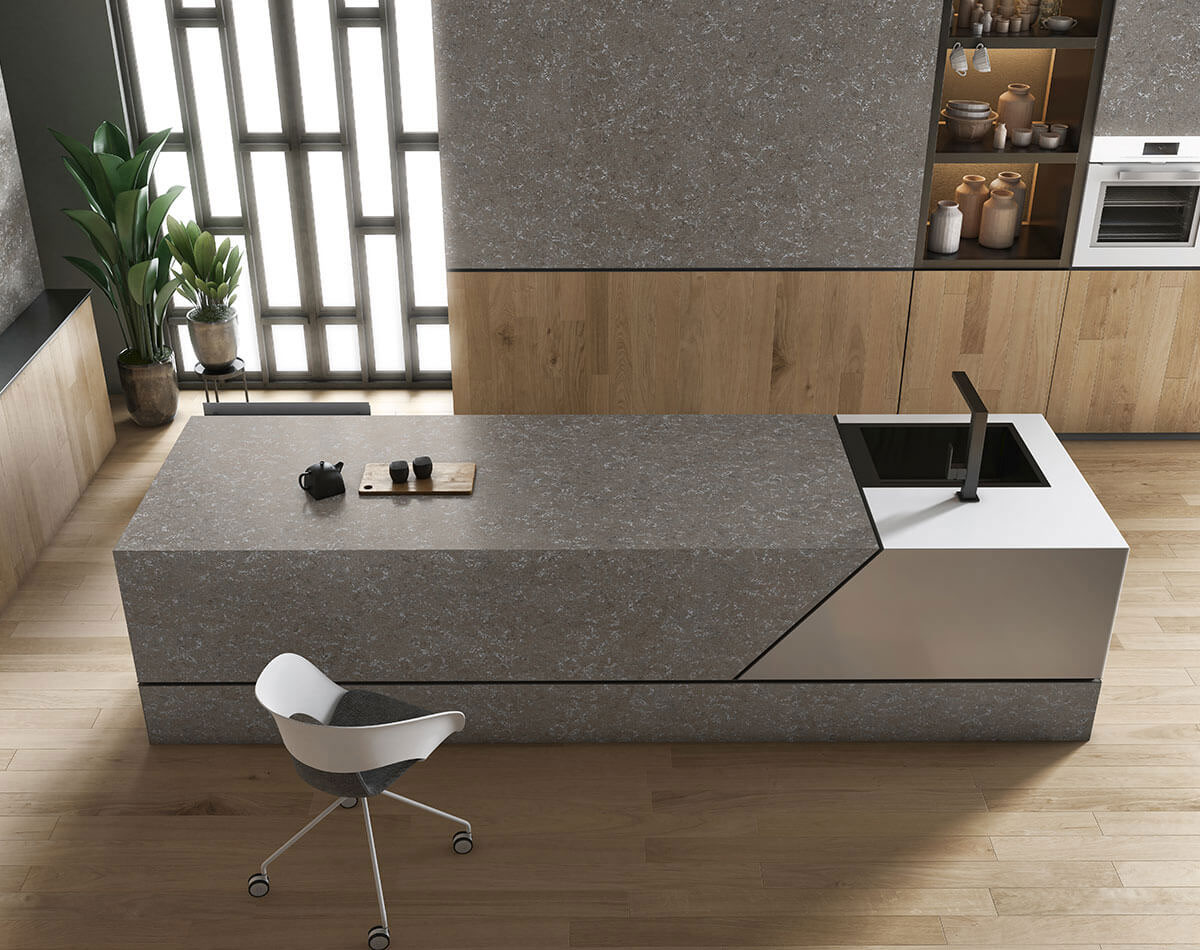
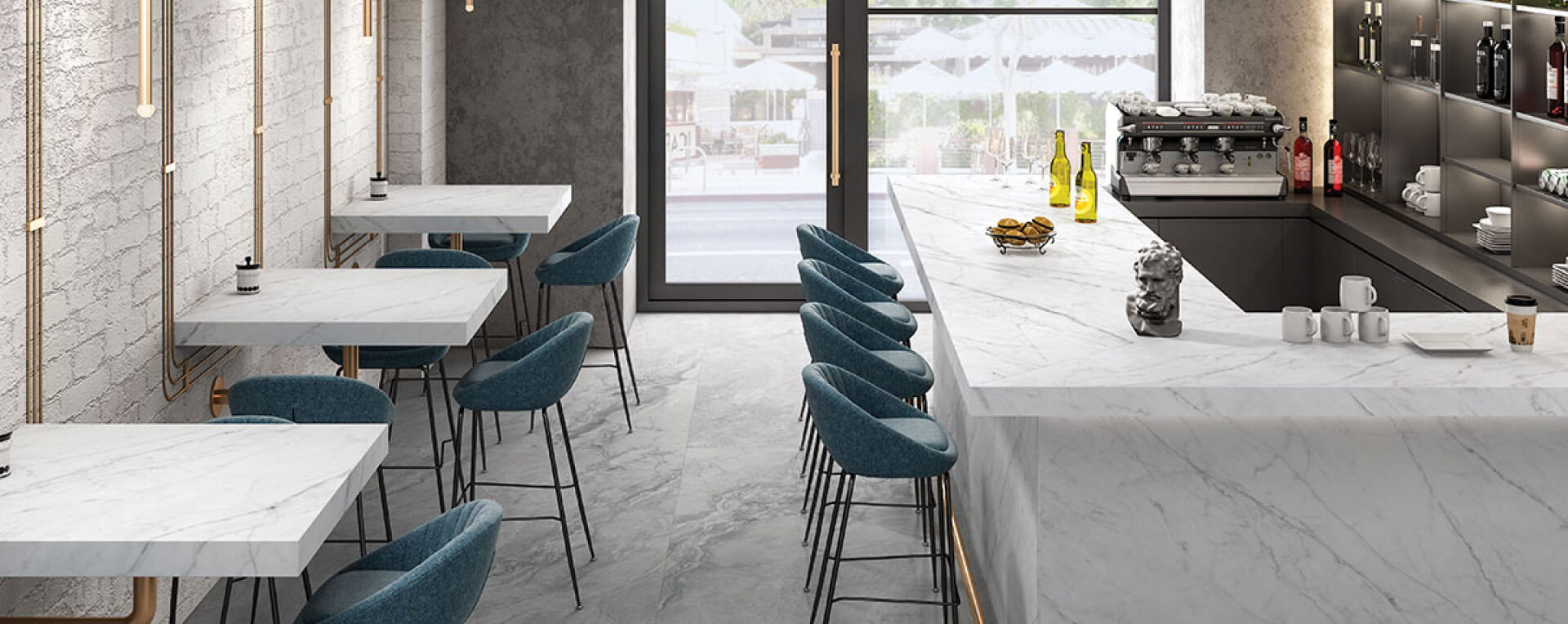
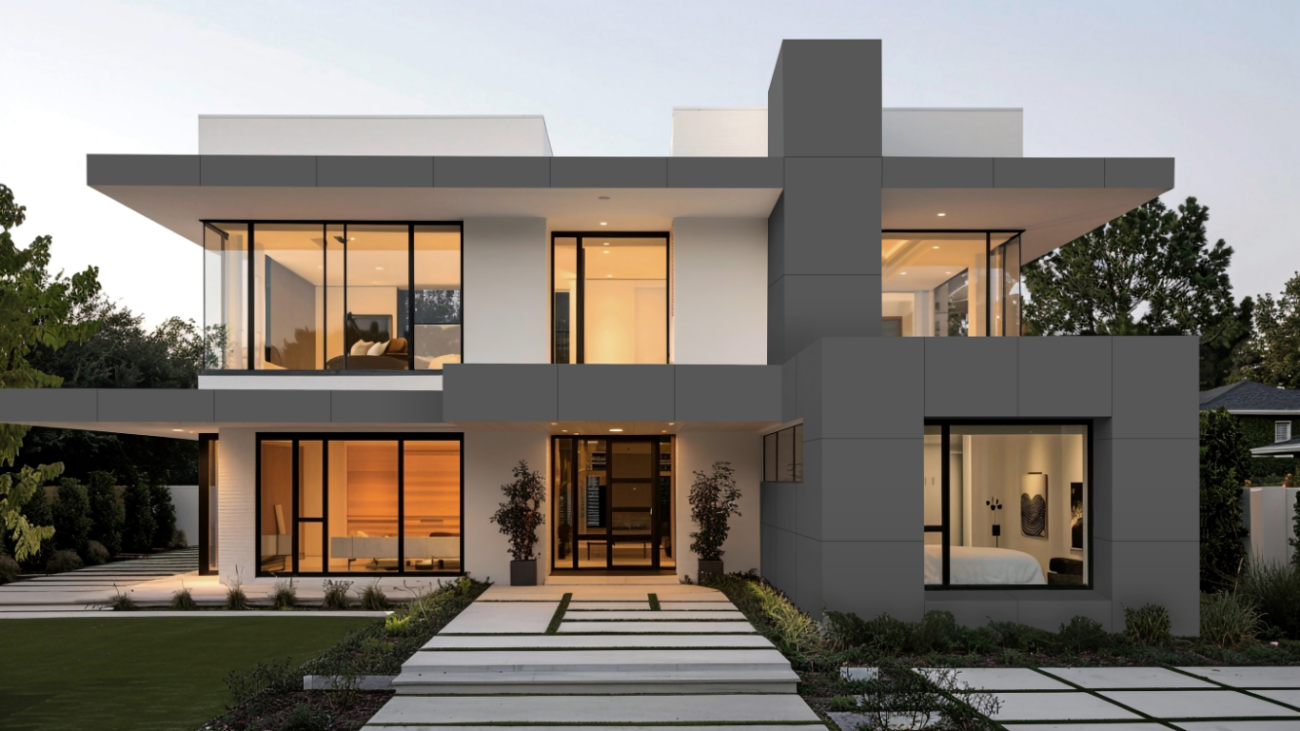
Our surfaces are built to resolve these problems. Available in both stone and wood-look slabs, Neotra brings the visual richness of natural veining or timber grain to a surface engineered for consistency, long-term performance, and precision. Slabs are non-porous, resist staining and weathering, and maintain colour consistency that natural stone or timber demands. Large-format slabs in 5.5mm, 12mm, and 20mm thicknesses simplify installation and reduce visible joints across facades. The result is a facade for a building that reads as authentically as the material it draws inspiration from, without carrying forward its maintenance burden or structural weight.
Also Read: 10 Wooden Window Designs for Living Room & Kitchen
Comparative Table: Stone vs Wood vs Neotra Cladding
Here’s the side-by-side comparison of three cladding materials—
| Parameter | Stone Cladding | Wooden Cladding | Neotra Cladding |
| Aesthetic | Natural veining, monumental feel | Organic grain look with warm tactility | Wood or stone-look, consistent slabs |
| Maintenance | Periodic sealing | Regular resealing/staining | Non-porous, low-maintenance |
| Weather Resistance | High | Moderate and prone to warping | High |
| Fire Resistance | High | Low | High |
| Installation | Complex, requires skilled labour | Moderate | Large-format slabs |
| Design Consistency | Varies slab to slab | Varies with grain | Consistent across slabs |
| Available Thicknesses | Varies by quarry | Varies by species | 5.5mm, 12mm, and 20mm |
For homeowners who want the aesthetic appeal of natural materials without their long-term demands, Neotra offers a practical, design-forward middle path worth serious consideration before finalising a cladding choice.