

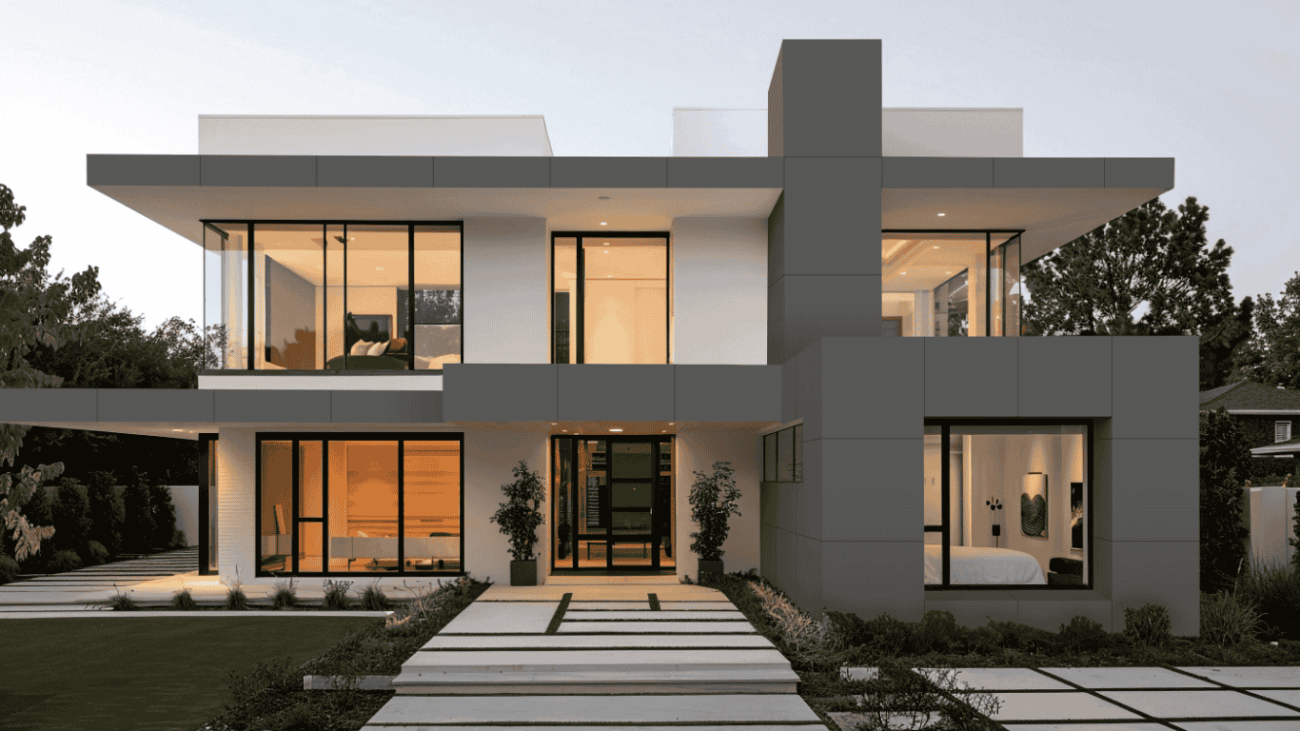
Why Wooden Windows Remain a Design Favourite
Wooden windows continue to be a preferred choice for their timeless appeal, durability, and natural performance benefits.
- Provides natural insulation that helps keep interiors cooler in summer and warmer in winter
- Supports versatile designs, including curved profiles, intricate carvings, and custom detailing
- Adds warmth and character through natural grain patterns and rich wood tones
- Ages gracefully, developing visual depth and texture over time
- Can be sanded, refinished, and restored instead of requiring complete replacement
- Offers long-term durability, with quality hardwood frames lasting for decades when properly maintained
- Creates a tactile, premium aesthetic that complements both traditional and contemporary architecture
- Remains a preferred material for architects and designers seeking authenticity, craftsmanship, and lasting visual appeal
10 Wooden Window Designs
Here are the top 10 wooden window designs for modern homes that changes the perspective of how your house has been viewed—
1. Classic Teak Wood Frame Windows
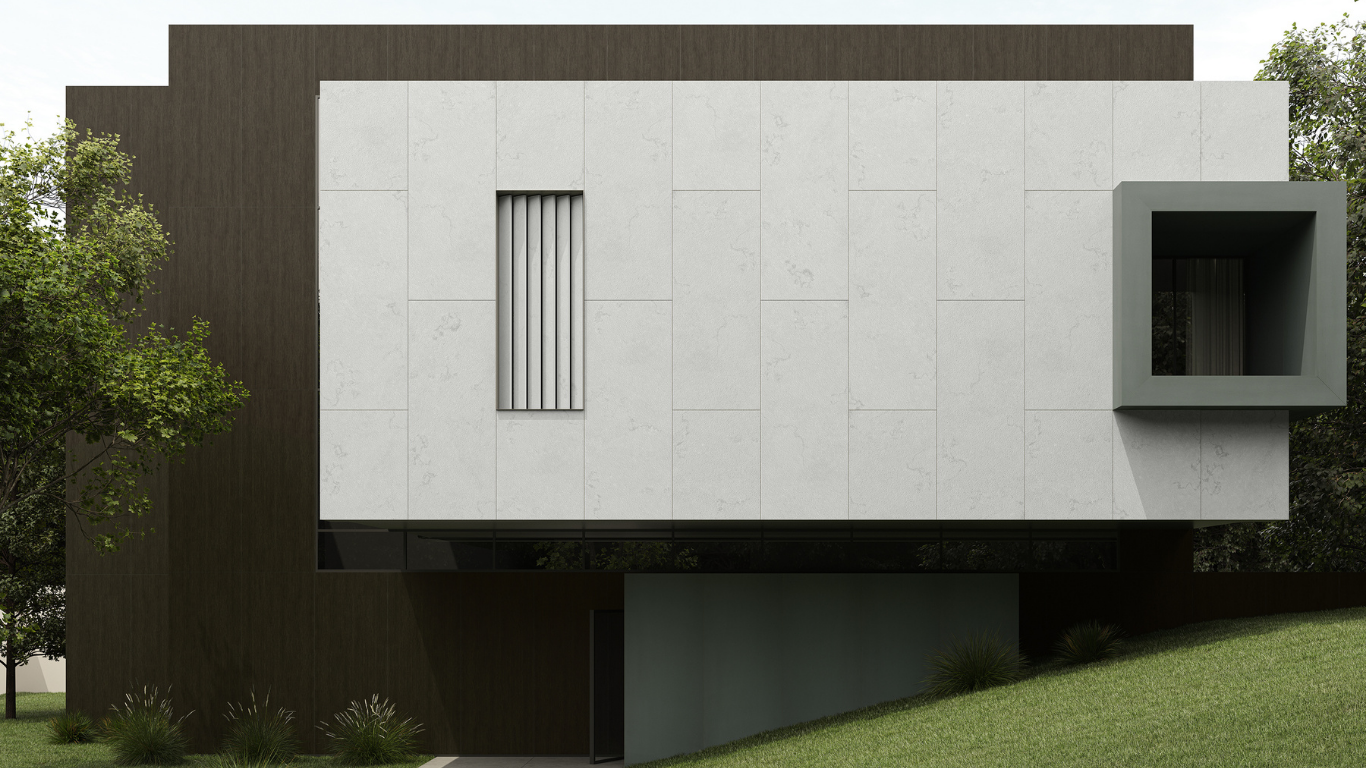
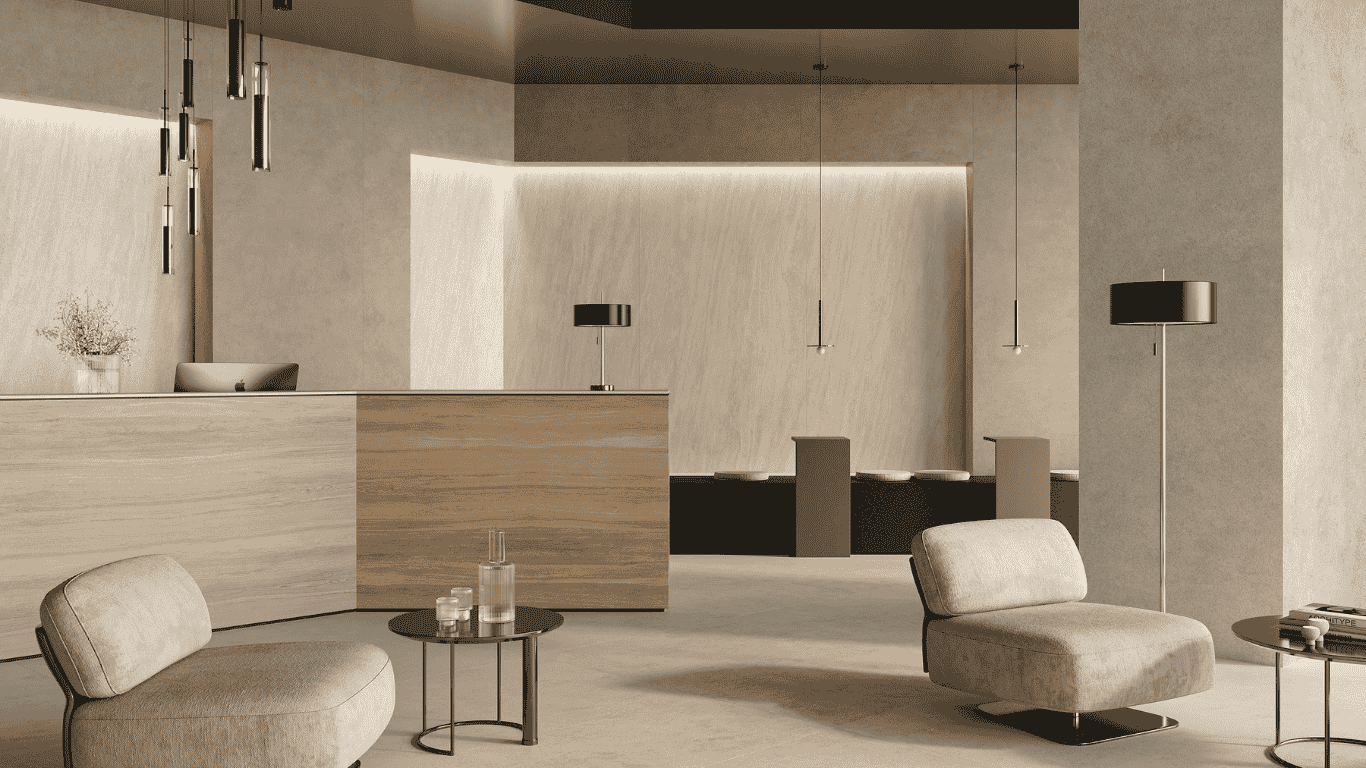
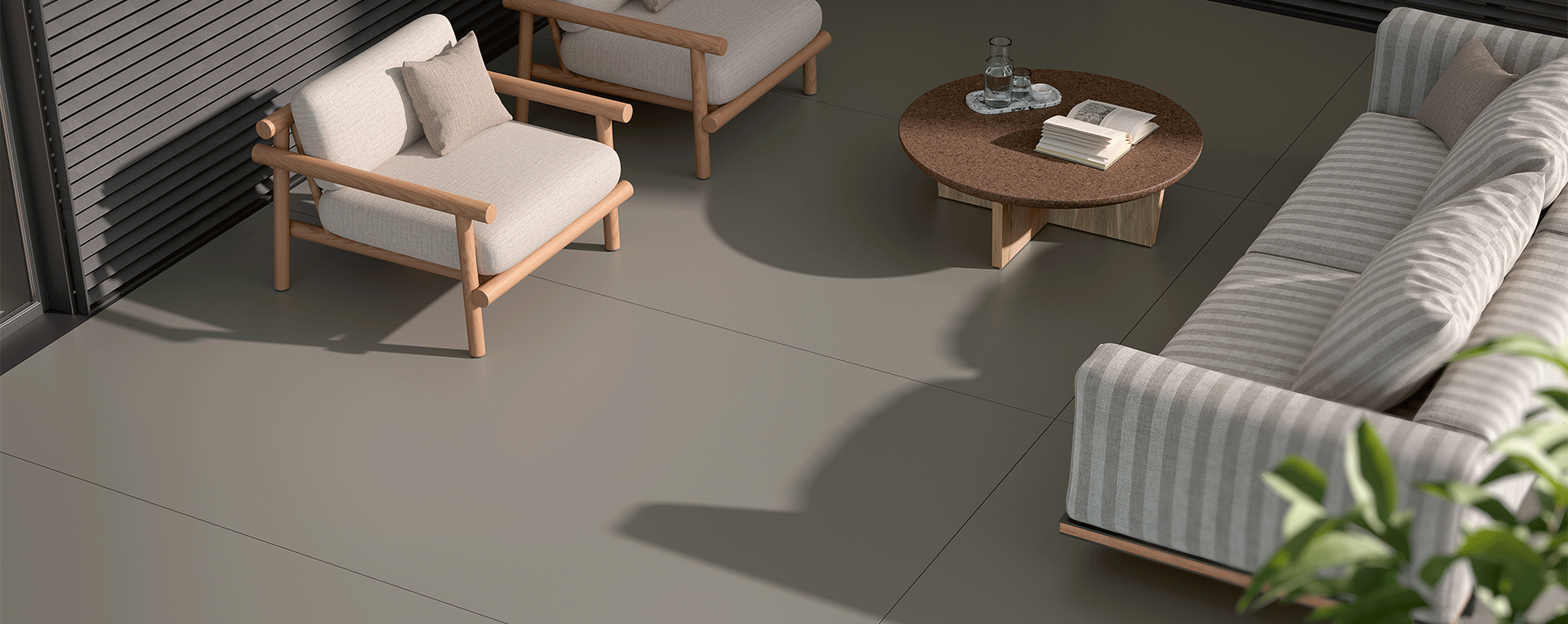
Teak is the gold standard of timber in architecture; classic teak wood frame windows are a staple of bungalows across coastal India. The material speaks of care and permanence. For indoors and outdoors, our wood-look Accordi collection offers a warm look and works best in a bathroom vanity, floating shelf, or a feature wall where the same richness of tone carries the visual language from window to interior without interruption.
2. Shutter-Style Wooden Windows
Solid or louvred panels that fold or swing outward from the frame are the most expressive in residential architecture. They can also completely cover or expose the opening, which allows them a theatrical quality that no other window style matches. Painted terracotta, deep olive, or chalky white, wooden shutters become a defining feature of the facade.
3. Casement Wooden Windows
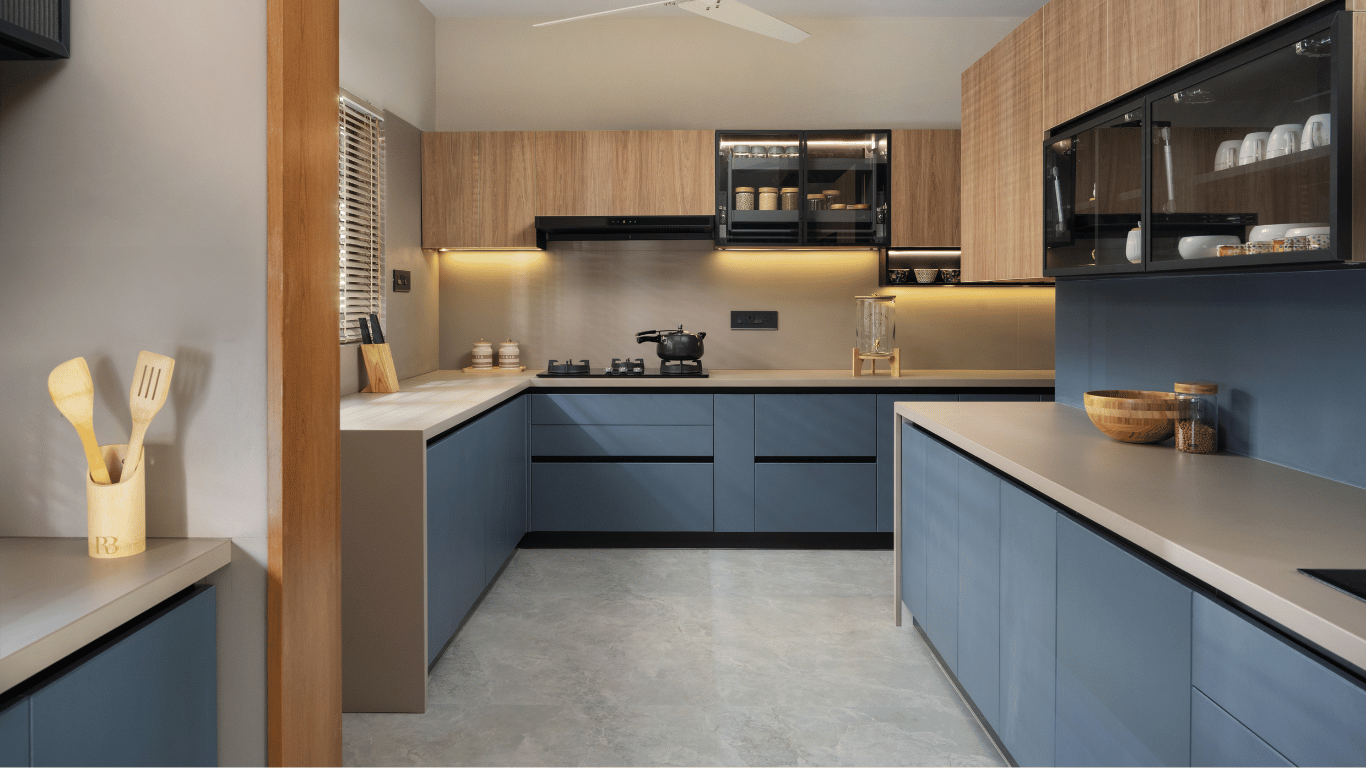
Opens outward on hinges, offering unobstructed views and excellent ventilation. When crafted in wood, they bring a natural, handcrafted quality to the facade. The visible grain texture introduces an organic element that softens the architectural composition. Our wood-look surface on the cabinetry front or as an accent wall echoes the rhythm of the window. Suits well in contemporary homes that want a touch of warmth without compromising clean lines.
Also Read: Latest Facade Design Ideas for Modern Homes
4. Bay and Bow Window with Timber Frames
This project extends from the wall, creating an alcove that floods the interior with light from multiple angles. Bay windows have three panels, one flat and two angled, while bow windows curve gently with four or more. Both styles invite a window seat or reading nook beneath them with a cosy vantage point that calls for premium surfaces around. Neotra’s stone-look surface grounds the bay window alcove with material sophistication, keeping the focus on light and form.
5. Sliding Wooden Windows
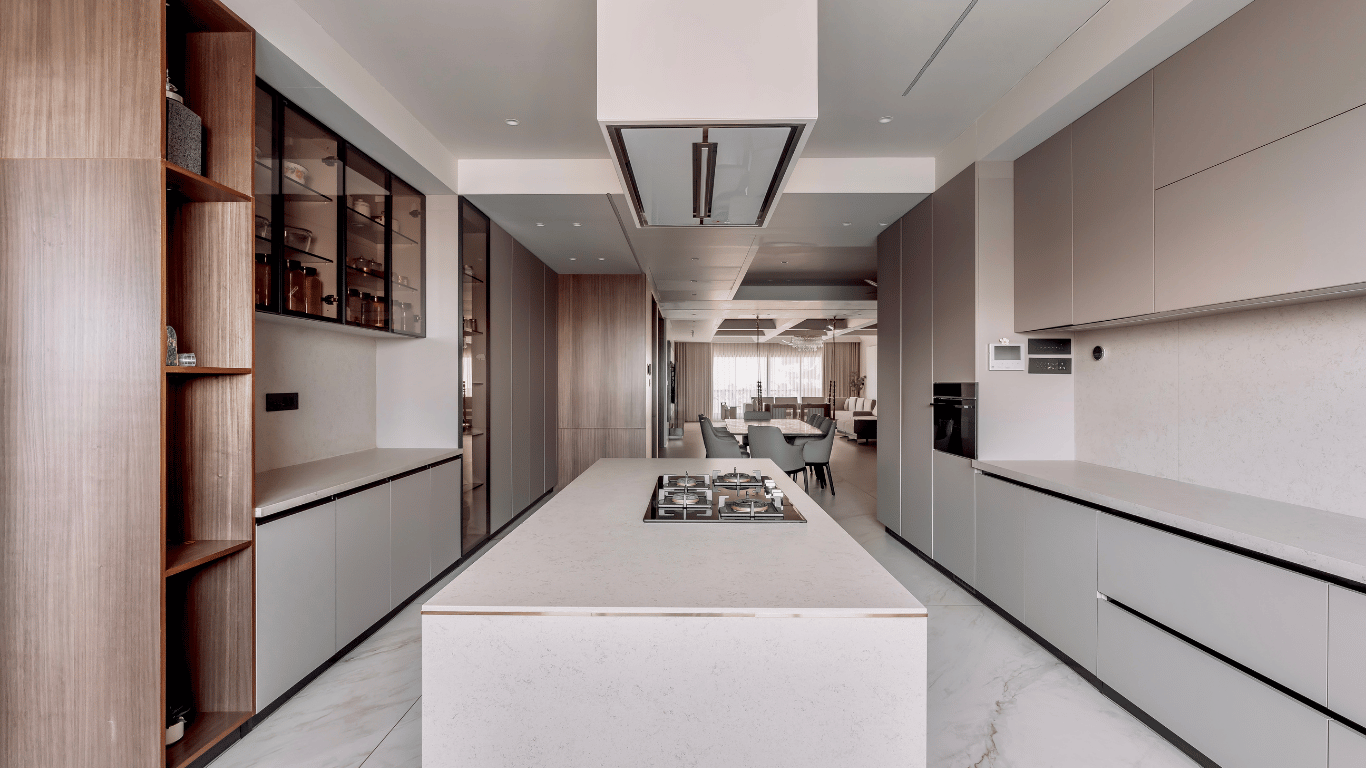
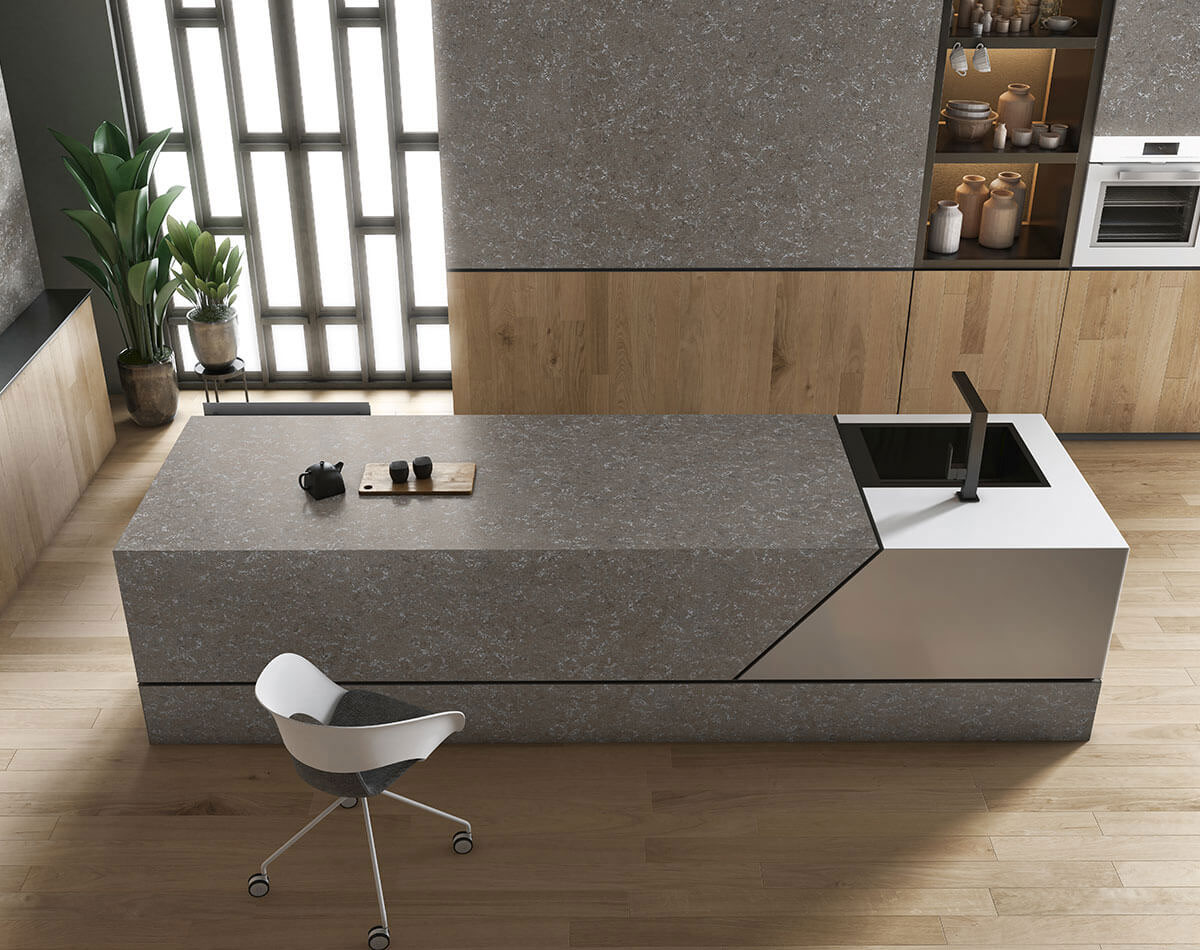
Space-efficient and sleek, sliding wooden windows move horizontally along a track. Their popularity in modern Indian homes comes from their practicality – they are easy to clean, seal well, and suit compact urban apartments as much as spacious villas. The horizontal movement of sliding panels is a design gesture and Neotra surface composition, where the grain of an engineered slab runs across the length of a kitchen island or bathroom vanity, creating a similar sense of expansive flow.
6. Double-Hung Windows
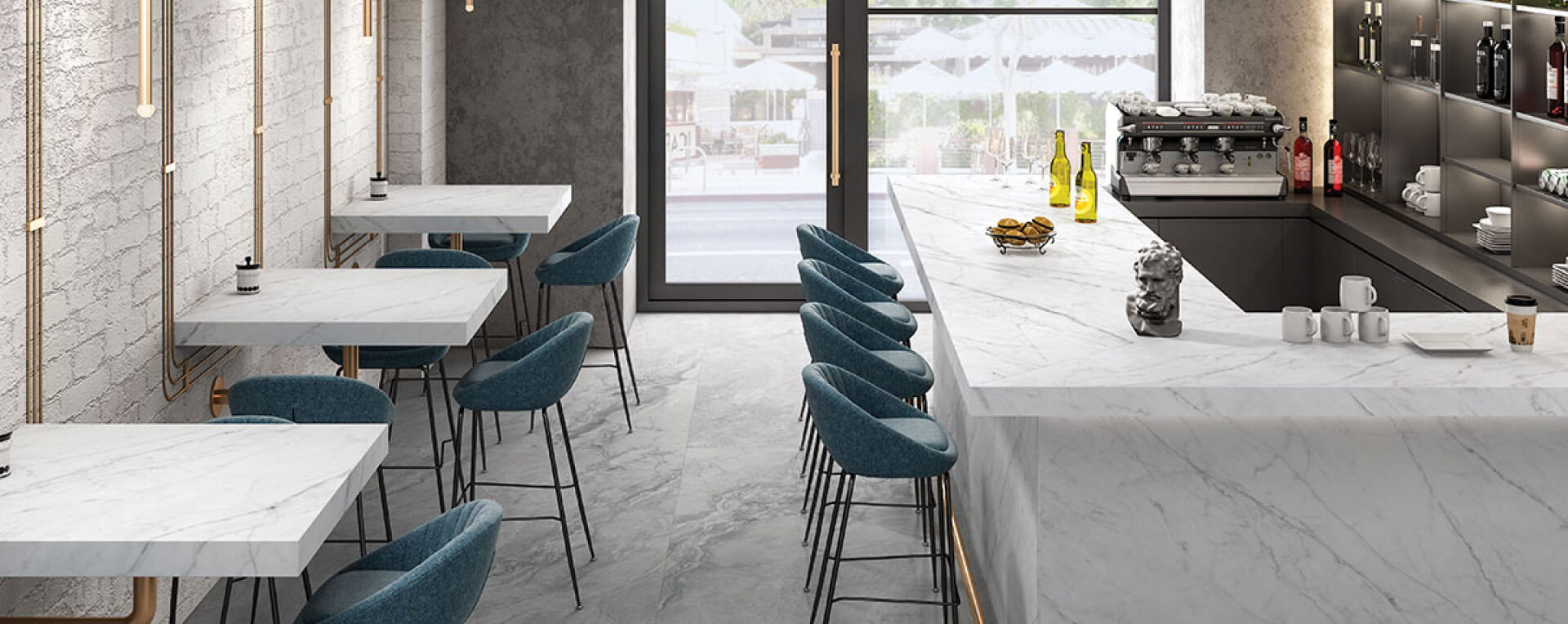
The double-hung window is a classic of residential design. Both the upper and lower sashes slide vertically, allowing flexible ventilation, opening the bottom for a breeze, and tilting the top for hot-air escape. In wood, especially when painted in crisp white or deep forest green, double-hung windows carry a quiet, confident, functional and traditional aesthetic. The clean vertical lines of the sash rail and stiles pair beautifully with Neotra’s marble-look veined slab in a bathroom or kitchen for a structured and quietly luxurious look.
7. Arched Wooden Window Frames
Few architectural details are as arresting as an arch-top window. The semicircular crown above a rectangular frame is a hallmark. In wood, the curved top requires skilled joinery, bent laminate, or a steam-bent frame, which elevates the craftsmanship quality considerably. A room anchored by arch-top windows benefits from surfaces that match their stature; a floor-to-ceiling Neotra floor and wall cladding in a warm colour mirrors the grandeur without competing with it, letting the architecture breathe.
8. Carved Wooden Window Panels
They are intricately carved wooden jalis and panel borders that filter light into the interior as a pattern, casting shadow grids and floral geometries across walls and floors that shift throughout the day. The details in these windows are extraordinary foliate motifs rendered in teak, sheesham, or rosewood.
9. Painted Wooden Windows with Bold Colour
A wooden window frame is an impactful and low-cost canvas in architecture. Painted in a bold, considered colour, it immediately defines the character of a facade. The paint does not mask the material but amplifies it, giving the grain a new context while preserving the warmth. The ideal surface is one that holds ground without competing, and Neotra in a cool white or grey grounds the interior, letting the frame remain the statement while the surface delivers quiet refinement beneath it.
10. Wooden Windows with Stone Sill Integration
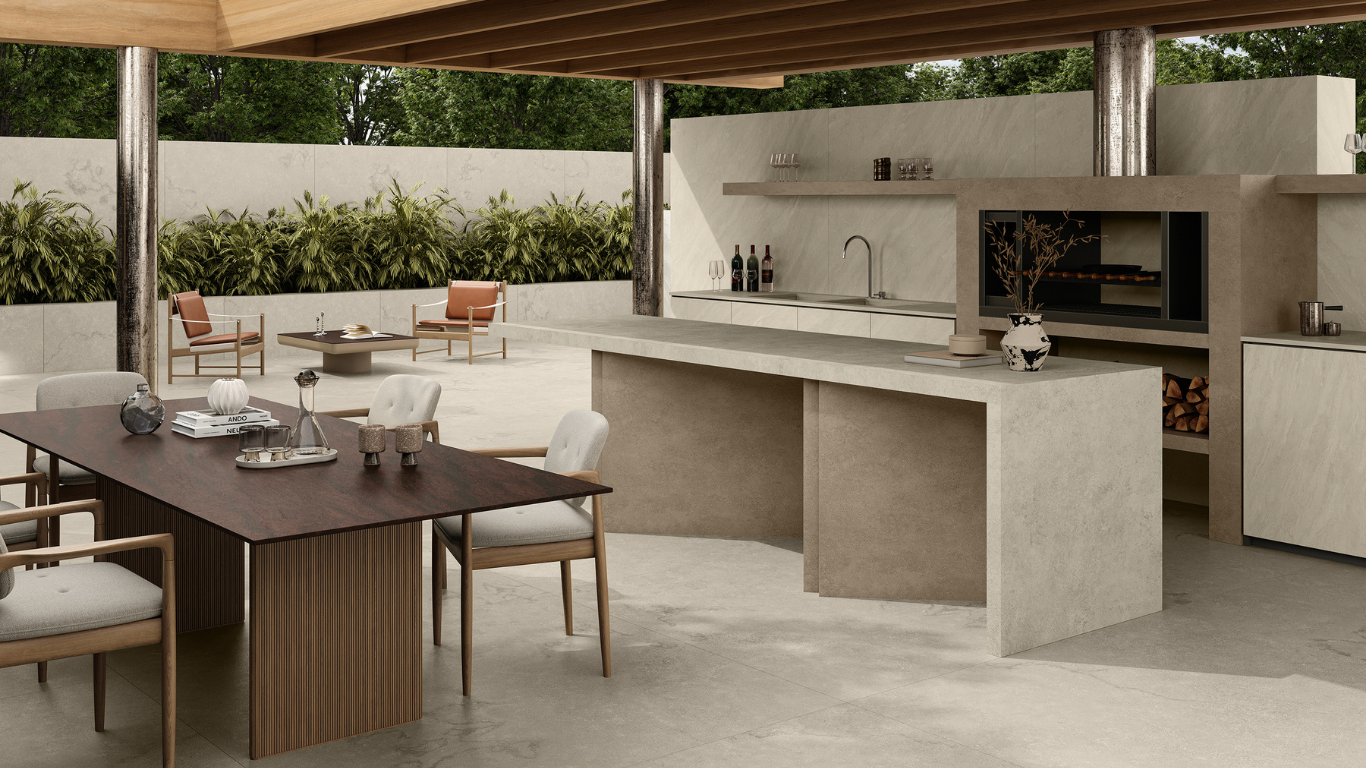
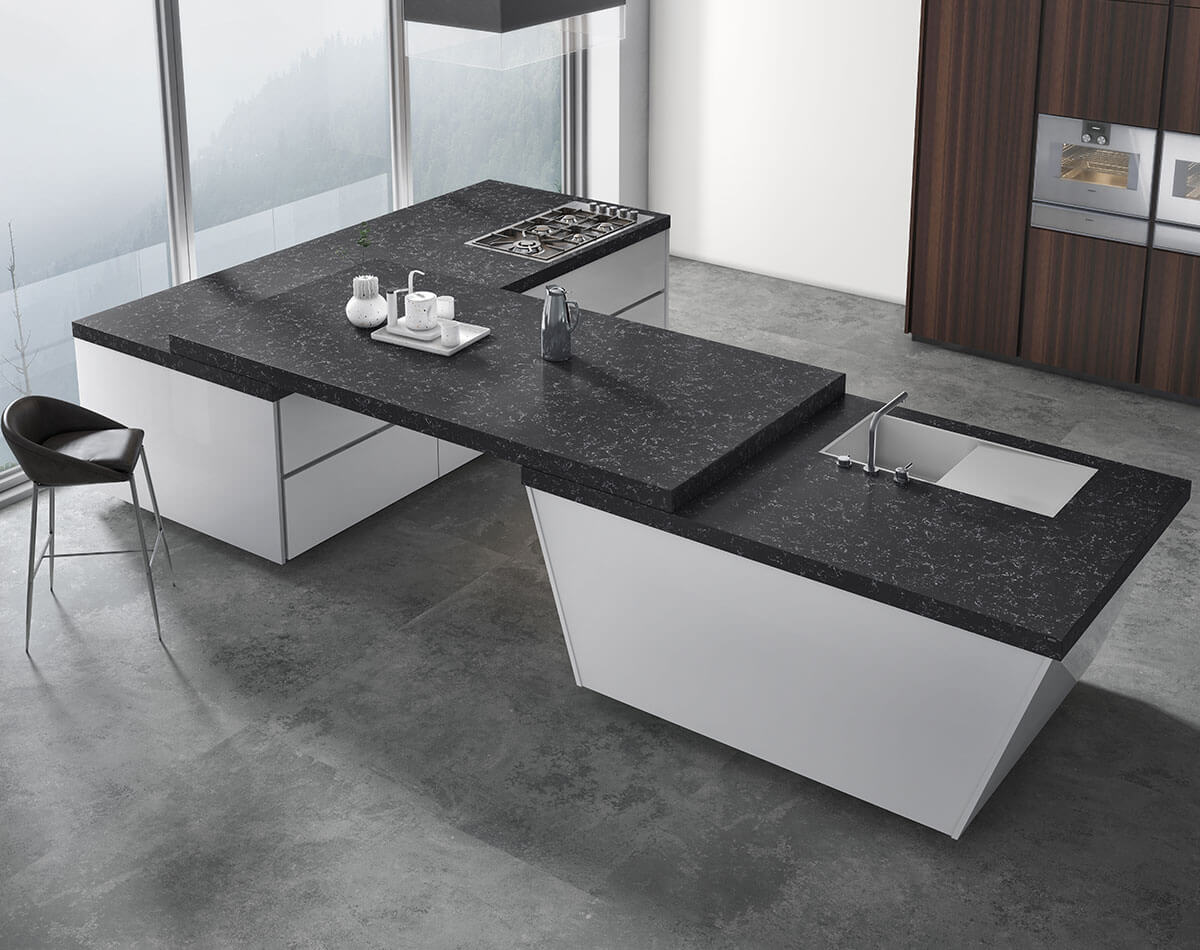
The window sill is treated as an afterthought, a functional ledge that collects dust and occasionally holds a pot plant. The contrast of warm wood grain against cool, dense stone creates a detail that reads as refined and deliberate. Stone sills are more resistant to staining, moisture, and wear than wood. Our engineered slabs are ideal, available in finishes that range from concrete to marble look, offering the visual weight that a premium window detail demands, while their resistance to moisture and UV means they hold their finish through years of rain, sun, and condensation without compromise.
Also Read: 10 Wooden Staircase Designs for Homes That Transform Your Interior
Maintaining Wooden Windows
Proper maintenance helps wooden windows retain their appearance, performance, and durability for decades.
- Protect frames from moisture, the most common cause of damage in wooden windows
- Seal joints properly to prevent water ingress and swelling
- Avoid prolonged water exposure on exposed end grain and windowsills
- Reapply a weather-resistant top coat every 3–5 years to maintain protection
- Inspect joinery, seals, and finishes annually for signs of wear
- Reseal vulnerable areas before the monsoon season to prevent moisture-related issues
- Regular maintenance helps preserve structural integrity and visual appeal over the long term
Why Neotra Sills Are the Ideal Companion for Wooden Windows
Neotra surfaces provide a durable, low-maintenance sill solution that complements the natural beauty of wooden windows.
- Zero-porosity surfaces resist water absorption, staining, and moisture-related damage
- Scratch-resistant surfaces withstand daily wear and regular use
- UV-stable finishes help maintain colour consistency without fading
- No polishing, refinishing, or specialised maintenance required
- Available in wood-inspired, stone-inspired, marble-inspired, and concrete-inspired finishes
- Creates a durable sill surface that pairs seamlessly with both traditional and contemporary wooden window designs
- Delivers long-term performance while enhancing the overall window assembly with a refined, premium finish