

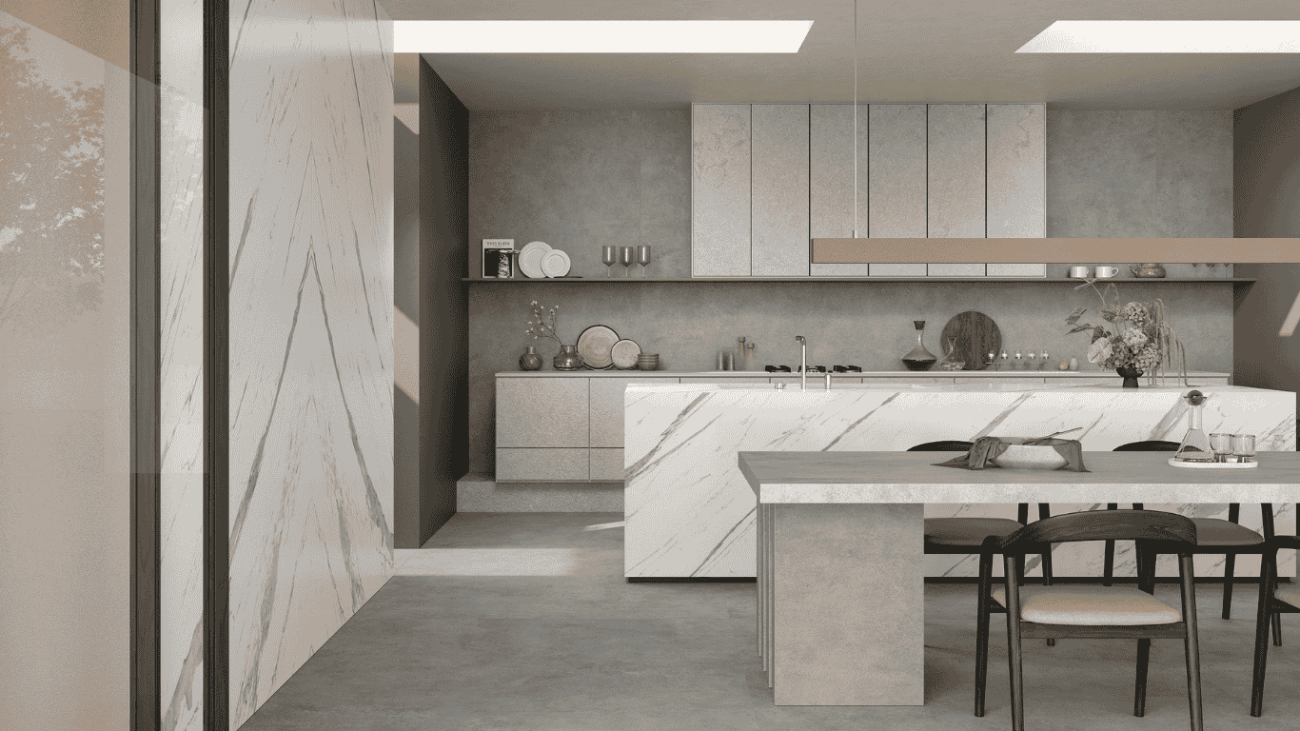
Why Does the Dining Table Top Material Matter?
The dining table top withstands accidental scratches from utensils and hot curries while reflecting your personal style.
A poor choice of surface can lead to cracks, stains, or fading, turning a focal point into frustration.
- A sleek glass top opens up small spaces, creating an airy feel that is ideal for urban homes.
- Veined marble exudes opulence for traditional spaces.
- Heat resistance is important for Indian kitchen countertops, where sizzling oil or steaming food surfaces that won’t scorch. Non-porous options prevent bacteria buildup, as hygiene is also important.
- Premium engineered Neotra slabs offer longevity, reducing replacements and environmental waste.
- The right material should ultimately harmonise with your lifestyle, be it for low-maintenance for busy professionals or luxurious for others, ensuring your table remains as it is for years.
- Neotra surfaces are heat, detergent, UV, and frost-resistant, non-porous, and non-absorbent, which can be kept safe and clean with minimal effort.
9 Popular Dining Table Top Materials and Their Features
India’s dining tables draw inspiration from global and local places. Here’s the top materials, including ideal uses:
1. Neotra (engineered stone)
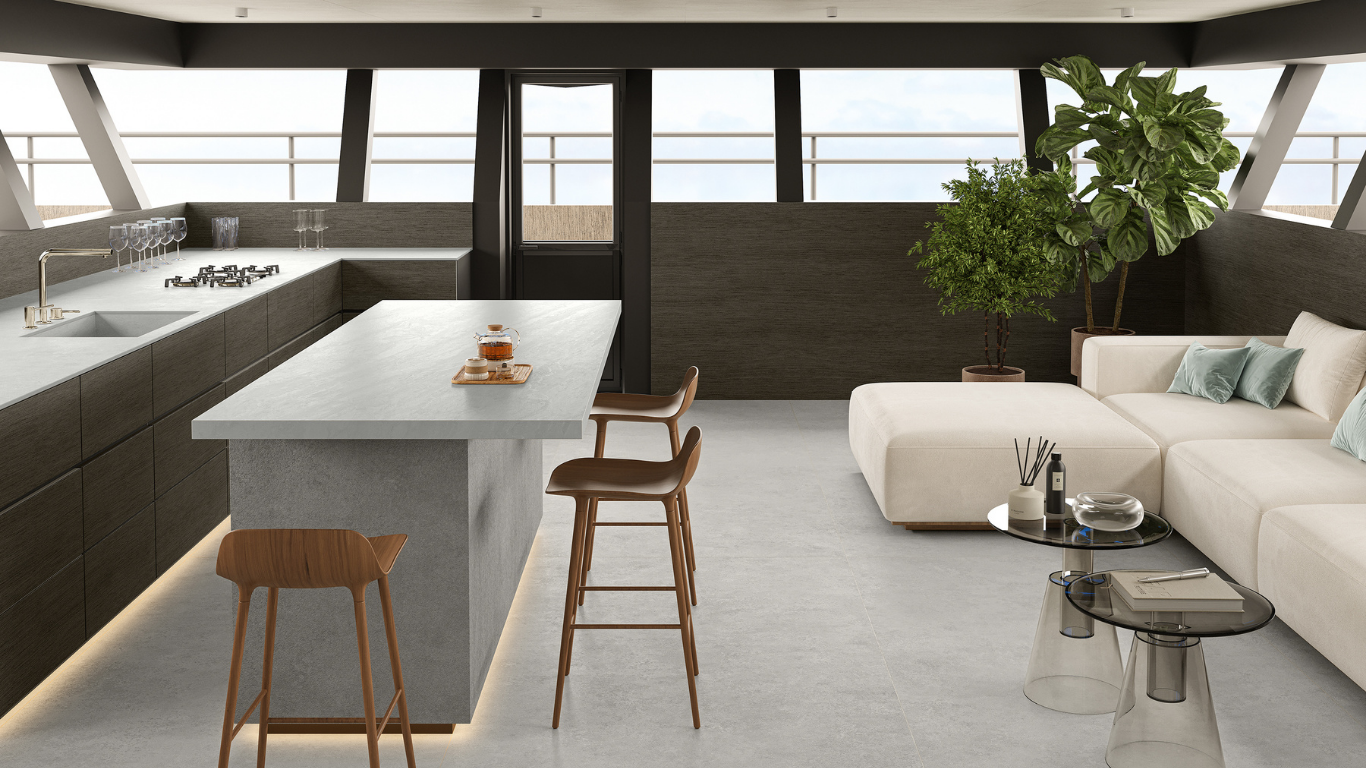
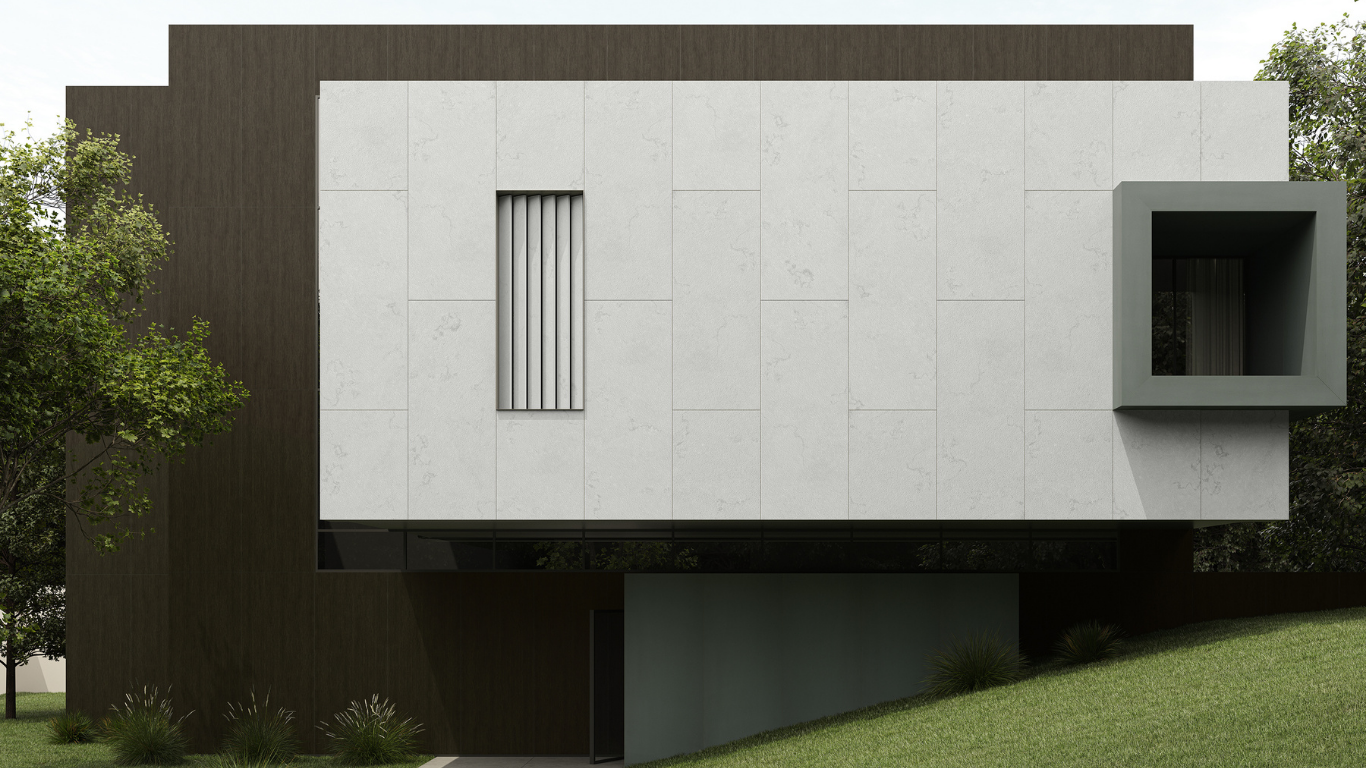
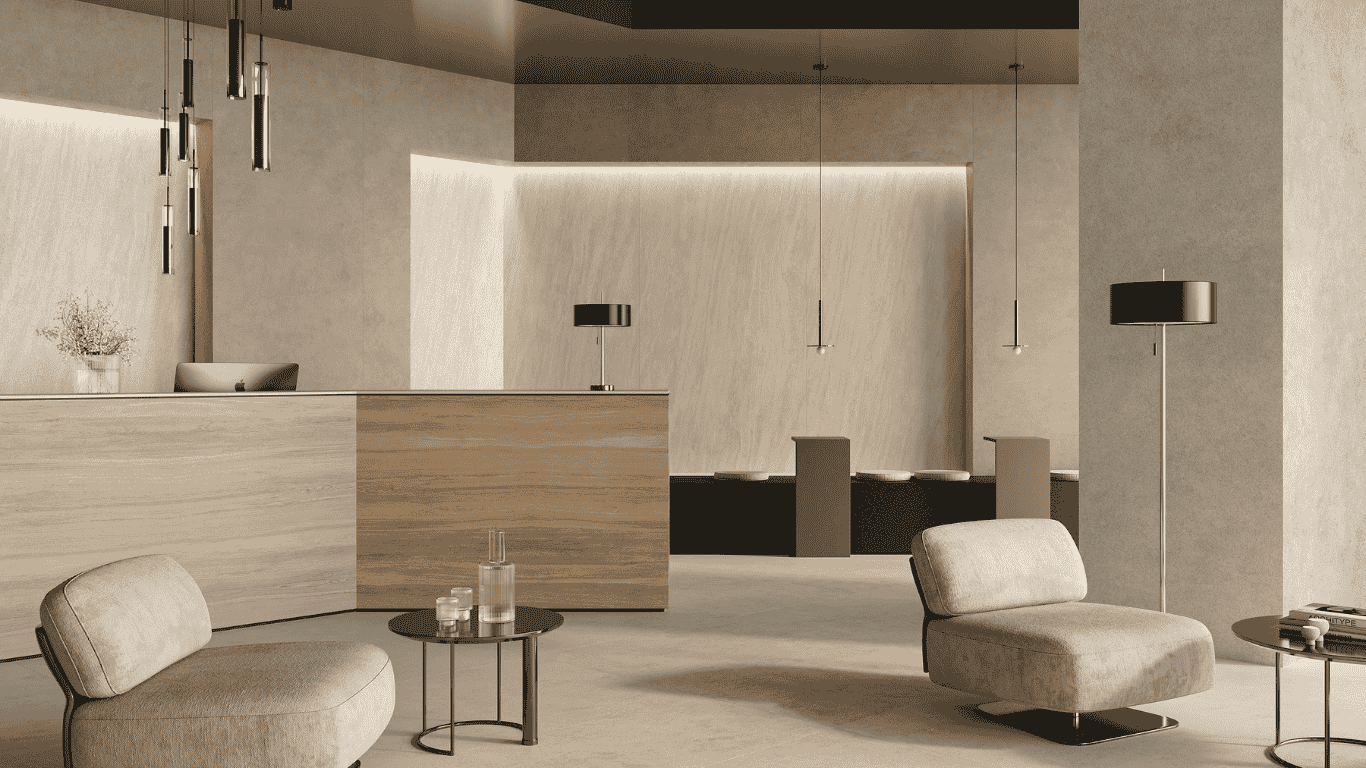
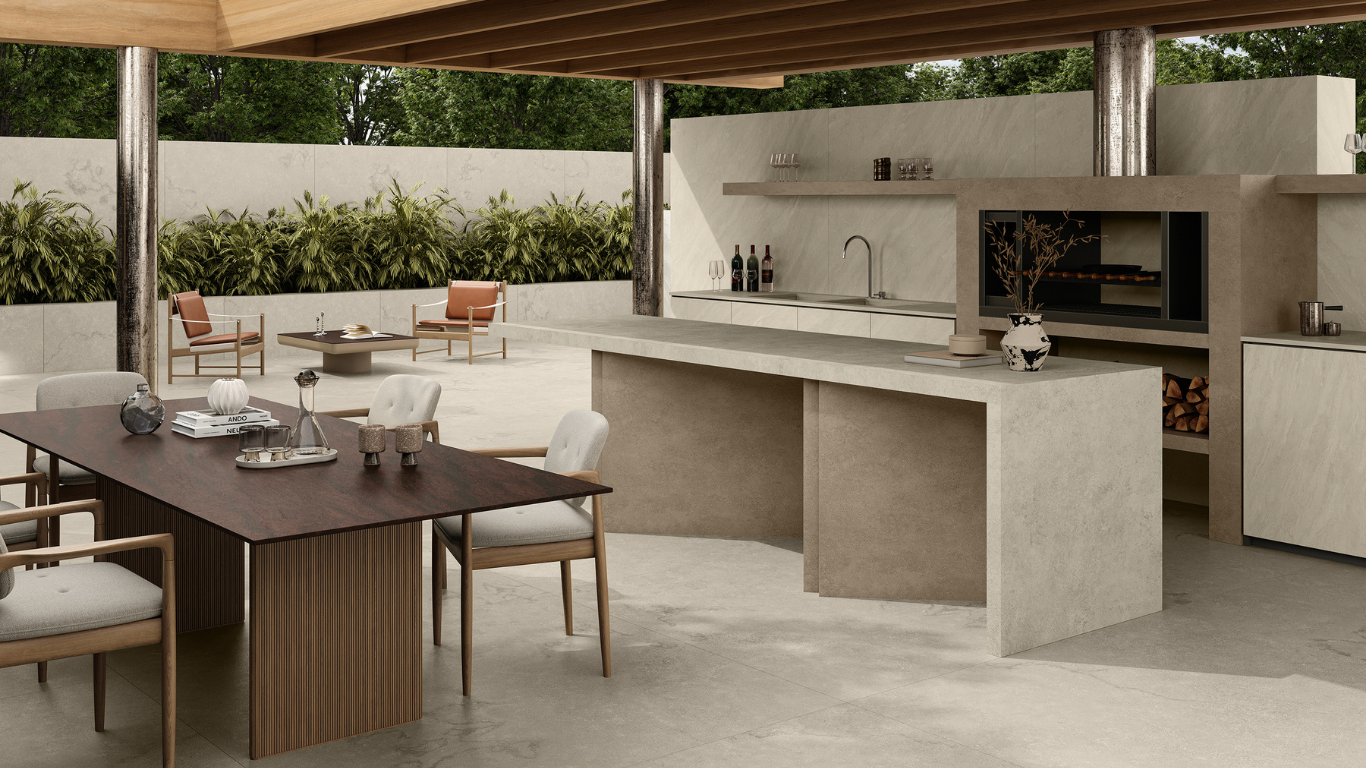
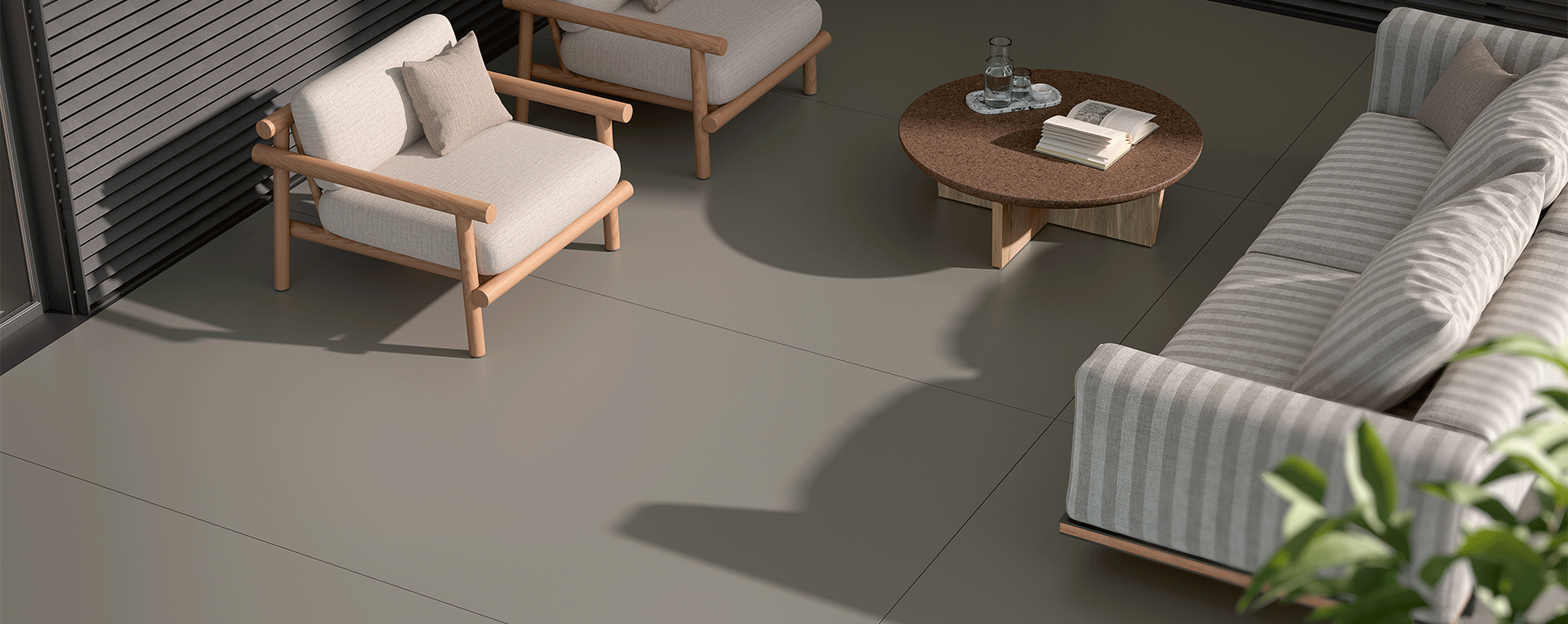
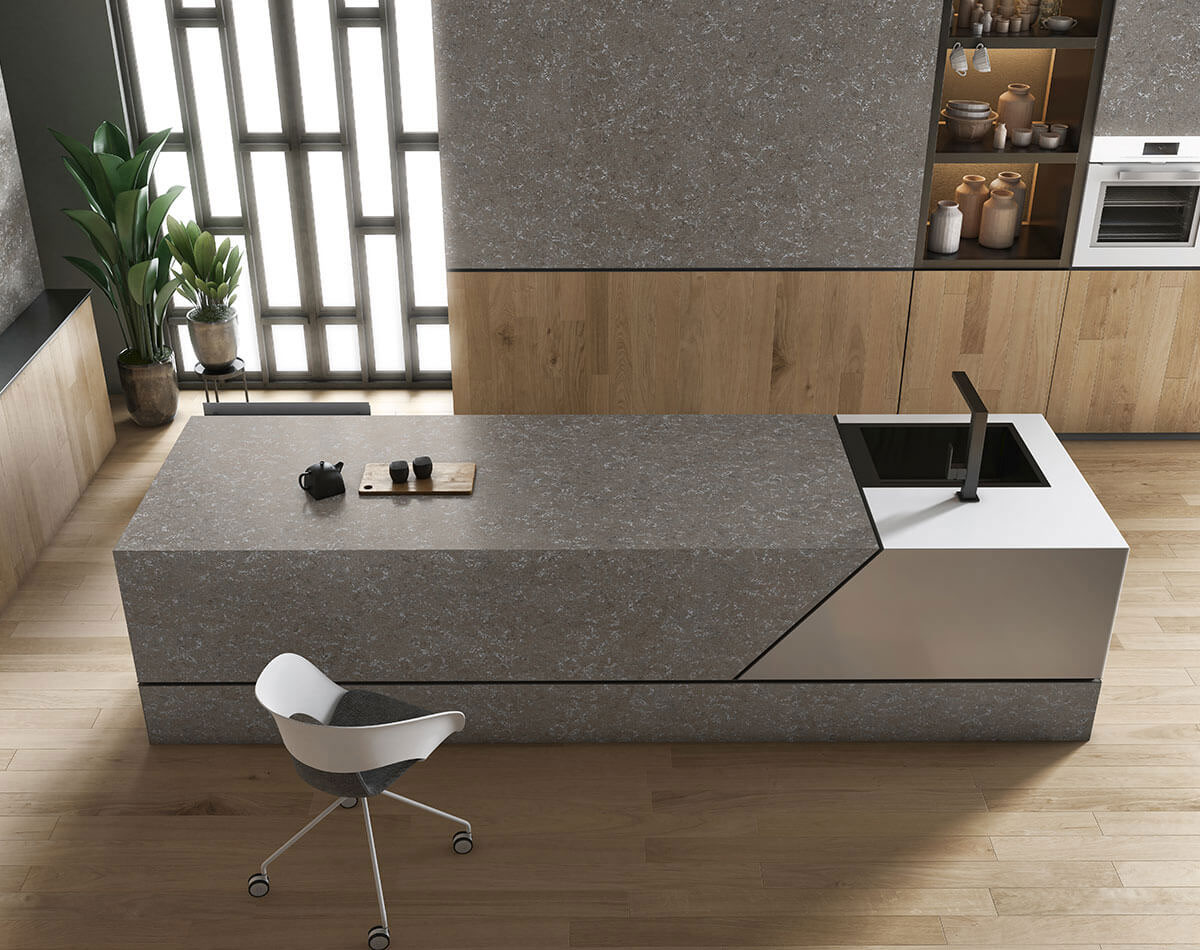
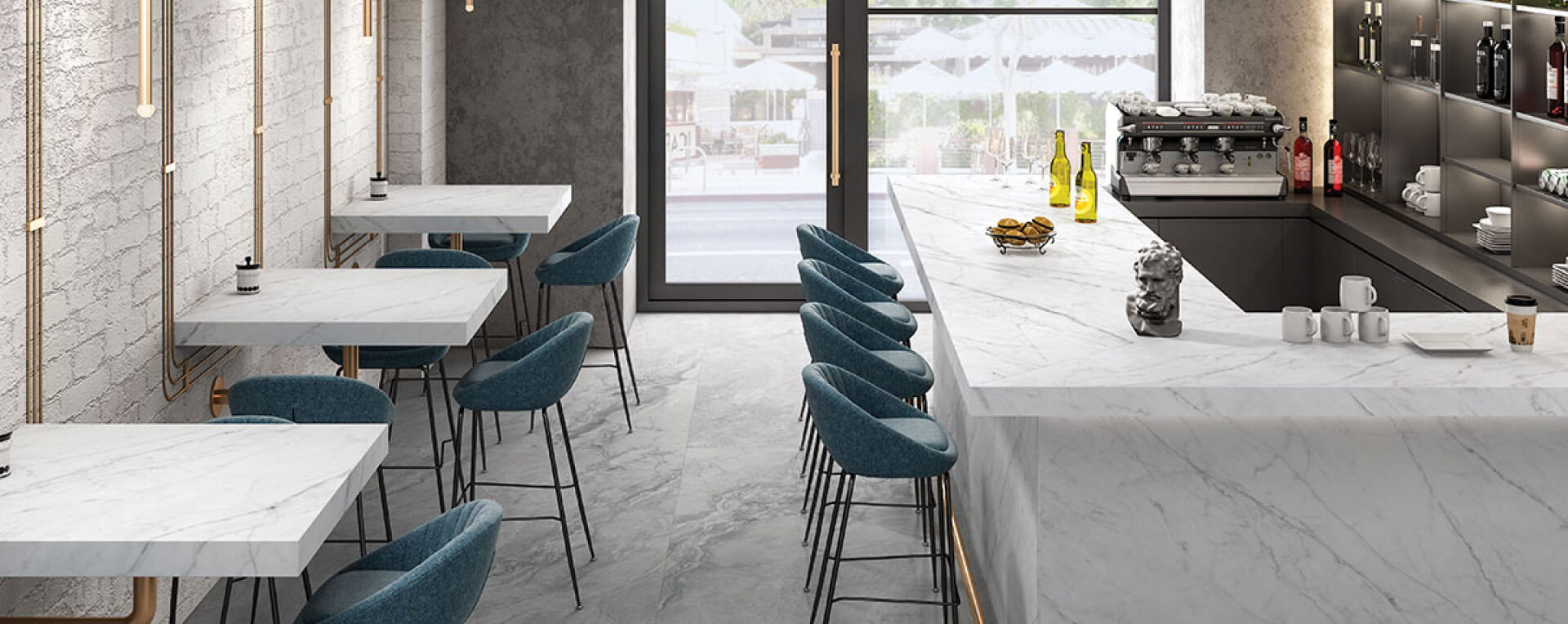
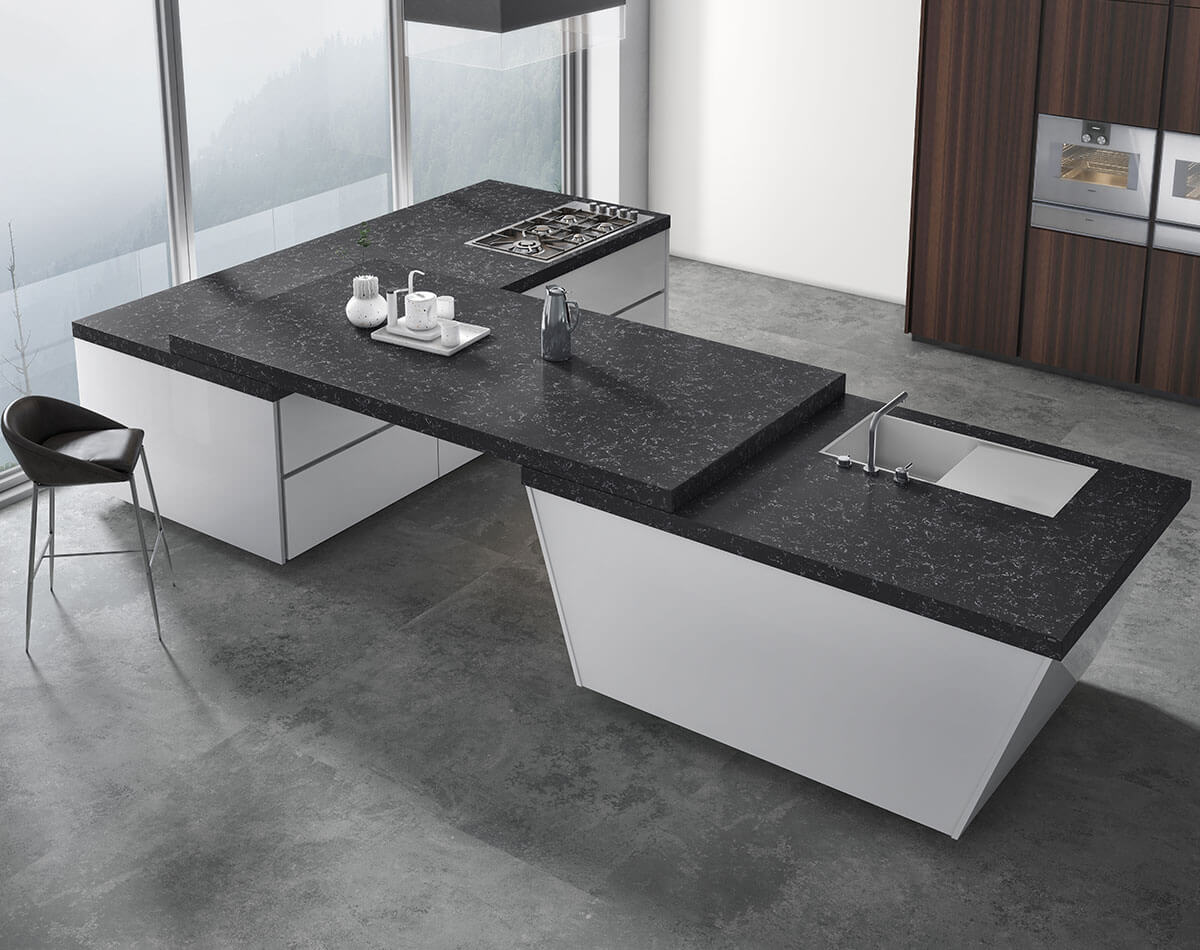
Neotra’s advanced engineered slabs revolutionise dining tops with natural minerals without resins or chemical binders. Our slabs are ultra-durable, UV-resistant, non-porous, with stone, concrete, marble, and wood-like finishes suitable for every space. Comes with a higher cost but with zero maintenance, perfect for modern Indian homes craving luxury without hassle, enabling seamless surfaces.
2. Wood (Teak, Walnut, Mahogany)
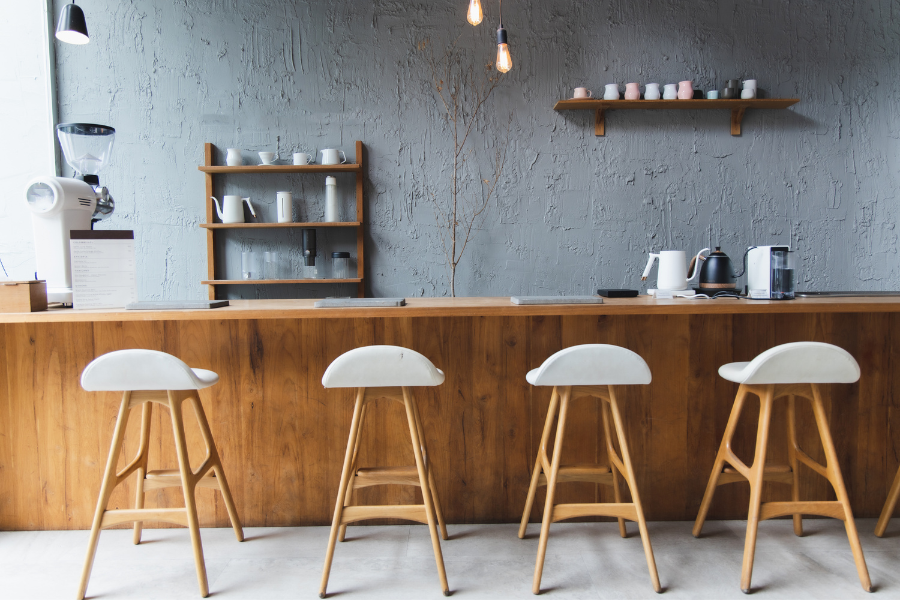
Versatile and warm, wood like oak or teak brings natural charm to the place. They offer timeless appeal and are easy to refinish. But they are prone to distortion in humid climates and require sealing against spills. Best for farmhouse or rustic style places.
3. Marble (Indian Marble, Italian Marble)
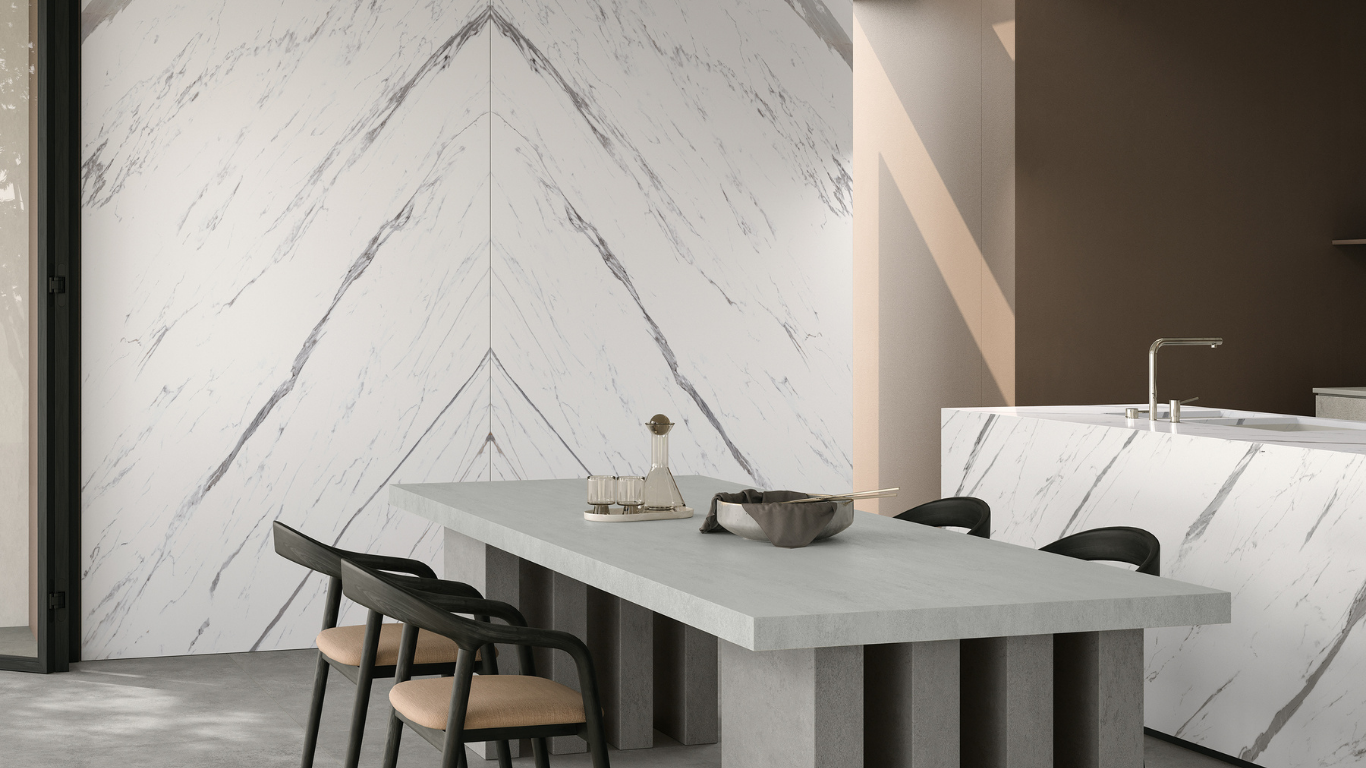
Iconic due to veining that screams luxury. Marbles are heat-resistant and elegant for formal dining while they are porous, stain easily from wine and turmeric and scratches sofly. They also need to be sealed regularly.
4. Granite
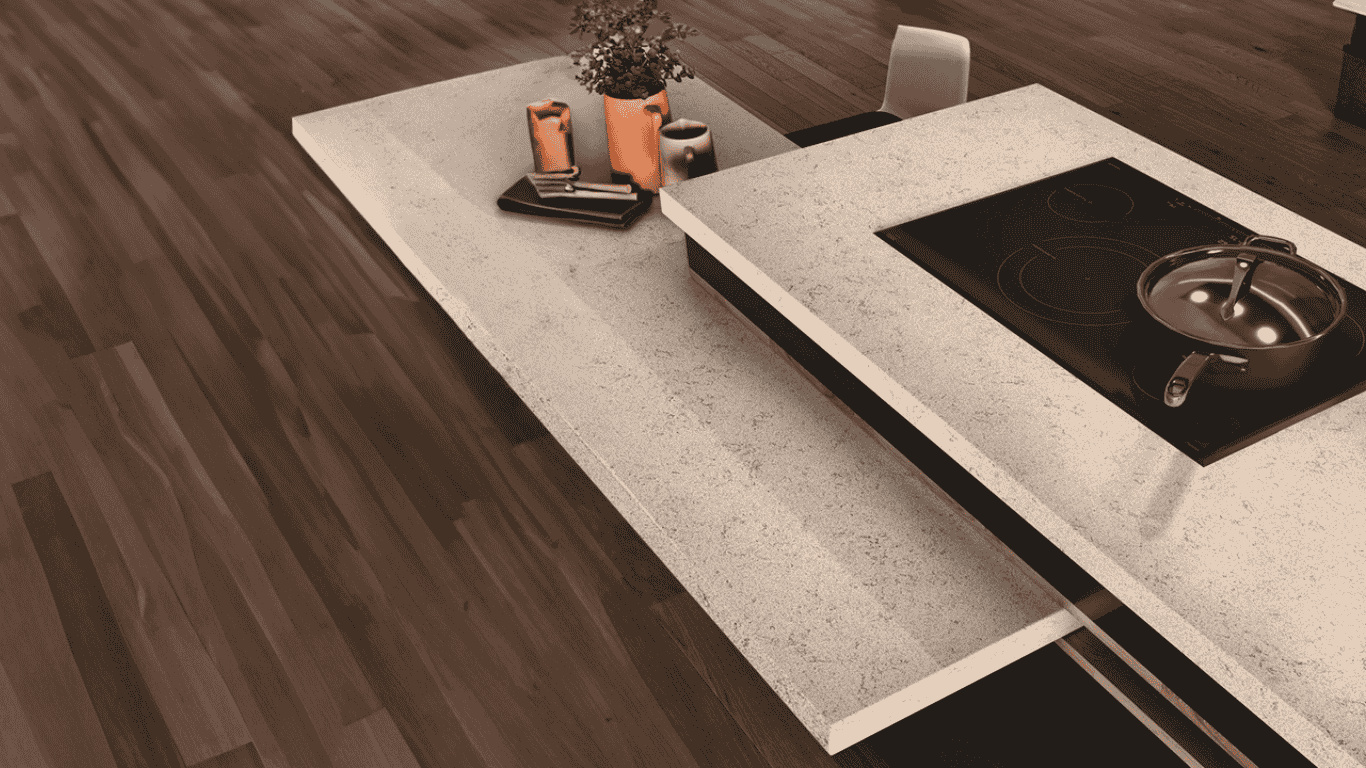
Durable and rugged, it also handles heavy use. Better scratch and heat-resistant properties with unique patterns. But they are heavy and need sealing to prevent etching. Suitable for high-traffic family tables.
5. Quartz
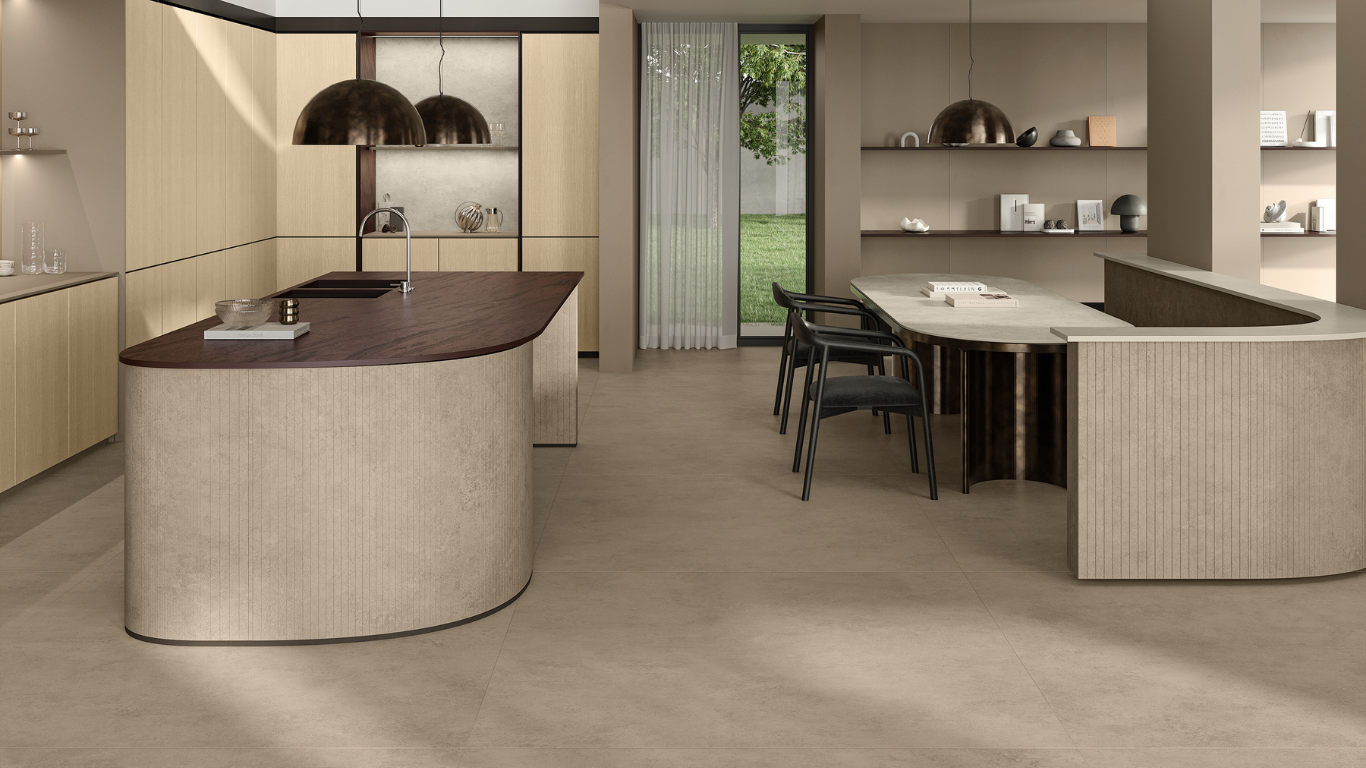
Quartz is resilient, uniform, non-porous, stain-proof, and available in a wide range of colours. The quartz shows fingerprints, is prone to chips, is not heat-resistant and ideal for minimal apartments.
Also Read: Neotra vs Quartz: Which Surface Is Best for Modern Kitchens
6. Glass
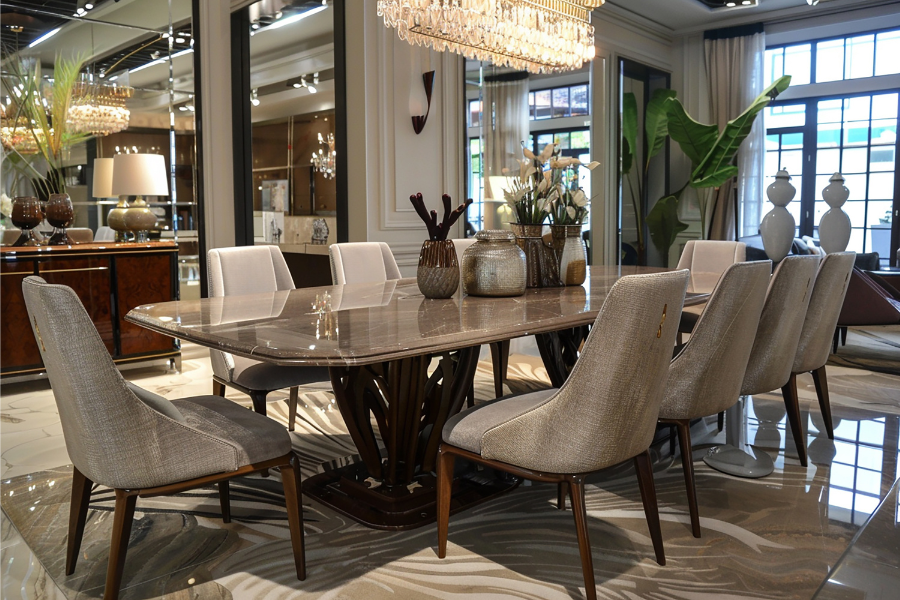
Tempered glass offers lightweight, contemporary vibes. Glass is easy to clean and visually expands the space. When used regularly, a glass tabletop will show fingerprints, can easily chip, and is not heat-proof, and hence only ideal for minimal apartments.
7. Onyx
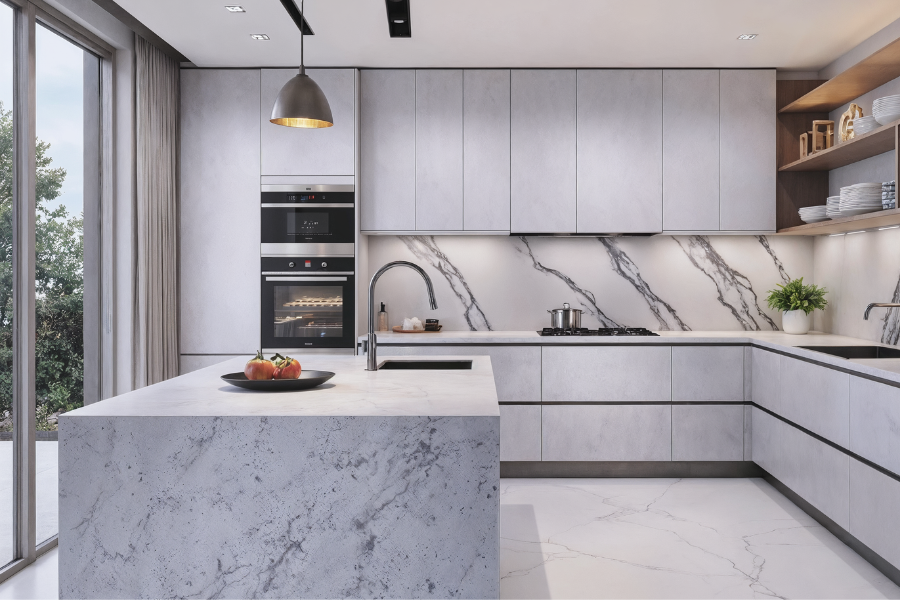
A gem-like, translucent surface that glows under backlighting, Onyx creates dramatic luxury for high-end dining table tops. While stunning, its soft composition makes it prone to scratches and etching, requiring diligent care in upscale villas.
8. Ceramic and Porcelain
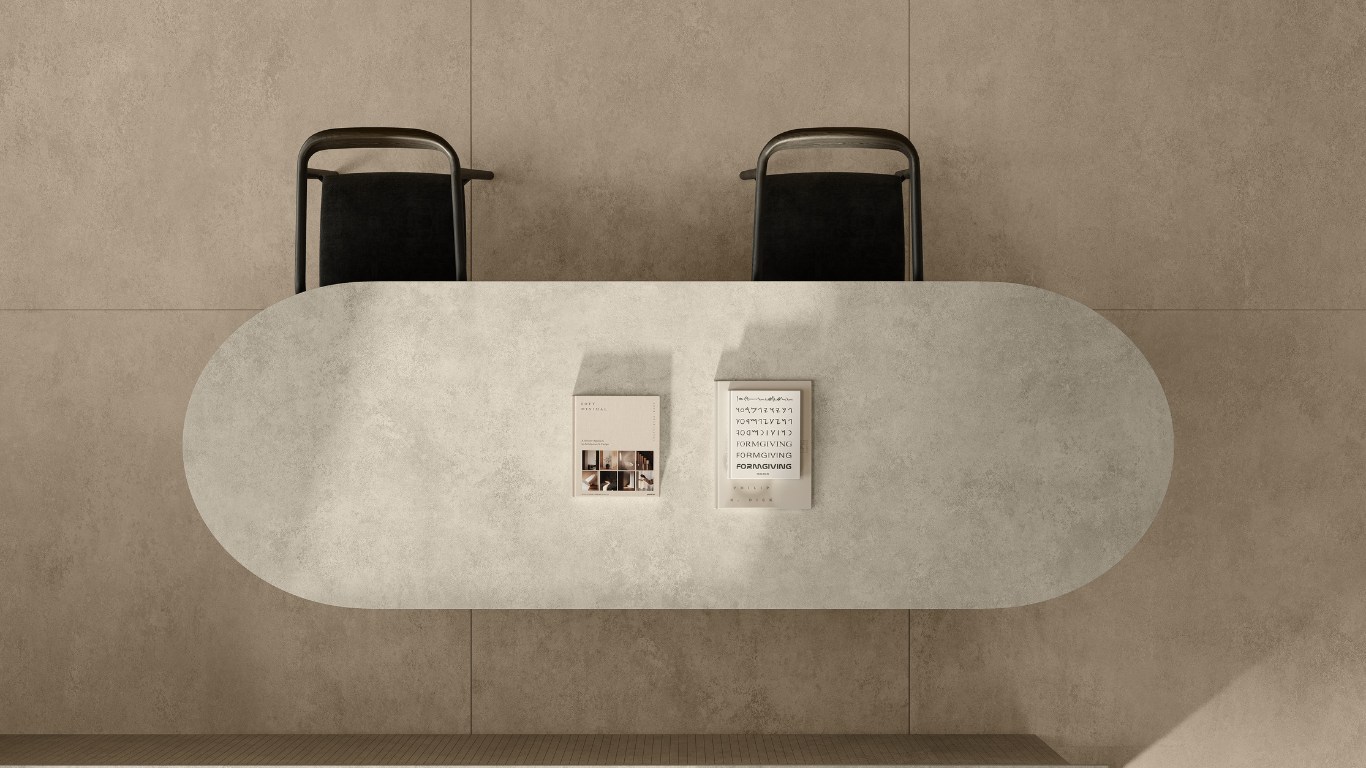
Large-format slabs of ceramic and porcelain are lightweight compared to marble, heat and scratch-resistant, with no visible chips. But edge finishing is needed for thinner slabs, versatile for indoor and outdoor use.
9. Metal (Steel, Aluminium)
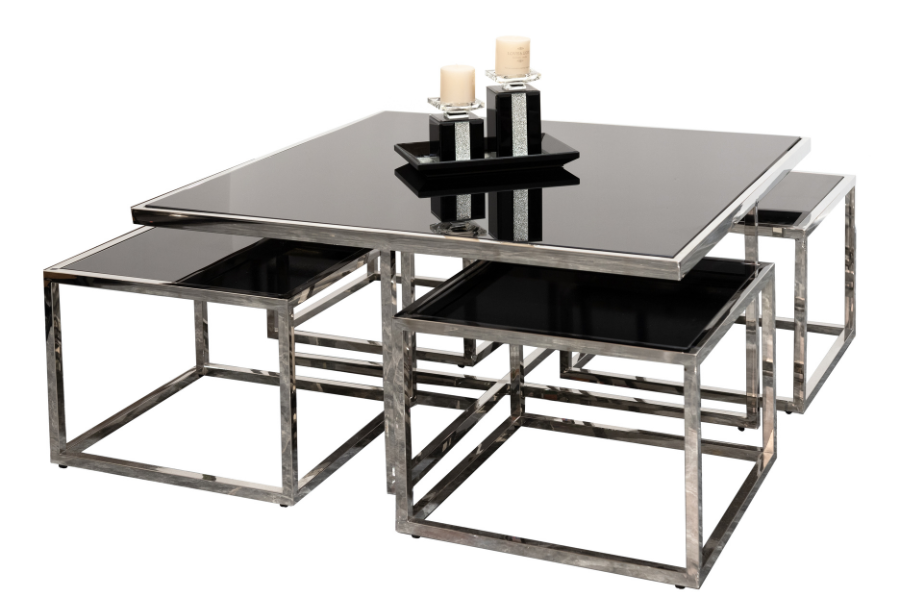
Serves as the industrial chic with stainless steel or aluminium. Metal tabletops are hygienic and offers modern edge finish, but they are easy to scratch and conduct heat or cold easily. Best for loft-style dining and fusion.
Neotra stands out by offering fireproof, non-absorbent, hygienic, and easy-to-maintain surfaces in large format sizes, perfect for expansive dining tables.
How to Select the Right Dining Tabletop Material for Your Lifestyle?
Choosing the right dining table top material depends on a few factors, including
- Household- Pets and kids require durable surfaces like Neotra or granite to withstand scratches and spills. Places with frequent guests should also opt for stain-resistant surfaces, and for luxurious ones, select marble-look Neotra slabs.
- Evaluate space and style- In compact spaces, use slim or glass slabs to keep things light. For grand spaces, a wood or onyx finish adds warmth. Climate and humidity-prone areas favour non-porous surfaces.
- Test functionality- Simulate heat with a hot pan or drop an acidic substance for acidity resistance. Initial costs vary, but low-maintenance materials save long-term.
- Prioritise sustainability- Neotra’s slabs align with state-of-the-art technologies, a minimal production cycle, and inalterable wear and tear resistance, hence practically infinite.
Luxury Dining Table Design Trends in India
India’s luxury dining tops in 2026 blends heritage with high-tech innovation, driven by home-centric living. Interior designers are here for bespoke pieces that fuse artisanal craftsmanship with advanced materials.
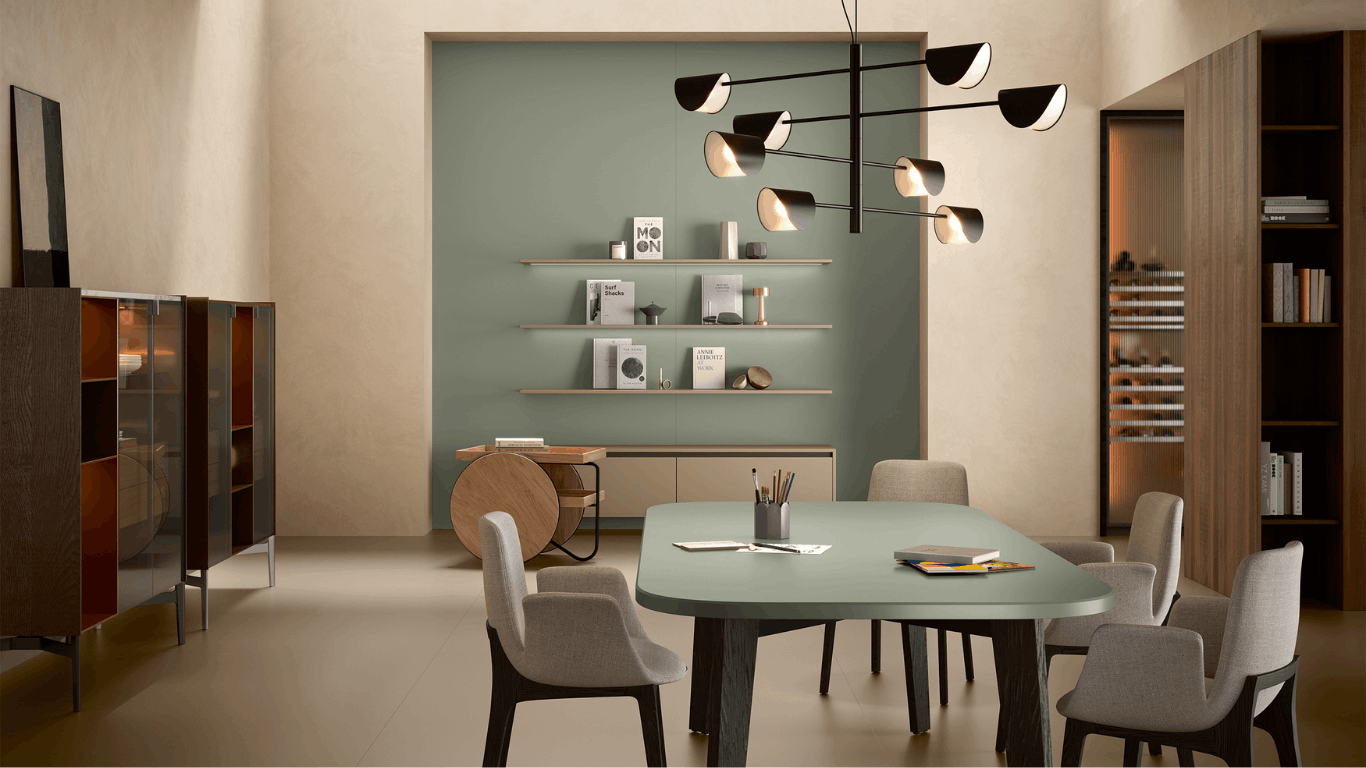
- Incorporate natural motifs, expect dining tops in wood-finish slabs paired with carved legs echoing motifs. Green and earthy tones prevail with tables extending into multifunctional islands that can also work for at-home diners.
- Organic minimal strips favour slim profiles. Large-format Neotra slabs create floating effects supported by blackened metal bases or brass. Glass hybrids or edge-lit onyx add drama, perfect for open-plan luxury apartments where less is more.
- Sustainable luxury surges with upcycled granite remnants or Neotra’s sustainable slabs, certified for green building. Circular designs in tables with modular extensions cater to families and entertainers hosting festival feasts.
- Mix Neotra slabs with metal inlaysor wood borders. Bold geometric designs like hexagons are topped with Neotra surfaces.
- Use exotic stones or stone-look Neotra slabs for a heritage feel.
- Textural drama adds fluted edges, terrazzo motifs, and hammered inlays, adding heritage drama to the place.
Also Read: Trendy Breakfast Counter Designs for Modern Kitchens
Maintenance Tips for Different Dining Table Top Materials
Tailored maintenance care keeps your dining table clean.
- Wood: Dust weekly with a microfiber cloth and monthly with food-grade oil. Avoid using water and use dehumidifiers in humid zones.
- Marble, Granite, and Onyx: Seal every 6 months with an impregnator. Blot stains immediately; use baking soda paste for turmeric stains. Also, do not use acidic cleaners; use pH-neutral cleaners only.
- Neotra slabs: Effortless cleaning with water or soap daily. No sealing is required; it resists heat, bacteria, and scratch. Perfect for stubborn spots and everyday use.
- Glass: Newspaper with ammonia-free spray clears glass effectively. Inspect for broken glass or chips quarterly.
- Metal: Soak vinegar weekly and wax polish monthly for long-lasting shine and protection.
- Porcelain and ceramic: Need sealing sometimes, and are not as durable as Neotra slabs.
Cost Comparison of Popular Dining Table Top Materials in India
Popular dining tabletop materials in India vary widely in cost, with natural stone and wood commanding premiums due to their aesthetic appeal and durability. Price ranges are influenced by quality, size, and region. Let’s compare materials, range, and their properties.
| Material | Range | Properties |
| Solid Wood | Lower-to-Mid | Good longevity when used with care, high luxury appeal, and frequent maintenance are required. |
| Marble | Mid-to-Higher | It has strong durability against stains and heat and a premium luxury look, but it is porous and requires frequent sealing. |
| Granite | Lower-to-Mid | Heat-resistant and highly durable, rugged for modern homes and lower maintenance than marble |
| Neotra (Sintered stone) | Mid-to-Higher | Engineered for superior UV and scratch resistance, sleek luxury mimicking marble, stone, concrete, and wood; non-porous; and highly durable. |
| Tempered Glass | Lower-to-Mid | Affordable modern look but moderate durability, easy to clean but prone to fingerprints and edge chips; less luxury |
| Porcelain/Ceramic | Mid-to-Higher | Good stain and scratch resistance, modern luxury, lightweight and durable for daily use. |
Higher-cost materials like wood and sintered stone surfaces offer the best longevity, justifying investment through minimal replacement needs and luxury appeal in Indian homes. Budget options like glass provide short-term style but higher long-term costs due to fragility. Choose mid-to-high-range materials for optimal value in humid climates.
Where to Buy Custom Luxury Dining Tables in India?
For bespoke luxury slabs, Neotra has dealers in various states, including Bangalore, Mumbai, Pune, and more. We also have our experience centre in Mumbai, where you can touch and feel the luxurious surfaces. Visit Neotra’s website to go through the collections and applications of Neotra surfaces. We have NSF-certified technology to ensure maximum hygiene.