
Key Factors to Evaluate Before Selecting Home Renovation Materials
Every material choice should be done keeping a few factors in consideration. These decide how a surface looks, performs, and ages in your home. Here are a few factors to keep in mind that help you avoid costly regrets and choose with confidence.
- Know how the space is used. A hallway gets heavy foot traffic, while a guest bedroom gets very little. Both need different surfaces.
- Some materials need regular polishing and sealing, while others need a wipe. Depending on how much maintenance you are willing to do, select a surface material accordingly.
- Some materials last decades, while others only look best for a few years. Decide how long you want this finish to serve you.
- Decide on the overall design language for your renovation. A home feels refined when its materials speak to each other. Aim for a consistent palette across rooms, with variation in tone and texture.
These factors will help you narrow your options quickly and protect you from choosing on appearance alone.
Room-by-Room Material Selection Guide for House Renovation Design
Every room in your home has its own demands. The kitchen faces heat and spills, the living room faces daily footfall, and the bathroom faces constant moisture. Here’s the guide for room-by-room material selection for house renovation design to match the right surface to the right room.
1: Kitchen Spaces – High-Heat & Stain-Proof Sintered Stone Countertops
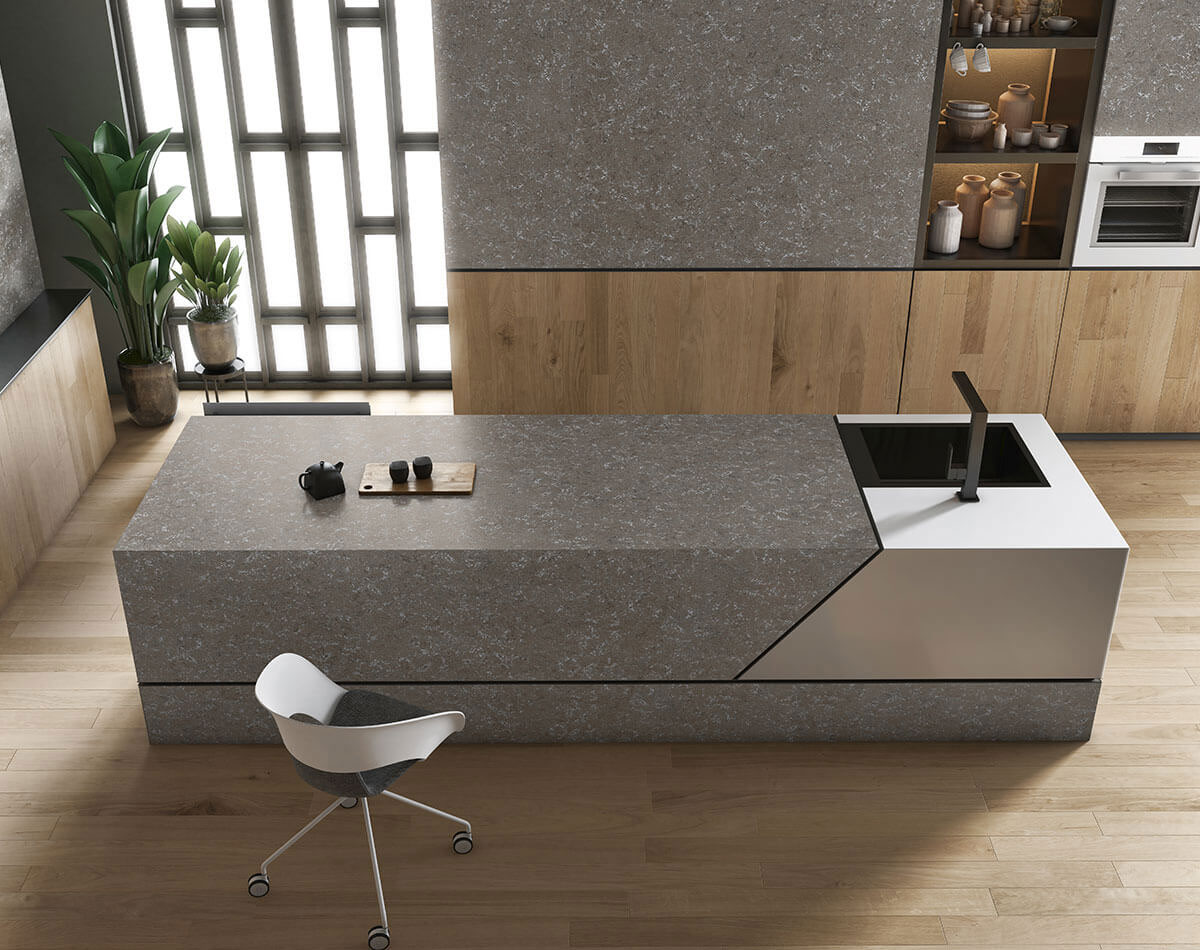
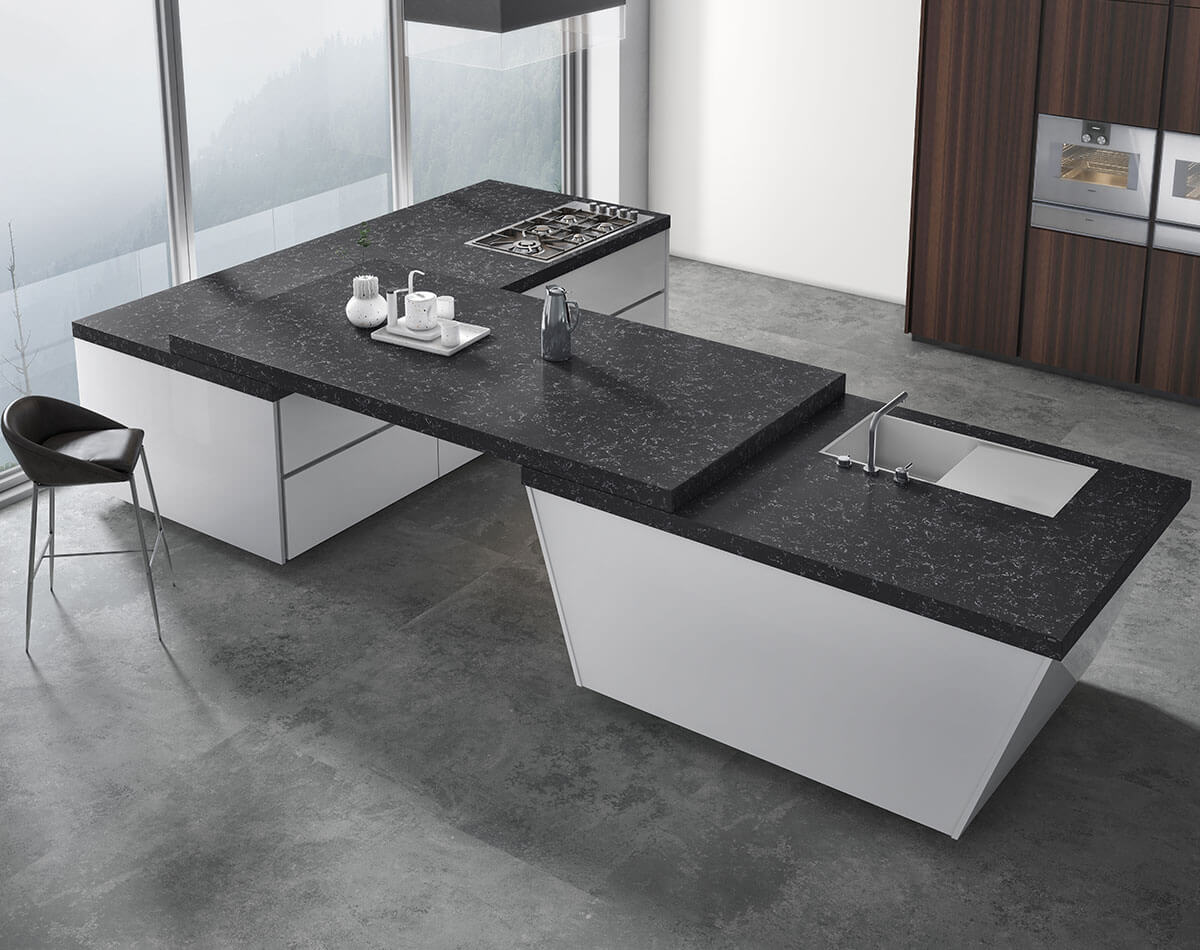
Durability comes first in the kitchen. Countertops and backsplashes need surfaces that resist stains, scratches, and heat. Engineered surfaces are very hard and non-porous; they resist stains and need little care. Natural granite is durable, but it needs periodic sealing. Marble is soft and beautiful but can be etched by acid.
Tip – Never compromise on function; a surface that looks perfect on day one but stains after a few months is not a premium choice.
2: Bathroom Areas – Non-Porous Waterproof Slabs for Vanities & Walls
Always choose slip-resistant floors and water-resistant, non-porous material for walls. For vanities and countertops, look for materials that withstand moisture and cosmetics. Solid and engineered surfaces in large format are reliable for walls, floors, and vanity tops, since they reduce grout lines and are slip-, scratch-, and water-resistant.
Tip – Plan the layout and waterproofing before you choose the finish. A beautiful tile cannot fix poor drainage.
3: Living Room Zones – Seamless Large Format Floor & Accent Slabs
Large-format slabs create a seamless look; fewer grout lines make the room feel wider. Matt finishes feel quieter; natural wood adds warmth but can scratch and may react to moisture. Wood-look slabs offer the warmth of timber with less upkeep. A feature wall adds depth; consider textured panels, fluted wood, or stone-effect surfaces. Keep the remaining walls simple.
Tip – Choose a floor that complements your furniture rather than competes with it. Neutral flooring lets art, sofas, and lighting stand out.
4: Bedroom Retreats – Warm Wood-Effect Slabs & Low-Glare Surfaces
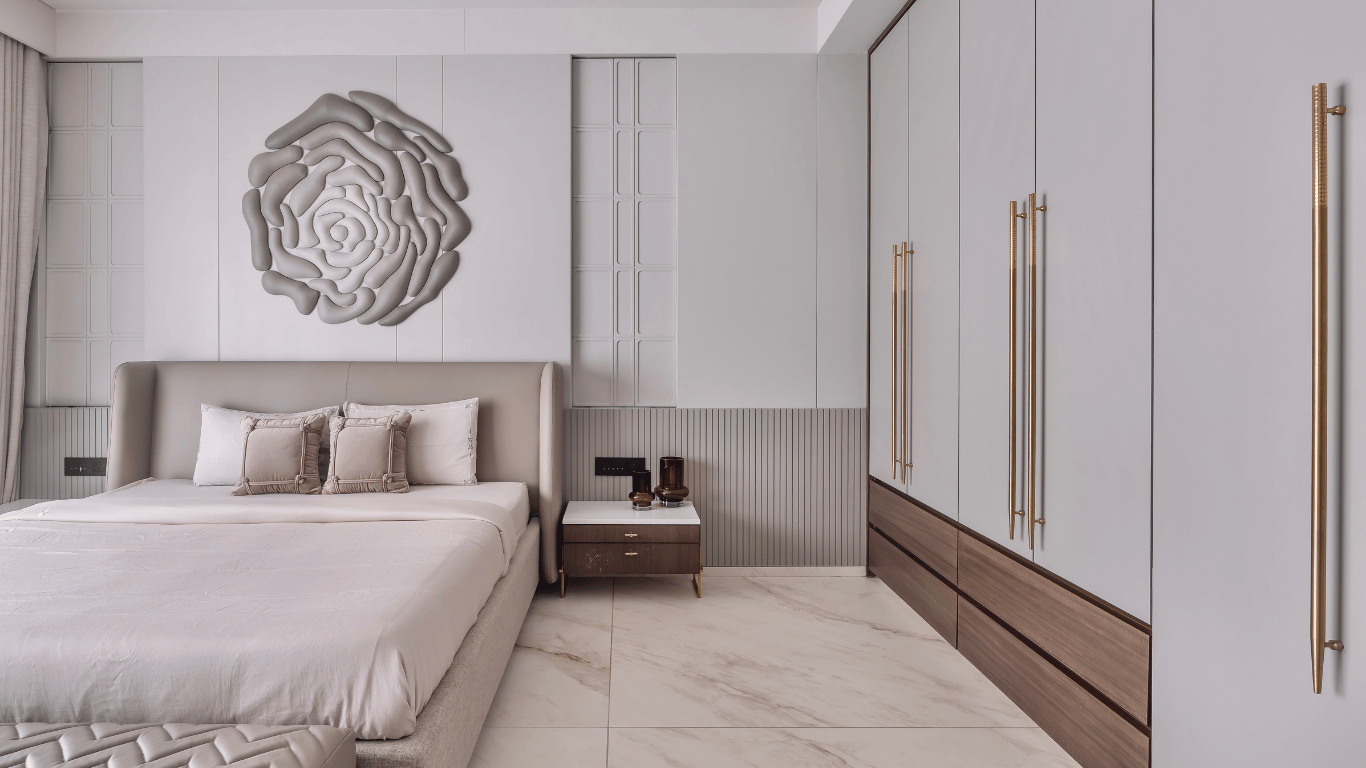
This is the place for rest, and the materials here should feel warm and quiet. Wood and wood-look finishes for the floor bring warmth. Pair the slabs with a good rug. Soft muted tones for walls help the mind relax. Textured wall finishes, fabric-wrapped headboard walls, and upholstered panels add a sense of luxury without noise.
Tip – Add a recessed mat zone near the door to trap dirt that protects your main flooring.
5: Outdoor Patios & Balconies – UV-Stable Anti-Slip Decking Slabs
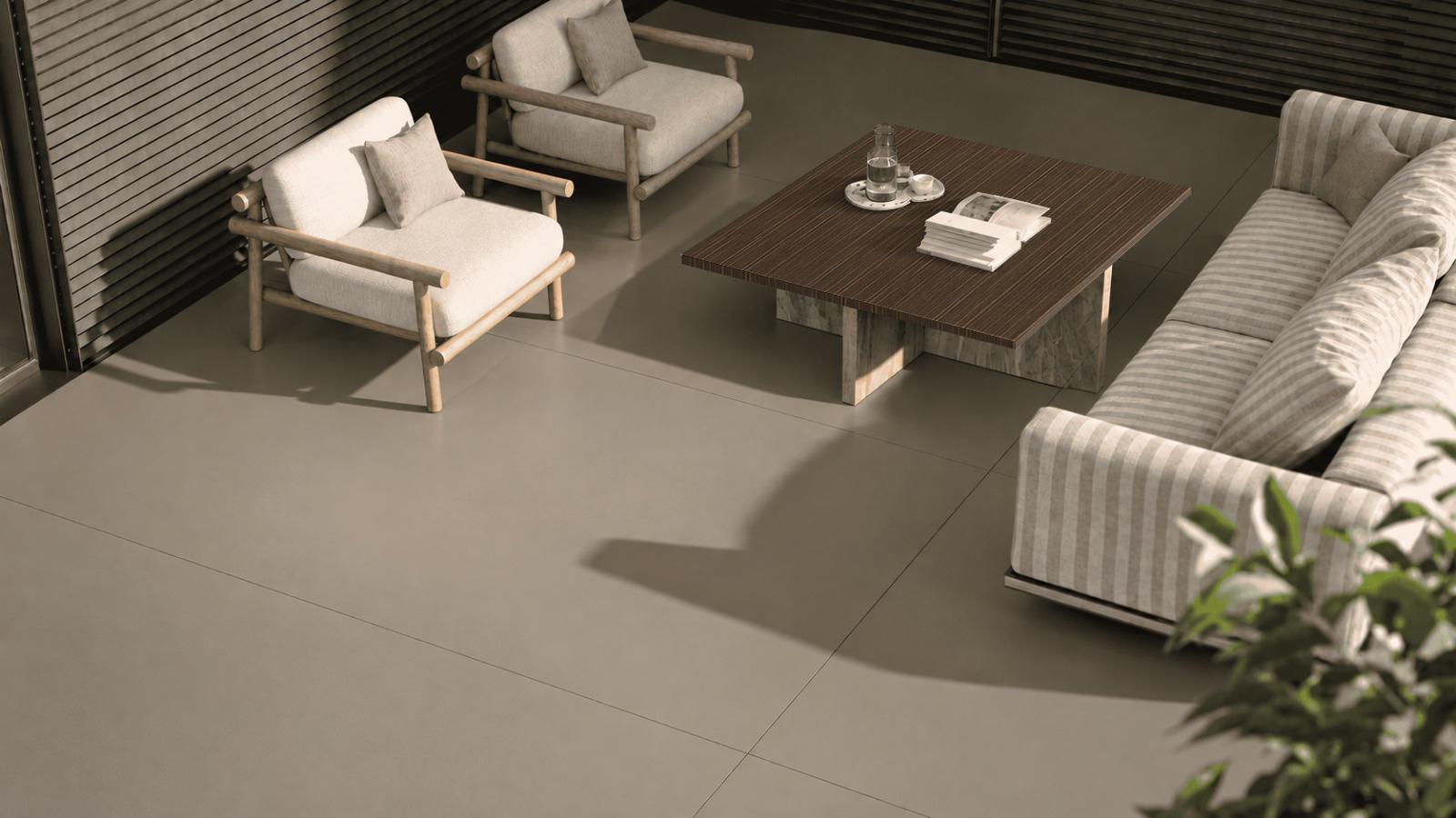
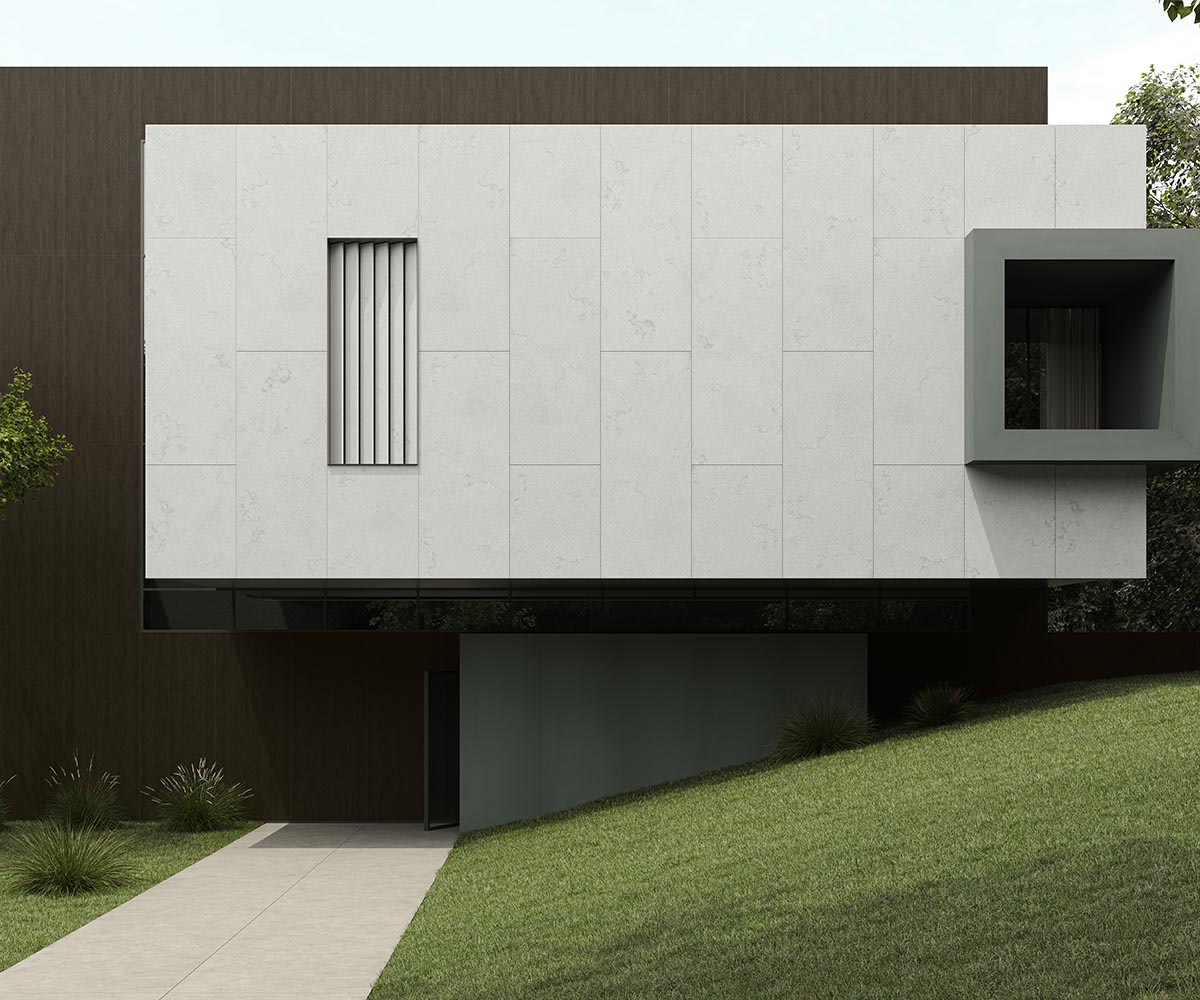
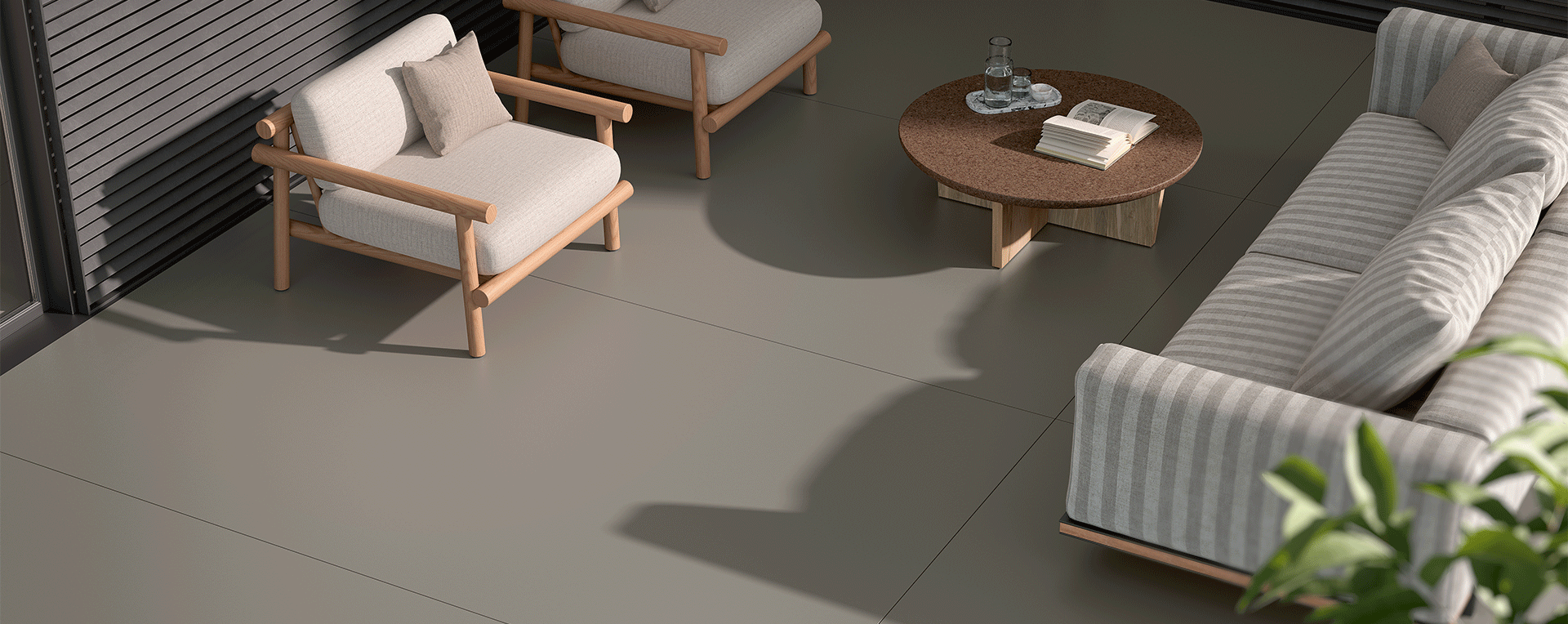
Outdoor spaces such as balconies and patios face temperature swings, sun, and rain. Materials here must be built for weather. Select surfaces rated for outdoor use. UV resistance prevents fading, low water absorption prevents cracking in changing temperatures, and anti-skid texture is important. Natural stone, outdoor porcelain, and engineered surfaces are good choices when installed correctly.
Also Read: 10 Stunning Outdoor Surface Designs for Modern Exteriors
Tip – Use a lighter shade for sun-exposed floors, as darker surfaces can turn extremely hot.
6: Staircases – High-Friction Textured Step Treads & Nosings
Staircases are used every day, so choose materials that are safe first. For treads, pick a matt or lightly textured finish. Stair treads with a built-in anti-slip edge are ideal. Sintered stone staircase surfaces resist water and offer a wood, stone, or marble look with less upkeep. Solid wood adds warmth but needs refinishing. Choose rounded nosing for durability. Match railing finishes to your door handles and fittings.
Tip – Concealed step lighting adds safety with a premium look.
Material Comparison Matrix: Sintered Stone vs Traditional Choices
Choosing between engineered surfaces, natural stone, and sintered surfaces comes down to how each one performs in daily use.
| Feature | Granite | Marble | Quartz | Engineered Surfaces |
| Look | Natural speckled patterns | Unique veins | Uniform and consistent | Wide range including marble, stone, concrete, and wood |
| Scratch Resistance | High | Low | Medium to high | Very high |
| Heat Resistance | High | Medium | Low to medium; resin can discolour | Very high; withstands heat |
| Stain Resistance | Medium and needs sealing | Low, as they are porous | High | Very high, as they are non-porous |
| UV Resistance | High | Medium | Low and can fade outdoors | Very high, suits outdoor use |
| Maintenance | Periodic sealing | High regular sealing | Low | Very low |
| Best suited for | Kitchen and entrance | Feature walls, low-use areas | Kitchens and vanities | Kitchens, vanities, bathrooms, facades, outdoors, entrances |
Also Read: Sintered Stone vs Quartz Countertops: Which Is Better for Modern Indian Kitchens?
Budget Allocation Strategy for Successful Home Renovation Projects
A good home renovation budget is not spread evenly but placed with care. The breakdown below offers a starting point for planning your spend. Adjust the spend accordingly to suit your home’s layout with priorities, keeping the finish in mind.
- Put the largest share into high-use surfaces such as main flooring, kitchen counters, and bathroom waterproofing.
- 25-30% for the kitchen, as it is the hardest-working area and needs durable surfaces. 20-25% for bathrooms, as water damage is expensive to repair. Main flooring needs 15-20% of the budget; this is the largest surface area and sets the tone of the home. The remaining budget goes to staircases and entrances, walls and feature areas, and outdoor areas.
- Allow a buffer of 10-15% for wastage and unexpected changes.
- Order a little extra material. Matching a tile batch later can be difficult.
- Choose large-format tiles to reduce grout, labour time, and long-term cleaning.