
10 Creative Living Room Open Shelf Designs
Here are the 10 modern living room open shelf ideas for living rooms. Each idea is a clear guide to choosing a style that suits your space, your sense of design, and your belongings.
1: Wall-to-Wall Floating Sintered Stone Ledge Below Media Units
One long edge across the full width of the living room below the media units; as it has no brackets in sight, the look stays clean. Use it for a tray, small plant, or skincare. Match the ledge to the surroundings to tie the wall together.
2: Recessed Wall Niche with Backlit LED Stone Shelves
A recessed niche is a shelf surface built into the wall. It sits inside the wall, so it takes no floor space and does not stick out. This makes it perfect for the living room. Line it with a backlit LED and contrasting slab to transform a plain storage spot.
3: Monochromatic Dark Slate Slab Open Display Shelf
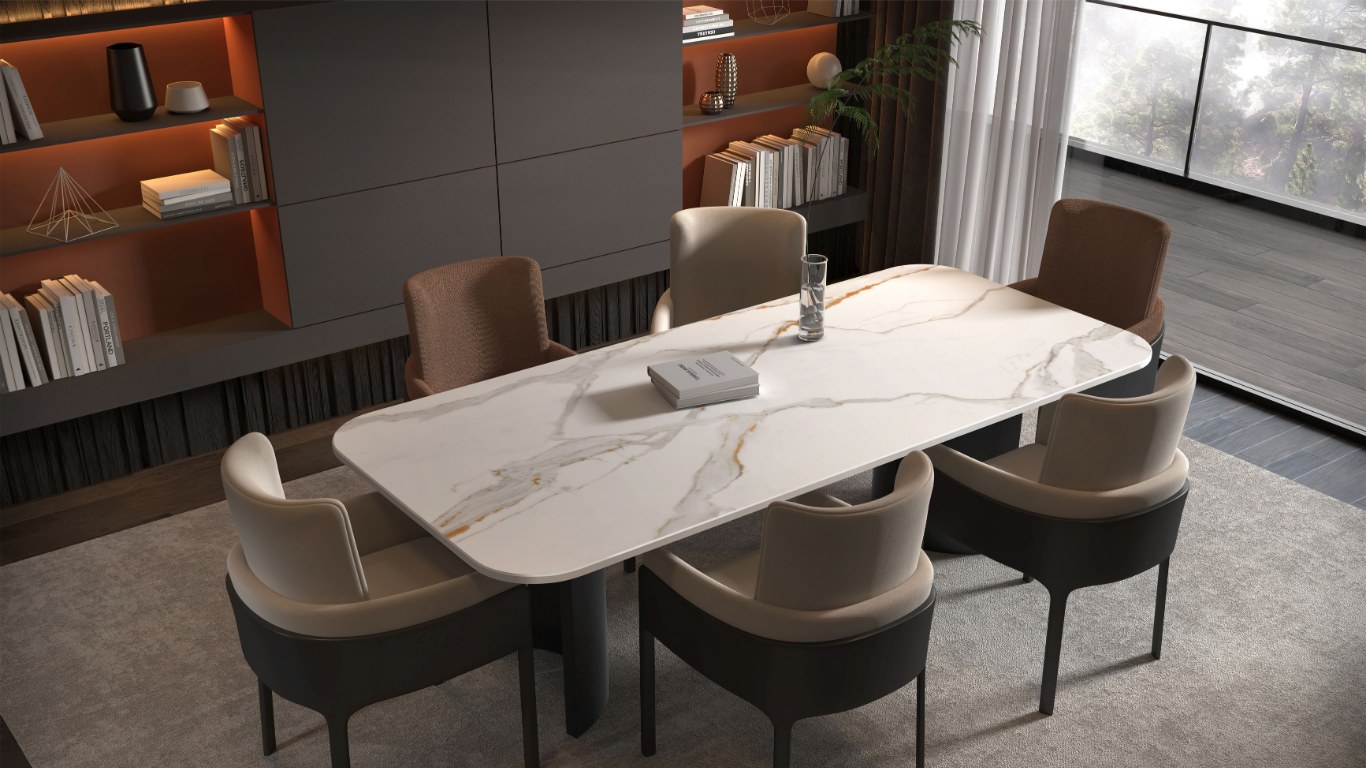
Use a dark slate-finish slab on the open display shelf. A single colour across the surface makes the space feel unified and larger than it is. Add warm lighting to soften the depth. Dark slabs also hide everyday marks well, which helps an open display shelf.
4: Floor-to-Ceiling Steel Frame Unit with Engineered Stone Surfaces
A floor-to-ceiling full-height frame makes a strong design statement, drawing the eye upwards, and makes the room feel taller. Works best in living rooms with plain walls. Use a steel frame or dark timber paired with engineered surfaces for a premium look. Mix open shelves with a few closed sections in engineered stone surfaces if you prefer to hide everyday items. Add a few decorative objects at eye level.
5: Book-Matched Marble-Look Stone Ledge for Artwork Displays
Frame the accent wall for the living room with bookmatched slabs. The mirrored pattern draws the eye straight to the accent wall. A simple opening becomes a grand arrival. This works well with a plain or wooden door, as the contrast between marble and wood adds warmth.
6: Asymmetrical Stone Shelves on Accent Feature Walls
An asymmetrical layout uses shelves of varied heights and lengths to create movement and a modern gallery-like feel. Begin with one long shelf as an anchor and add shorter shelves above and below at different positions. This suits those who enjoy a more artistic look. Pair with a neutral wall colour and add a few sculptural objects to complete the effect.
Also Read: Types of Shelves for Every Room in Your Home
7: Low-Profile Ultra-Thin 12mm Sintered Stone Book Display Shelf
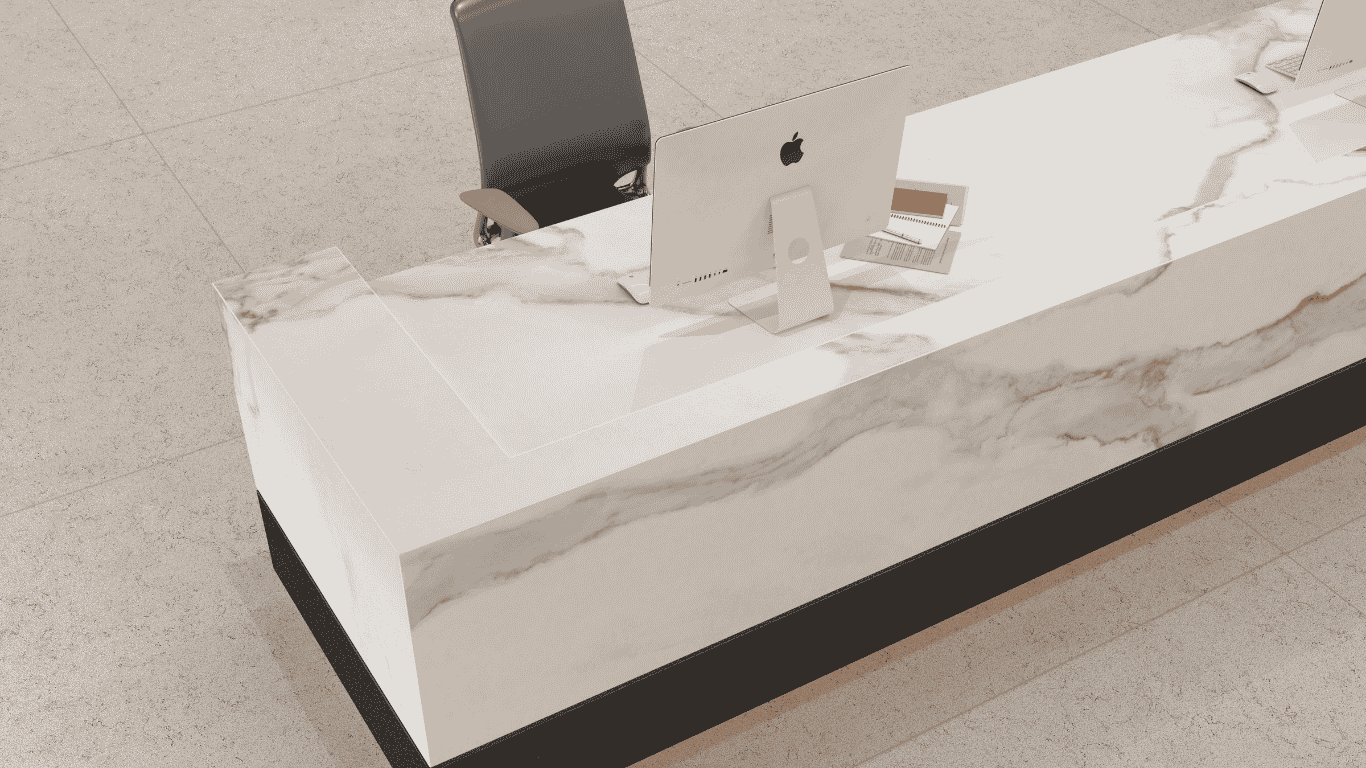
A 12mm slab offers modern luxury. It is thin but also carries strength. Neotra surfaces are dense, rigid, and non-porous, so the living room shelf stays flat and stable even when loaded with books. Use it to display your favourite coffee table books and keep the arrangement light and spaced.
8: Fireplace Surround Integrated Floating Stone Ledge
A floating stone ledge built into the surrounding fireplace adds beauty with function. Neotra surfaces handle heat well and resists scratches and stains, keeping the colour over time. A single slab can run across the surround and continue as a ledge, which creates a seamless look.
9: Dual-Tone Wood & Stone Hybrid Living Room Shelf System
Wood brings warmth, and stone brings strength. A shelf system that combines both offers the best of each. Pair a timber frame in oak or walnut with sintered surfaces. The stone tops add a cool, smooth finish while the wood adds a soft, natural touch. Together, they suit modern and classic interiors.
Also Read: 12 Modern Wall Shelf Design Ideas for Every Room
10: Minimalist Corner Floating Stone Ledges for Compact Rooms
Adds storage and style without crowding the room. Fix two or three slim stone ledges at staggered heights in a corner. The clean edges keep the look tight and uncluttered, with the display simple. A framed photo, a small plant, and a candle are enough, while the corner then becomes a calm, well-planned detail that suits a compact home.
Also Read: 7 Open Shelving Ideas in Kitchen for Modern Homes
Why Sintered Stone Ledges Outperform Traditional Wood & Glass Shelves
A living room shelf faces daily use, as it faces occasional knocks, and spills are common. Over time, standard glass and wood show their limits, but engineered surfaces are made to handle these demands.
- Water from the small plant can mark a wooden top, and it can soak in, while engineered surfaces resist heat and do not absorb liquids. Glass picks up fine scratches, and wood shows dents. Engineered tops are hard and dense, so they keep their polish for years.
- Wood needs regular polishing, and glass shows every fingerprint. Engineered surface tops need only a soft, damp cloth. Wood can fade or warp, and glass can chip. Engineered surfaces hold their colour and shape.
- Neotra surfaces are scratch-, stain-, and heat-resistant, making surfaces easy to clean. Our surface technology helps the surface repel liquids. Unwanted, harmful living organisms cannot remain or grow on surfaces, so surfaces can be kept safe and clean with minimal effort.
Also Read: Sintered Stone vs Glass Cladding: Pros, Cons and Best Applications
Engineering concealed brackets and weight distribution
A floating shelf looks effortless, but the strength is hidden in the support. Concealed brackets keep the wall clean while carrying the load. Good planning ensures the shelf stays level, stable, and safe for years.
- Use steel concealed brackets – Slide into the shelf and stay fully hidden.
- Fix into the structure – Anchor brackets into studs or masonry, not plain plaster.
- Match the bracket to load – Stone shelves are heavier than wood, so choose heavy-duty supports.
- Keep shelves in check – Deeper shelves place more stress on the walls.
- Spread the weight – Place heavier items near the wall and lighter pieces toward the edge to spread the weight evenly.
- Space the supports well – Longer shelves need more brackets to prevent sagging.
- Check alignment – Use a spirit level during installation.
Styling Guidelines for Open Shelving Display Composition
Styling gives open shelves their charm. A good display feels calm, balanced, and personal. The aim is to show fewer things but show them well.
- Display only what you truly love, and edit with care.
- Empty areas make each object stand out; leave breathing space.
- Mix tall, medium, and short pieces for rhythm.
- Sets of 3-5 look natural and balanced; group in odd numbers.
- Repeat 2-3 colours across the shelves and stay within a palette.
- Combine wood, stone, ceramic, and glass to blend textures.
- Add a small plant to soften straight lines.
- Lean art at the back and place smaller objects in front.