
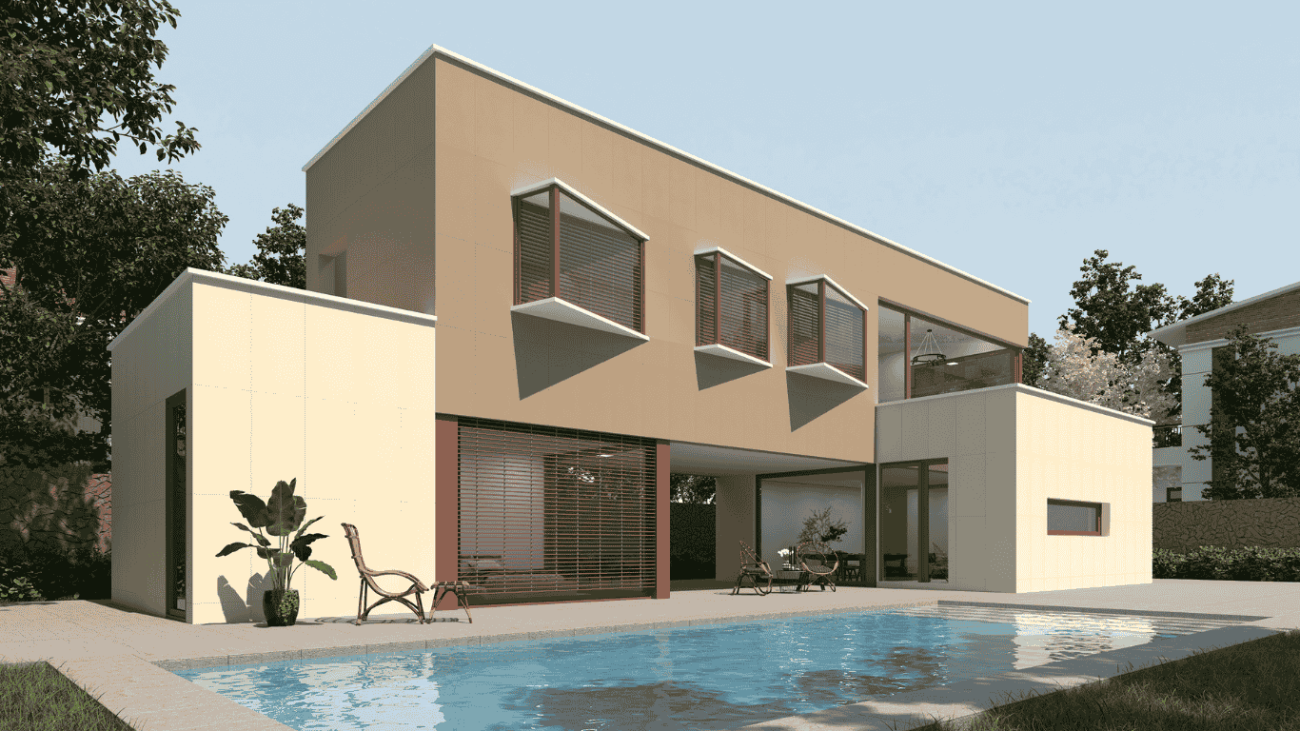
What Are Advanced Facade Surfaces?
Advanced facade surfaces are engineered to combine high-performance surface layers and precision manufacturing, delivering durability and aesthetics. Unlike traditional materials that rely solely on metal, brick, or raw stone, advanced surfaces integrate technologies such as mineral composites, available in large and thin formats, with a broad palette of colours and textures. This convergence of materials science and digital fabrication yields slabs that mimic concrete, marble, stone, and wood yet overcome many of their intrinsic drawbacks, including variable quality.
Performance testing, including water absorption, impact resistance, and colour fading, supports product development, giving architects predictable performance over decades. Sustainability considerations also play an important role. For bespoke projects, digital printing allows precise replication of veining and tactile textures, while engineered cores provide fire-resistant options for regulatory compliance. In summary, modern facade designs complement the visual richness of premium materials with engineering intelligence, enabling contemporary facades that are more durable and far more adaptable to modern construction methods.
Why Traditional Facade Materials Fall Short
Traditional facade materials remain popular for their authenticity. However, they present limitations that increasingly conflict with modern project demands. Below are the key materials.
Natural Stone – Heavy and High-Maintenance
Delivers timeless elegance but carries significant drawbacks. Stone’s density increases structural loads, requiring robust substructures and foundations that add cost and complexity. On-site handling and installation are labour-intensive and prone to breakage, while variations in natural veining complicate consistent visual outcomes. Maintenance can be demanding because it requires frequent sealing, cleaning, and repair of cracks, especially in humid or polluted environments. For contemporary designs that favour large, uninterrupted, slim profiles and planes, stone’s weight and maintenance issues block feasibility.
Also Read: Stone Cladding Designs for Interior & Exterior Walls
Brick and Render – Limited Design Range
They offer durability and a familiar aesthetic, yet they constrain design freedom. Brickwork is modular, making large-format, continuous surfaces or precise veining effects difficult to achieve. Mortar joints define a repetitive pattern that resists a smooth and uniform appearance. Render systems can achieve uniformity but often lack the texture, depth, or high-end finishes demanded by premium projects that also require careful substrate preparation and repair to maintain a pristine look. Together, these limits restrict contemporary architects seeking singular and bold facades.
Metal Panels – Susceptible to Corrosion
Provides modern, crisp lines but can be vulnerable to corrosion and finish degradation if not properly specified and installed. In aggressive environments, protective coatings may fail, leading to staining or structural weakening. Some metals show visible scratches and dents that are difficult to repair. For designers aiming for enduring, low-maintenance exteriors with consistent finishes, untreated or poorly specified metal panels risk performance shortfalls over time.
Also Read: High-Performance Facade Materials for Home Exteriors
How Neotra Advanced Surfaces Transform Facade Design
Neotra reimagines modern building facade cladding by blending material science with refined aesthetics. Its product suite targets the exact pain points of traditional materials, including weathering, joint visibility, and certifications, offering tested, premium-grade solutions that empower bold and contemporary exteriors. Below are the core benefits:
High impact and Scratch resistant
Neotra surfaces are engineered for exceptional impact and scratch resistance. This toughness preserves surface integrity in high-traffic zones such as driveways and entrances, reducing scuffs, visible damage, and chipping. The result is a consistently premium appearance with lower maintenance and fewer repairs over the product’s lifecycle. For homeowners and designers seeking long-lasting facades, Neotra slabs deliver reliable protection without compromising on aesthetics.
UV and Weather Resistant
Neotra surfaces for facade are engineered to withstand UV exposure to resist fading and surface degradation. These properties reduce the need for frequent cleaning and maintenance, keeping lifecycle costs lower than many traditional alternatives. For homeowners and specifiers seeking enduring facades with consistent appearance, Neotra’s weather-resistant systems offer long-term confidence and minimal upkeep.
Seamless Large-Format Cladding
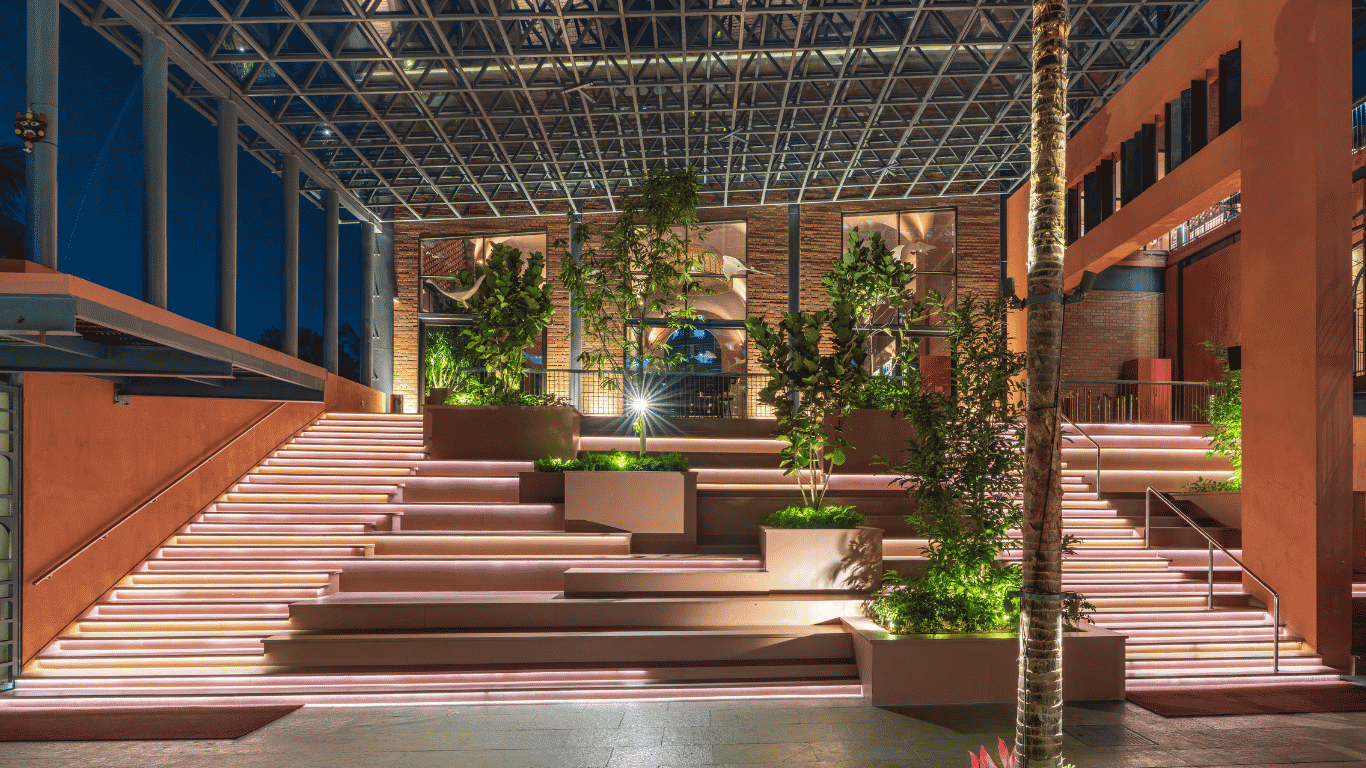
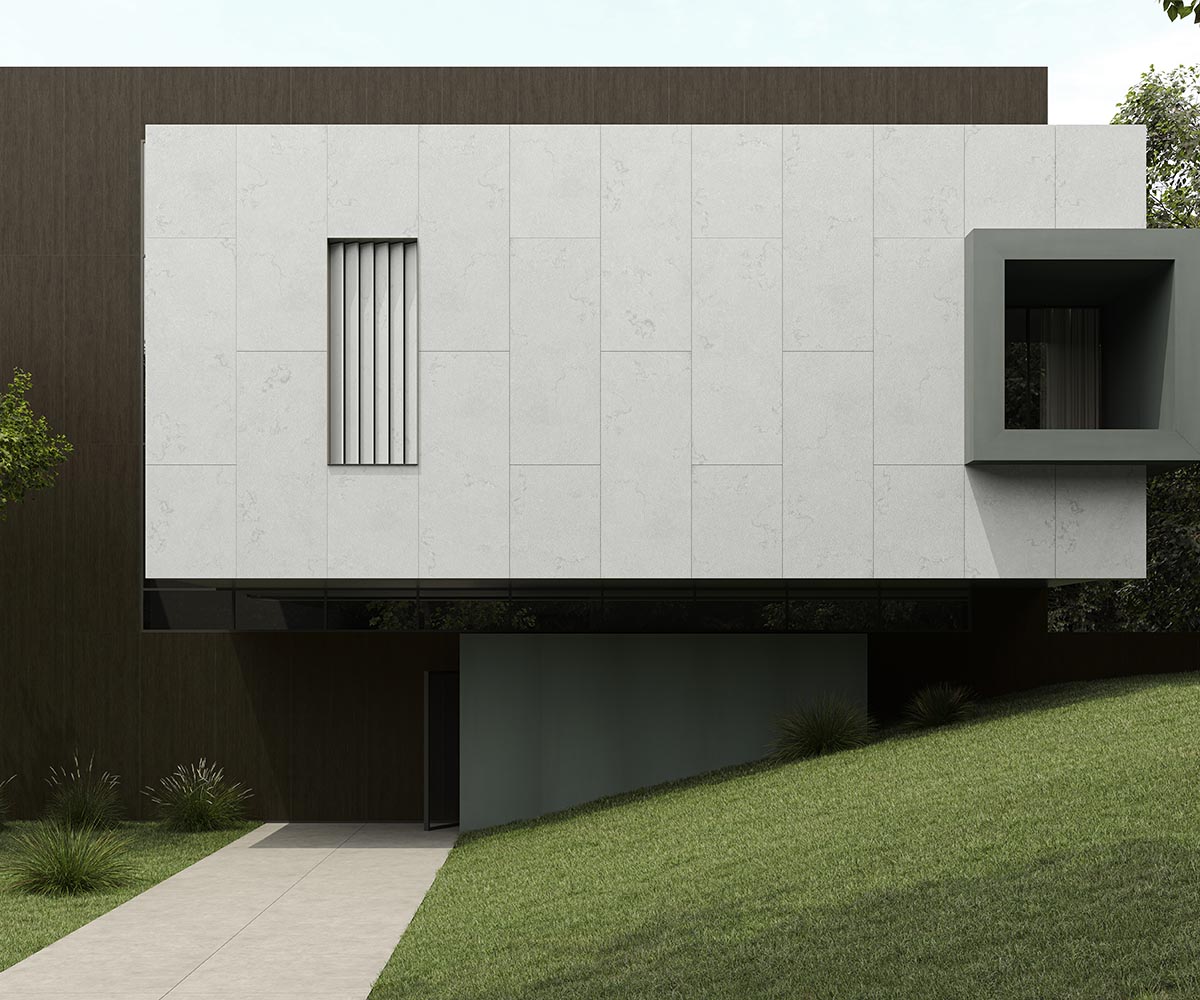
Neotra has large-format slabs that align with minimal joint visibility. When installed on engineered subframes and using concealed fixings, these panels create monolithic surfaces that read as continuous planes rather than tiled assemblies. This seamless aesthetic enhances modern minimalism, allows for uninterrupted veining patterns or graphics, and reduces water absorption associated with multiple joints. The result is a refined exterior facade that communicates premium quality.
Wide Design Range for Every Facade Style
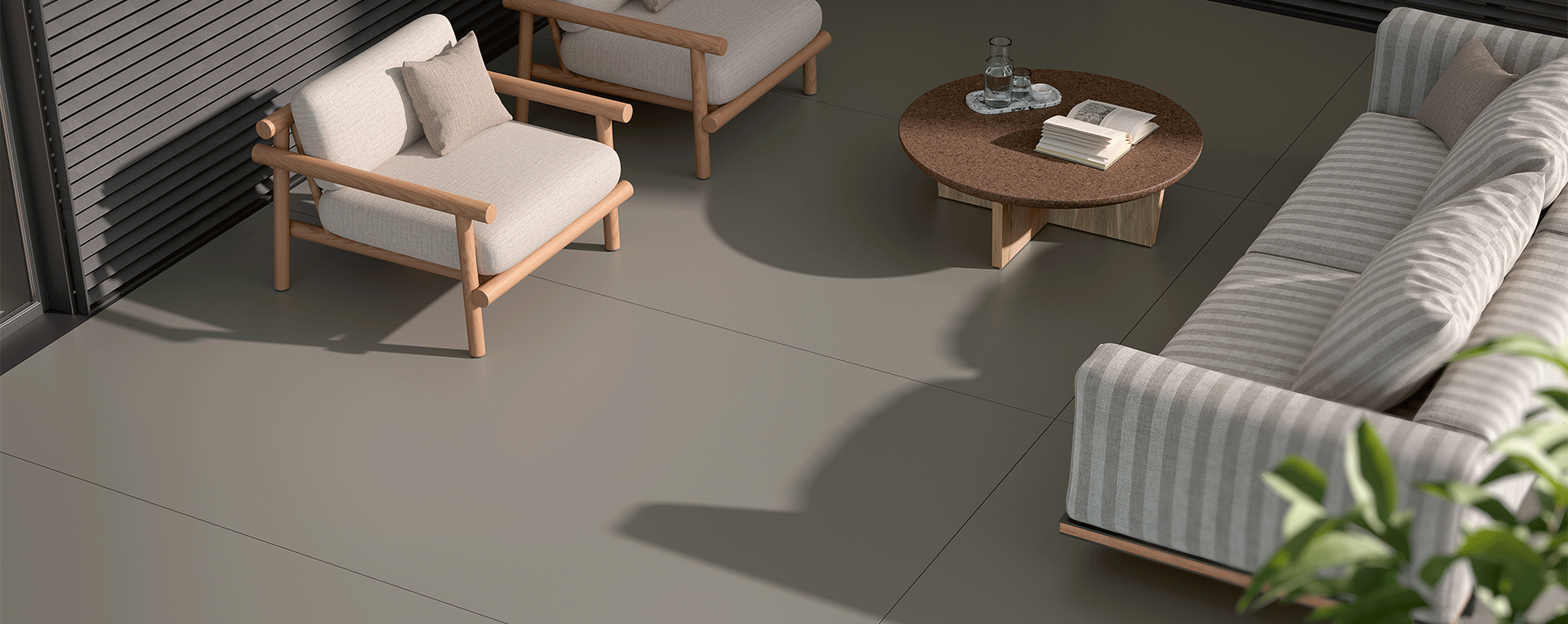
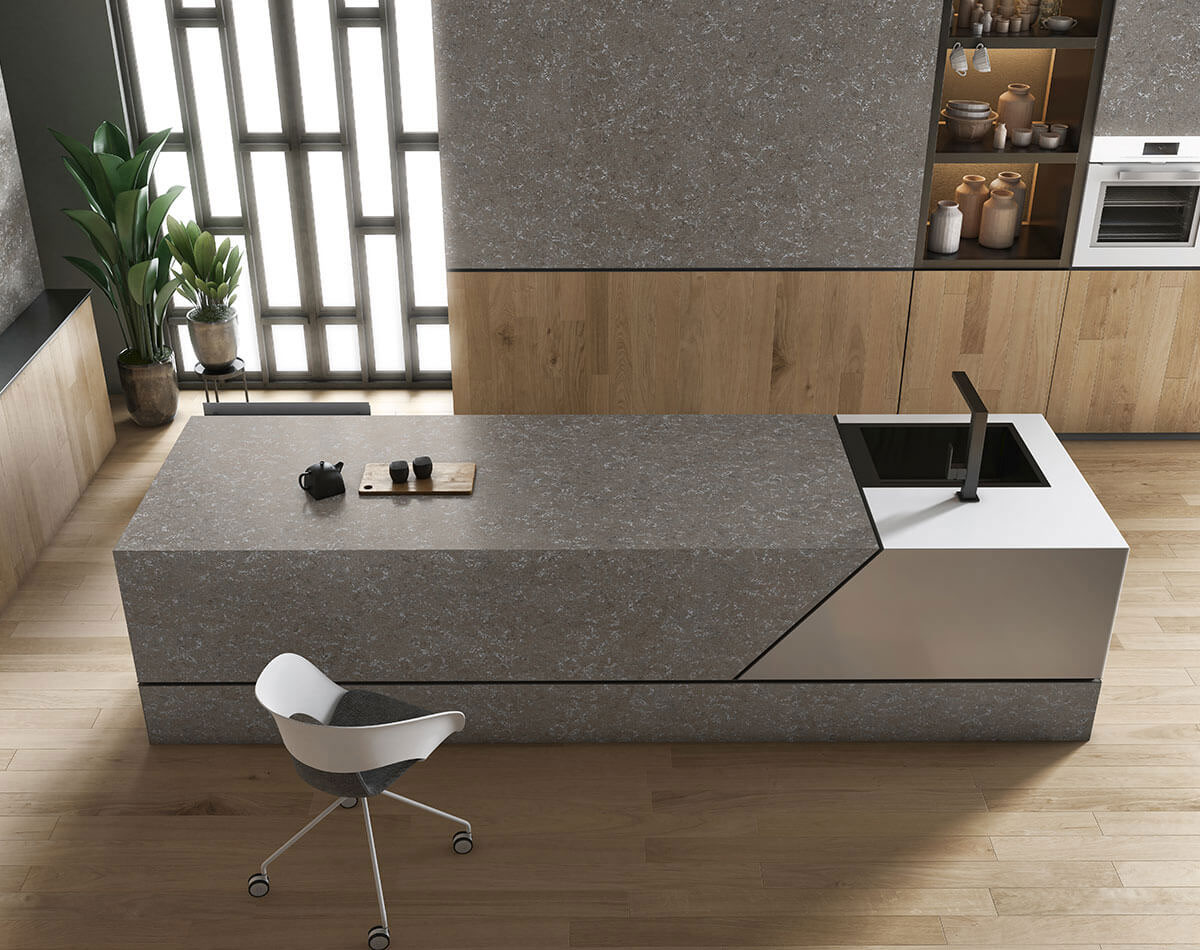
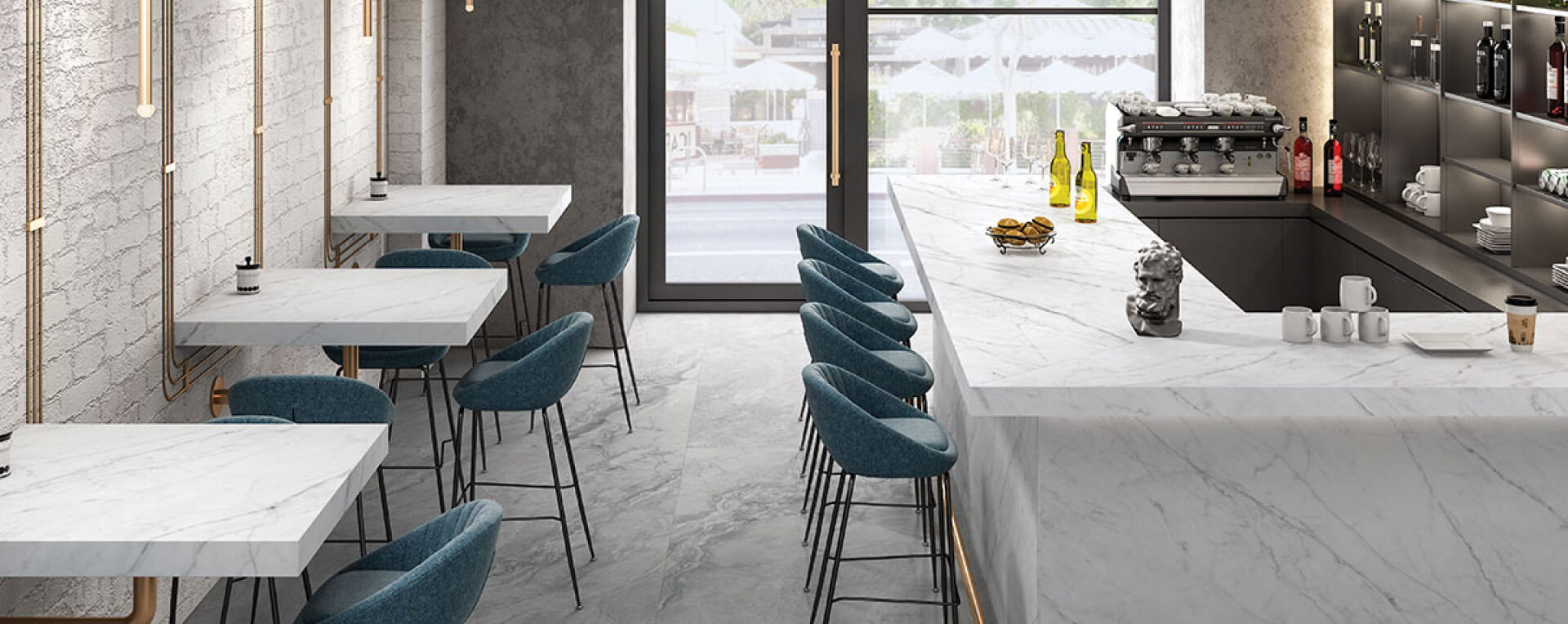
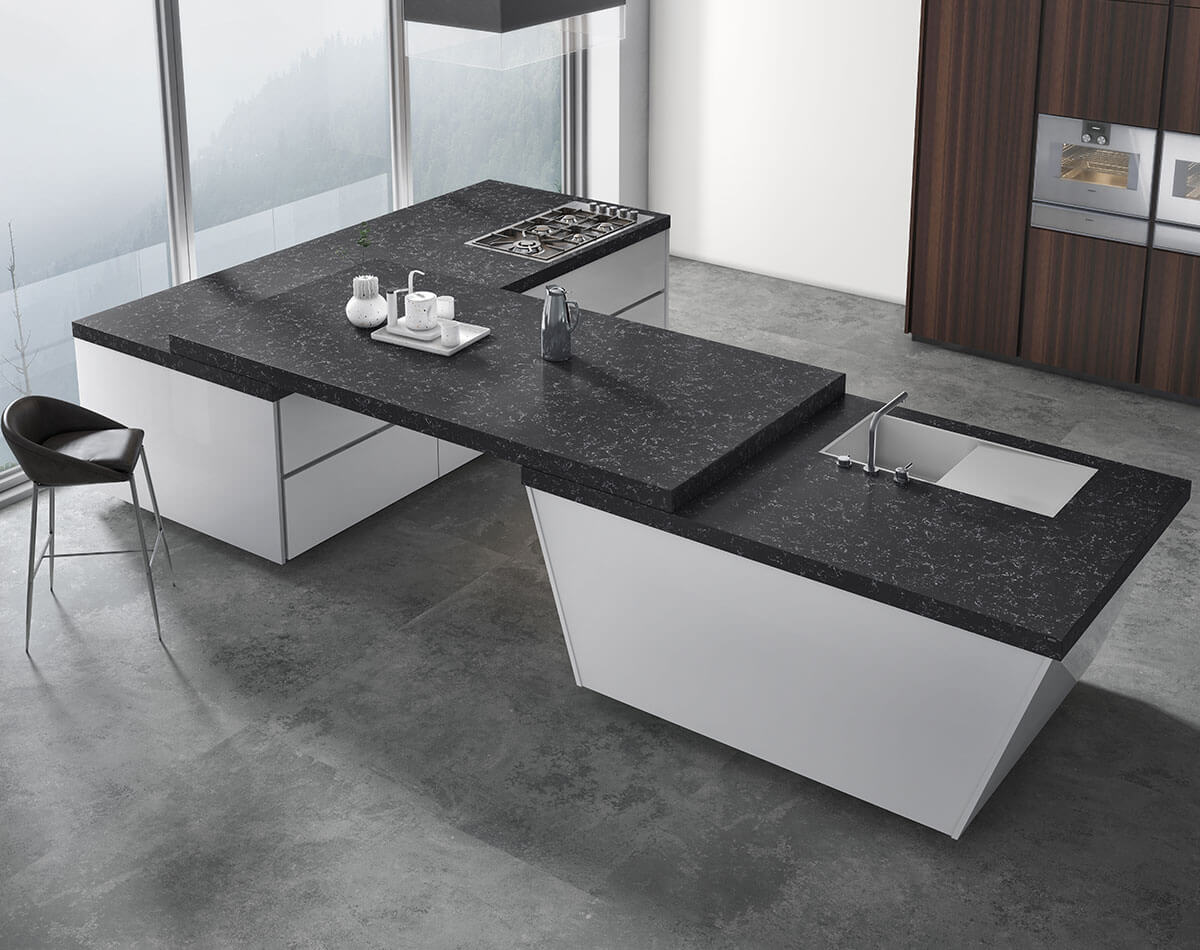
Neotra delivers an expansive design palette across its core collections. The SPA collection is for granular surfaces, the Pastelli collection for pastel shades, the Inmensa collection for marble-look slabs, and the Accordi collection for wood, concrete, marble, and stone-look slabs. Each collection is calibrated for colour, stability, and authenticity. Designers can select veining, tone, and surface feel to match any brief, from warm organic homes to minimalist modern spaces, ensuring a cohesive narrative across slabs without compromising on-site performance.
Popular Facade Design Styles Using Neotra Surfaces
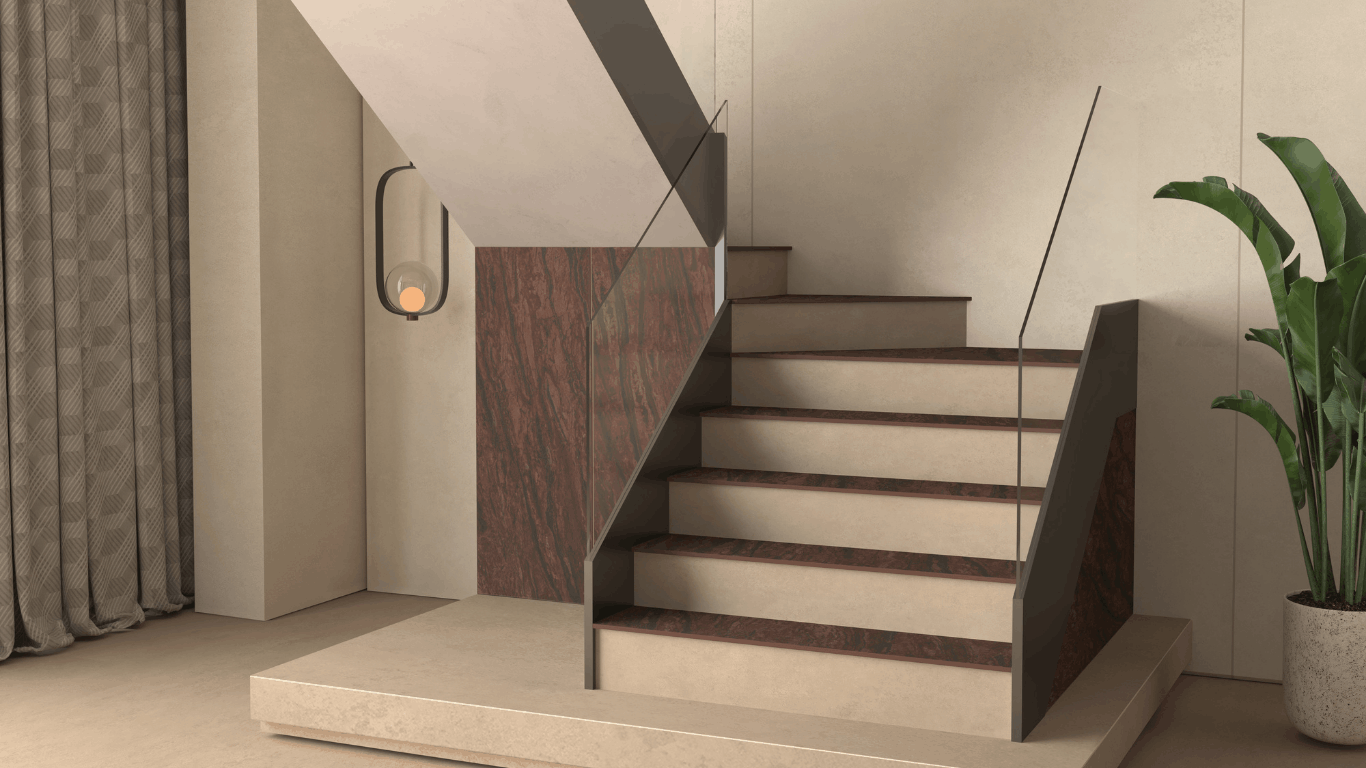
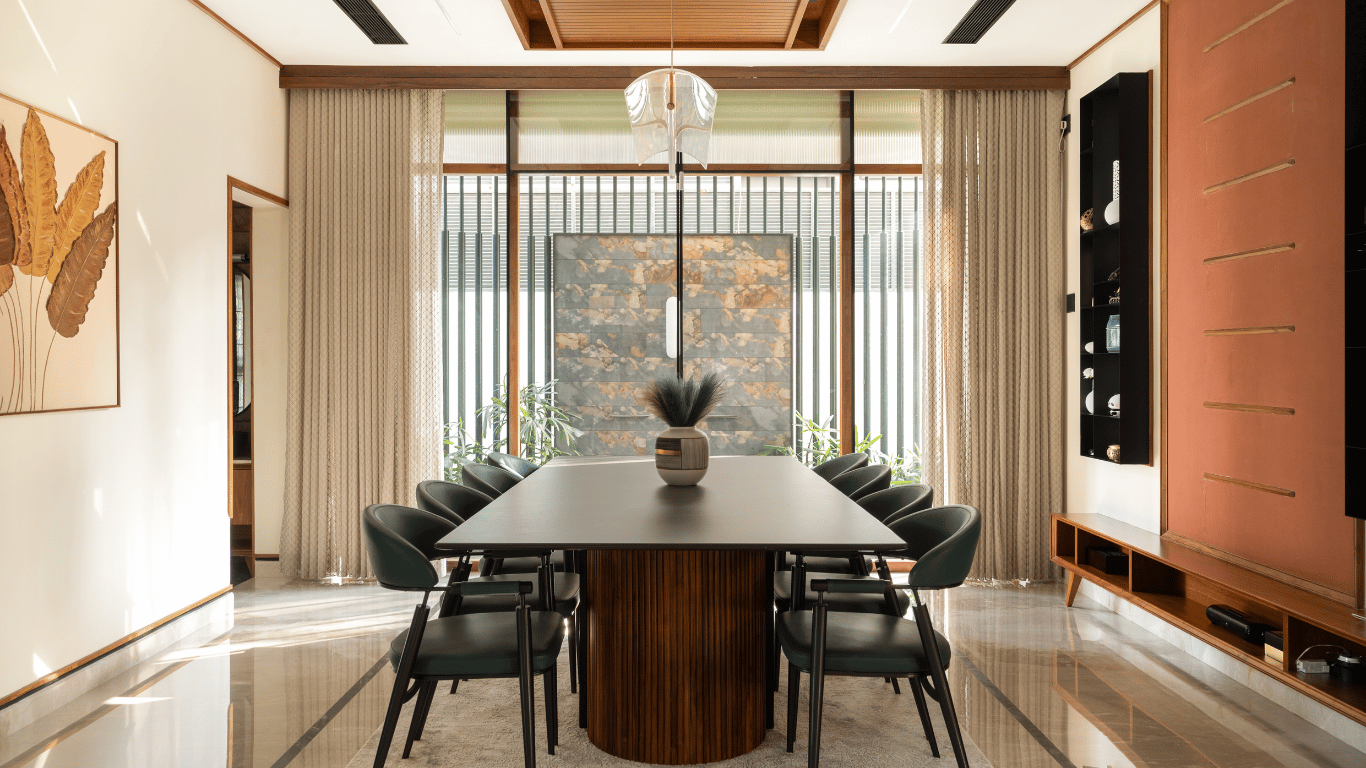
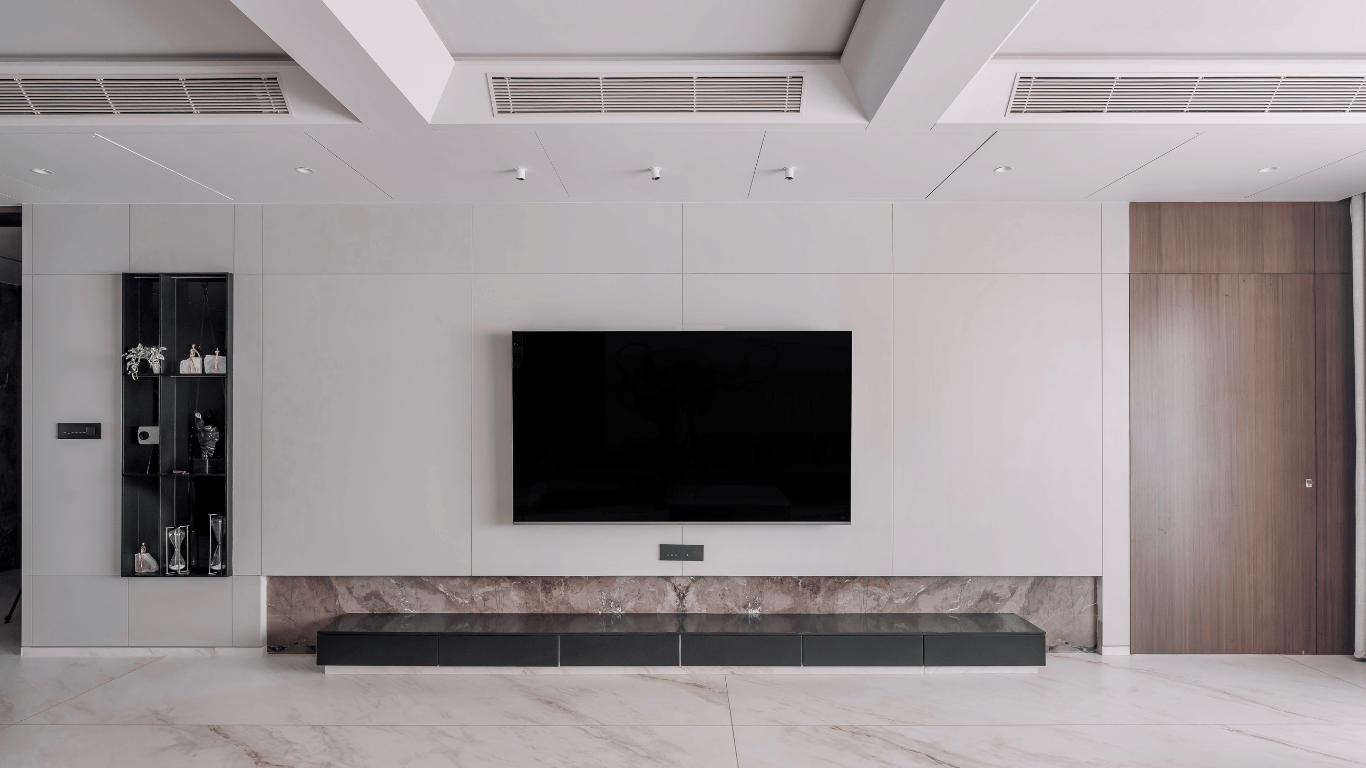
Neotra surfaces support a wide range of contemporary facade styles through collections such as Spa, Inmensa, Accordi, and Pastelli. Large-format surfaces create seamless exteriors, while wood, concrete, and marble-inspired finishes add texture and visual depth across modern architectural spaces.
- Minimal monolithic facades use large-format surfaces for seamless exterior continuity with minimal joints.
- Warm contemporary designs feature timber-inspired finishes from the Spa and Accordi collections, offering the appearance of wood with lower maintenance.
- The Accordi collection delivers realistic concrete-inspired textures suitable for modern walls and facades without the risk of surface cracking.
- Inmensa surfaces create refined marble-inspired veining across large elevations for a seamless architectural look.
- Pastelli surfaces introduce soft pastel tones that bring warmth to modern interiors, including countertops and tabletops.