
The Hidden Risks of Slick Staircase Treads
A slippery staircase can turn a small loss of balance into a serious fall within seconds. Several everyday conditions can increase this risk:
- Wet feet or surfaces: Water reduces grip and makes smooth steps more slippery.
- Limited landing space: Each stair offers a narrow area for your foot, leaving little room to recover from a misstep.
- Socks or smooth footwear: These can reduce traction, especially on polished surfaces.
- Distractions: Using a phone, carrying items, talking, or simply losing focus can make it harder to judge each step.
- Gravity and momentum: A slip on one step can cause you to fall down several steps, potentially resulting in sprains, fractures, or head injuries.
For this reason, each staircase tread should provide reliable grip and support, even when conditions change.
Also Read: Modern Staircase Elevation Design Ideas
Engineering High-Traction Textured Step Surfaces
Safety no longer means a plain or dull staircase. Here are engineering high-traction textured surfaces that add grip without losing the clean and modern look.
-
1: Textured Sintered Stone Slabs with Matt & Bush-Hammered Finishes
A matt finish is a soft, flat, non-reflective surface with a fine texture which gives your foot a gentle hold. Suitable for indoor stairs where people often walk in socks or barefoot. A bush-hammered finish has a stronger, pitted texture that you can see and feel. This provides a firmer grip, making it a suitable fit for entrance steps, outdoor stairs, and terraces where rain is a concern.
-
2: Precision Laser-Grooved Nosing Lines on Step Surfaces
Thin, straight grooves cut into the surface along the edge of a step. A laser makes each cut, so the lines are sharp and consistent from one to the next. They add grip and mark the edge, which helps you judge each step, even in dim light. Pair it with a matt or micro-textured finish with an LED nosing strip for a staircase that is safe and well-designed.
-
3: Carved & Micro-Textured Slip-Resistant Stair Treads
Carved treads have patterns or fine lines cut into the surface. These offer a foothold of contact while adding a design touch that plain steps do not have. Micro-textured treads have a very fine surface pattern that looks smooth from a distance but still holds your foot. Good choice if you want grip without a strong visual texture.
Also Read: Staircase Designs for Homes - 15+ Stylish Stairs Ideas
-
4: Full-Length Bullnose & Mitered Safety Step Edge Profiles
A full-length bullnose is a smooth, rounded edge that runs along the whole step to avoid sharp corners and feels comfortable underfoot. In the mitered edge, two pieces are cut at an angle and joined, so the front of the step looks like one solid piece that gives a clear, premium finish with no visible slab edge.
-
5: Integrated LED Channel Strip Illumination on Step Nosings
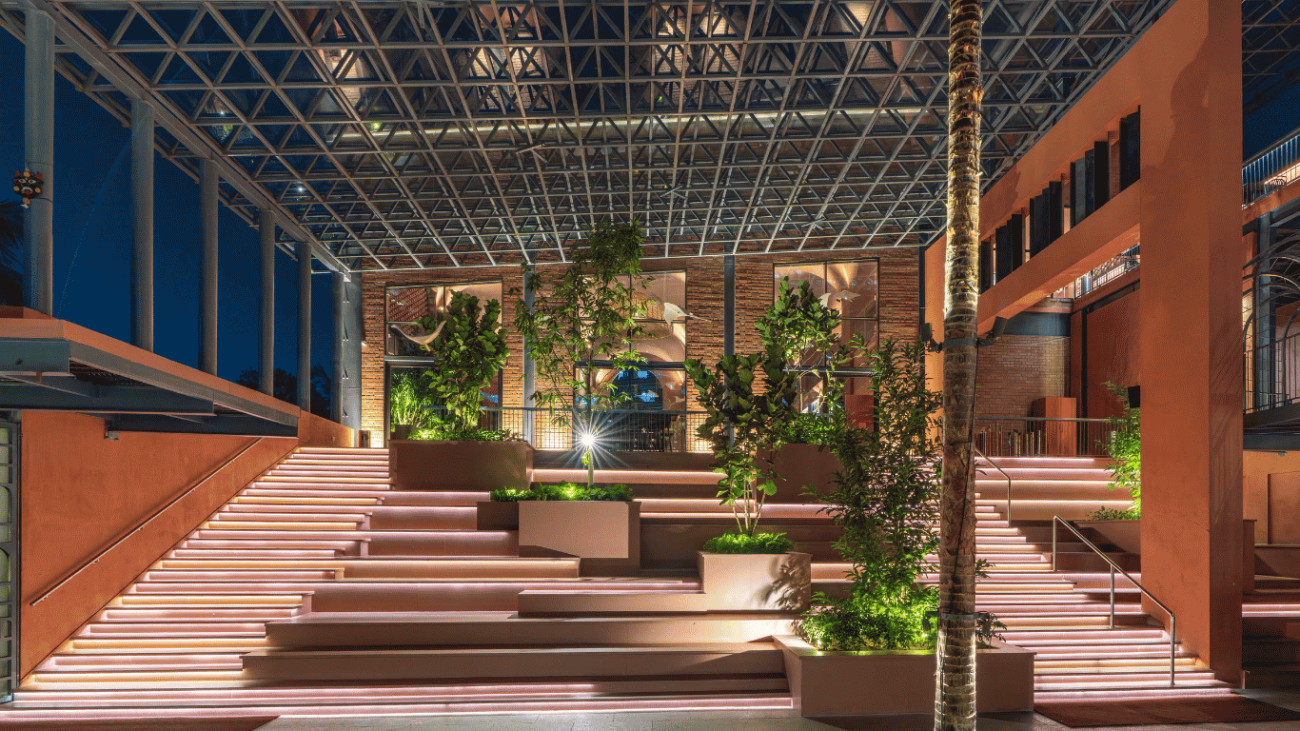
Many slips happen at the edge of a step, and poor light makes it worse. A thin LED strip built into the nosing marks each edge clearly. You can see where one step ends and the next begins, even at night. This adds safety and style together. This gives the staircase a modern, glowing look, which is useful in homes with elders and children, who may use the stairs after dark.
Sintered Stone vs Traditional Materials for Staircase Treads
Most of the surfaces use traditional materials such as marble, stone, wood, granite, or ceramic. Each has its limits and good points when it comes to grip and daily use. Here is a basic comparison:
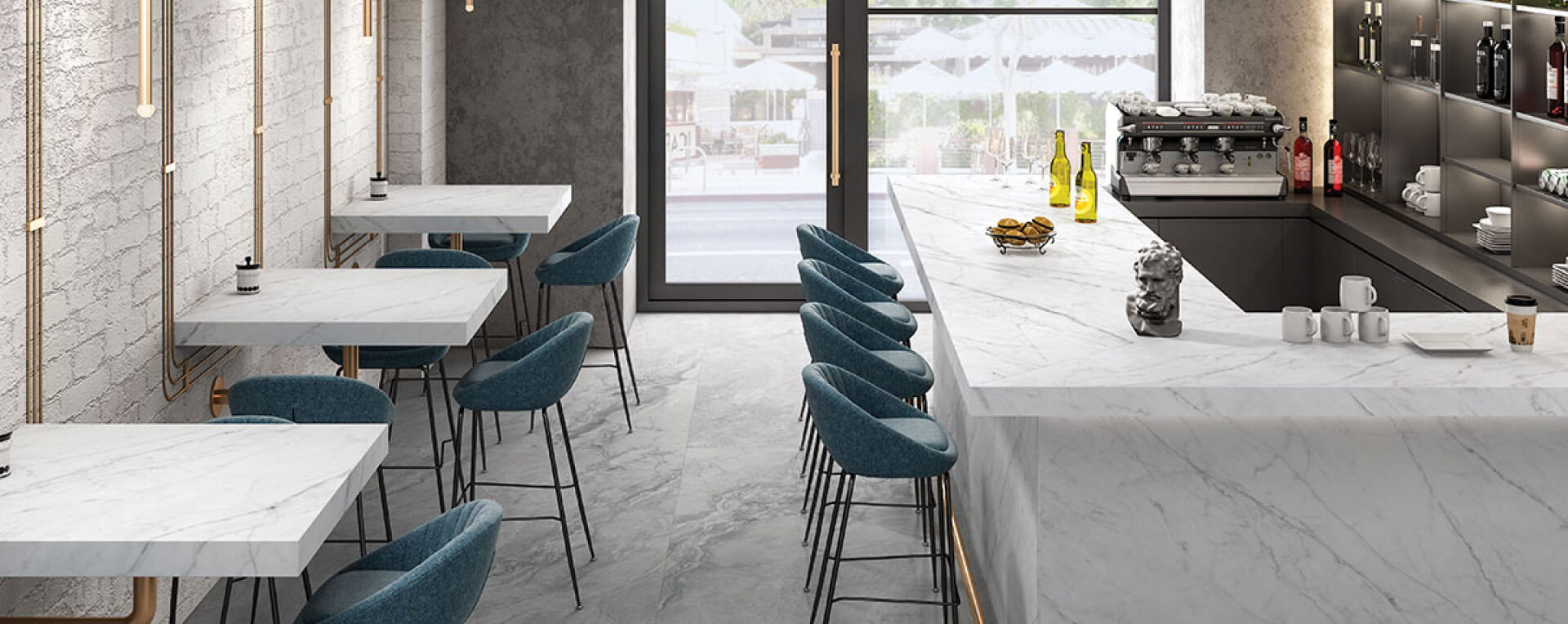
- Marble becomes slippery when wet and also requires regular care to maintain its look; hence, it is not ideal for outdoor or wet areas.
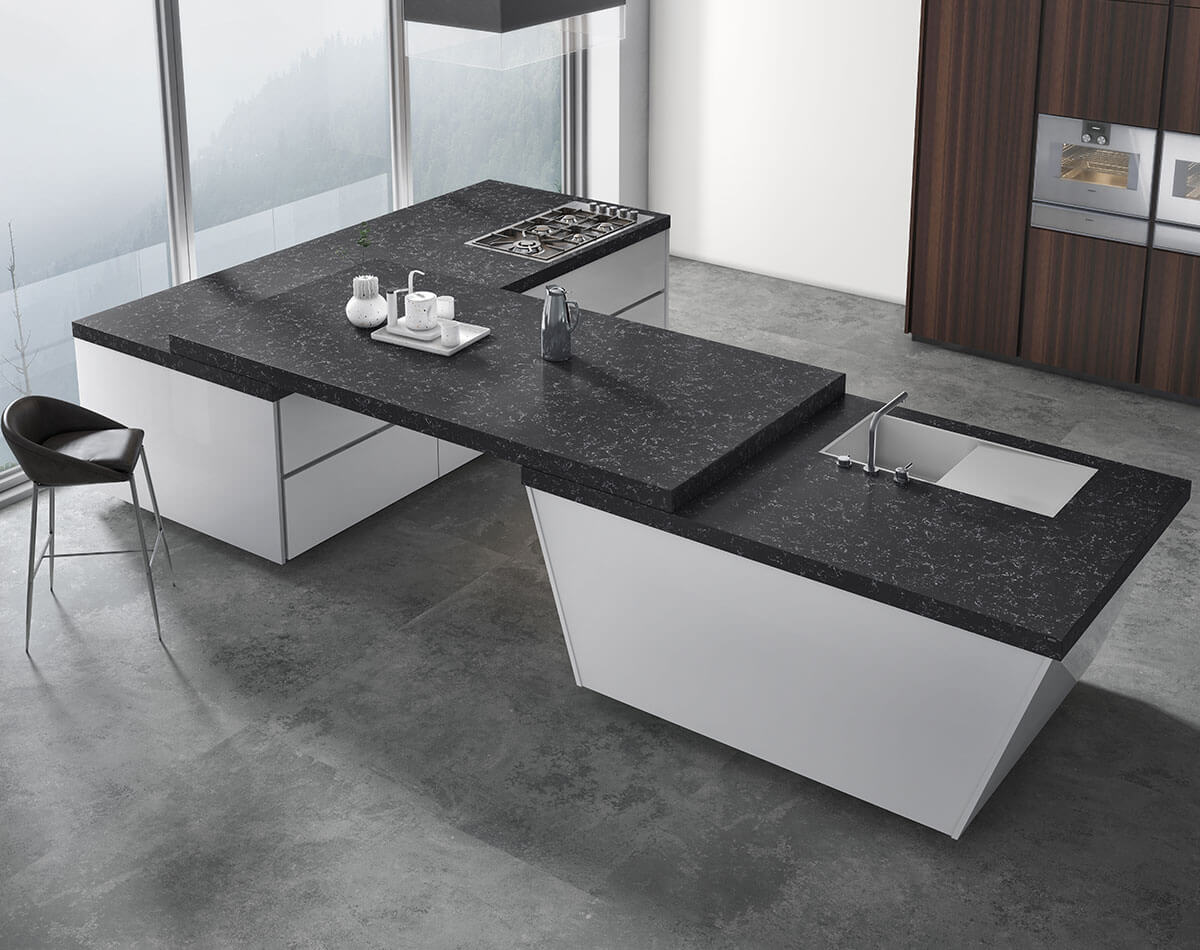
- Granite has a smooth grip that can be slippery but can be better with a textured finish. It requires moderate upkeep.
- Wood can feel slippery in socks and needs frequent polishing and care. Hence, it is not ideal for wet areas.
- Ceramic tiles come in various finishes; glossy ones are slippery and cannot be used in wet areas. Easy to clean, but the grout needs cleaning too.
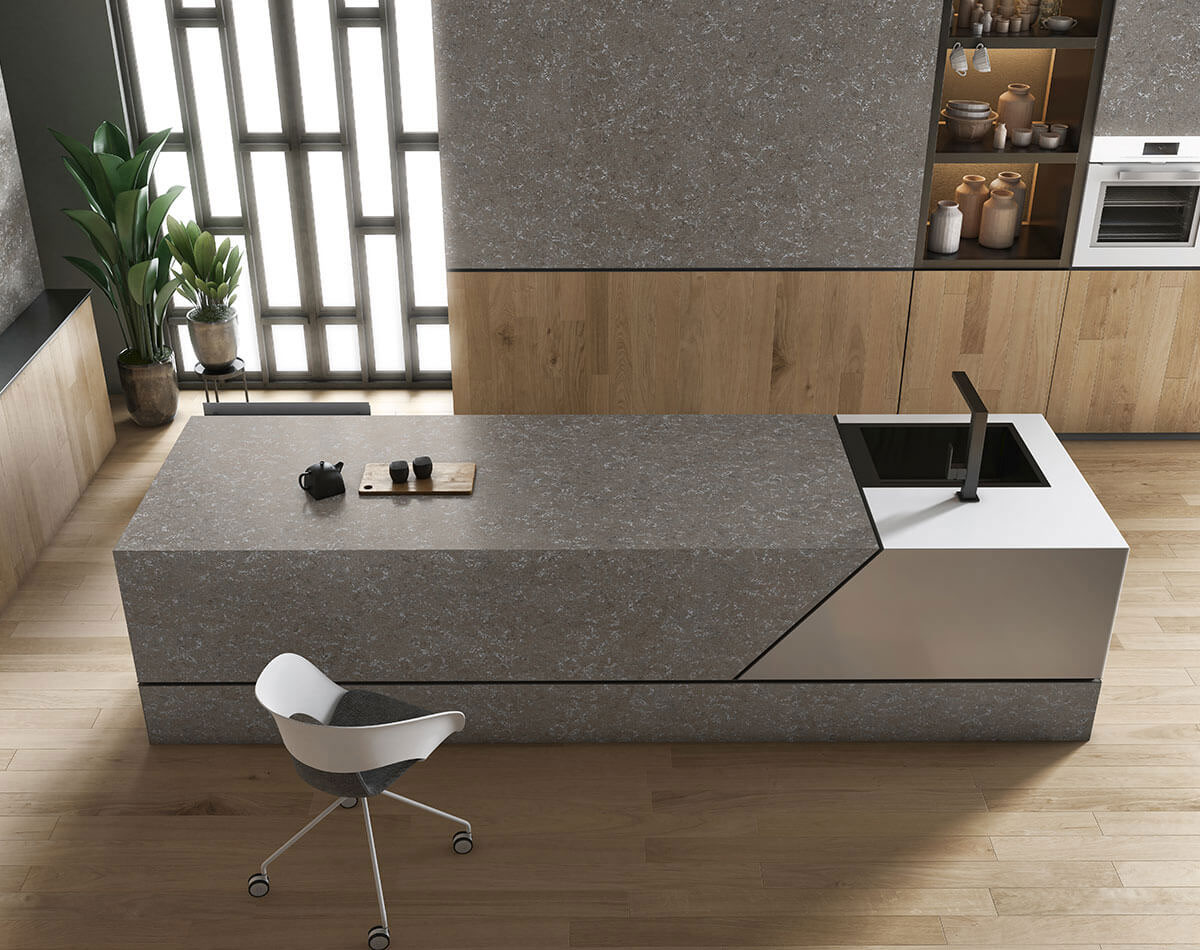
- Engineered surfaces with textured finishes add grip; they are easy to wipe and clean, which makes them suitable for use indoors and outdoors.
Also Read: Neotra vs Quartz: Which Surface Is Best for Modern Kitchens
Indoor and Outdoor Staircase Surface Applications
Different stairs face different conditions, but the right finish depends on where the stairs are.
Indoor staircases
Indoor staircases deal with bare feet or socks, so a wood-look textured or fine matt surface gives a soft grip and a warm look. The Accordi collection has high slip resistance, making it an extremely safe solution for indoor as well as outdoor surfaces.
Good indoor surface uses include:
- Stairs leading to bedrooms
- Basement stairs
- Landing and step edges
- The main staircase in the living area
Outdoor staircases
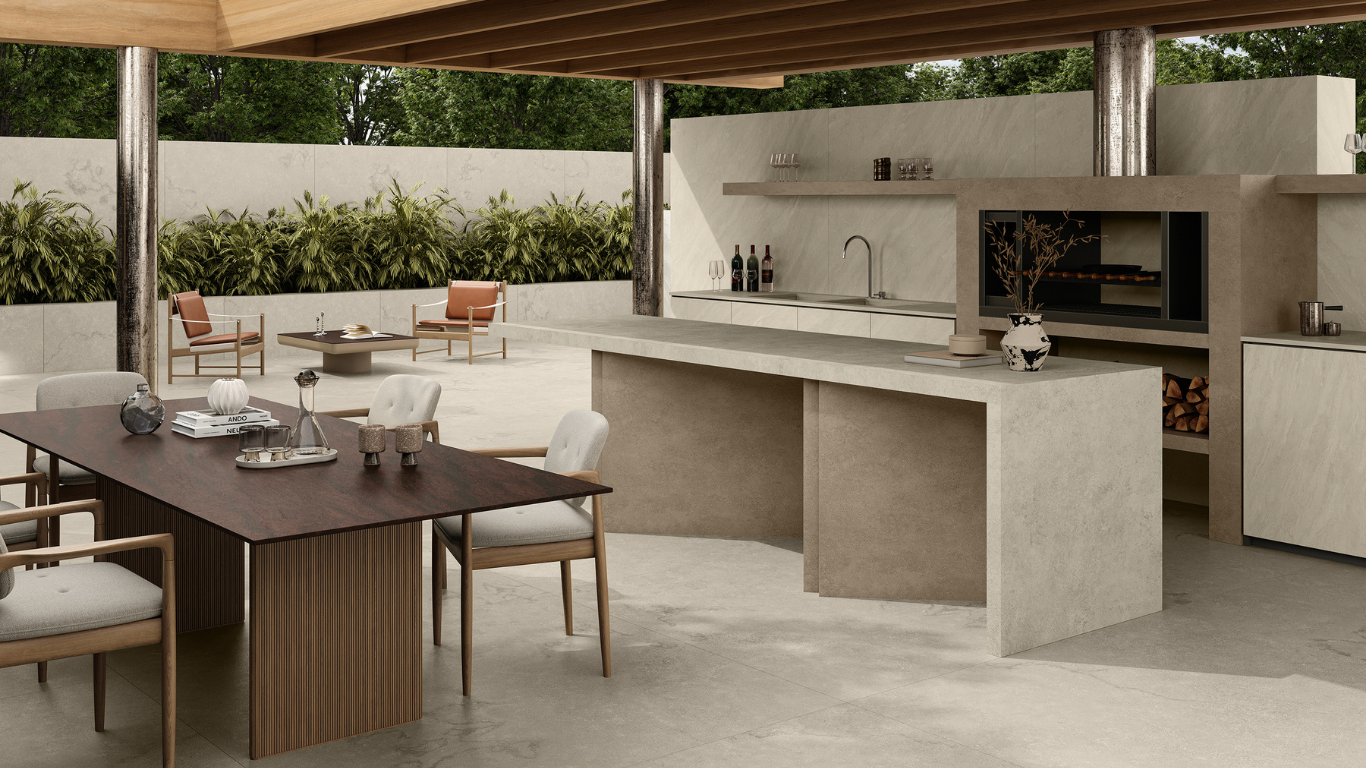
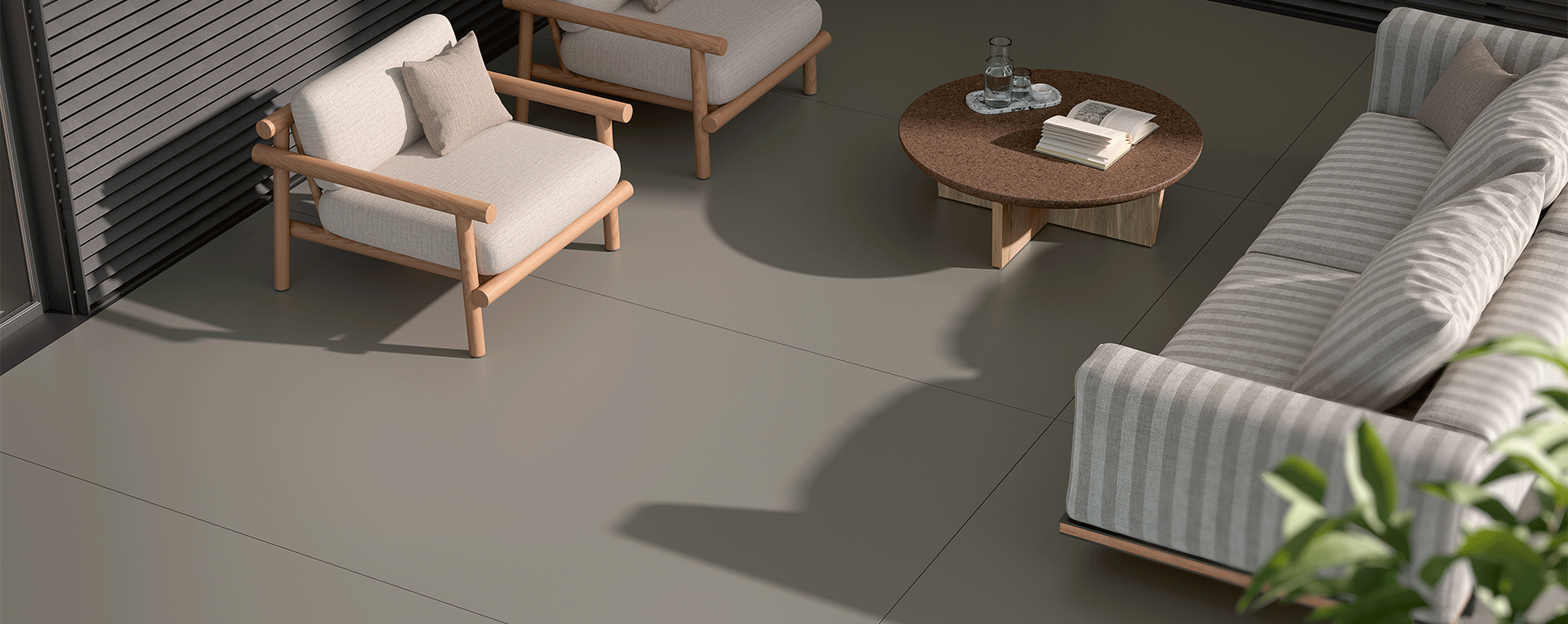
They face frequent sun, dust, rain, and moss, so they need a stronger texture for a secure grip. Concrete-look and stone-look textured finishes from the Accordi collection are a good fit. They are optimal for creating floor surfaces in settings characterised by the frequent presence of humidity and water.
Good outdoor surface uses include:
- Entrance steps and porch
- Balcony and terrace stairs
- Garden steps or paths
- Poolside and patio stairs