
7 Modern Tea Table Design Concepts
Here are 7 modern tea table design concepts, offering a distinct style, so you can choose what suits your home best.
1: Circular Marble-Look Sintered Stone Tea Table with Fluted Pedestal
Round marble-look tables are a smart choice for modern spaces. There are no sharp corners, so movement around them feels easy. Most living rooms have straight lines, so a circular table adds a gentle contrast and brings visual balance. Choose a table with a diameter that is about two-thirds the length of your sofa. Pair with a white or grey marble-look Neotra slab with a slim metal base.
2: Dual-Level Nesting Table Design with Metallic Accents
Two tops of different heights sit together as one composed piece, where the upper level holds a tray or a vase and the lower level holds books or a small decorative bowl. Metallic accents give polish; a thin brass, steel, or bronze frame outlines each level. Match the metal to other details in the room such as lamp bases or cabinet handles.
Also Read: 15 Modern Sofa Table Design Ideas for a Stylish Living Room
3: Low-Profile Japanese Minimalist Stone Slab Tea Table
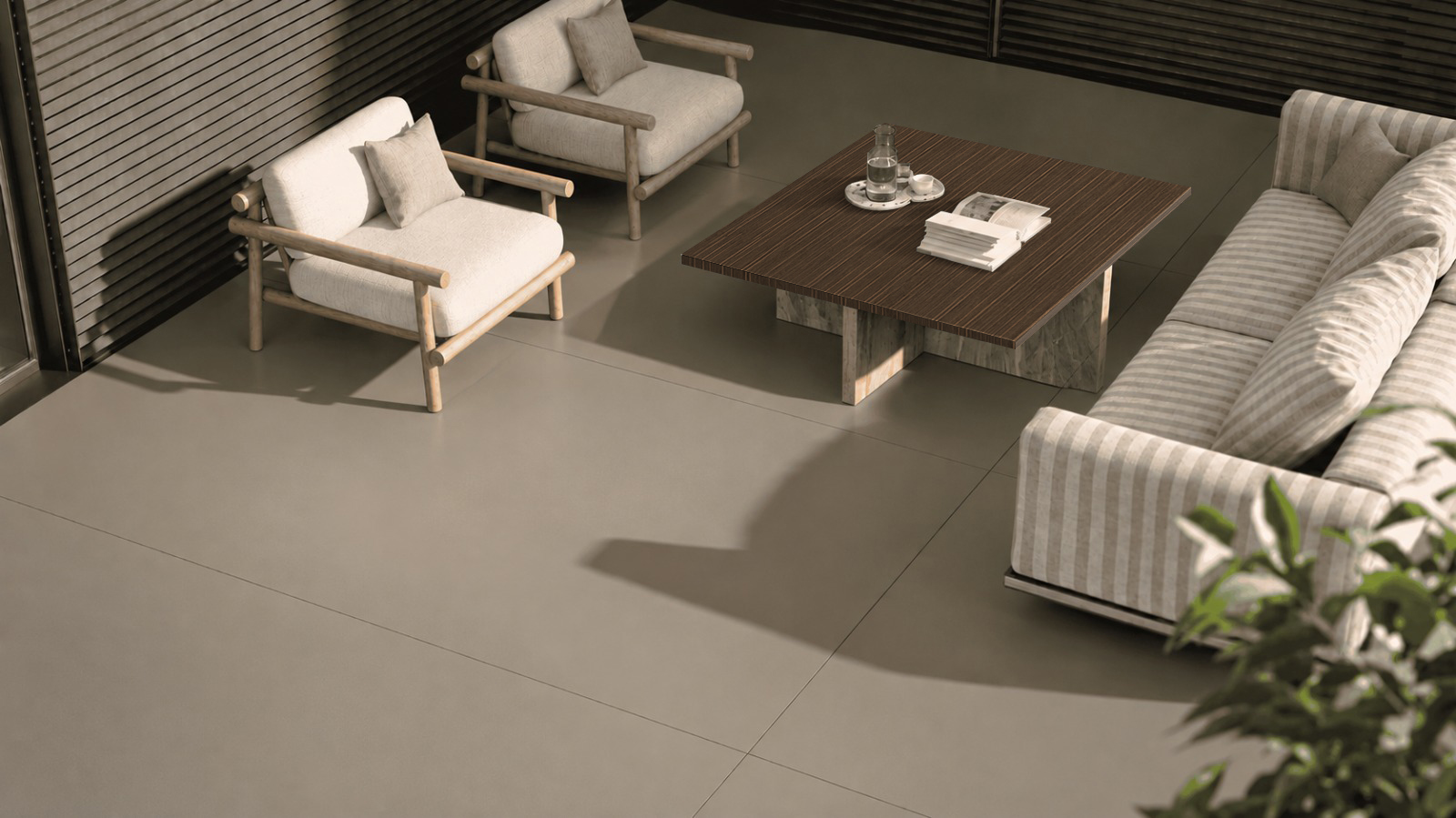
Not every living room follows a formal layout. These tables sit close to the ground, creating a calm, grounded feel. Works well with low sofas and floor-level seating, where a standard table would feel too tall. Low-profile tables in minimal stone slabs suit clean, minimal interiors. They draw the eye outward, so the room feels wider and more spacious. Ceilings appear higher by comparison. Choose a wide, rectangular shape with soft edges.
4: Monochromatic Dark Slate Square Tea Table for Living Rooms
Brings depth and confidence to a living room. A square tea table in dark slate is a bold but restrained choice. The clean lines and single colour create a strong, modern presence. Grafite and Carbone from the Pastelli Collection.
5: Organic Oval Stone Top Tea Table with Warm Wood Legs
Stone brings strength and polish, while wood brings warmth. This combination is popular in modern interiors for living room. Solid wood frame supports a stone top; the natural grain of the wood softens the cool tone of the stone. Neotra offers both stone- and wood-look surfaces that age gracefully. This balance makes the table a long-term investment.
6: Sculptural T-Table Design with Cantilevered Stone Surface
For those who want a true statement piece. The base forms a T-shape, while the stone top extends outward from one side, with no support beneath it. This is called a cantilevered surface that appears to be floating in the air. The table looks light, yet it holds a solid slab of stone. Select a stone-look slab with soft veining so the shape remains the focal point.
Also Read: Dining Table Top Materials: How to Choose Right for Your Lifestyle
7: Terrazzo-Effect Sintered Stone Accent Tea Table Unit
A speckled pattern of chips and fragments adds playful texture to a refined space. A terrazzo-effect surface in sintered stone offers the best of both worlds. Sintered stone resists stains, heat, and scratches, so a hot cup of tea will not leave a mark. Use the table as an accent against plain walls and solid-colour sofas.
Also Read: 10 Center Table Design Ideas for Modern Living Rooms
Sizing and Proportioning Your Living Room Tea Table
Even the most beautiful design looks out of place if the size is wrong. These simple guidelines will help you get the proportions right.
- Height: The tabletop should be level with your sofa seat or about 2-5 cm lower. This keeps cups and books easy to reach. For most sofas, a height of 40-50 cm works well.
- Length: Aim for about two-thirds the length of your sofa. A table if short looks lost and if too long, it crowds the seating.
- Shape: Choose the shape to suit your room. Oval and round tables work well in busy or smaller spaces. Rectangular or square tables suit larger rooms with clear seating zones.
- Clearance: Leave 40-45 cm between the table and the sofa. This gives enough room to sit, stand, and reach for a cup without effort. Keep at least 60-75 cm of free space on the walkway sides.
- Rug and layout: If you use a rug, place the table fully on it, or keep all 4 legs off it. Avoid placing the legs on the edge. For a cantilevered design, make sure the extended side faces the seating, and keep the base clear of foot traffic.
Maintenance & Care: Keeping Tea Table Surfaces Stain-Free
With regular care, the tabletop keeps up its beauty for years. The right method depends on the right material.
- Engineered surfaces – Neotra surfaces are non-porous sintered slabs that resist stains, heat, and scratches, so they need very little effort. Wipe daily with a soft, damp cloth. Avoid harsh acids and strong chemical cleaners, as they can dull the finish over time.
- Natural wood – Wipe spills at once, and use coasters under hot cups. Apply a suitable wood polish a few times a year to keep the grain rich.
- Glass tops – Clean with a glass cleaner and a lint-free cloth. Removes fingerprints and leaves a clear shine. Lift items instead of dragging them across the surface.
- Metallic accents – Wipe bronze, brass, and steel with a dry microfibre cloth. Prevents water marks and keeps the shine bright; also, avoid abrasive pads.
Also Read: Why Neotra Is A Better Choice Than Marble For Home Interiors
Why Engineered Surface Tops Outperform Standard Glass & Wood Tea Tables
Engineered surface tops handle daily wear while maintaining their finish, appearance, and hygiene with minimal upkeep.
- Heat and Spill Resistance: Engineered surfaces resist heat and liquid absorption, while hot cups can mark wood, and spills can penetrate its finish.
- Scratch and Impact Resistance: Dense, hard surfaces resist everyday scratches and maintain their polish better than glass, which can scratch, or wood, which can dent.
- Low Maintenance: Engineered tops need only a soft, damp cloth, unlike wood that requires regular polishing or glass that reveals fingerprints.
- Long-Lasting Appearance: Engineered surfaces retain their colour and shape, while wood can fade or warp and glass can chip.
- Enhanced Surface Hygiene: Neotra surfaces resist scratches, stains, and heat. Their advanced surface technology helps repel liquids and inhibits the growth of unwanted microorganisms, supporting cleaner surfaces with minimal effort.