
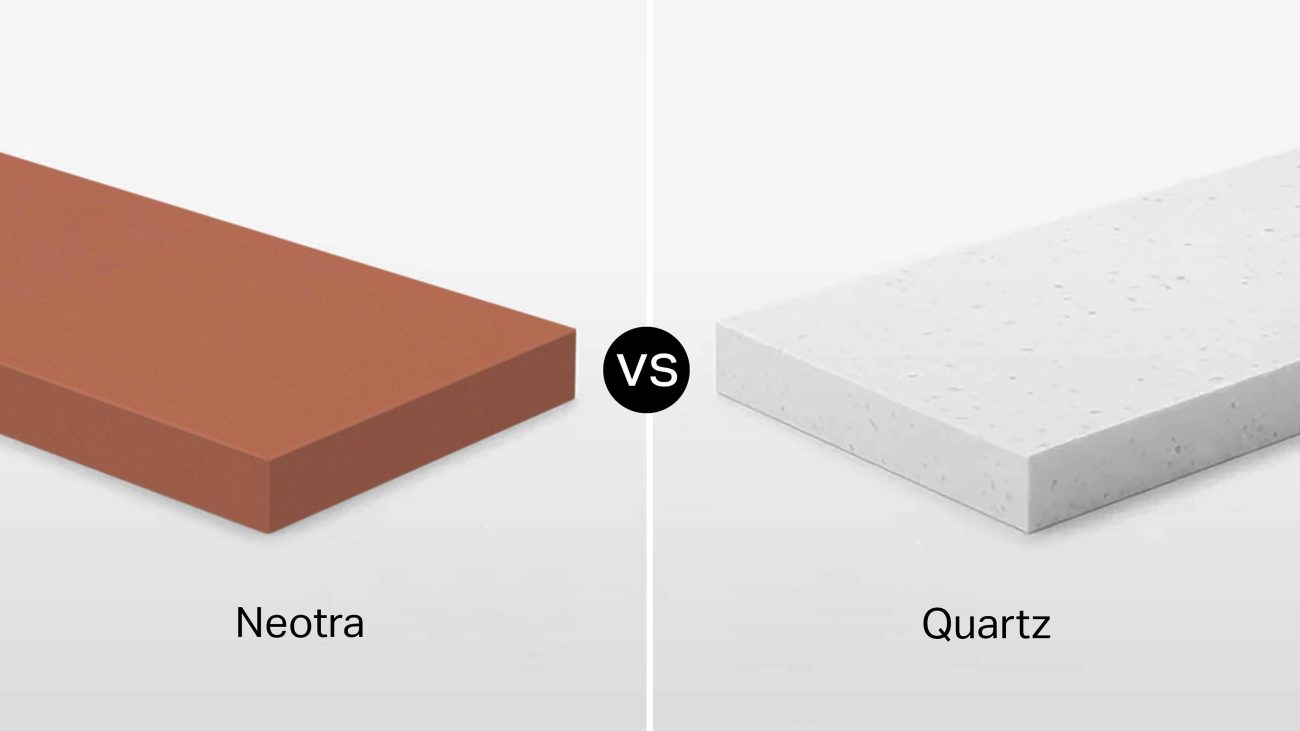
What Is Quartz and Why Is It So Popular?
Quartz is an engineered stone that combines roughly 90-95% natural quartz aggregate with a polymer resin binder and pigments to produce dense and consistent slabs. This composition gives quartz tensile strength, scratch resistance, and a non-porous surface that resists staining far better than many natural stones.
Quartz grew in popularity because it bridges practical performance and luxury aesthetics. It requires no sealing and offers predictable thickness and sizing for fabrication, integrating easily with appliances and cabinetry. However, quartz has limitations; it can be sensitive to UV exposure, slab sizes are limited compared with newer large-format engineered materials, and the resin binder constrains heat resistance. As design trends push towards minimal seams, large continuous surfaces, and outdoor facades, these limitations have driven demand for advanced alternatives.
What Are Advanced Engineered Surfaces Like Neotra?
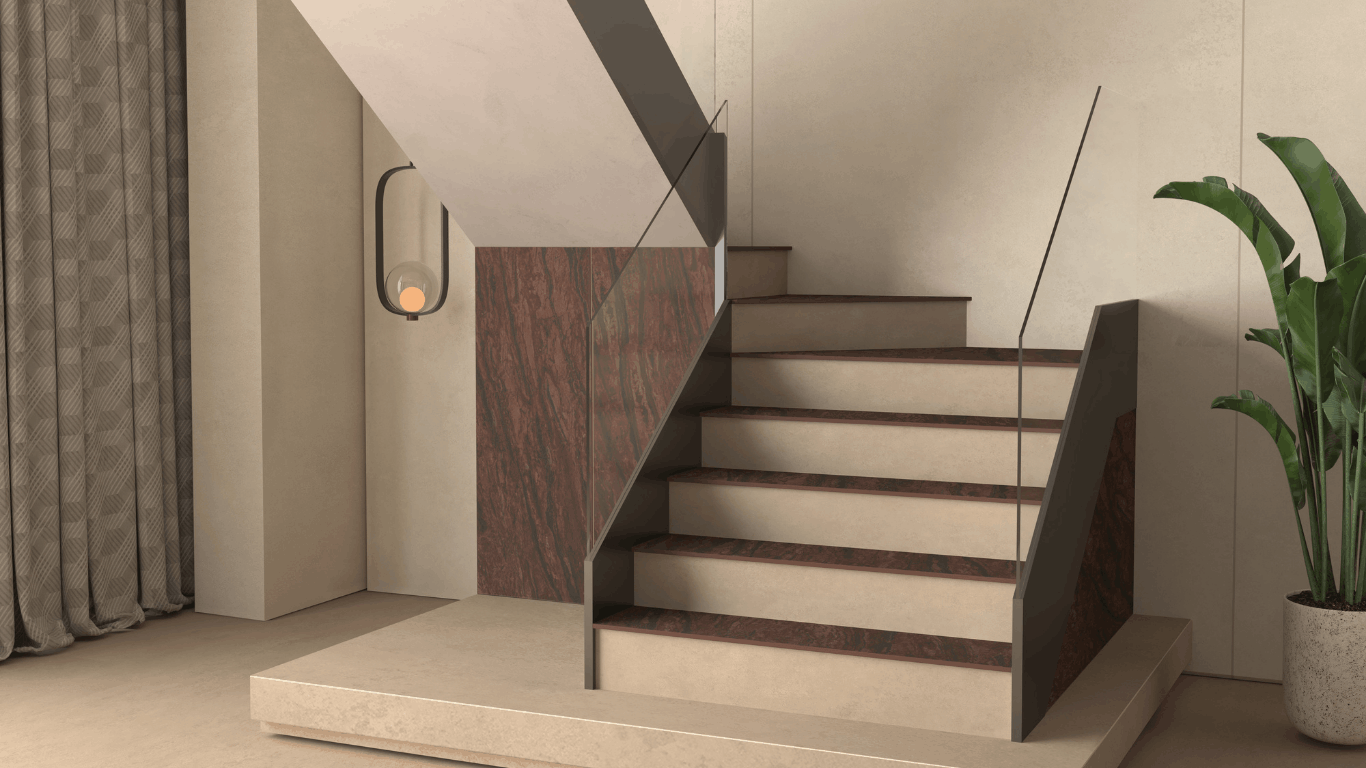
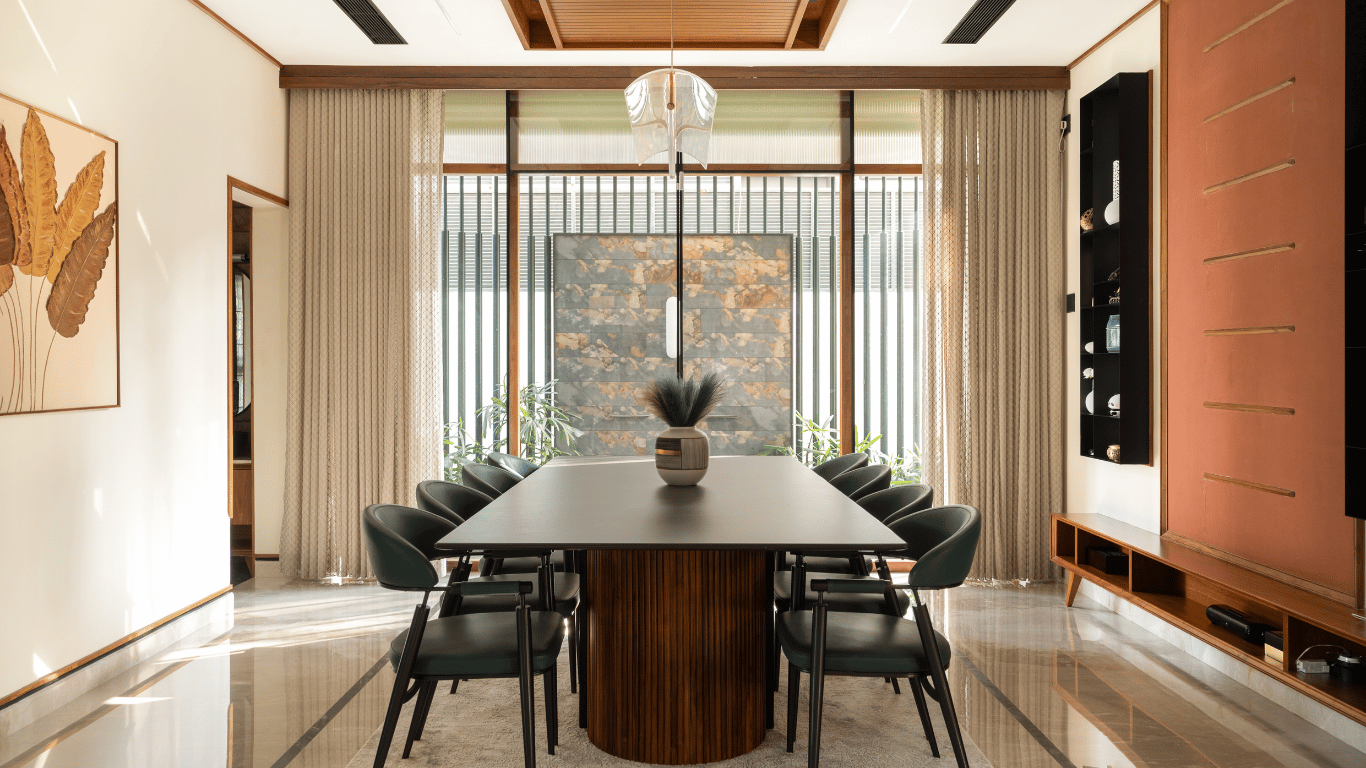
Advanced engineered surfaces represent a next-generation category of surface materials designed specifically to meet modern architectural demands. Neotra surfaces are solely made from minerals to achieve superior stability, colour consistency, and mechanical performance. Production techniques allow for very large-format slabs, thin slabs, and varied looks that mimic concrete, stone, wood, and marble or bespoke architectural textures without compromising structural integrity.
Advanced Surfaces vs Quartz: Key Comparisons
Advanced surfaces and Quartz differ in the following points –
UV Resistance
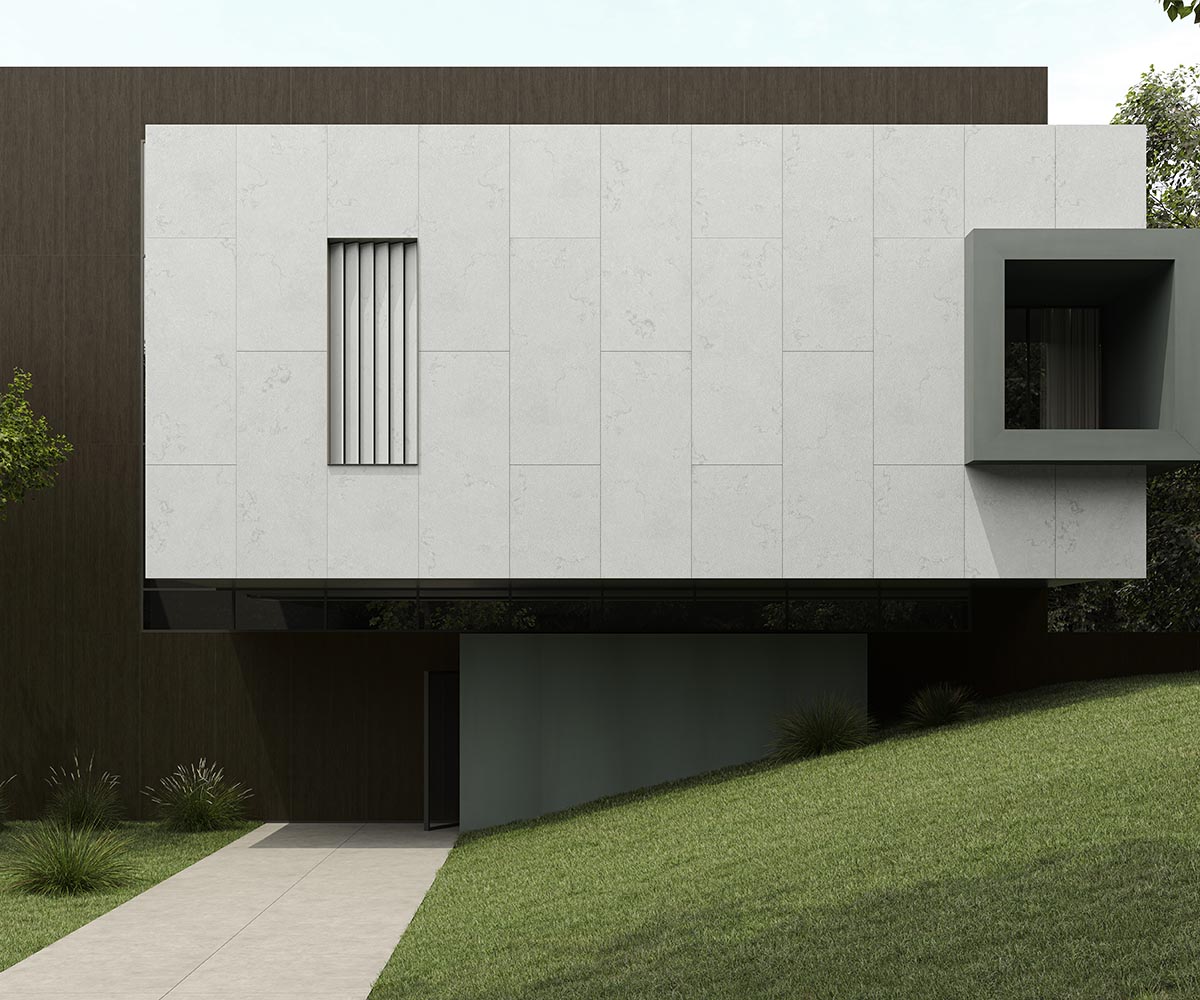
Quartz contains polymer resins that degrade and turn yellow when exposed to prolonged UV light, making it unsuitable for continuous outdoor cladding. Neotra advanced surface resist colour shifts and structural breakdown under solar exposure. This stability preserves both mechanical properties and colour fidelity on facades, exterior installations, and terraces, reducing lifecycle replacement and maintenance costs. For designs that extend interiors outdoors or require exposed facades, UV resistance is a gap that favours Neotra.
Heat Resistance
Quartz’s resin content softens at elevated temperatures, leading to micro-bond failure near strong heat sources or risking discolouration. Our engineered composition and specialised materials help Neotra surfaces near fireplaces, facades, and kitchen countertops, even when exposed to solar heat. The improved thermal stability reduces thermal shock, microcracking, and warping, which lowers long-term repair and replacement needs. For architects specifying continuous surfaces in higher-heat situations, Neotra offers more reliable thermal performance than traditional quartz.
Large-Format Capability
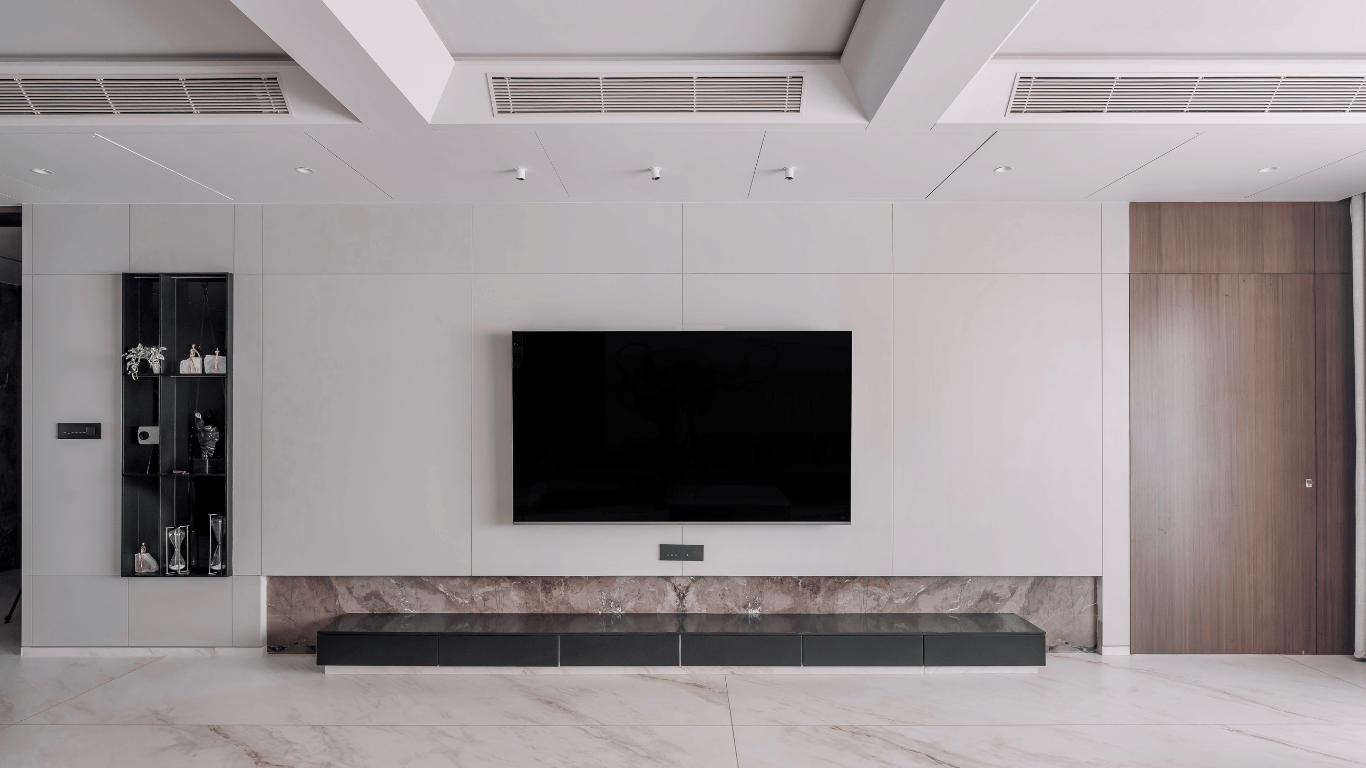
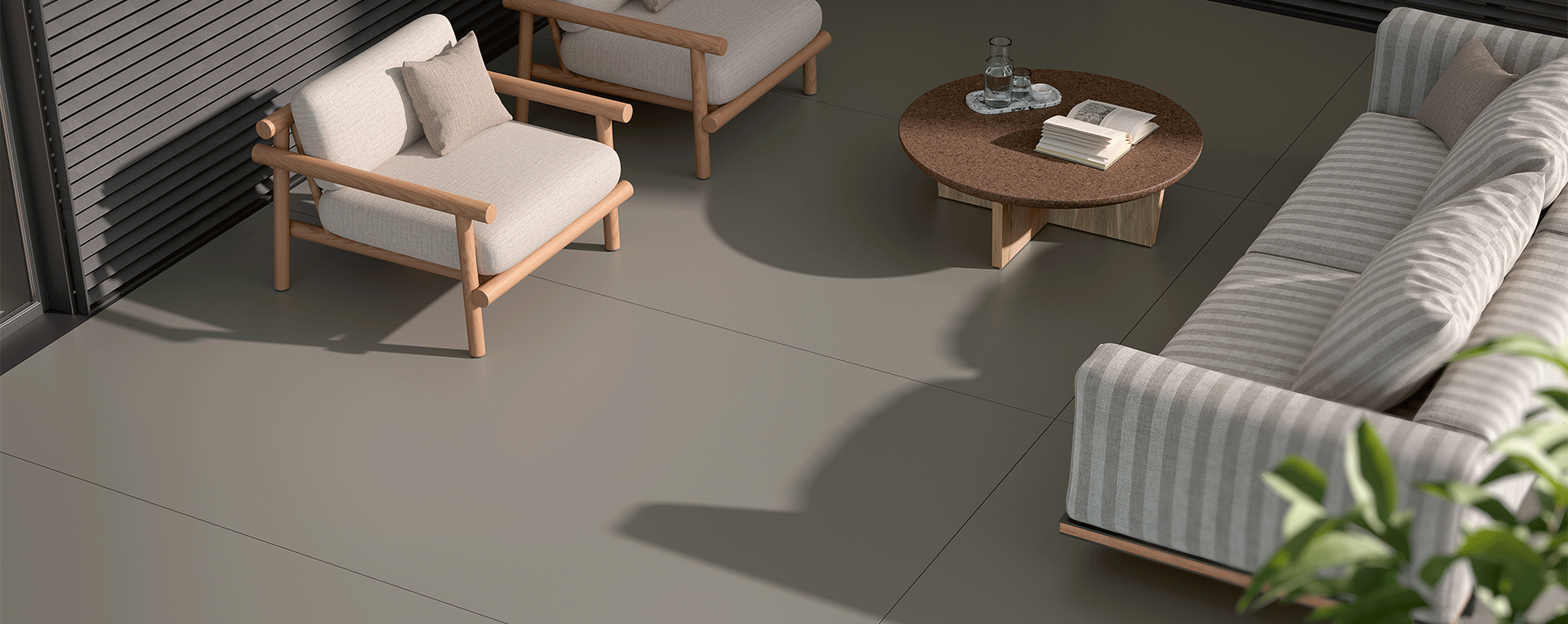
Standard quartz slabs are constrained to size ranges set by quarrying, handling limits, and production, creating visible seams in large surfaces. Our technology supports very large format and slim profile slabs, enabling near-seamless applications across floor and walls, and countertops. Larger slabs simplify installation, yield cleaner architectural lines, and decrease joint treatments. The structural integrity of Neotra’s large slabs also allows creative detailing, continuous cladding, cantilevers, and expansive countertops that are difficult or costly with quartz.
Indoor and Outdoor Use
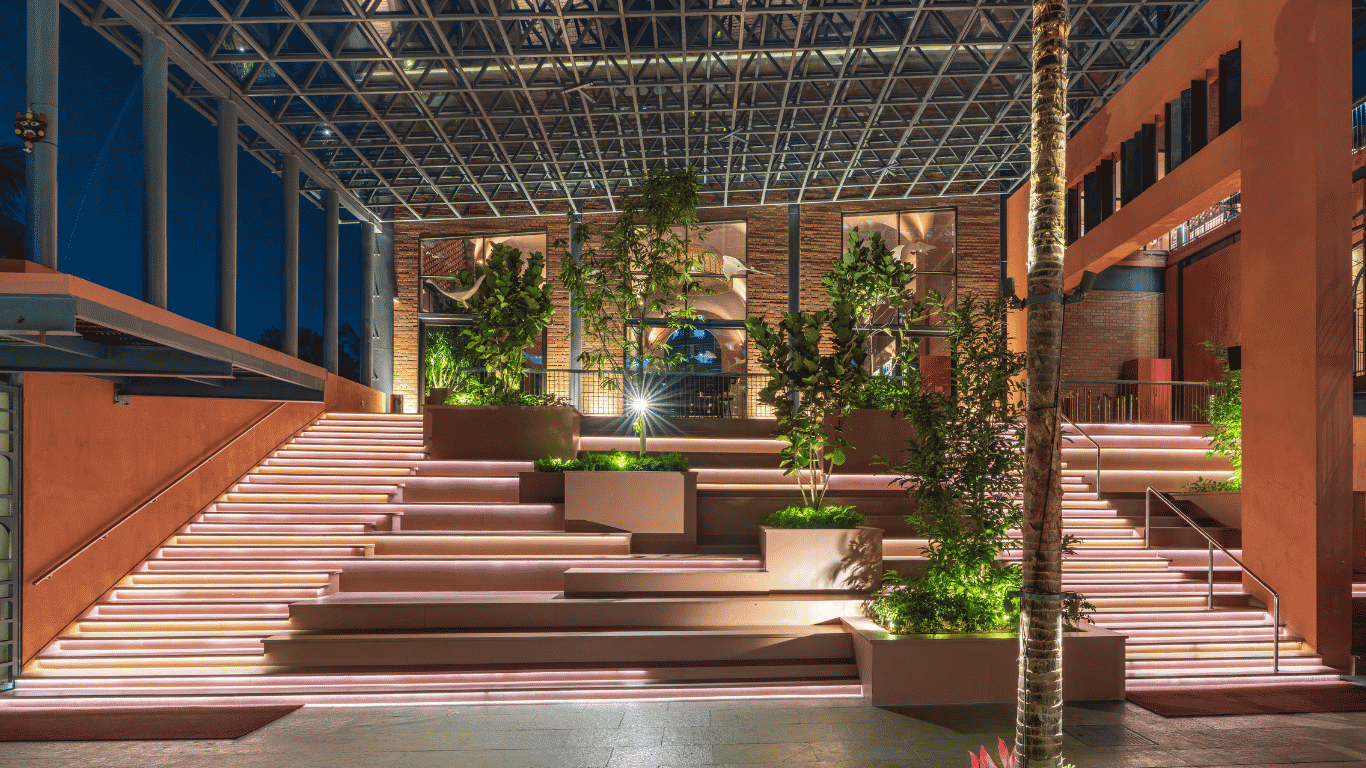
Quartz is primarily designed for interior surfaces where UV and prolonged moisture exposure are limited. Neotra is engineered for both indoor and outdoor environments, and it can endure UV exposure and surface moisture without losing performance or appearance. This dual-use capacity enables consistent material language from interiors to exteriors. For projects seeking material continuity across indoor-outdoor thresholds, Neotra reduces technical compromises inherent in using quartz outdoors.
Also Read: Outdoor Wall Surface Designs to Enhance Your Exteriors
Design Range
Quartz offers a wide palette of colours and consistent patterns ideal for contemporary and polished interiors, but realistic large-scale veining and custom textures can be limited. Neotra’s manufacturing flexibility expands the design range, including sculpted surfaces, bespoke colours, and large veinings, while maintaining uniform performance. This allows designers to achieve both bold and understated minimalism without sacrificing durability.
Maintenance and Longevity
Low-porosity quartz makes it stain-resistant indoors, but resin-related vulnerabilities can reduce lifespan under high-heat or outdoor conditions. Neotra combines low porosity with enhanced UV and thermal stability, delivering longer service life and consistent appearance with routine cleaning rather than replacement or periodic sealing. Its resistance to colour fading and microfracturing lowers lifecycle cost, and fewer seams simplify maintenance. For long-term value and reduced operational disruption, Neotra’s engineered durability translates into measurable savings for both residential and commercial projects.
Also Read: Neotra vs Quartz: Which Surface Is Best for Modern Kitchens
Comparative Table: Neotra Advanced Surfaces vs Quartz
Here’s a comparison table of Neotra advanced surfaces vs Quartz –
| Feature | Neotra Advanced Surfaces | Quartz Engineered Stone |
| UV resistance | High, UV-stable inorganic matrix, suitable for prolonged exterior exposure and facades. | Medium to low, polymer resin can degrade and turns yellow under sustained UV and, hence, is not recommended for long-term outdoor use |
| Heat resistance | High, deliver better tolerance to heat | Medium, resin softens at elevated temperatures, risk of discolouration and thermal stress |
| Large format capability | Excellent, manufactured in very large slabs and ultra-thin profiles for near-seamless applications and large continuous planes. | Limited, standard slab sizes constrain large runs, and more seams are required for expansive surfaces. |
| Durability | High, engineered for impact resistance, especially in large-format panels. | High but indoors; durable for daily use |
| Indoor/outdoor suitability | Dual use, tested and formulated for both interior and exterior applications, enabling consistent material language. | Primarily interior and optimised for indoor benchtops and surfaces, it is risky for outdoor applications without protective measures. |
| Lifespan and lifecycle cost | Longer lifespan across indoor and outdoor conditions and lower lifecycle replacement and maintenance costs. | Long lifespan for interior use, potential for higher lifecycle costs if exposed to heat/UV. |