

What Is a Window Sill and Why Does It Matter?
A window sill is the horizontal ledge at the base of a window frame, projecting slightly inward and sometimes outward, where it meets the wall.
Window sills matter because:
- Directs rainwater away from the facade and protects the wall beneath the window from moisture damage.
- Forms a functional indoor shelf and a visual anchor for the entire window composition.
- Influences how light, shadow, and proportion are perceived across a room.
- A well-designed sill enhances the overall appearance, while a poorly finished one can look like an afterthought.
- Endures constant exposure to sunlight, daily use, and moisture, making material selection as important as style, design, and durability.
Popular Window Sill Materials
Natural Stone Sills
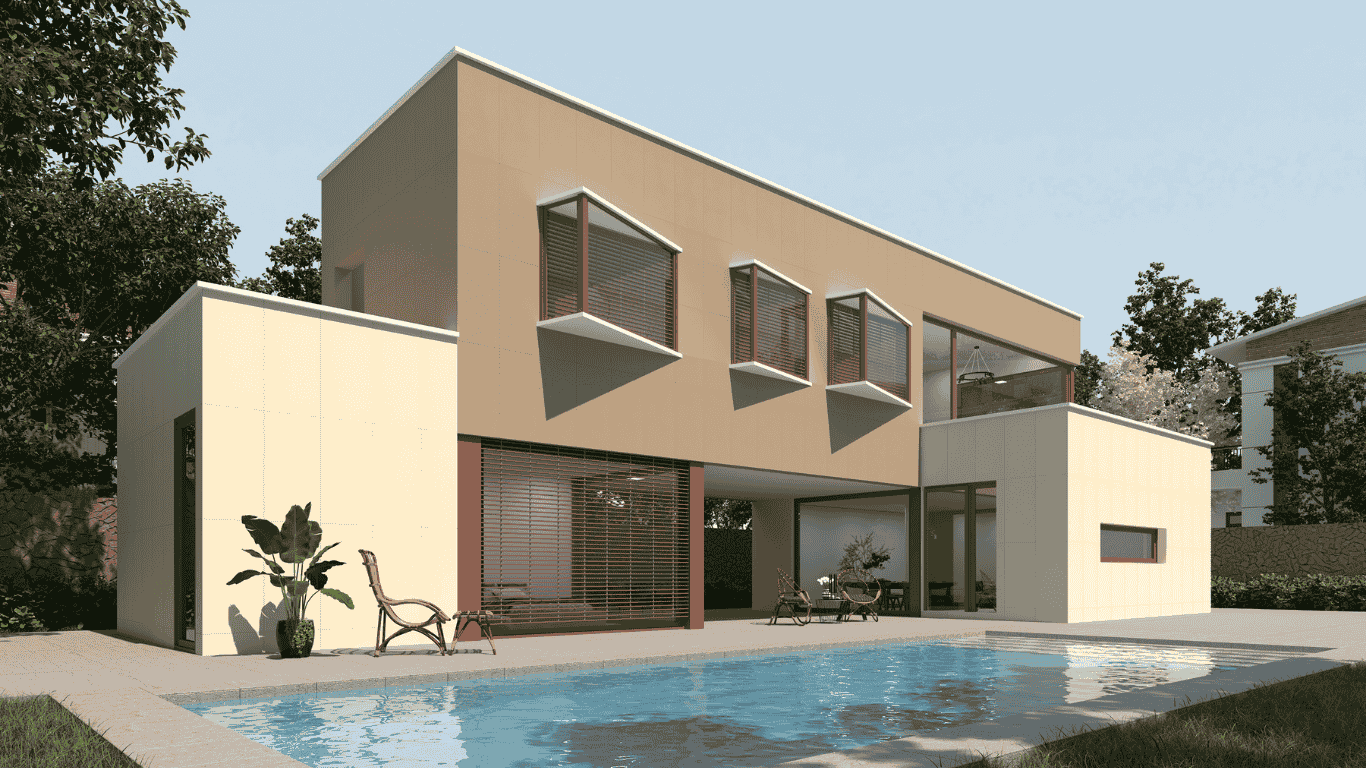
Natural stone, such as granite or marble, has long been favoured for window sills due to its inherent durability and classic appeal. It withstands weather exposure reasonably well and lends a sense of solidity to any facade. However, natural stone is porous, making it prone to staining, moisture absorption, and efflorescence over time, especially in humid climates. It also requires periodic sealing and careful maintenance to retain its finish.
Timber Window Sills
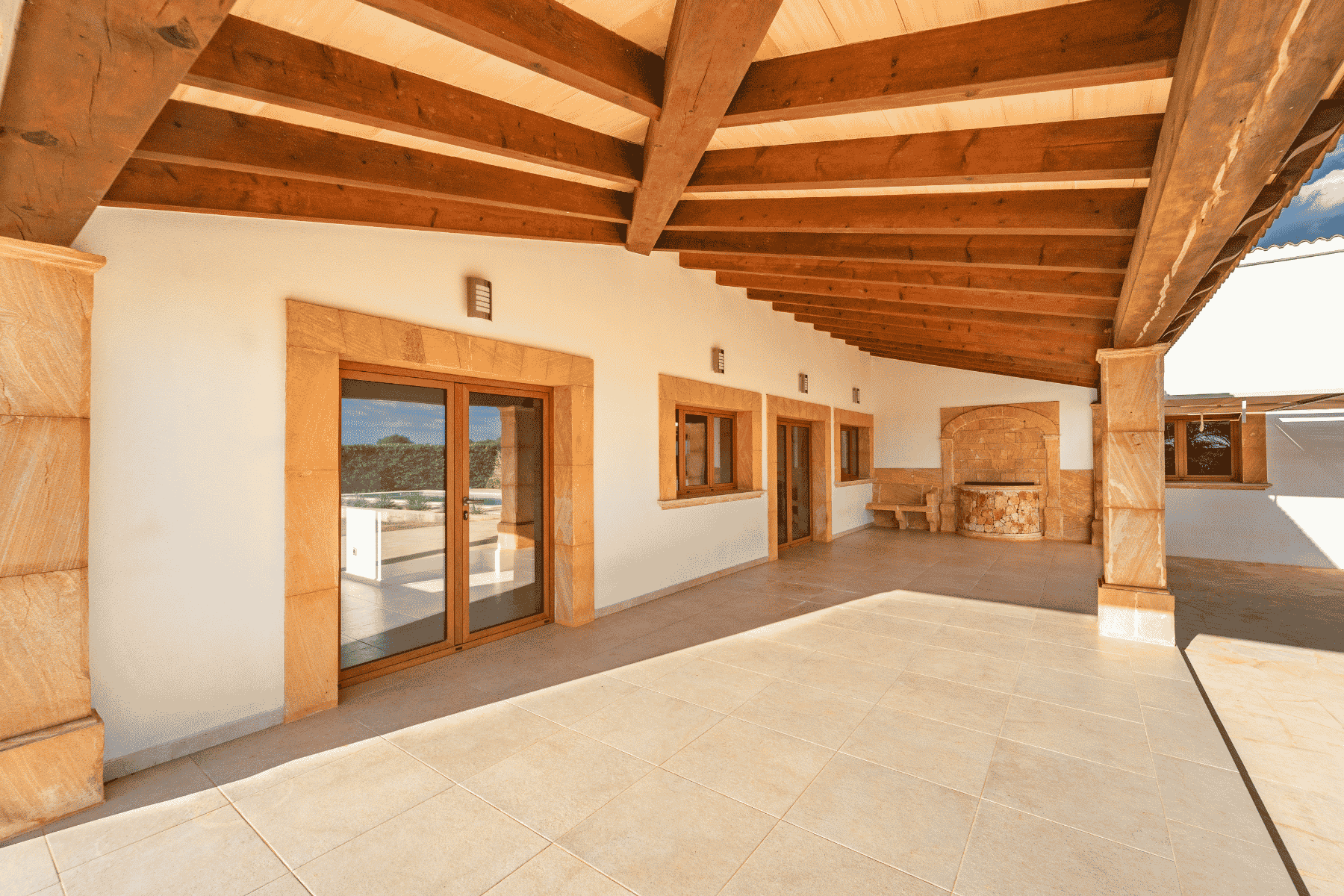
Timber sills bring warmth and a traditional charm that many homeowners find appealing, particularly in rustic or classic interiors. Wood is relatively easy to shape into decorative profiles and blends naturally with wooden window frames. But timber is vulnerable to moisture, termite damage, and warping, especially at exterior-facing sills exposed to humidity and rain. Regular sealing, upkeep, and repainting are essential to prevent deterioration.
uPVC and Aluminium Sills
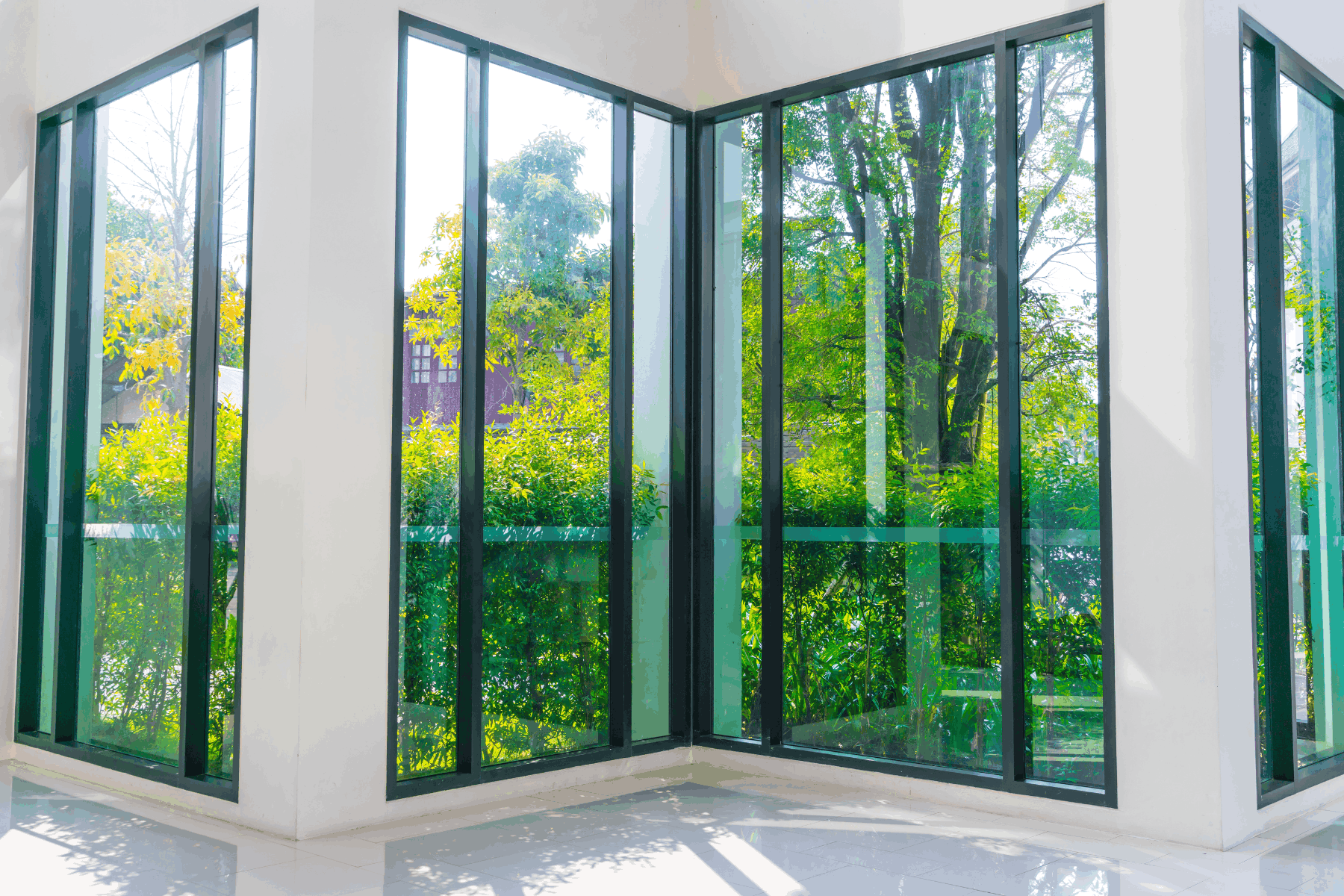
Common in modern construction for their moisture resistance and low maintenance. Aluminium sills are strong and slim and pair well with modern window frame designs, while uPVC offers weather resistance and affordability. However, both materials can feel visually utilitarian, lacking the tactile warmth or premium character of stone-look surfaces. For homeowners seeking a refined, design-forward finish rather than a purely functional one, these materials often fall short aesthetically.
Neotra Engineered Surface Sills
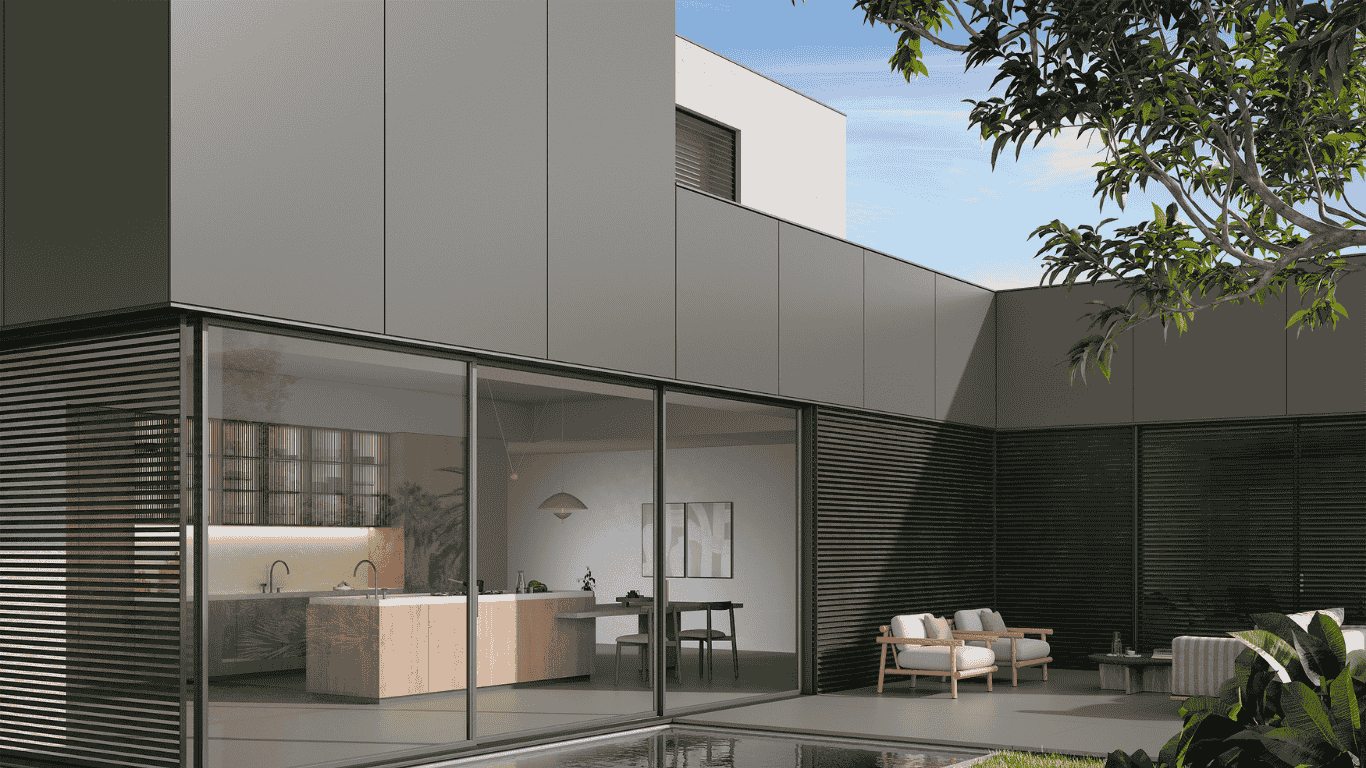
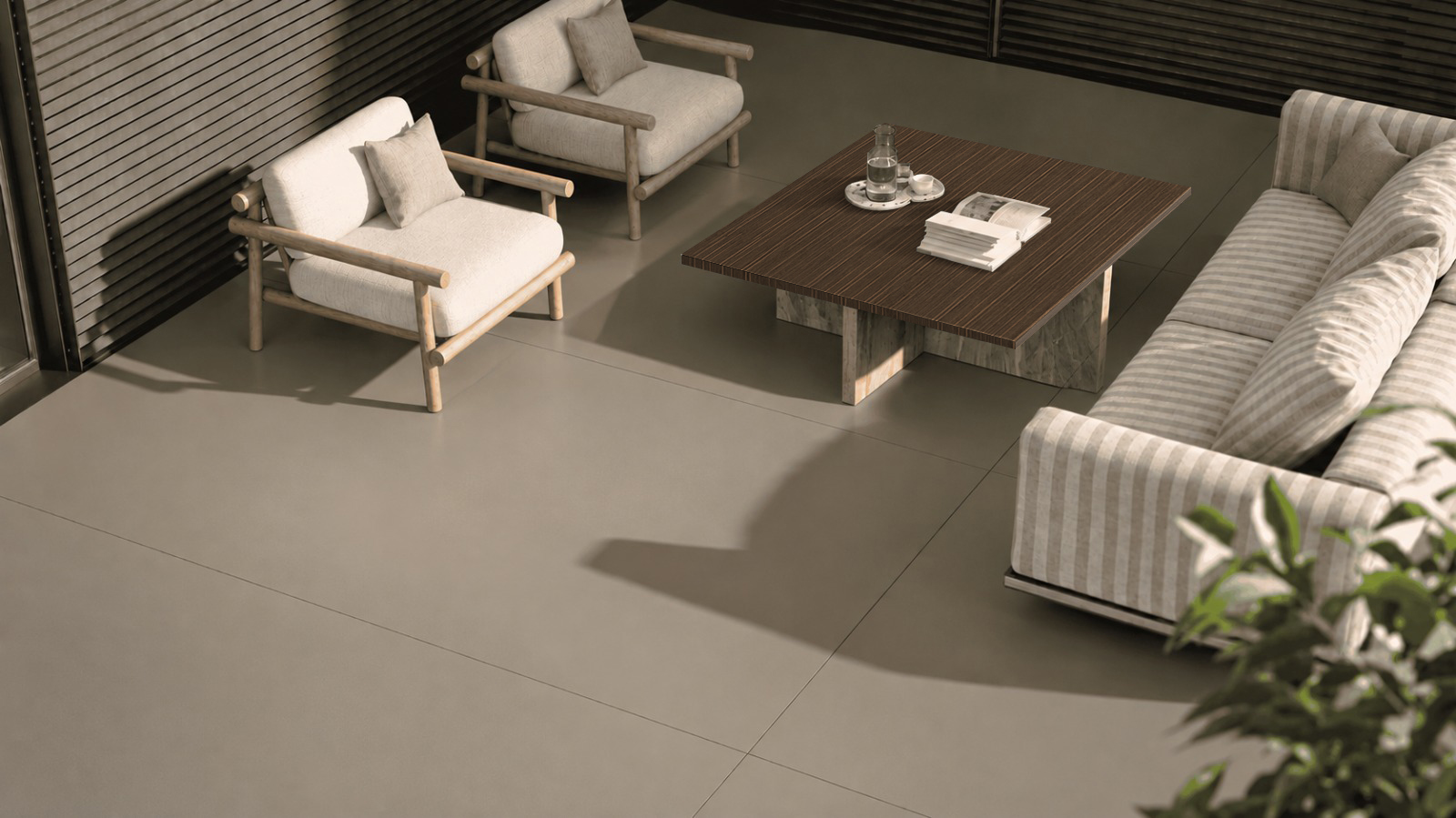
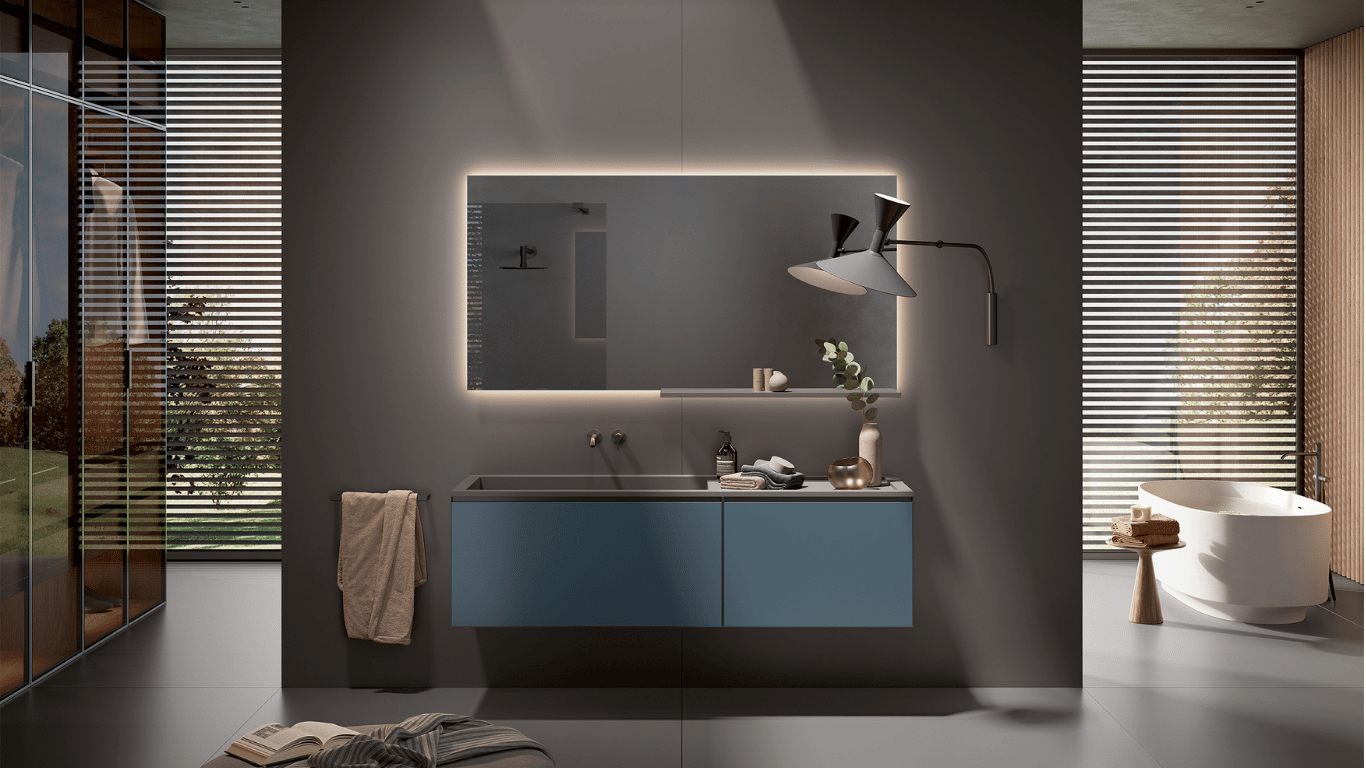
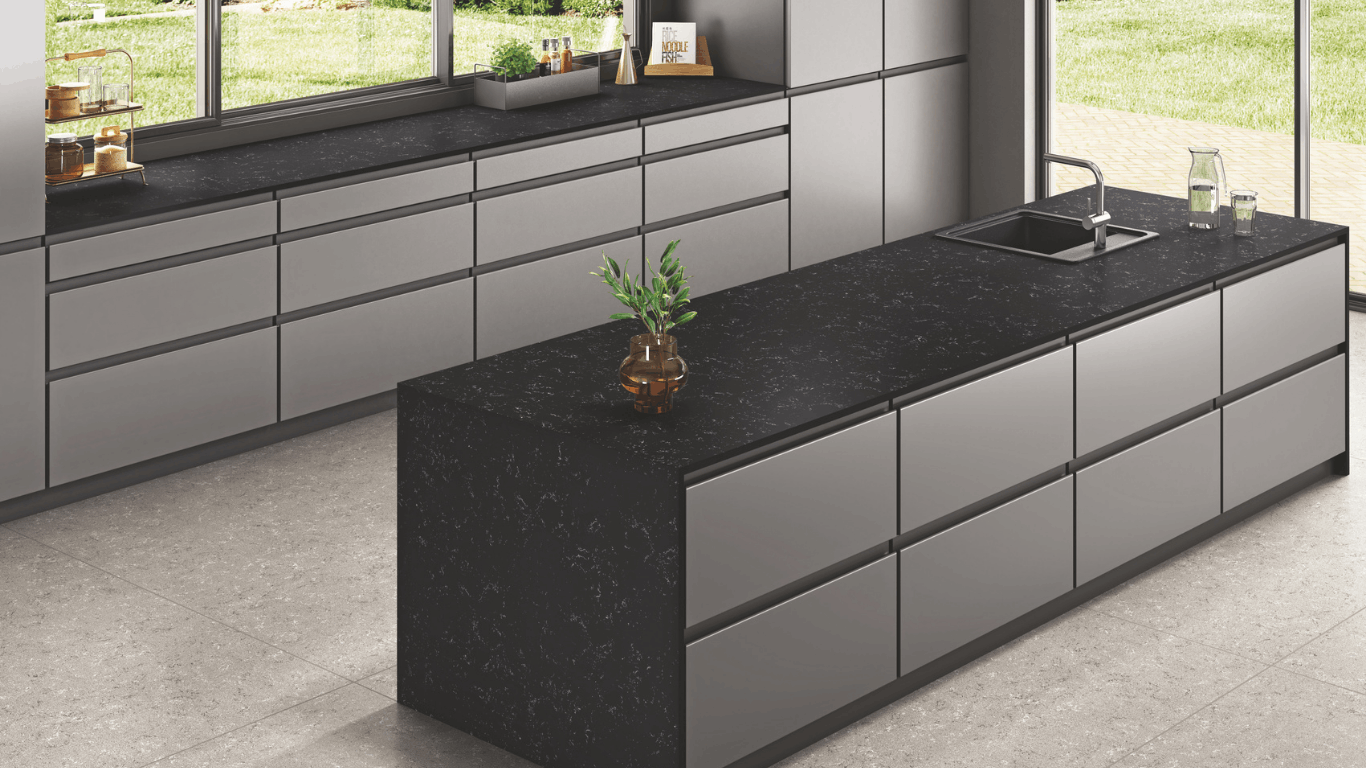
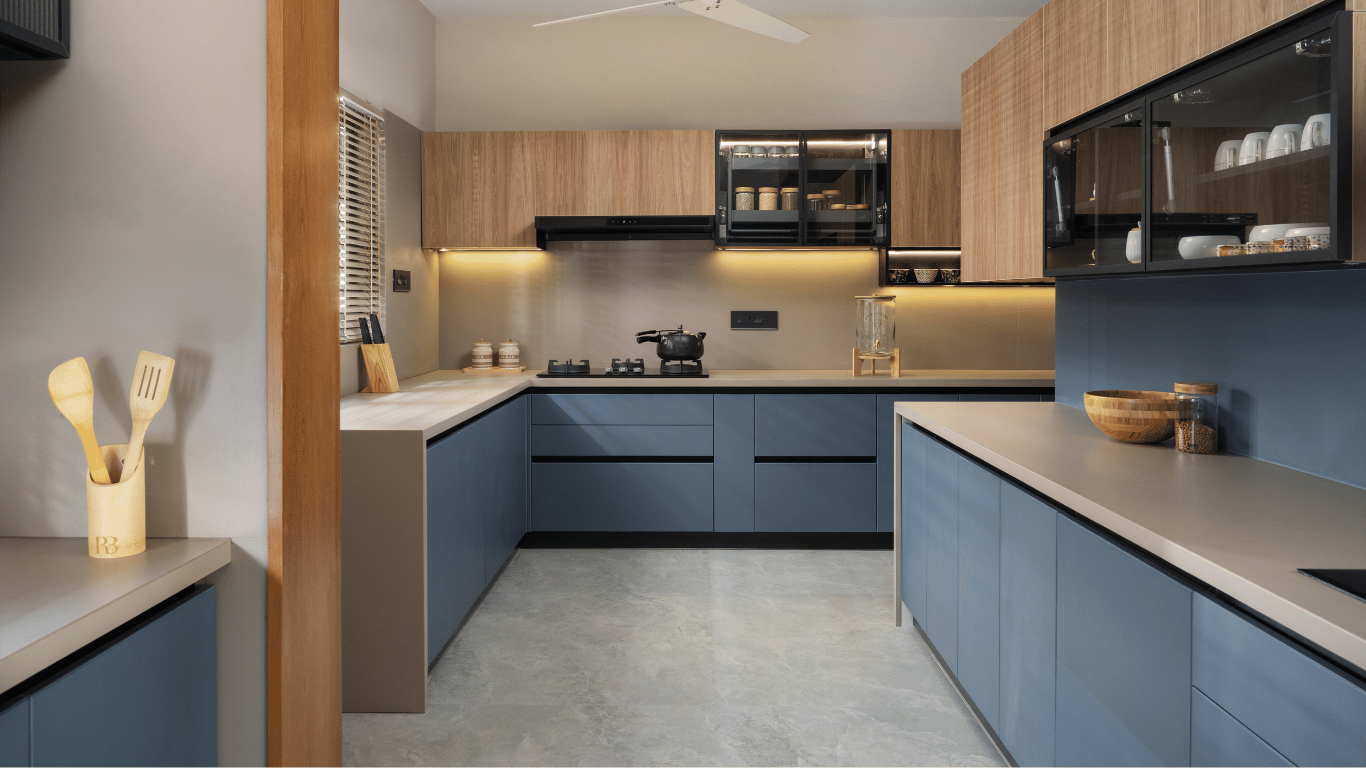
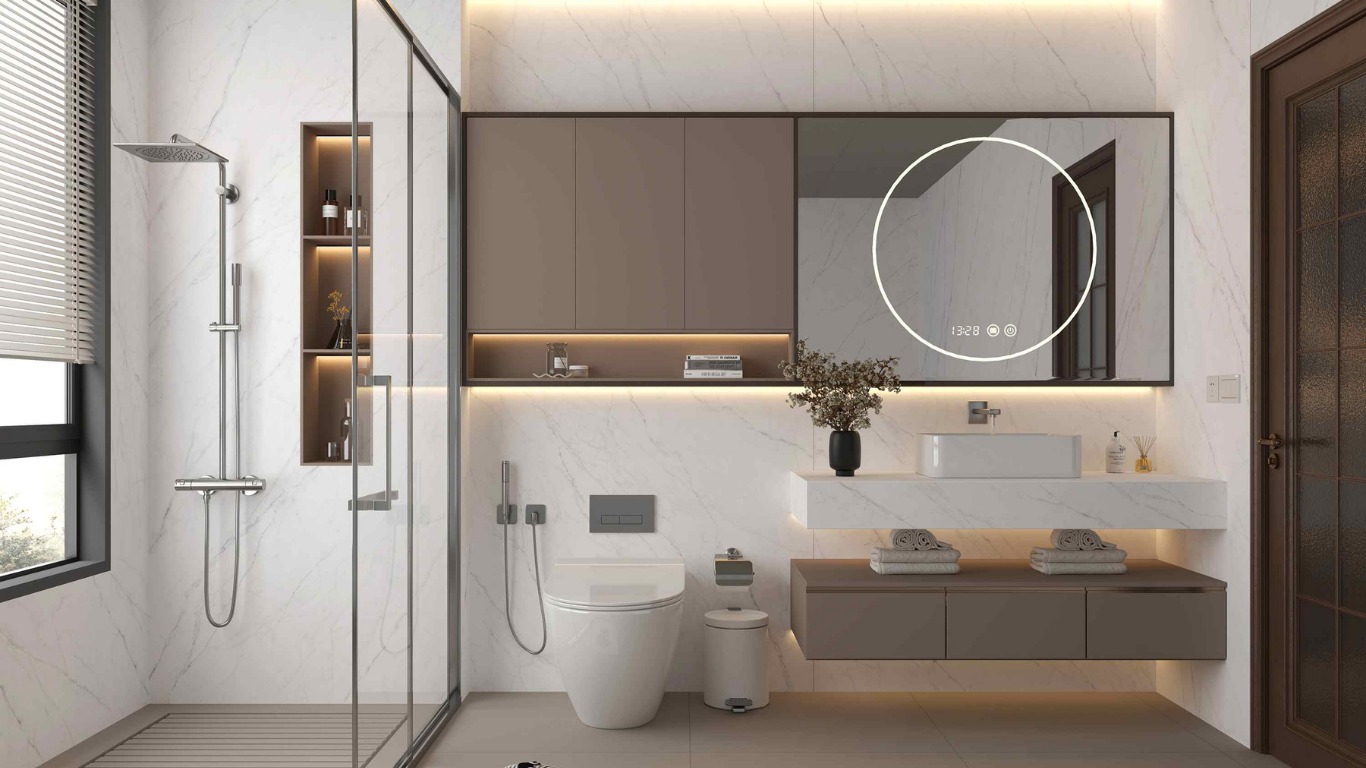
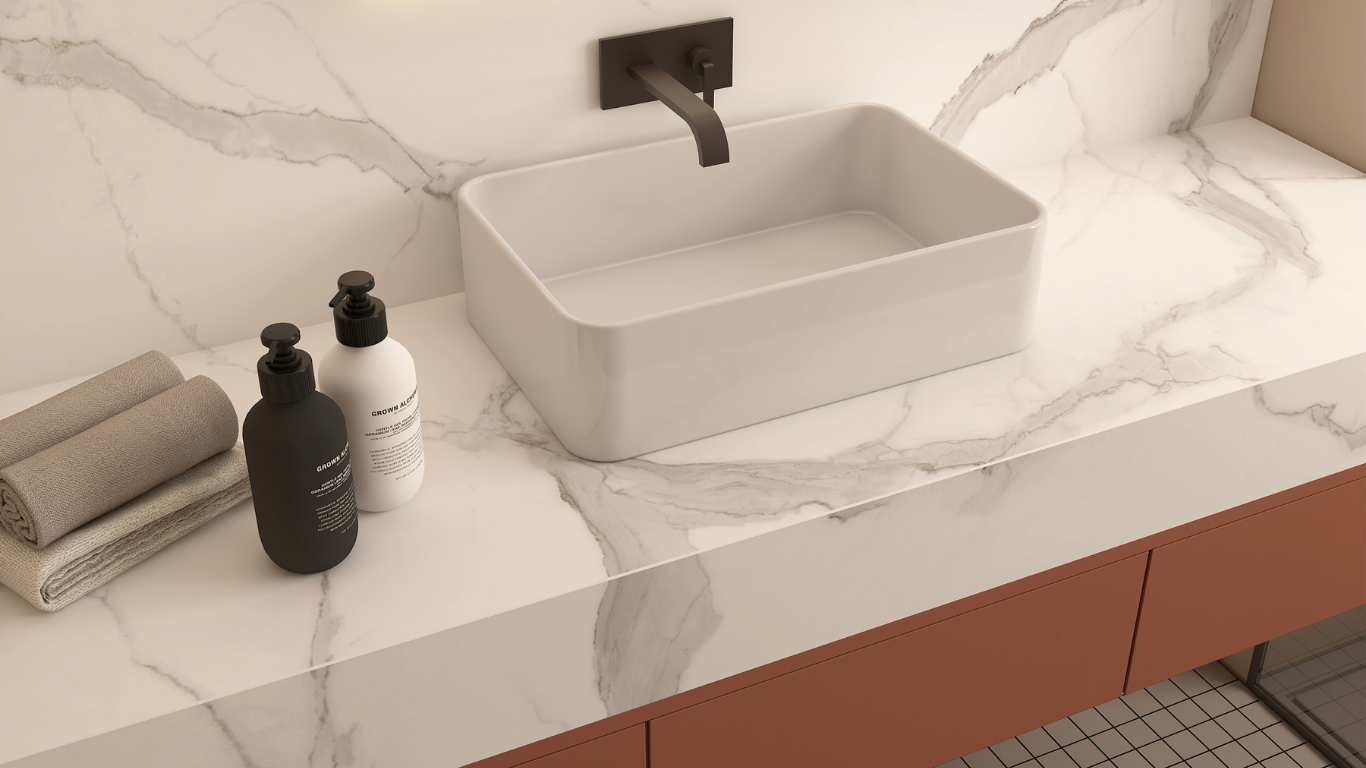
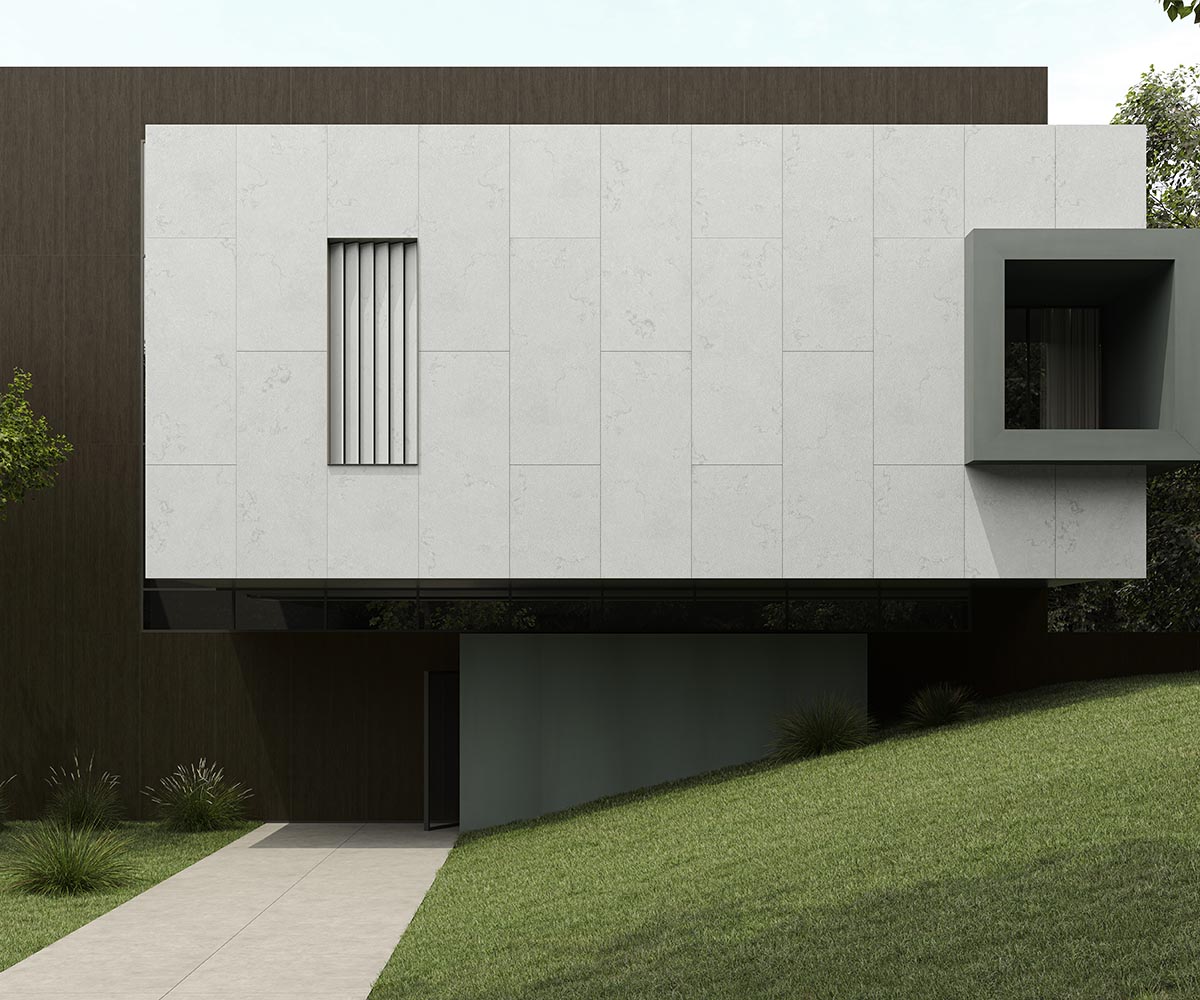
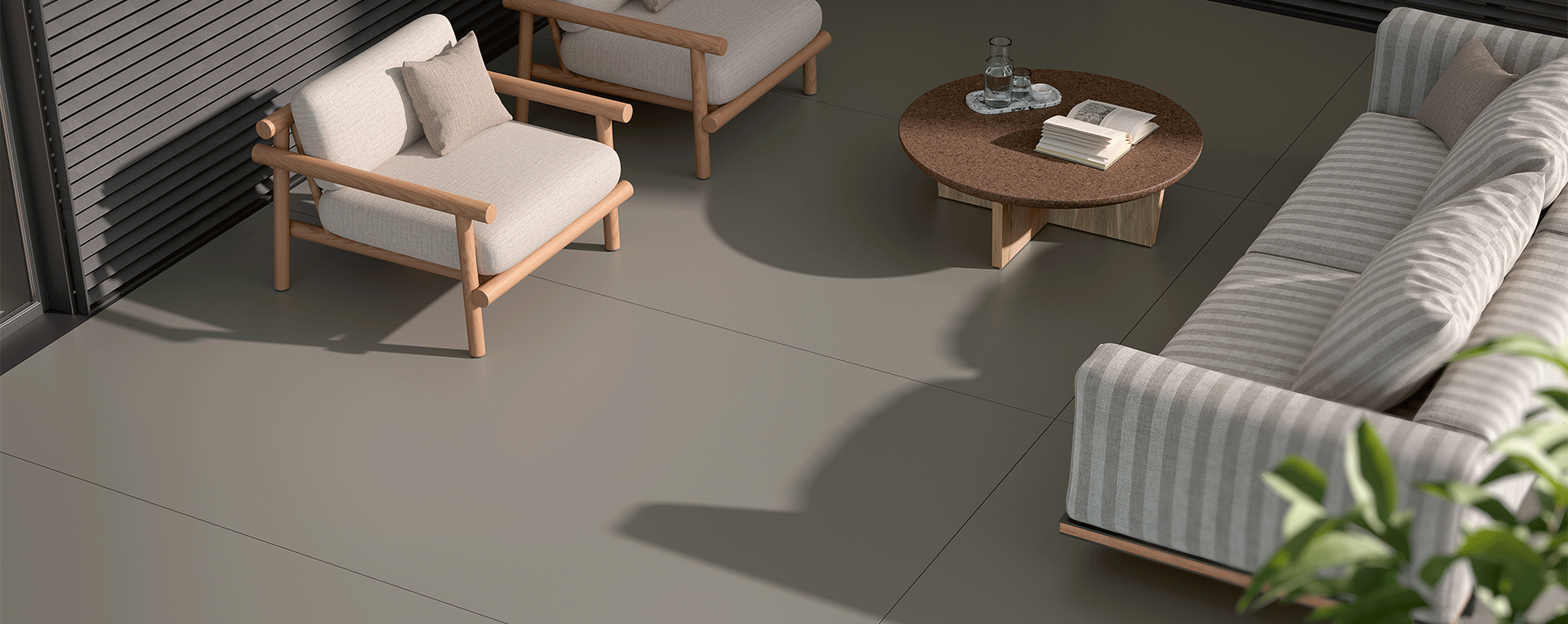
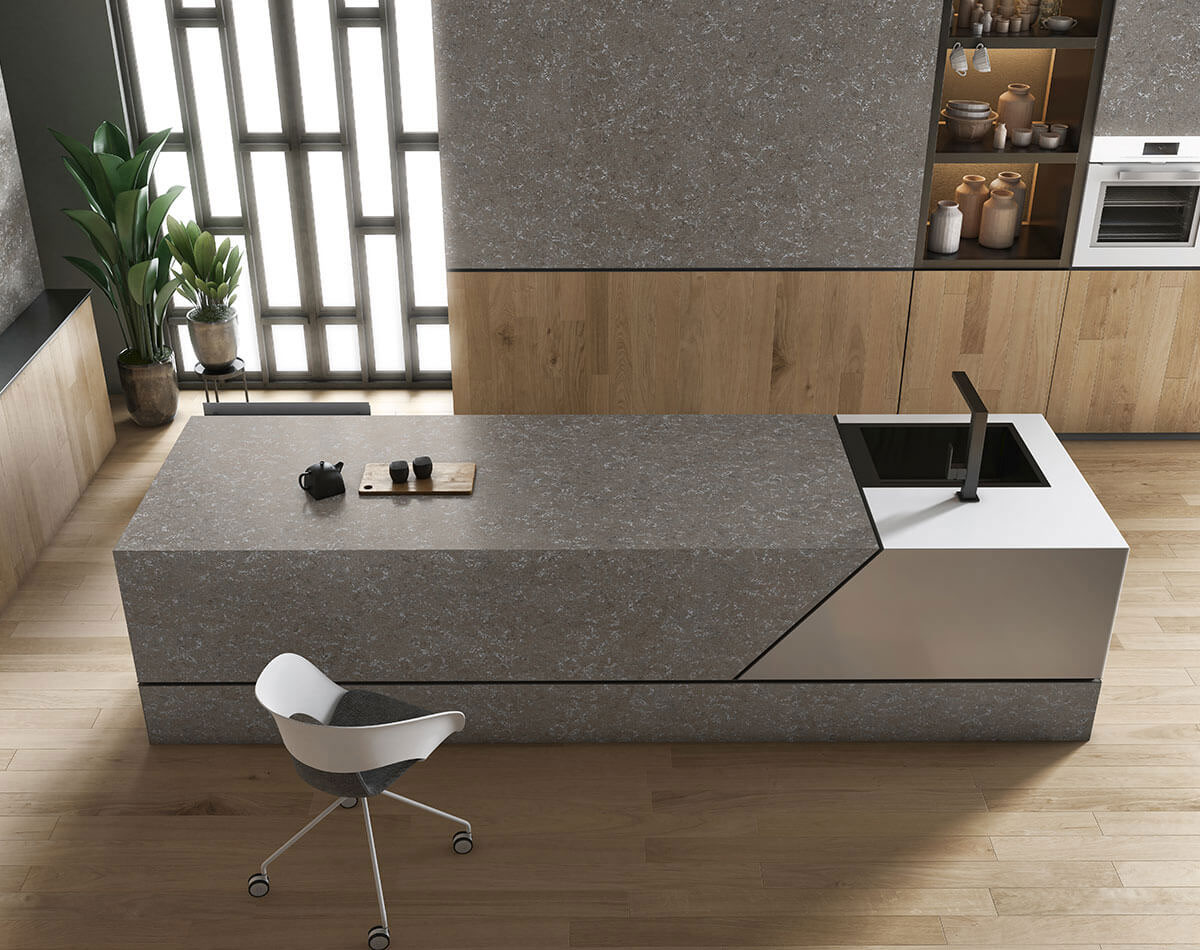
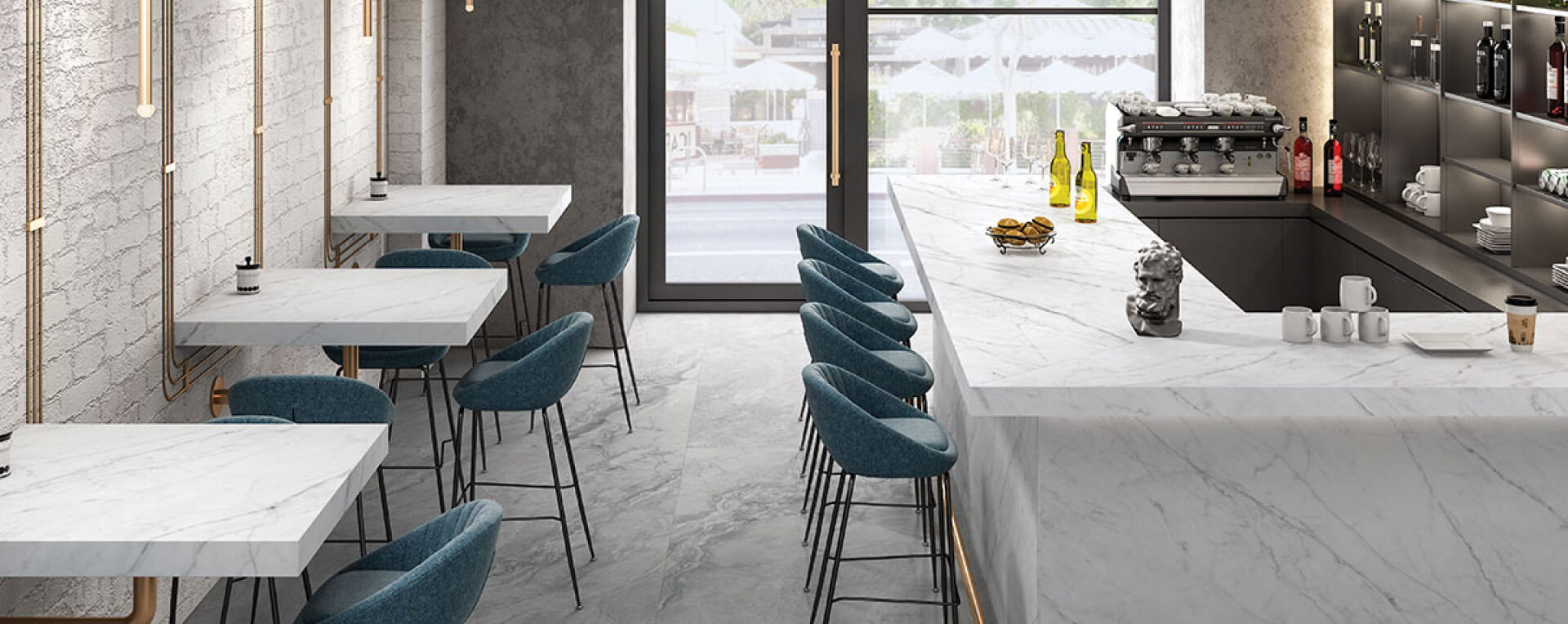
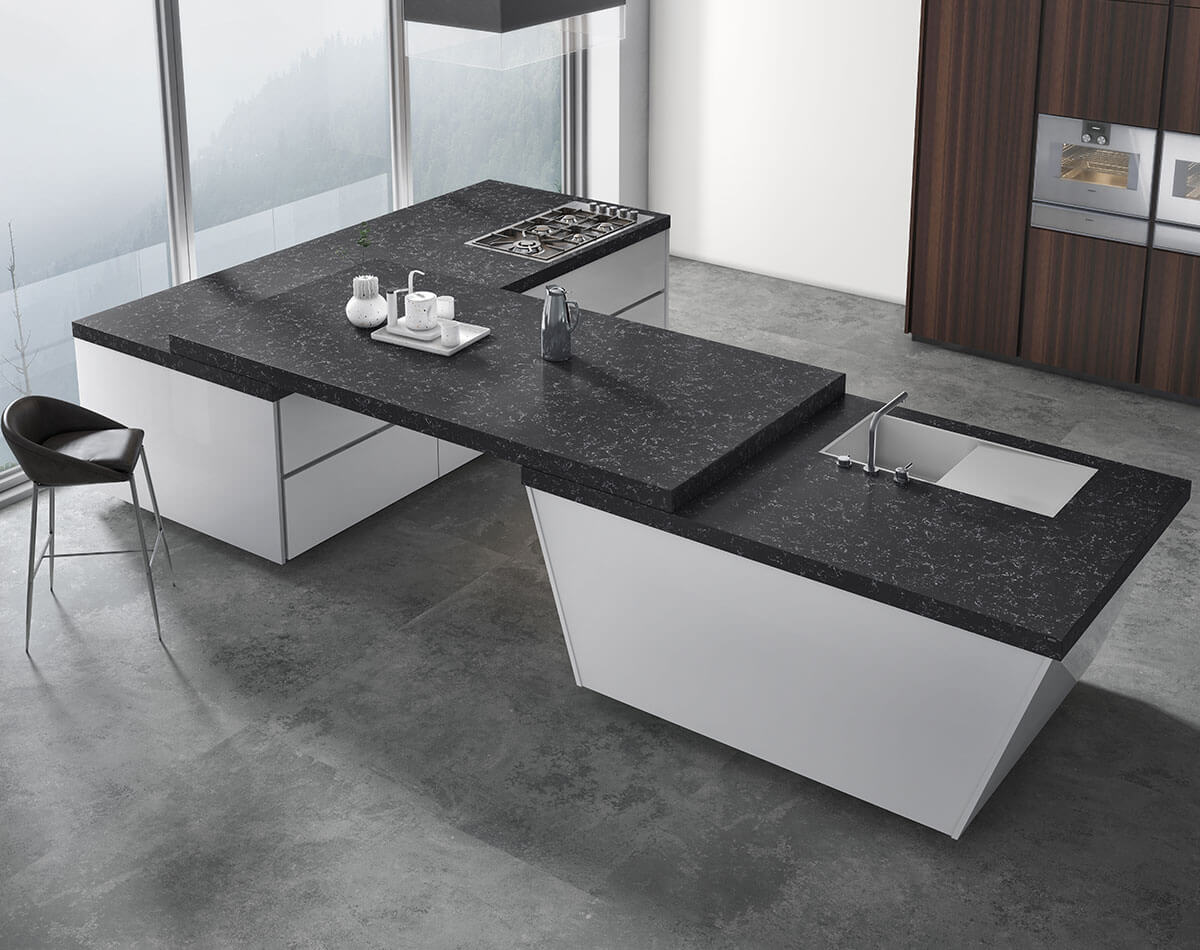
Our engineered surfaces offer a compelling alternative for window sills, combining the visual richness of natural stone with greater performance. The Neo Scudo Tech and Neo Forte technologies deliver low-porosity surfaces that resist moisture, weathering, and staining without the demands of natural stone. Available in concrete, wood, marble, and stone-looks, our surfaces allow design flexibility without compromising durability. This makes them particularly well-suited to stills, which face constant exposure to rain, sun, and daily wear.
Window Sill Design Styles and Ideas
- Deep Window Sill as a Seating Ledge
Extending a windowsill’s depth transforms it into an informal seating ledge or reading nook, especially effective in thick-walled facades. This approach adds functional value to otherwise passive wall space, inviting pause and everyday use. Deep sills work particularly well in bedrooms and living rooms, where a cushioned or bare stone ledge can double as casual seating. The added depth also creates a stronger sense of architectural presence at the window.
- Flush Window Sill with No Overhang
For a minimal, streamlined aesthetic, flush sills sit level with the wall face, eliminating a ledge. This style suits modern and minimalist interiors when clean lines take priority over tactile detail. Without an overhang, these windows read as part of a continuous wall plane rather than a separate element. Flush sills also simplify cleaning and reduce dust-collecting surfaces, making them a practical choice for pared-back architectural language.
Also Read: 10 Sliding Window Design Ideas
- Decorative Moulded Sill Profile
A moulded sill edge introduces subtle craftsmanship to a window, often featuring a bevelled, curved, or stepped edge detail. This style suits traditional or colonial-inspired interiors where architectural detailing carries visual weight. The moulding catches light differently across the day, adding dimension to an otherwise flat surface. It works especially well when paired with matching door or skirting profiles for cohesive detailing throughout a room.
- Window Sill as Plant Ledge
Using the windowsill to display potted plants brings greenery and softness into a room while making use of natural light. This works well in kitchens, study spaces, and bathrooms where small plants thrive near glass. A slightly wider sill accommodates pots more comfortably without crowding the window. Choosing a moisture-resistant surface is important here, since regular watering and soil contact can otherwise damage more porous materials over time.
Also Read: 12 Window Glass Design Ideas
- Contrasting Sill Colour and Material
Choosing a sill in a contrasting material or colour from the surrounding wall creates a deliberate design accent, framing the window as a focal point. Dark stone against a light facade, or a textured finish against smooth plaster, adds visual interest without additional ornamentation. This approach works well for statement windows in living areas or facades where the architect wants the window itself to draw attention rather than blend in.
Why Neotra Surface Is the Best Window Sill Slab Choice
Neotra engineered surfaces combine durability, low maintenance, and refined aesthetics, making them an ideal choice for modern window sills.
- Dense, low-porosity surfaces resist moisture absorption, weathering, and staining for long-lasting performance.
- Available in concrete, stone, and marble-inspired finishes to complement different architectural styles.
- Require less maintenance than traditional materials while retaining their appearance over time.
- Deliver greater visual richness than aluminium or uPVC window sill slab.
- Consistent slab quality ensures a uniform finish across multiple windows, supporting cohesive facade designs.