
What Is Sintered Stone Cladding?
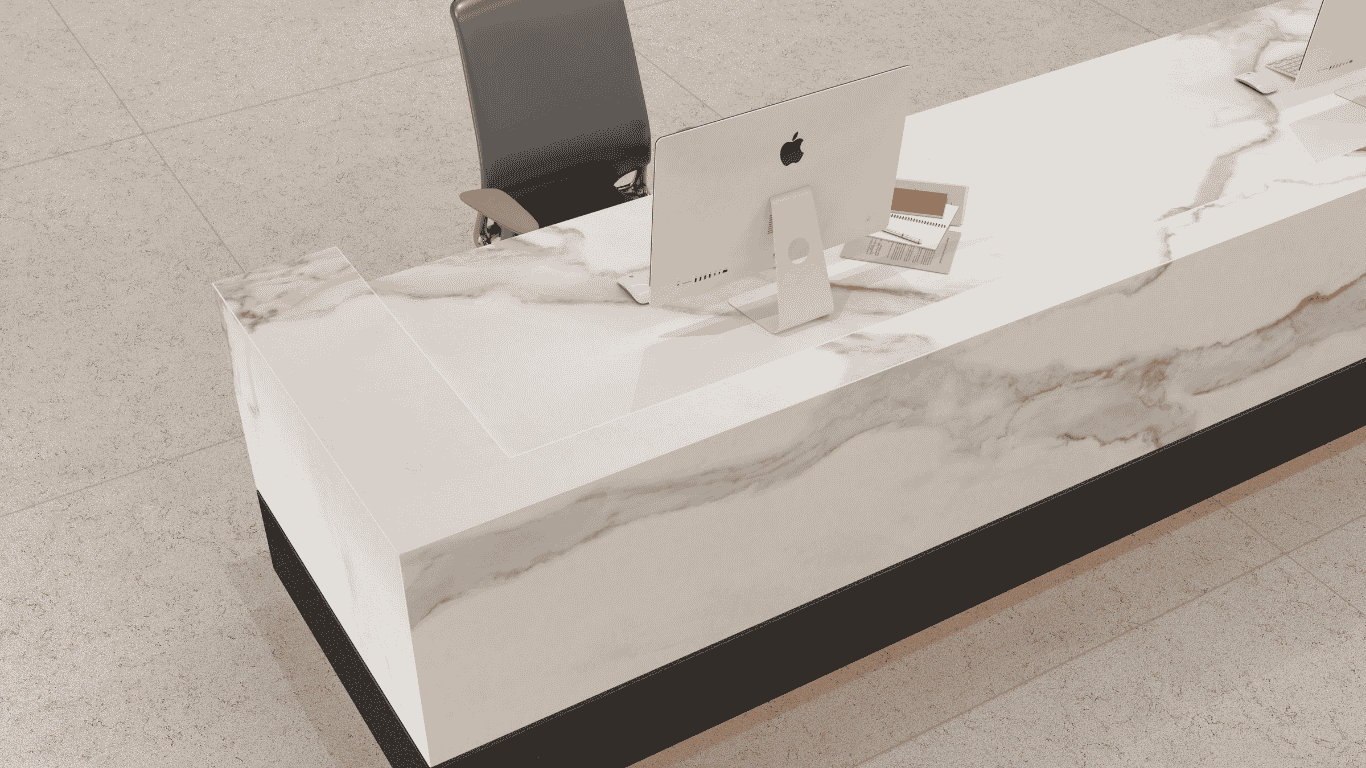
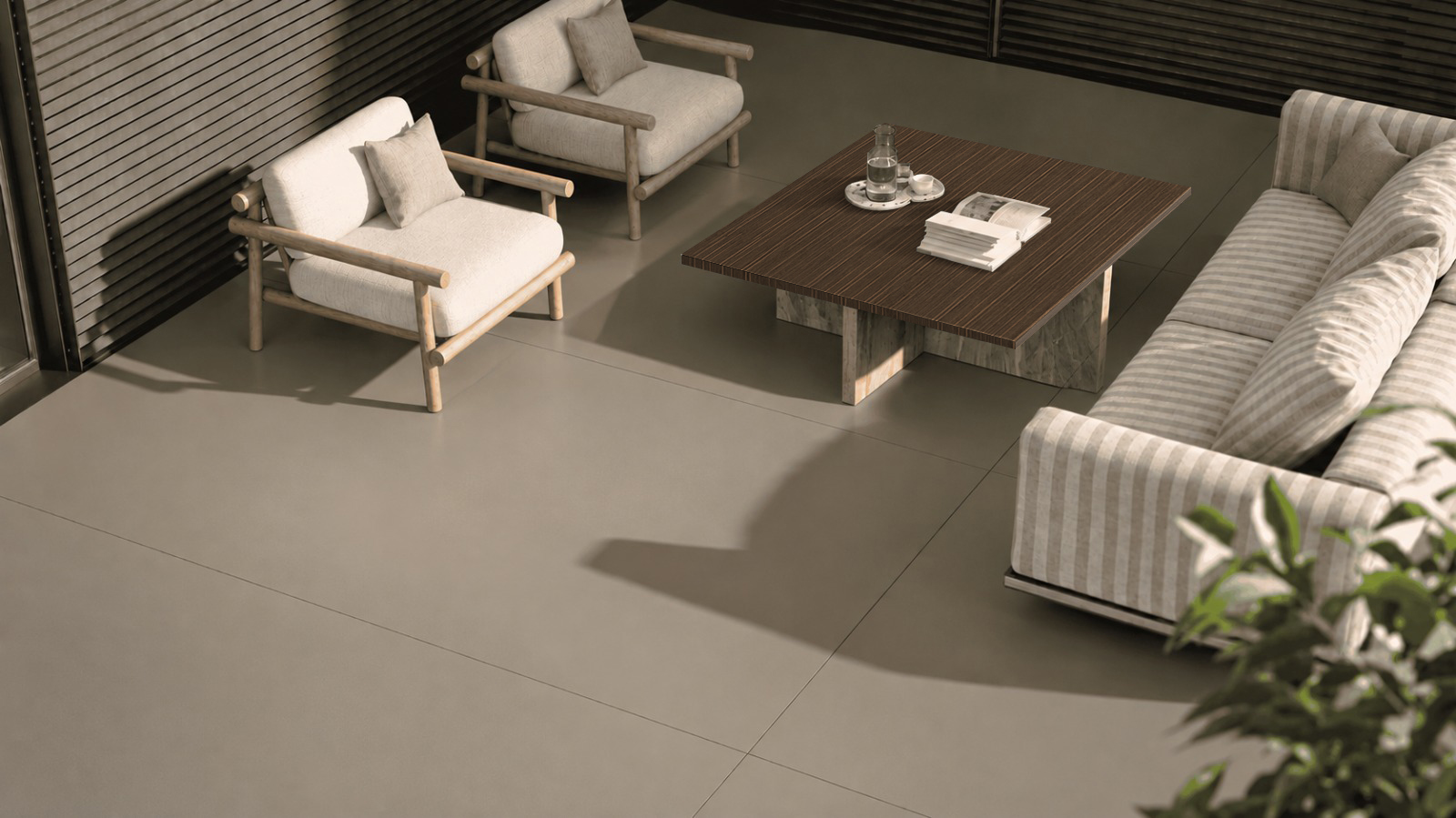
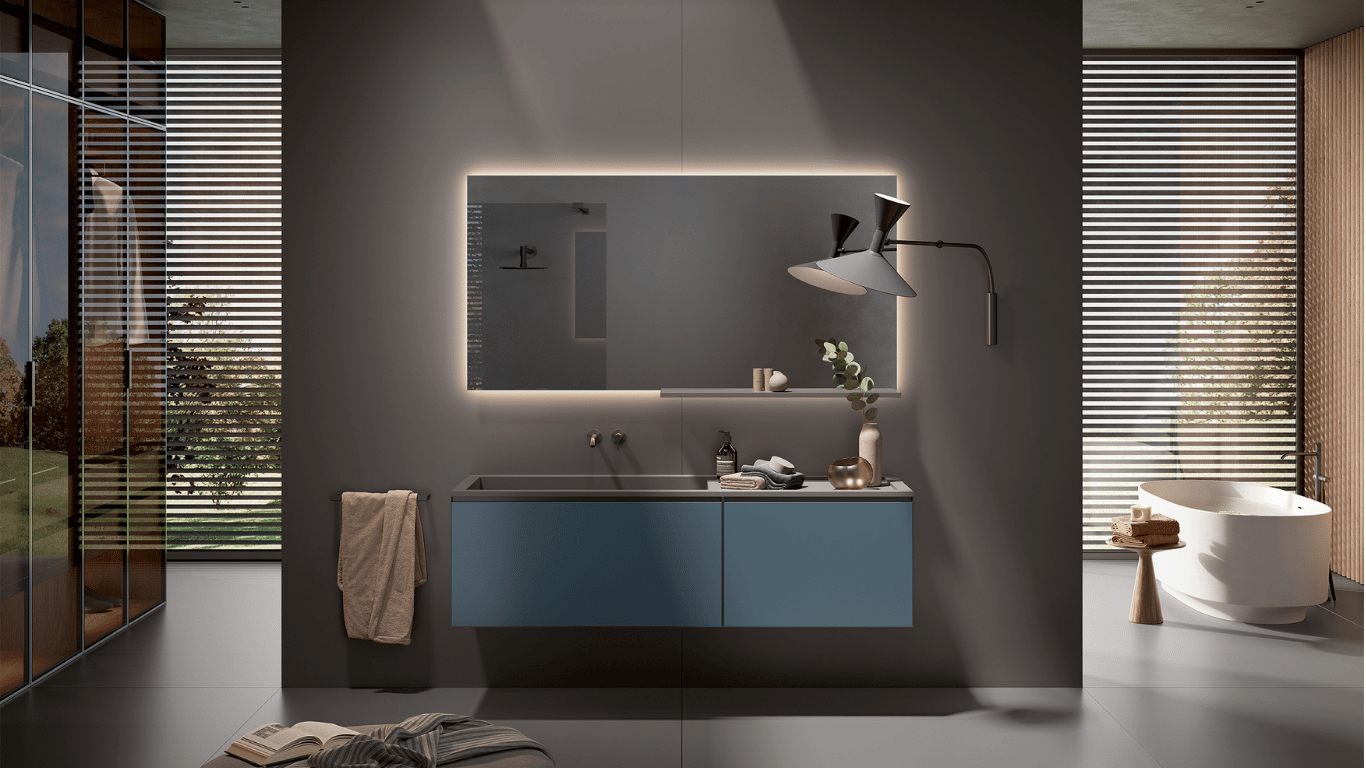
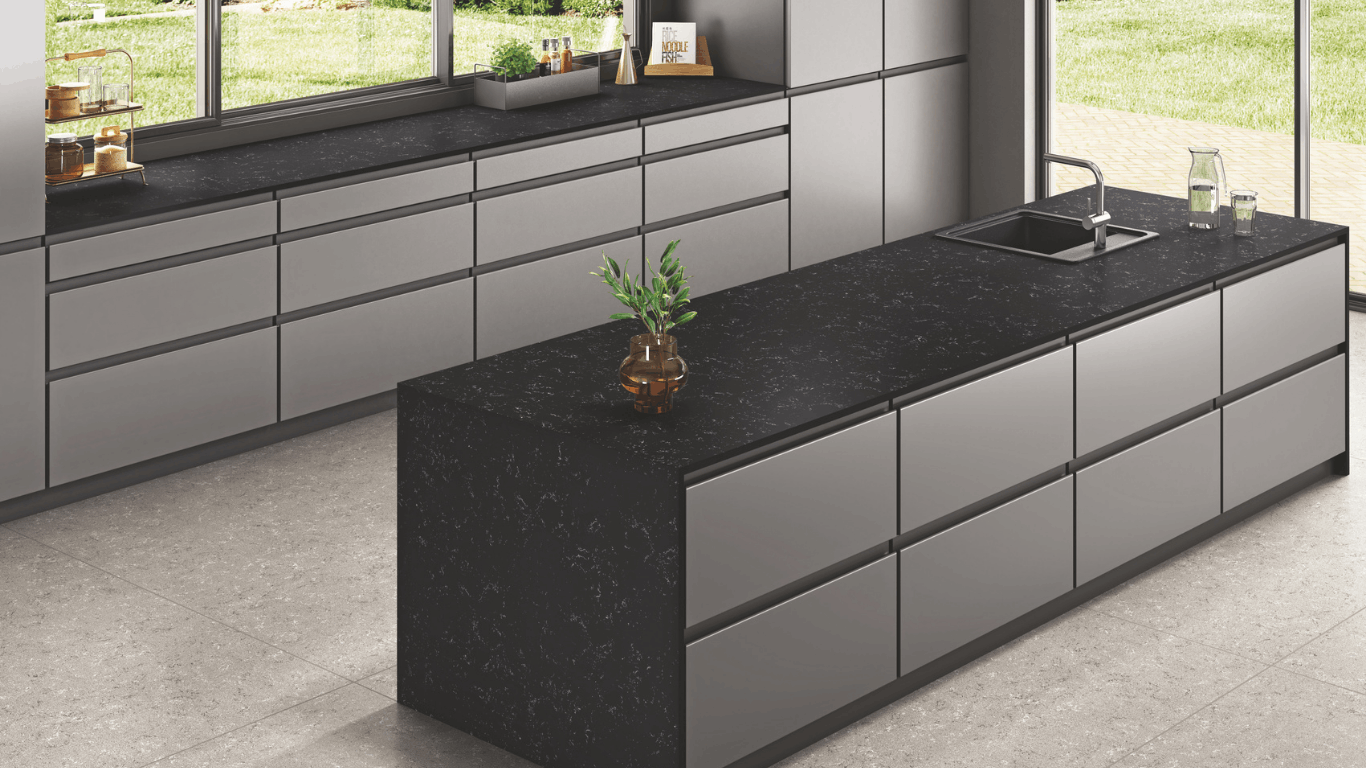
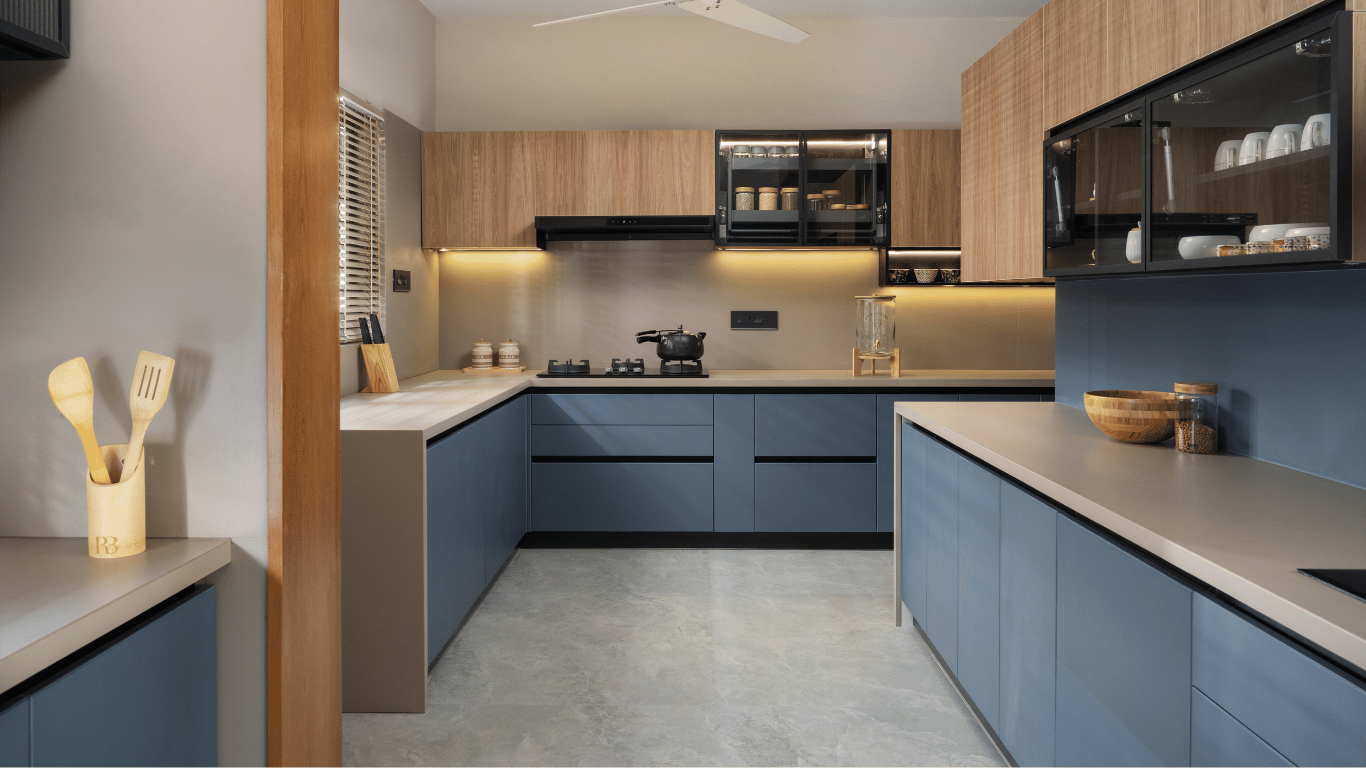
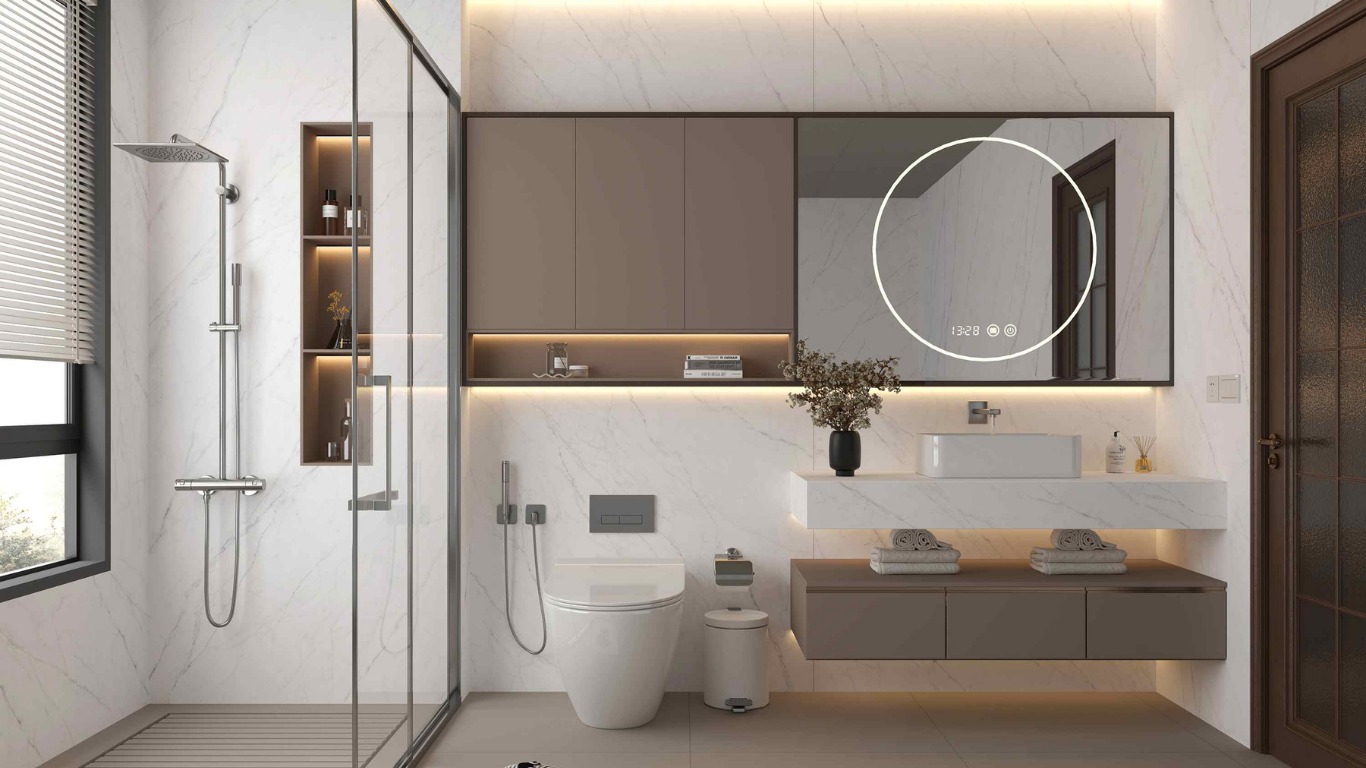
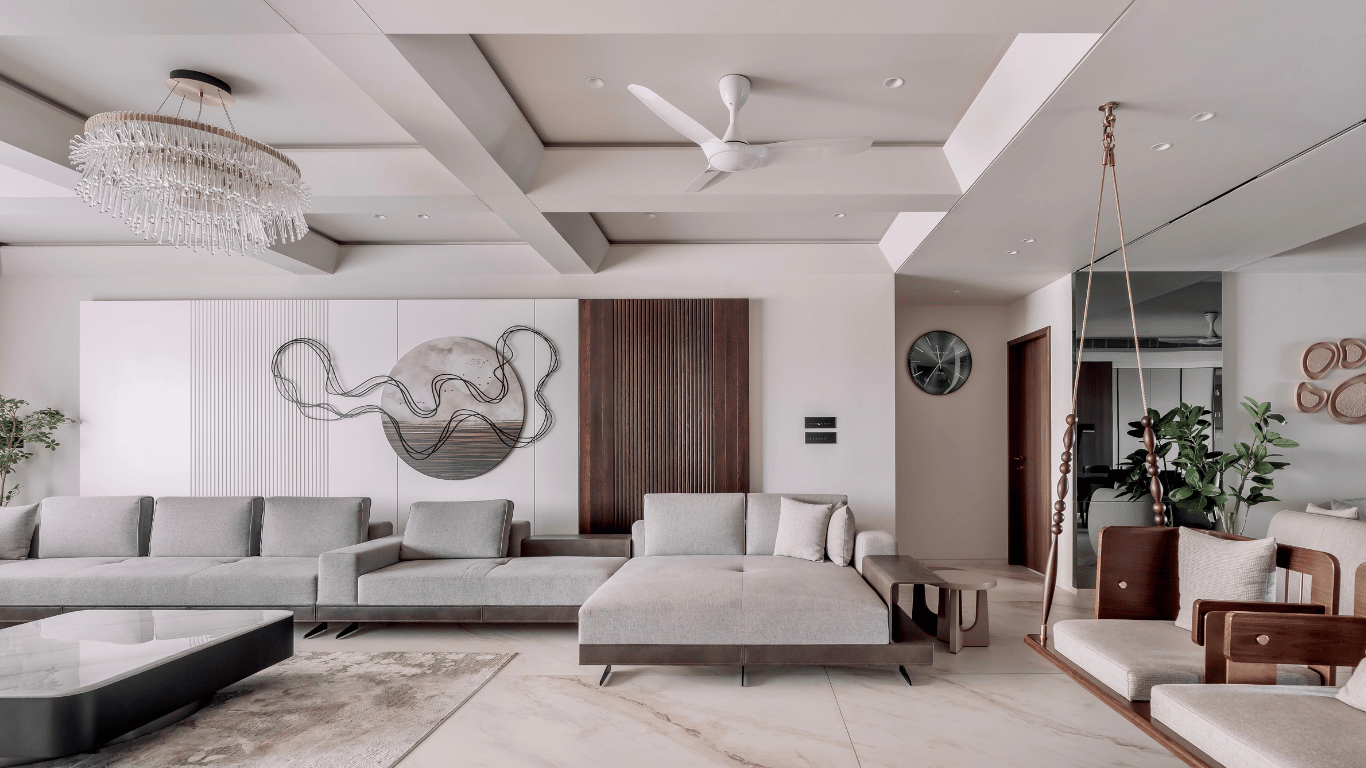
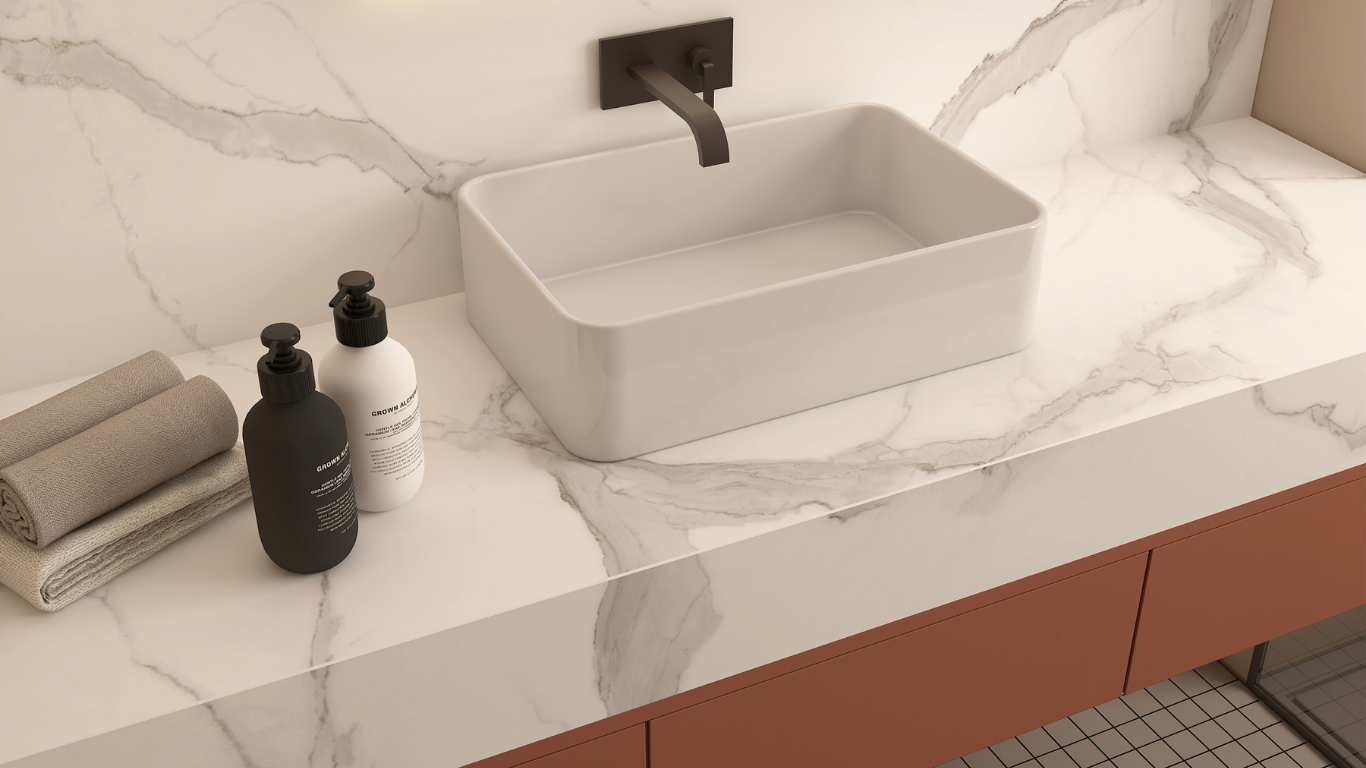
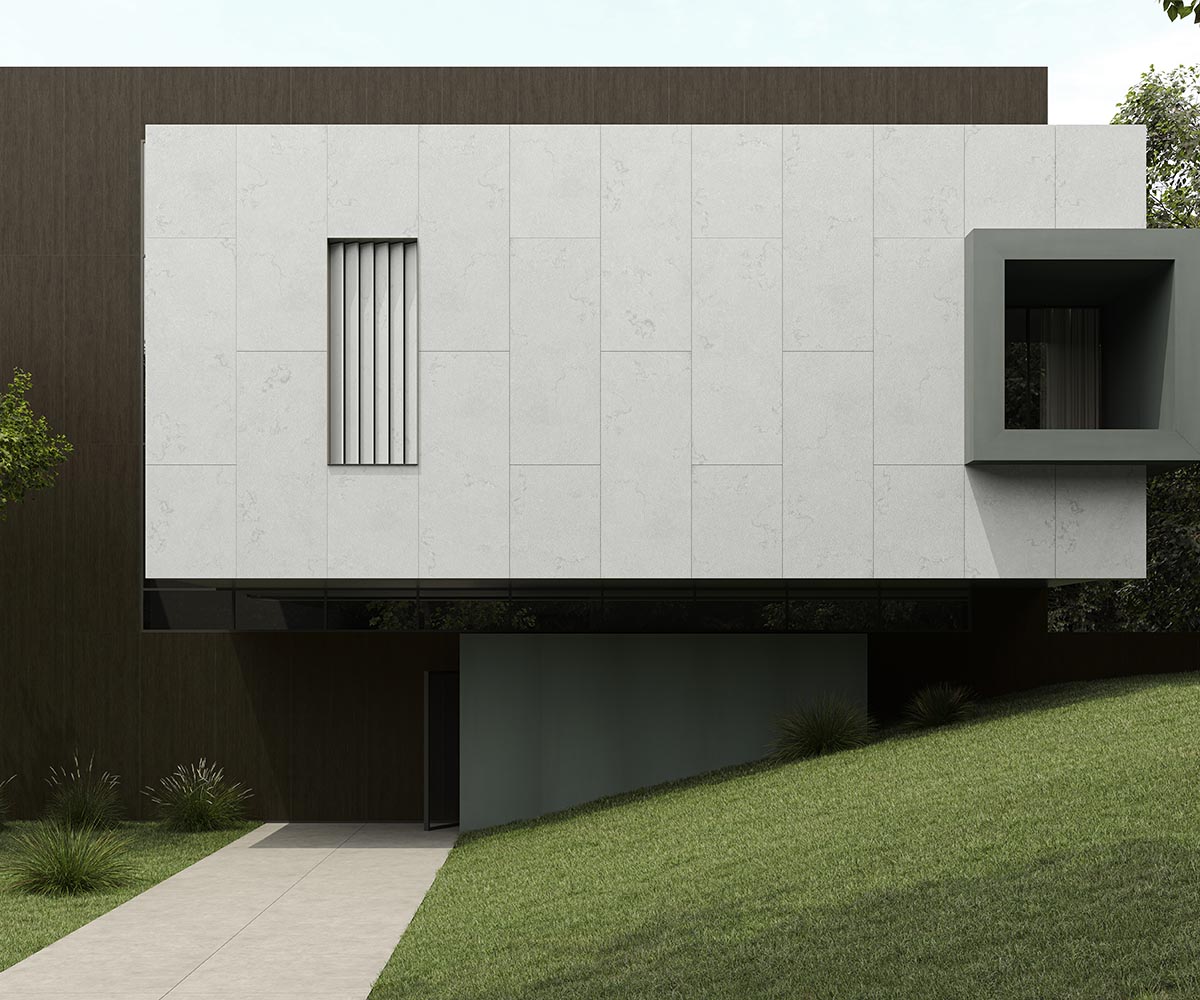
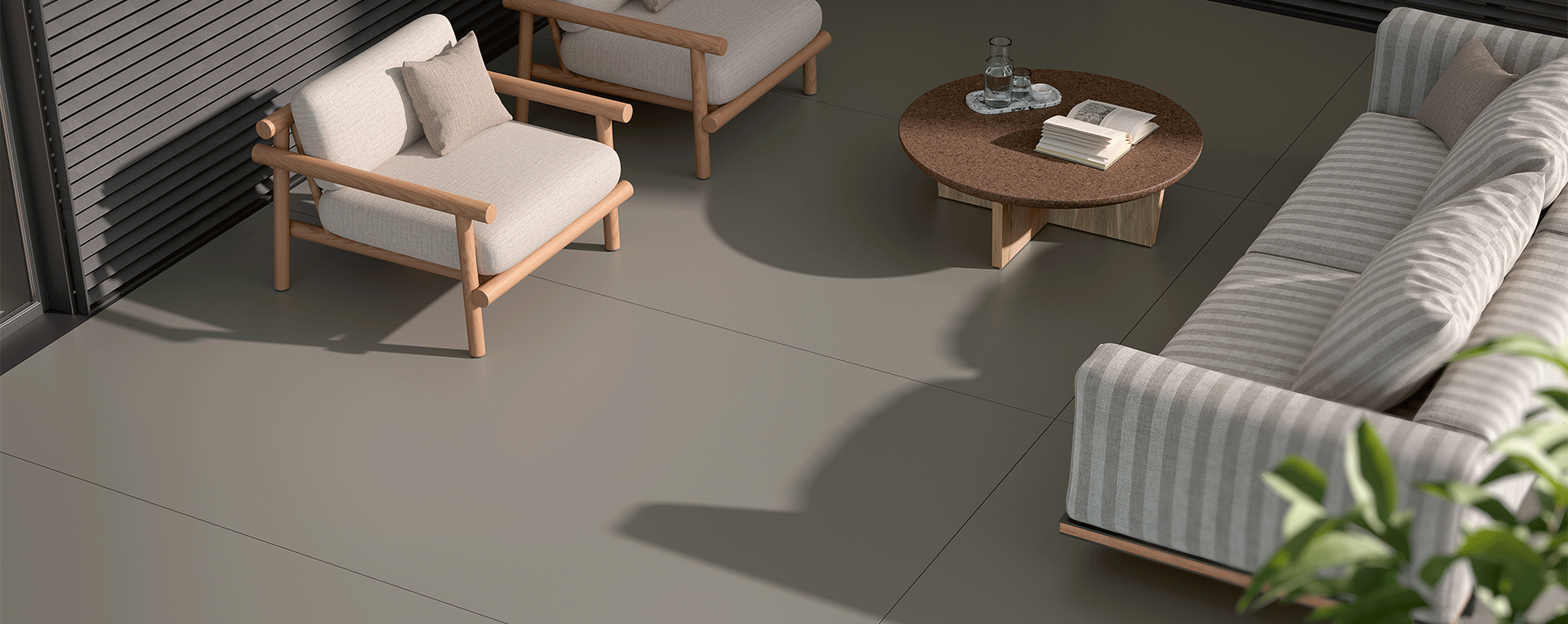
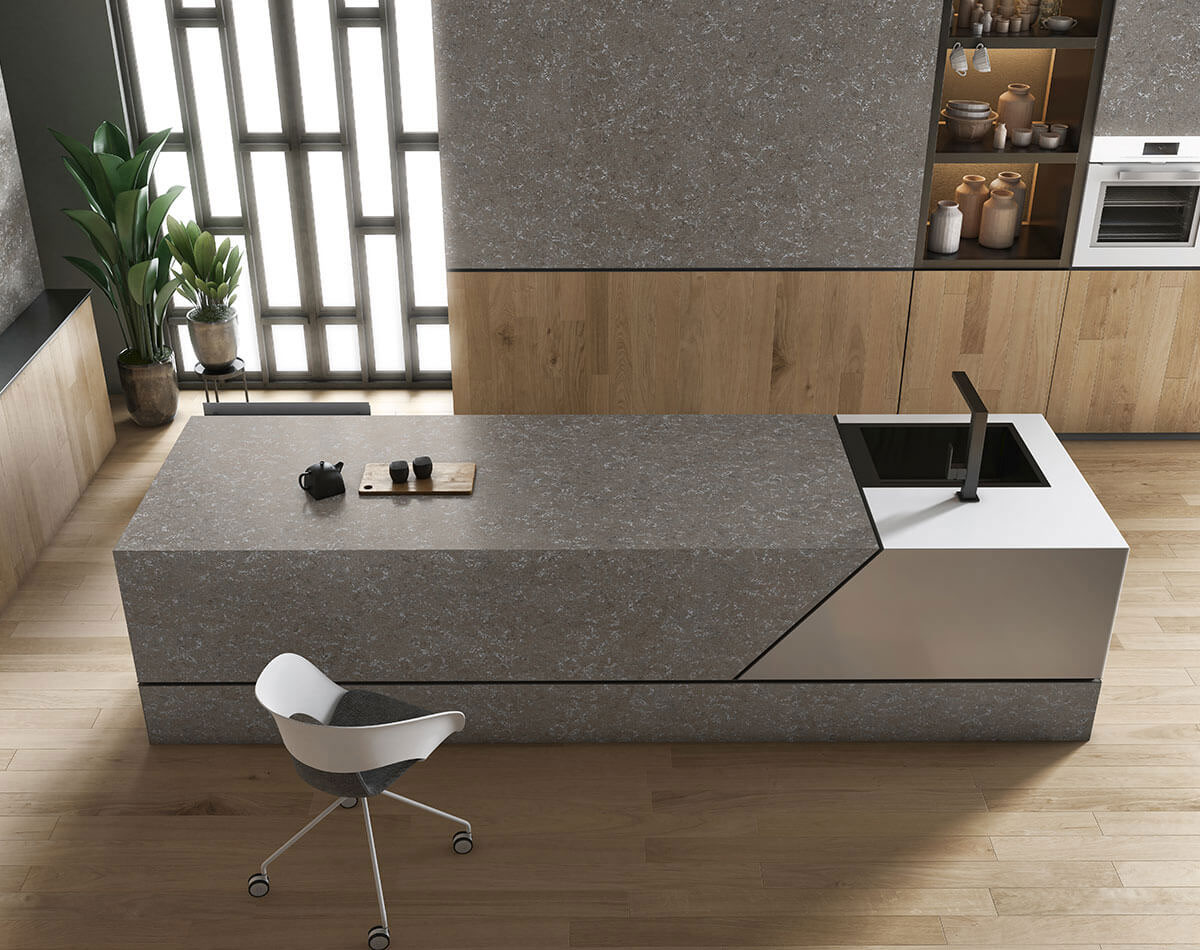
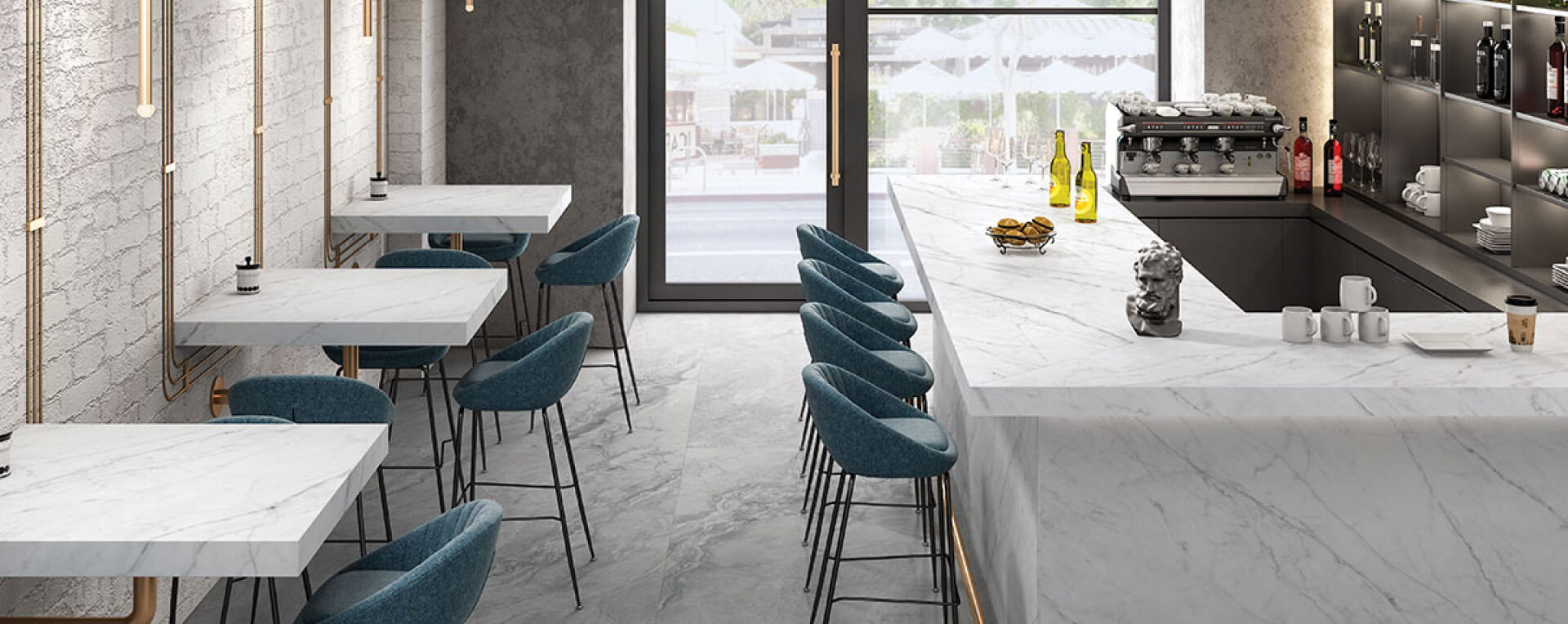
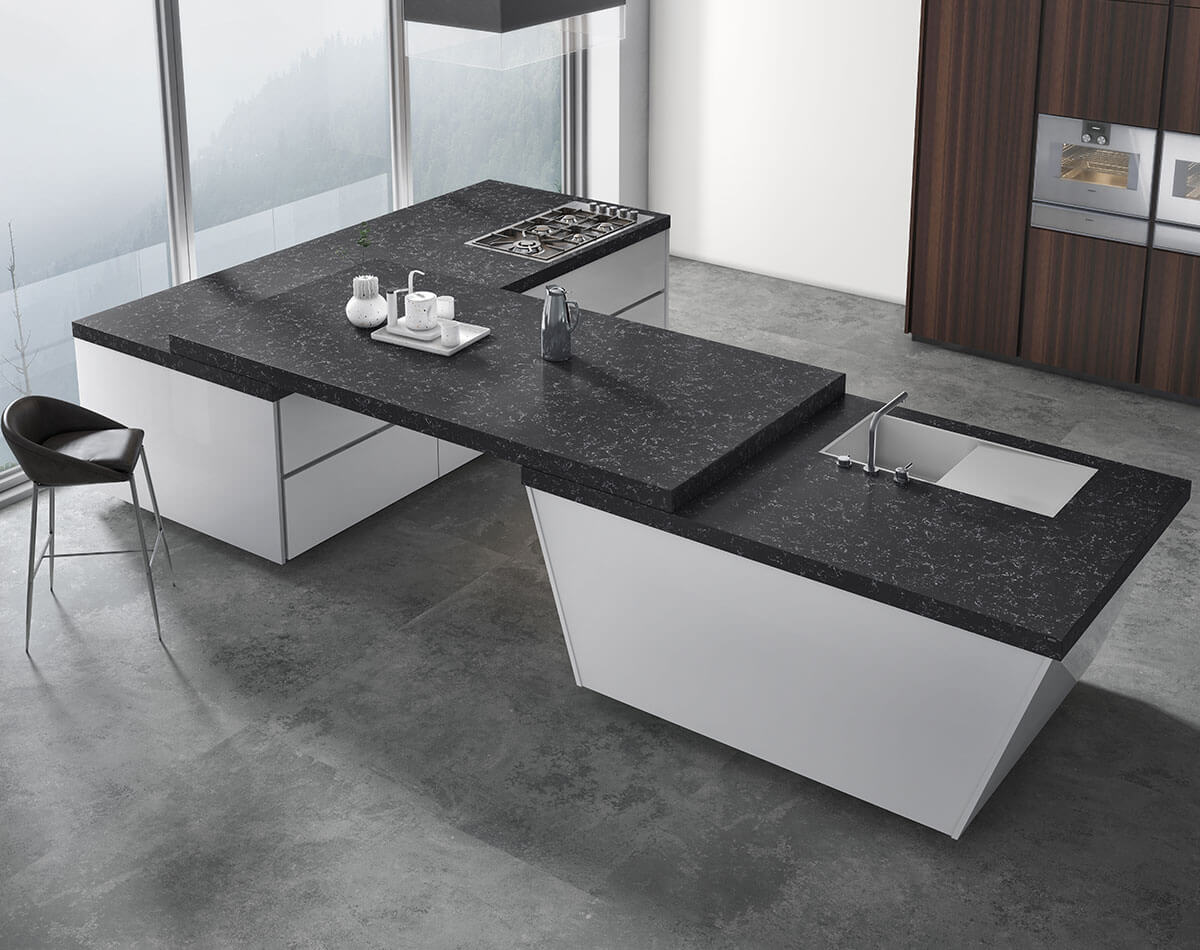
Sintered stone cladding uses large-format slabs engineered by compressing natural minerals under extreme heat and pressure, resulting in a dense, durable surface built for exterior wall cladding. Available in marble, stone, concrete, and wood-look slabs, it gives architects the visual richness of natural minerals with the consistency of an engineered product. Slabs typically range from slim 5.5 mm to more substantial formats of 20 mm, allowing flexibility across ventilated facades, full building envelopes and feature rolls. The material’s low porosity makes it well suited to withstand rain, sun, and pollution exposure over time. For designers seeking the character of timber or natural stone without the unpredictability of the real thing, sintered stone cladding has become a defining choice in premium architecture.
Understanding Glass Cladding
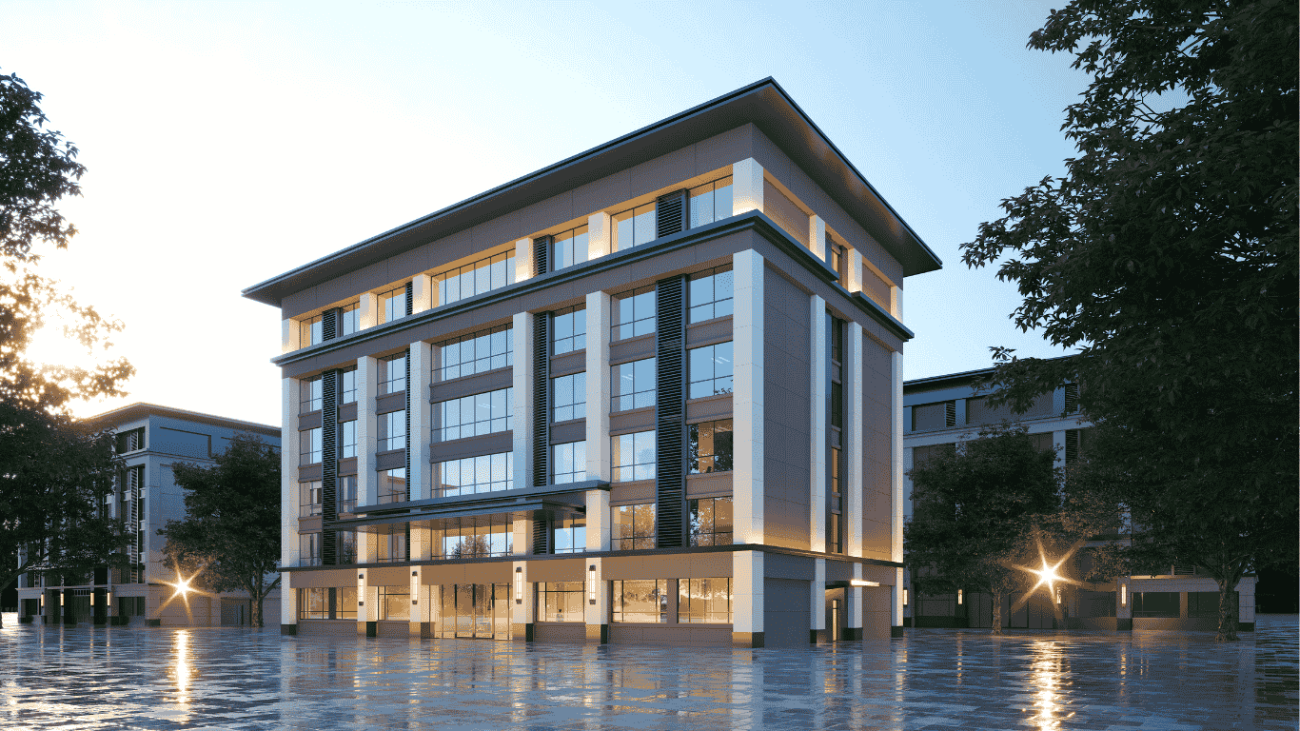
Glass cladding wraps a building’s exterior in panels of toughened, insulated, or laminated glass, creating facades defined by transparency and reflection. It’s a material long associated with contemporary residences and commercial towers that want to dissolve the boundary between inside and outside. Modern glass cladding systems come in frosted, tinted, structural glazing, and low-emissivity variants, each altering how light, privacy, and heat are managed. Because glass reflects its surroundings, it gives buildings a shifting, almost weightless presence through the day. However, its performance depends heavily on the glazing technology used, and untreated glass can bring significant heat gain. Understanding these variables is essential before specifying glass as a primary facade material.
Sintered Stone vs Glass Cladding: Pros and Cons Comparison
Beyond individual pros and cons, the two materials differ sharply when compared side by side across the factors that matter most in a facade decision. The table below lists these differences as a quick reference, helping you match each material to the right part of your build.
| Parameter | Sintered Stone Cladding | Glass Cladding |
| Visual Character | Marble, stone, wood, and concrete-look | Reflective, transparent, and glossy |
| Light and transparency | Opaque | Highly transparent |
| Design Flexibility | Wide-format range with varied colour options | Depends on glazing type |
| Maintenance | Routine cleaning | Frequent cleaning, visible smudges |
| Suited for | Feature walls, facades, and ventilated cladding | Atriums, shopfronts, and curtain walls |
Best Applications for Each Material
The right material often depends on what the facade needs to do: express solidity or express openness.
Where glass cladding works best—glass performs best on artiums, walls, towers, and shopfronts designed to maximise visual openness and natural light. It’s frequently used where a building wants to appear light, modern, and connected to its surroundings, such as in glass box residences or lobbies.
Where sintered stone works best—sintered stone cladding suits building facades, podium levels, entrance walls, and ventilated rainscreen systems where a solid, textured presence is desired. Its stone, wood, and marble-look finishes make it especially effective for hospitality facades, residential exteriors, and corporate headquarters seeking warmth without using natural timber.
Many modern facades now combine both glass and sintered stone, creating a balanced, layered composition.
Also Read: 20 Stunning Stone Wall Design Ideas for a Beautiful Home
Design & Architectural Appeal
Design and architectural cladding appeal comes down to what a material communicates. Sintered stone brings depth, tactile richness, and texture; its wood- and stone-look finishes allow architects to introduce warmth and grounded permanence into a facade. Glass, in contrast, communicates lightness and transparency, often used to create striking reflective planes that shift with the sky and surroundings. Increasingly, architects are layering the two using sintered stone panels to anchor a facade visually while glass sections open it up, creating a composition that feels both airy and solid. The choice ultimately shapes whether a building reads as an object in the window or a landscape in it.
Cost, Maintenance & Long-Term Value
Sintered stone typically demands routine cleaning and holds its finish well over time, while glass facades require more frequent maintenance to manage smudges, glazing, and water spots. Upfront costs vary by thickness, finish, and glazing specification, so both materials should be evaluated project-by-project. Long-term value depends less on material and more on correct installation, climate suitability, and detailing.
Which Facade Material Should You Choose?
There’s no universal answer for which is the best facade material, only the right fit for your building. If your architecture calls for solidity, texture, and a facade that ages with quiet confidence, sintered stone’s wood, stone, marble, and concrete-look offers that presence. If your design intent is openness, visual connection, and light to the surroundings, glass remains unmatched. Many premium projects don’t choose one over the other; they use both, letting each material do what it does best. Consider your maintenance capacity, climate, and the emotional tone you want your facade to set before finalising your material palette.
Also Read: Top 5 Durable Stones for Kitchen Slabs in Indian Homes
Why Choose Neotra Stones for Facade Applications?
Neotra offers engineered surfaces in stone, wood, concrete, and marble-look formats that can be used for cladding applications across facades, ventilated systems, and feature walls. With slabs available in multiple thicknesses, colours, and looks designed for exterior performance, Neotra gives architects the material vocabulary to build facades that are as durable as they are distinctive.