
What Is Sintered Stone Cladding?
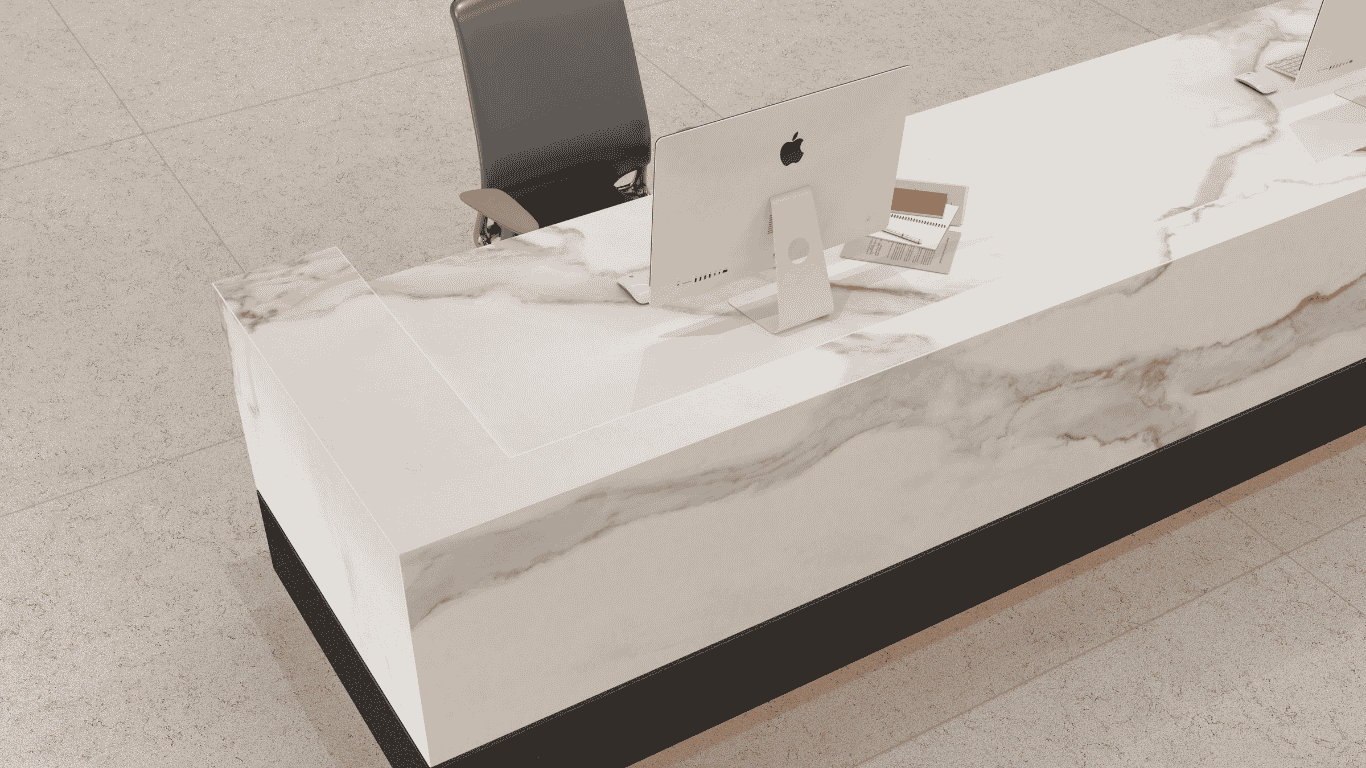
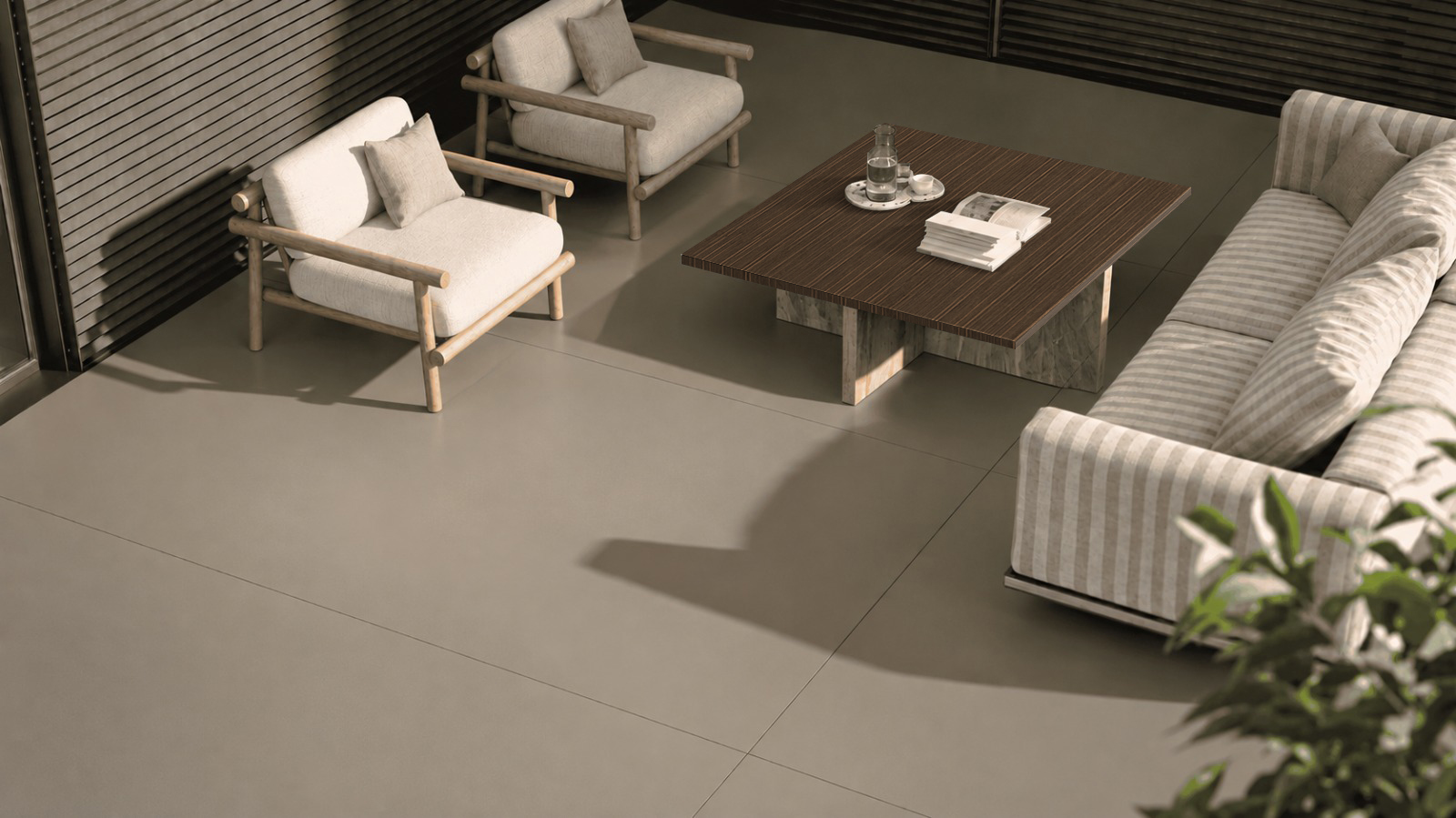
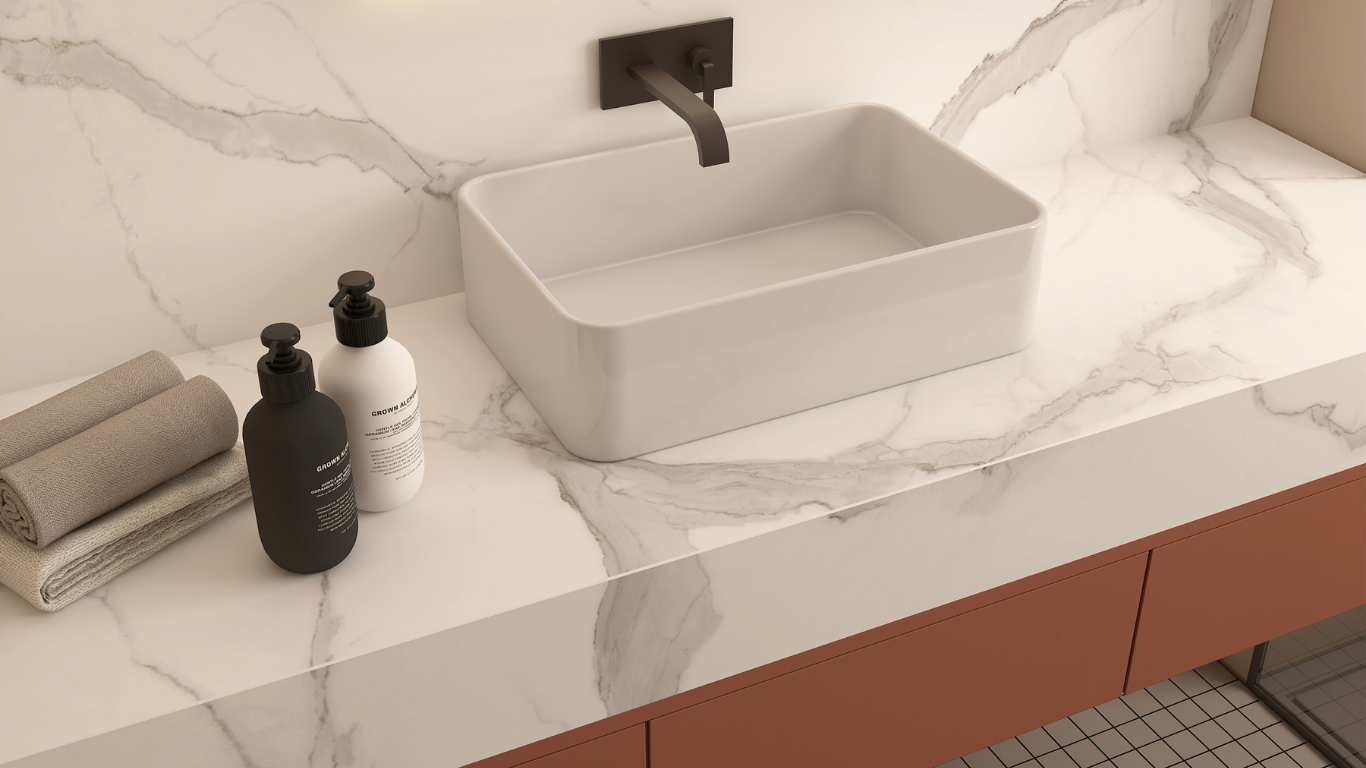
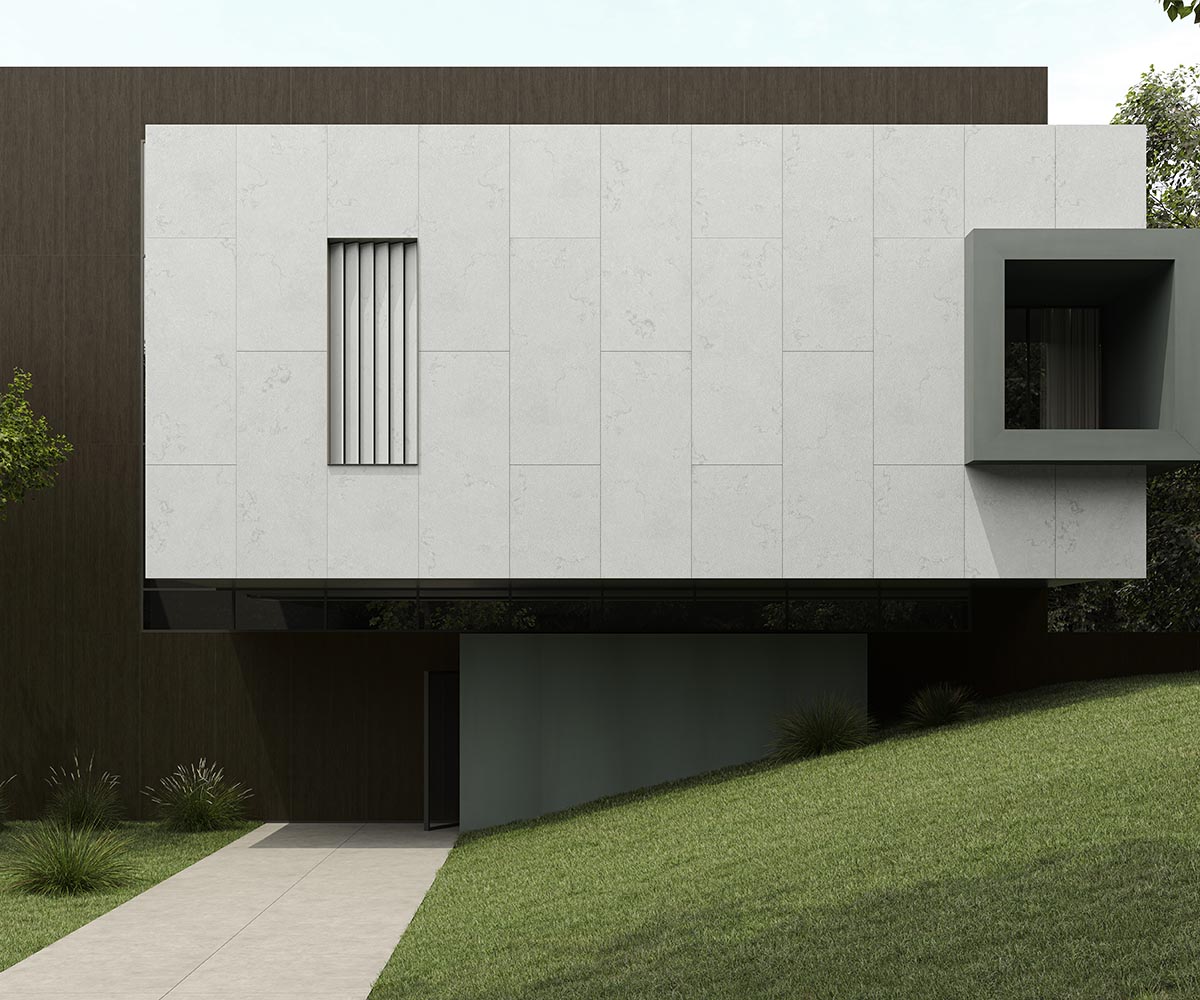
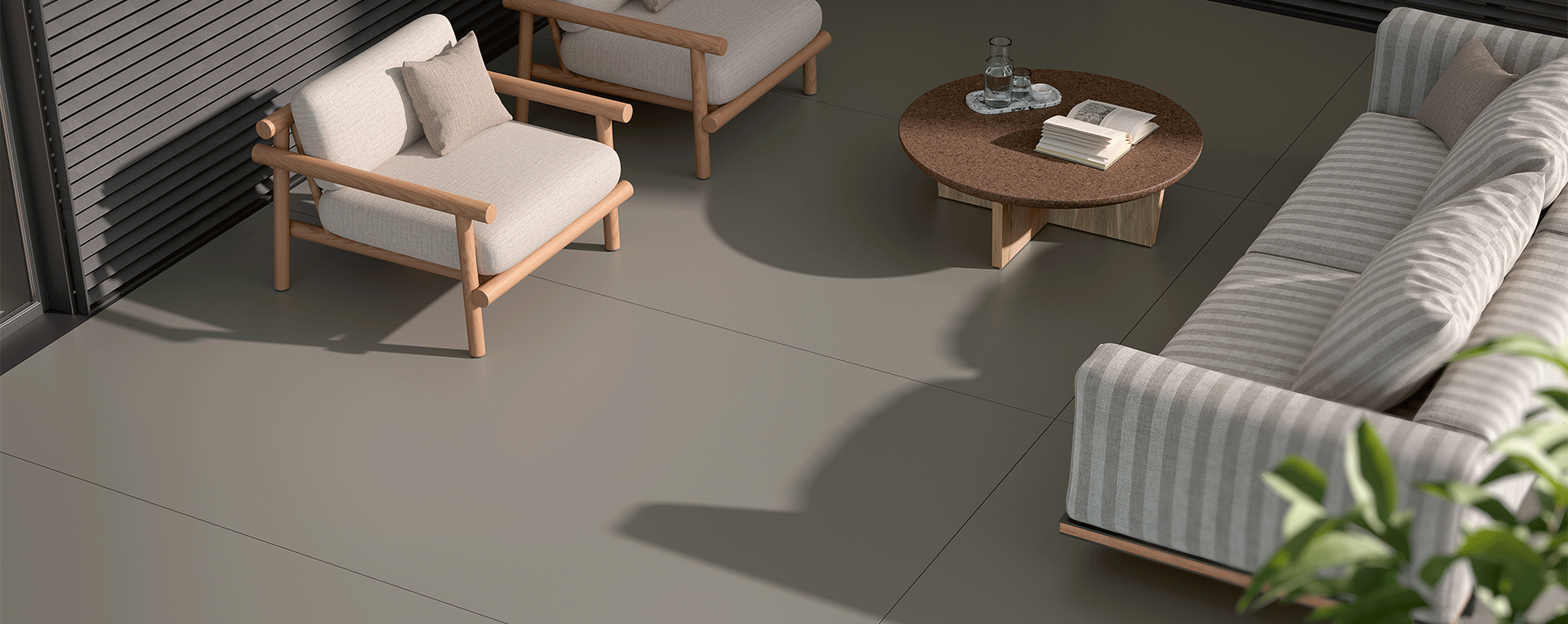
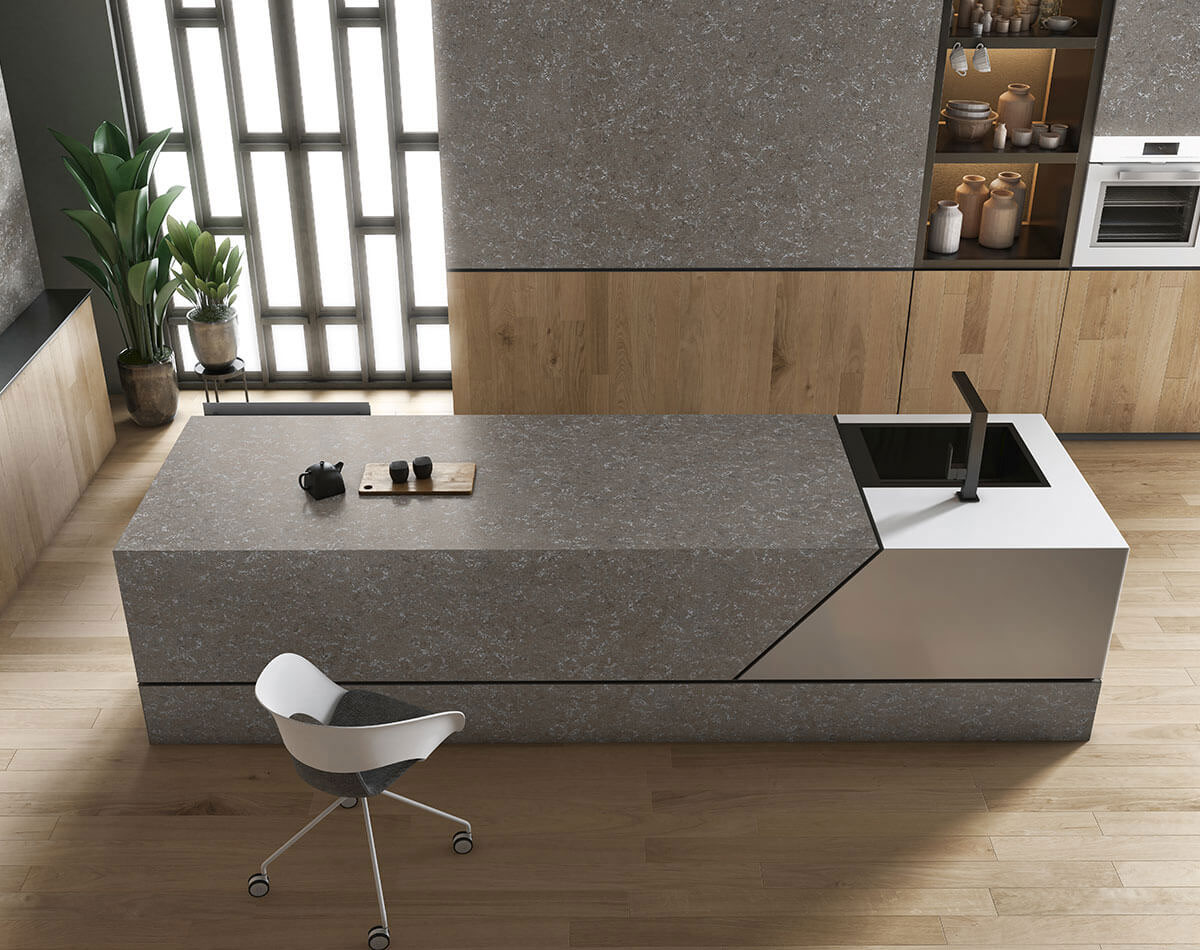
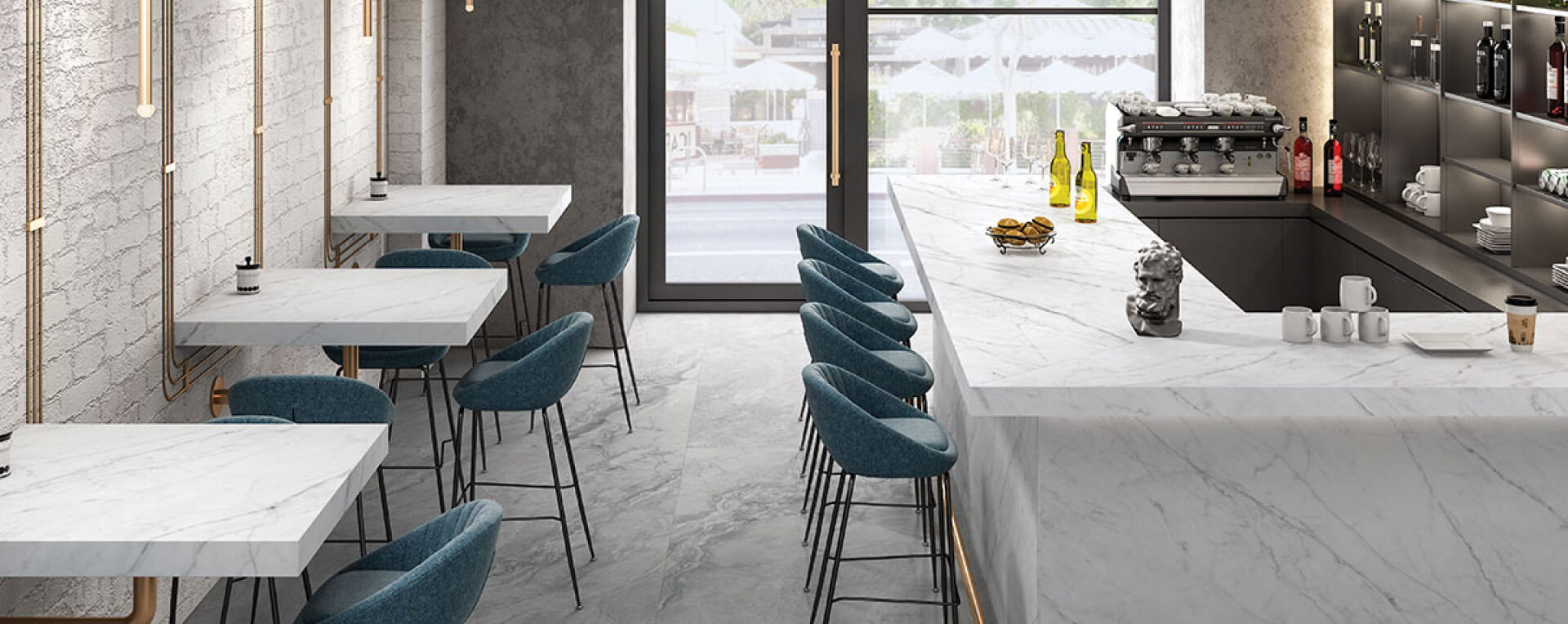
Sintered stone cladding is an engineered surface created by compressing natural minerals under extreme pressure and heat, resulting in a dense, uniform slab built for facade applications. Unlike traditional stone, it offers consistent pattern and colour across every panel, making large-scale installations look seamless from any distance. Available in a wide spectrum of looks, including stone, concrete, wood, and marble-look, giving architects the freedom to design facades that feel organic without the unpredictability of quarried material. The surface resists fading, staining, and everyday wear, holding its appearance through years of exposure. For projects that demand a refined, modern exterior with minimal upkeep, sintered stone facades have become a preferred choice among architects working on both commercial and residential exterior wall cladding.
Understanding Metal Cladding
Metal cladding refers to exterior panels made from materials like steel, copper, or aluminium, valued for a sleek, industrial aesthetic and structural versatility. It’s a common choice for institutional buildings, commercial towers, and modern homes aiming for a bold, minimal look. Metal panels can be shaped into folds, curves, and perforations, allowing architects to create geometric facades difficult to achieve with rigid slab materials. Finishes range from matt and anodised to painted, offering a broad palette of textures and colours. However, metal facades are prone to surface changes over time, including dents, scratches, and, depending on the coating and alloy, corrosion in coastal or humid environments. Regular maintenance helps preserve their original finish over the years.
Also Read: Top 5 Durable Stones for Kitchen Slabs in Indian Homes
Sintered Stone vs Metal Cladding
Placing metal cladding and sintered stone together reveals two very different design philosophies, one rooted in mineral density and the other in structural metalwork. Sintered stone brings a natural, textured warmth to facades, with finishes like stone, wood, and concrete looking like slabs that echo organic materials while staying dimensionally stable across large panels. Metal cladding, by contrast, leans into a sharper, industrial identity with the ability to be folded, moulded, and perforated into shapes that stone-based surfaces cannot easily replicate.
| Parameter | Sintered Stone Cladding | Metal Cladding |
| Design Flexibility | Large, uniform panels with a consistent pattern | Can be curved, folded or perforated into shapes |
| Weather Resistance | Resists fading, staining, and scratching | Prone to dents and corrosion in humid or coastal areas |
| Surface Finish | Stone, wood, concrete, and marble-look | Matt, anodised, brushed, or painted metallic finishes |
| Maintenance | Easy to clean, low upkeep | Requires more frequent upkeep to preserve finish |
| Aesthetic | Textured, natural, and architectural warmth | Industrial, sleek, and contemporary edge |
| Best suited for | Façades seeking a seamless, natural look | Facades seeking geometric and bold forms |
Performance in Different Weather Conditions
Weather is often the real test of any facade material, revealing strengths that showroom samples never show.
- Sintered stone resists moisture absorption, holding its finish and colour through harsh monsoons, summers, and cold winters alike.
- Its dense mineral surface stands up to UV exposure without chalking or fading over time.
- Metal cladding performs well in dry, stable climates but can struggle where moisture and salt air are present.
- Extreme temperature swings can cause metal panels to contract and expand, occasionally affecting joint alignment.
- Certain alloys and coatings are prone to corrosion in coastal and humid regions if not properly maintained.
- Sintered stone’s composition makes it largely indifferent to these fluctuations, holding its dimensional stability.
- For coastal cities, high-rainfall regions, or intense sun exposure, sintered stone offers steadier, more predictable performance.
Design & Architectural Appeal
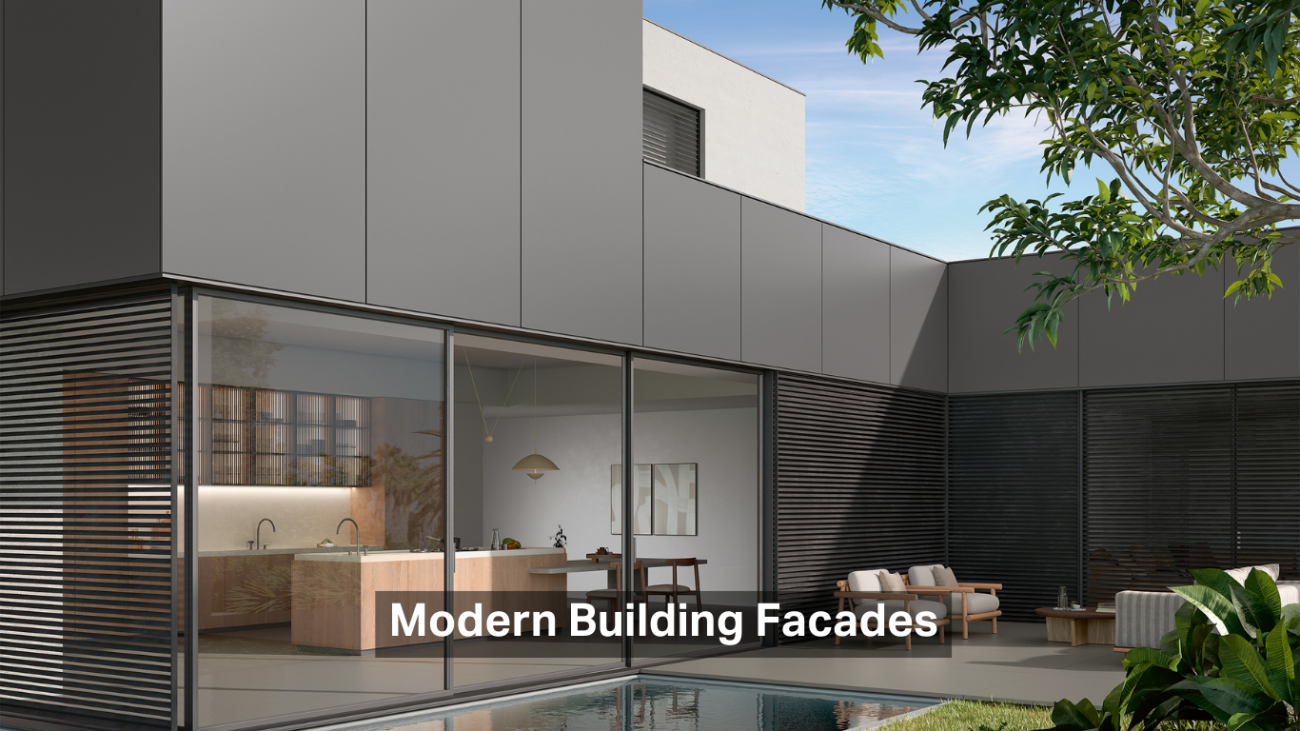
Design language sets metal cladding and sintered stone apart more than any other factor, shaping how a modern building facade feels from a distance and up close.
- Sintered stone brings a grounded, architectural presence, with stone, marble, wood, and concrete-look slabs that lend facades tactile, natural warmth without the upkeep of real timber or stone.
- The large panel format allows clean, uninterrupted surfaces suited to both classic and minimalist architectural styles.
- Metal cladding thrives on form manipulation, curves, sharp angles for dynamics, folds, perforations, and sculptural facades.
- Sintered stone suits designs seeking warmth and enduring durability; metal cladding suits designs chasing movement.
Cost & Long-Term Value
Upfront costs for metal cladding and sintered stone can vary widely depending on finish, installation complexity, and panel size, so direct comparisons aren’t always straightforward. Where sintered stone often gains an edge is in long-term value; its low-maintenance surface means fewer refinishing or repainting cycles over the years. Metal cladding often involves ongoing upkeep to manage scratches or corrosion, especially in demanding climates. For projects planning decades ahead, factoring in maintenance costs alongside the initial investment gives a clearer financial picture.
Also Read: 15 Front Facade Design Ideas for Modern Houses
Which Facade Material Should You Choose?
Choosing between sintered stone and metal cladding comes down to the story your facade needs to tell and the conditions it must endure.
- Choose sintered stone for a natural, seamless exterior cladding material with minimal upkeep and steady performance across seasons.
- Wood- and stone-look slabs suit both residential and commercial projects.
- Opt for metal cladding for an industrial edge and bold geometry, which is hard to replicate with slab materials.
- But metal may demand more maintenance in coastal or humid climates.
- Many architects blend both, using sintered stone for warmth and metal accents for contrast.
Ultimately, the right choice comes down to the character your facade needs to carry and the conditions it must withstand. Whether you lean towards the natural permanence of sintered stone or the sculptural freedom of metal, the decision should reflect your design vision and your building’s long-term needs.
Also Read: Top 7 Cladding Materials for Modern Building Exteriors
Why Choose Neotra Stones for Facade Applications?
Neotra brings engineered surfaces to facade design, offering both stone, wood, marble, and concrete-look slabs for cladding applications. Each panel is built for consistency and durability, resisting fading, stains, and everyday wear across large-scale installations. With looks that suit classic and minimal architecture alike, Neotra gives homeowners and architects a sintered stone facade material that feels premium without compromising on performance. The result is an exterior surface that holds its character through changing seasons and years of use. For projects that demand lasting beauty, Neotra is engineered to endure.