
Understanding Sintered Stone Countertops
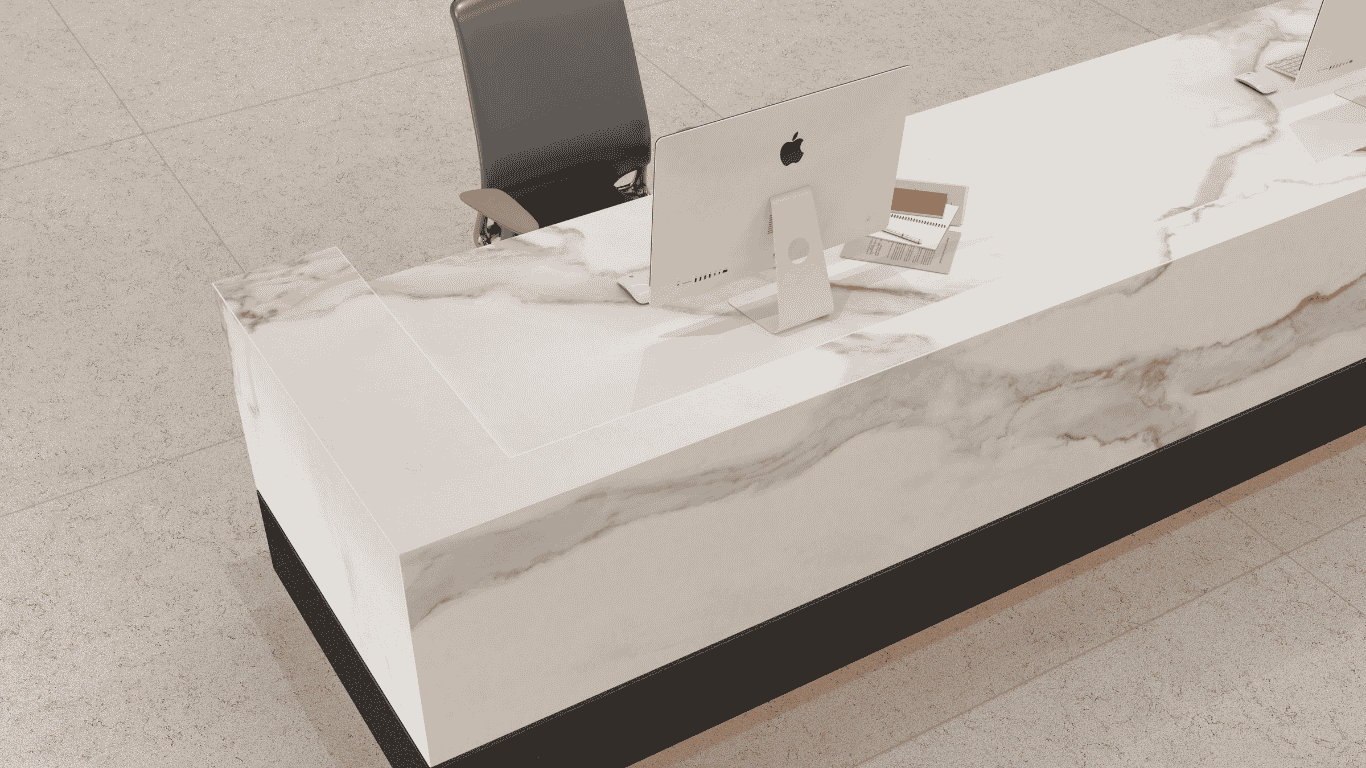
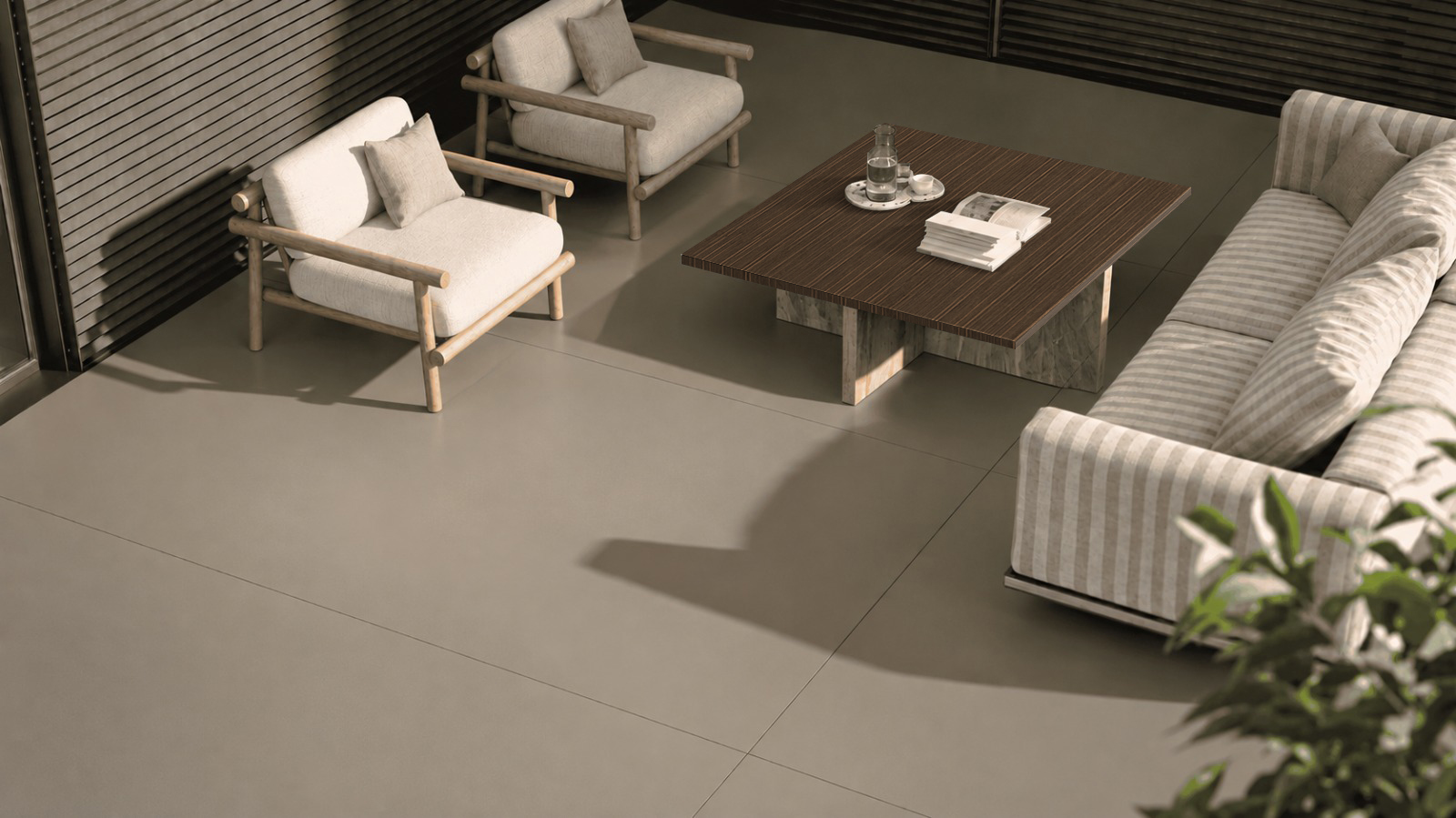
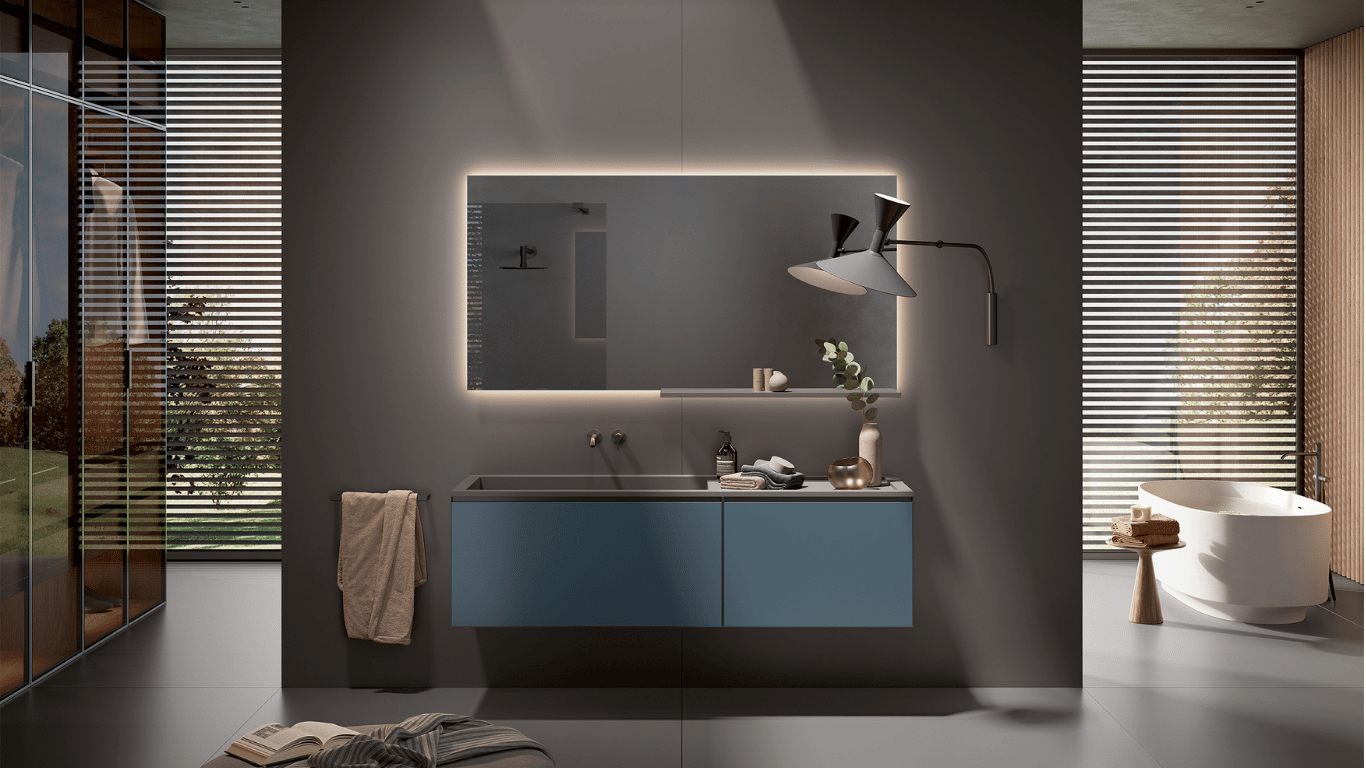
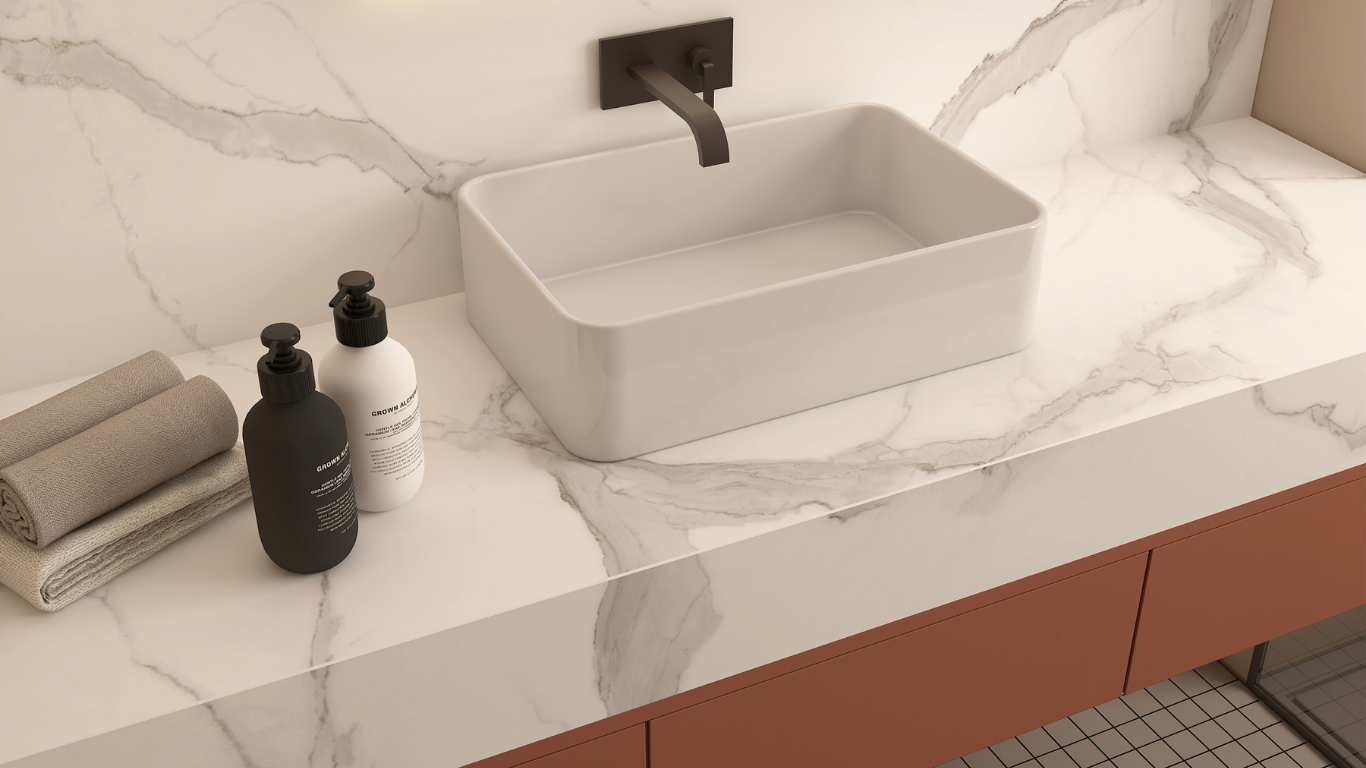
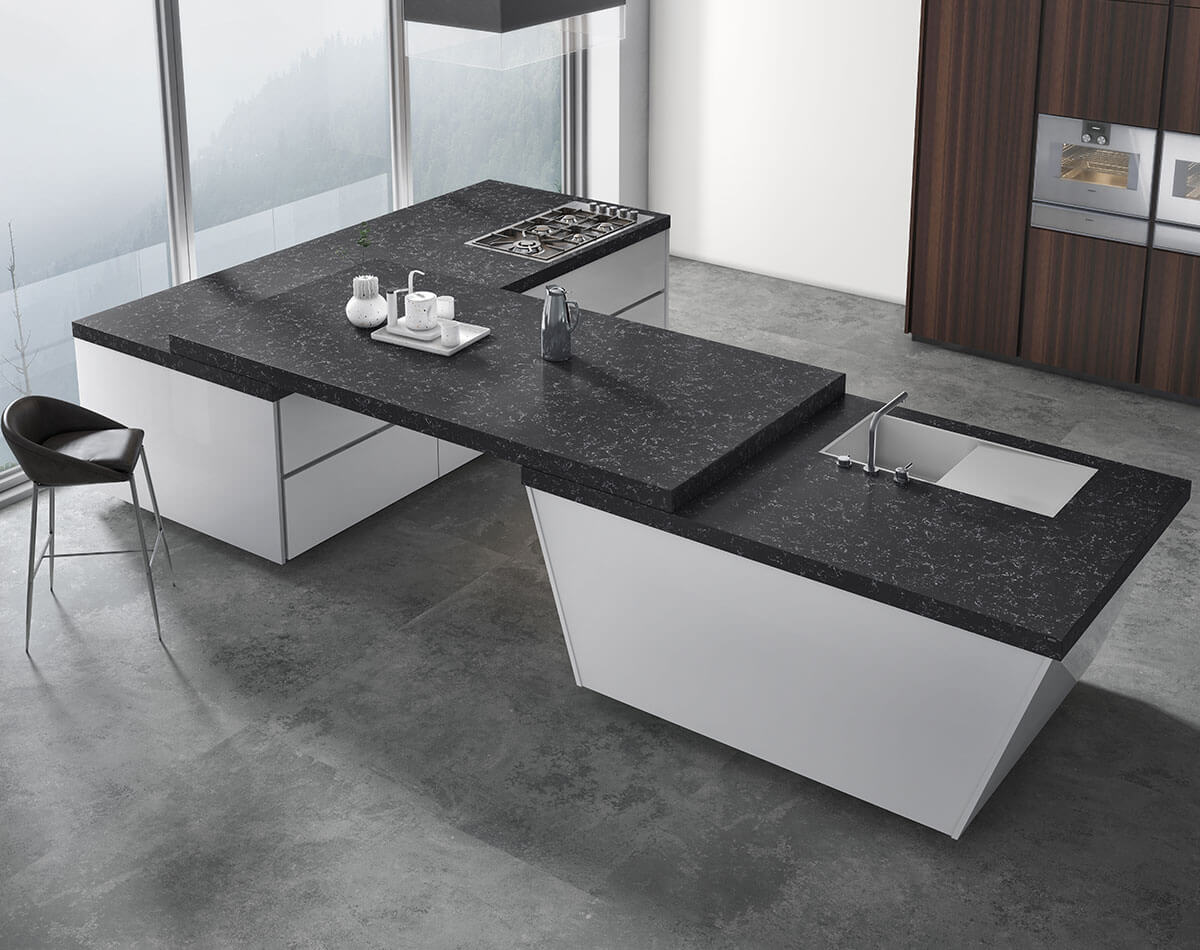
Sintered stone is the result of natural mineral raw materials subjected to extreme heat and pressure. The outcome is an exceptionally dense, low-porosity surface, one that resists scratching and heating with remarkable consistency, slab after slab. Being engineered rather than quarried also grants sintered stone a far richer design vocabulary, spanning stone, concrete, marble, and wood-look, each rendered with striking depth. For a kitchen, this translates into a surface of quiet confidence, one that withstands daily rituals with effortless grace without the sealing and upkeep natural stone traditionally demands.
What Are Quartz Countertops?
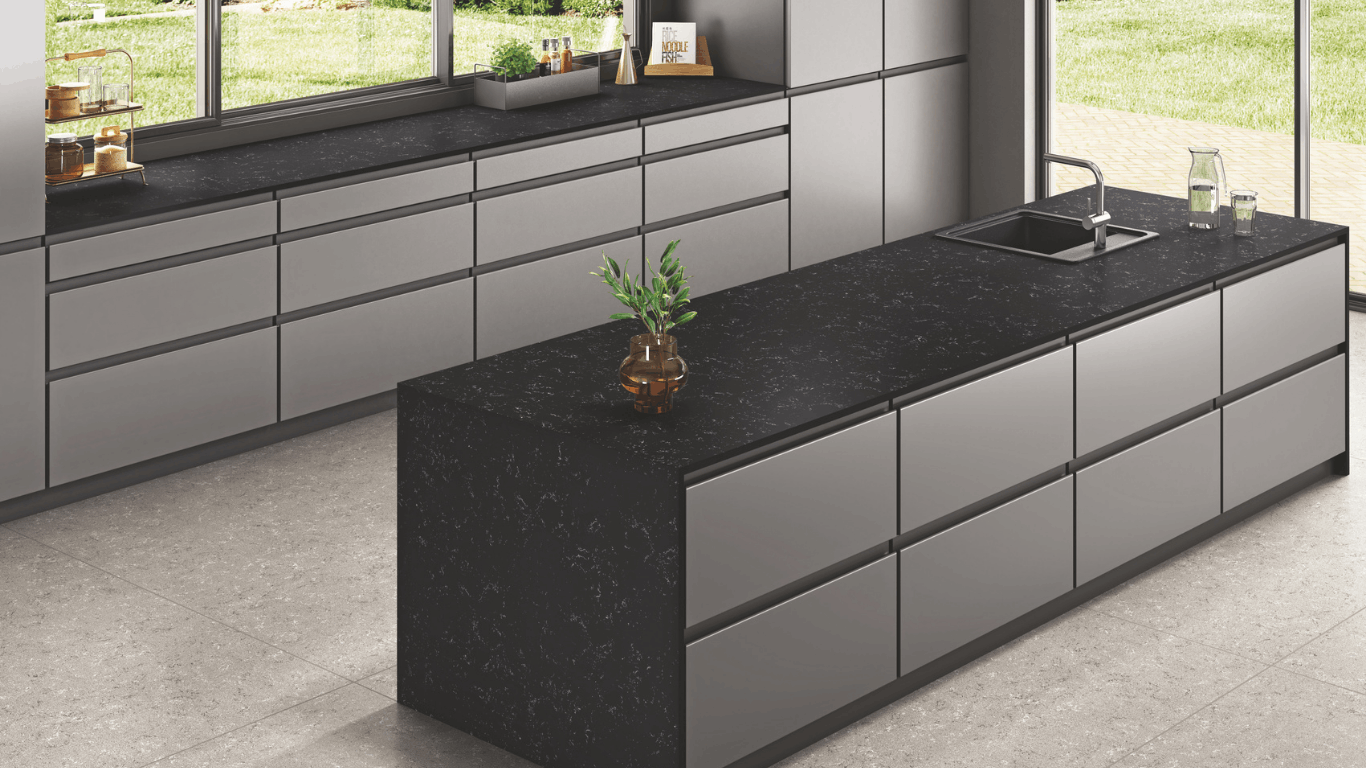
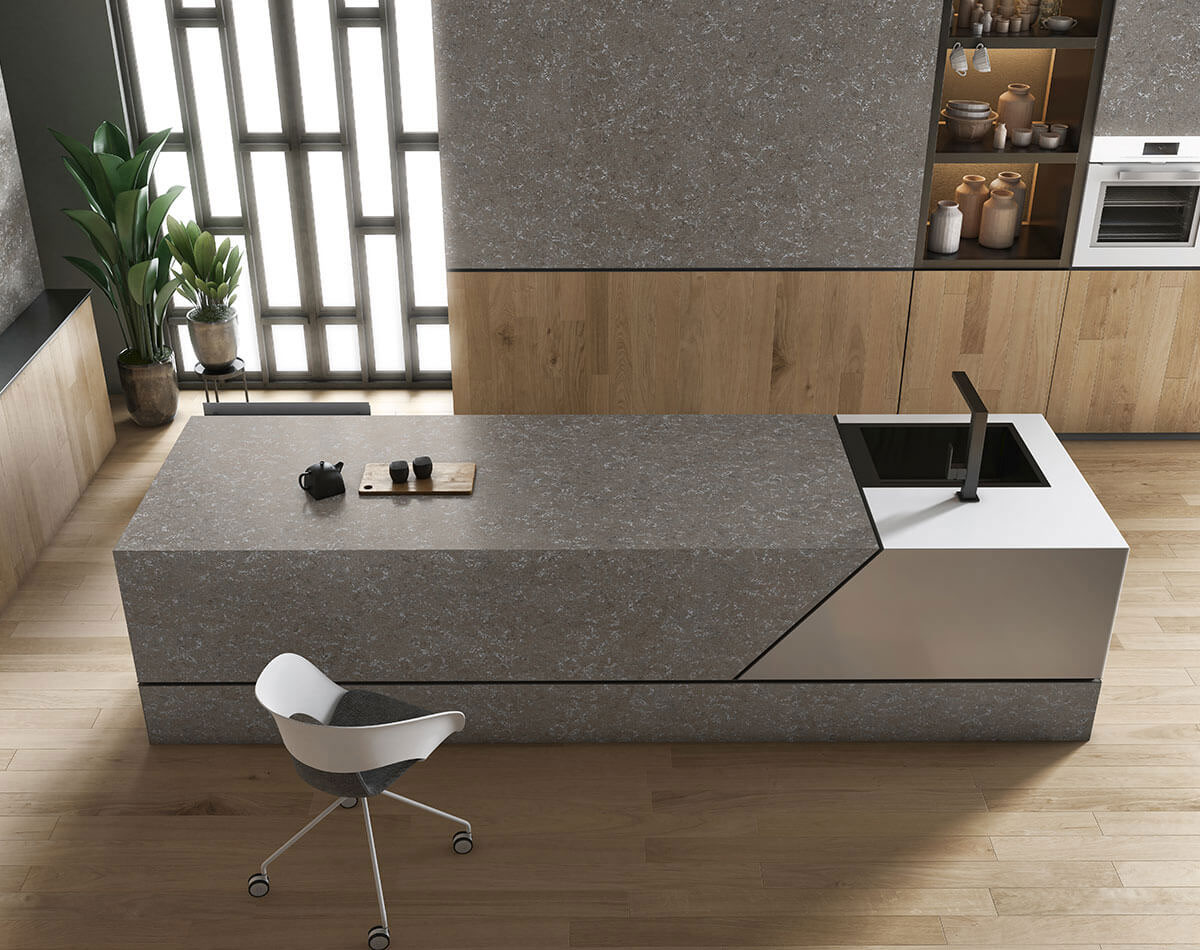
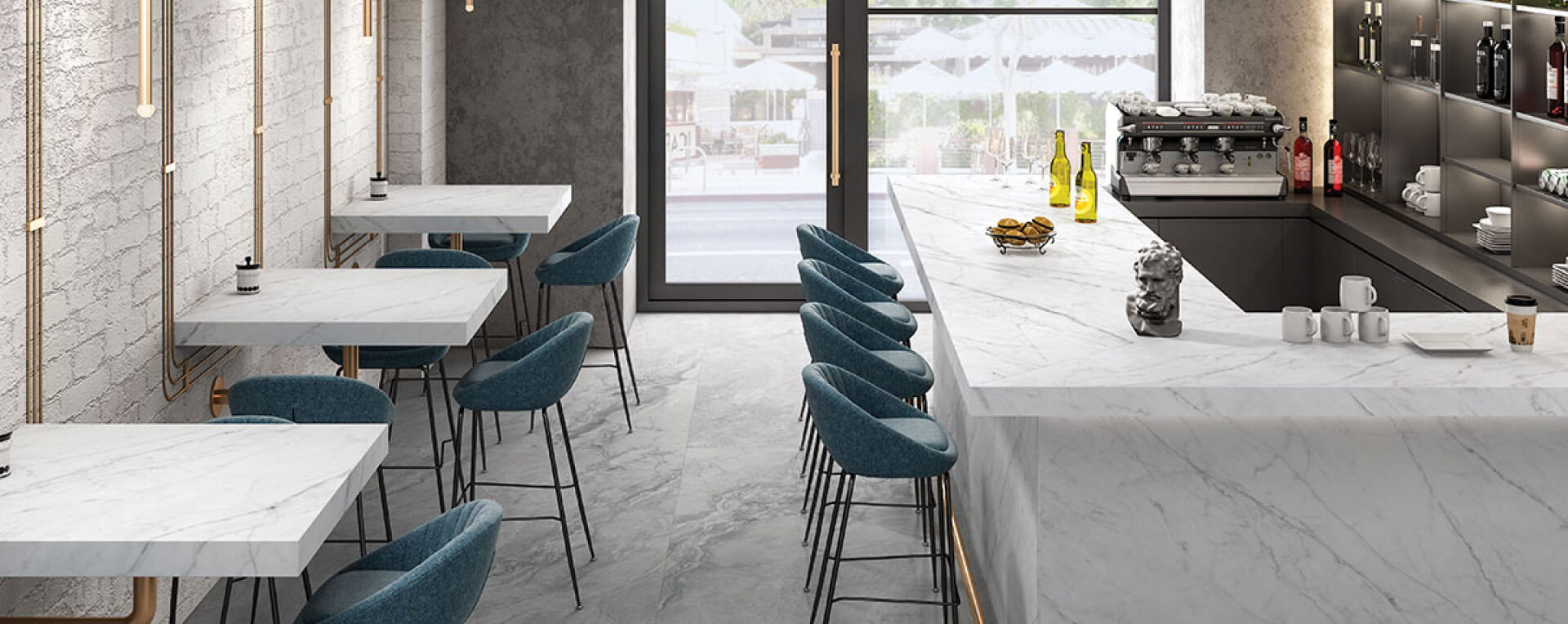
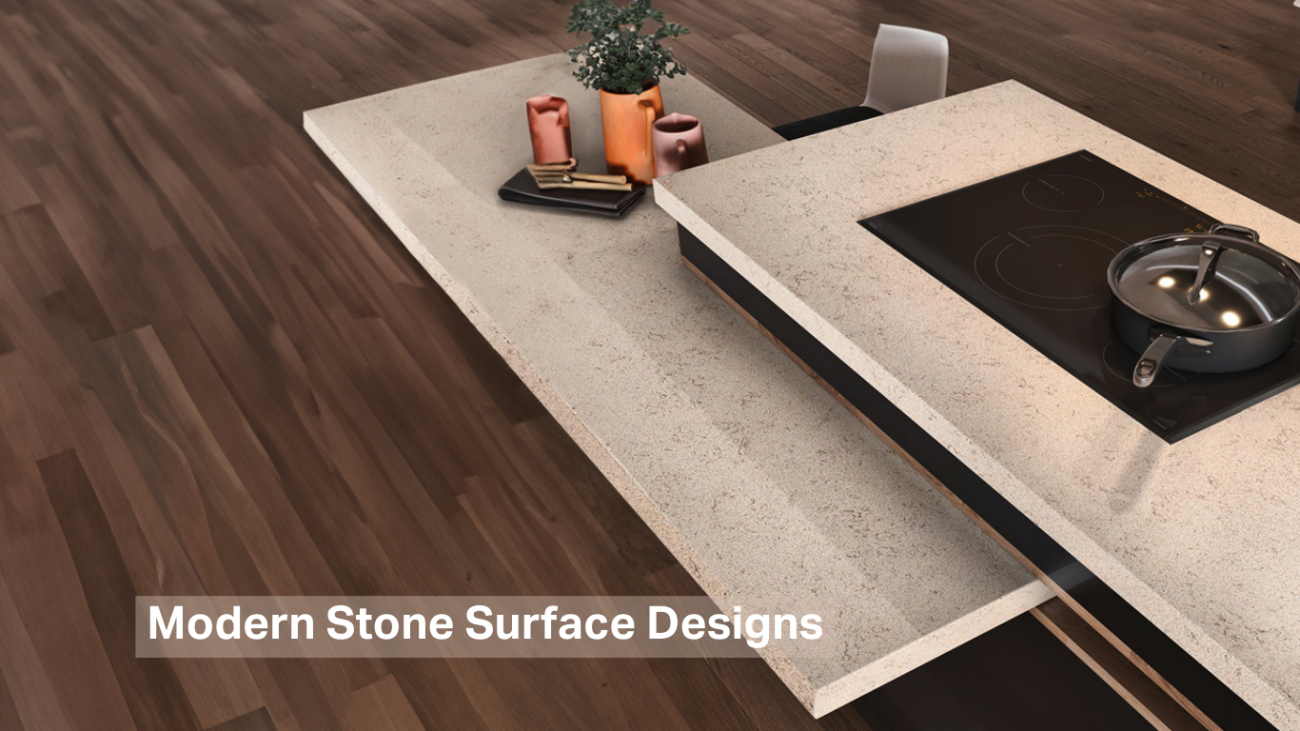
Quartz countertops are composed of roughly 90-95% crushed natural quartz, bonded with polymer resins and pigments, then compressed into refined slabs. This composition lends quartz a hard, non-porous surface with resistance to staining, sparing homeowners the need for sealing, a quality that has made it a favoured alternative to marble and granite. Yet the resin content that gives quartz its polish also limits its tolerance for heat; sustained contact with hot cookware can lead to discolouration or fine cracking over time. Quartz’s appeal lies largely in its uniformity, consistent colourways and veining that suit expansive islands and seamless waterfall edges with understated elegance.
Sintered Stone vs Quartz Countertops: Feature-by-Feature Comparison
At first glance, engineered stone and quartz appear to occupy similar territory; both are engineered, available in generous slab formats, and durable. Here’s how the two compare across the qualities that define true longevity—
| Feature | Engineered Slabs (Neotra) | Quartz |
| Composition | Natural minerals, composed under heat and pressure | Crushed quartz with resin binders |
| Heat Resistance | Withstands direct contact with hot cookware | Moderate resin content limits heat tolerance. |
| Scratch Resistance | Outstanding | High, though the resin surface can scratch over time |
| Porosity | Very low, resisting stains without the need for sealing | Stain-resistant, non-porous |
| Design Range | Stone, marble, concrete, and wood look | Largely stone- and granite-inspired patterns |
| UV Stability | High; the colour remains true even under prolonged sun exposure | May fade or yellow with extended UV exposure |
| Maintenance | Minimal, no sealing required | Low, though sensitive to harsh chemicals and heat |
| Application | Cladding, flooring, furniture, countertops, and more | Primarily vanities and countertops |
The comparison reveals sintered stone’s quiet edge in heat performance, versatility, and colour permanence across surfaces, qualities that matter deeply within the rhythm of an Indian kitchen.
Also Read: Top 5 Durable Stones for Kitchen Slabs in Indian Homes
Which Material Performs Better in Indian Kitchens?
Indian kitchens present a distinctive set of demands: searing heat, generous use of oil, persistent humidity, and richly pigmented spices, conditions that test a kitchen worktop far beyond ordinary use.
- Heat and Humidity – Indian cooking often calls for tempting, setting hot vessels straight onto the counter, and deep-frying. Sintered stone’s mineral composition absorbs this heat with ease and without discolouration, while quartz’s resin content makes it more susceptible to heat marks near the stove.
- Everyday Stains – Chilli, oil, and turmeric are unforgiving on lighter surfaces. Sintered stone’s low porosity resists pigment absorption with far greater grace, preserving its finish beautifully over the years.
- Semi-open and sunlit kitchens – Many Indian homes feature kitchens bathed in natural light or opening onto balconies. Sintered stone’s UV stability ensures its colours remain unwavering, a distinct advantage over quartz in sun-drenched spaces.
For Indian households, sintered stone stands as the more resilient companion to the particular character of regional cooking.
Design & Aesthetic Differences
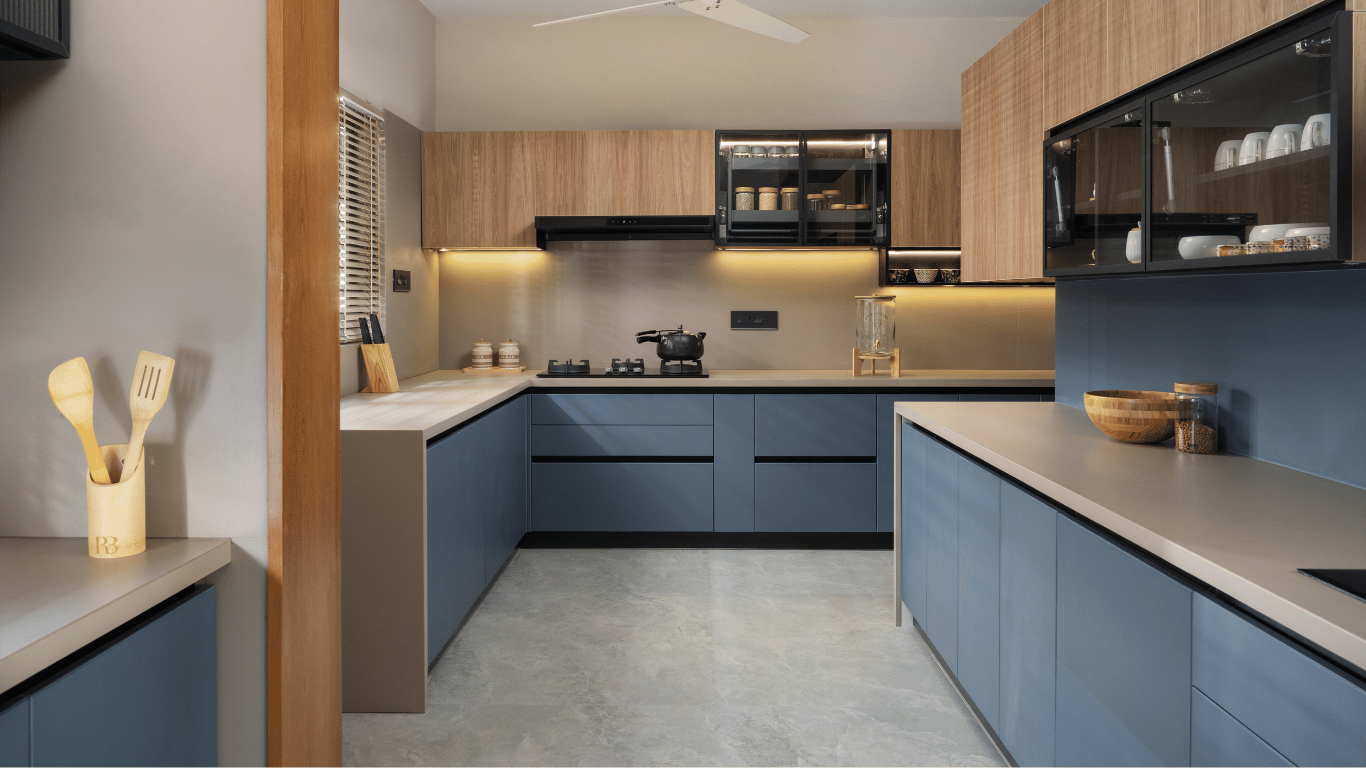
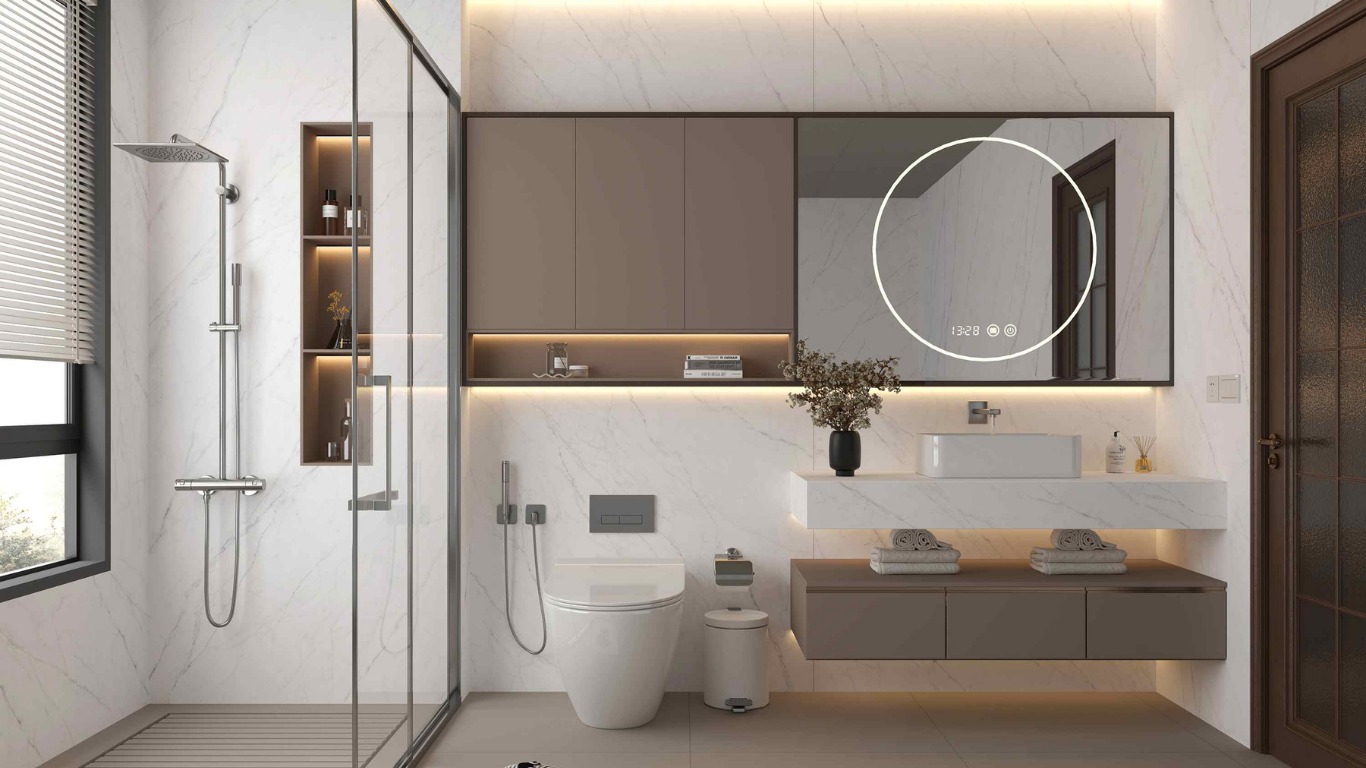
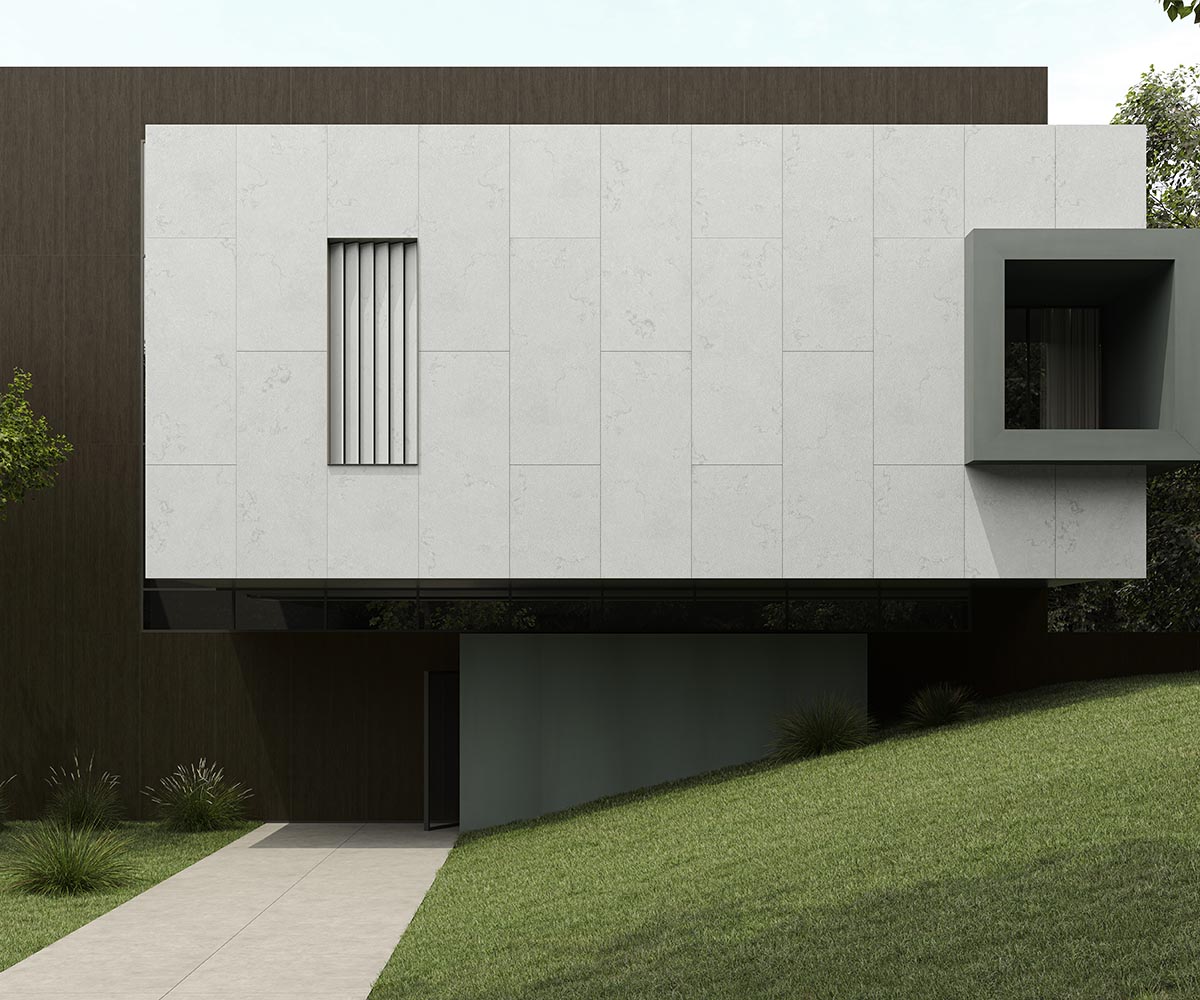
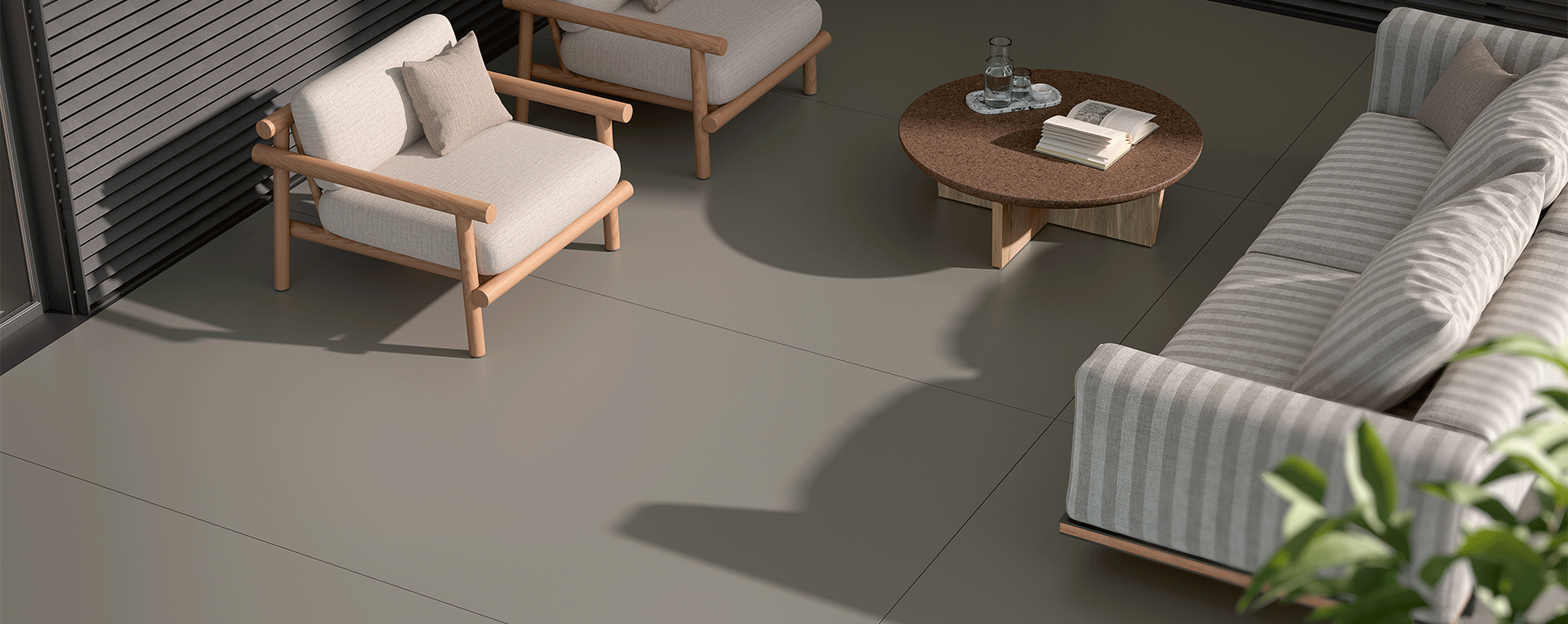
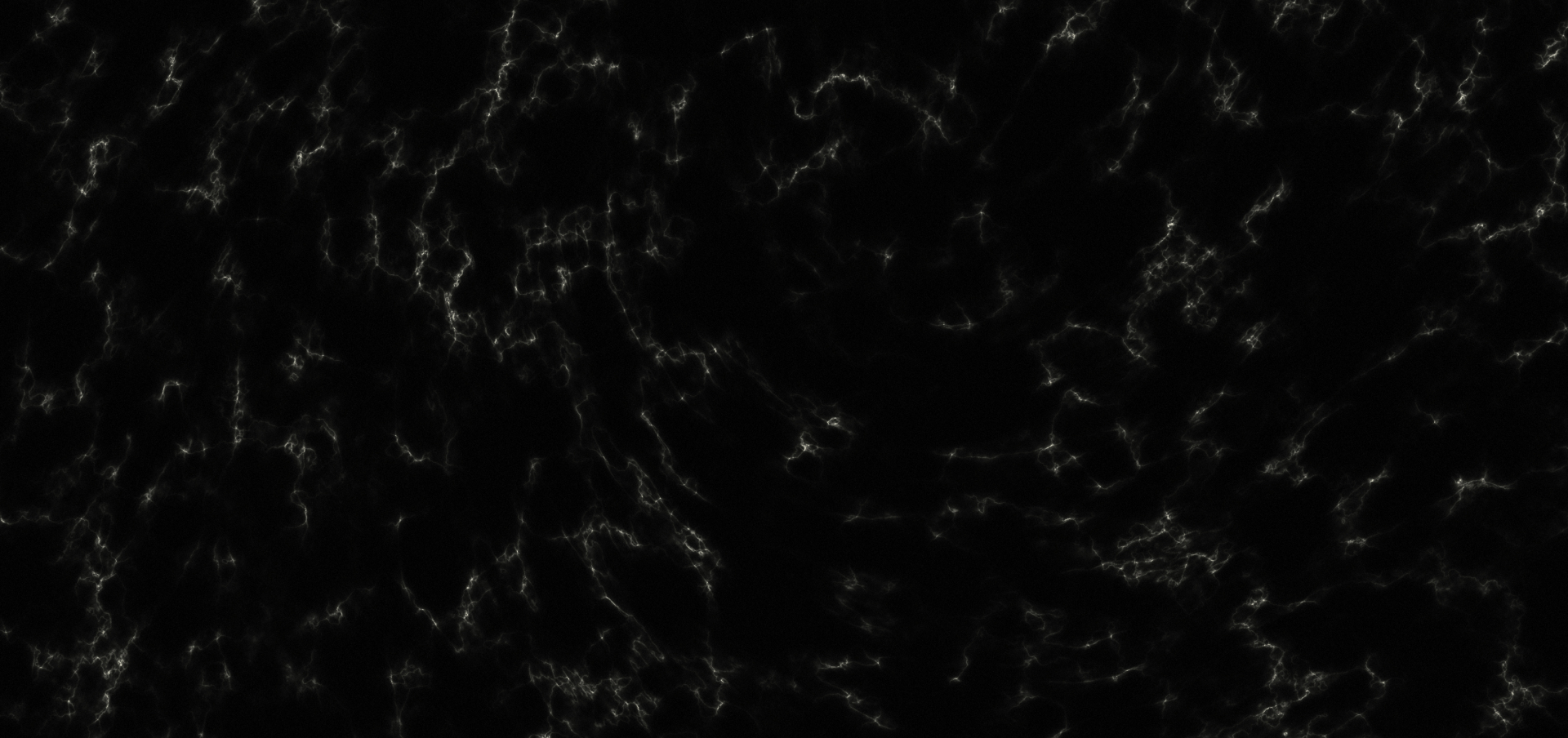
It is in design where the two materials reveal their most striking contrast. Quartz presents stone- or granite-inspired patterns with fairly repeatable veining, a polished, uniform look well-suited to backsplashes and islands. Sintered stone, in comparison, commands a far more expansive design language: concrete, wood, stone, and marble looks. This versatility extends sintered stone’s presence well beyond the counter; the same slab can flow seamlessly onto wall cladding, weaving together the backsplash, counter, and surrounding walls into a single, considered composition. For those envisioning a kitchen with true material harmony, sintered stone offers a far richer canvas to design upon.
Cost Comparison
Quartz countertops tend to be more accessible in price, owing to widespread, standardised manufacturing. Sintered stone typically commands a higher investment, reflecting its intricate production process, expansive slab sizes, and versatility across cladding, flooring, and countertops alike. While the initial outlay is greater, sintered stone’s resistance to stains, heat, and time often rewards homeowners with far lower maintenance and replacement costs across the years.
Also Read: Top 7 Cladding Materials for Modern Building Exteriors
Which Countertop Should You Choose?
The right choice ultimately reflects how your kitchen lives day to day. For households that cook with high heat, bold spices, or a small semi-open kitchen bathed in sunlight, sintered stone’s heat- and stain-resistant, enduring colour makes it the more considered, long-term investment. Where budget takes precedence, and daily use is lighter, quartz remains a dependable, cost-conscious choice. But for those who envision true design continuity, a single material flowing from countertop to cladding to accent wall, sintered stone offers a richness and versatility quartz simply cannot rival.
Why Choose Neotra Stones?
Neotra brings the performance and versatility into a single, considered range. Available in stone, wood, concrete, and marble-look slabs, our engineered surfaces are crafted for both cladding and countertops, allowing one refined material to flow effortlessly from backsplash to counter to accent wall. It is a choice made for kitchens that are meant to be lived in beautifully, every single day.