

Why Window Glass Design Affects Your Home’s Ambience
Window glass design influences how daylight enters and moves through a home. The right glazing can improve comfort, highlight interior materials, and create brighter, more balanced living spaces.
- Controls the quality, quantity, and distribution of natural daylight
- Impacts mood, visual comfort, material appearance, and energy use
- Clarity, diffusion, and dynamic glazing technologies influence visible light transmittance, glare, and solar heat gain
- Placement and geometry affect how light travels through interiors and highlights surfaces
- Thoughtful glazing helps reduce glare, avoid thermal bridges, and enhance premium surface finishes
- Properly selected glass improves perceived space, maintains material colour consistency, and creates luminous interiors
- Supports comfortable and energy-efficient living environments throughout the home
12 Window Glass Design Ideas
Home glass window designs fall into various categories. Here are the top 12 window glass design ideas to enhance natural light—
1. Floor-to-Ceiling Clear Glass Windows
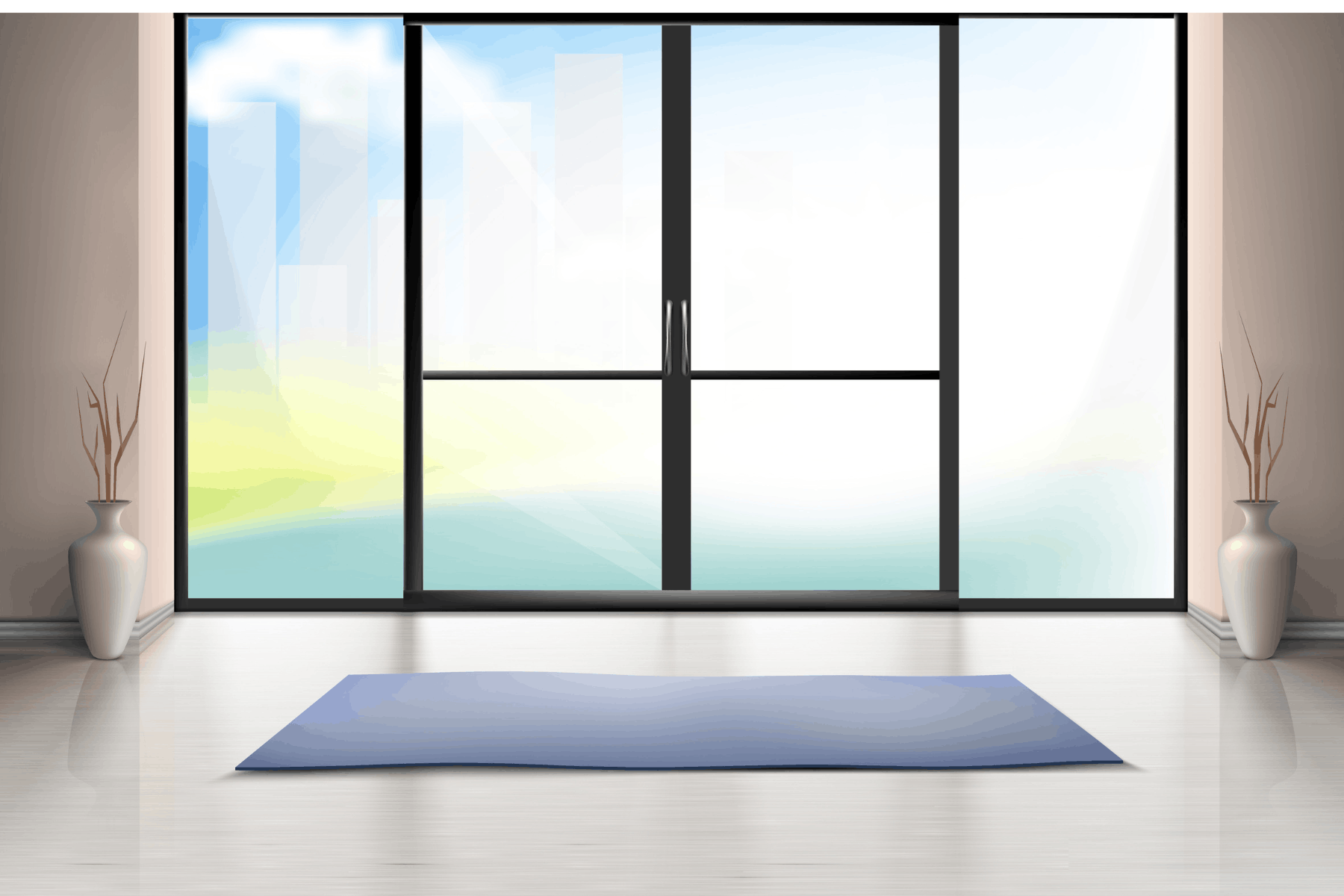
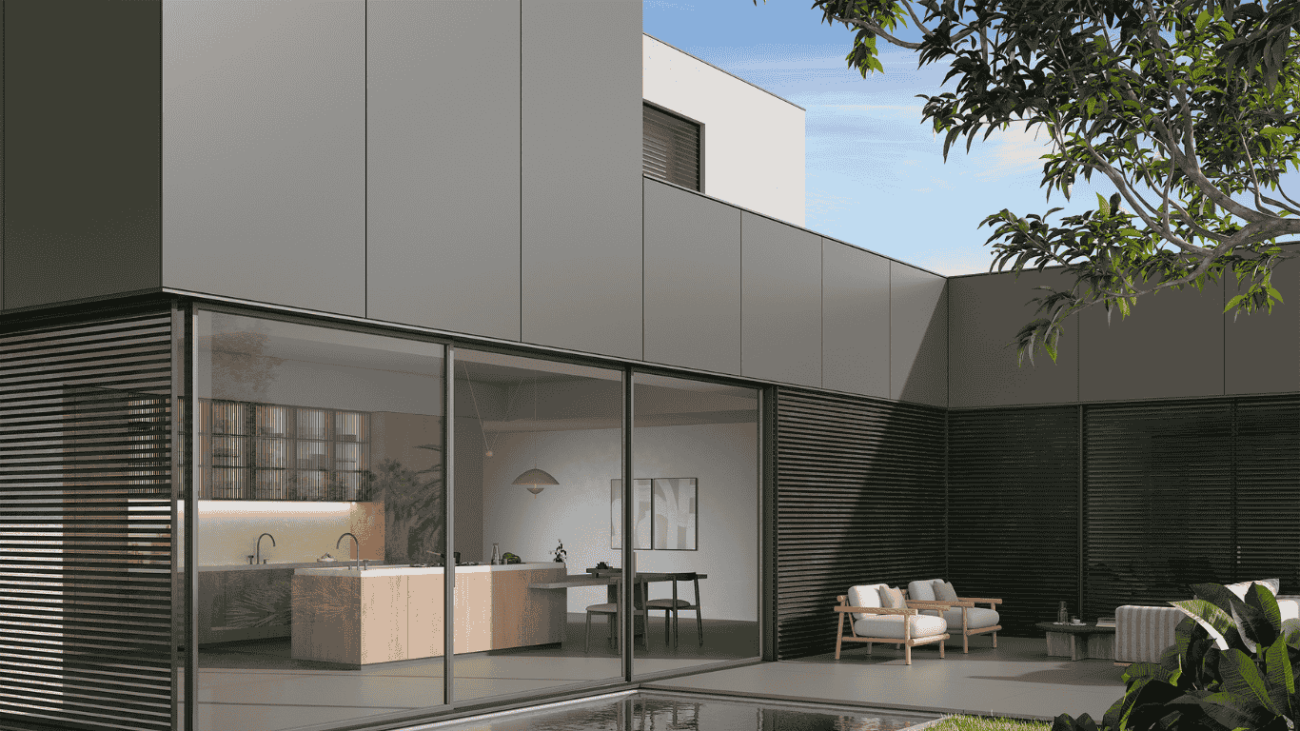
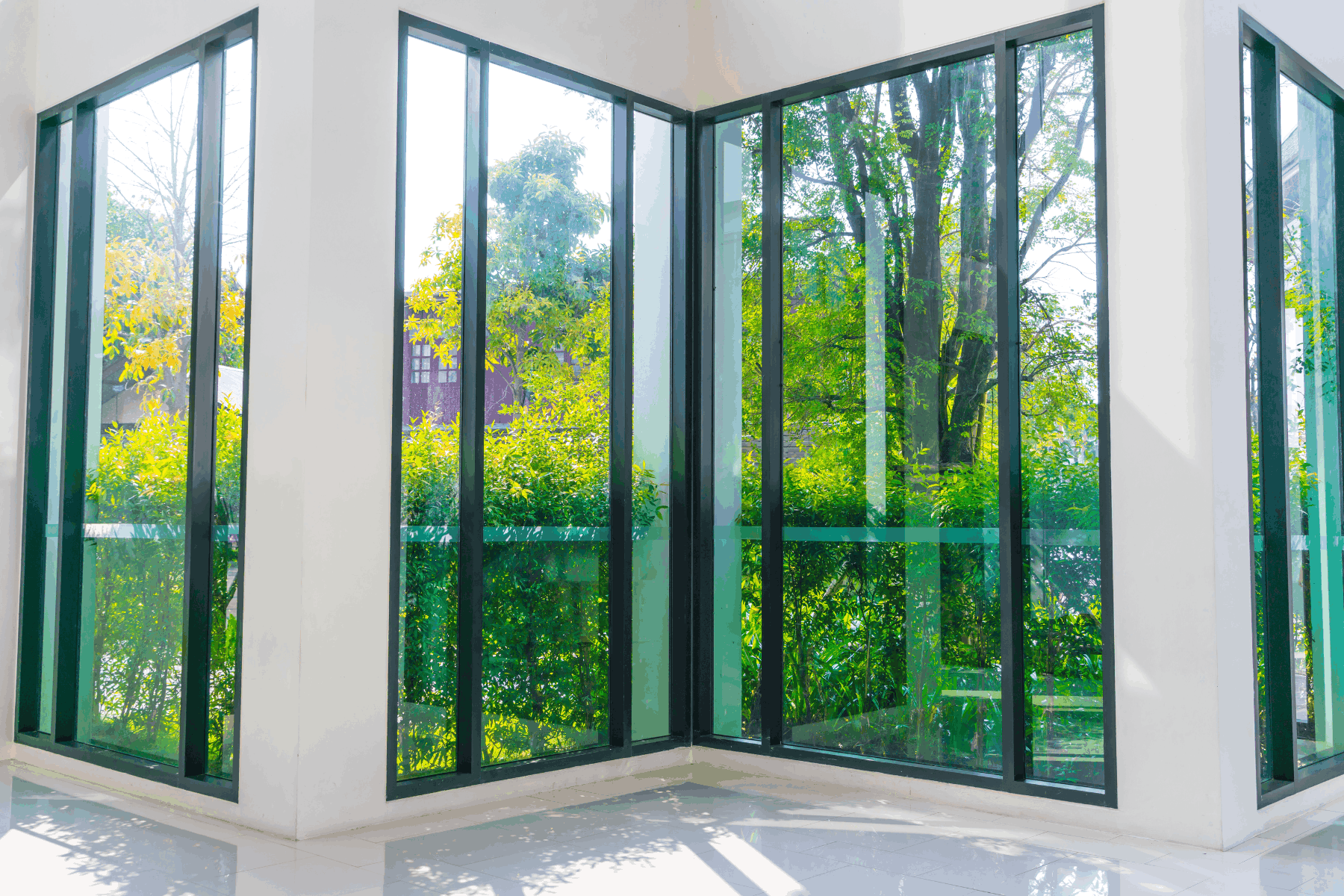
Clear glass windows from floor to ceiling maximise visual connection and admit expansive daylight. The uninterrupted glazing enlarges perceived volume and brings balanced light deep into spaces. To manage heat and glare, pair clear glazing with low coatings, selective solar control, or external shading. Neotra surfaces complement these installations as precision-engineered window sills that provide a refined junction between glass and interior finishes, protecting edges while enhancing the visual transition.
2. Frosted Glass for Privacy and Diffused Light
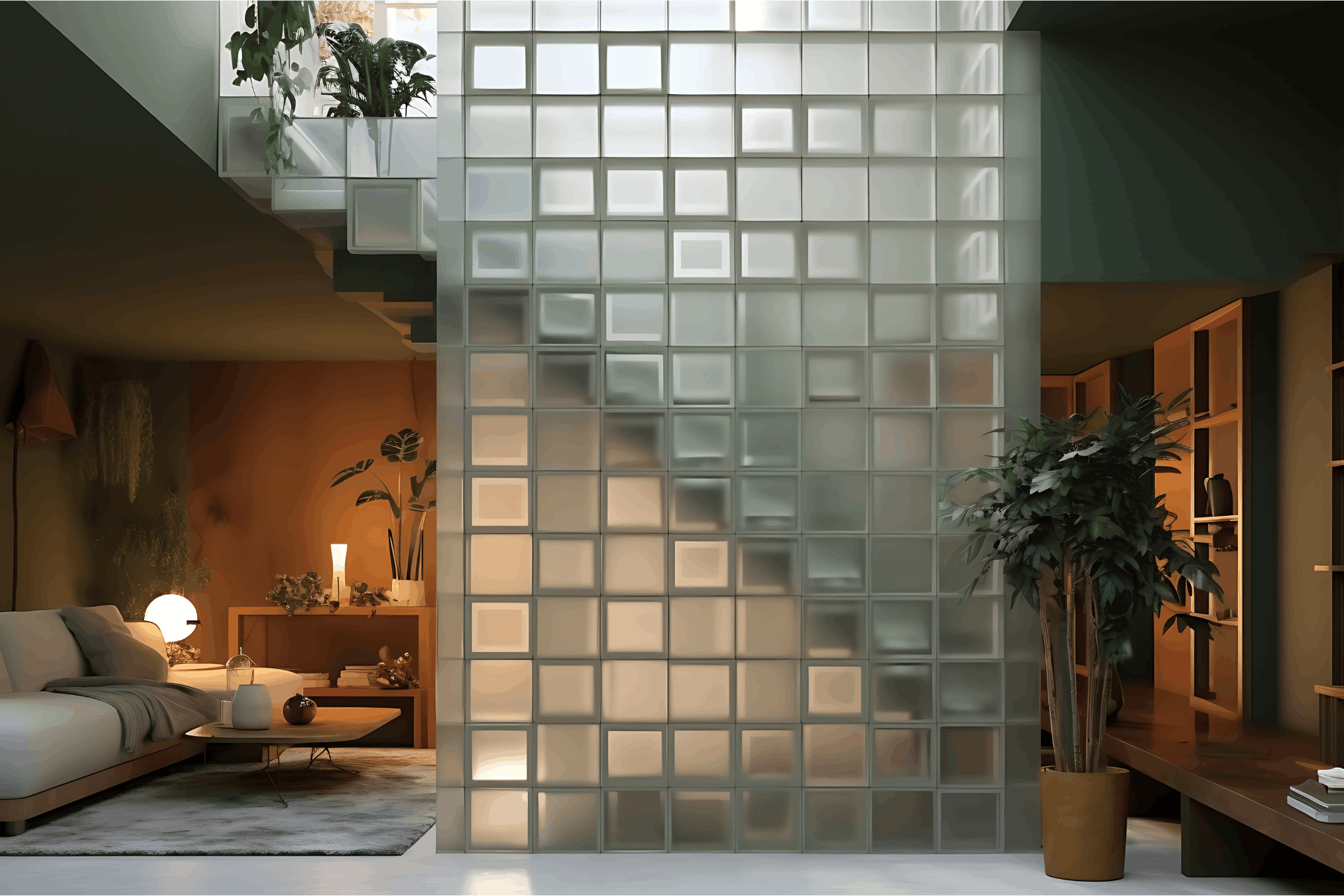
Provides soft, diffused daylight while preserving privacy through surface microtexture. A translucent finish reduces glare and produces uniform interior illumination, which is ideal for offices, partitions, and contemporary bathroom designs. Frosted glazing can be combined with clear panels to retain daylight depth. Neotra surfaces can be used as narrow sill caps to frosted panels, offering a moisture-resistant and low-maintenance finish that complements the muted light quality.
3. Tinted Glass Windows
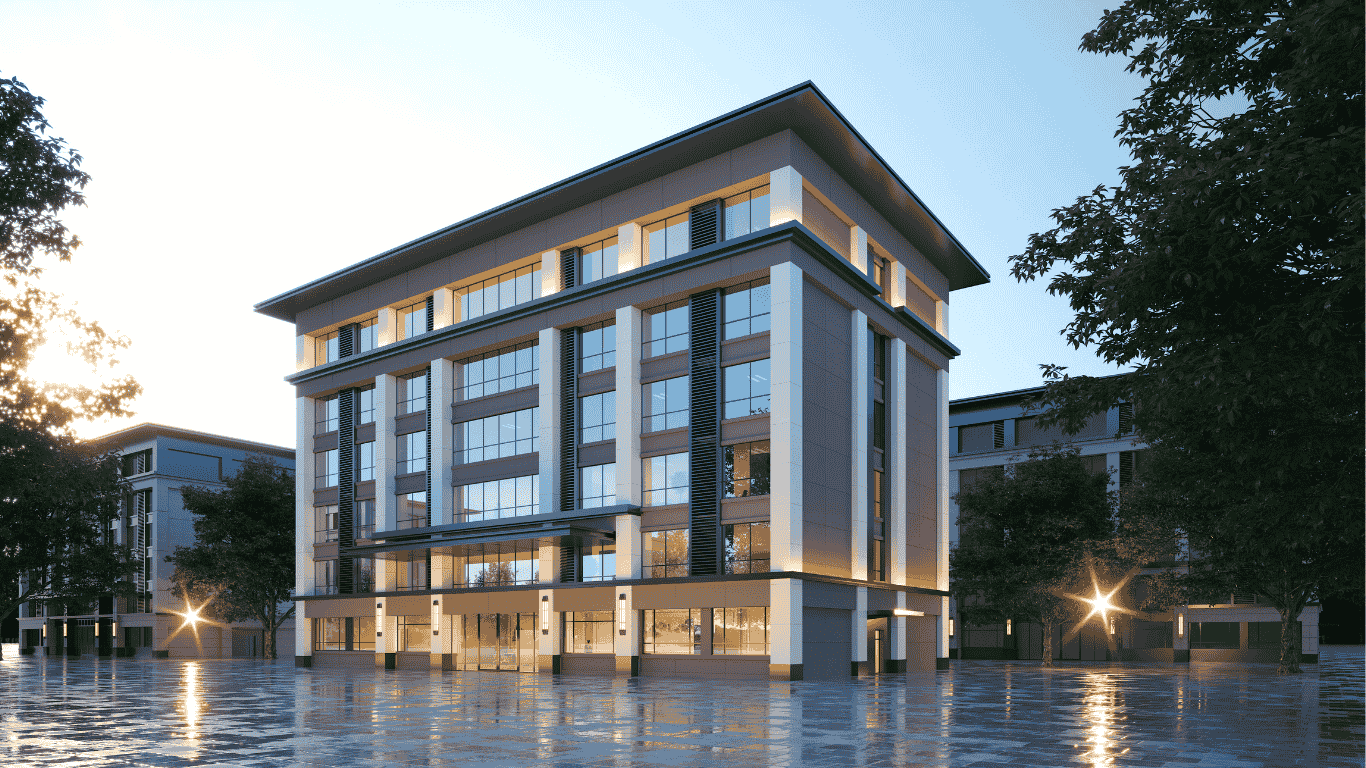
Reduces glare and solar heat gain while still admitting daylight, producing cooler interior tones. Subtle grey, blue hues, or bronze tints are effective for sun-exposed exterior facade panels and roof glazing. They help balance daylight with thermal comfort without completely obstructing views. Use Neotra surfaces as external trim where tinted glazing and cladding meet, protecting the assembly and offering colour-coordinated premium finishes.
4. Stained-Glass Feature Windows
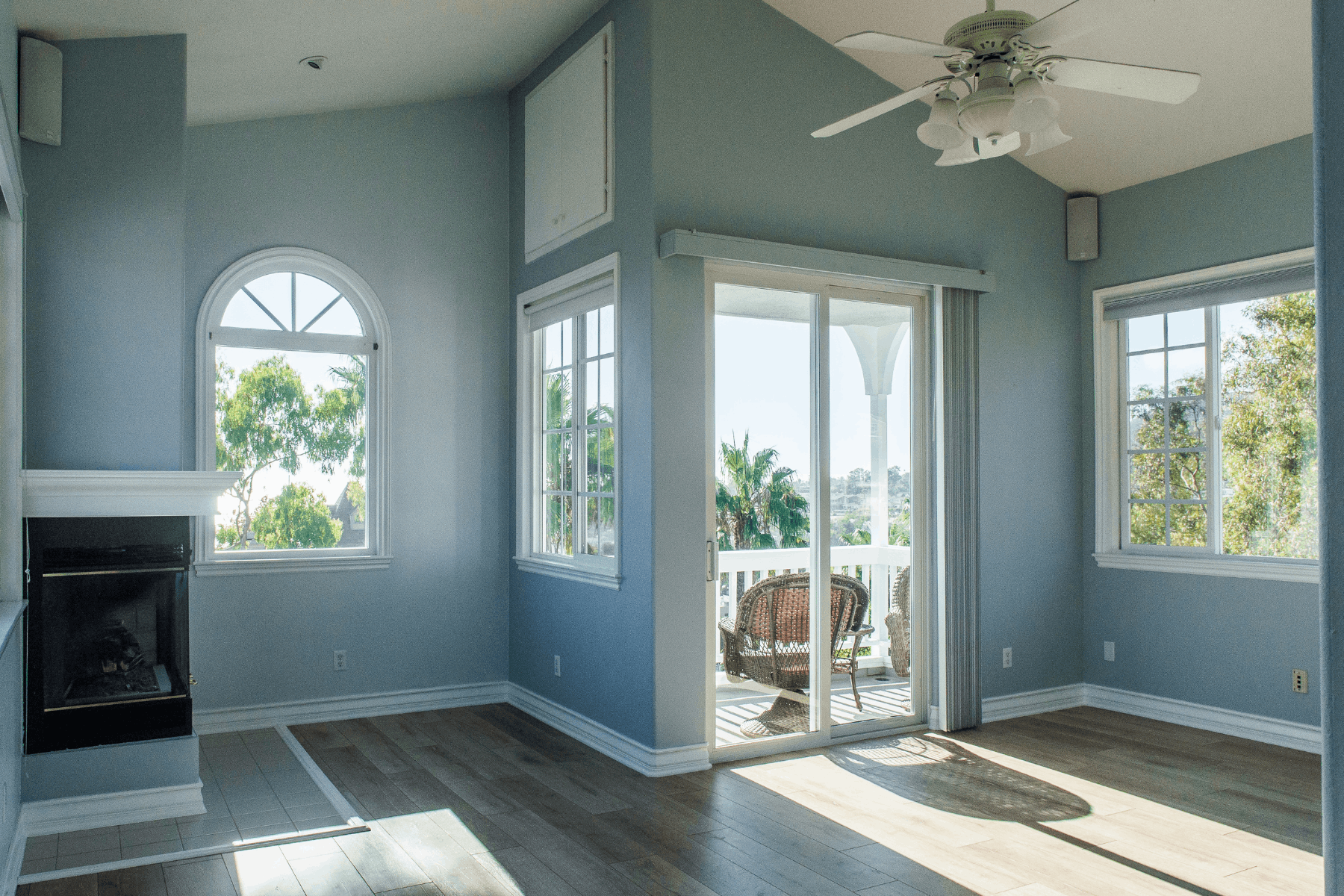
Adds artistic colour and patterned light, turning daylight into a design element. Contemporary methods such as printed interlayers or enamel deliver durable colour and fine detail. Feature-stained panels suit entry niches and stairwells where captured light animates interiors. Neotra’s sills can frame these installations discreetly, offering neutral, durable surfaces that protect edges and complement the stained palette without competing visually.
Also Read: Staircase Designs for Homes - 15+ Stylish Stairs Ideas
5. Double-Glazed Insulated Glass
Offers strong thermal insulation and reduced consideration while maintaining daylight. Consisting of two panes separated by a gas-filled cavity, IGUs enable large glazed areas with energy performance. Low e-coatings and warm-edge spacers further optimise value. Neotra surfaces can serve as moisture-resistant internal sill caps to ensure proper drainage and to protect interior surfaces.
6. Textured or Patterned Glass
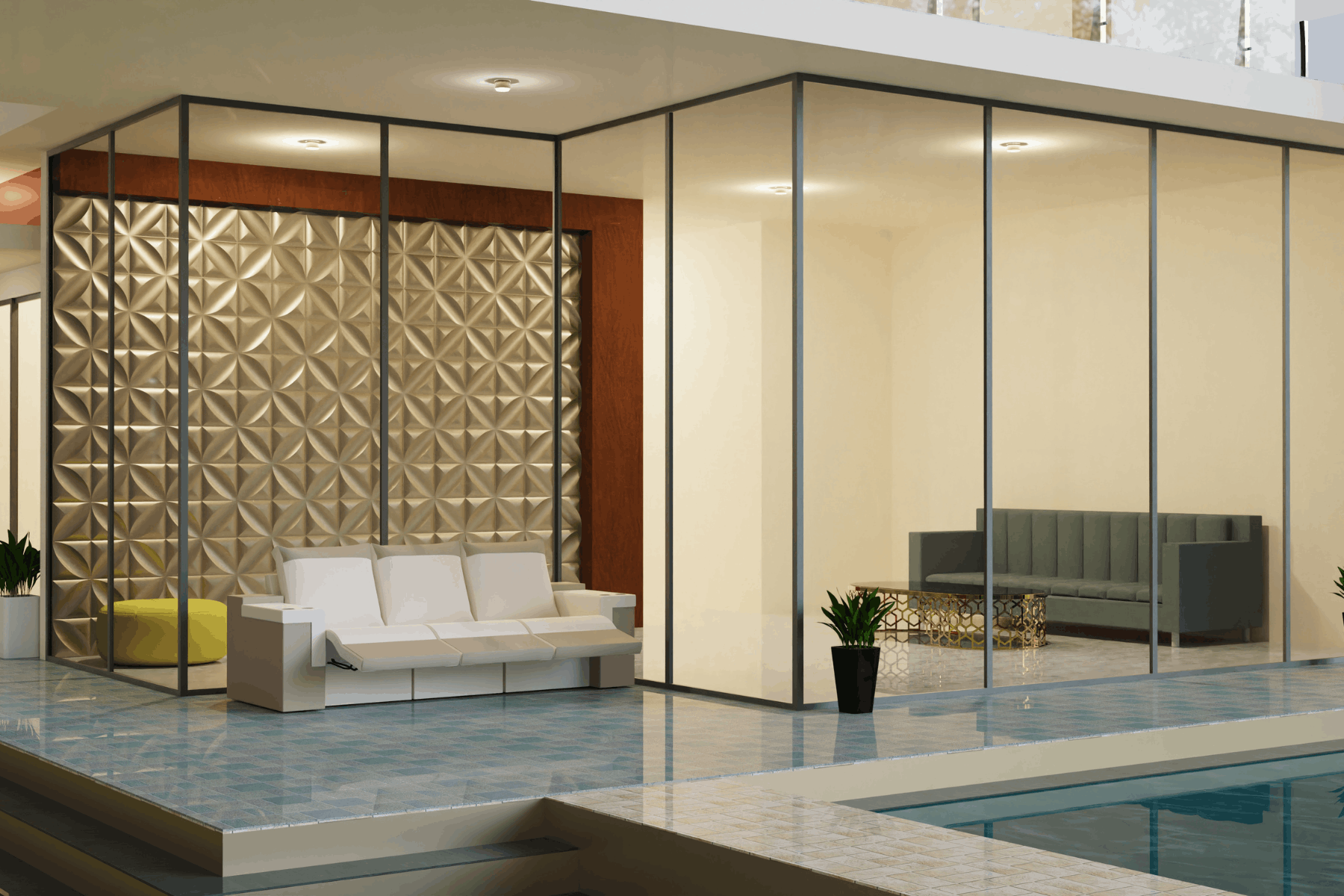
Scatter light to create visual texture and privacy while maintaining brightness. From subtle linear texture and privacy while maintaining brightness. From subtle linear textures to embossing, patterns control glare and introduce tactile appeal. Patterned glass suits doors, partitions, and feature screens. Neotra slabs can be specified as adjacent sills, giving a durable and low-maintenance border that accentuates textured light effects without distracting from the glass’s visual interest.
Also Read: Top 10 Luxury House Interior Ideas
7. Smart Glass (Electrochromic) Windows
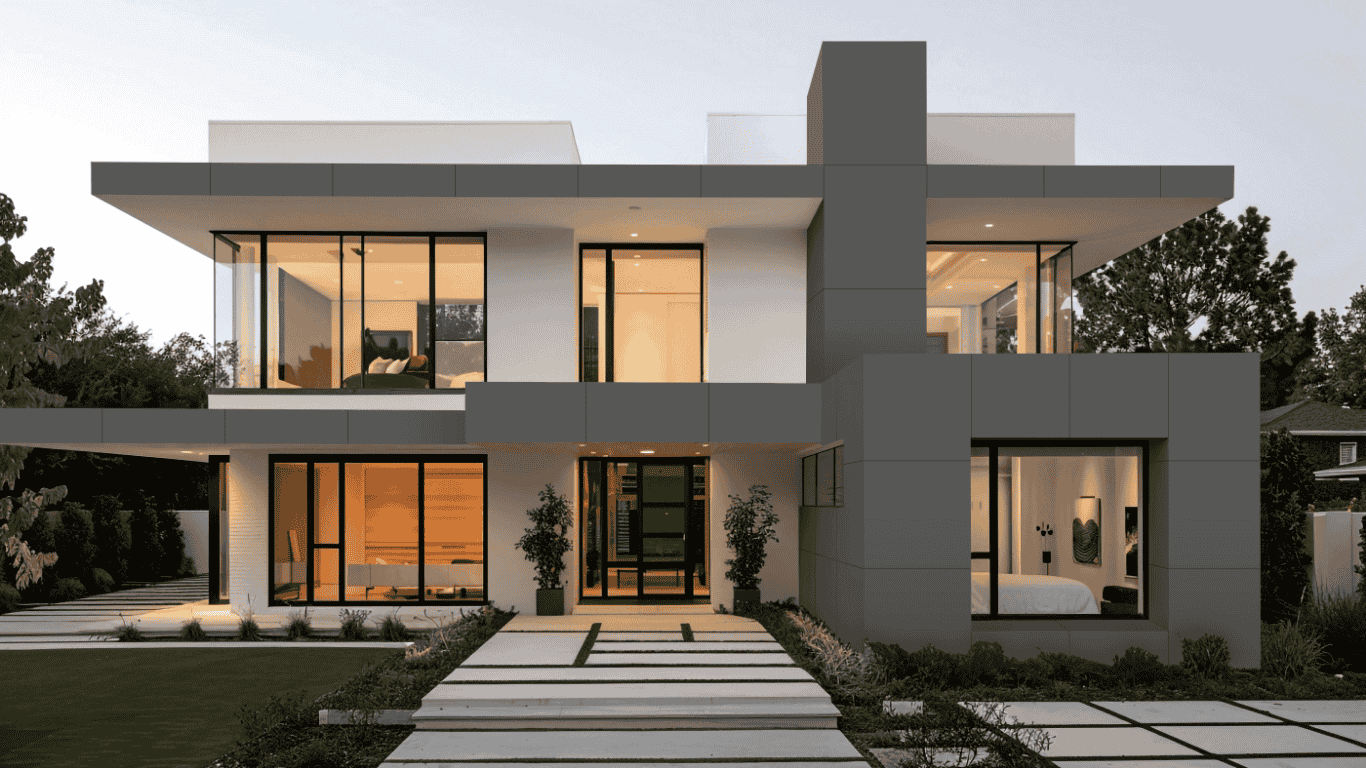
Changes tint on demand, allowing dynamic control of glare, daylight, and heat without physical blinds. It integrates with building automation for scheduled or sensor-driven adjustments. guarding views while modulating interior comfort. For premium installations, pair electrochromic units with clean, minimal sills. Neotra Surfaces offers refined, low-profile sill solutions that support concealed wiring channels and clean junction detailing for high-tech glazing assemblies.
8. Bay Window with Angled Glass Panels
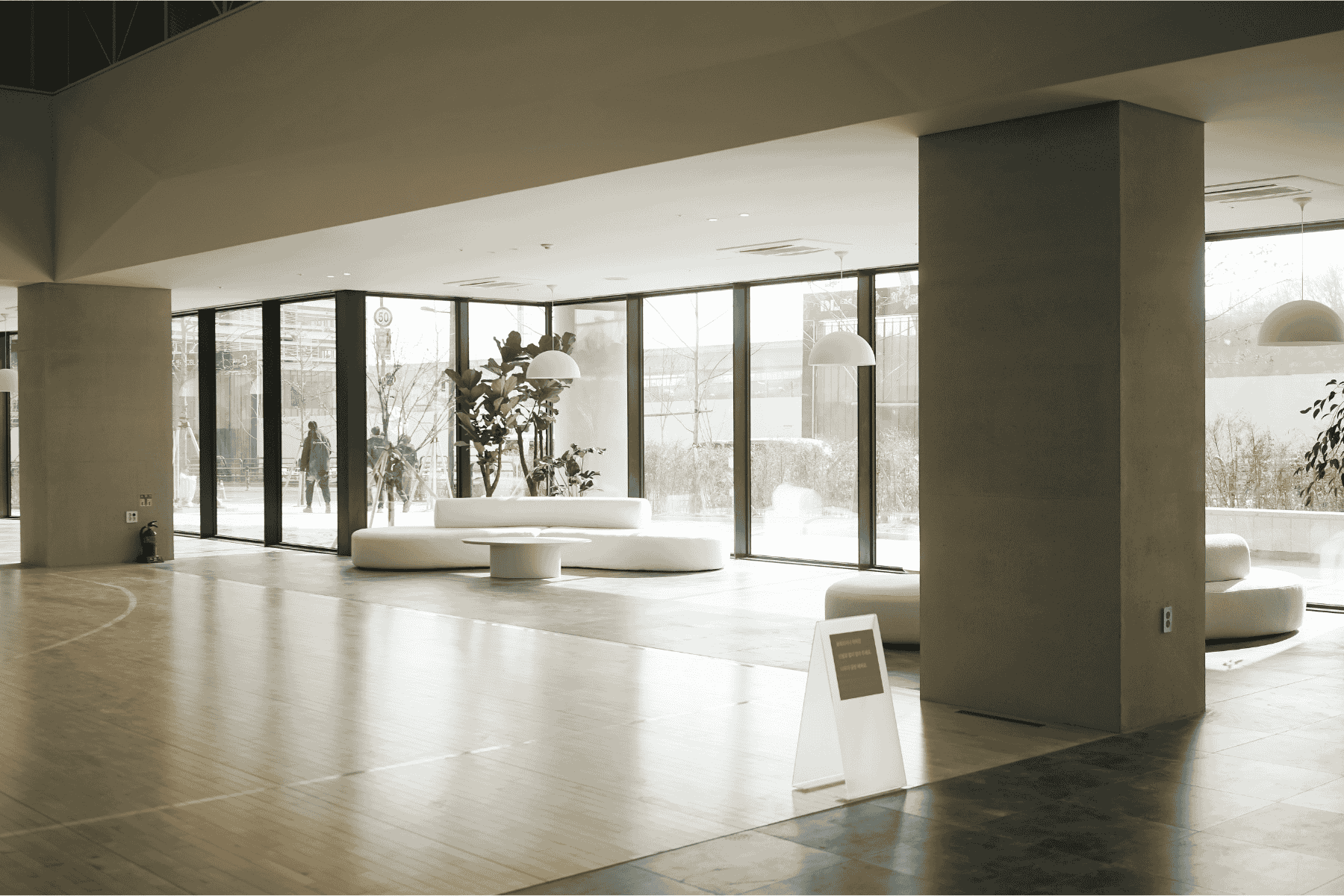
Captures daylight from multiple directions, creating bright alcoves and dynamic light patterns. The projecting geometry increases perceived space and provides versatile seating or display areas. Accurate weatherproofing and thermal detailing support performance. Neotra surfaces can be used as bespoke sills, delivering durable, continuous surfaces that integrate with interior finishes and upholstery.
9. Skylights and Roof Glass Panels
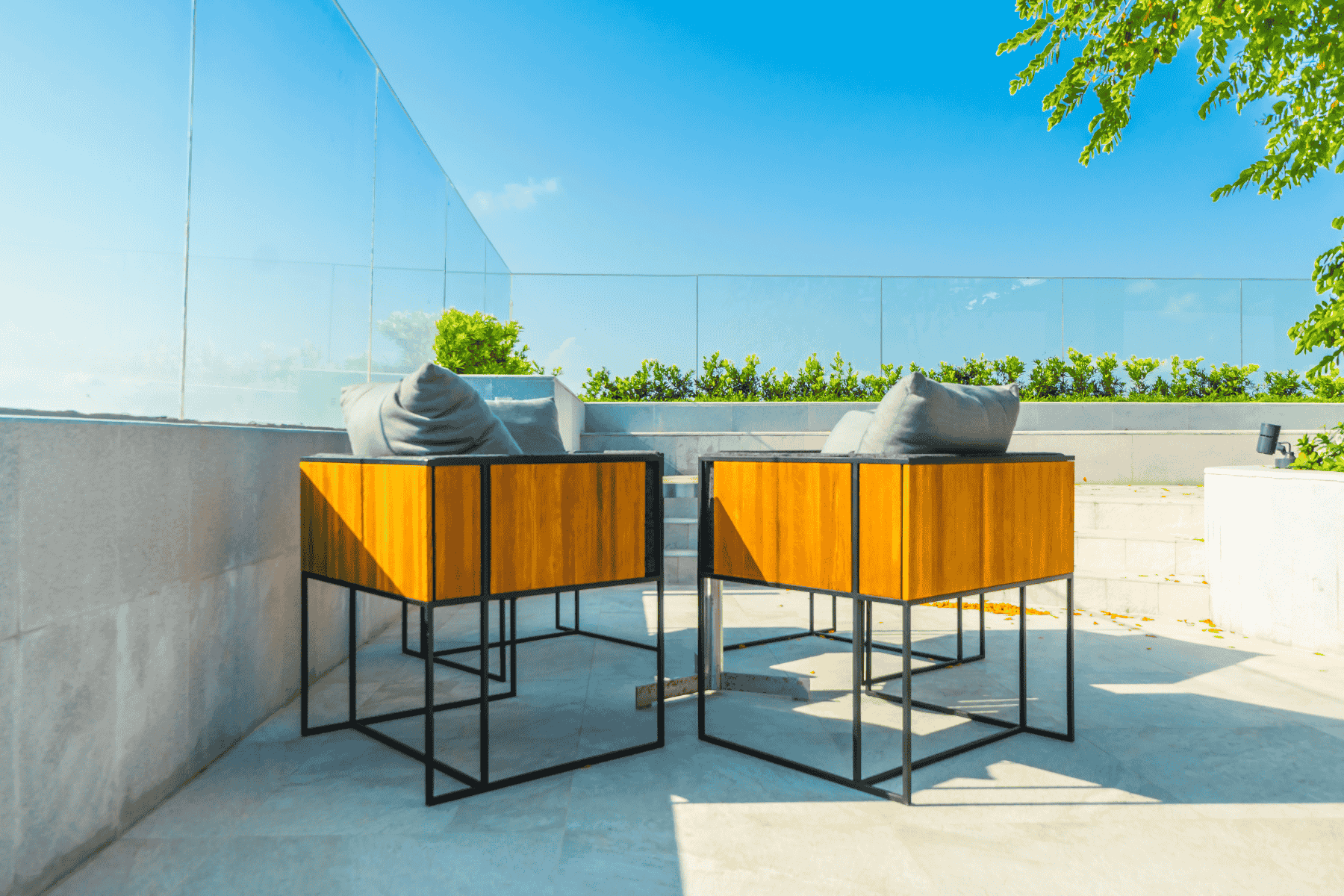
Delivers overhead daylight, bringing consistent illumination into deep or central spaces. They improve daylight uniformity and visual connection to the sky but require careful control of solar heat gain and glare in a window glass design for home. Neotra slabs function as border cappings, protecting interfaces and offering clean, durable finishes where roof glazing meets interior surfaces.
10. Louvre Glass Windows
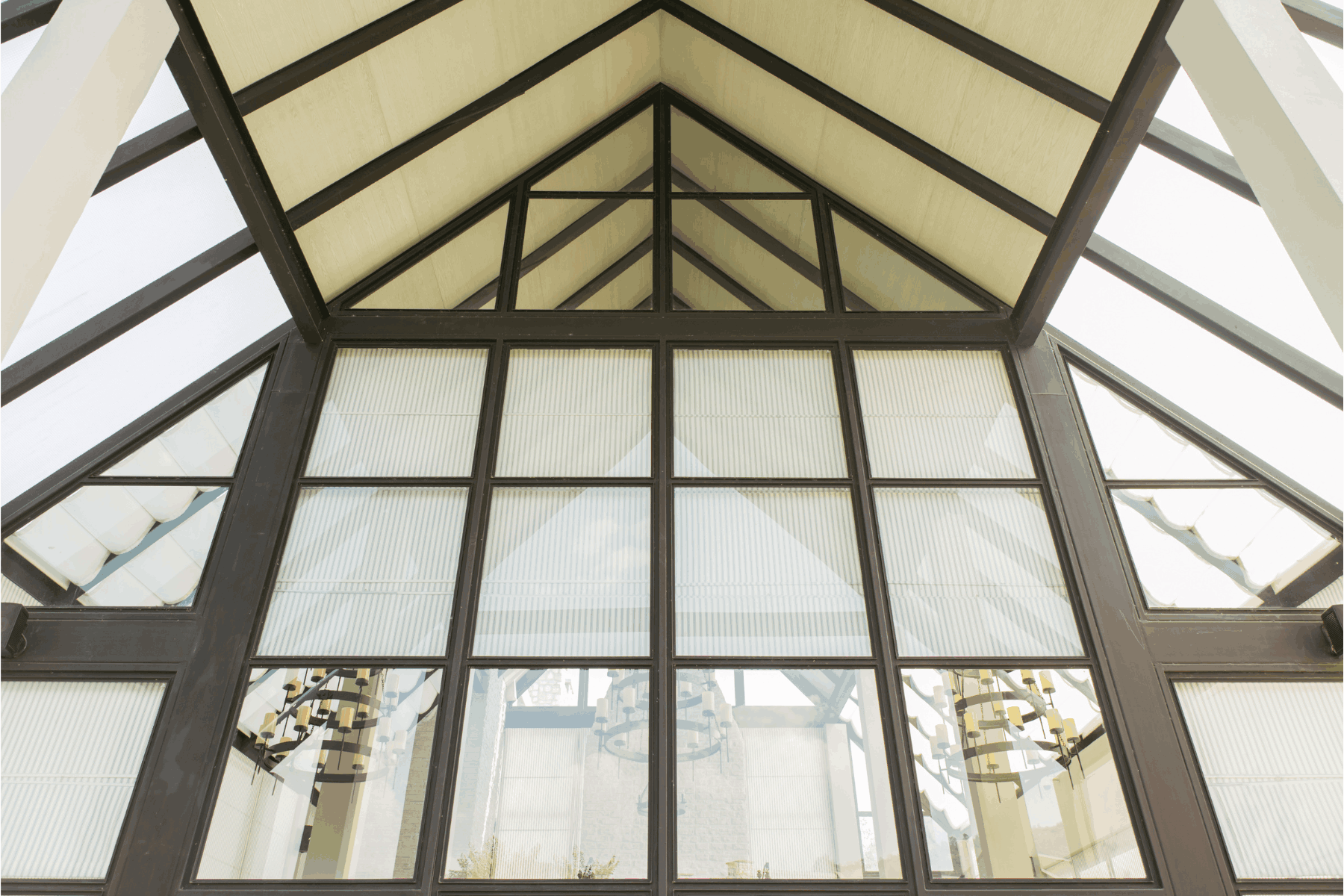
Louvre glass windows use adjustable slats to regulate airflow, light, and privacy while creating a rhythmic facade design language. They offer granular daylight modulation and natural ventilation without heavy shading systems. Choose weatherproofing and locking hardware for longevity. Our slabs can be specified as sills to provide a durable base that integrates with louvre tracks and supports water management.
11. Glass Block Window Panels
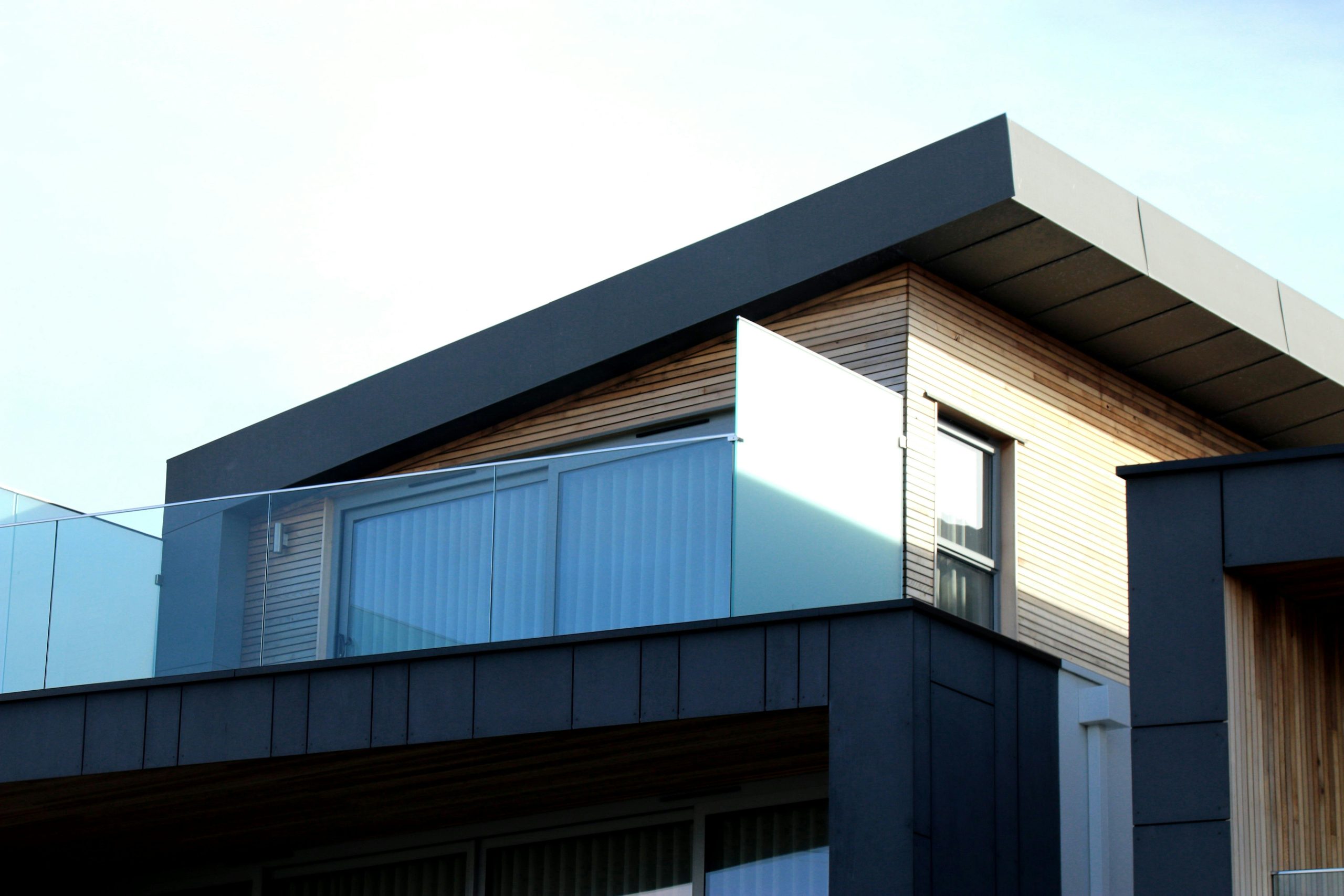
This scatters daylight while providing strong privacy, impact resistance, and acoustic insulation. Their modular units create luminous walls that admit soft and diffused light yet obscure direct views, suitable for bathrooms, basements, and feature partitions in a window glass design for home. Our surfaces can form complementary capping, ensuring even edges and durable transitions to surrounding finishes.
12. Clerestory Windows with High Glass Panels
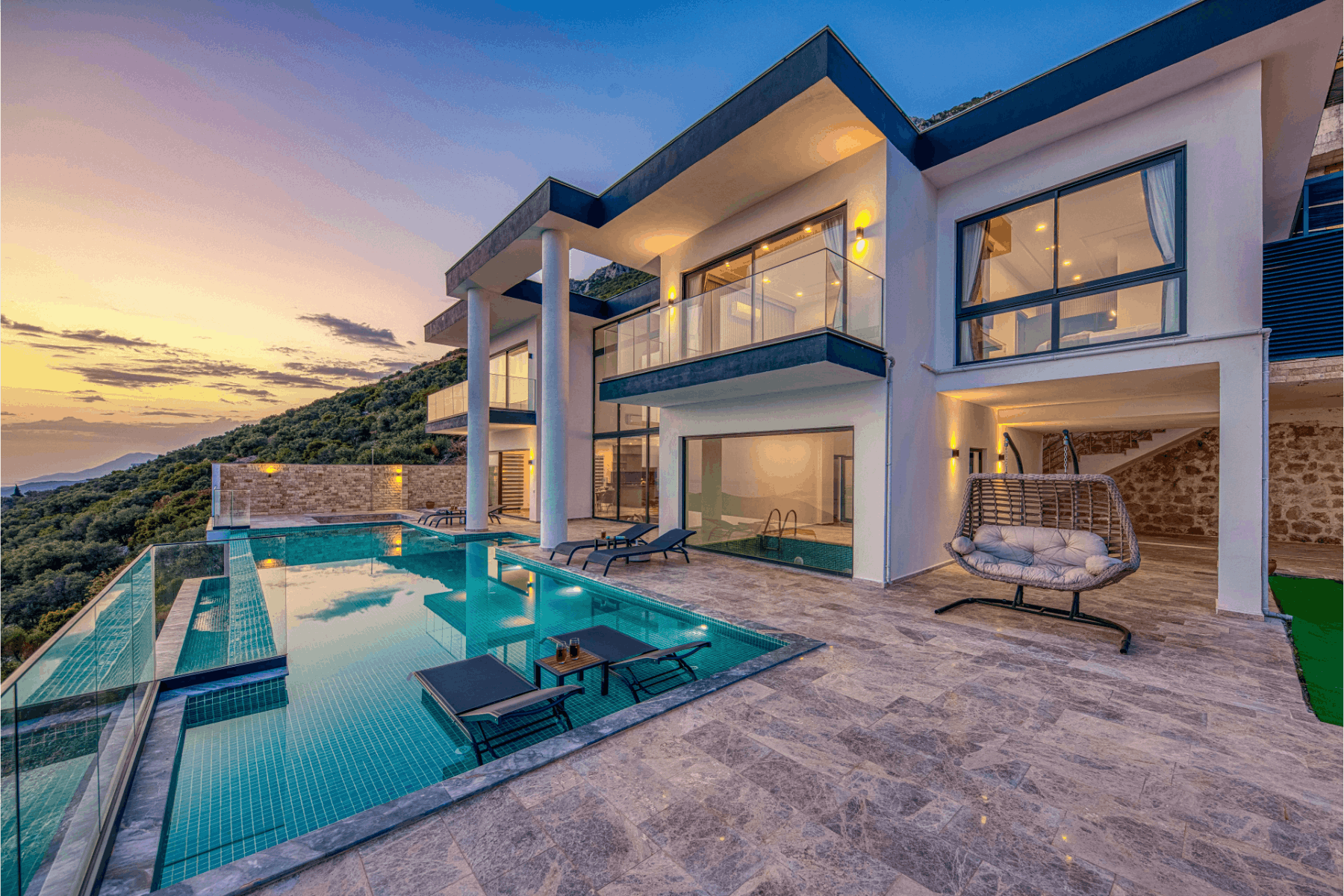
High-placed glass panels bring consistent indirect light deep into interiors while safeguarding privacy and wall design. Their elevated position reduces glare and frames sky views for serene, even illumination. Neotra’s sills can be used at lower levels and adjoining surfaces to present a coordinated finish and project junctions where clerestories meet interior finishes.
How Neotra Surfaces Frame Window Glass Designs
Neotra surfaces support through precisely engineered slabs that help in sills, which complete window assemblies. Our slabs are specified to work alongside high-performance glass, providing durable, water-resistant surfaces that protect junctions and offer tight tolerances for premium finishes.
- Engineered slabs selected for dimensional stability, UV tolerance, and stain resistance.
- Precise construction for seamless interfacing with the frame.
- Work with architects and contractors to ensure sealant compatibility, movement joints, and thermal breaks.
- Easy to maintain slabs, wipe and clean
Neotra’s components are intended to enhance the longevity and appearance of window systems, protecting edges and emphasising clean junctions between glass and interior surfaces.