

What Makes a Great Kitchen Counter Design?
A well-designed kitchen countertop combines durability, functionality, aesthetics, and easy maintenance to support everyday cooking while maintaining its appearance over time.
- Functionality: Choose the right counter height, depth, and edge profile to support comfortable food preparation and daily kitchen tasks.
- Durability: Select surfaces that resist heat, moisture, impacts, and stains for reliable long-term performance.
- Aesthetics: Create a striking focal point with seamless waterfall edges, bold veining, or clean solid finishes that complement the kitchen design.
- Low Maintenance: Opt for surfaces that are scratch-resistant, stain-resistant, and anti-bacterial for effortless cleaning and lasting appeal.
- Engineered Performance: Advanced engineered surfaces combine the visual appeal of natural materials with enhanced durability and minimal maintenance for modern kitchens.
10 Modern Kitchen Counter Design Ideas
1. Seamless Neotra Surface Slab Counter
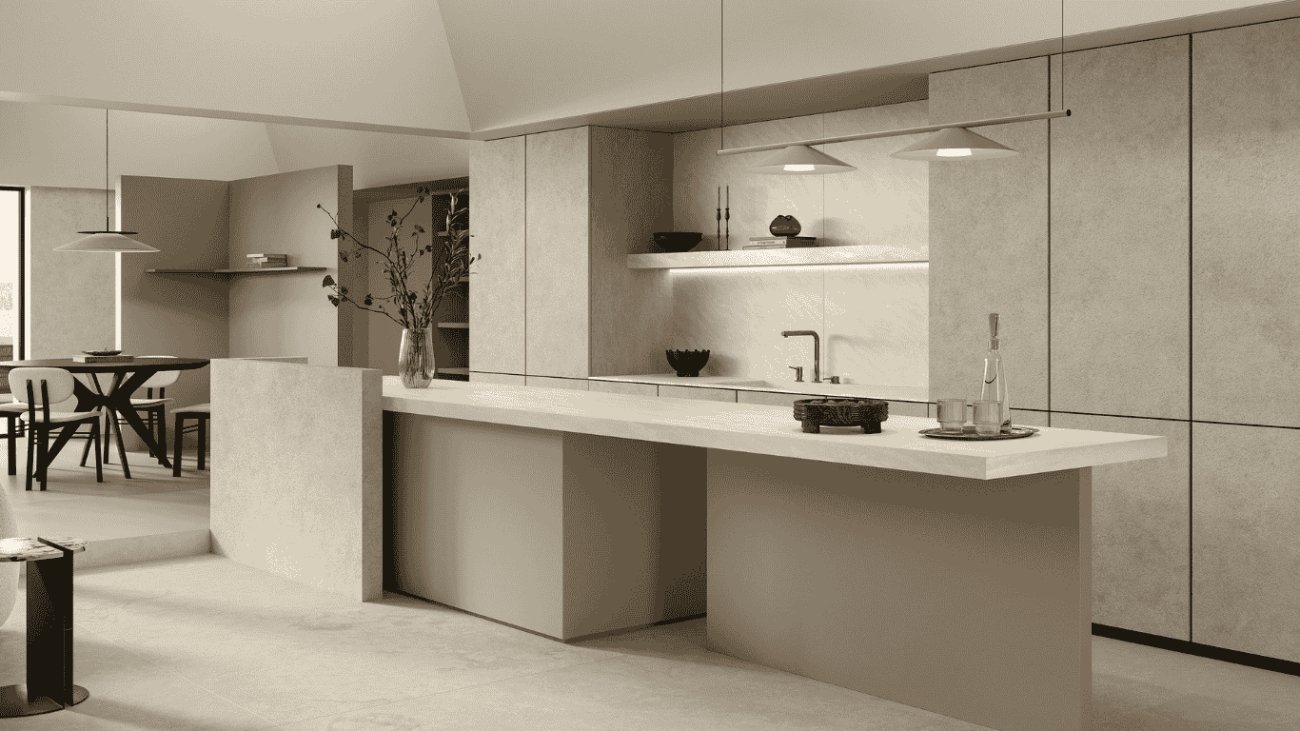
Large-format Neotra slabs eliminate visible joints, creating an uninterrupted, monolithic countertop for the kitchen that instantly elevates a kitchen’s visual flow. Available up to 20 mm thick, these slabs suit both minimalist and statement-making layouts. The seamless finish isn’t just aesthetics; fewer joints mean fewer places for grime to collect, making daily cleaning simpler and the surface more hygienic over time.
2. Marble-Look Counter on a Budget
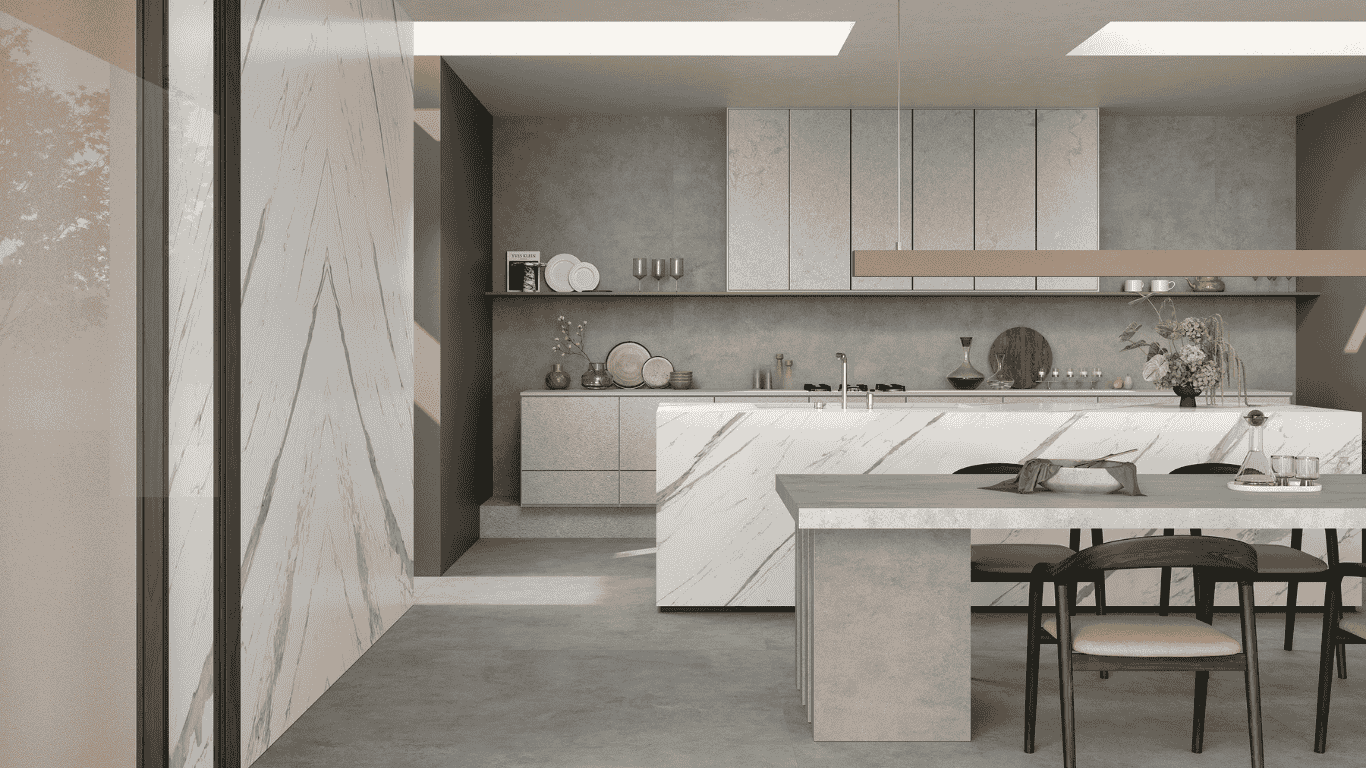
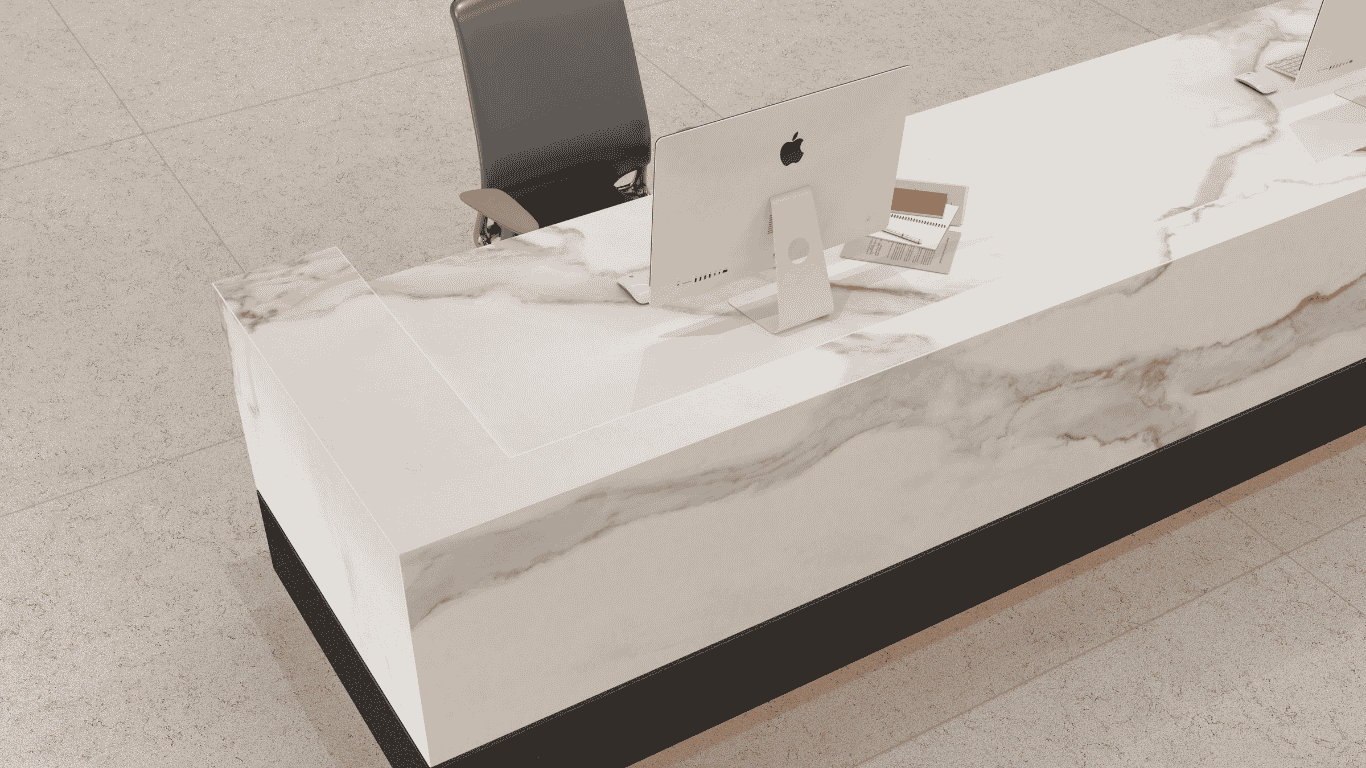
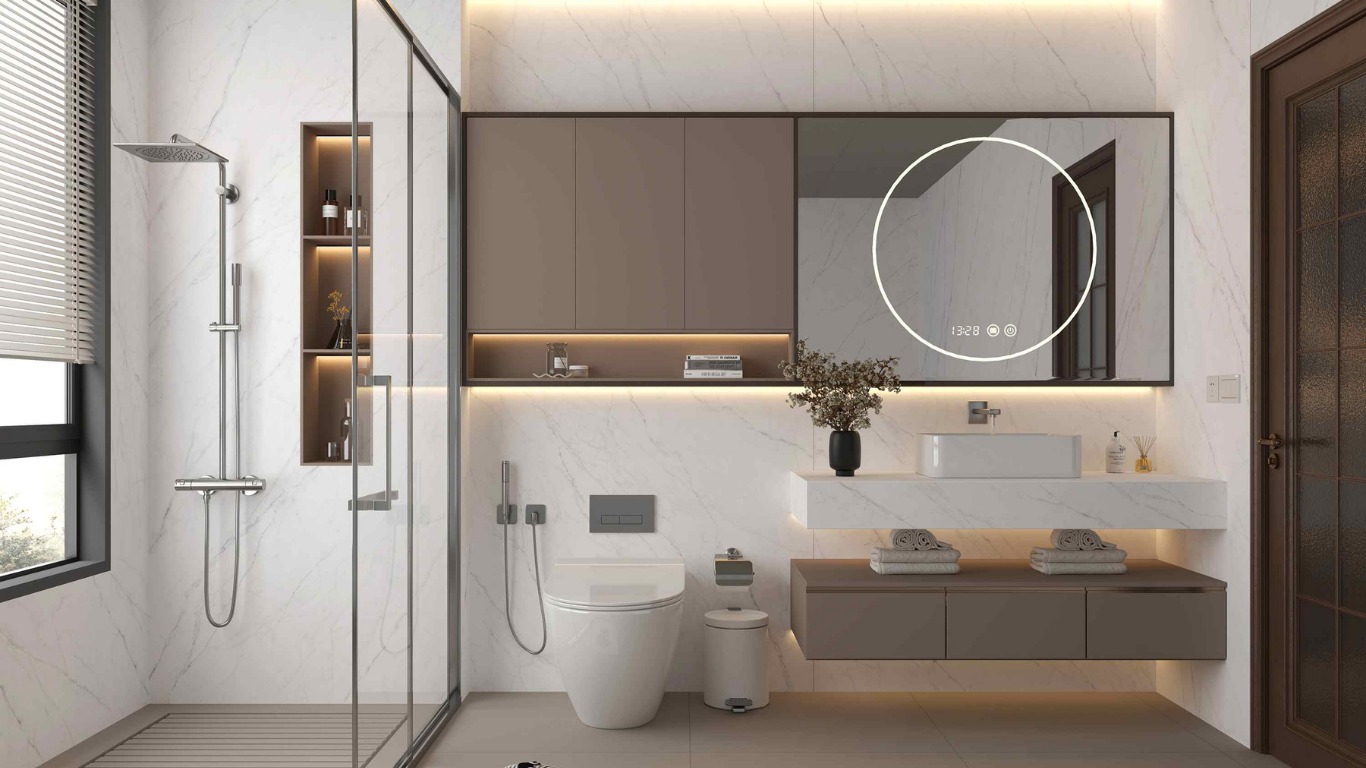
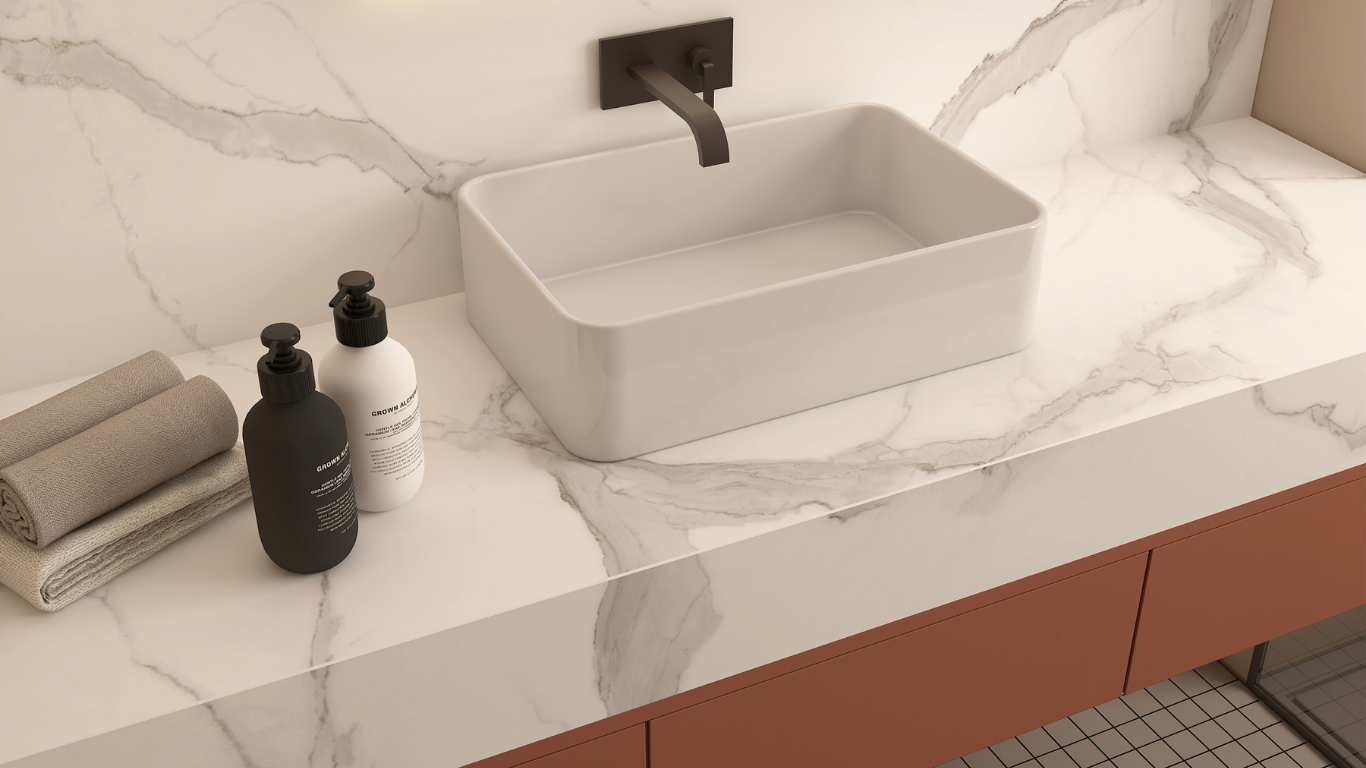
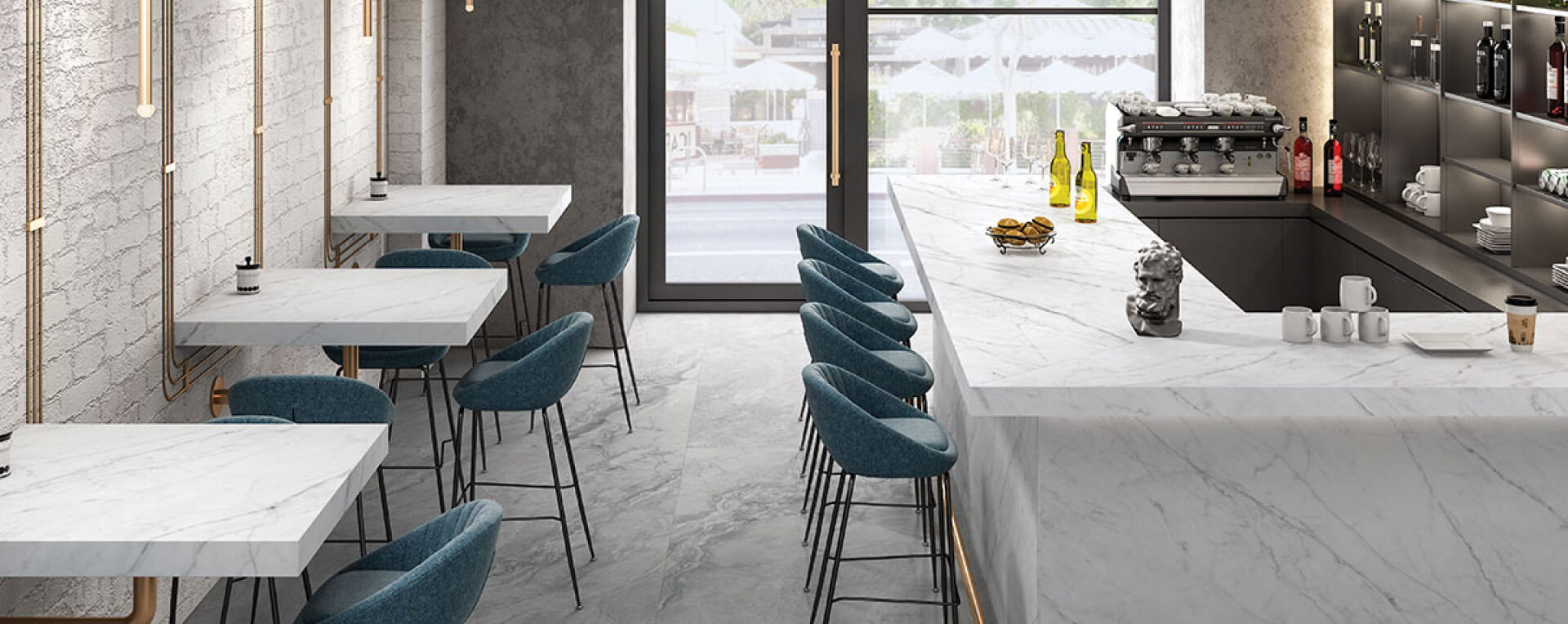
Achieving marble’s luxury without maintenance demands is possible through marble-inspired sintered surfaces. Rich veining replicates natural stone’s drama, while the engineered surface resists staining, etching, and heat far better than real marble. Ideal choice for homeowners seeking an elevated look while keeping renovation costs sensible and long-term upkeep minimal.
3. Black Granite Platform
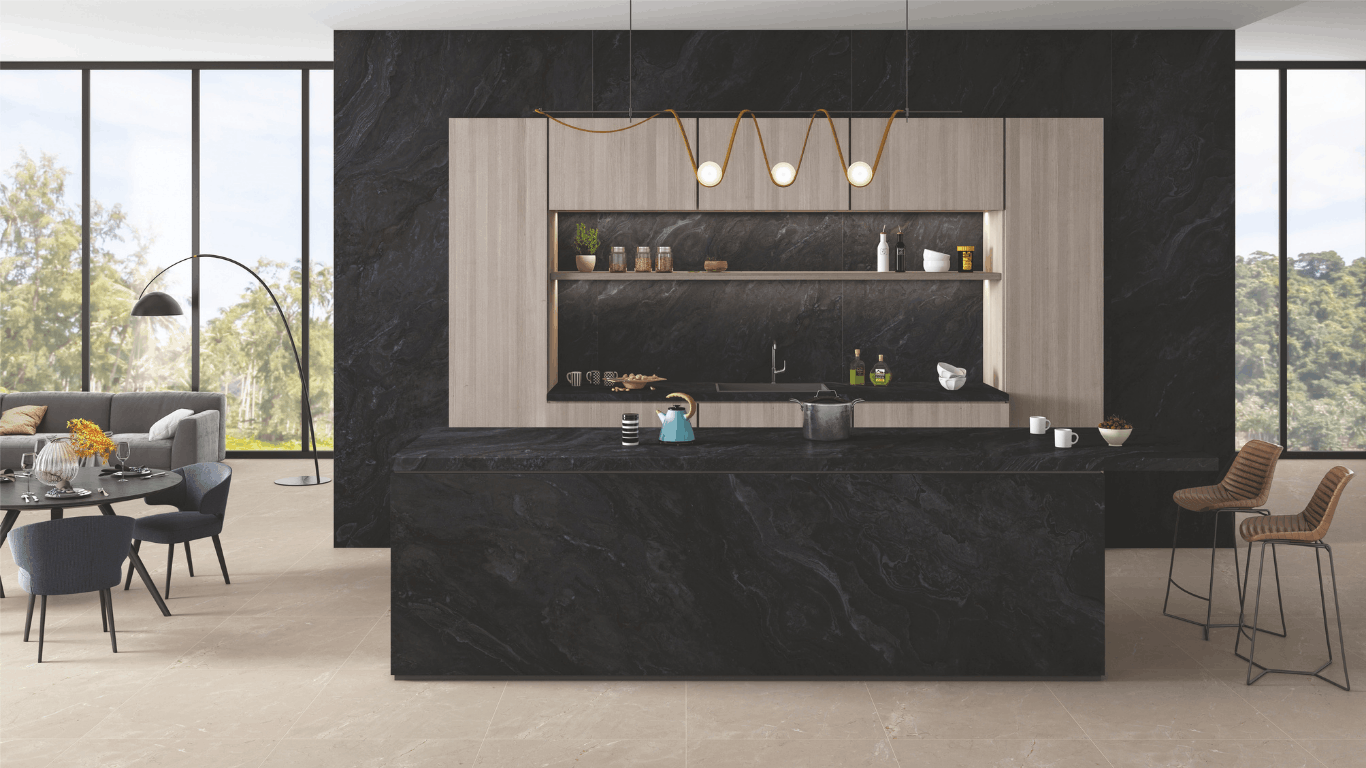
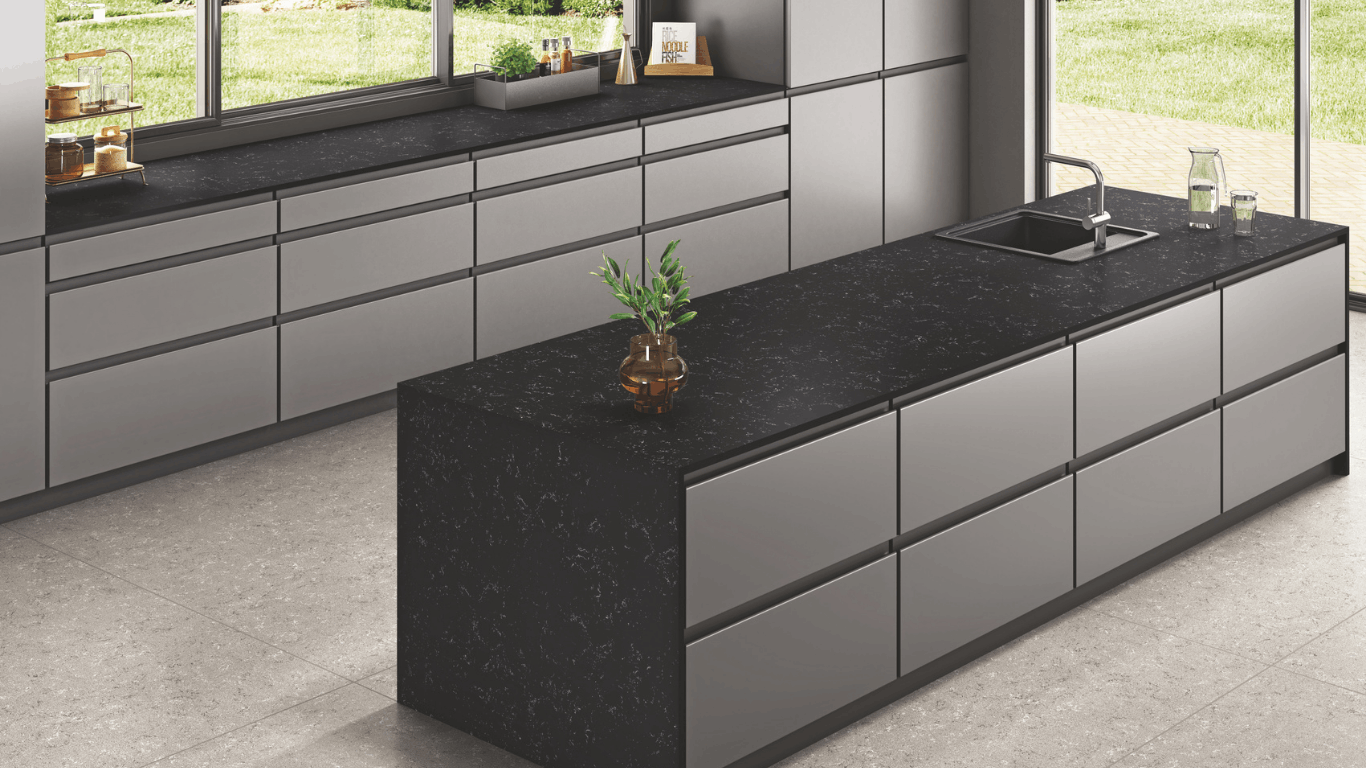
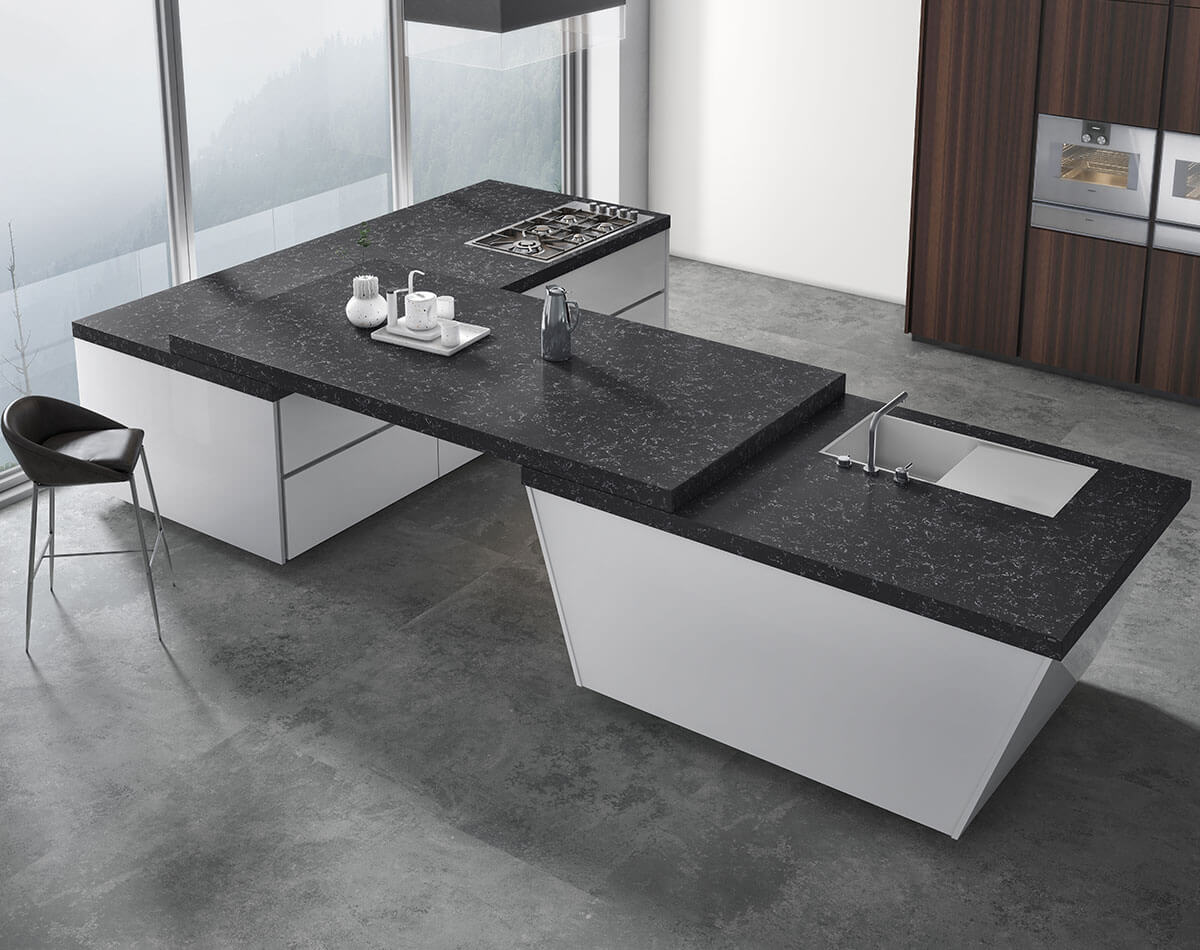
A deep, dark granite-inspired platform brings bold luxury to modern kitchens, especially when paired with light cabinetry or metallic fixtures. The dark tone hides daily marks and fingerprints well, making it practical for busy households. Granite-look sintered surfaces offer this dramatic depth with better stain resistance and a more consistent finish than natural stone slabs typically provide.
4. White Quartz Counter
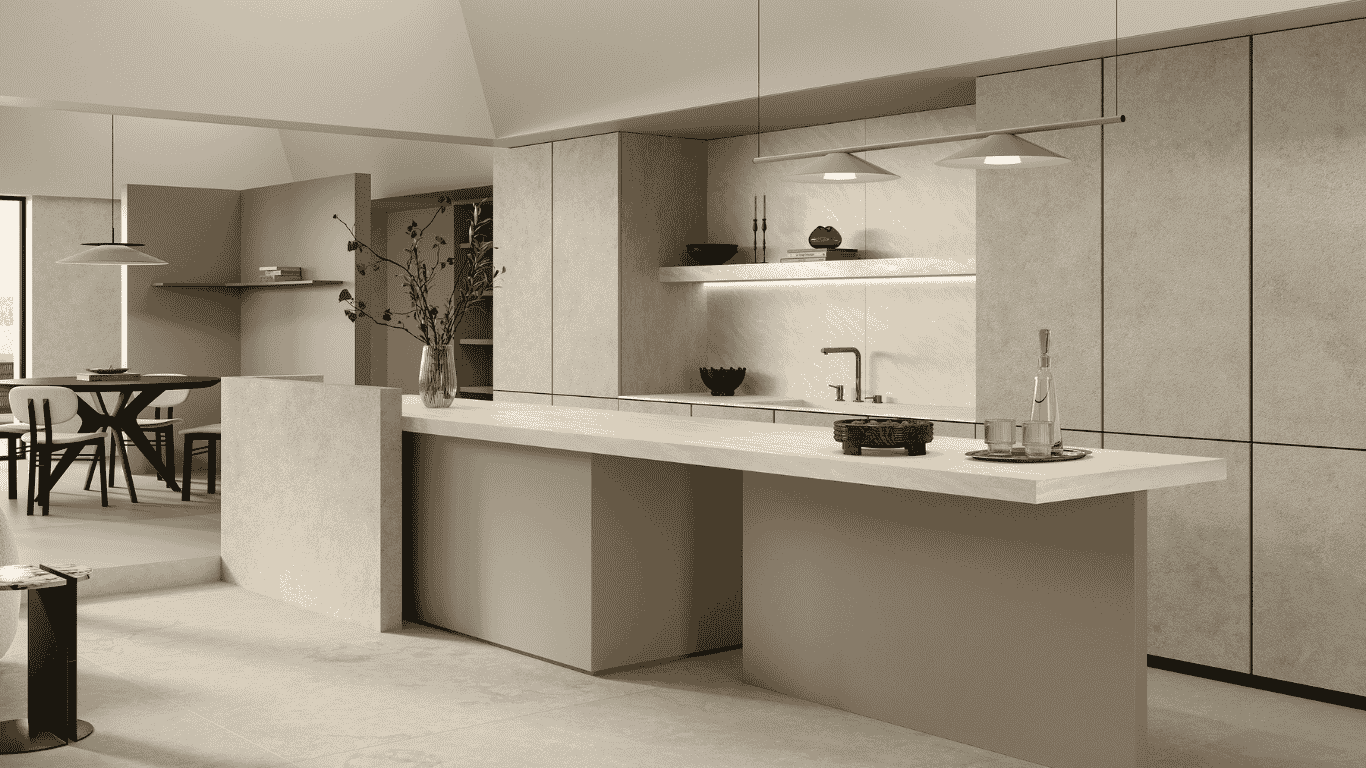
Bright, luminous, and endlessly adaptable, a white quartz-look counter suits nearly every kitchen style. The subtle flecked or veined texture adds visual interest without overwhelming the space. Sintered surfaces replicate this crisp brightness while offering superior scratch and heat resistance, making them a durable pick for high-traffic cooking zones.
Also Read: Types of Countertops for Indian Kitchens
5. Concrete-Look Counter
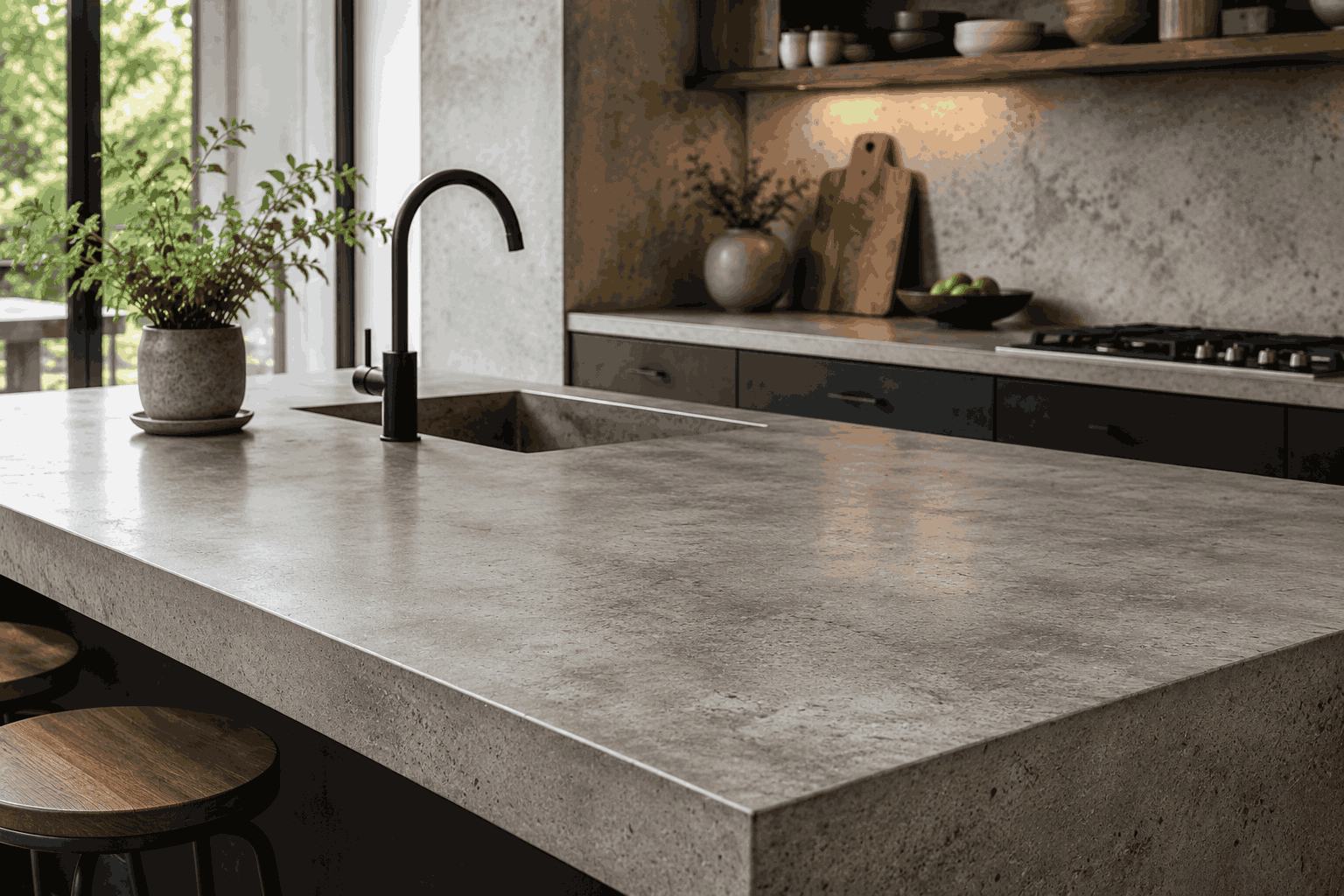
Industrial chic kitchens are embracing concrete-look counters for their raw, matt texture and understated urban edge. Paired with exposed brick, warm wood tones, and metal fixtures, this finish grounds a space in minimal sophistication. Unlike actual poured concrete, which cracks and stains over time, engineered slab alternatives replicate the look while offering easy maintenance and far better durability.
6. Two-Tone Counter Design
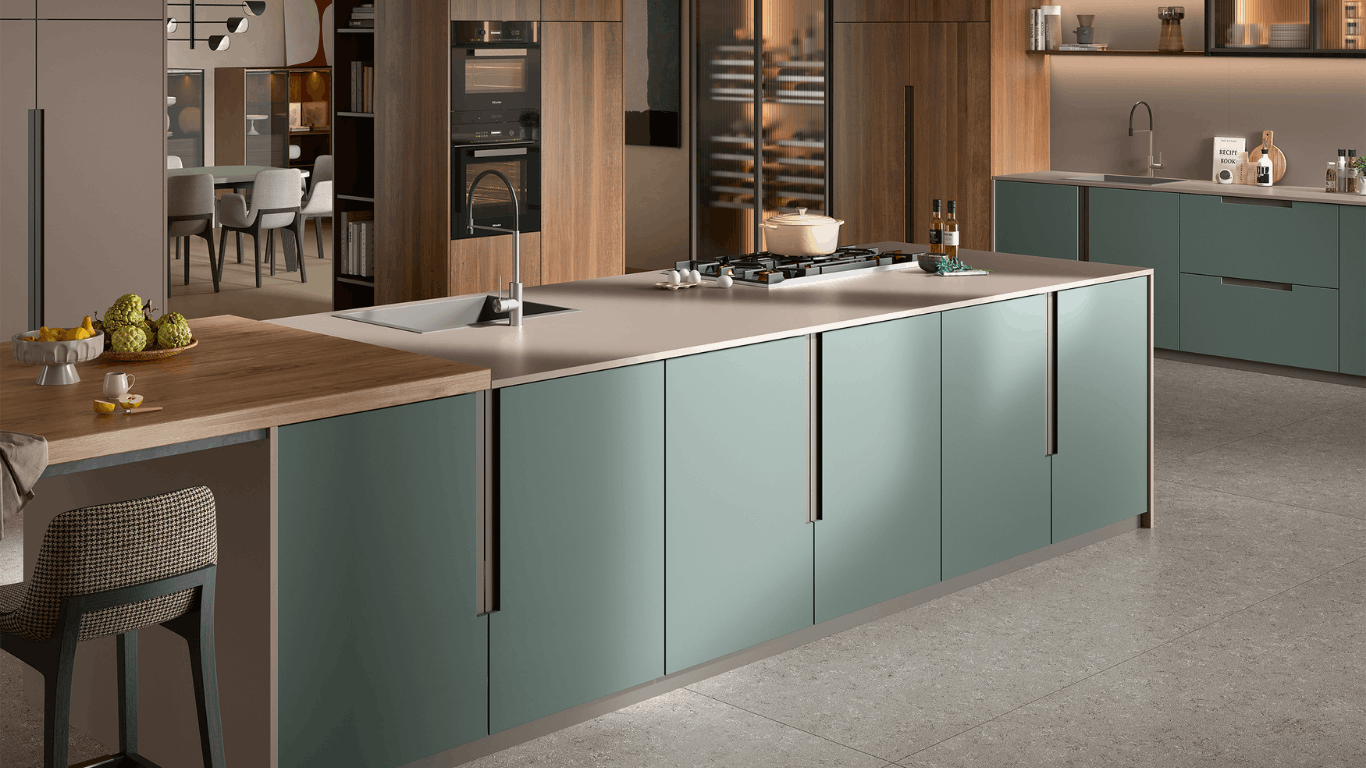
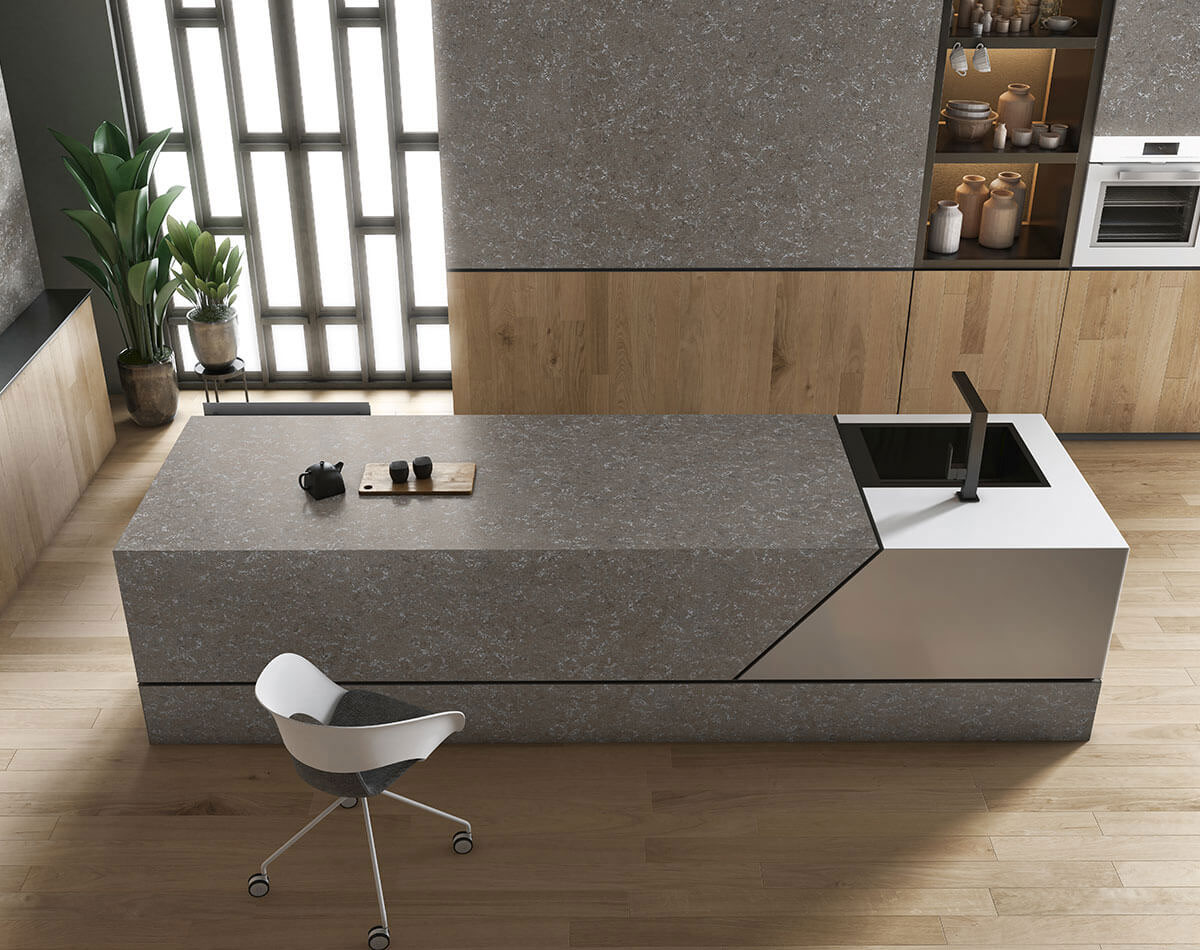
Combining two contrasting counter finishes, a darker tone on the main and a lighter one on the island, adds depth and personality without cluttering the design. This layered approach lets homeowners experiment with colour confidently while maintaining cohesion. It’s a budget-conscious way to introduce visual contrast, especially effective when paired with Neotra’s varied collection of tones.
7. Waterfall Edge Counter
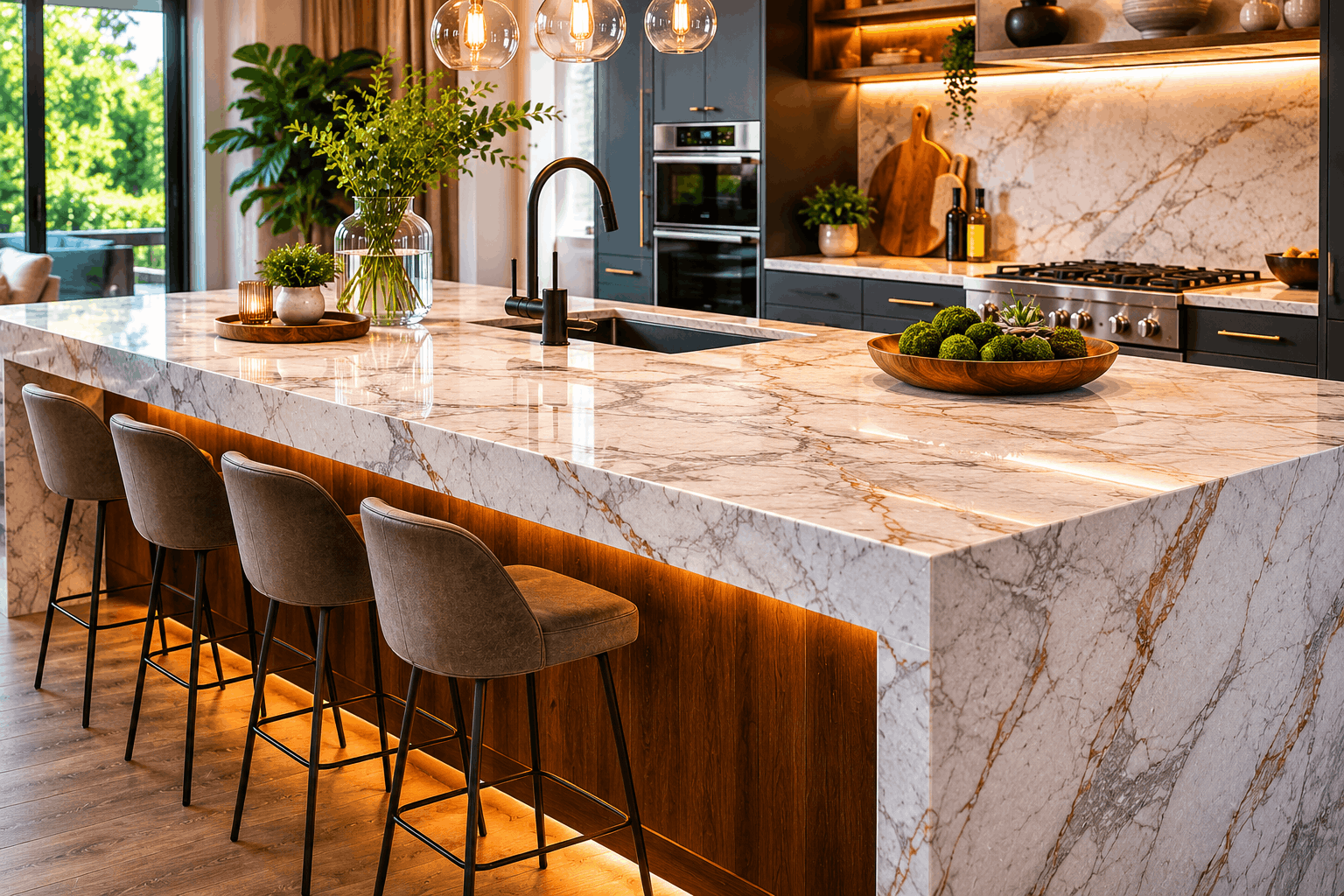
The waterfall edge, where the countertop material cascades seamlessly down the island’s sides, remains one of the most striking modern design details. Executed in large-format slabs, it creates a furniture-like presence in the kitchen. This kitchen countertop design works exceptionally well with bold-veined or solid-hue finishes, turning a functional island into a genuine architectural centrepiece.
8. Integrated Hob and Counter Slab
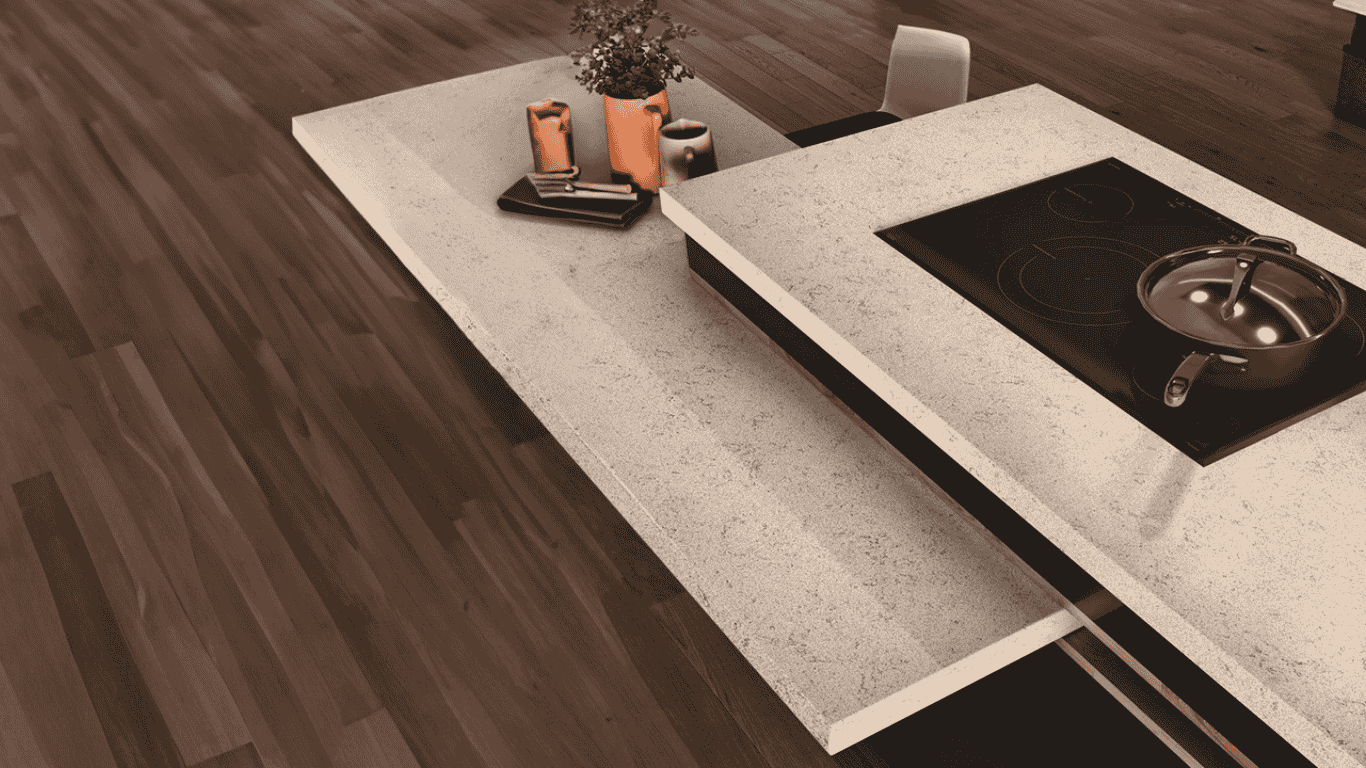
Merging the cooktop directly into the counter slab creates an uninterrupted, sleek surface free of visible edges or trims. This integrated approach not only looks refined but also simplifies cleaning, since there are no seams for spills to seep into. Non-porous, heat-resistant surfaces are essential here, making sintered slabs a dependable material choice for this design.
Also Read: 10 Modern Kitchen Slab Design Ideas for Your Kitchen
9. Counter with Matching Splashback Slab
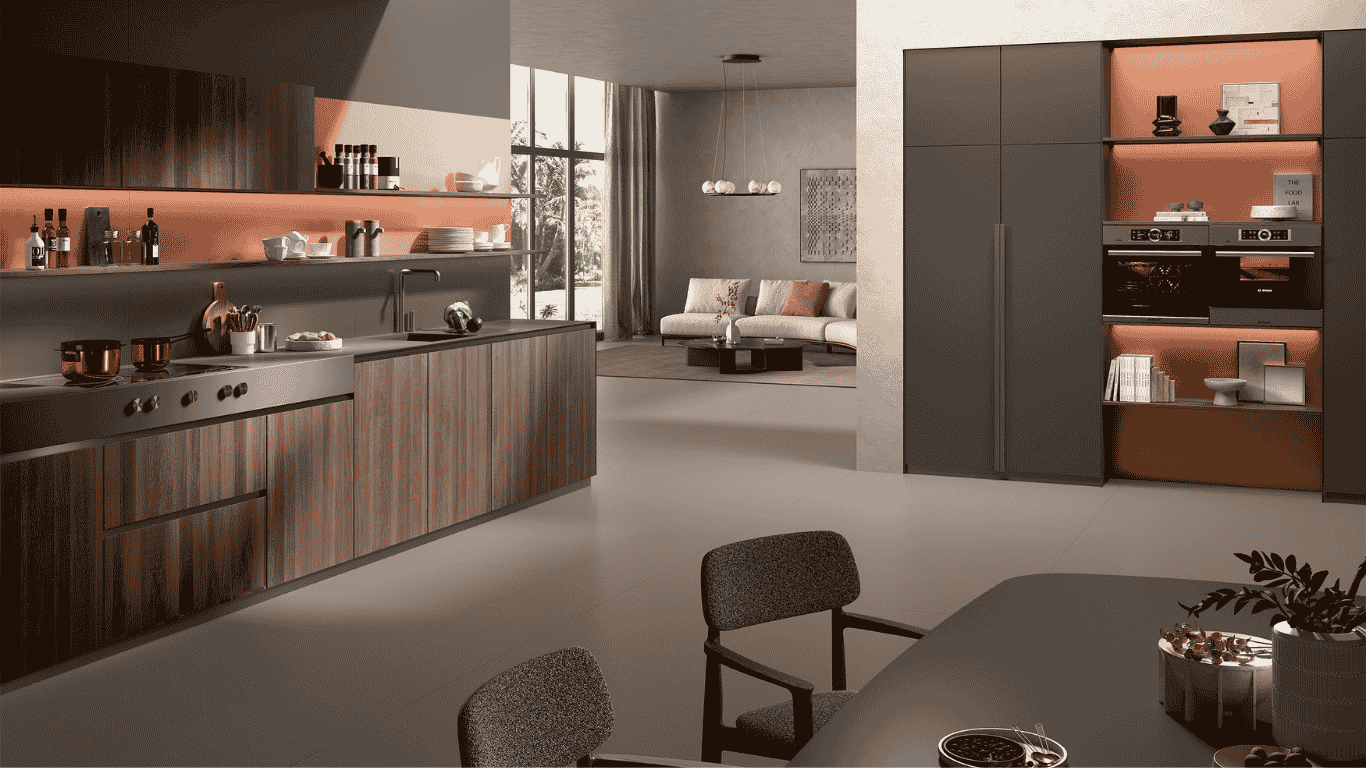
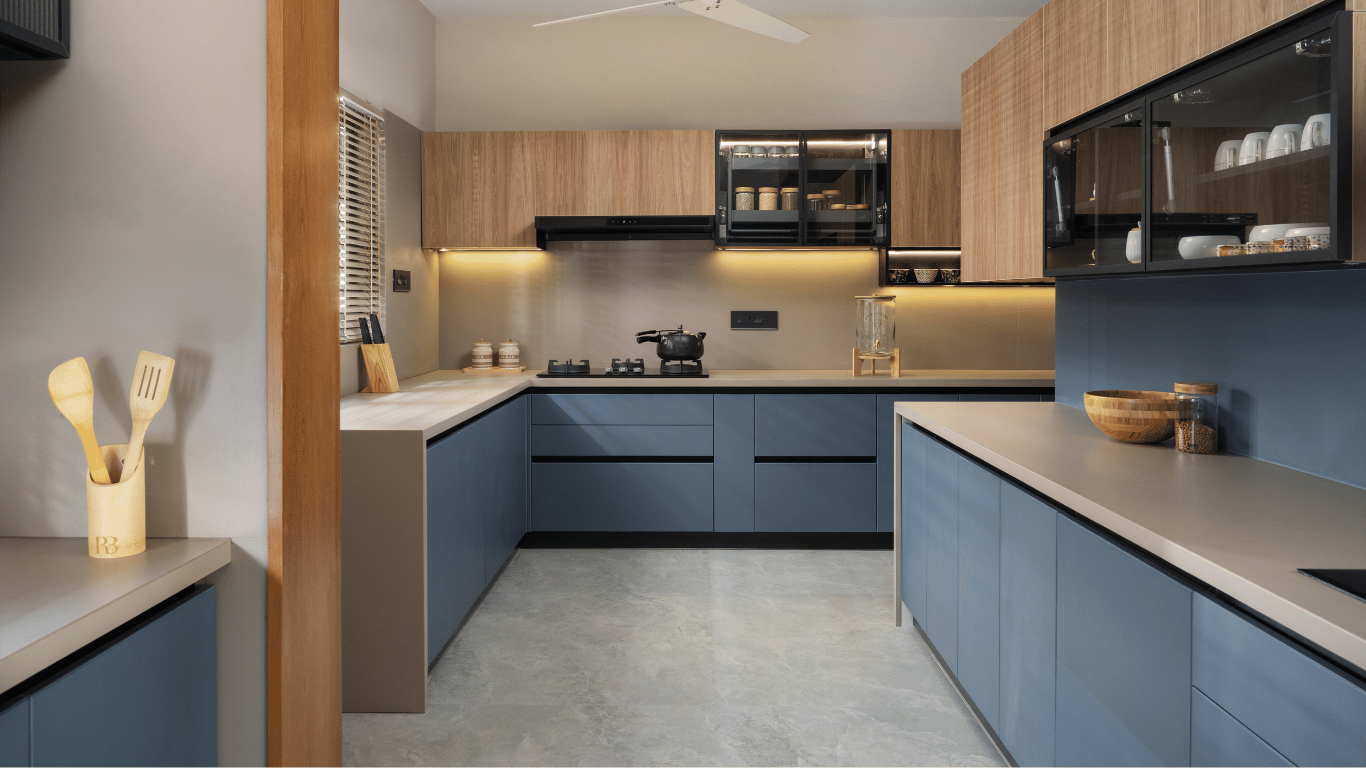
Extending the same slab material from the counter up the splashback wall creates a cohesive, continuous visual line that makes kitchens feel more spacious and considered. This matched approach reduces visual clutter from tile grout lines while reinforcing a premium, tailored look, which is particularly striking when done in a boldly veined or richly textured finish.
10. Warm Earthy Tone Counter
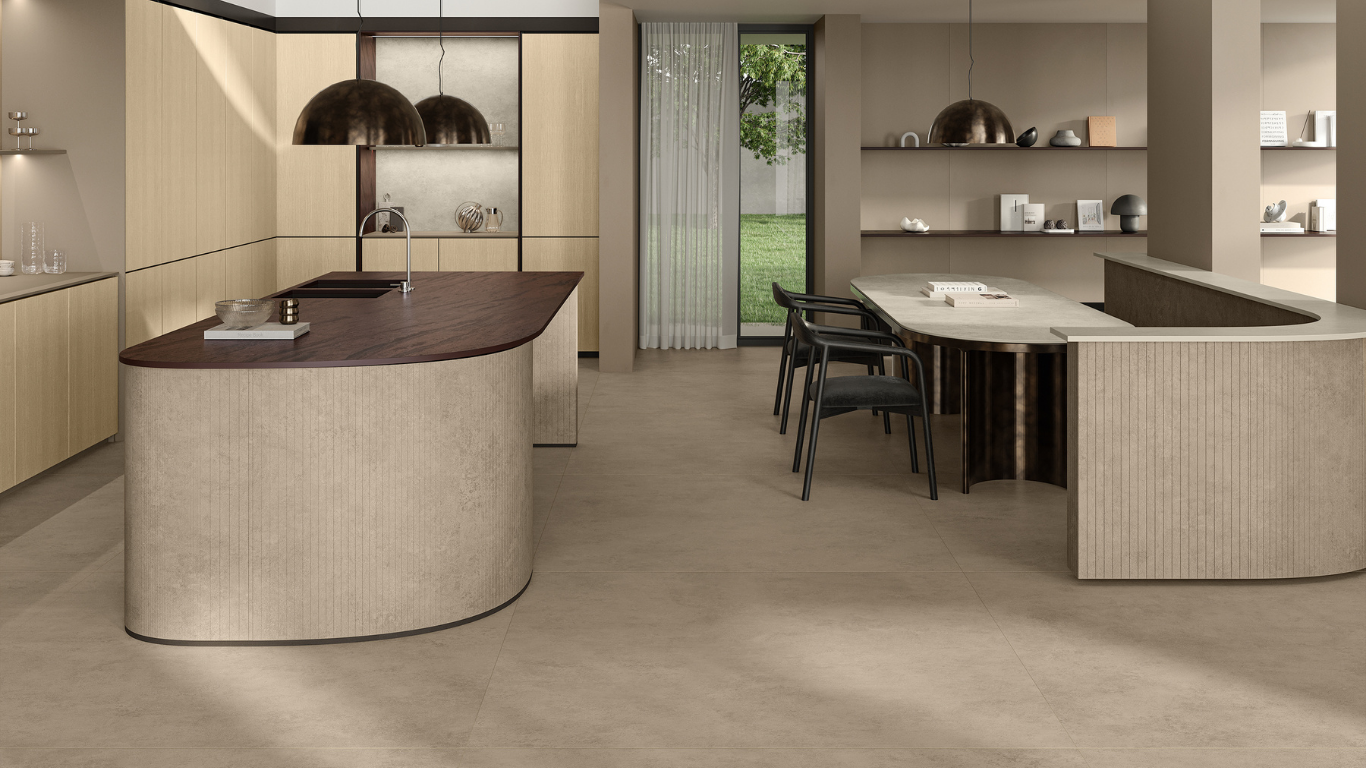
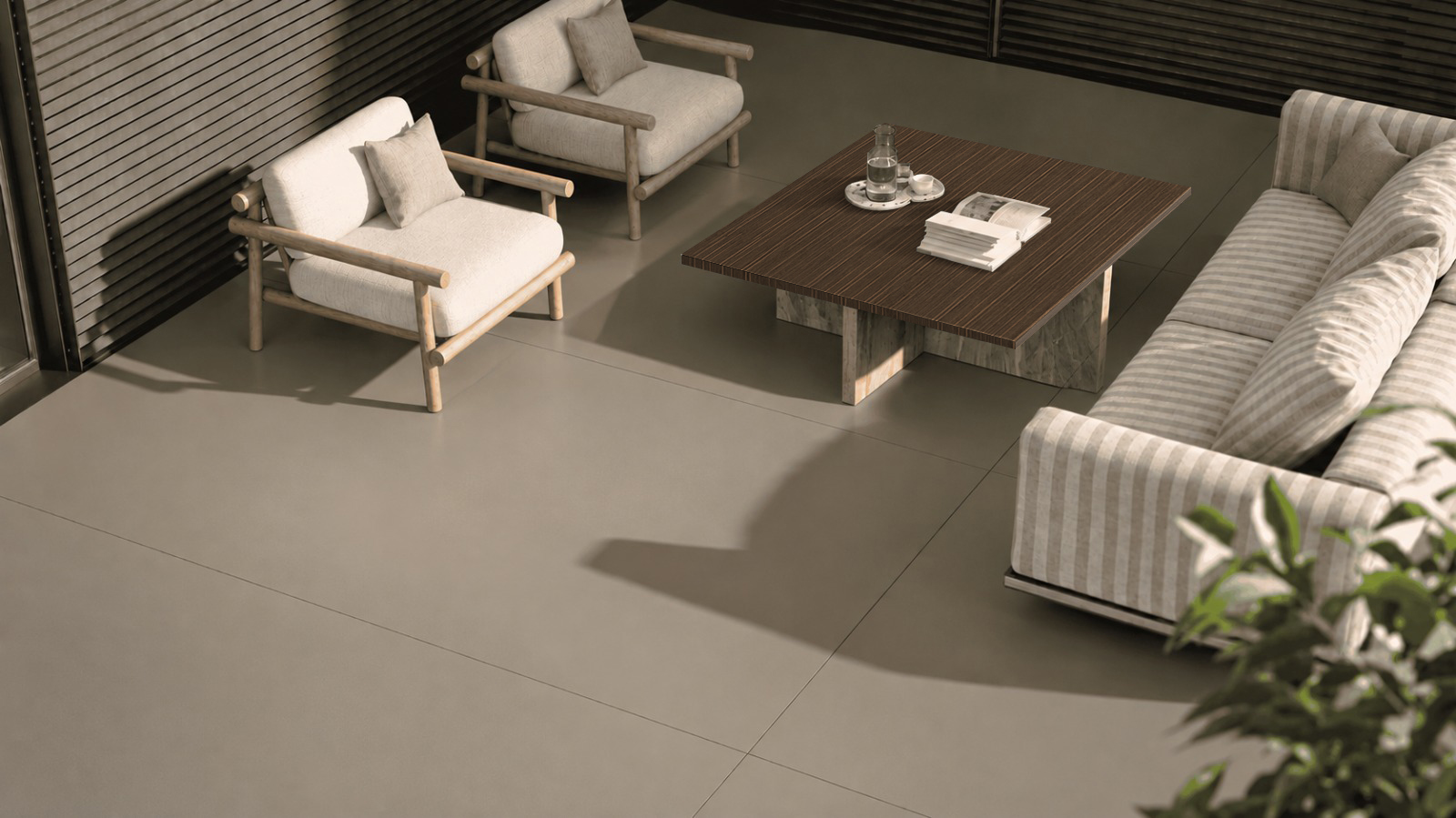
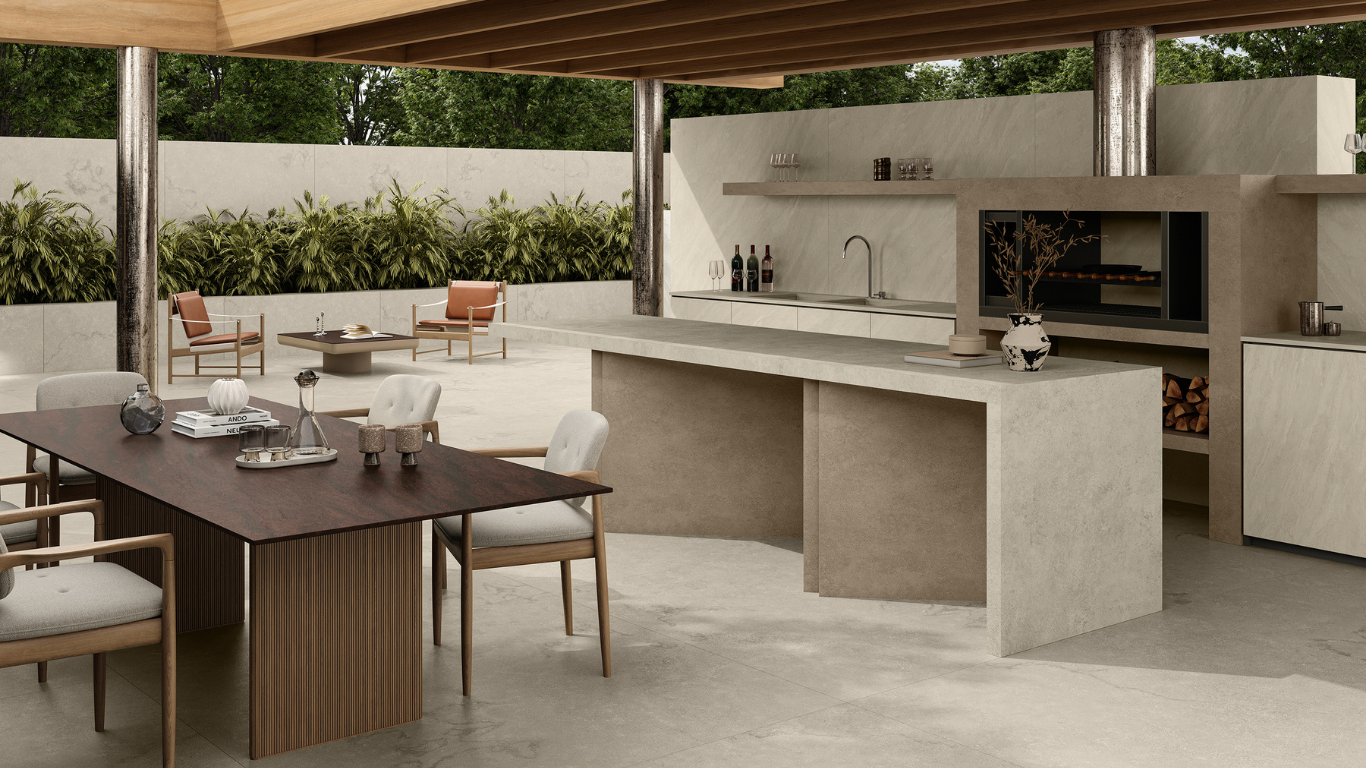
Earthy countertones such as warm taupe, terracotta, and muted olive bring a grounded, organic warmth to modern kitchens, especially those leaning into biophilic designs. These hues pair beautifully with wood cabinetry and natural light. Solid-hue collections from the Pastelli collection offer exactly this warmth, delivering a distinctive, nature-inspired palette without mimicking any specific natural material.
Also Read: 8 Best Kitchen Countertop Materials For Indian Homes
Comparative Table: Kitchen Counter Material Options
Kitchen countertops can be built in various materials; here’s a comparison of widely used materials.
| Material | Durability | Maintenance | Heat Resistance | Aesthetic Range | Relative Cost |
| Engineered Surface | Very High | Low | Excellent | Marble, stone, concrete, wood-look and solid hues | Mid- to Premium |
| Natural Marble | Moderate | High | Good | Natural veining | Premium |
| Quartz | High | Low to Moderate | Moderate | Wide range | Mid- to Premium |
| Laminate | Low to Moderate | Moderate | Poor | Wide range | Budget |
| Solid Wood Block | Low (water-sensitive) | High | Poor | Natural, warm | Budget to Mid |
| Stainless Steel | High | Low | Excellent | Industrial only | Mid- to Premium |
Engineered surfaces stand out for combining the visual versatility of natural materials with significantly better stain and heat resistance and hygiene performance, largely due to their non-porous surface and anti-bacterial technology. This makes a strong long-term choice for kitchens, where surfaces face constant exposure to moisture, heat, and daily wear.