

Why Restaurant Exterior Design Impacts Footfall
Diners decide whether to walk in within seconds of seeing a restaurant’s exterior. The facade signals what’s waiting inside; a run-down or generic shopfront suggests a forgettable meal, while a considered one promises quality before a menu is even opened. A hotel’s exterior design also shapes discoverability, since a distinctive shopfront gets noticed, photographed, and remembered on a street full of competitors. In short, the facade is the first and most persuasive part of the customer experience.
- Shapes first impression within seconds
- Signals service and food quality before entry
- Builds recall for repeat and walk-by customers
- Increases visibility on crowded commercial streets
- Encourages photos and word-of-mouth sharing
10 Restaurant Exterior Design Ideas
Small design decisions on the outside compound into a strong first impression – here are 10 designs that consistently drive footfall.
1. Eye-Catching Signage and Facade Lighting
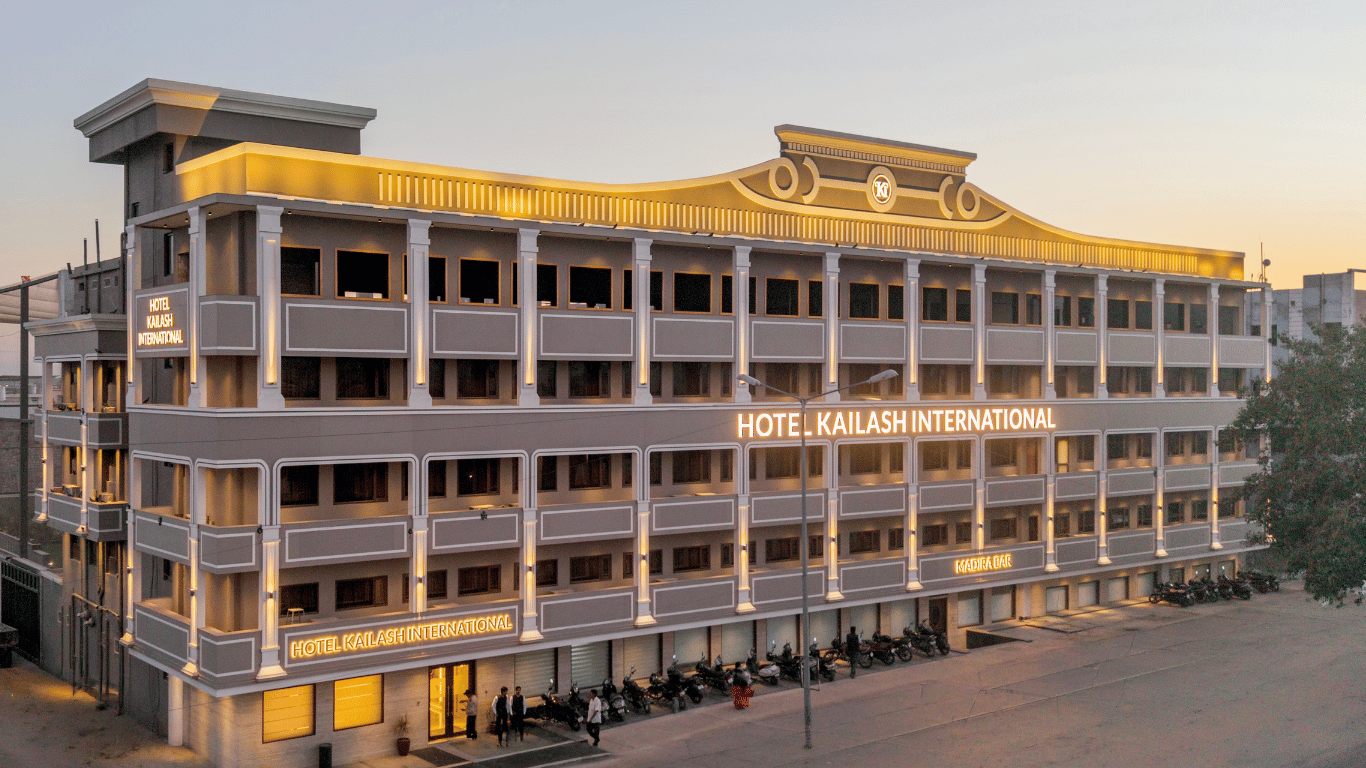
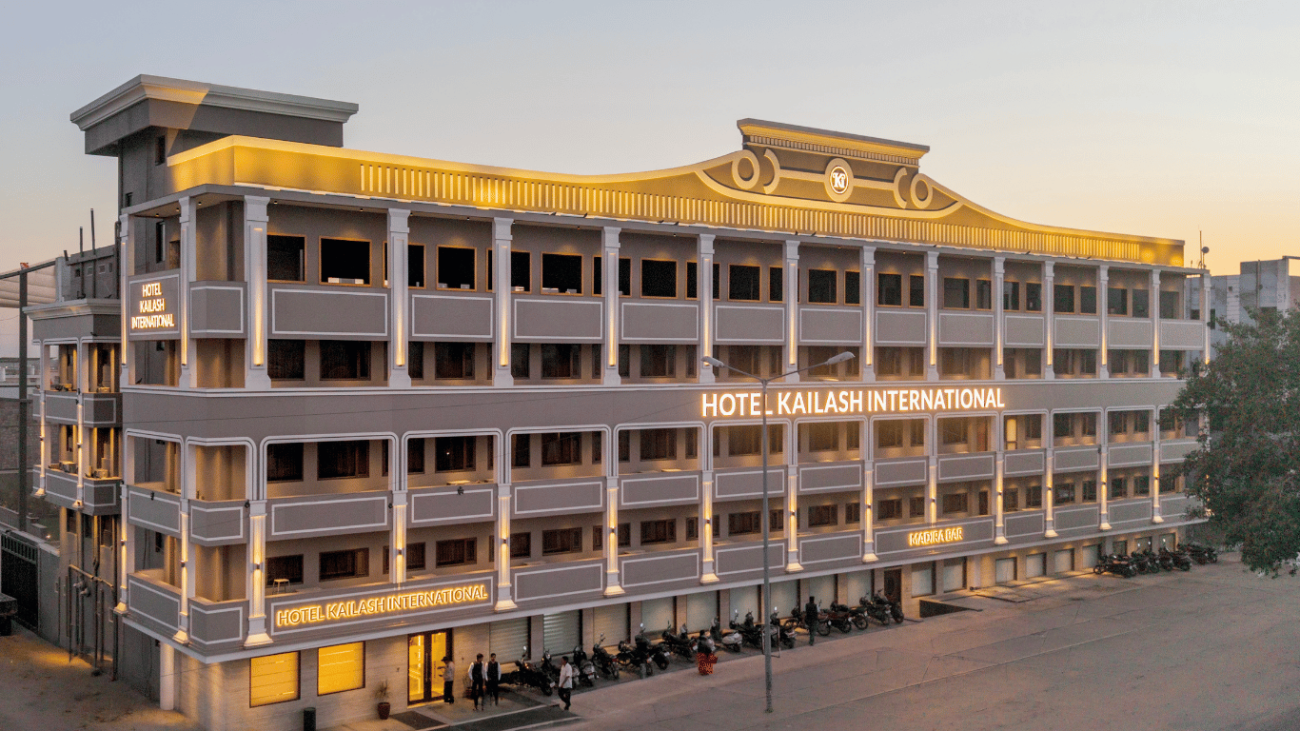
Signage is often the first detail a potential customer notices from a distance, so legibility and character matter more than size. Edge-lit or backlit lettering adds dimension after dark, while a consistent typeface across signage and menus builds recognition. Facade lighting should highlight the sign and entrance without overpowering the architecture; subtle, well-placed illumination reads as considered rather than commercial.
Also Read: 15 Best Exterior Wall Texture Design Ideas for Modern Homes
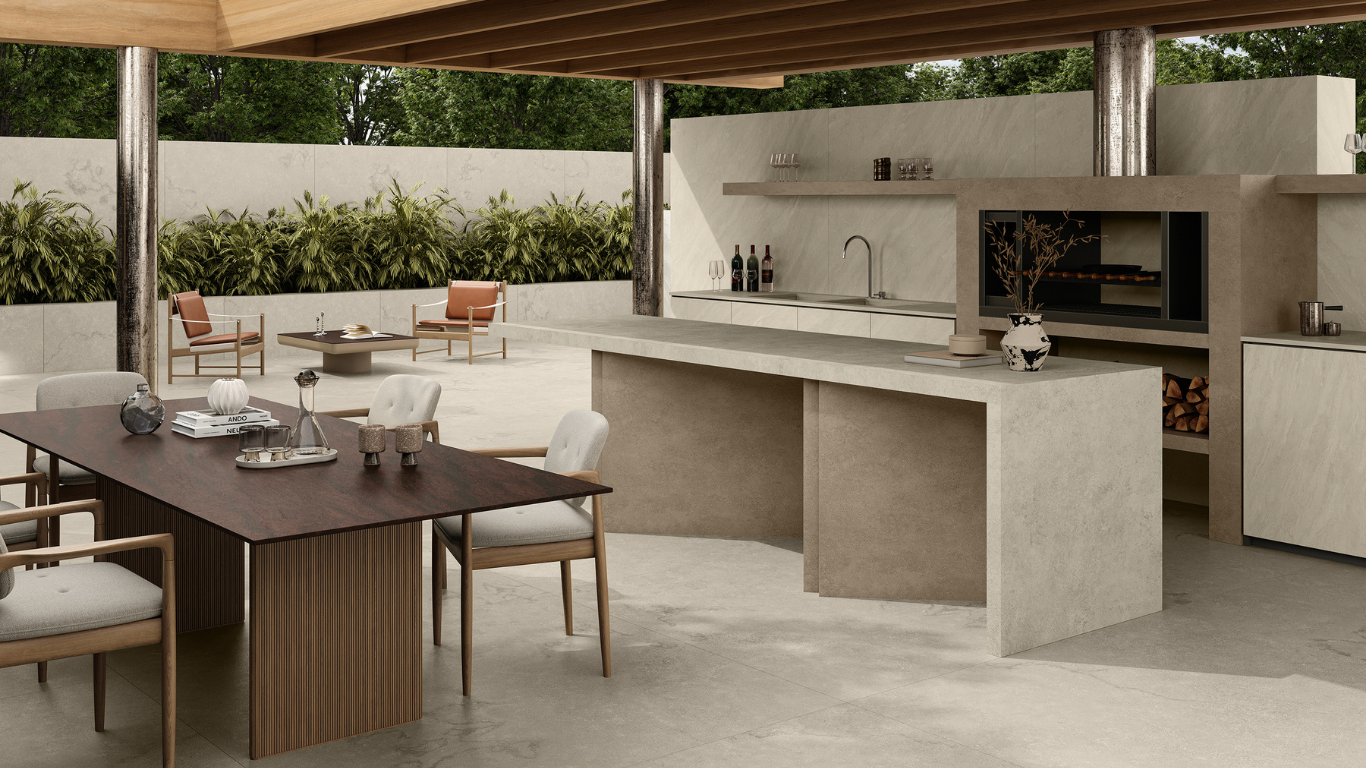
2. Outdoor Seating with Weather-Resistant Surfaces
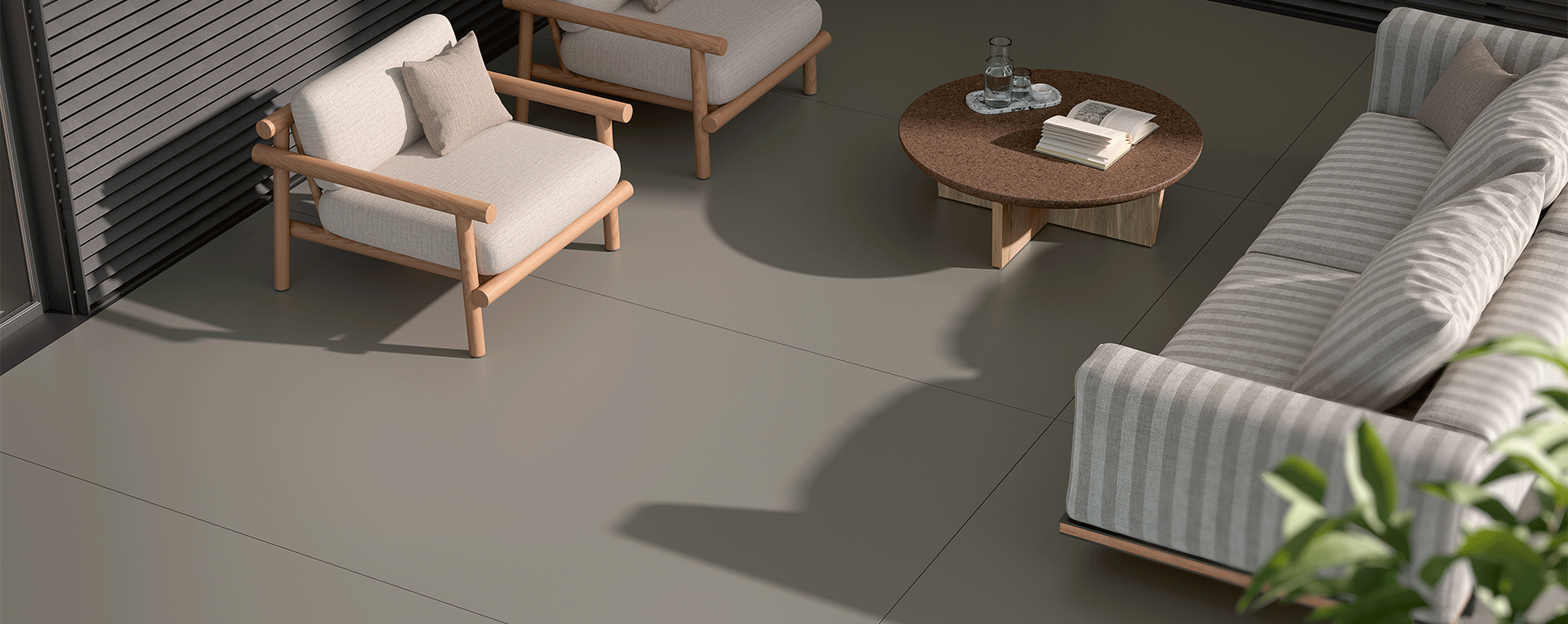
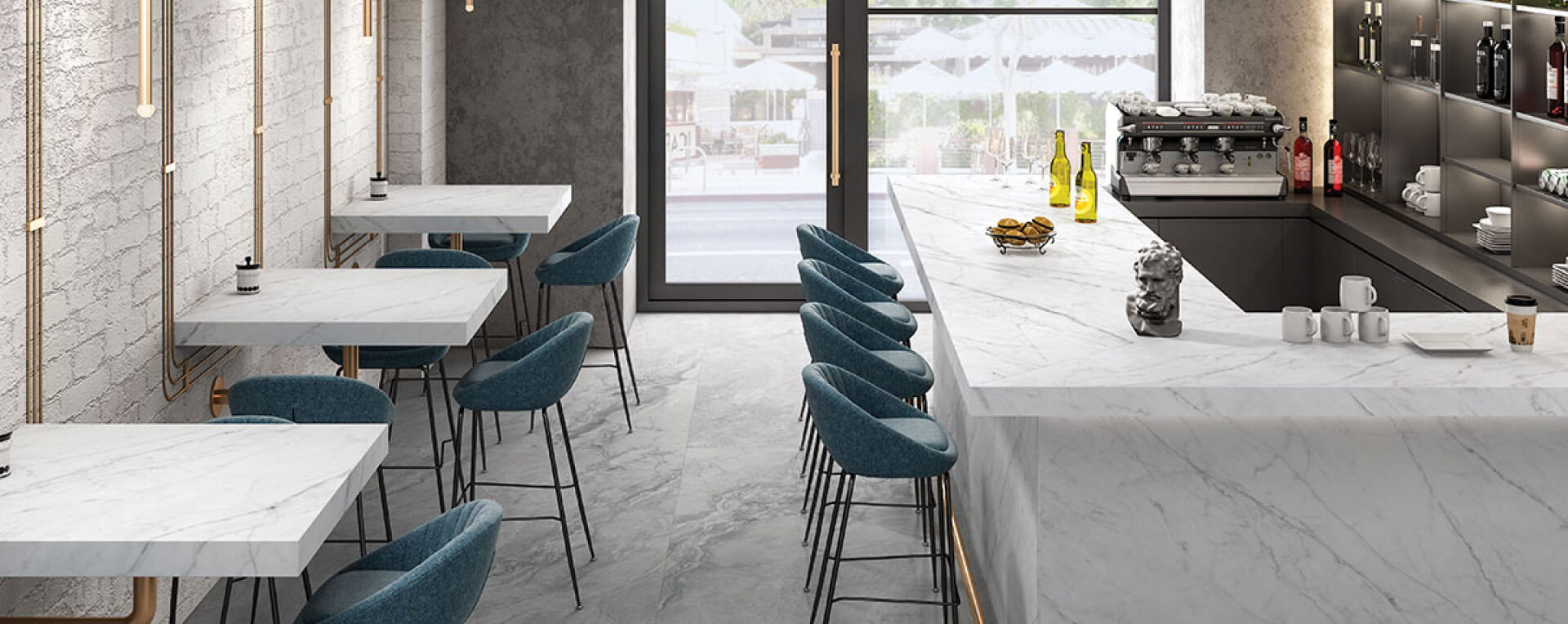
Outdoor seating extends a restaurant’s footprint and visible activity, both of which draw attention from the street. Counters and tables here need surfaces that hold up against rain, sun, and daily wear without staining or fading. Weather-resistant materials keep outdoor areas looking presentable through every season, which matters since this seating is often the most visible part of the restaurant to passersby.
3. Natural Stone and Wood Facade Combination
Pairing wood and stone on a facade balances solidity with warmth; stone grounds the structure visually, while wood softens it and adds texture. This combination works across cuisines and settings, from casual eateries to fine dining, because it reads as intentional rather than trend-driven.
4. Glass-Fronted Shopfront Design
A glass-fronted facade turns the interior into part of the exterior’s appeal, letting passersby see the ambience and activity before stepping in. This transparency builds trust and curiosity; an inviting interior visible from the street does more persuasive work than a sign alone. Large glass panels also bring in daylight, reducing daytime lighting needs and making the space feel more open.
5. Branded Colour Palette on Exterior Walls
A consistent colour palette across exterior walls and windows makes a restaurant instantly recognisable, even from a distance or in a crowded commercial strip. Colour also sets emotional tone before guests enter; warm tones read as inviting, and muted tones as elegant. Carrying this palette from the facade into interior accents strengthens brand recall and makes the restaurant feel cohesively designed, not assembled.
6. Covered Entrance Canopy Design
A canopy at the entrance does double duty; it shelters guests from rain and sun while visually marking the entry point from a distance. Well-designed canopies extend the facade’s material and colour language rather than looking like an afterthought. Beyond function, a canopy adds architectural depth to an otherwise flat shopfront, giving the entrance a sense of arrival that flush facades often lack.
Also Read: Modern Facade Design Ideas for Stylish Home Exteriors
7. Landscaped Waiting Area Design
A landscaped waiting area softens the transition between the restaurant and street, giving guests a comfortable place to linger during a wait rather than crowding the entrance. Seating, planters, and greenery add life to the facade and signal attention to detail beyond the dining room itself. This space also photographs well, often becoming an unplanned but effective piece.
8. Textured Feature Wall at Entrance
A textured wall near the entrance, whether fluted, ribbed, or patterned, gives the facade tactile interest that flat surfaces can’t match, especially under directional lighting that emphasises the texture’s depth. Positioned right at the entry, it draws the eye and creates a natural focal point for photos. Texture also helps a facade stand out on streets where most shopfronts default to flat, unremarkable surfaces.
9. Night-Time Facade Lighting Design
Many restaurants do their busiest trade after dark, making nighttime lighting design as important as daytime architecture. Layered lighting, uplights on textured walls, warm accents near seating, and edge lighting on signage create depth instead of a floodlit, flat facade. Thoughtful night lighting also extends a restaurant’s visibility and appeal well past sunset, when shopfront competition for attention is highest.
Also Read: 15 Window Grill Design Ideas for Modern Indian Homes
10. Restaurant Exterior Upgrade with Neotra Engineered Surfaces
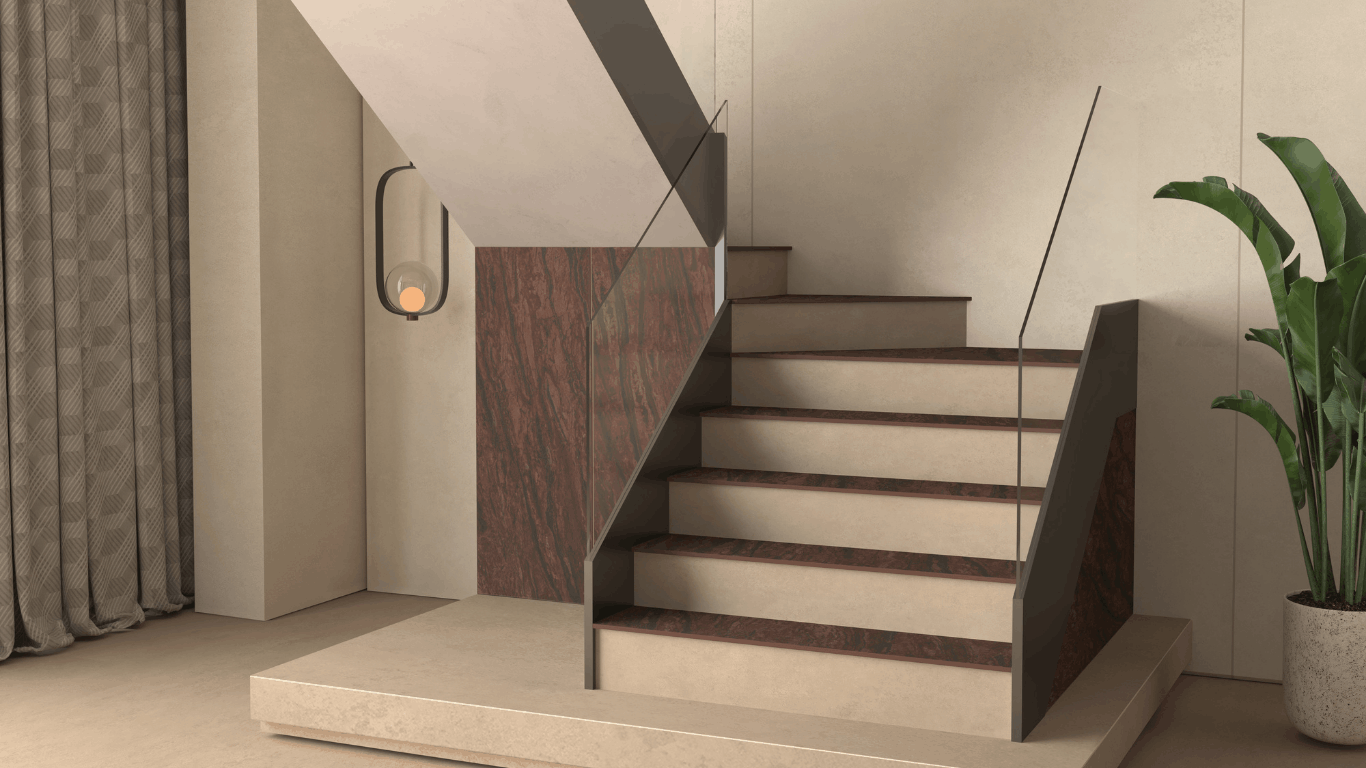
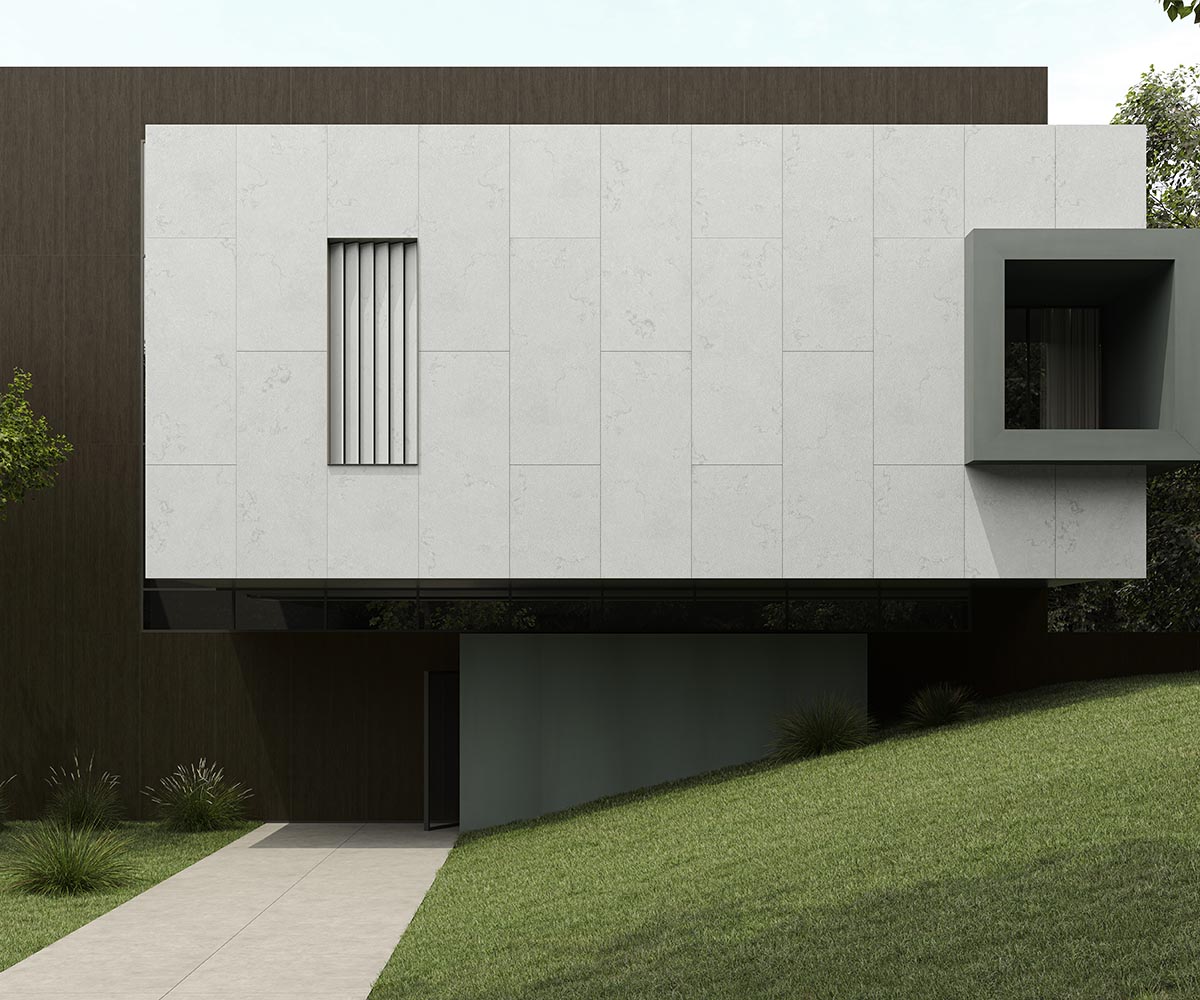
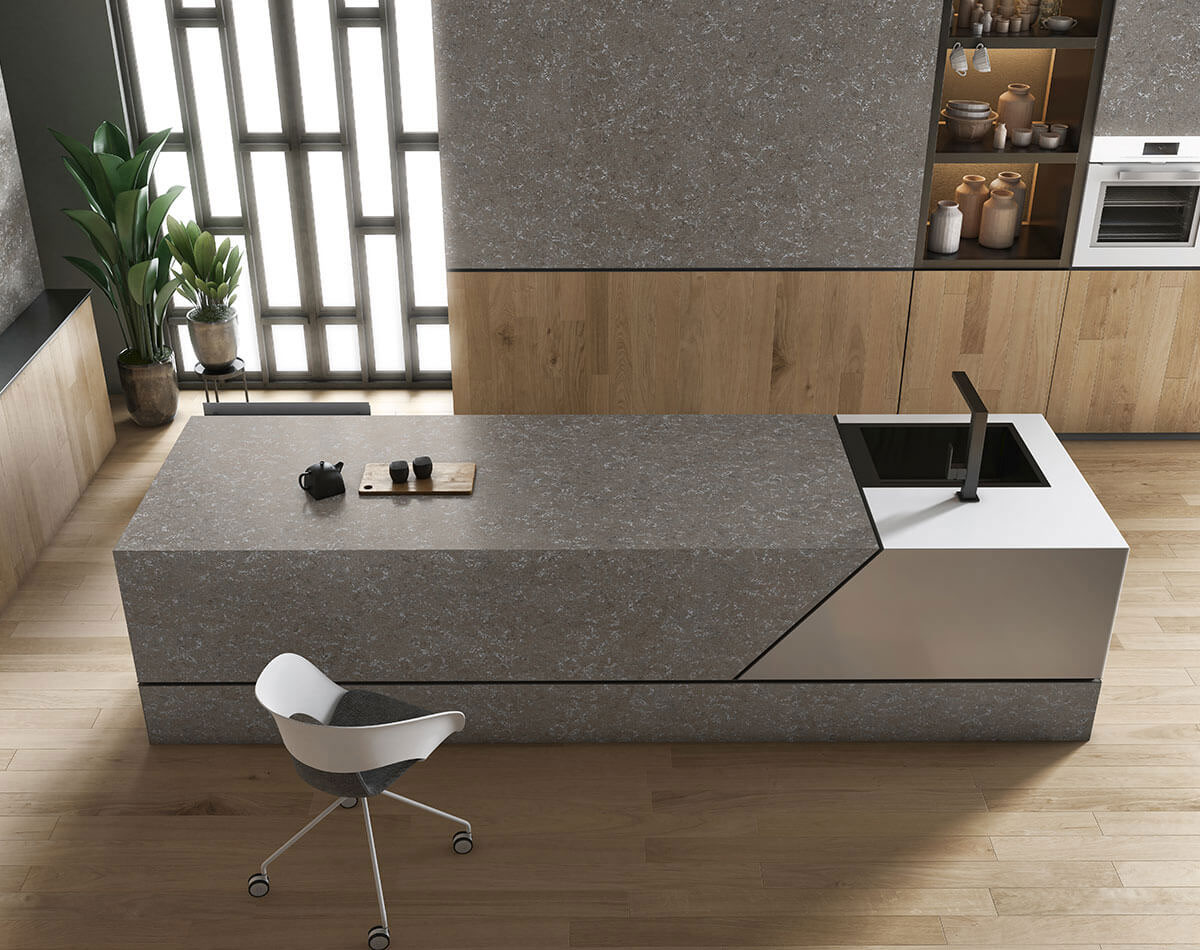
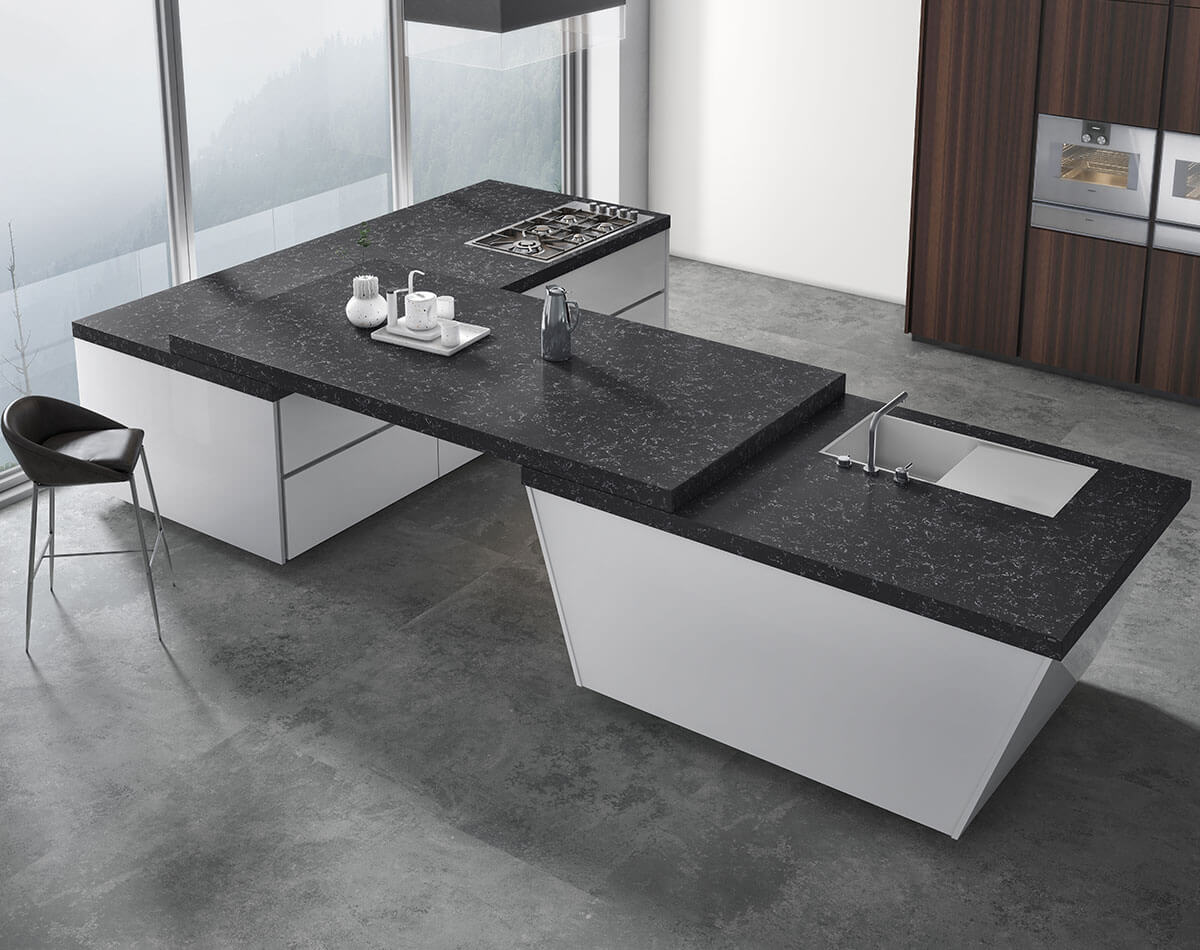
For restaurants upgrading their facade, Neotra Surfaces offers a way to bring stone, wood, marble, and concrete-look slabs to exteriors with a consistent pattern and colour across large formats. This consistency is harder to achieve with natural materials, where slab-to-slab variation is common. Available in multiple thicknesses, our surfaces suit cladding, facades, and feature walls that need a considered, uniform finish.
Traditional Cladding vs Engineered Surfaces for Restaurant Exteriors
Traditional cladding materials like brick, wood, and natural stone bring inherent texture and character but come with variability; colour and grain shift from slab to slab, and each material has different maintenance needs around staining or weathering. Engineered surfaces, by contrast, are manufactured for consistent pattern and colour across every slab, making them easier to plan large facades around. The right choice often depends on whether a restaurant is prioritising natural variation or design consistency across its exterior.
| Aspect | Traditional Cladding | Engineered Surfaces |
| Consistency | Natural variation slab to slab | Uniform pattern and colour |
| Maintenance | Varies by material (staining, weathering, and sealing) | Low-maintenance slabs |
| Finish options | Limited to the material’s natural look | Stone, marble, wood, and concrete look |
| Large-format | Joints more frequent with smaller units | Large-format slabs reduce visible joints |