

Essential Features of a Premium Office Desk Design
A premium desk design is a good-looking counter tabletop that must support long hours, quiet focus, and important meetings. Look for these qualities before you decide:
- Generous work surface: Enough width and depth for screens, laptops, and documents without clutter.
- Smart storage: Returns, drawers, and pedestals that hold files out of sight.
- Concealed cable management: Hidden wire runs keep the top clean and the look calm.
- Ergonomic build: Correct height, rounded edges, and comfortable legroom for long hours.
- Considered finish: A uniform texture and colour that suits the cabin’s decor.
- Strong presence: Proportions that suit the room and draw commercial attention.
12 Stylish Executive Desk Designs
Each concept below suits different styles of office, and here are 12 different types of stylish desk design concepts:
1: L-Shaped Director Cabin Desk Design with Integrated Storage Return
The L-shaped layout gives two zones, one for focused work and one for review. The integrated return holds files and devices neatly, while the office desk surface stays clear for uninterrupted work. It keeps the main surface clear and the whole cabin looking neatly organised.
2: Cantilevered Floating Executive Desk with Brushed Metallic Accents
A cantilevered top appears to float, which makes the cabin feel lighter and more open. Brushed metallic accents add a quiet, polished shine. It suits leads who like a sleek, uncluttered, thoroughly modern executive workspace.
Also Read: Office Table Design: 10 Space-Saving Ideas for Small Offices
3: Solid Hardwood Slab Desk with Bevelled Edges and Hidden Wire Runs
A solid hardwood slab brings natural grain and real weight to the room. Bevelled edges soften the profile and feel good to the touch. Hidden wire runs keep cables out of sight and the surface clear.
4: Motorised Height-Adjustable Sit-Stand Executive Desk in Dark Walnut
This desk moves with the user. A motorised frame lets a leader switch between standing and sitting in seconds. The dark walnut finish adds warmth and depth, so wellness never costs the premium executive look.
5: U-Shaped Executive Workstation with Built-In Conference Extension
The U-shaped table workstation design wraps around the user and keeps everything within reach. A built-in conference extension turns the desk into a small, elegant meeting table, ideal for quick, private discussions without leaving the cabin.
6: Leather-Wrapped Top Desk with Rose Gold Framework
A leather-wrapped top feels soft, warm, and tailored. Paired with a rose gold framework, it creates a rich contrast that looks bold yet elegant. It suits private cabins where a statement of style is welcome.
Also Read: Creative Designs for Table Tops
7: Minimalist Glass-Top Executive Desk with Anodised Frame
A glass top keeps the desk visually light and lets the floor show through. The anodised frame adds strength and a clean, matt finish. Together, they suit compact cabinets that need a calm, spacious, open feel.
8: Curved Modern Executive Desk Design for Open Director Suites
A curved desk softens the sharp lines of a large suite. It also guides movement, welcomes guests, and gives the room a flowing shape. Also works best in open director suites with plenty of space to spare.
9: Fluted Timber Base Desk with Faux Marble Surface Insert
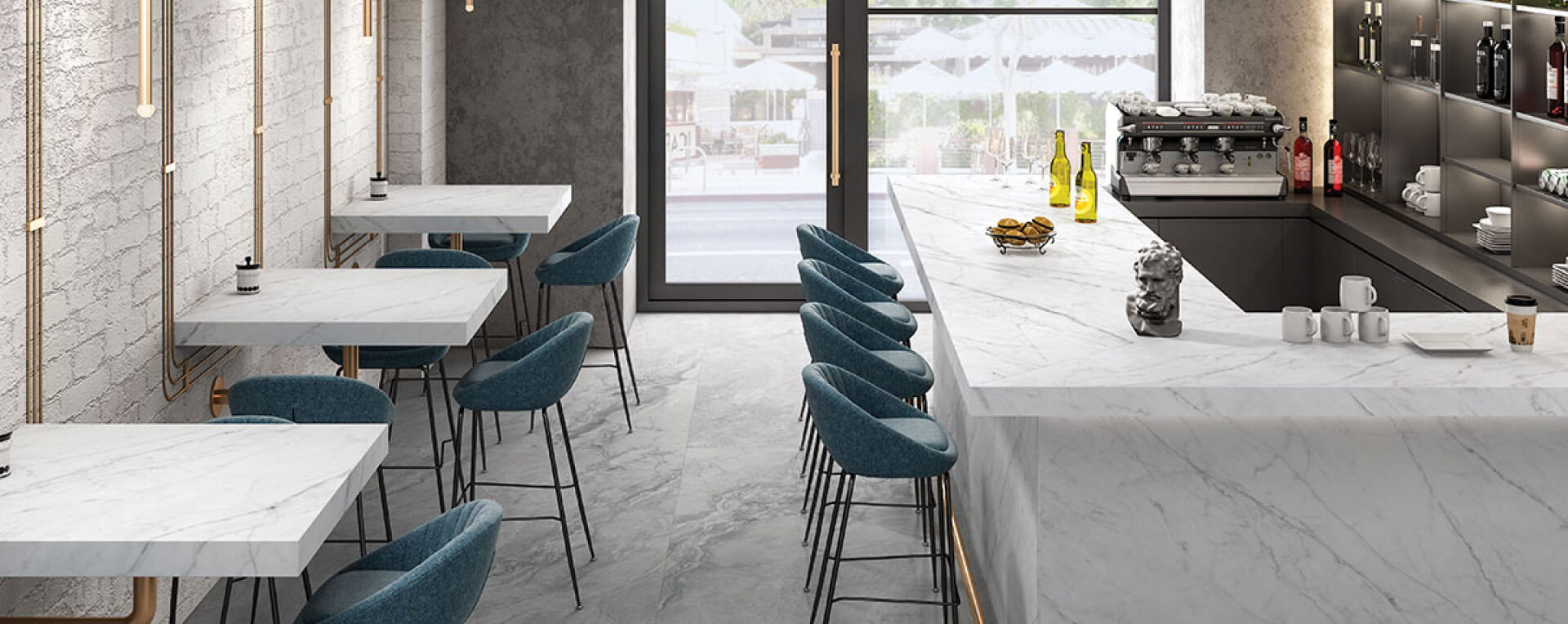
A fluted timber base adds rhythm and texture beneath the top. The marble-look engineered surface insert brings a polished, luminous accent to the work surface. The mix of warm and cool tones feels layered and distinctive.
Also Read: 10 Modern Counter Table Design Ideas for Office Spaces
10: Multi-Tiered Pedestal Desk with Biometric Concealed Drawers
Multiple pedestal tiers give ample space for files, personal items, and devices. Biometric concealed drawers add a layer of security for confidential papers. It is a smart choice for leaders who value both storage and discretion.
11: Industrial-Chic Timber and Charcoal Steel Executive Desk
Warm timber meets charcoal steel in this industrial-chic design. The steel frame gives a strong, grounded look, while the timber top adds character. This suits creative firms and modern studios that want a confident edge.
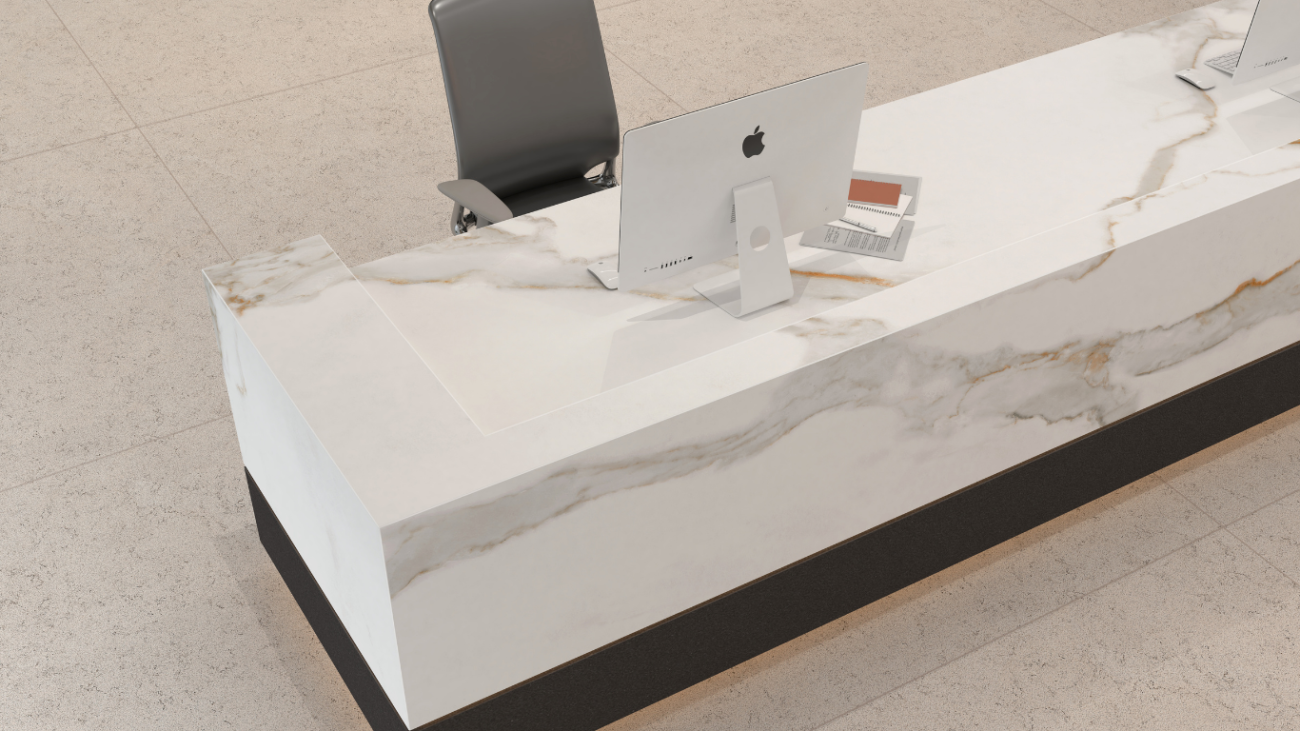
12: Monolithic Stone-Effect Executive Desk with LED Privacy Skirt
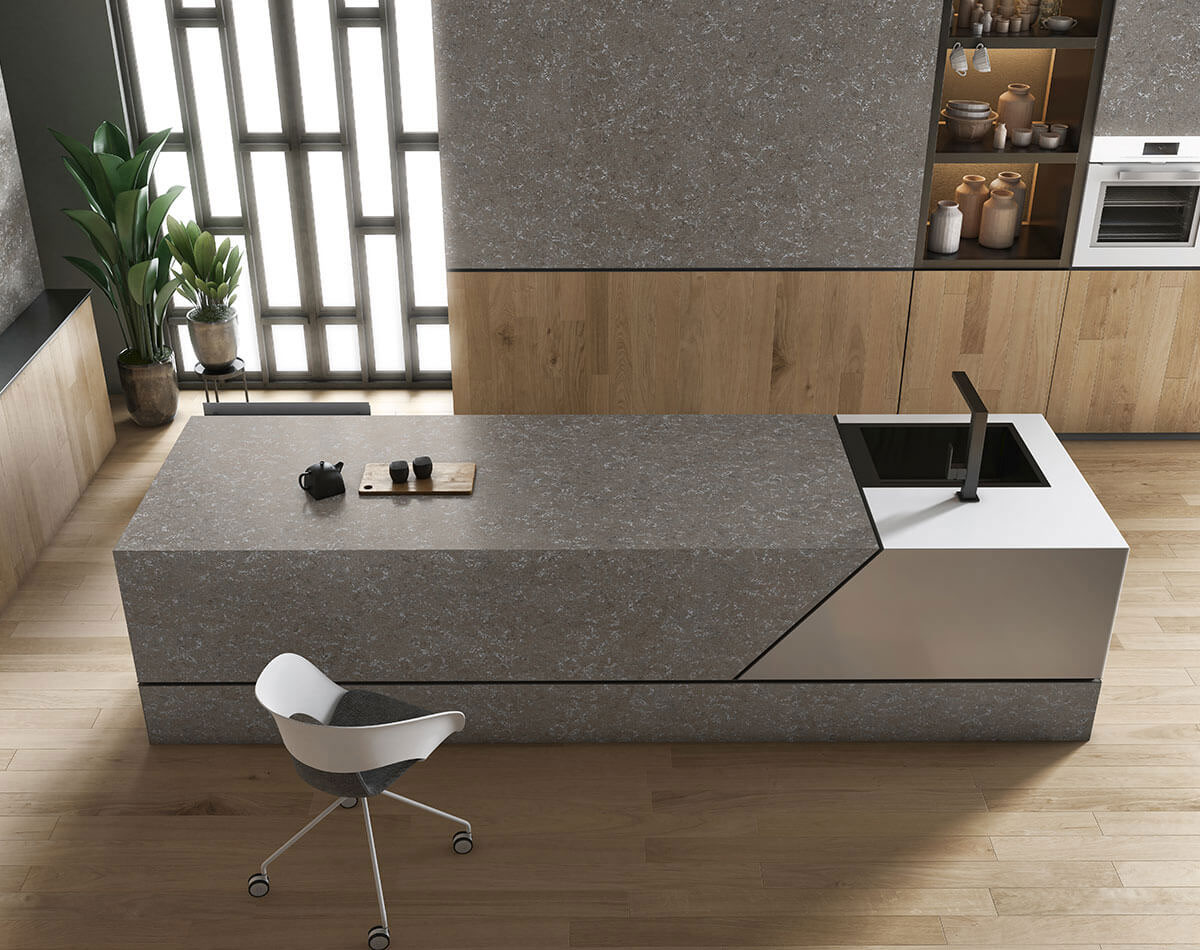
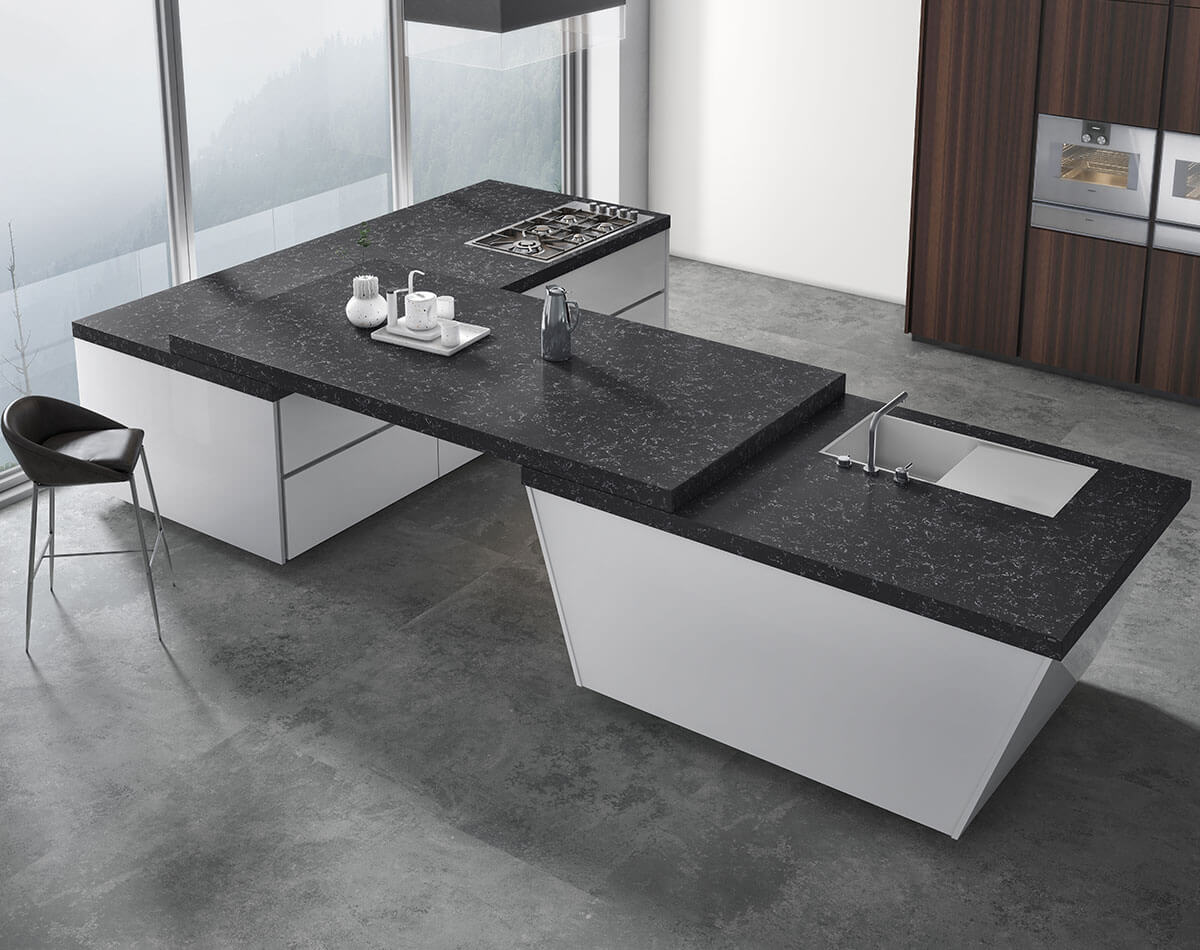
A monolithic, stone-look desk makes a strong, sculpted statement. A slim LED privacy skirt hides the legroom and adds a soft glow at the base. Engineered surfaces suit this look well, offering large and seamless-looking slabs.
Also Read: 15 Modern Study Table Design Ideas for a Productive Workspace
Material Selection: Wood Veneers, Metals, and Composites
Material shapes the look, feel, and life of an executive desk. Choose with care and match each material to how the desk will be used.
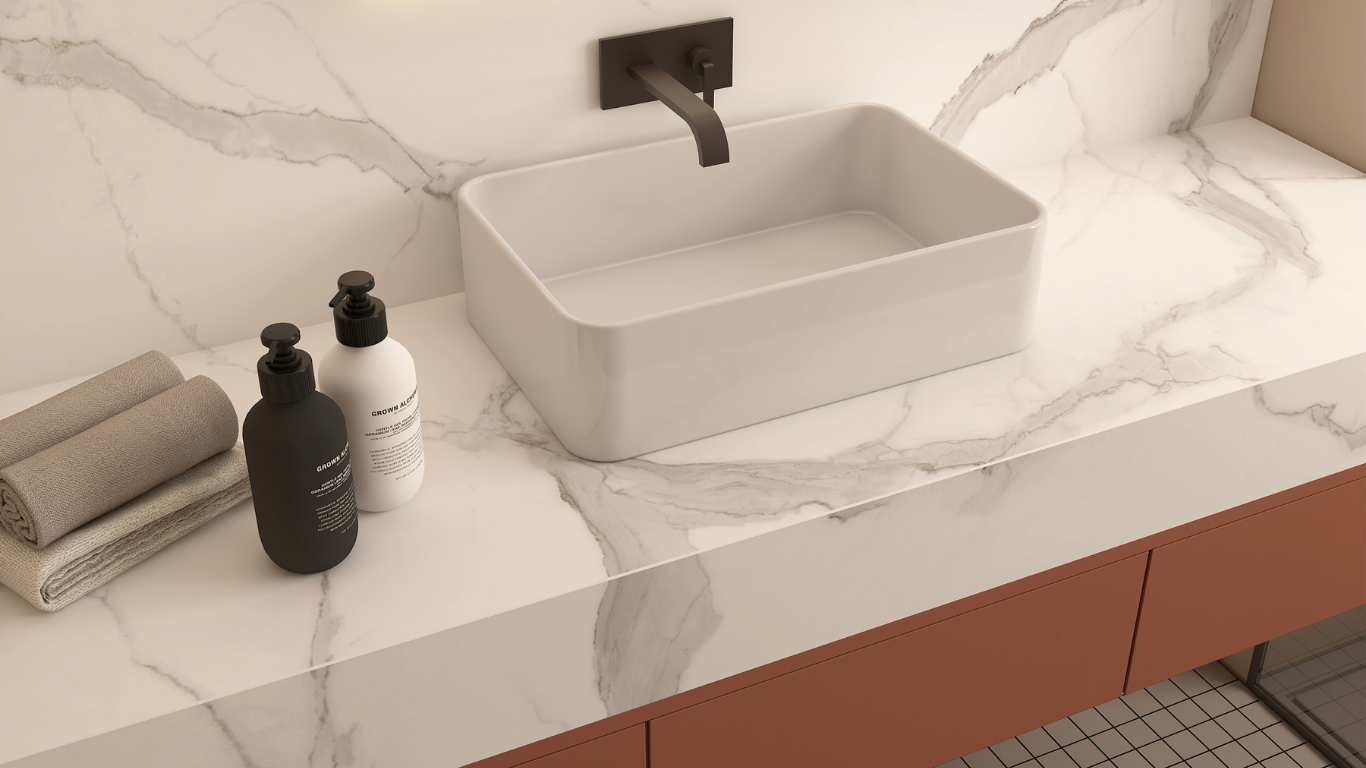
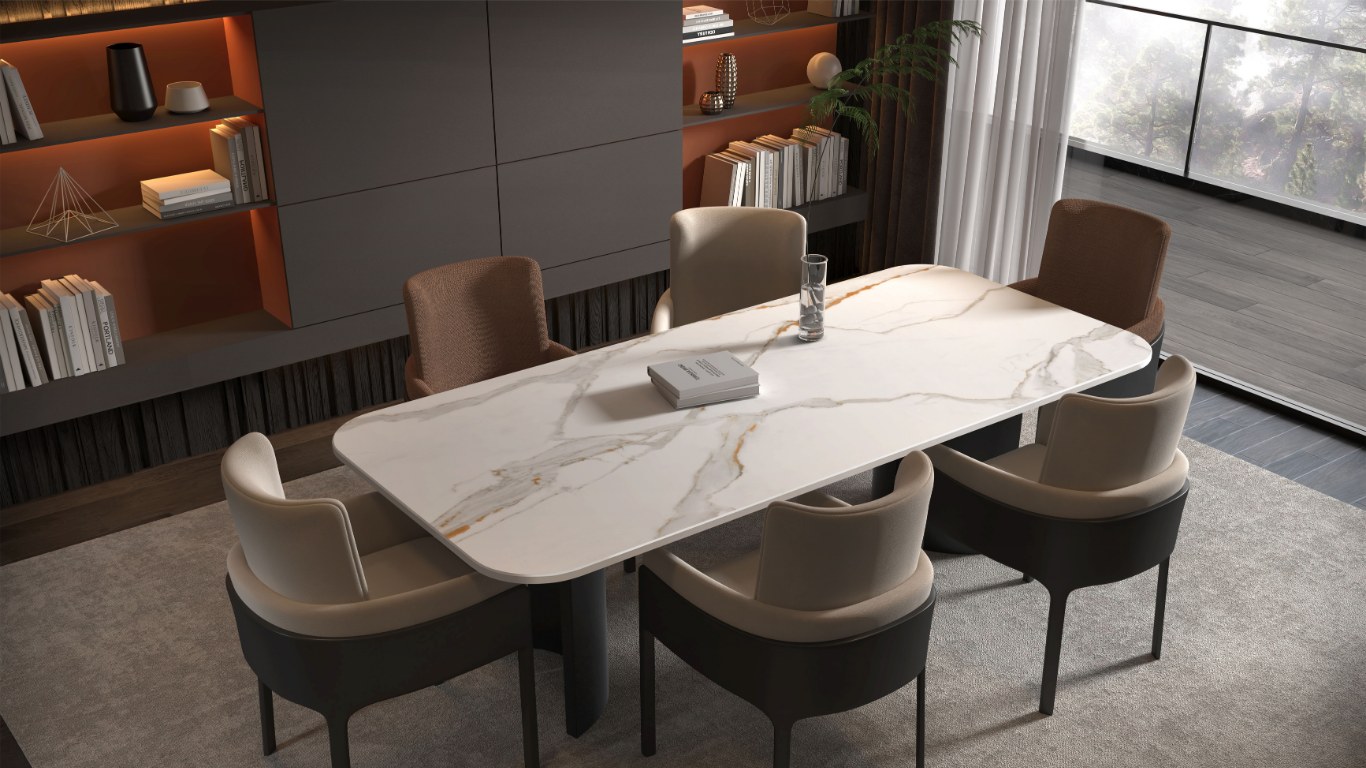
- Engineered surfaces: Neotra’s engineered surfaces come in large-format slabs in wood, stone, concrete, and marble-look surfaces, suited to desk tops.
- Metals: Brass, steel, and anodised aluminium add strength, slim frames, and a sharp accent
- Wood veneers: Offer rich grain and warmth at a manageable cost, with stable panels
- Composites: Laminates and engineered boards give consistent finishes and wide design choice
- Glass: Adds lightness and transparency. Pair it with a strong frame
Space Planning: Sizing and Placement in the Director Cabin
A great desk can still fail in the wrong space. Placement and size decide how the cabin feels and works. Plan the layout first, then choose the desk.
- Cabin proportion: Match the desk to the room; a large desk in a small cabin feels crowded.
- Placement: Position the desk so the user faces the door without sitting directly in line with it.
- Desk size: Leave at least 90cm of clear space around the desk for easy movement.
- Light and views: Place the desk to avoid screen glare from windows.
- Visitor seating: Keep two guest chairs at a comfortable distance, with easy walking space.
- Cables and power: Plan floor boxes and outlets before the desk arrives.
How does an executive desk differ from a standard office desk?
An executive desk offers more space, premium materials, and built-in features than a standard office desk. It combines everyday functionality with a polished, authoritative look.
| Feature | Executive Desk | Standard Office Desk |
| Size | Larger work surface with ample room for devices, documents, and accessories | Compact surface designed for essential work needs |
| Materials | Often uses hardwood, leather, metal, or engineered surfaces | Typically uses practical, cost-effective materials |
| Storage | May include drawers, a return, concealed compartments, or integrated storage | Usually offers basic drawers or open storage |
| Cable management | Often conceals cables for a clean, organised setup | May rely on basic or exposed cable management |
| Design | Creates a refined, premium look that reflects authority and professionalism | Focuses primarily on function and workplace efficiency |