

Manufacturing Process: Pressing Pressure and Mineral Formulas
Sintered stone and porcelain slabs use different manufacturing processes to achieve dense, durable surfaces with refined finishes.
1) Sintered Stone
Sintered stone starts with nature. The raw materials are blended with pigments and placed under extreme heat and pressure in a process called sintering.
- Dense, unbroken slab: The process fuses the minerals into one dense slab without resins for binding.
- Natural process, accelerated: It recreates what the earth does over millions of years in a matter of hours.
- Long-lasting appearance: The result is a surface of rare density that looks calm, solid, and built to stay beautiful.
2) Porcelain Slabs
Porcelain slabs are made from clay, silica, and feldspar. The mix is pressed into a large sheet and fired in a kiln at high temperature.
- Large-format production: Porcelain has been around for a long time, and advances in technology now allow it to be made in large formats.
- Strength and appearance: Porcelain slab strength is excellent, and the look feels clean, quiet, and uninterrupted.
Sintered Stone vs Porcelain Slab Technical Comparison
Sintered stone is built on a mineral blend and shaped under higher pressure, which usually results in a denser slab. Neotra slabs are made solely of minerals and come in various looks. In many slabs, the pattern runs through the full body of the surface. A porcelain slab is built on a clay base, under lower pressure. In many slabs, the design sits mainly on the surface layer. Here is a sintered stone and porcelain slab comparison table that helps you evaluate faster.
| Feature | Sintered Stone | Porcelain Slab |
| Base material | Natural minerals | Minerals and clay |
| Density | Very high | High |
| Scratch Resistance | Excellent | Very good |
| Stain Resistance | Excellent | Very good |
| Heat Resistance | Excellent | Excellent |
| Pattern Depth | Often through the body | Through surface print |
| Thickness Range | Slim to very thick | Mostly slim to medium |
| Price | Higher | Lower to mid |
Also Read: Sintered Stone vs Aluminium Cladding: A Complete Comparison Guide
In-Depth Breakdown of Key Differences
To know more about sintered stone and porcelain slabs, here are the key differences –
-
1: Through-Body Veining and Edge Fabrication Performance
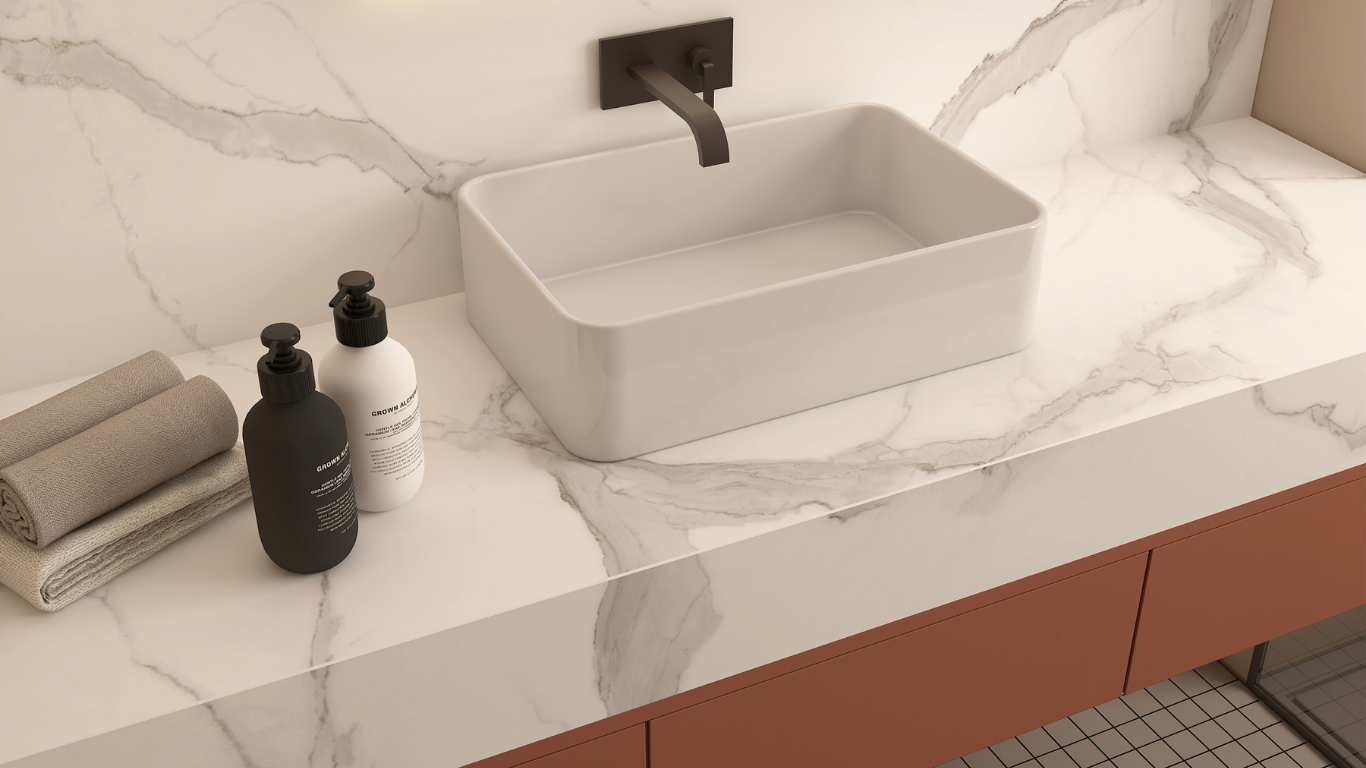
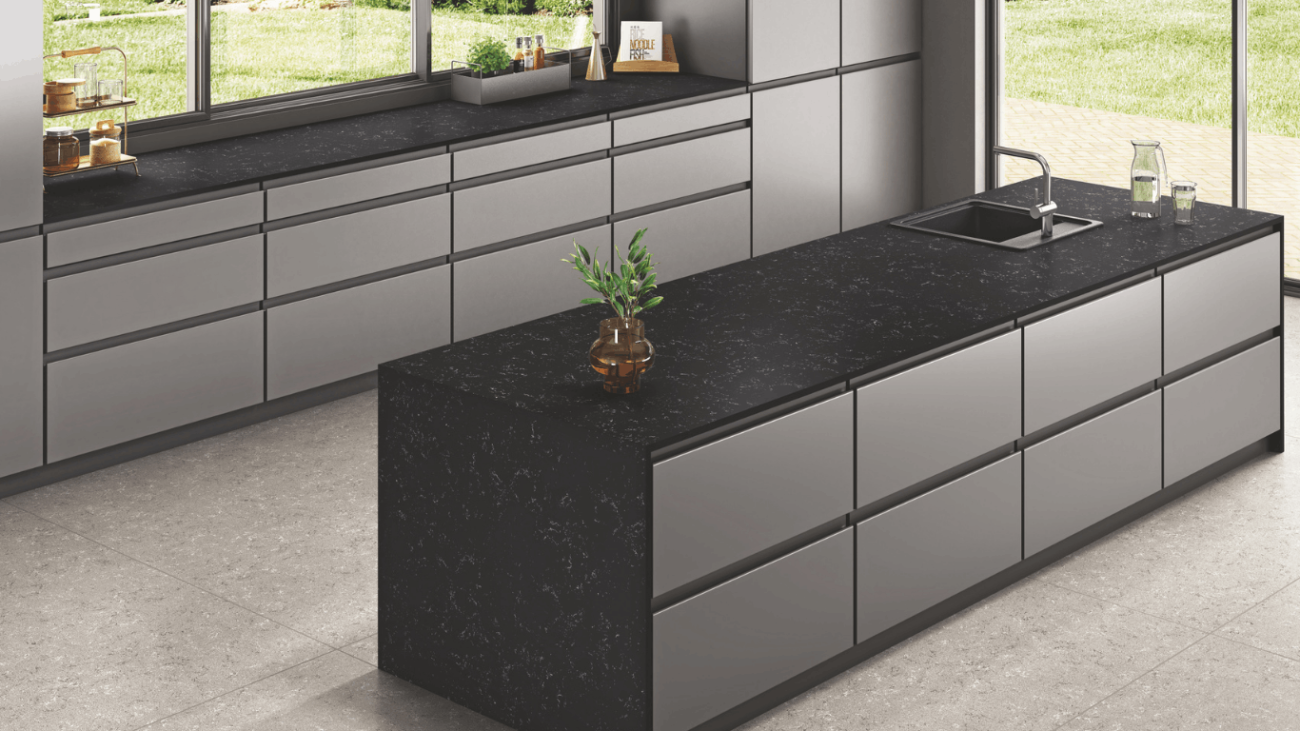
Sintered stone carries its veining through the full slab thickness. Waterfall and mitered edges look natural and continuous. Printed porcelain may reveal a plain core on the cut edge and often needs special edge detailing.
-
2: Flexural Strength and Resistance to Impact Chipping
Sintered stone’s high density gives strong resistance to impact and bending. Corners and edges chip less under accidental knocks or heavy pots. Thin porcelain slabs are tough but can be more brittle.
Also Read: Advanced Surfaces vs Quartz: Why Neotra Outperforms Quartz in Modern Architecture
-
3: Surface Hardness and Direct Scratch Endurance
Sintered stone is hard, so keys, knives, and rough cookware leave little or no trace. Porcelain resists scratches well. On surface-printed slabs, a deep scratch may show a different colour beneath.
-
4: Precision CNC Machining & Undermount Cutout Capabilities
The density of sintered stone holds crisp edges during CNC cutting. Suits tight corner radii, undermount sinks, and integrated basins. Porcelain suits well in thin sizes but offers fewer options for deep, custom fabrication.
-
5: Thermal Shock and Direct Flame Exposure Resistance
Both handle high heat far better than most surfaces, and neither scorches nor burns. Sudden extreme temperature swings can still stress any slab, so a trivet should be used.
Also Read: Neotra vs Quartz: Which Surface Is Best for Modern Kitchens
Application Matrix: Where Each Material Performs Best
The right surface depends on the space it lives in: if a countertop faces hot pans and knives, a facade faces rain and sun, and a shower wall faces steam and moisture. Each one asks for something different. Here is how sintered stone and porcelain slabs perform across the spaces that matter most.
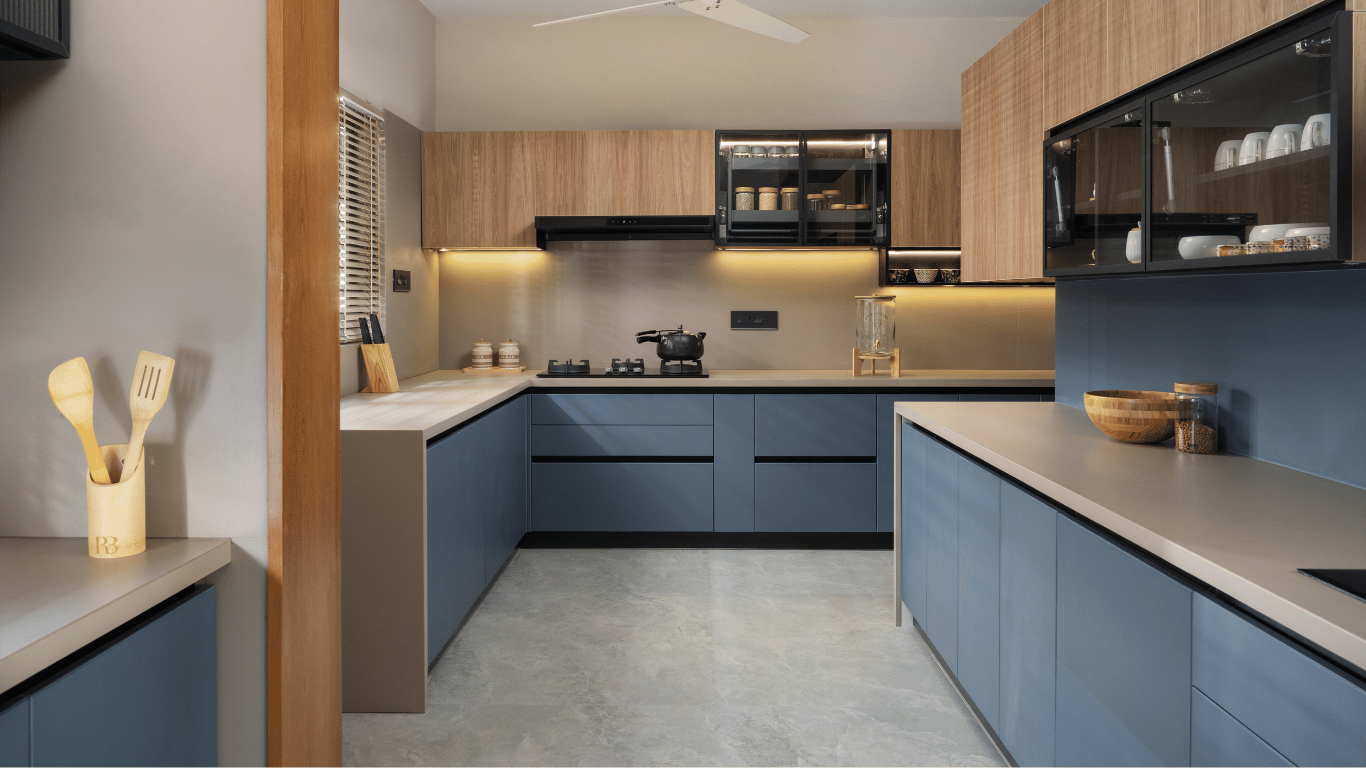
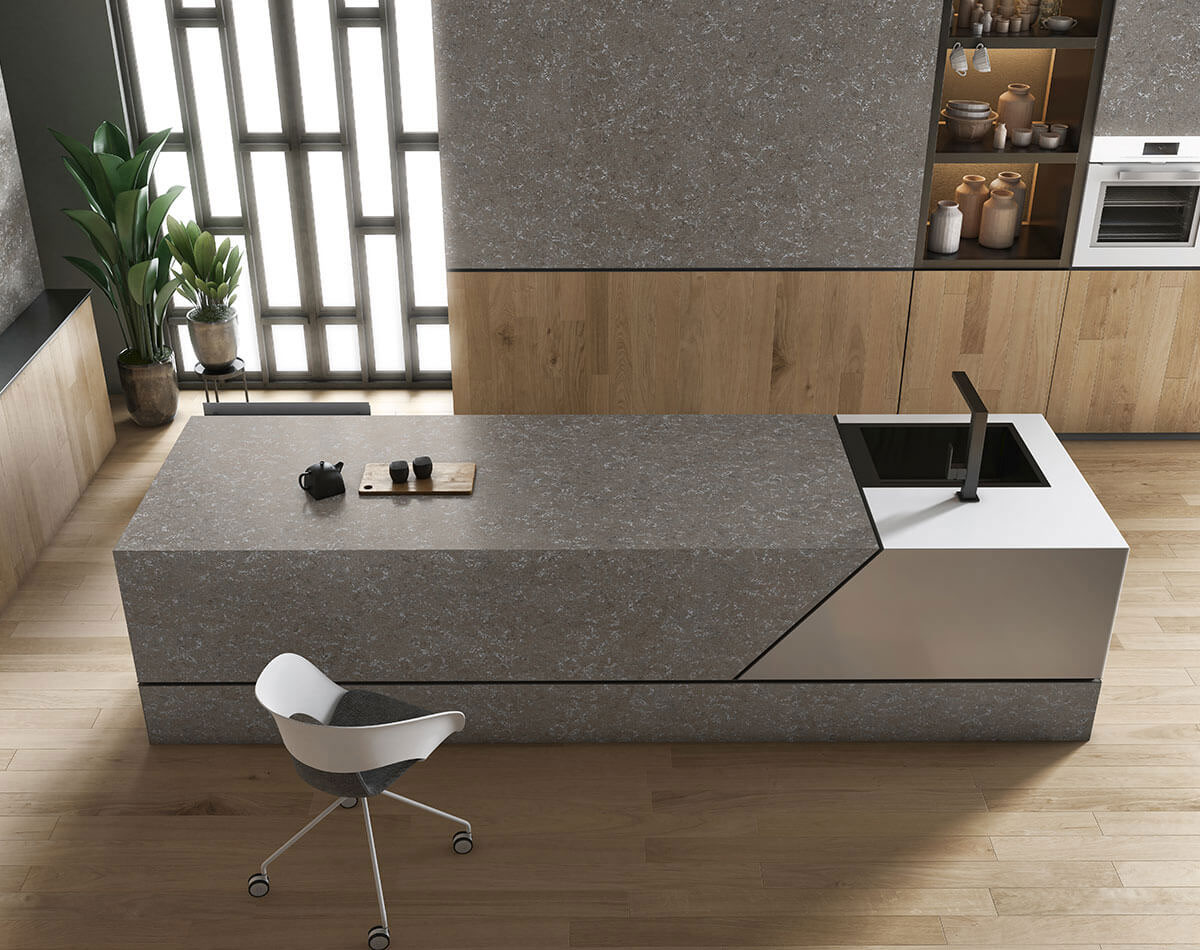
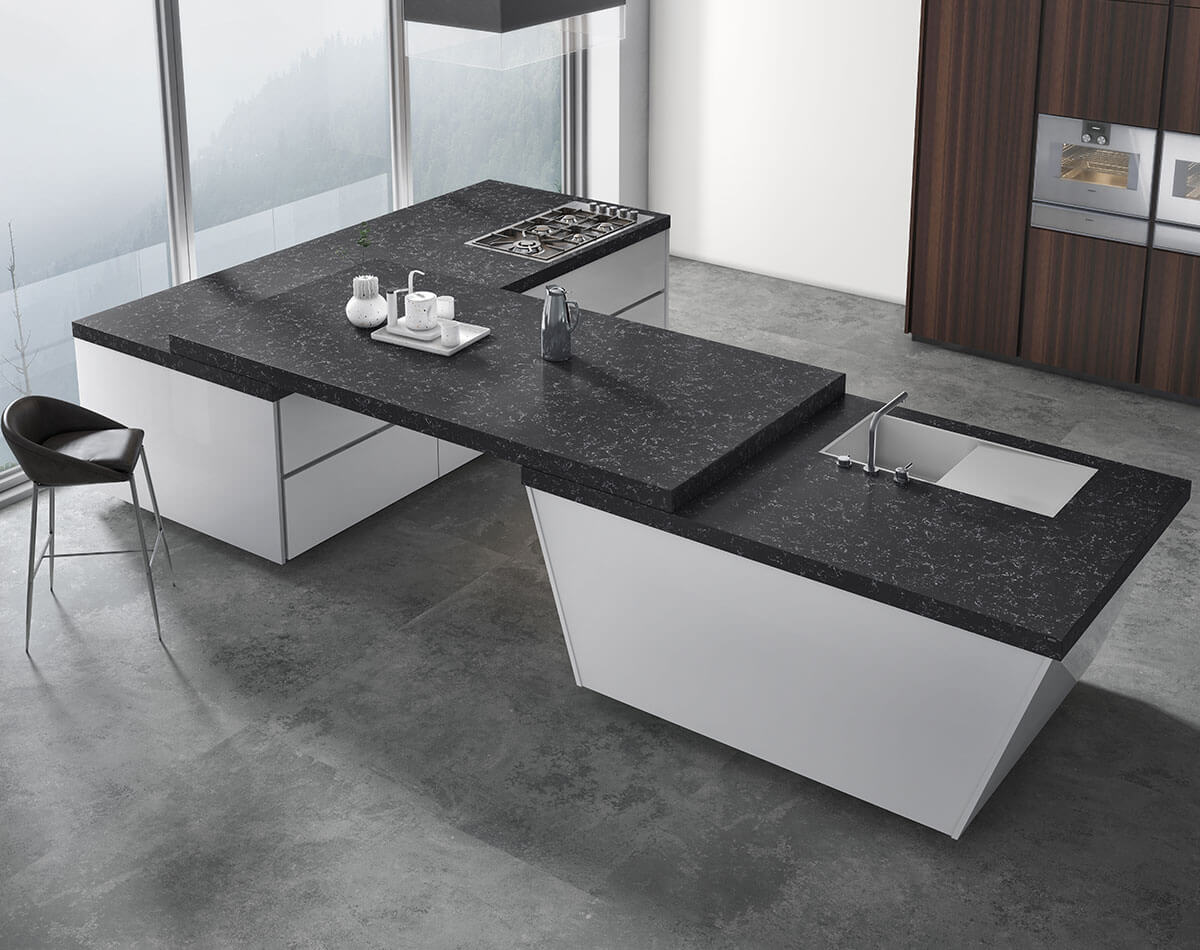
- Kitchen countertops and islands – Sintered stone is best for kitchen countertops; high density helps it resist chips, absorb almost no liquid, and be heat-resistant. Porcelain slabs can also work on a countertop, but they are tough and heat-safe. But a surface-printed slab may show a plain core on the cut side.
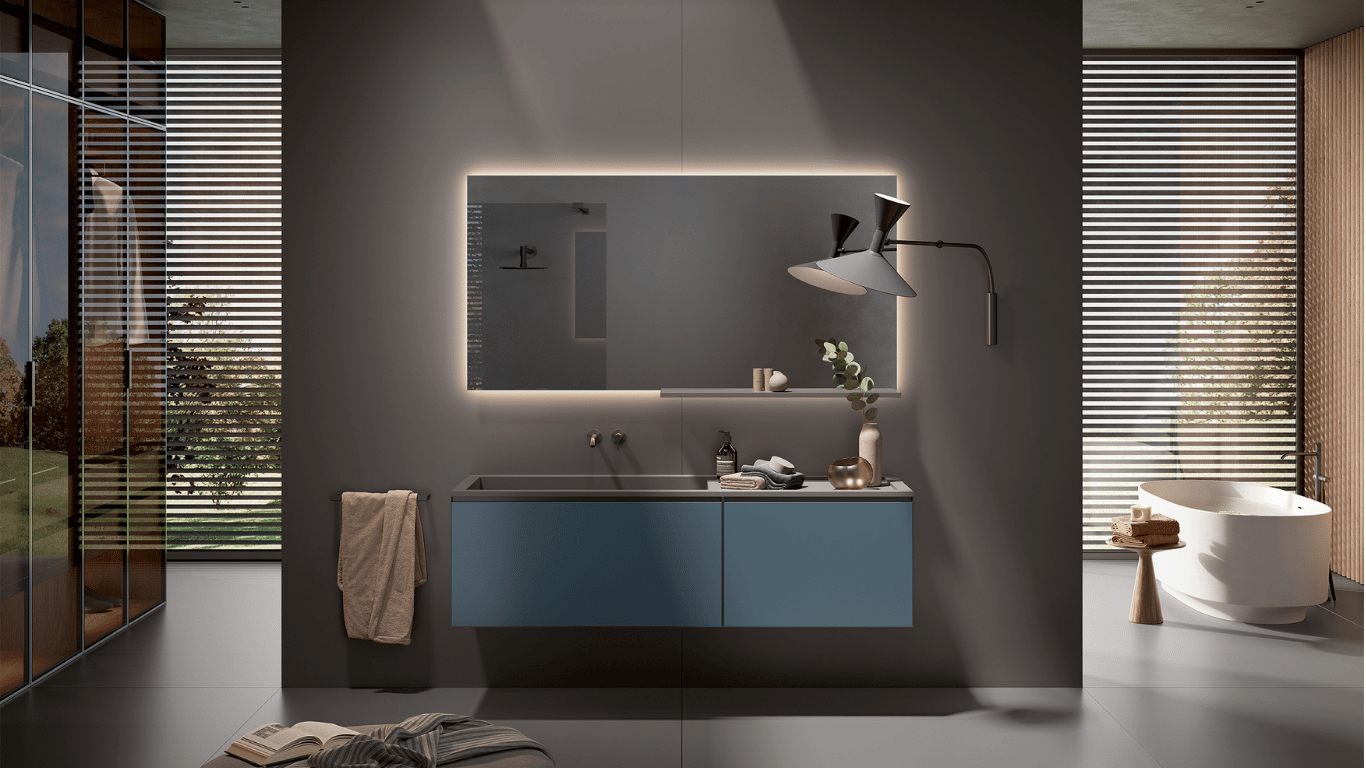
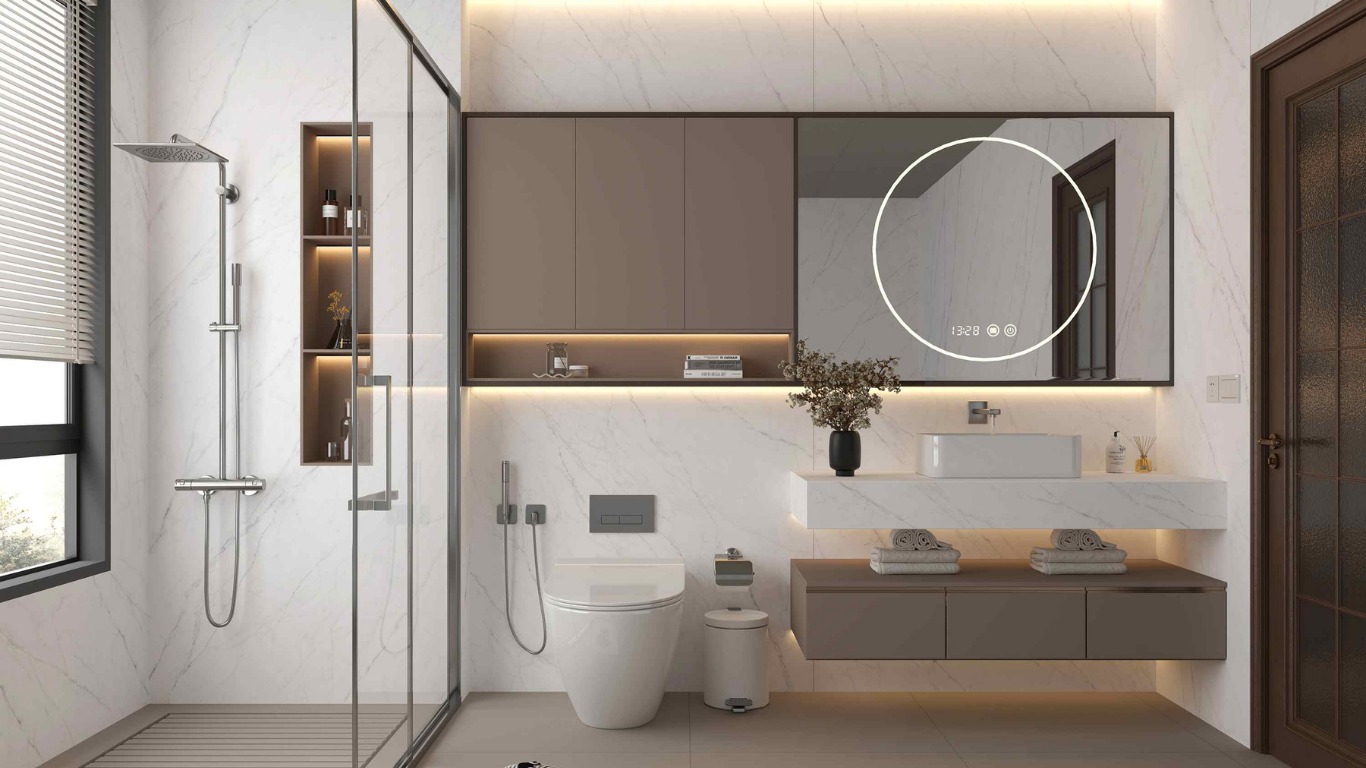
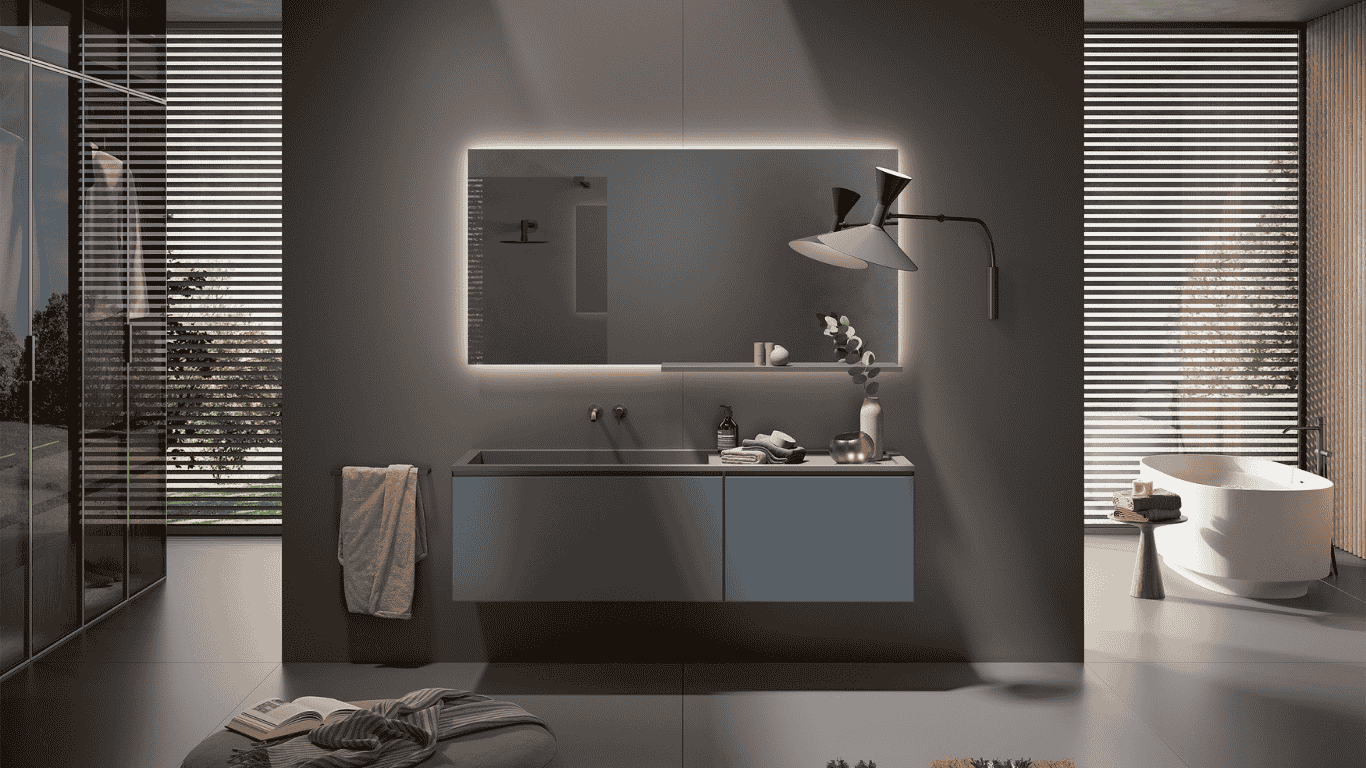
- Bathroom vanities – A vanity top needs a surface that does not absorb or stain. Neotra surfaces are non-porous; a simple wipe keeps them fresh. Large-format slabs become one piece; there are no joints where water can sit and no gaps where grime can build up. This gives the bathroom a spa-like finish. Porcelain slabs can work best in simple designs, but for shaped and sculpted basins, sintered stone provides more freedom.
- Flooring – Opt for a porcelain slab when you want a seamless, large-format floor in a home. Choose sintered stone when the floor will see heavy and constant use.
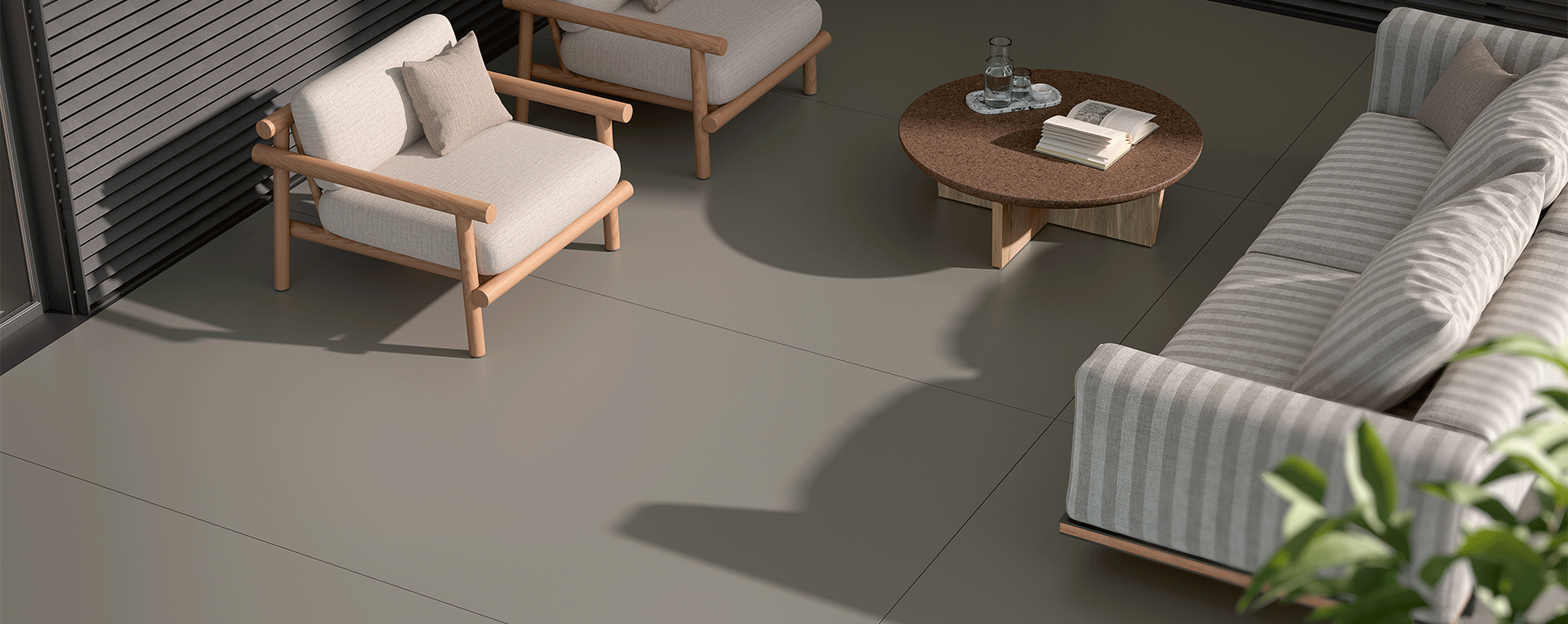
- Outdoor spaces – Sintered stone is best for flooring, bars, and countertops outdoors. Neotra surfaces resist UV, rain, sun, scratches, and stains, making them a popular choice.
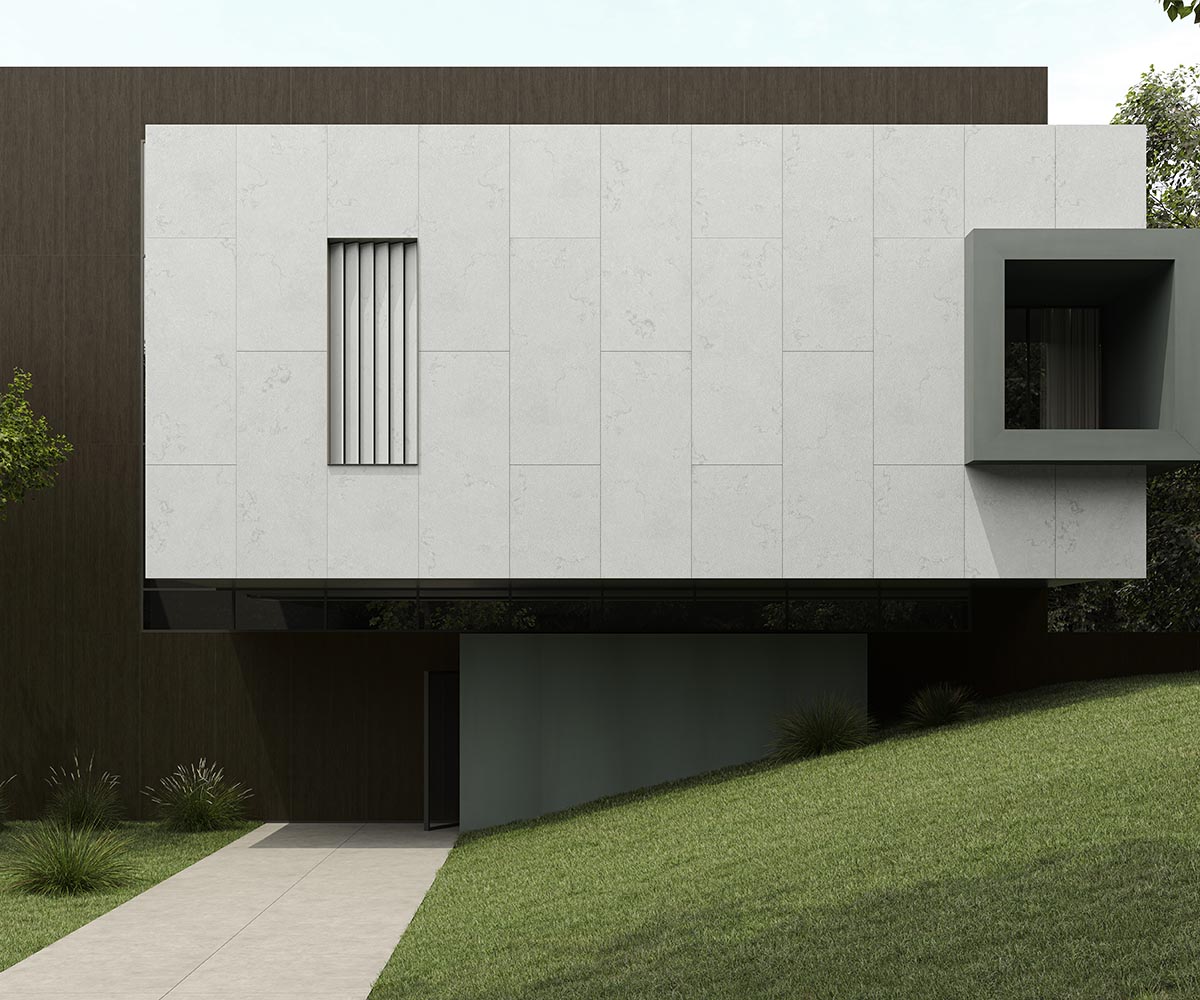
- Facades – Choose porcelain slabs when you are cladding, and opt for sintered surfaces when you want a standout feature or a large exterior area at the entrance or on a focal wall.
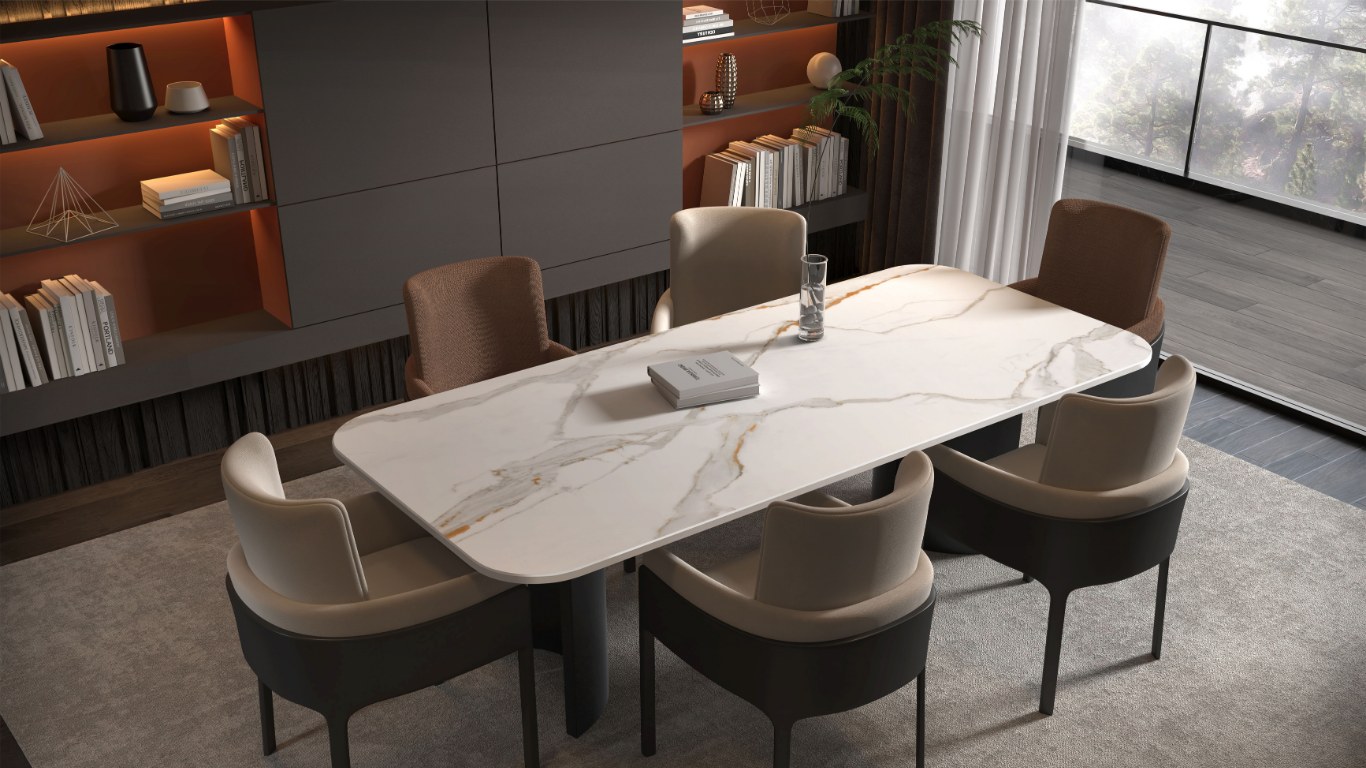
- Furniture and tabletop – Sintered stone offers a statement furniture look, as it holds beauty for years with almost no care. Neotra surfaces resist heat, scratches, and spills, which makes them appear refined from every angle.
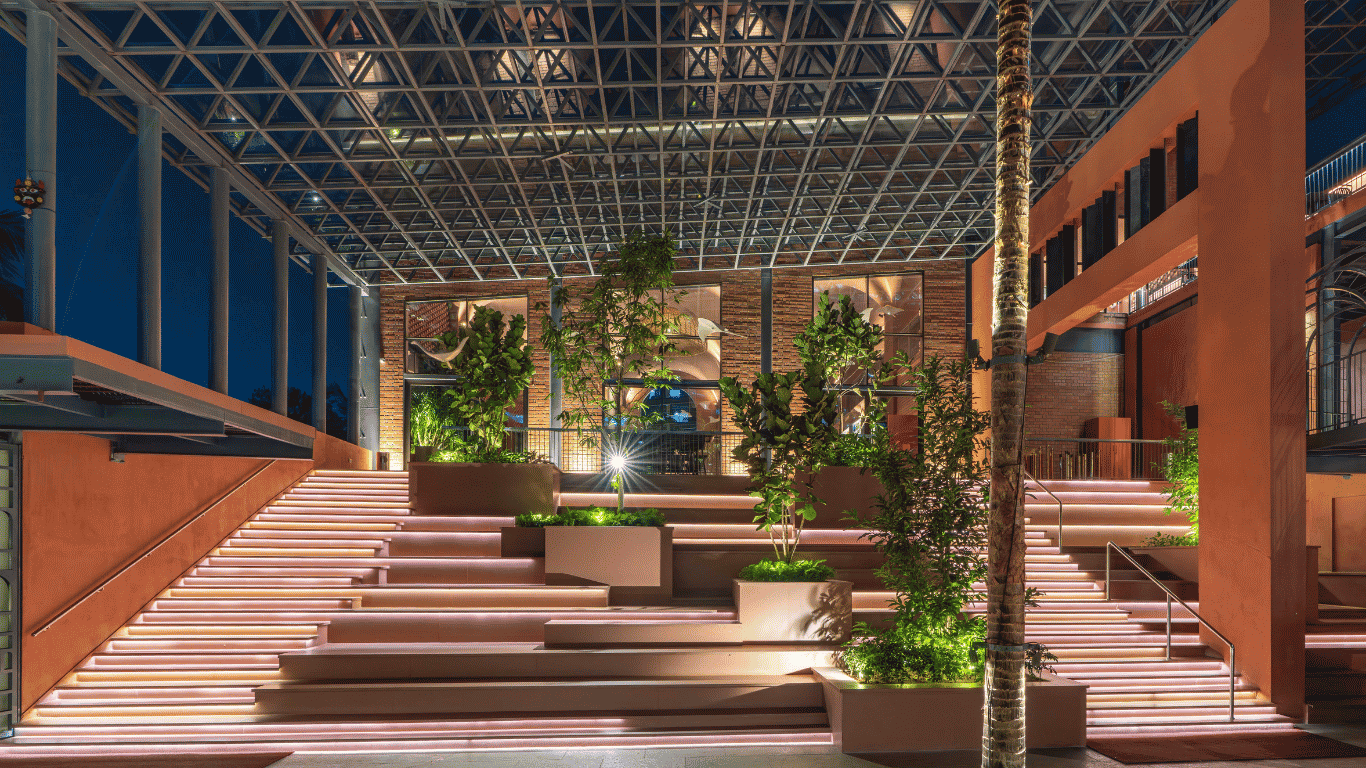
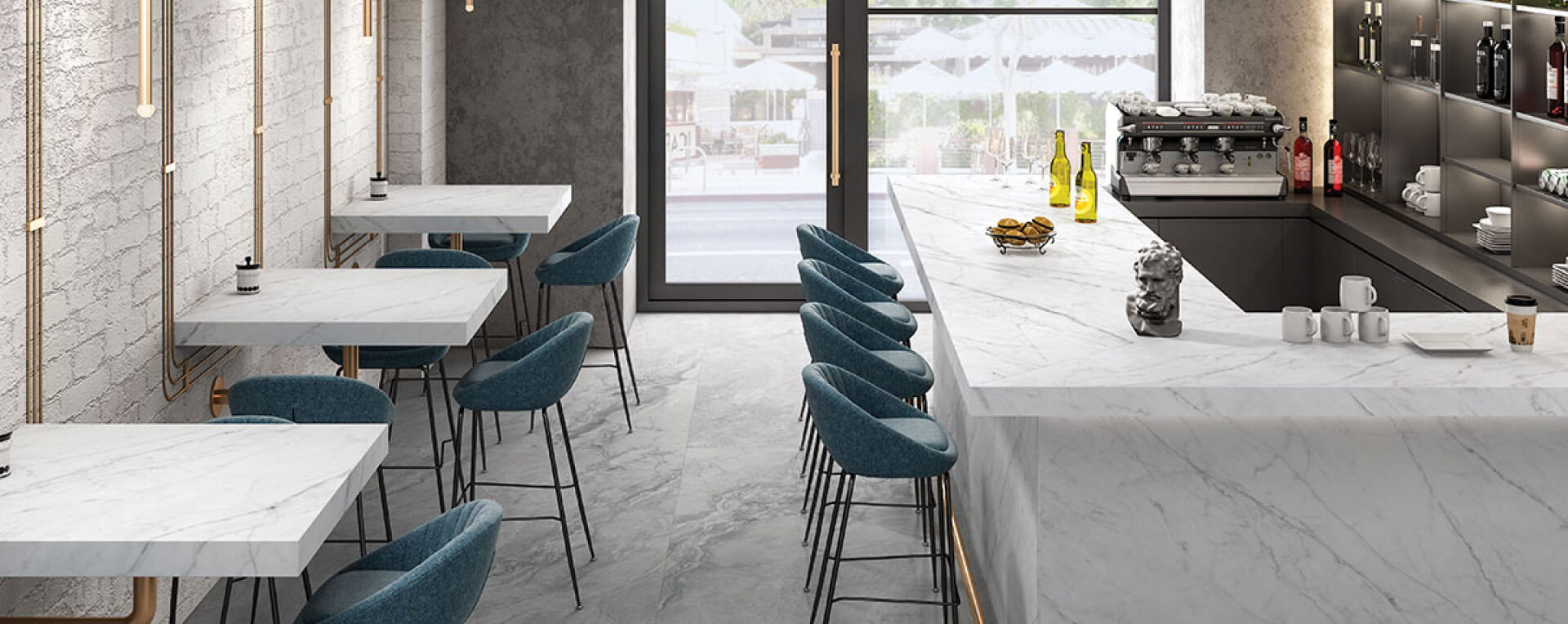
- Commercial and hospitality spaces – Sintered stone is perfect for reception desks, bar tops, washroom counters, restaurant tables, and other high-touch areas. Porcelain slabs are suitable for lobby walls and cladding.